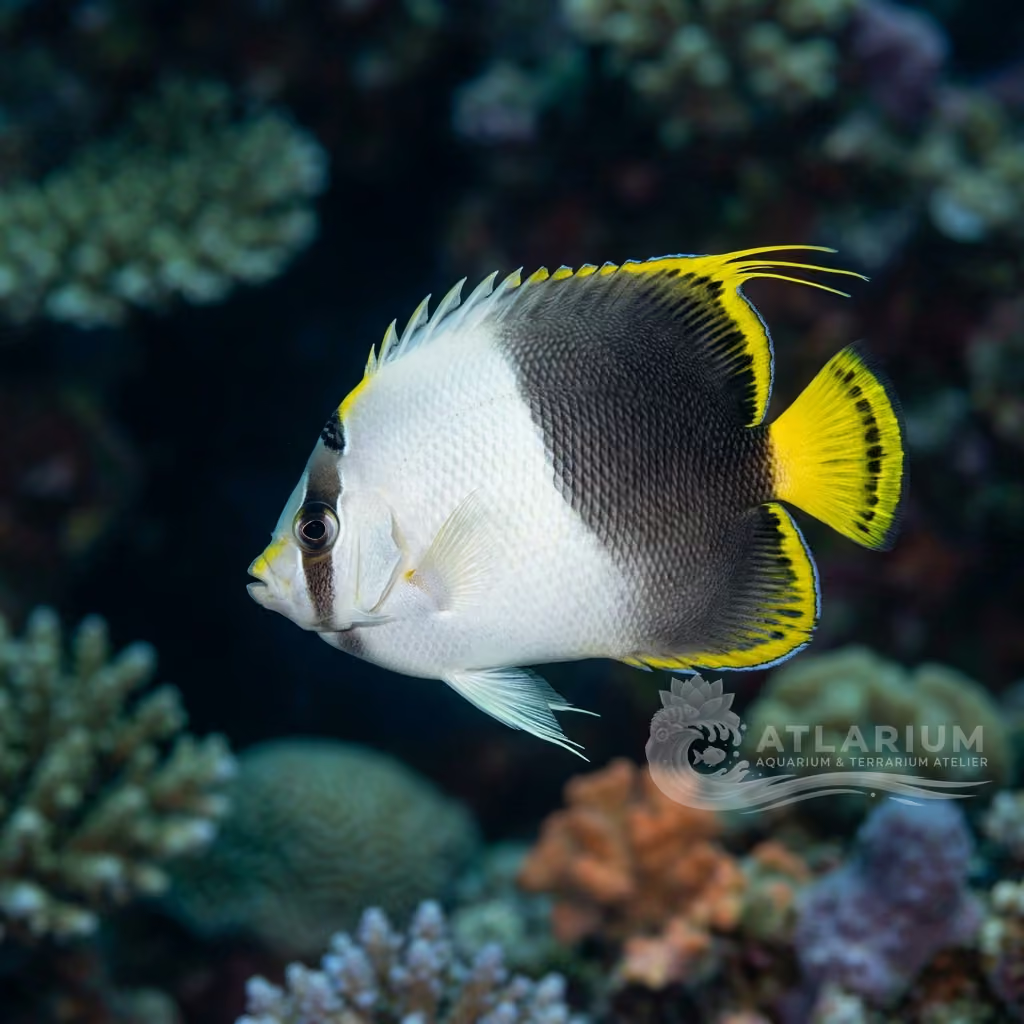
Dusky Angelfish
Centropyge multispinis
The Dusky Angelfish is a hardy, active dwarf angelfish native to the Indo-Pacific, featuring subtle dark tones and blue highlights, perfect for intermediate reef setups.
Température de l’eau
22 - 28 °C
Valeur du pH
8.1 - 8.4
Type d'eau
Marin
Niveau dans le bac
Fond et milieu
Taille adulte
14 cm
Volume minimal du bac
>= 265 L
Groupe minimal
>= 1
KH
8 - 12 dKH

Description de l'espèce
Geographical Origin and Habitat: Centropyge multispini is a marine species widely distributed in the Indo-West Pacific. It is found from the Red Sea and the eastern coast of Africa (south to Natal, South Africa), eastward through the Indian Ocean to Thailand, Indonesia, and Palau. It inhabits sheltered lagoons and seaward reefs, swimming among hard corals, rubble, and rocky formations at depths of 3 to 40 meters.
Taxonomy and Morphology: Belongs to the Pomacanthidae family and the genus Centropyge. It is commonly known as the dusky angelfish or multispine angelfish. The body is laterally compressed with an oval outline. It possesses a sharp spine on the corner of the preopercle and a series of smaller spines on the lower margin of the gill cover. It reaches a maximum length of about 14 cm.
Social Behavior: An active and constantly moving species that patrols the reef seeking food. They live in small social groups dominated by a single male with a harem of several females. They exhibit territorial behavior toward similar species or other dwarf angelfish, but are generally tolerant of unrelated, non-competitive fish.
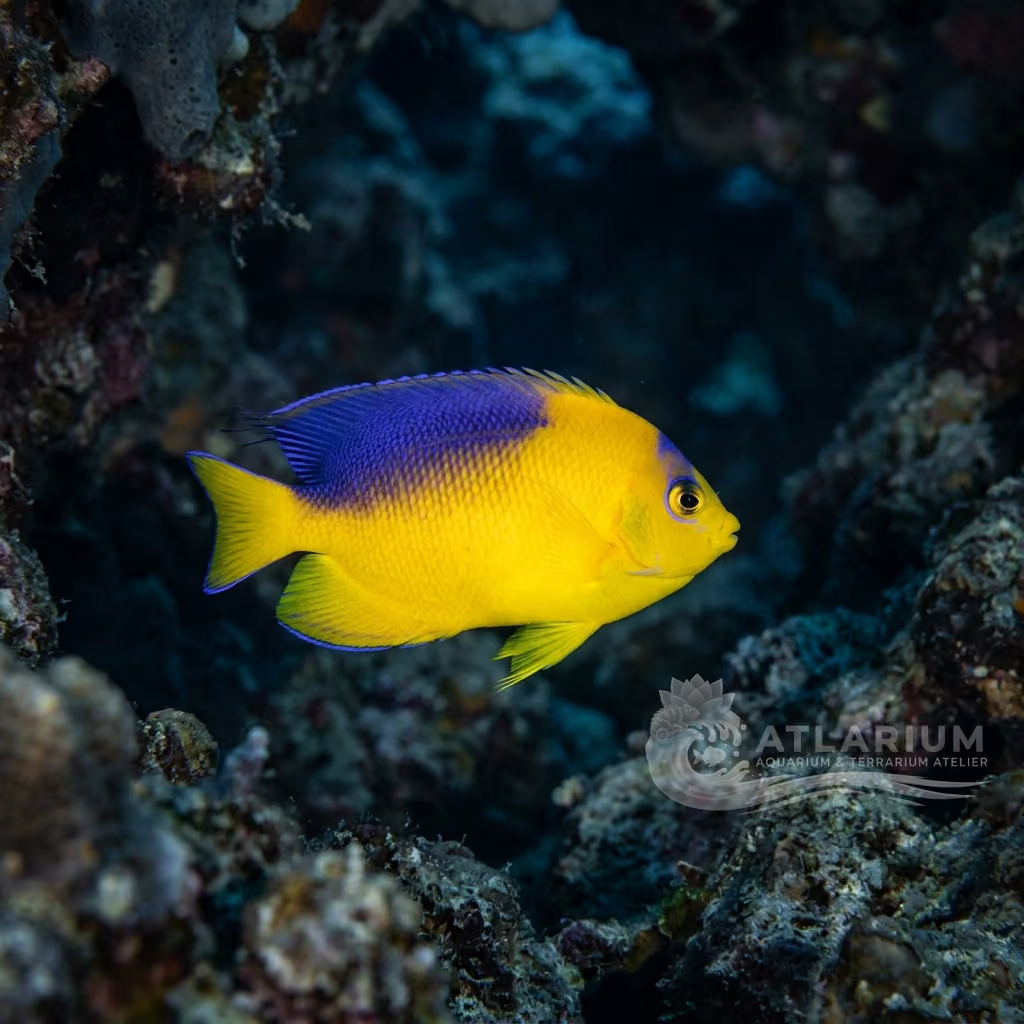
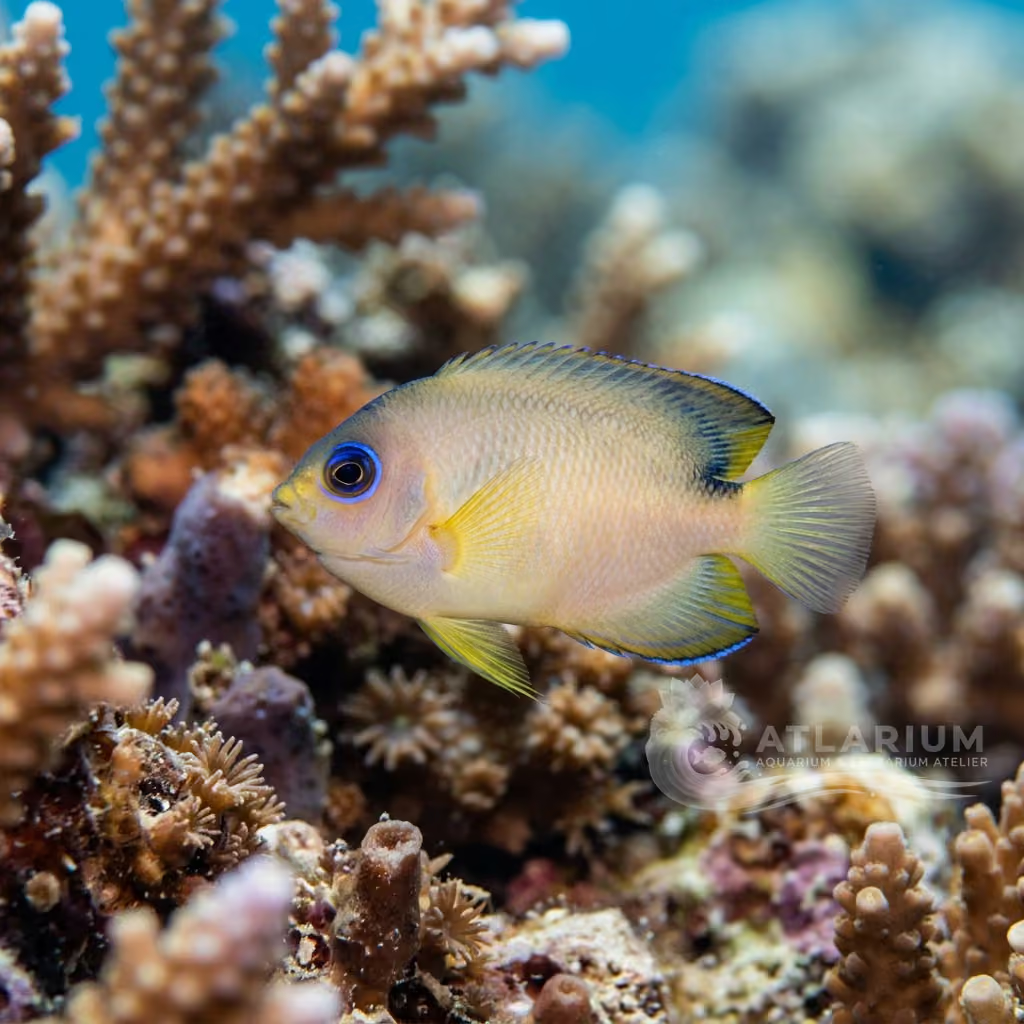
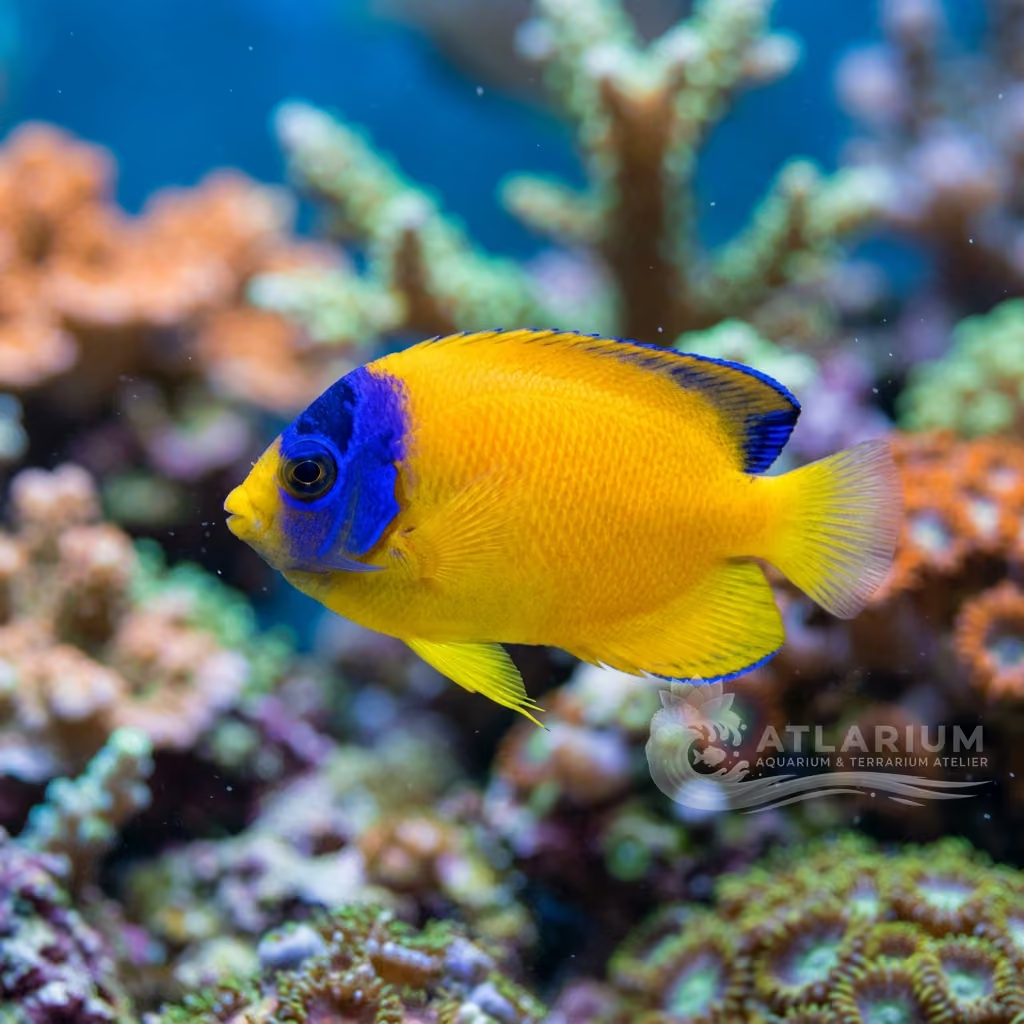
Coloration and Sexual Dimorphism: The body coloration is predominantly dark, ranging from reddish-brown to dark brown or blackish, with thin vertical dark bars on the flanks. It features blue highlights on the margins of the anal and dorsal fins, and a distinct blue-black spot located just behind the edge of the operculum. There is no visible sexual dimorphism.

Soins, reproduction et cohabitation
Aquarium Setup: Requires an established marine aquarium of at least 250 liters. The rockwork must be extensive, providing caves, tunnels, and overhangs, while also encouraging the growth of benthic microalgae for the fish to graze on. Maintain moderate water flow with powerheads.
Diet and Feeding: Primarily an herbivore and detritivore. In captivity, feed a varied diet rich in spirulina, dried nori seaweed, commercial herbivore flakes/pellets, and frozen foods like mysis, brine shrimp, and sponge-based angelfish formulas. Offer small feedings two to three times daily.
Water Quality: Pristine, well-oxygenated water is essential. Keep temperature between 24°C and 28°C, pH between 8.1 and 8.4, specific gravity (SG) between 1.021 and 1.025, and carbonate hardness (dKH) between 8 and 12. Keep nitrate and phosphate levels low to prevent health issues.
Compatibility and Cohabitation: Not 100% reef-safe. They may nip at LPS corals, soft corals, and clam mantles. They coexist well with active tankmates like tangs, damselfishes, gobies, and wrasses. Avoid housing multiple dwarf angelfish in the same aquarium unless the enclosure is exceptionally large.
Aquarium Breeding: Protogynous hermaphrodites. Captive breeding is rare and highly challenging. Pairs spawn at dusk, releasing pelagic eggs into the water column. The larvae undergo a complex development and require microscopic live foods (such as rotifers and copepods) to survive.
Risks and Diseases: Moderately hardy, but susceptible to external parasites like Cryptocaryon and Amyloodinium if stressed. They are sensitive to copper treatments. Skin infections can occur if they scrape against sharp rockwork or face aggression from dominant tankmates.

Origine et répartition géographiques
Centropyge multispini is a marine species widely distributed in the Indo-West Pacific. It is found from the Red Sea and the eastern coast of Africa (south to Natal, South Africa), eastward through the Indian Ocean to Thailand, Indonesia, and Palau. It inhabits sheltered lagoons and seaward reefs, swimming among hard corals, rubble, and rocky formations at depths of 3 to 40 meters.
Origine
Océans tropicaux et récifsAfrique et MadagascarAsie du Sud et du Sud-Est

Profil de poisson
- Tempérament
- Semi-aggressive
- This dwarf angelfish exhibits a semi-aggressive and highly territorial temperament, particularly toward other dwarf angelfish or fish with similar body shapes and coloration. It is generally peaceful toward unrelated species, such as wrasses, gobies, and larger, active reef fish, provided the tank is sufficiently large. They establish territories centered around specific rock formations and will defend these areas from intruders. Introducing them as one of the last additions to the aquarium helps reduce territorial disputes and aggression toward new tankmates.
- Régime alimentaire
- Omnivore
- The Dusky Angelfish is an omnivorous species with a strong herbivorous preference, feeding primarily on microalgae and detritus in the wild. In the aquarium, their diet should consist of high-quality marine algae, spirulina, and specialized angelfish preparations containing sponge matter. They also require meaty foods such as mysis shrimp, brine shrimp, and high-quality pellet or flake food to meet their nutritional needs. A constant supply of live rock for natural grazing is highly beneficial for their health and helps mimic their natural feeding habits.
- Espérance de vie
- 10-15 years
- Taille adulte
- 14 cm
- Ratio des sexes
- Harem
- The Dusky Angelfish is a protogynous hermaphrodite, meaning all individuals are born female and the dominant individual in a group will transition into a male. In captivity, they are typically kept singly to prevent severe territorial aggression between conspecifics. If stocking a pair or a small harem, it is crucial to introduce one larger specimen (which will become the male) and one or more smaller specimens simultaneously in a very spacious aquarium with plenty of visual barriers. This setup mimics their natural social structure, where a single male dominates a small group of females.
- Fréquence d'alimentation
- Twice daily
- In captivity, it is best to feed the Dusky Angelfish multiple small meals daily, ideally two to three times a day. Their natural behavior involves continuous grazing on algae and small invertebrates throughout the day, and frequent feedings help replicate this pattern. Providing small, controlled amounts prevents food from decomposing and fouling the water. Regular feeding also keeps them well-nourished, which significantly reduces the likelihood of them nipping at corals or clam mantles.
- Charge biologique
- Low to Medium
- The Dusky Angelfish (Centropyge multispinis) has a low to medium biological load in the aquarium. Since it is an active grazer and omnivore, it produces a moderate amount of organic waste that requires robust filtration. A well-designed protein skimmer and efficient biological filtration are recommended to maintain pristine water quality. Regular water changes and carbon filtration will help manage dissolved organic compounds and prevent nitrate buildup.
- Courant
- Strong
- This species thrives in environments with moderate to strong water flow, which reflects the natural dynamics of their native coral reefs and seaward slopes. Good water movement encourages active swimming, helps deliver oxygen-rich water, and prevents the accumulation of detritus in their grazing areas. However, it is essential to provide areas with lower flow, such as caves and rock crevices, where they can rest without fighting the current. A well-planned powerhead placement will create the necessary flow variation for their comfort.
- Risque de saut
- Yes
- The Dusky Angelfish carries a moderate risk of jumping, especially when startled, chased by tankmates, or during acclimation. To prevent any tragic escapes, it is highly recommended to keep the aquarium covered with a tight-fitting lid or a secure mesh screen. Sudden changes in lighting or disturbances near the tank can trigger their flight response, leading to accidental jumps. Ensuring there are enough rocky caves will also provide secure retreats, reducing their impulse to jump when threatened.
- Reproduction
- Oviparous
- Reproduction of the Dusky Angelfish in the home aquarium is exceptionally difficult and rarely achieved by hobbyists. They are broadcast spawners that release gametes into the water column during twilight hours, followed by a pelagic larval phase that is highly challenging to rear. Successful captive breeding requires a very tall aquarium to facilitate their courtship rise, pristine water quality, and specific live cultures like copepods for the tiny larvae. While some professional breeding facilities have successfully raised dwarf angelfish, it remains a task suited only for advanced aquarists.
- Compatibilité et compagnons
- Semi-aggressive
- The Dusky Angelfish is compatible with a wide range of marine species, but caution is required in reef settings and with similar fish. They are generally peaceful toward larger, active reef fish like tangs, wrasses, and damsels, as well as bottom dwellers like gobies. However, they should not be housed with other dwarf angelfish unless the tank is exceptionally large, as intense fighting will occur. In reef aquariums, they are considered reef-safe with caution, as they may nip at fleshy LPS corals, zoanthids, or clam mantles if underfed.
- Niveau dans le bac
- Middle/Bottom
- This species primarily inhabits the bottom and middle zones of the aquarium, where it spends most of its time darting in and out of rockwork. They are closely associated with reefs, rubble zones, and caves, using these structures for both shelter and foraging. While they may occasionally venture into the upper water column during feeding, they rarely stray far from their protective hiding spots. A layout with plenty of live rock forming tunnels and crevices is ideal to accommodate this behavior.

Espèces associées
Recommandations regroupées par proches parents, compagnons et soins similaires.