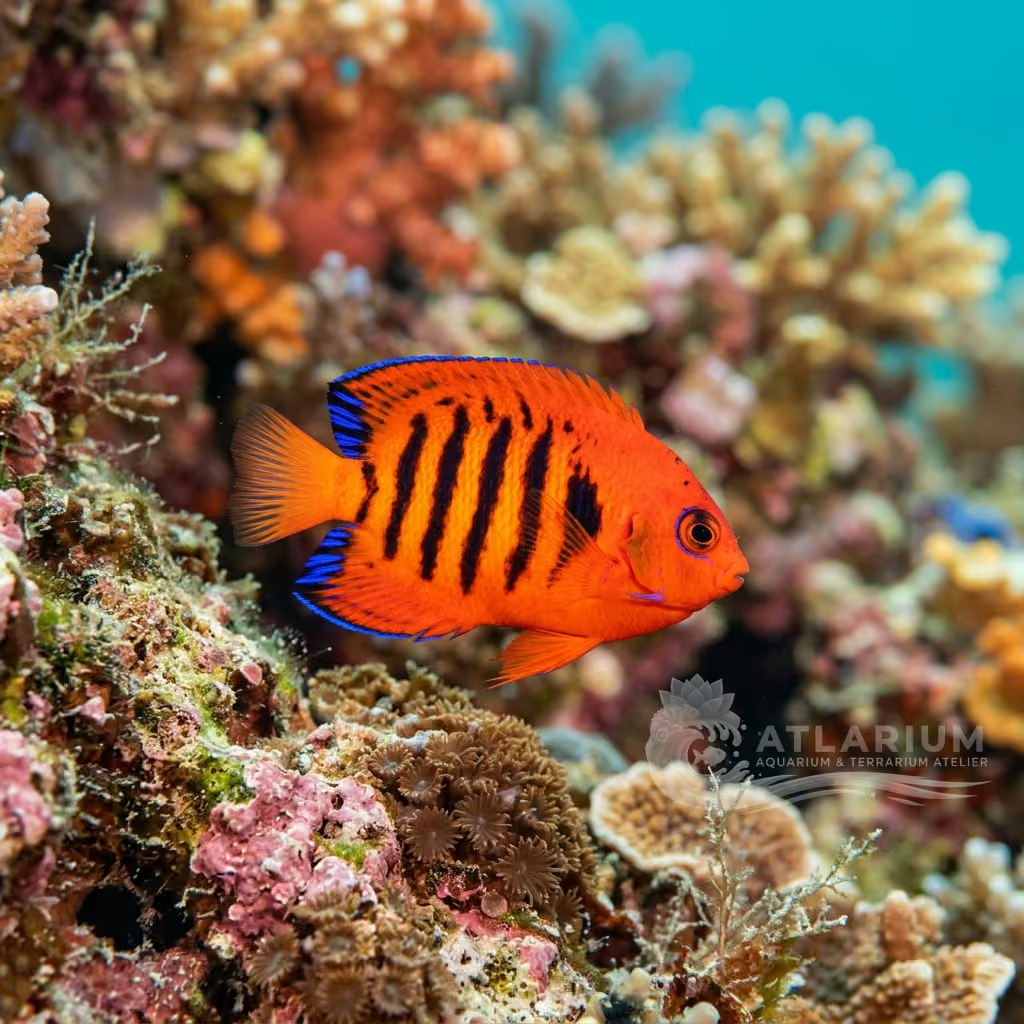
Abe's Angelfish
Centropyge abei
An exceptionally rare pygmy angelfish collected from deep-water reefs. Its unique beauty and specific care requirements make it a prize for highly advanced marine aquarists.
Température de l’eau
18 - 23 °C
Valeur du pH
8.1 - 8.4
Type d'eau
Marin
Niveau dans le bac
Fond et milieu
Taille adulte
9 cm
Volume minimal du bac
>= 200 L
Groupe minimal
>= 1

Description de l'espèce
Geographical Origin and Habitat: This extremely rare species is native to the deep waters of the Western Central Pacific Ocean, with specimens recorded around Palau and Manado (Indonesia). It inhabits deep mesophotic reefs, vertical drop-offs, and caves at depths ranging from 100 to 150 meters, where water is cool and light is dim.
Taxonomy and Morphology: Member of the Pomacanthidae family, genus Centropyge. It features a laterally compressed, oval body, large eyes adapted to low-light abodes, and a sharp preopercular spine typical of pygmy angelfish. Adults reach a maximum length of about 9-10 centimeters.
Social Behavior: A shy, reclusive, and territorial species that is adapted to living in small family groups or monogamous pairs. It spends its life swimming close to deep rocky structures and non-photosynthetic corals, cautiously exploring the substrate for food items.
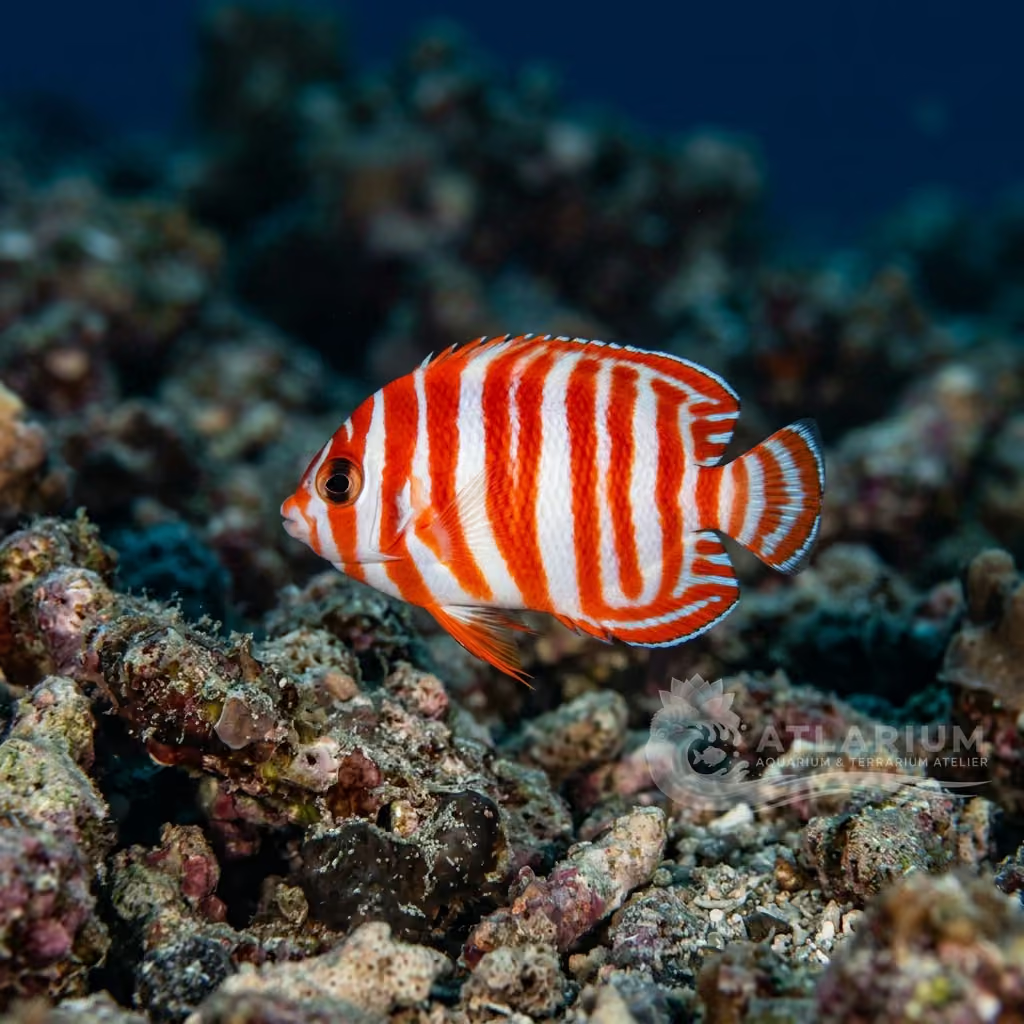
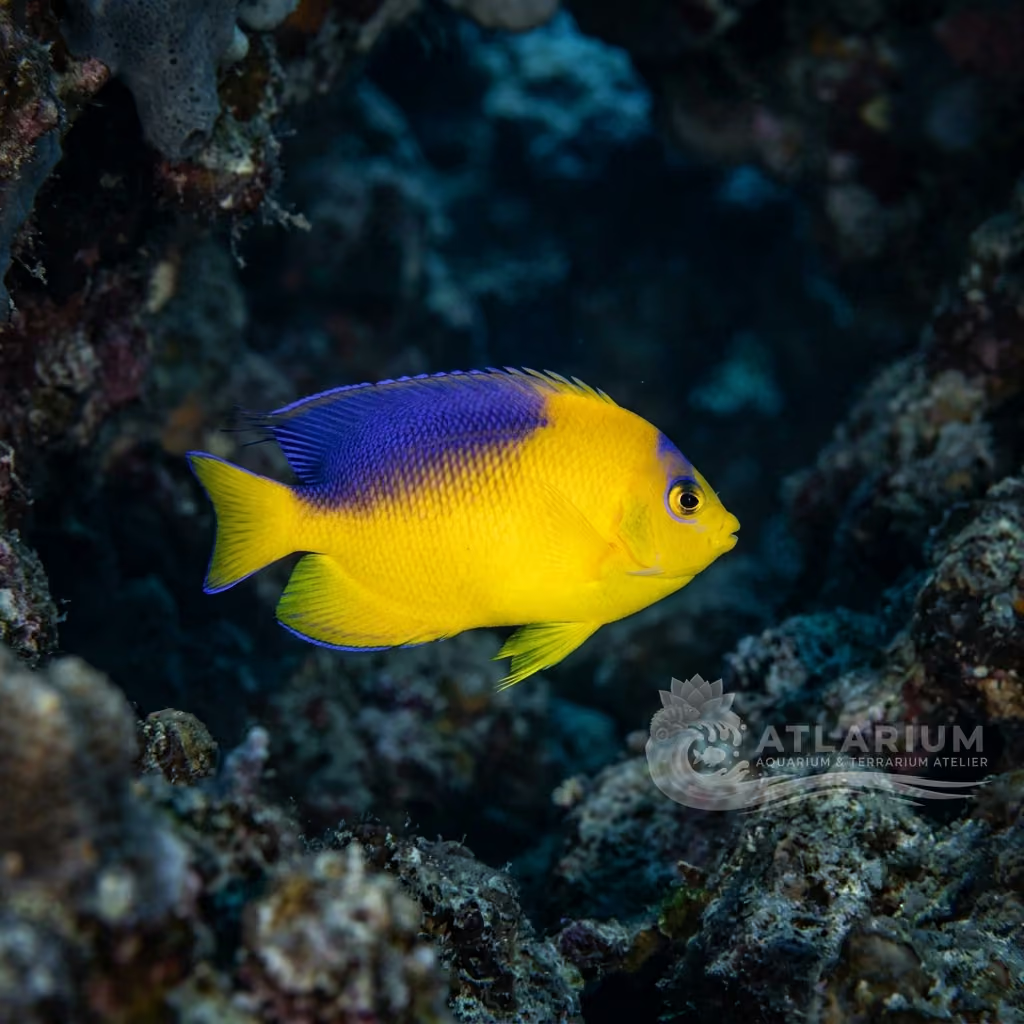
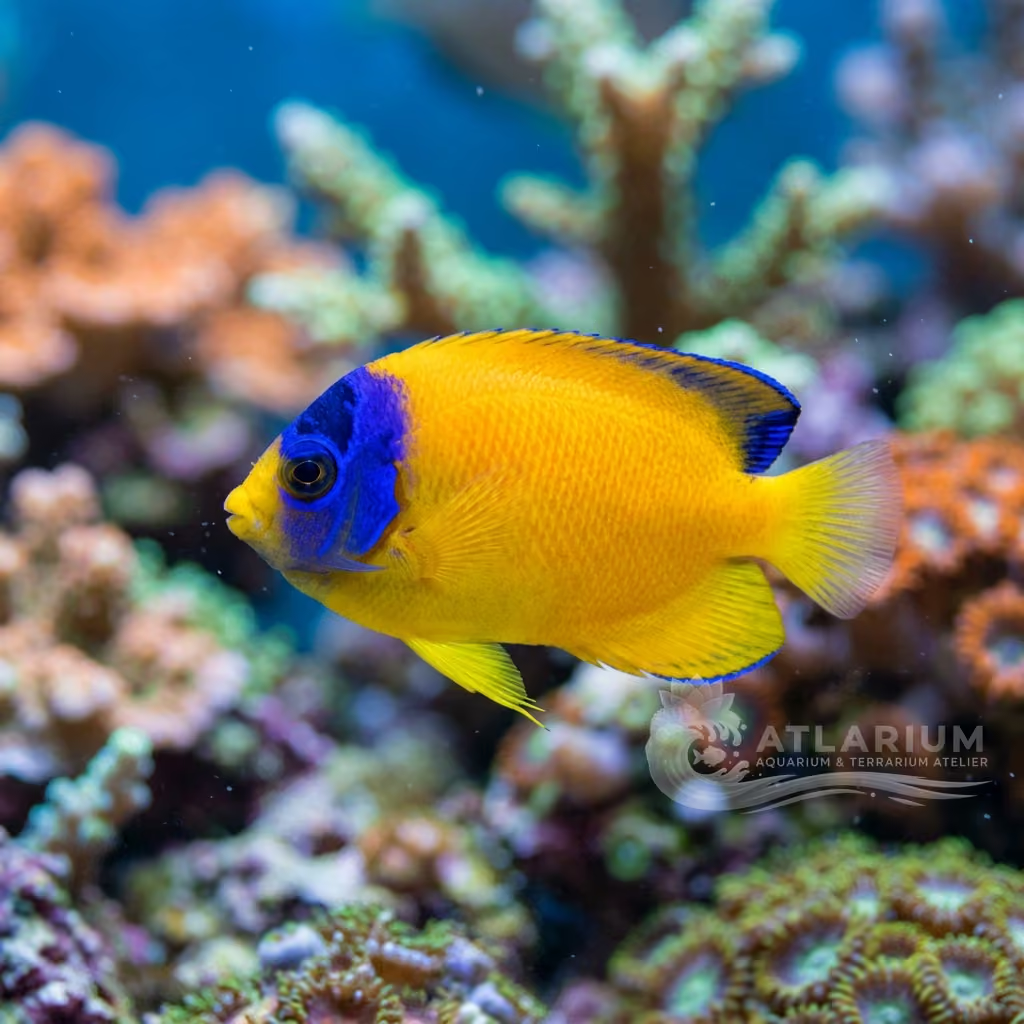
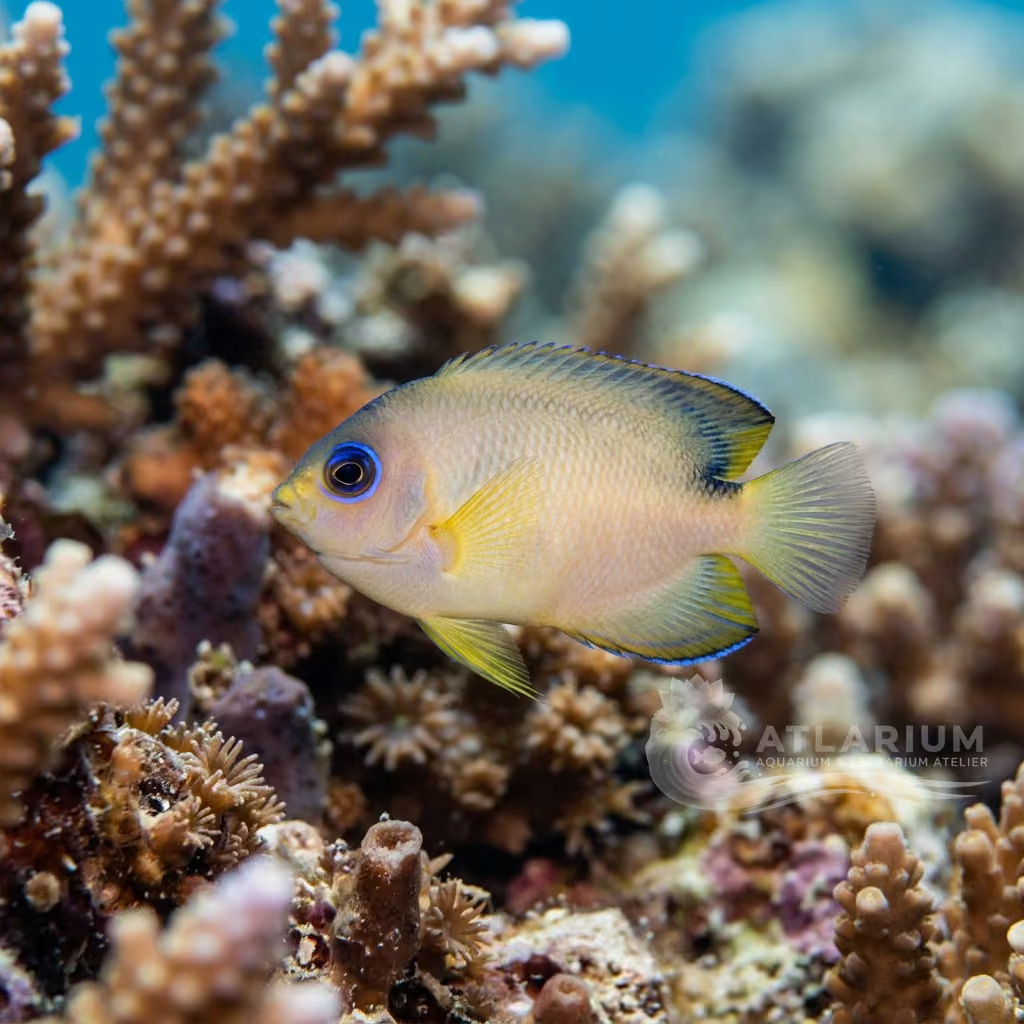
Coloration and Sexual Dimorphism: Displays a unique and elegant coloration: the lower half of the body is bright yellow, while the back and head are dark blackish-blue, accented by a faint white vertical bar behind the operculum. The caudal fin is white to pale yellow. No visible sexual dimorphism.

Soins, reproduction et cohabitation
Aquarium Setup: Demands a mature marine aquarium of at least 200 liters, decorated to replicate a steep rocky wall with deep, dark caves and overhangs. Lighting must be kept very dim or actinic-only to mimic its mesophotic habitat. A secure lid is mandatory to prevent escape.
Diet and Feeding: Omnivorous. In the wild, it feeds on sponges, tunicates, deep-water algae, and small benthic invertebrates. In captivity, offer frozen foods such as mysis, krill, brine shrimp, and specialized sponge-based angelfish food. Hard to transition to dry pellets.
Water Quality: Requires pristine water quality with low nutrient levels and cool water temperatures, ideally between 21 and 24 °C (lower than standard reef tanks). Maintain pH 8.1 to 8.4, and specific gravity 1.020 to 1.025. A powerful skimmer and chiller are essential.
Compatibility and Cohabitation: Safe with non-photosynthetic corals, but may nip at soft corals or stony coral polyps. Keep with peaceful, deep-water fish and non-aggressive tankmates. Avoid housing with hyperactive or highly territorial shallow-water fish that will stress it.
Aquarium Breeding: Has never been bred in captivity due to the extreme rarity of collected specimens and the difficulty of replicating the pressure and depth conditions required to trigger spawning and support the pelagic larval phase.
Risks and Diseases: Highly susceptible to skin parasites (Cryptocaryon and Oodinium) due to decompression stress during collection. Prone to internal bacterial infections if kept in water that is too warm. Requires a strict, dark quarantine period upon arrival.

Origine et répartition géographiques
This extremely rare species is native to the deep waters of the Western Central Pacific Ocean, with specimens recorded around Palau and Manado (Indonesia). It inhabits deep mesophotic reefs, vertical drop-offs, and caves at depths ranging from 100 to 150 meters, where water is cool and light is dim.
Origine
Océans tropicaux et récifsAsie du Sud et du Sud-EstAsie de l'Est

Profil de poisson
- Tempérament
- Semi-aggressive
- This species displays a semi-aggressive temperament, which is typical for most dwarf angelfish in the genus Centropyge. They are generally peaceful toward unrelated tank mates but can become highly territorial and aggressive toward conspecifics or similar-looking fish. They will vigorously defend their preferred caves and hiding spots from intruders. Providing ample physical barriers and visual breaks in the aquarium layout will help mitigate territorial behavior and reduce overall stress.
- Régime alimentaire
- Omnivore
- Centropyge abei is an omnivore that feeds primarily on zooplankton, benthic invertebrates, and microalgae in the wild. In a home aquarium, they should be offered a varied diet consisting of high-quality frozen foods like mysis shrimp, brine shrimp, and chopped krill. It is also beneficial to supplement their meals with algae-rich preparations, spirulina, and specialized angelfish formulas containing sponge material. Feeding them a diverse diet ensures they receive all necessary nutrients to maintain their coloration and immune health.
- Espérance de vie
- 8-12 years
- Taille adulte
- 9 cm
- Ratio des sexes
- Harem
- In their natural habitat, Centropyge abei typically organize themselves in haremic structures consisting of a single dominant male and several smaller females. If kept in captivity, it is usually recommended to house them as single specimens unless a very large aquarium is available to support a established pair or harem. Keeping multiple males together will result in intense territorial aggression and must be avoided. If attempting to form a pair, introducing a smaller female to a larger, established fish is the most reliable method as the dominant individual will transition into a male.
- Fréquence d'alimentation
- 2-3 times daily
- To sustain their active lifestyle and high metabolism, Centropyge abei should be fed small portions two to three times daily. Providing multiple smaller feedings throughout the day closely mimics their natural foraging behavior on the deep reef. It also reduces the likelihood of them nipping at corals or other sessile invertebrates out of hunger. Any uneaten food should be removed promptly to prevent water quality degradation.
- Charge biologique
- Low to Medium
- Centropyge abei is a relatively small species, reaching a maximum length of about 9.1 centimeters, which translates to a low-to-medium biological waste production. However, due to its deep-water origins, it is highly sensitive to water quality fluctuations and requires a well-established filtration system. A protein skimmer and regular water changes are essential to maintain the pristine, low-nutrient conditions this species experiences in its natural habitat. Efficient chemical and biological filtration will prevent the accumulation of nitrates and phosphates, which can be stressful to this rare angelfish.
- Courant
- Moderate
- This deep-water species is accustomed to the steady, moderate currents found along deep reef slopes and drop-offs. In the aquarium, they prefer moderate water flow that provides sufficient oxygenation without creating turbulent, overpowering currents. Good water movement is also beneficial for keeping debris from settling in their preferred rocky caves. The flow should be designed to create gentle currents throughout the lower and middle zones where the fish spends most of its time.
- Risque de saut
- Yes
- Like many dwarf angelfish, Centropyge abei is an active and agile swimmer that can easily leap out of the water when startled or stressed. Their natural behavior of darting away from predators can translate into jump attempts in the confines of a home aquarium. It is highly recommended to secure the tank with a tight-fitting lid or a fine mesh cover to prevent escape. Ensuring that the lighting transitions are gradual can also reduce the likelihood of startling the fish and triggering a flight response.
- Reproduction
- Oviparous
- Centropyge abei is a protogynous hermaphrodite, meaning that all individuals develop as females first and the most dominant specimen in a social group will transition into a male. Spawning occurs in pairs and involves a pelagic release of gametes into the water column, usually during twilight. Due to their deep-water origin and rare status in the hobby, there are no documented cases of successful captive reproduction for this species. Breeding them in captivity remains an extreme challenge that requires specialized deep-water setups and larval rearing protocols.
- Compatibilité et compagnons
- Not reef safe
- Centropyge abei is compatible with a variety of peaceful, deep-water reef fish such as anthias, small wrasses, and gobies. However, they should not be housed with other dwarf angelfish or species that share a similar shape and coloration to prevent territorial conflicts. They are considered reef-safe with caution, as they may occasionally nip at large polyp stony (LPS) corals, soft corals, or clam mantles. Keeping them well-fed and choosing robust coral species can help minimize the risk of damage.
- Niveau dans le bac
- Middle/Bottom
- Centropyge abei is a demersal species that naturally inhabits the deep reef slopes and rocky drop-offs of the Western Pacific. In an aquarium, they spend the vast majority of their time in the lower and middle regions of the tank, darting in and out of rockwork. They prefer environments with numerous caves, overhangs, and crevices where they can seek shelter and feel secure. While they will occasionally venture into the upper column during feeding, they generally remain close to the substrate.

Modèles et paramètres scientifiques
FishBase
Fenêtre sur les données scientifiques officielles de l’espèce
FishBase v25.04Données synchronisées le : 15/06/2026
- Niveau trophique
- 2,8 ± 0,3 se
- Résilience
- Élevée (moins de 15 mois)
- Singularité phylogénétique (PD50)
- 0.5
- Relation bayésienne longueur-poids
- a = 0.0302, b = 2.89
- VulnérabilitéVulnérabilité faible (10 / 100)

Espèces associées
Recommandations regroupées par proches parents, compagnons et soins similaires.