Blue Damselfish
Chrysiptera cyanea
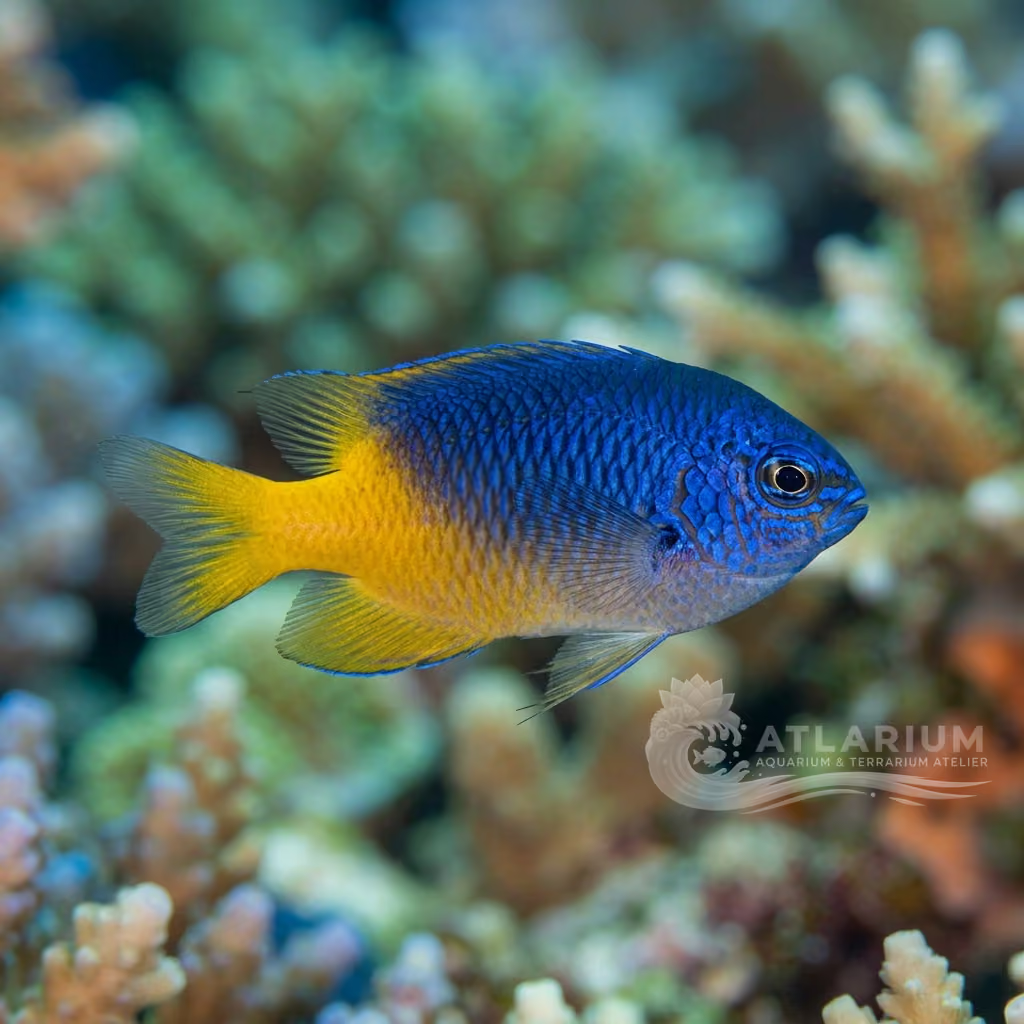
The blue damselfish is a small, electric-blue marine fish known for its extreme hardiness, making it ideal for beginners despite its territorial behavior.
Température de l’eau
24 - 27 °C
Valeur du pH
8.1 - 8.4
Type d'eau
Marin
Niveau dans le bac
Fond et milieu
Taille adulte
8,5 cm
Volume minimal du bac
>= 150 L
Groupe minimal
>= 1
KH
8 - 12 dKH

Description de l'espèce
Geographical Origin and Habitat: Chrysiptera cyanea is widely distributed throughout the tropical waters of the Western Indo-Pacific, spanning from Western Australia and Indonesia to Micronesia, the Solomon Islands, and southern Ryukyu Islands. Its natural biotope comprises shallow coral reefs, protected lagoons, and tidal flats at depths of 0 to 10 meters. It is frequently found in areas with high coral cover and coral rubble, which provide plenty of shelter.
Taxonomy and Morphology: It belongs to the family Pomacentridae and the genus Chrysiptera. It features a compact, oval, and slightly elongated body typical of damselfishes. The head is rounded with a small mouth. Adults reach a maximum length of about 8 centimeters. Its skeletal structure and scales are extremely durable, allowing this fish to tolerate environmental conditions that are not always optimal.
Social Behavior: This species is highly territorial and aggressive, particularly toward members of its own species or fish introduced later to the aquarium. In nature, it lives in small groups with a defined hierarchy, where each individual fiercely defends its section of the reef. In captivity, it tends to bully quieter or smaller tankmates.
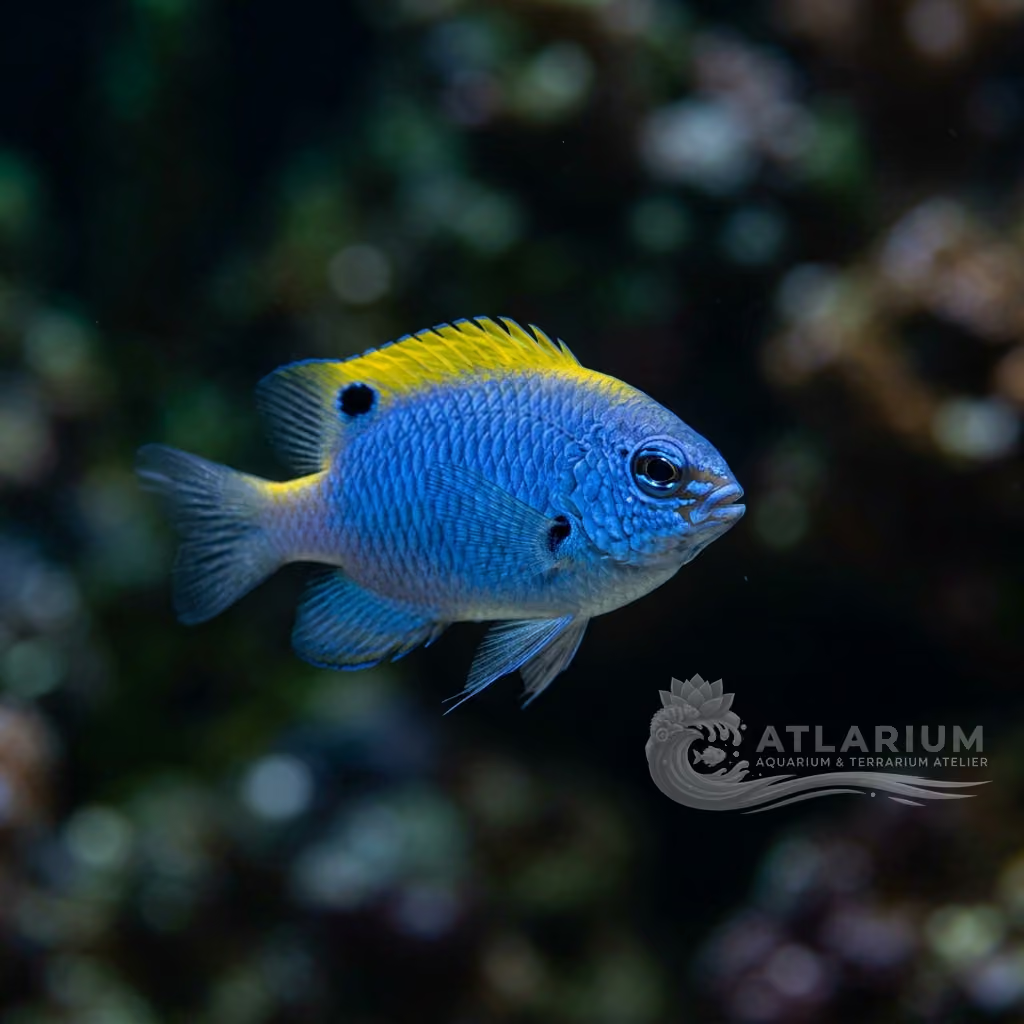
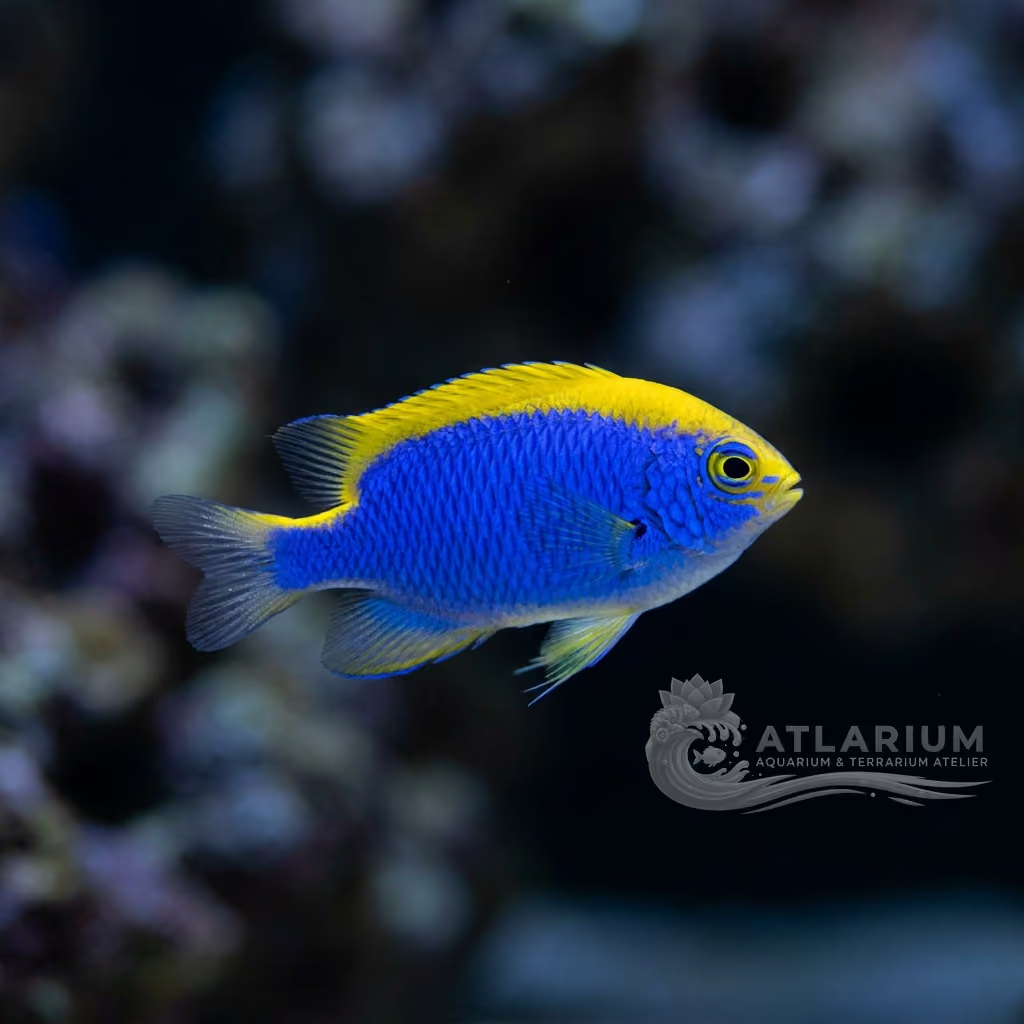
Coloration and Sexual Dimorphism: The species displays an extraordinarily bright and iridescent electric blue coloration over its entire body. It shows distinct sexual dimorphism: males have a uniform blue color that extends to the tail, which often has yellow or orange margins, while females and juveniles have a transparent tail and a small black spot at the base of the rear dorsal fin.

Soins, reproduction et cohabitation
Aquarium Setup: Requires an aquarium of at least 80 liters for a single specimen, but a small group requires at least 150-200 liters. The setup must include plenty of live rock arranged to create numerous hiding places, caves, and visual barriers. These elements are essential for the damselfish to establish its territory without constantly fighting other tankmates.
Diet and Feeding: It is an omnivore and not at all demanding in terms of feeding. It eagerly accepts any type of food offered: dry flake or pellet foods, frozen foods such as mysis, brine shrimp, krill, and plant-based preparations containing spirulina. It is advisable to feed the fish once or twice a day in small portions to maintain its vitality and reduce aggression.
Water Quality: This is one of the hardiest and most tolerant marine species, making it ideal for cycling new aquariums. It tolerates fluctuations in water chemistry that would be fatal to other fish. Recommended parameters include a temperature of 24-28°C, pH of 8.1-8.4, and specific gravity of 1.020-1.025. Nitrite and ammonia levels must still be kept under control.
Compatibility and Cohabitation: Due to its high territorial aggression, it should be housed with equally robust and active fish, such as tangs, large dottybacks, wrasses, and other damselfish species. Avoid keeping it with slow, shy, or delicate fish like pipefish, mandarins, and small gobies. It is completely reef safe and does not harm corals or invertebrates.
Aquarium Breeding: Breeding in the aquarium is relatively common and easy compared to other marine species. The male lures the female into its rocky nest, where she lays adhesive eggs. Afterward, the male drives the female away and assumes sole responsibility for guarding, fanning, and protecting the eggs until they hatch, which occurs in about 3-5 days.
Risks and Diseases: While highly resistant to parasitic diseases like Cryptocaryon and Amyloodinium, it can still contract infections under extreme stress or long-term poor hygiene. The main risk is interspecific aggression: intense fighting can cause fin damage or body scratches that can subsequently become infected with bacteria if the water is not clean.

Origine et répartition géographiques
Chrysiptera cyanea is widely distributed throughout the tropical waters of the Western Indo-Pacific, spanning from Western Australia and Indonesia to Micronesia, the Solomon Islands, and southern Ryukyu Islands. Its natural biotope comprises shallow coral reefs, protected lagoons, and tidal flats at depths of 0 to 10 meters. It is frequently found in areas with high coral cover and coral rubble, which provide plenty of shelter.
Origine
Cosmopolite ou introduitAsie du Sud et du Sud-EstAsie de l'EstAustralie, Nouvelle-Guinée et OcéanieOcéans tropicaux et récifs

Profil de poisson
- Tempérament
- Aggressive
- They are fiercely territorial and will ruthlessly bully much larger fish that enter their domain. They are often referred to as terrors due to their outsized aggression. Despite their bad attitude, their stunning sapphire color makes them a popular choice.
- Régime alimentaire
- Omnivore
- They are hardy omnivores that will accept almost any food offered. A base diet of high-quality marine flakes or small pellets is perfect. Supplement with frozen mysis shrimp and algae to ensure balanced nutrition and bright colors.
- Espérance de vie
- 5-15 years
- Taille adulte
- 8.5 cm
- Ratio des sexes
- Solitary
- Keeping them singly is usually the safest route due to their extreme conspecific aggression. If breeding is desired, introduce a male and female simultaneously into a large tank. Males typically possess bright orange tails, while females remain entirely blue.
- Fréquence d'alimentation
- 2-3 times daily
- Feed them small portions two to three times a day. Their high metabolism demands frequent energy intake to fuel their constant swimming. They are aggressive eaters that will quickly dominate the feeding zone.
- Charge biologique
- Low to Medium
- This highly active but small fish produces a relatively low bioload. Standard protein skimming and biological filtration are adequate for their care. Regular water changes are still needed to maintain pristine reef conditions.
- Courant
- Strong
- They appreciate moderate to strong water flow simulating a vibrant reef environment. Active water movement provides them with endless swimming exercises. It also helps transport oxygen and flush detritus from their rocky territories.
- Risque de saut
- No
- Reproduction
- Oviparous
- They frequently spawn in home aquariums if a compatible pair is formed. The male clears a nesting site on a rock and vigorously guards the deposited eggs. Rearing the microscopic fry is exceptionally difficult and rarely accomplished by hobbyists.
- Compatibilité et compagnons
- Reef safe
- They are notoriously aggressive and territorial for their diminutive size. They should only be kept with larger, robust fish like tangs or large angelfish. Do not house them with timid species like firefish or peaceful gobies.
- Niveau dans le bac
- Middle/Bottom
- They are highly active and will boldly patrol all levels of the aquarium. They claim specific caves in the rockwork as their absolute territory. They will frequently dart out from their caves to challenge any passing fish.

Modèles et paramètres scientifiques
FishBase
Fenêtre sur les données scientifiques officielles de l’espèce
FishBase v25.04Données synchronisées le : 15/06/2026
- Niveau trophique
- 2,5 ± 0,1 se
- Résilience
- Élevée (moins de 15 mois)
- Singularité phylogénétique (PD50)
- 0.5
- Relation bayésienne longueur-poids
- a = 0.01445, b = 3
- VulnérabilitéVulnérabilité faible (10 / 100)

Espèces associées
Recommandations regroupées par proches parents, compagnons et soins similaires.