King Damselfish
Chrysiptera rex
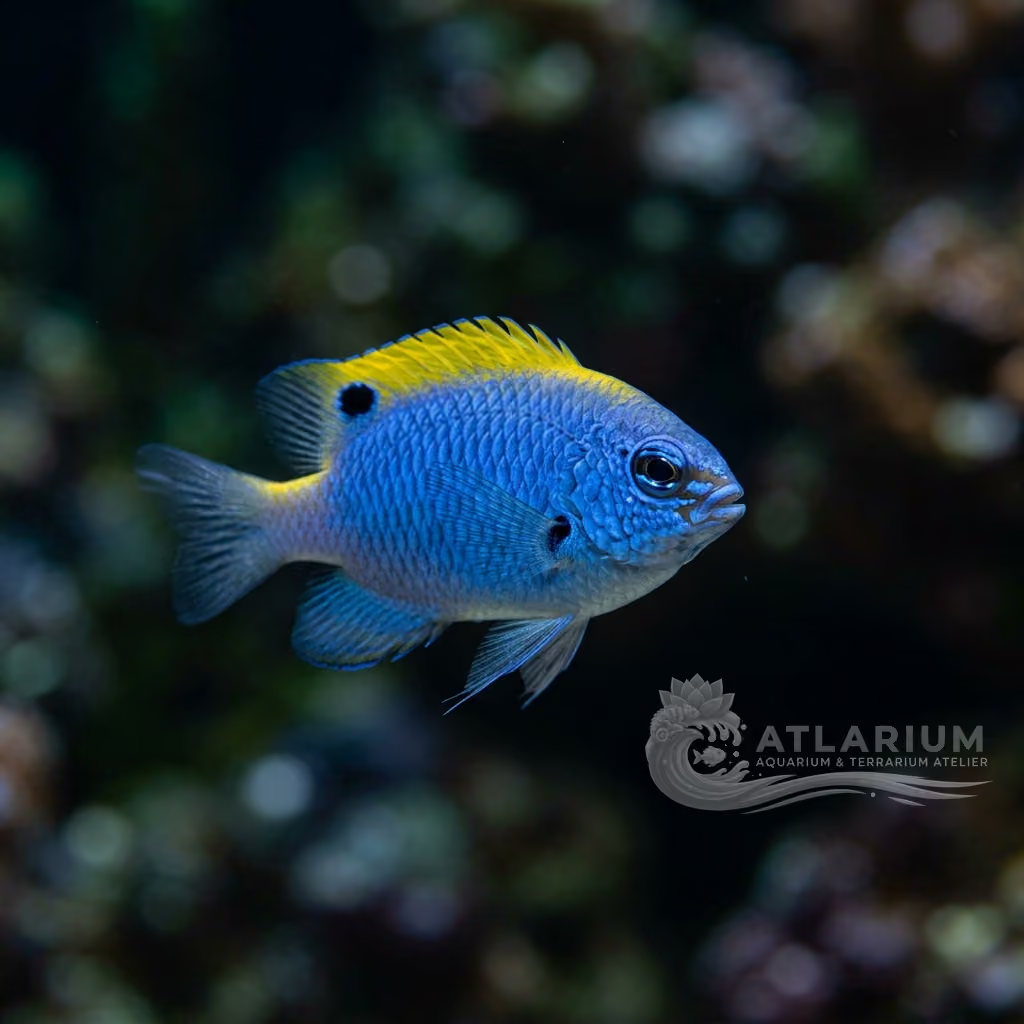
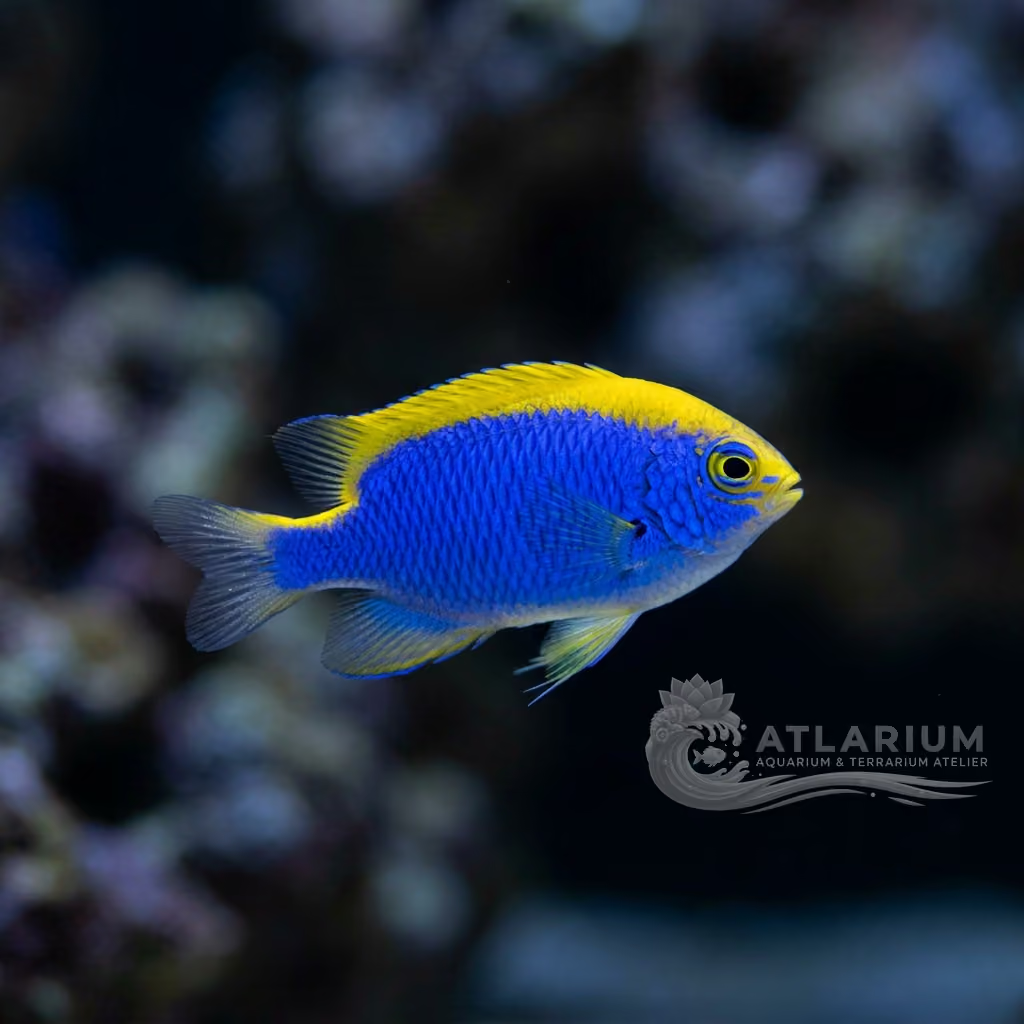
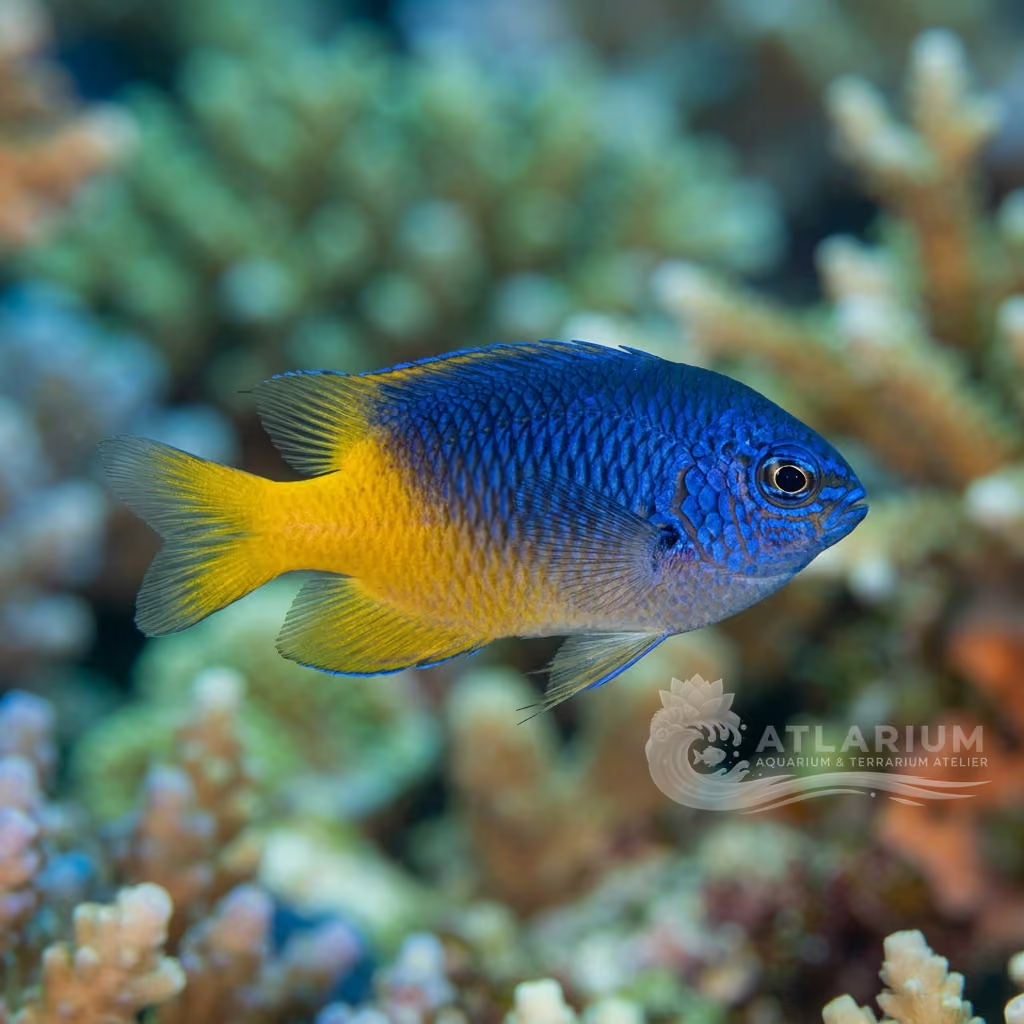
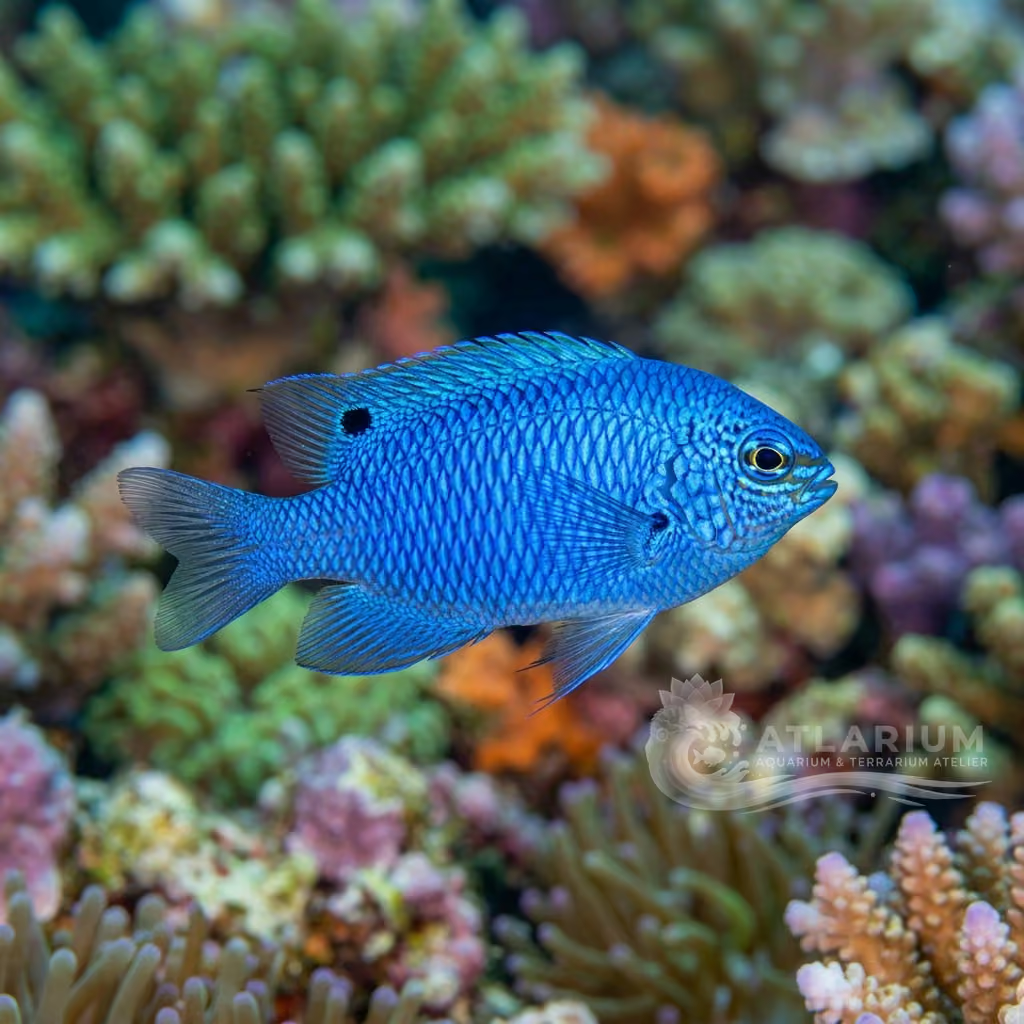
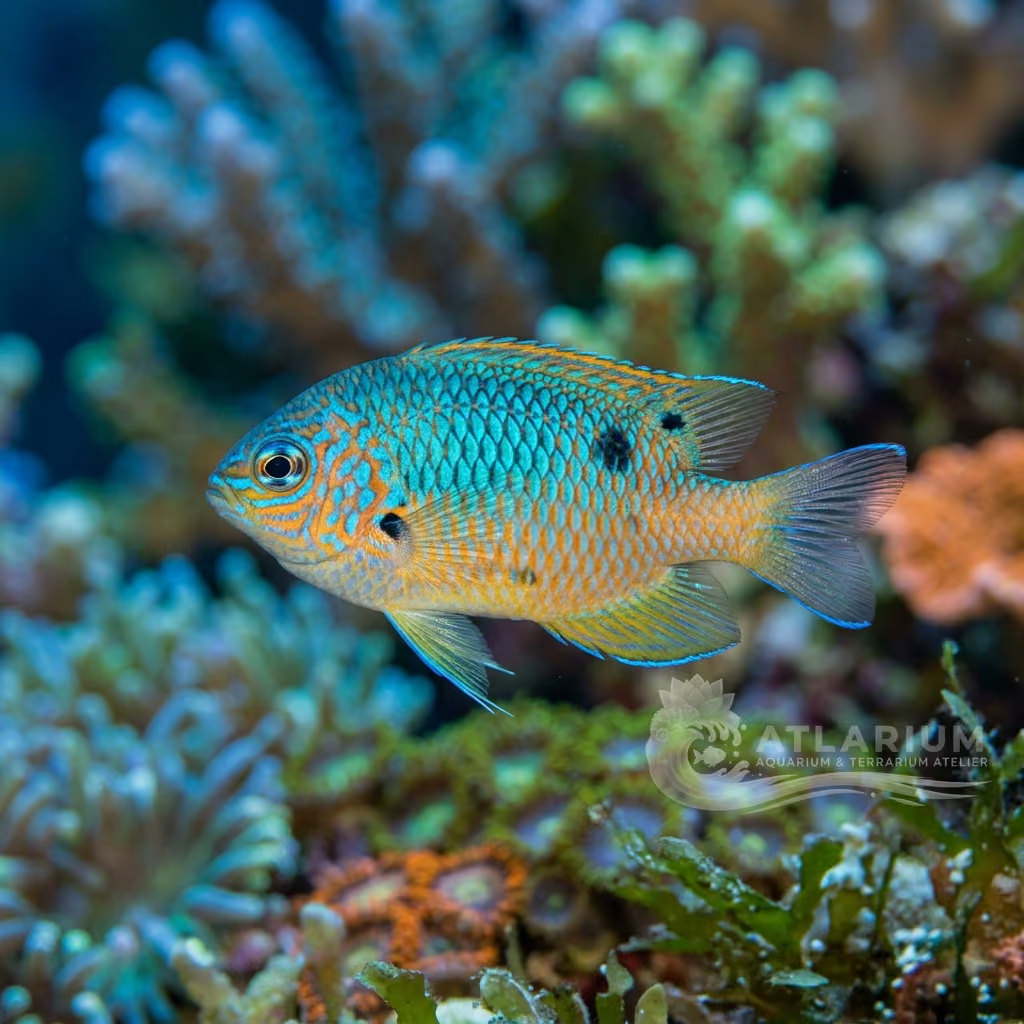
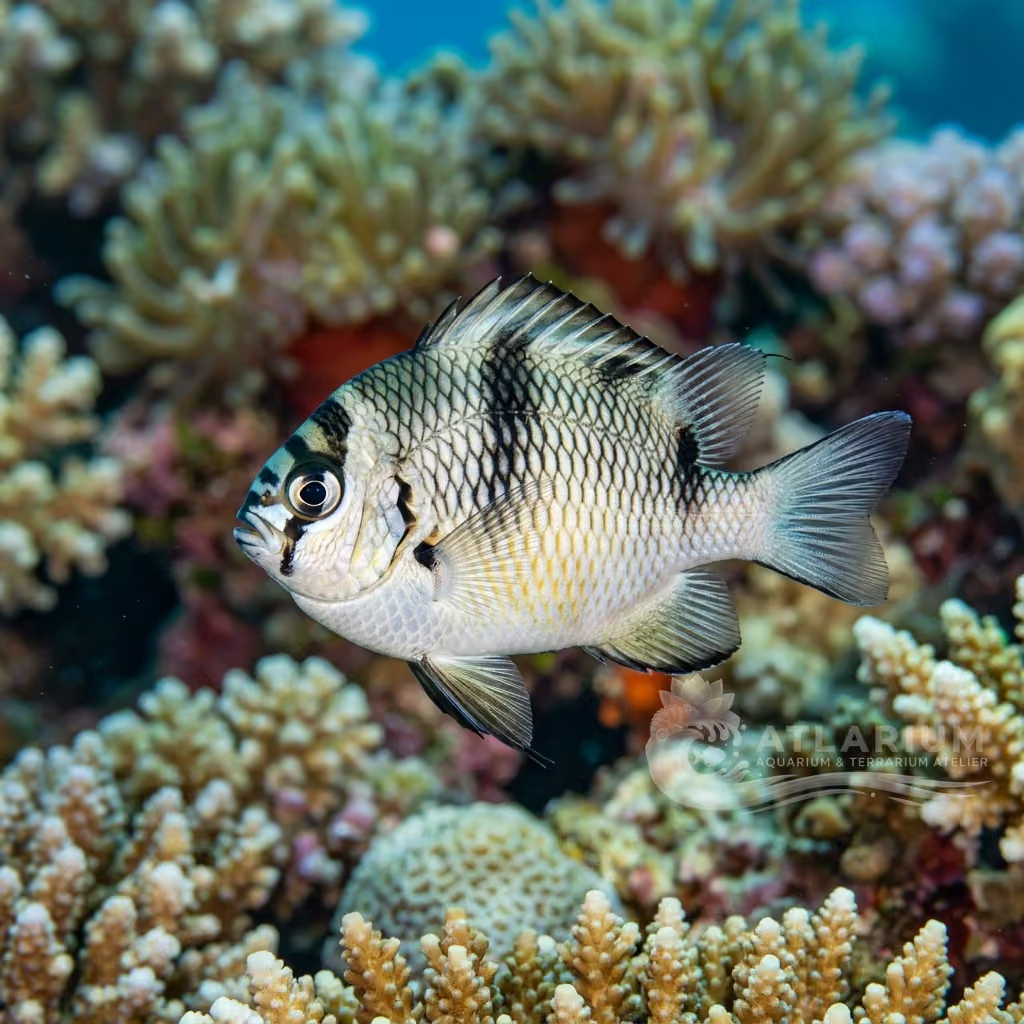
The King Damselfish is a small, hardy marine fish of the Pomacentridae family, appreciated for its metallic blue-violet sheen and ease of care in the home aquarium.
Température de l’eau
23 - 27 °C
Valeur du pH
8.1 - 8.4
Type d'eau
Marin
Niveau dans le bac
Fond et milieu
Taille adulte
7 cm
Volume minimal du bac
>= 80 L
Groupe minimal
>= 1
KH
8 - 12 dKH

Description de l'espèce
Geographical Origin and Habitat: Chrysiptera rex is native to the Western Pacific Ocean, ranging from the Ryukyu Islands of southern Japan down to the Great Barrier Reef of Australia, and spanning across the Philippines, Indonesia, and Melanesia. It inhabits outer reef slopes, sheltered lagoons, and rocky reefs at depths ranging from 1 to 20 meters. It is frequently found in close association with branching corals (such as Acropora), using their intricate structures as immediate refuge from predators.
Taxonomy and Morphology: Belonging to the family Pomacentridae (damselfishes), subfamily Pomacentrinae. It features a laterally compressed, oval body with a small terminal mouth. The dorsal fin is continuous and equipped with strong spines. Adults reach a maximum length of approximately 7-8 cm. Its robust bone structure and tough scales contribute to its exceptional resilience against fluctuating environmental factors.
Social Behavior: Like most damselfishes, it displays territorial behavior, especially as it matures, though it is considered one of the less aggressive species within the genus Chrysiptera. It lives solitarily or in small groups within its established territory, which it defends against conspecifics and similar-looking species. In an aquarium, it establishes a clear hierarchy and requires sufficient space to minimize constant bickering.
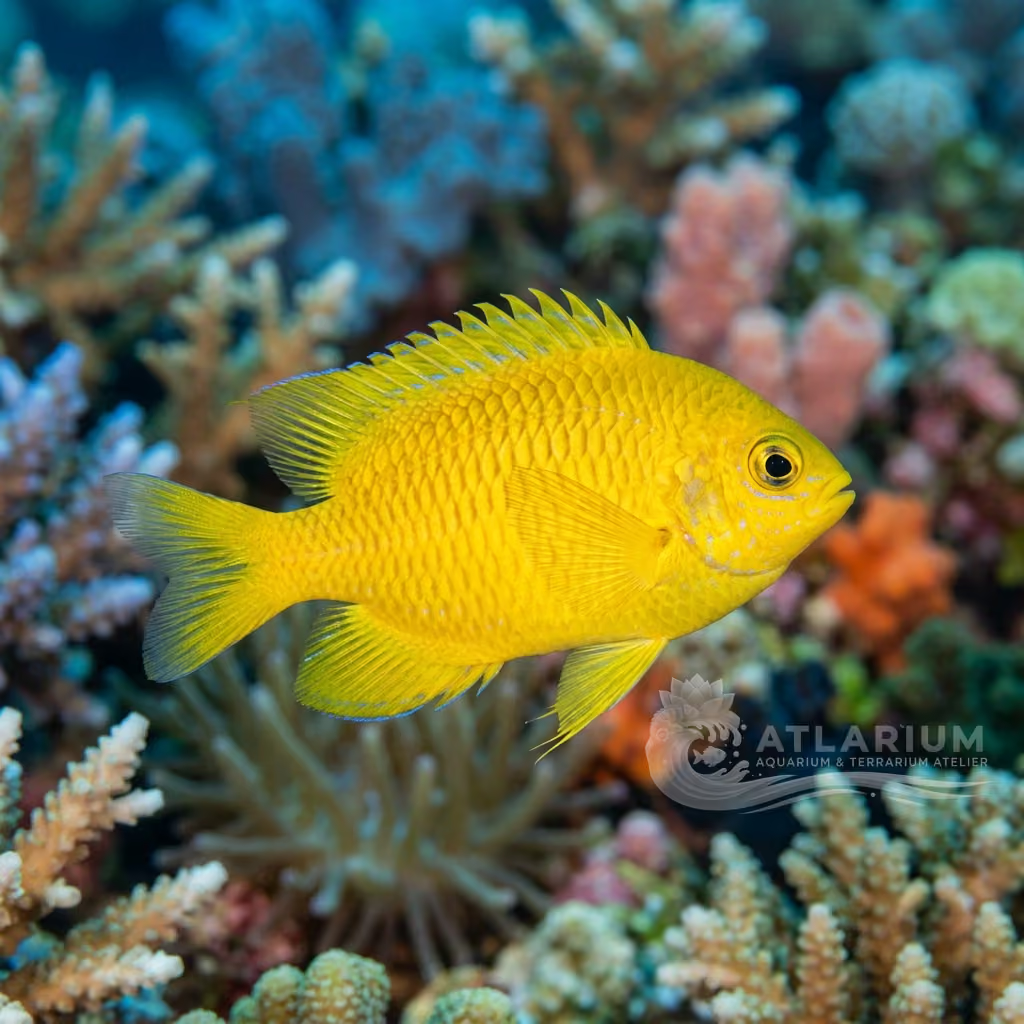
Coloration and Sexual Dimorphism: Features a highly attractive coloration, with a metallic blue-violet or lavender upper body and head that fades into a pale yellow, orange, or beige belly and posterior region. There is no obvious visual chromatic sexual dimorphism; however, during the breeding season, males may exhibit more intense, vibrant coloration and slightly larger sizes than females.

Soins, reproduction et cohabitation
Aquarium Setup: Requires a marine tank of at least 80-100 liters for a single specimen, while a small group requires a tank of at least 200 liters. The setup must include ample live rock arranged to create caves, crevices, and visual barriers to define territories. It is an excellent candidate for reef aquariums, as it is completely reef-safe and does not harm corals or sessile invertebrates.
Diet and Feeding: Opportunistic omnivore, very easy to feed. In captivity, it readily accepts all types of aquarium foods: high-quality dry flakes and pellets, frozen foods such as mysis, brine shrimp, finely chopped krill, and preparations containing marine algae or spirulina. Feed 1-2 times daily in small amounts to maintain health and vigor while preventing excess nutrient buildup.
Water Quality: Requires standard marine reef parameters: specific gravity (SG) between 1.020 and 1.025, stable pH between 8.1 and 8.4, and water temperature between 24°C and 28°C (75-82°F). Ammonia and nitrite levels must be kept strictly at zero, and nitrates should be maintained below 20 ppm through regular water changes and efficient protein skimming.
Compatibility and Cohabitation: Can be housed with tankmates of similar or larger size and semi-robust temperament, such as tangs, clownfish, blennies, and wrasses. Avoid housing with large predatory fish that could swallow them, or with very passive, slow-moving species (like pipefish or boxfish) that might be intimidated by their active nature. Introduce damselfishes last to minimize territorial disputes.
Aquarium Breeding: Breeding in captivity is possible and has been achieved. They are demersal spawners: the female deposits adhesive eggs onto a hard surface (rocks or cave walls) within the male's territory. The male takes full responsibility for fertilizing, fanning, and aggressively defending the eggs until they hatch, which usually occurs in 3-5 days depending on temperature.
Risks and Diseases: An exceptionally hardy fish, ideal for marine beginners. However, it can still contract common marine parasites such as Cryptocaryon irritans (marine ich) and Oodinium (velvet), especially when stressed by transport or sudden temperature drops. A standard quarantine period is recommended for new arrivals to maintain reef health.

Origine et répartition géographiques
Chrysiptera rex is native to the Western Pacific Ocean, ranging from the Ryukyu Islands of southern Japan down to the Great Barrier Reef of Australia, and spanning across the Philippines, Indonesia, and Melanesia. It inhabits outer reef slopes, sheltered lagoons, and rocky reefs at depths ranging from 1 to 20 meters. It is frequently found in close association with branching corals (such as Acropora), using their intricate structures as immediate refuge from predators.
Origine
Océans tropicaux et récifsAmérique du NordAsie du Sud et du Sud-EstAsie de l'EstAustralie, Nouvelle-Guinée et Océanie

Profil de poisson
- Tempérament
- Semi-aggressive
- This fish is best described as spunky, bold, and highly territorial. Once the Chrysiptera rex claims a specific cave or rock, it will vigorously defend it against fish much larger than itself. Despite its small size, its attitude commands respect from other tank inhabitants. Careful planning of tank mate introduction is required to manage its assertive personality.
- Régime alimentaire
- Omnivore
- This species is a highly adaptable omnivore that will aggressively consume almost any food offered. Its diet should consist of a varied mix of high-quality marine flakes, pellets, frozen mysis, and brine shrimp. It also benefits from the inclusion of algae-based foods or spirulina to round out its nutritional needs. In a mature reef, it will supplement its diet by picking at microfauna and algae on the rocks.
- Espérance de vie
- 3-8 years
- Taille adulte
- 7 cm
- Ratio des sexes
- Group
- Due to its territorial nature, it is strongly advised to keep only a single specimen per tank. Housing multiple individuals of the Chrysiptera rex usually results in relentless fighting until only one remains. If a male-female pair naturally forms, they may tolerate each other, but this is difficult to guarantee. Only very large aquariums with massive amounts of rockwork can safely support more than one.
- Fréquence d'alimentation
- Twice daily
- Feeding the Chrysiptera rex once or twice a day is perfectly sufficient for maintaining its health and vigor. It is an opportunistic feeder that will quickly rush to the surface at feeding time. Care should be taken to ensure that shyer tank mates receive their share, as this fish is very fast and competitive. Overfeeding is rarely necessary due to its rugged metabolism.
- Charge biologique
- Low to Medium
- The Chrysiptera rex has a relatively low to moderate bioload, making it suitable for a wide range of aquarium sizes. It is incredibly hardy and its waste output is easily managed by standard biological filtration. Even in smaller tanks, it rarely causes significant spikes in nitrates or phosphates. This resilience makes it a popular choice for both new setups and established reef systems.
- Courant
- Strong
- It is highly adaptable to various flow conditions, thriving in both moderate and strong currents. The Chrysiptera rex will often use areas of moderate flow to forage while retreating to calmer spots within the rockwork to rest. Variable wave patterns help simulate its natural coastal or reef environments. Ensuring there are flow-sheltered zones is just as important as providing strong water movement.
- Risque de saut
- No
- Reproduction
- Oviparous
- In its natural habitat, the Chrysiptera rex is a demersal spawner, laying adhesive eggs on hard substrates. The male takes on the responsibility of fiercely guarding the nest, becoming highly aggressive toward any approaching animals. Spawning in the home aquarium is somewhat common, though raising the microscopic fry is rarely successful without dedicated rearing tanks. The male's enhanced aggression during this period can cause temporary unrest in the aquarium.
- Compatibilité et compagnons
- Territorial
- While generally considered reef-safe, the Chrysiptera rex can exhibit semi-aggressive behavior towards its tank mates. It will not harm corals or mobile invertebrates, but it fiercely protects its chosen territory from other fish. It is best housed with fish of similar or slightly larger size and temperament. Avoid keeping it with overly timid species that could be easily stressed by its territorial displays.
- Niveau dans le bac
- Middle/Bottom
- The Chrysiptera rex generally hovers in the lower to middle levels of the water column, staying relatively close to its claimed territory. It uses the rockwork as a central base of operations, darting out to feed or chase away intruders. It rarely swims extensively in the open upper water, preferring the security of nearby crevices. Its strong association with the substrate defines its daily behavior.

Modèles et paramètres scientifiques
FishBase
Fenêtre sur les données scientifiques officielles de l’espèce
FishBase v25.04Données synchronisées le : 15/06/2026
- Niveau trophique
- 2,5 ± 0,2 se
- Résilience
- Élevée (moins de 15 mois)
- Singularité phylogénétique (PD50)
- 0.5
- Relation bayésienne longueur-poids
- a = 0.01445, b = 3
- VulnérabilitéVulnérabilité faible (10 / 100)

Espèces associées
Recommandations regroupées par proches parents, compagnons et soins similaires.