Springer's Damselfish
Chrysiptera springeri
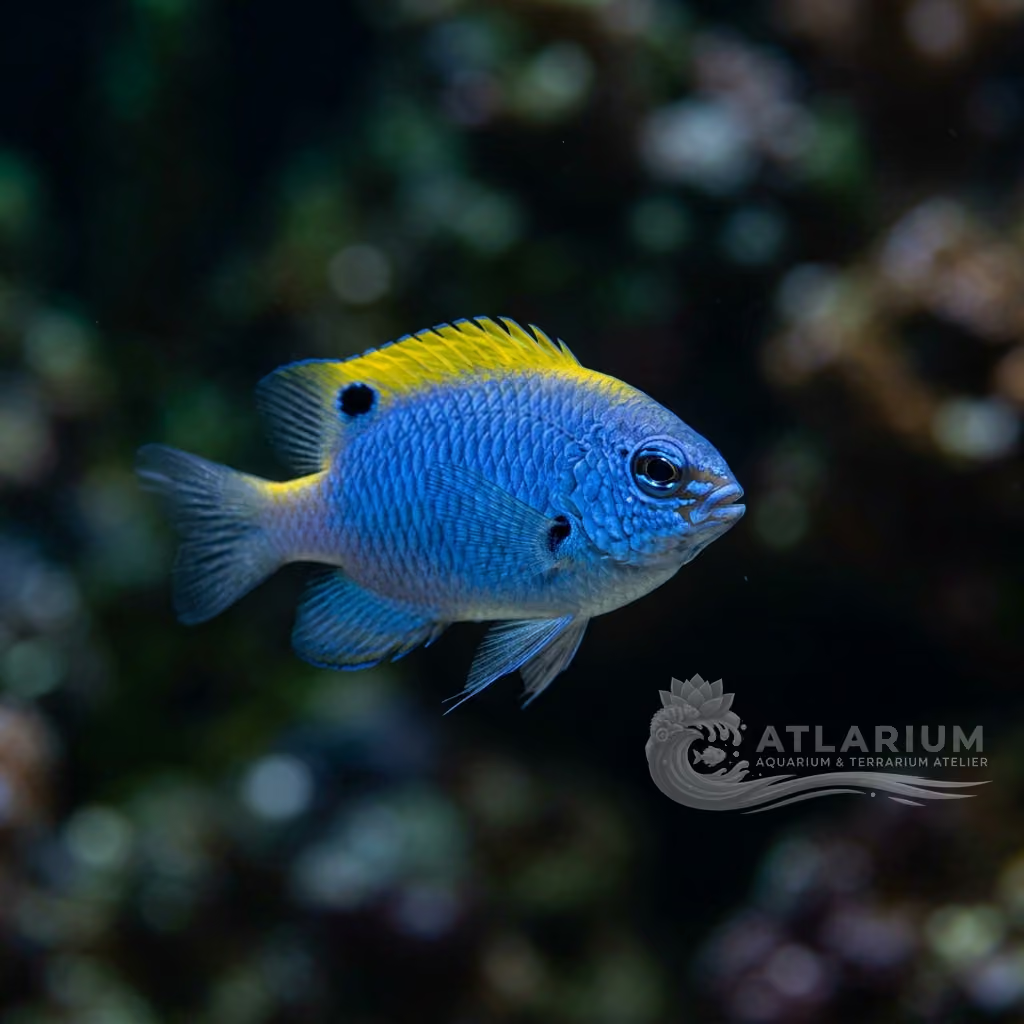
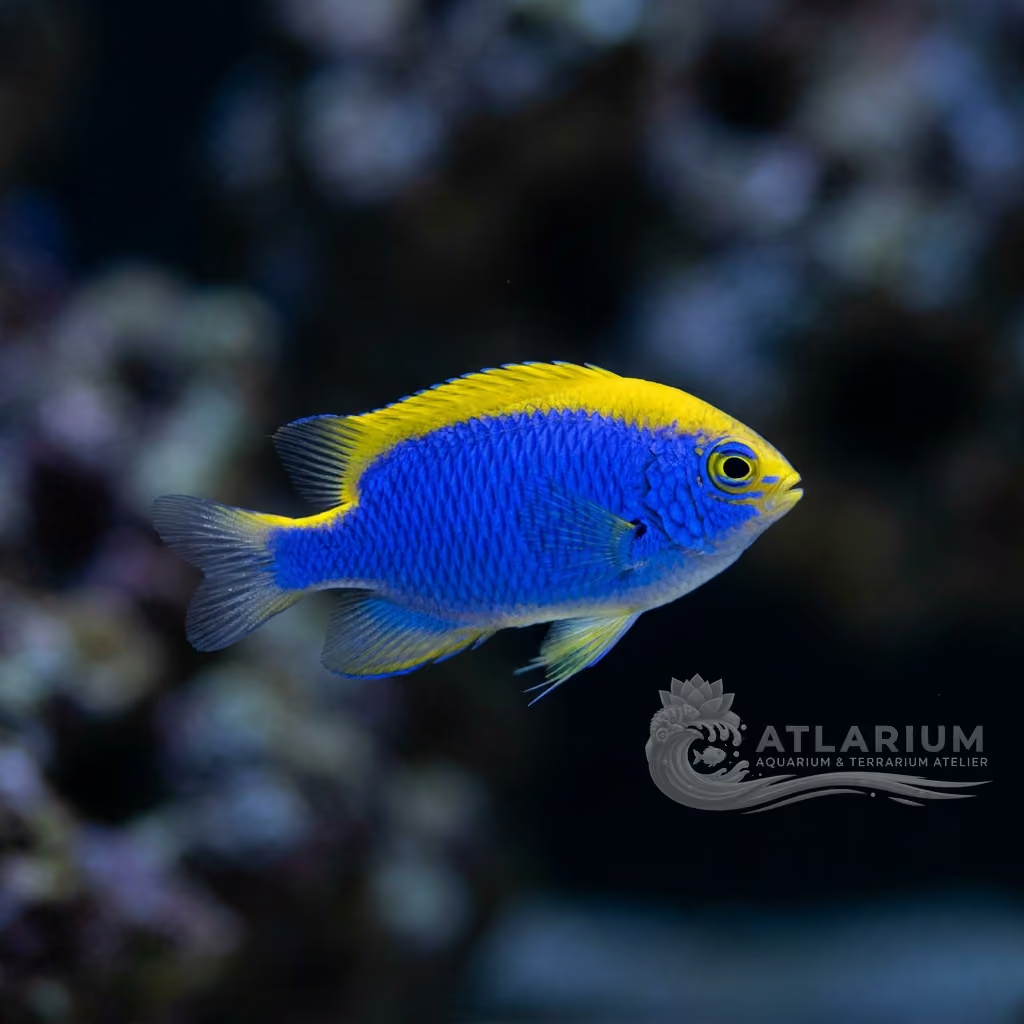
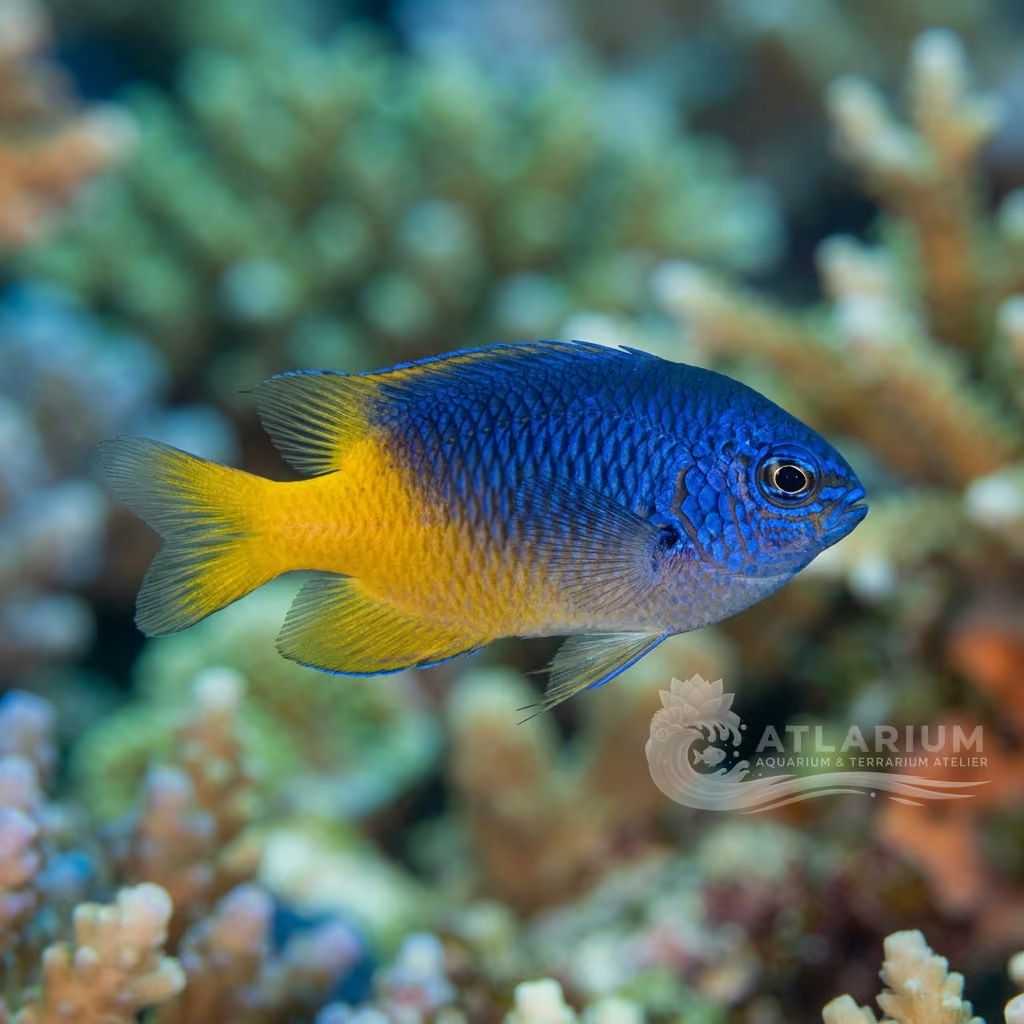
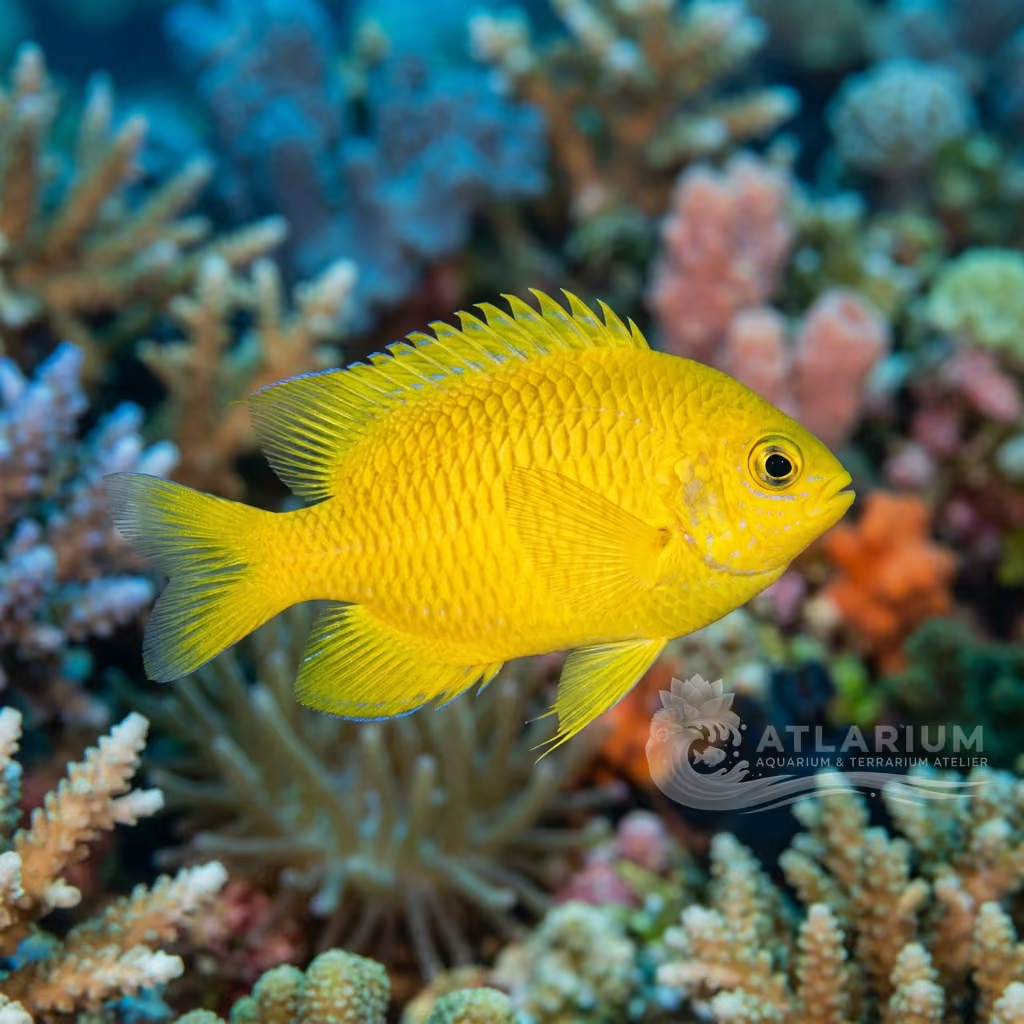
Springer's Damselfish boasts a solid deep velvet-blue coloration. It is exceptionally peaceful and highly prized for consuming pest red flatworms in reef systems.
Température de l’eau
24 - 27 °C
Valeur du pH
8.1 - 8.4
Type d'eau
Marin
Niveau dans le bac
Fond et milieu
Taille adulte
5,5 cm
Volume minimal du bac
>= 100 L
Groupe minimal
>= 1
KH
8 - 12 dKH

Description de l'espèce
Geographical Origin and Habitat: Native to the tropical Western Pacific, ranging through Indonesia, the Philippines, and the Moluccas. Inhabits coastal reefs rich in coral growth and rubble areas down to 30 meters. They heavily colonize protective lagoons and coastal fringing reefs where the water movement is moderate and coral cover is high.
Taxonomy and Morphology: Part of the genus Chrysiptera. Very small size, reaching a maximum length of only 5.5 cm (2.2 inches). Features a compressed body and short snout. This compact body shape is a physiological adaptation that allows them to perform rapid, darting movements to escape larger predators.
Social Behavior: Semi-aggressive but exceptionally peaceful for a damselfish. Highly tolerant of tankmates and rarely displays unprovoked aggression. While they are territorial near their chosen crevice, they are remarkably social and can be kept in small groups in larger tanks.
Coloration and Sexual Dimorphism: Solid deep velvet-blue body color, with subtle bright blue highlights on the head. No visible differences between males and females. The electric blue streaks are highly iridescent under high-output LED lighting, making them stand out in reef aquariums.

Soins, reproduction et cohabitation
Aquarium Setup: Needs a tank of at least 100 liters with plenty of live rock to provide small crevices and caves. 100% reef-safe. The addition of sand and rubble zones near the rocks will mimic their natural fringing reef habitat perfectly.
Diet and Feeding: Omnivorous. Readily eats frozen mysis, brine shrimp, flakes, and small pellets. Highly valued for actively preying on pest red flatworms (Convolutriloba retrogemma). Regular supplementation with vitamin-enriched liquid foods will improve their immune response and overall color vibrancy.
Water Quality: Highly adaptable and hardy. Typical parameters: temperature 24-27°C (75-81°F), pH 8.1-8.4, specific gravity 1.020-1.025, GH 15-25, and KH 8-12. Efficient protein skimming and chemical filtration using carbon will help keep parameters within optimal ranges.
Compatibility and Cohabitation: Excellent community fish. Can be kept with a wide variety of peaceful reef species. Defends its immediate shelter but does not hunt or harass other fish. They are best paired with other peaceful reef-safe species such as gobies, firefish, and smaller wrasses.
Aquarium Breeding: Rare but possible. Adhesive eggs are deposited in rocky caves and guarded aggressively by the male. The larvae remain pelagic for several weeks, demanding continuous monitoring of water parameters and rotifer culture density.
Risks and Diseases: Very hardy and disease-resistant. The main risk is misidentifying it with other similar looking blue damselfish that are far more aggressive. A preventive freshwater dip or quarantine protocol is advised to ensure no pathogens are introduced to the display reef.

Origine et répartition géographiques
Native to the tropical Western Pacific, ranging through Indonesia, the Philippines, and the Moluccas. Inhabits coastal reefs rich in coral growth and rubble areas down to 30 meters. They heavily colonize protective lagoons and coastal fringing reefs where the water movement is moderate and coral cover is high.
Origine
Océans tropicaux et récifsAmérique du NordAsie du Sud et du Sud-Est

Profil de poisson
- Tempérament
- Semi-aggressive
- The temperament of this species is semi-aggressive but relatively controlled, manifesting only moderate territoriality in the immediate vicinity of its rocky den. It adapts very well to community life if housed in well-decorated aquariums that offer plenty of hiding spots and natural visual barriers. Compared to other blue damselfishes, this species shows significantly lower aggression and more harmonious coexistence.
- Régime alimentaire
- Omnivore
- It is an omnivorous species that readily accepts commercial flake and small pellet foods, but also requires frozen foods such as mysis, brine shrimp, and copepods. This damselfish is particularly famous for actively preying on pest red flatworms, offering a valuable biological control contribution in reef setups. Regularly supplementing the diet with spirulina-based plant matter helps keep the fish's vigor and its dark blue livery vibrant.
- Espérance de vie
- 5-8 years
- Taille adulte
- 5.5 cm
- Ratio des sexes
- Solitary
- Single
- Fréquence d'alimentation
- 2-3 times daily
- It is recommended to feed this small fish two to three times daily with small amounts provided in measured portions. A split feeding schedule satisfies its fast metabolism and mimics its natural behavior of constantly searching for food among corals. Furthermore, the regular availability of food helps reduce any territorial tensions with tankmates of similar size.
- Charge biologique
- Low to Medium
- Springer's damselfish boasts a very low bioload footprint, making it an excellent candidate for reef aquariums where pristine water is required. Because they stay relatively small, their metabolic output and dietary intake do not heavily pollute the water column. They are particularly beneficial as they naturally graze on flatworms, providing utility without adding excessive waste. Standard reef filtration methods will easily handle the minimal waste produced by a small group of these fish.
- Courant
- Strong
- It prefers moderate to strong water movement, typical of the outer reefs and tropical lagoons it inhabits in the wild. An efficient flow is ideal for stimulating the fish and promoting a healthy, oxygenated reef environment. It is essential to arrange the live rock to create sheltered areas where the fish can station and sleep peacefully.
- Risque de saut
- No
- Reproduction
- Oviparous
- This species is oviparous and deposits adhesive eggs inside small caves or protected crevices among the rocks in the tank. The male plays a fundamental role in parental care, aerating the eggs and strenuously defending the nest area until hatching. Successfully rearing the fry in the aquarium remains a significant challenge due to the tiny size of the pelagic larvae, which require continuous cultures of fresh rotifers to feed.
- Compatibilité et compagnons
- Reef safe
- This damselfish is known to be remarkably peaceful compared to many other members of its family, making it an excellent choice for reef aquariums. It can coexist peacefully with docile community fish such as gobies, dartfish, clownfish, and wrasses, without showing unexpected aggressive behaviors. It is completely harmless to both hard and soft corals, as well as to beneficial small reef crustaceans.
- Niveau dans le bac
- Middle/Bottom
- Springer's damselfish are heavily oriented toward the lower and middle tiers of the aquarium, rarely straying far from the security of the live rock. They spend their days meticulously weaving in and out of the reef structure, hunting for small pests and establishing their home base. They avoid open, upper water spaces to protect themselves from perceived predators. A heavily rocked aquascape perfectly caters to their spatial preferences and helps them feel secure in the lower regions of the tank.

Modèles et paramètres scientifiques
FishBase
Fenêtre sur les données scientifiques officielles de l’espèce
FishBase v25.04Données synchronisées le : 15/06/2026
- Niveau trophique
- 2,7 ± 0,3 se
- Résilience
- Élevée (moins de 15 mois)
- Singularité phylogénétique (PD50)
- 0.5
- Relation bayésienne longueur-poids
- a = 0.02344, b = 2.98
- VulnérabilitéVulnérabilité faible (10 / 100)

Espèces associées
Recommandations regroupées par proches parents, compagnons et soins similaires.