Pink Skunk Clownfish
Amphiprion perideraion
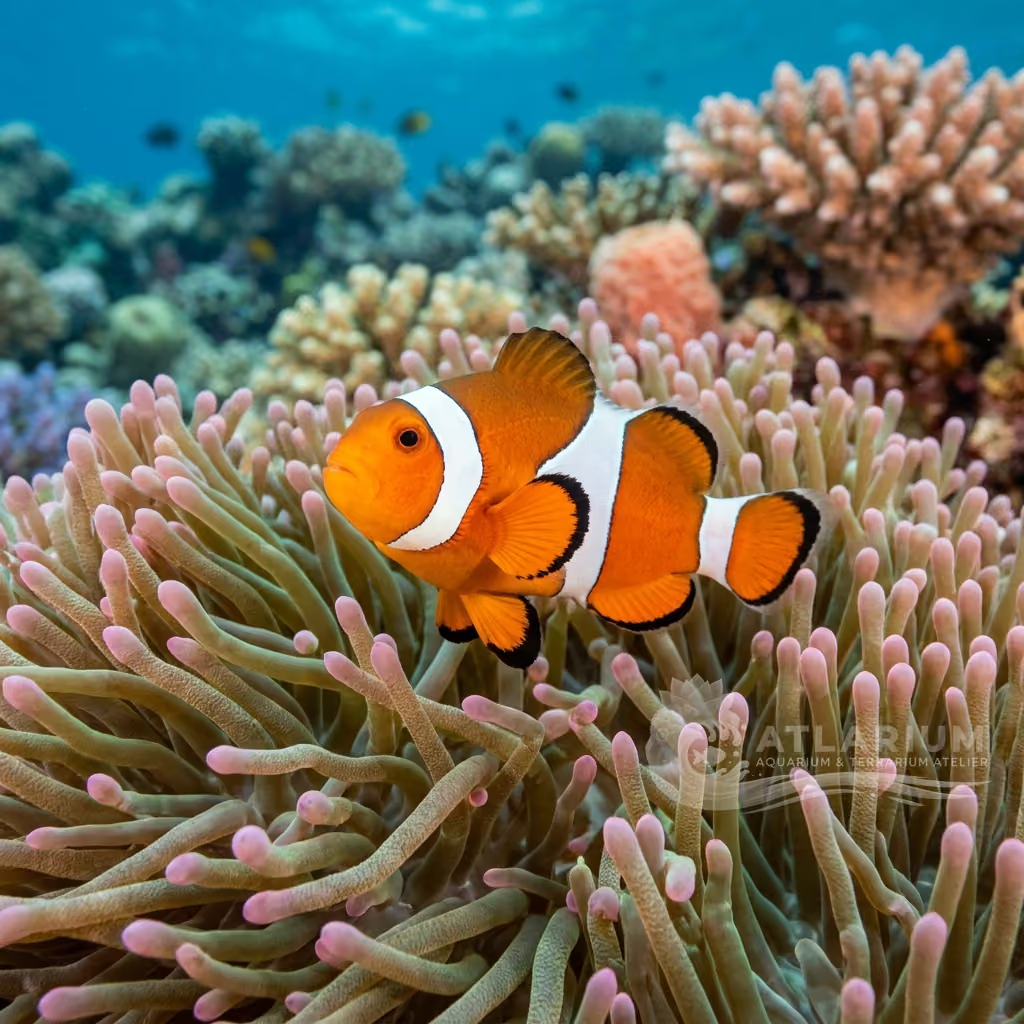
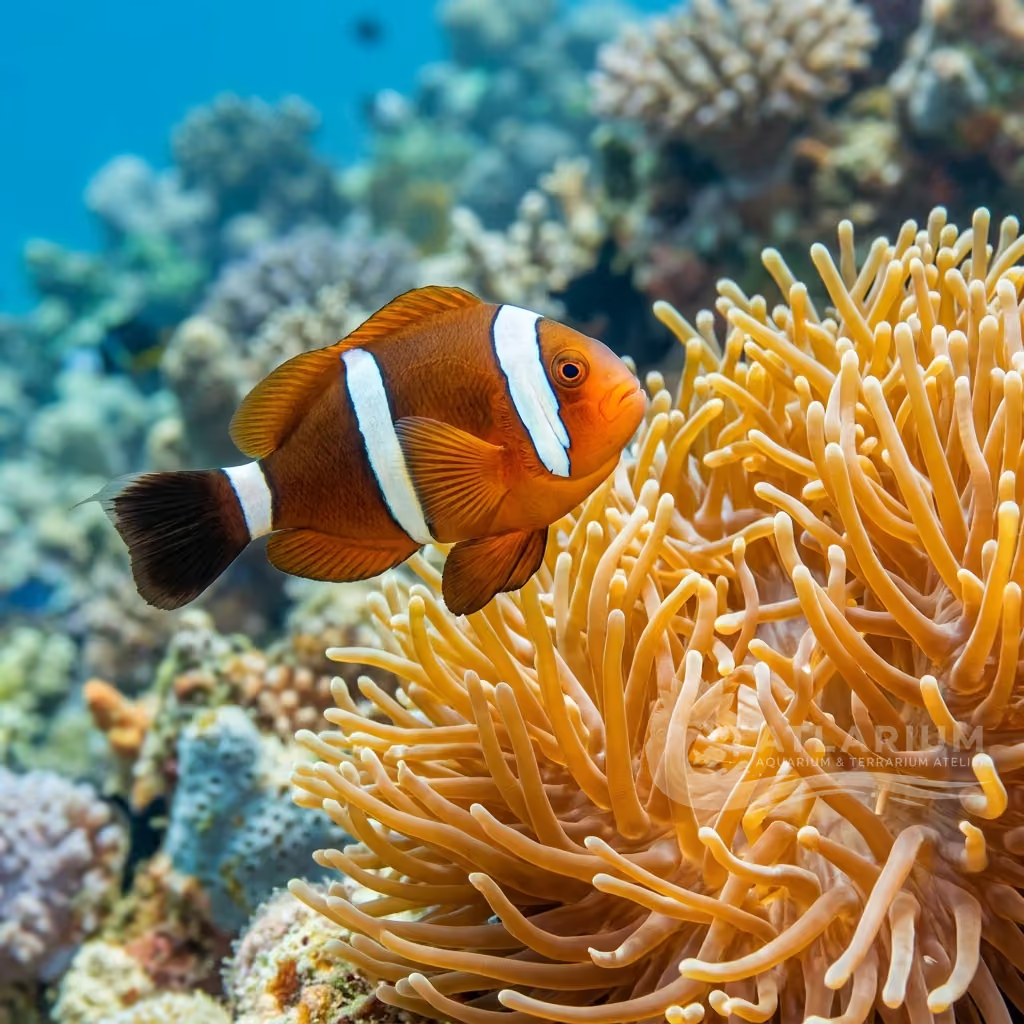
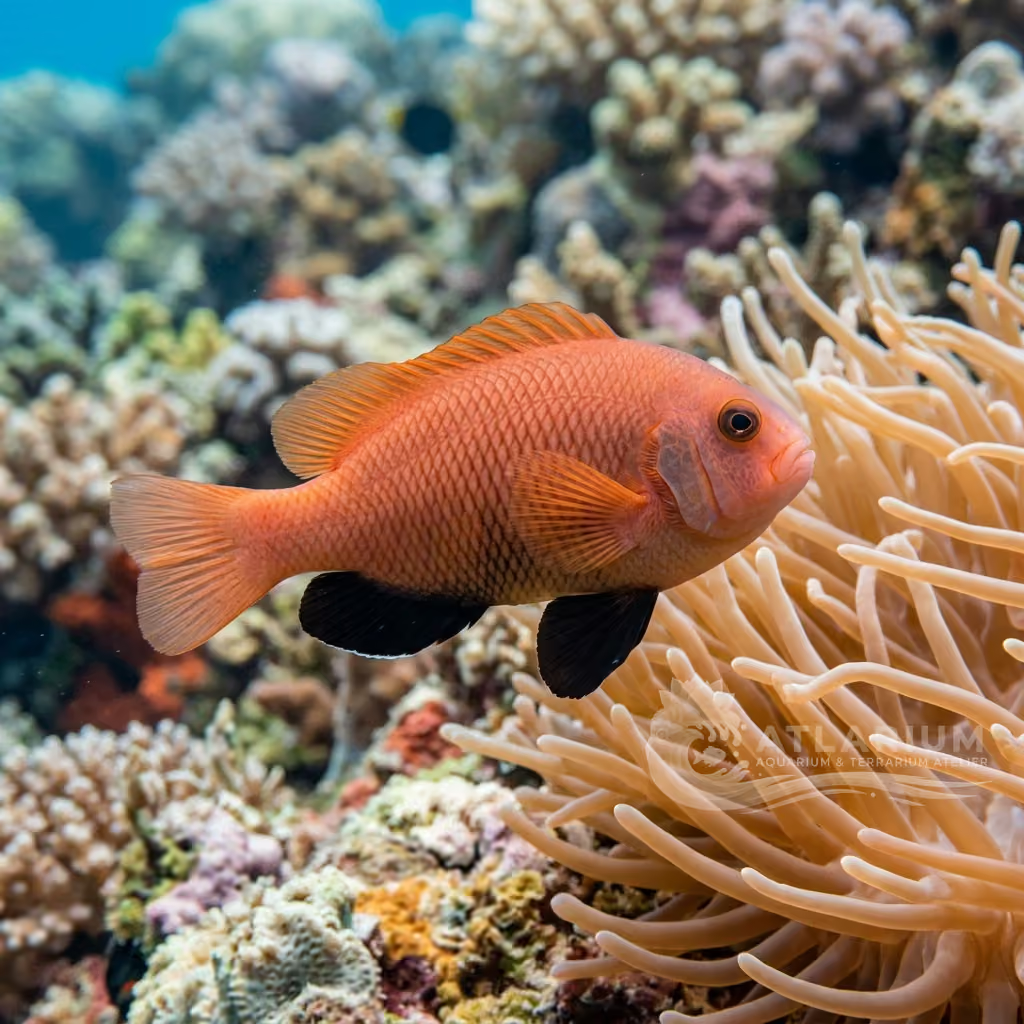
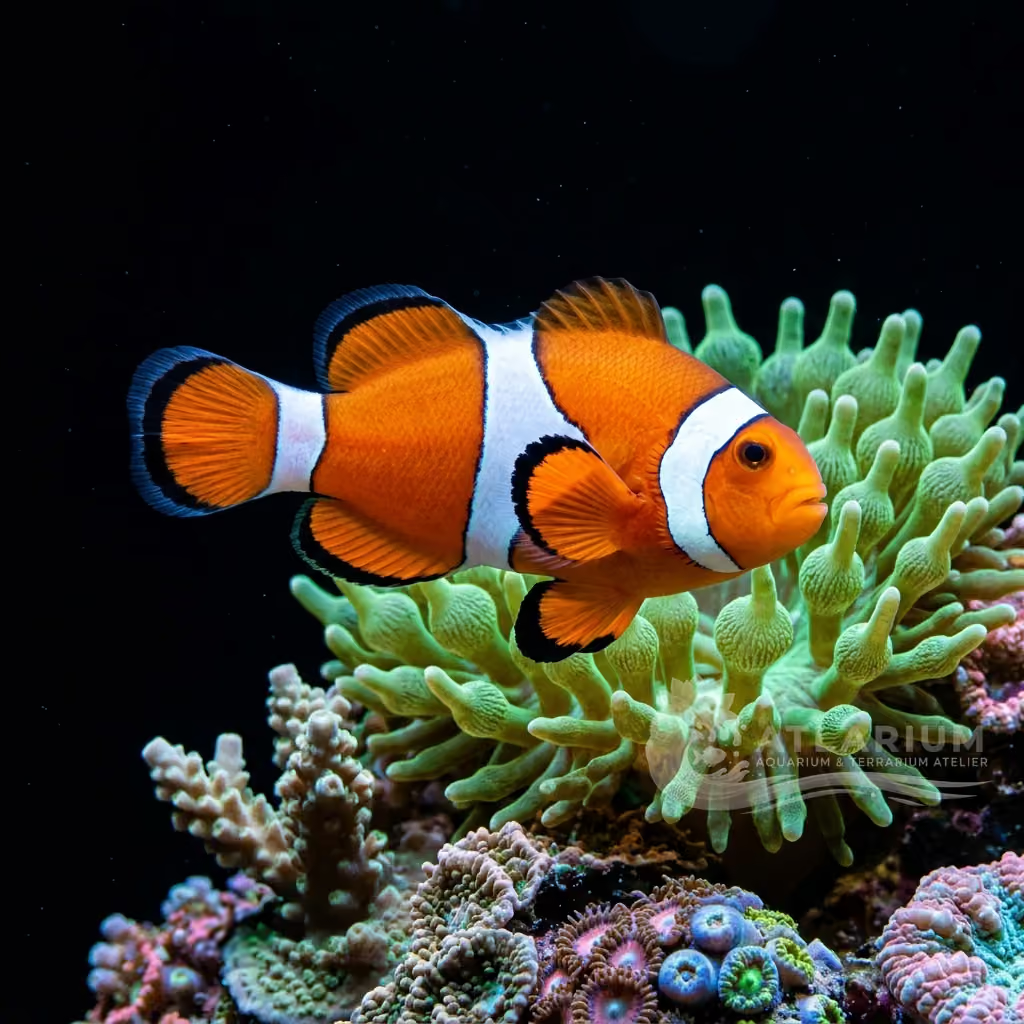
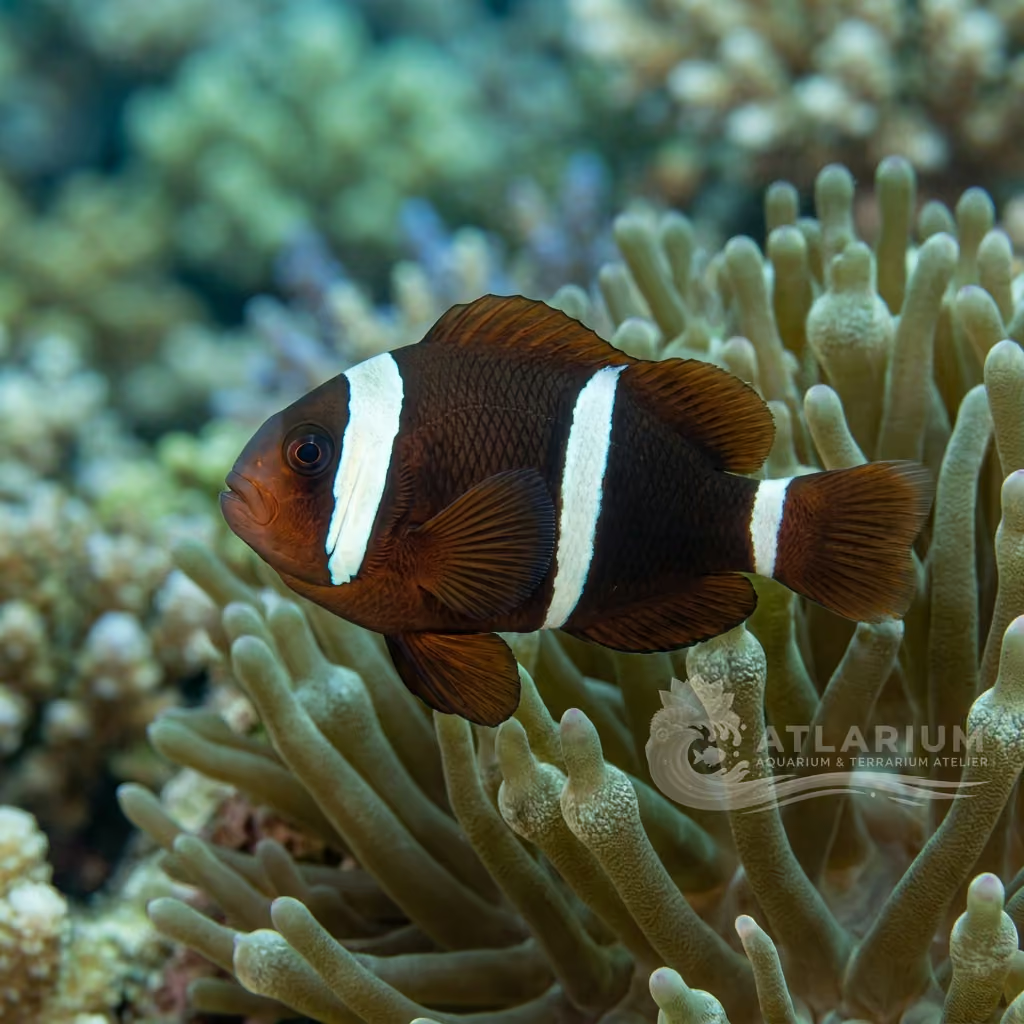
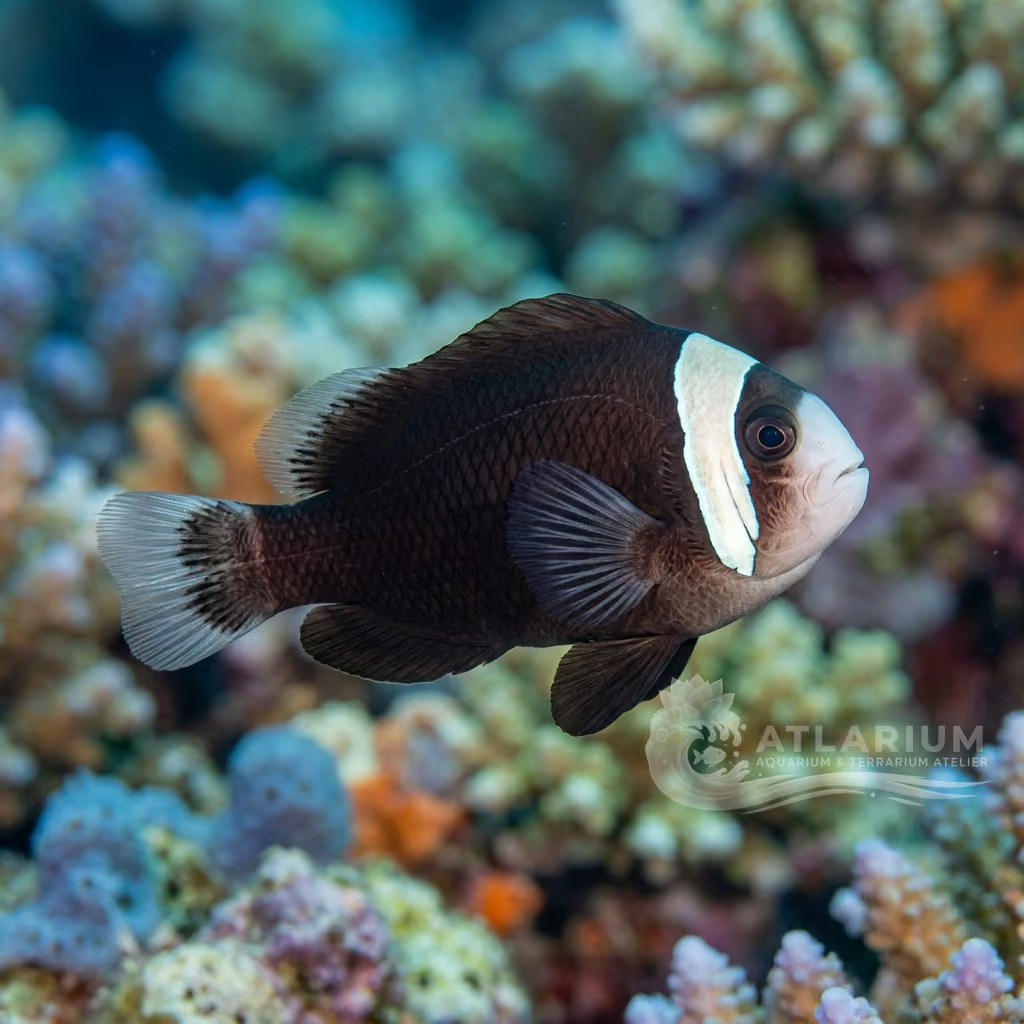
The pink skunk clownfish (Amphiprion perideraion) is a marine species native to the Indo-West Pacific. Known for its peach-pink body with a distinct white dorsal stripe and a vertical white bar behind the eye. This protandrous hermaphrodite forms symbiotic relationships with host sea anemones in lagoon and outer reef slopes.
Température de l’eau
24 - 28 °C
Valeur du pH
8.1 - 8.4
Type d'eau
Marin
Niveau dans le bac
Fond et milieu
Taille adulte
10 cm
Volume minimal du bac
>= 100 L
Groupe minimal
>= 1
KH
8 - 12 dKH

Description de l'espèce
Geographical Origin and Habitat: Tropical Indo-Pacific, including Indonesia, Philippines, the Great Barrier Reef of Australia, and north to the Ryukyu Islands. Inhabits sheltered lagoons and outer reef slopes.
Taxonomy and Morphology: Belongs to the Pomacentridae family, subfamily Amphiprioninae. Characterized by an elongated pinkish-peach body, a thin vertical white bar behind the eye, and a white stripe along the dorsal ridge.
Social Behavior: Lives in symbiotic relationship with host anemones (primarily Heteractis crispa, H. magnifica, and Macrodactyla doreensis). Forms a strict hierarchy headed by a dominant female.
Coloration and Sexual Dimorphism: Light pink to peach-orange body. No significant chromatic sexual dimorphism, but the female is noticeably larger than the male within the social group.

Soins, reproduction et cohabitation
Aquarium Setup: Requires a mature marine aquarium of at least 100 liters with plenty of live rock to provide shelter. A host anemone is beneficial for natural behavior but not strictly required.
Diet and Feeding: Omnivorous. Readily accepts mysis, brine shrimp, copepods, and high-quality flake or pellet foods enriched with spirulina or marine algae.
Water Quality: Stable temperature between 24°C and 28°C, pH between 8.1 and 8.4, salinity (SG) 1.020-1.025, KH 8-12, GH 15-25.
Compatibility and Cohabitation: Peaceful with most tankmates. Avoid housing with other clownfish species in the same tank to prevent territorial conflicts.
Aquarium Breeding: Protandrous hermaphrodite. Lays adhesive eggs near the base of the anemone; the male defends and fans the clutch until hatching.
Risks and Diseases: Susceptible to Brooklynella hostilis (clownfish disease) and Oodinium. Avoid sudden changes in salinity and temperature.

Origine et répartition géographiques
Tropical Indo-Pacific, including Indonesia, Philippines, the Great Barrier Reef of Australia, and north to the Ryukyu Islands. Inhabits sheltered lagoons and outer reef slopes.
Origine
Océans tropicaux et récifsAsie du Sud et du Sud-EstAsie de l'EstAustralie, Nouvelle-Guinée et Océanie

Profil de poisson
- Tempérament
- Semi-aggressive
- The Pink Skunk Clownfish is considered one of the most peaceful and timid species within the Amphiprion genus. They rarely exhibit aggression towards other fish species, making them ideal candidates for community reef aquariums. However, they can become moderately territorial and defensive in the immediate vicinity of their host anemone, especially during spawning. Due to their shy nature, they should not be housed with highly aggressive or dominant fish that might intimidate them or prevent them from feeding.
- Régime alimentaire
- Omnivore
- As omnivores, Pink Skunk Clownfish require a balanced diet consisting of both marine meaty foods and algae-based components. In captivity, they will readily accept high-quality dry pellets, flakes, and a variety of frozen foods such as Mysis shrimp, brine shrimp, and finely chopped seafood. Supplementing their diet with vitamin-enriched foods and spirulina is highly recommended to support their immune system and maintain their vibrant pink coloration. Offering a diverse menu ensures they receive all necessary nutrients to thrive.
- Espérance de vie
- 6-15 years
- Taille adulte
- 10 cm
- Ratio des sexes
- 1:1 ratio
- Like other anemonefish, Amphiprion perideraion is a protandrous hermaphrodite with a strict size-based hierarchy. They are best kept in a single mated pair, where the largest fish becomes the dominant female and the second largest becomes the breeding male. If kept in a larger group, a single dominant female will rule over one active male and several smaller, sexually immature juveniles. Introducing them as juveniles of varying sizes is the safest way to establish a peaceful, stable pair or group without aggressive conflicts.
- Fréquence d'alimentation
- Twice daily
- To support their active metabolism and maintain their health, Pink Skunk Clownfish should be fed two to three times daily in small portions. Only offer what they can consume within two to three minutes to avoid overfeeding and water pollution. Younger individuals benefit from more frequent, smaller feedings to support their rapid growth and development. In established reef tanks, they may also supplement their diet by grazing on copepods and small organisms found on live rock.
- Charge biologique
- Low to Medium
- The Pink Skunk Clownfish is a small species that produces a relatively low biological waste load, making it ideal for reef aquariums. However, because they are often kept in pairs and are closely associated with host anemones that require pristine water parameters, adequate filtration is crucial. A high-quality protein skimmer and consistent mechanical filtration are recommended to manage any waste. Regular water changes of 10-15% bi-weekly will help keep dissolved organics low and ensure the overall health of the system.
- Courant
- Strong
- The Pink Skunk Clownfish prefers moderate water flow, which allows them to swim comfortably without being buffeted around the tank. In the wild, they inhabit lagoons and outer reef slopes where currents are steady but not overwhelming. If kept with a host anemone, the flow must be carefully balanced to meet the high-flow requirements of the anemone while providing calmer pockets for the fish. Avoid placing powerheads directly pointing at their chosen shelter or anemone site.
- Risque de saut
- Yes
- Although clownfish are not known as active surface-dwellers or notorious jumpers, they can easily jump out of an open tank if startled, chased, or stressed. Sudden lighting changes, aggressive tank mates, or external household noises can trigger a panic response that causes them to leap. Therefore, it is highly recommended to secure the aquarium with a tight-fitting lid or a fine mesh screen top. Covering any small gaps around filtration pipes and cables will further prevent accidental losses.
- Reproduction
- Rare / not documented
- Breeding the Pink Skunk Clownfish in captivity is achievable but requires patience and preparation. Once a compatible pair is formed, they will clean a flat rock surface near their host anemone where the female will lay a clutch of demersal eggs. The male then fertilizes the eggs and assumes full responsibility for guarding and fanning them until they hatch, which usually takes 7 to 10 days depending on water temperature. Raising the fry is the most challenging stage, requiring a dedicated larval tank and a steady supply of live rotifers.
- Compatibilité et compagnons
- Territorial
- Due to their exceptionally peaceful nature, Pink Skunk Clownfish are highly compatible with a wide range of gentle reef inhabitants. They do well with gobies, firefish, cardinalfish, and peaceful wrasses, but should not be housed with large, predatory, or overly aggressive tank mates like groupers, lionfish, or aggressive dottybacks. While they can coexist with other clownfish species in very large aquariums, it is generally recommended to keep only one species of clownfish per tank to prevent territorial conflicts. They are completely reef-safe and will not harm corals or invertebrates.
- Niveau dans le bac
- Middle/Bottom
- In the aquarium, the Pink Skunk Clownfish generally occupies the bottom to middle zones of the water column. Their exact position is heavily influenced by the location of their host anemone or chosen surrogate shelter, such as a coral colony or live rock formation. They are highly sedentary and will rarely venture more than a few inches away from their host site, especially in the presence of larger tank mates. Consequently, placing their host structure in a well-considered location will determine their primary swimming area.

Modèles et paramètres scientifiques
FishBase
Fenêtre sur les données scientifiques officielles de l’espèce
FishBase v25.04Données synchronisées le : 15/06/2026
- Niveau trophique
- 2,2 ± 0 se
- Résilience
- Moyenne (1,4 - 4,4 ans)
- Temps de génération
- 2,3 ans
- Singularité phylogénétique (PD50)
- 0.5
- Relation bayésienne longueur-poids
- a = 0.02344, b = 2.98
- VulnérabilitéVulnérabilité faible à modérée (26 / 100)

Espèces associées
Recommandations regroupées par proches parents, compagnons et soins similaires.