Sebae clownfish
Amphiprion sebae
Sebae's Clownfish is a dark-bodied species with bold white bands and a yellow tail. Native to the Indian Ocean, it requires a spacious aquarium and a compatible host anemone.
Température de l’eau
25 - 27 °C
Valeur du pH
8 - 8.4
Type d'eau
Marin
Niveau dans le bac
Fond et milieu
Taille adulte
16 cm
Volume minimal du bac
>= 200 L
Groupe minimal
>= 1
KH
8 - 12 dKH

Description de l'espèce
Geographical Origin and Habitat: Amphiprion sebae is distributed mainly in the warm waters of the northern Indian Ocean, with stable populations extending from the coasts of India and Sri Lanka to the Maldives and western Indonesia. It frequents shallow lagoons, protected coral reefs, and coastal reefs, living in close symbiotic association with sea anemones, particularly Stichodactyla haddoni, at depths between 2 and 25 meters.
Taxonomy and Morphology: It belongs to the family Pomacentridae and the subfamily Amphiprioninae. It has the classic oval, laterally compressed body of clownfish, with obvious scales and rounded fins that favor an oscillating swimming pattern close to the host anemone. Adults can reach significant maximum sizes for the genus, measuring up to 14-16 centimeters in length.
Social Behavior: It is a territorial fish that lives in stable pairs within its host anemone. The social structure is matriarchal: the female is the largest and most dominant specimen in the group, followed by a smaller breeding male and any sterile juveniles. If the female dies, the breeding male changes sex to female, and the largest juvenile takes on the role of breeding male (protandrous hermaphroditism).
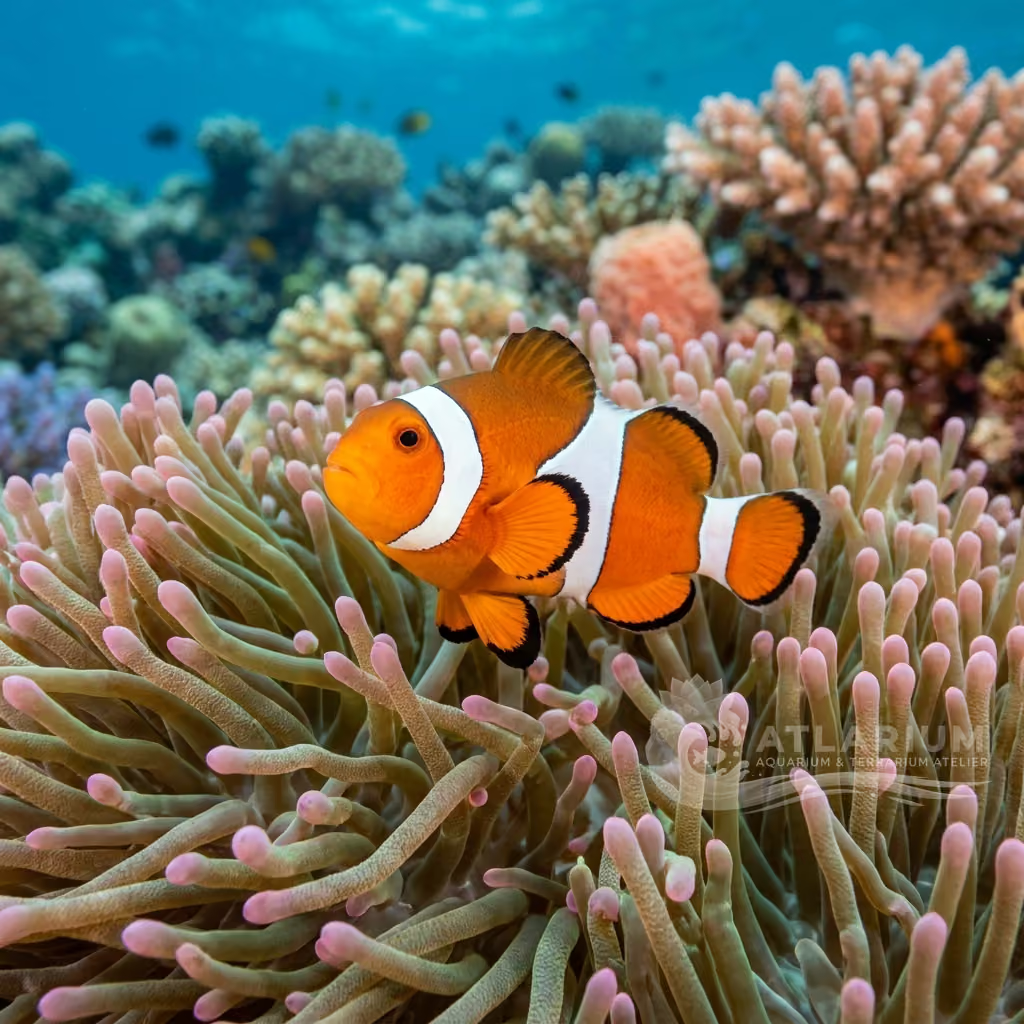
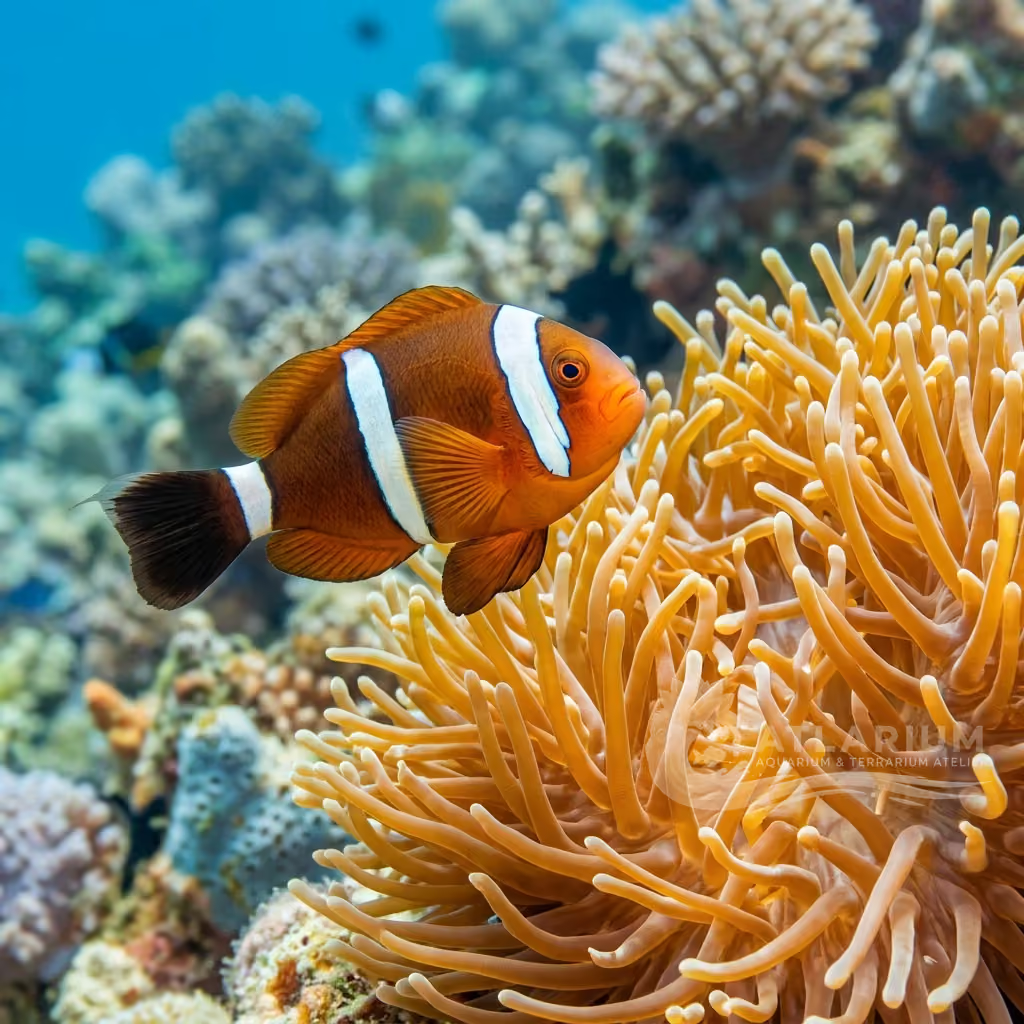
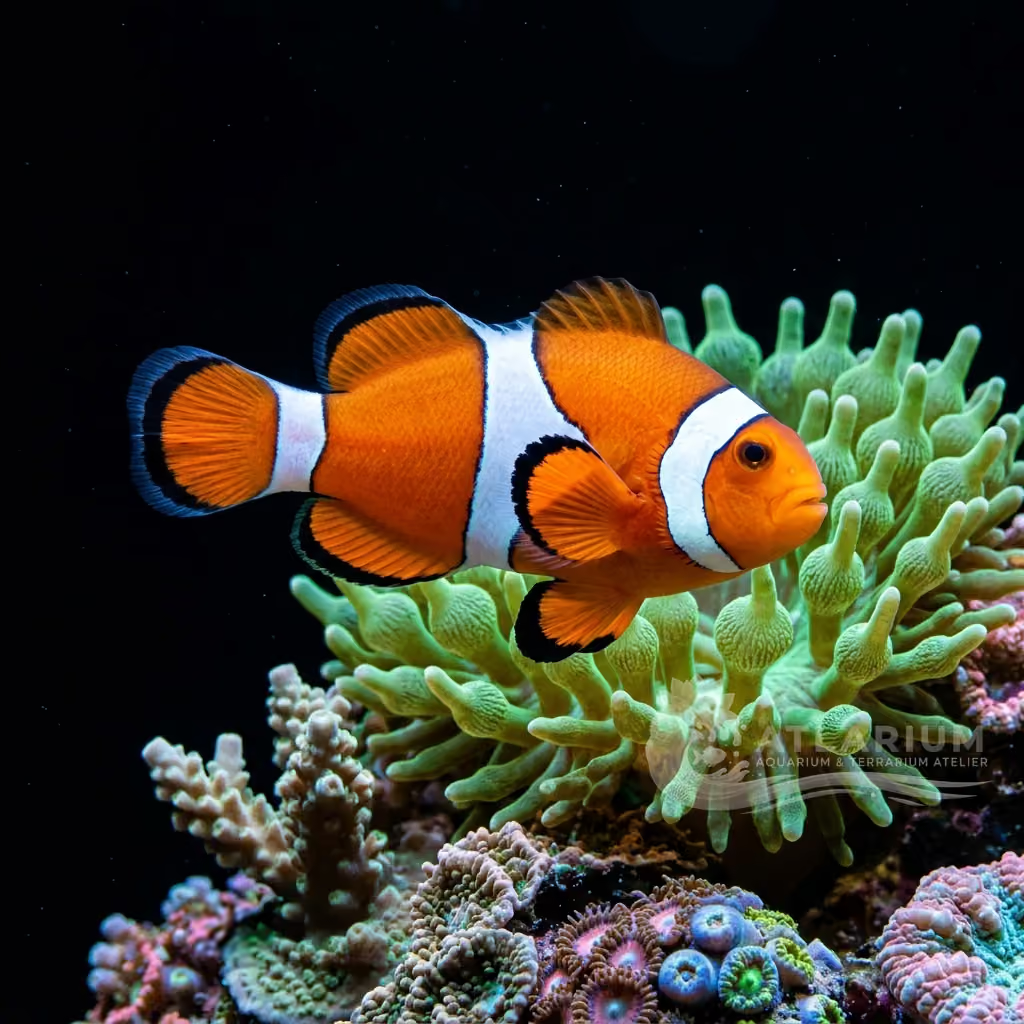
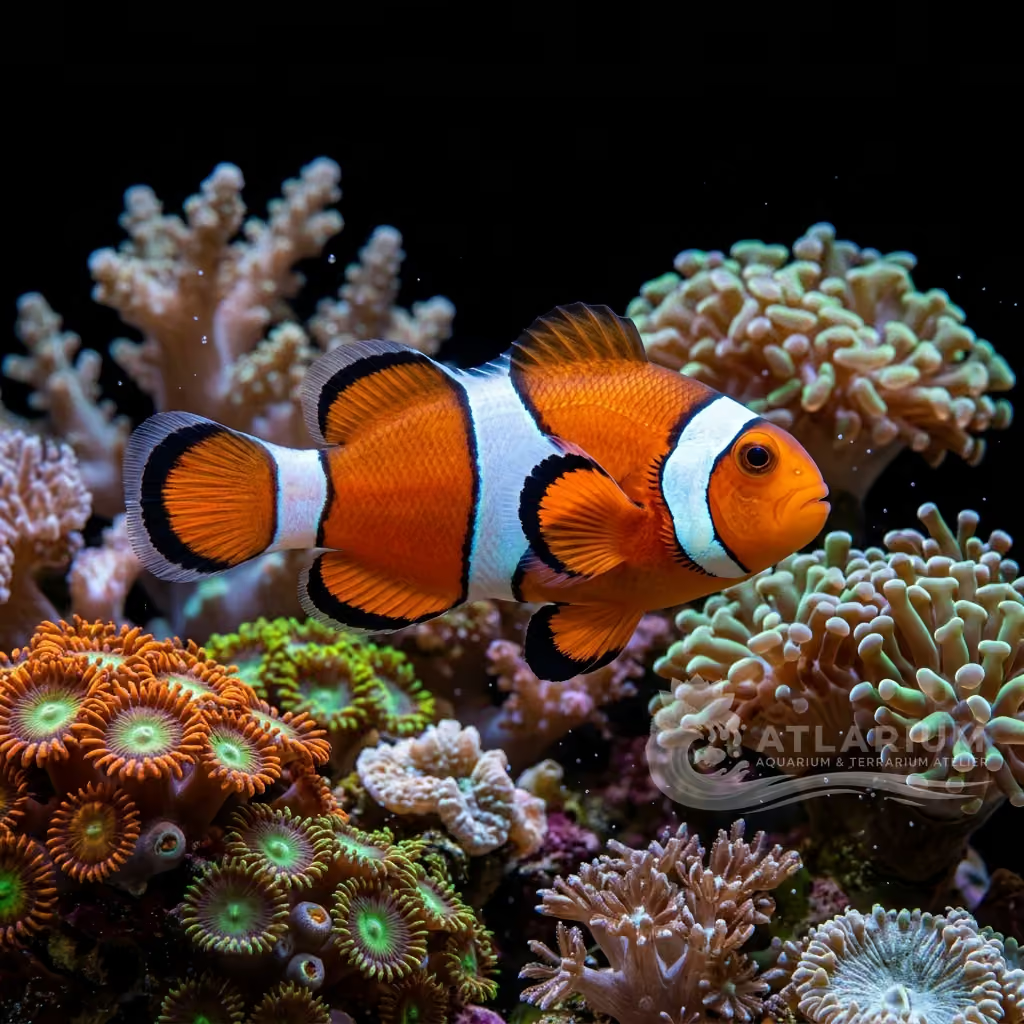
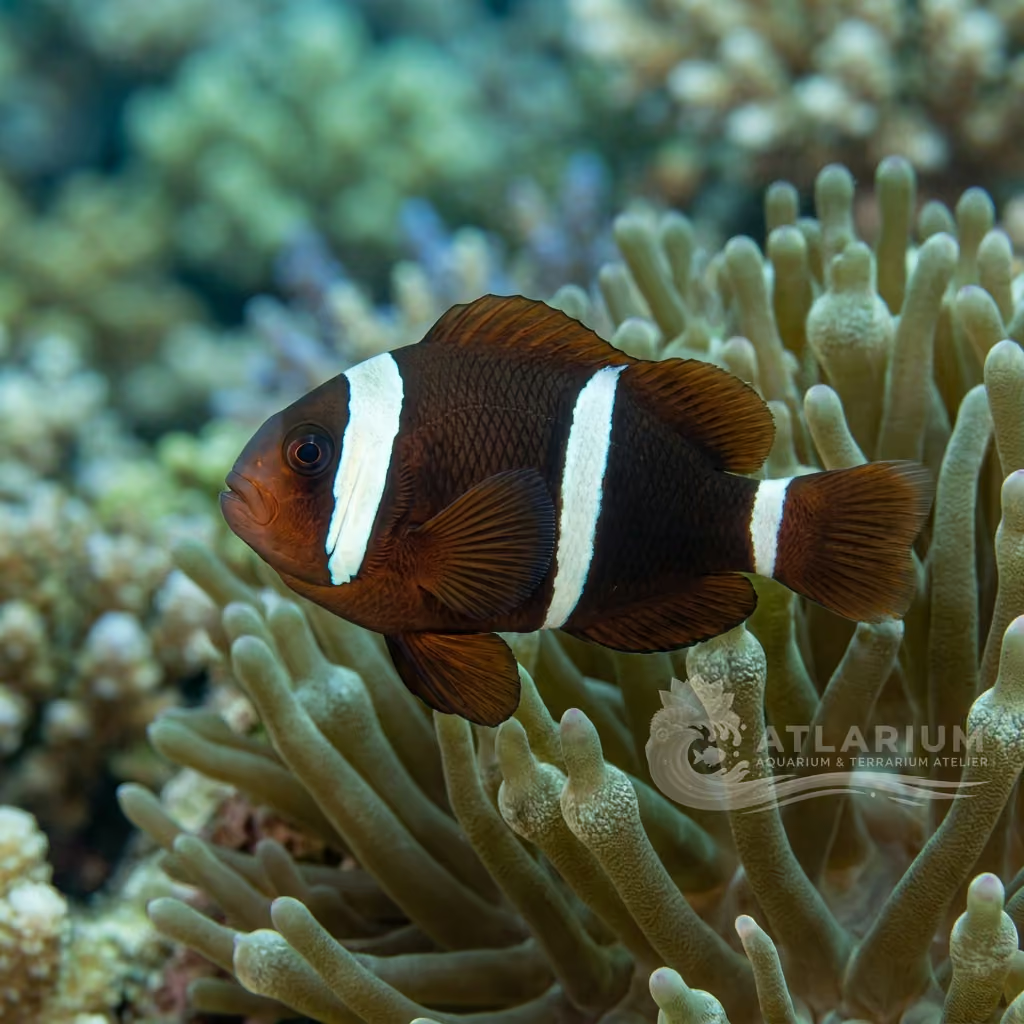
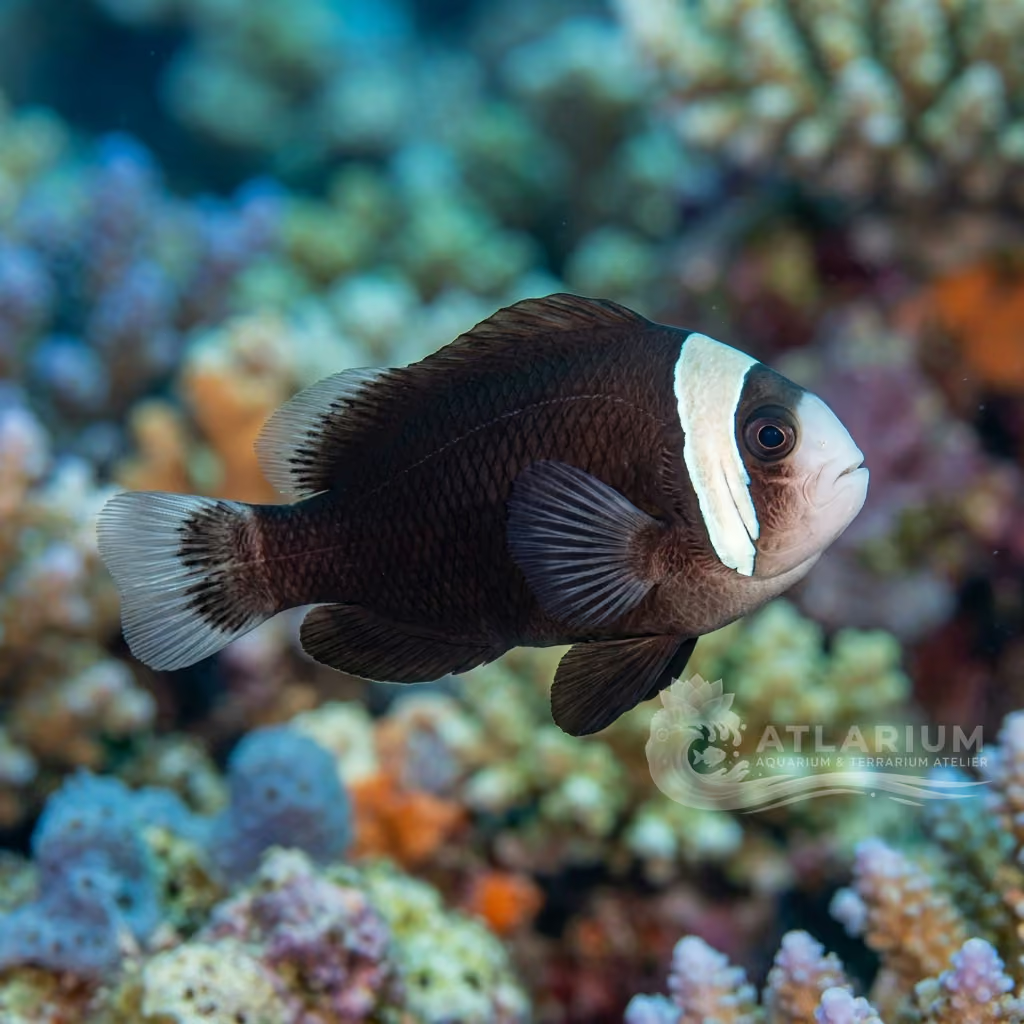
Coloration and Sexual Dimorphism: The base coloration of the body varies from dark brown to deep black, interrupted by two broad vertical white bands: the first crosses the head just behind the eye, while the second runs mid-body, extending partially onto the dorsal fin. The snout, chest, and characteristic caudal fin exhibit a bright yellow-orange hue that clearly distinguishes them from similar species.

Soins, reproduction et cohabitation
Aquarium Setup: Requires an aquarium of at least 120-150 liters for a stable pair. Although the presence of a host anemone (Stichodactyla haddoni or Entacmaea quadricolor) is strongly recommended to observe natural symbiotic behavior, the species can also be successfully housed in the presence of long-polyp soft corals (such as Sarcophyton or Rhodactis) or in fish-only tanks with adequate hides.
Diet and Feeding: It is an omnivorous species and not particularly demanding. In the aquarium, it readily accepts a wide variety of foods, including high-quality dry food in granules or flakes, and frozen foods such as mysis, brine shrimp, chopped krill, and seaweed/spirulina preparations. Feeding twice a day in small portions is recommended to maintain the fish's energy level.
Water Quality: Water parameters must mirror those typical of a coral reef: temperature between 24 and 27 °C, pH stable between 8.1 and 8.4, specific gravity between 1.020 and 1.025, and KH between 8 and 12. Stability of the values is essential, especially if you decide to also house the symbiotic anemone, which requires excellent water quality, strong lighting, and zero ammonia and nitrite.
Compatibility and Cohabitation: It can coexist peacefully with most calm or moderately active reef safe community fish. It can show strong territorial aggression towards other clownfish of the same genus or related species introduced later, so it is recommended to house only one pair per tank. It is completely reef safe and does not damage aquarium corals.
Aquarium Breeding: Breeding in the aquarium is widely documented and successfully achievable. The pair lays eggs on a clean rocky surface near the base of the host anemone. The male takes care of fertilization, fanning, and defending the nest until hatching, which usually occurs after 6-8 days. Newly hatched larvae must be transferred to a rearing tank and fed live rotifers.
Risks and Diseases: It is subject to common parasitic diseases of marine fish such as Marine Ich and Marine Velvet. It is particularly vulnerable to Brooklynella hostilis (known as clownfish disease), a fulminant parasitic infection that causes the production of excessive skin mucus. A preventive quarantine and a vitamin-rich diet are essential to support the immune system.

Origine et répartition géographiques
Amphiprion sebae is distributed mainly in the warm waters of the northern Indian Ocean, with stable populations extending from the coasts of India and Sri Lanka to the Maldives and western Indonesia. It frequents shallow lagoons, protected coral reefs, and coastal reefs, living in close symbiotic association with sea anemones, particularly Stichodactyla haddoni, at depths between 2 and 25 meters.
Origine
Océans tropicaux et récifsAfrique et MadagascarAsie du Sud et du Sud-Est

Profil de poisson
- Tempérament
- Semi-aggressive
- The Sebae Clownfish has a semi-aggressive and highly territorial temperament, which becomes more pronounced as they mature or when they form a breeding pair. They will vigorously defend their chosen area, especially their host anemone, against any intruders, including larger fish or even the hands of the hobbyist. Because of this protective behavior, they should not be housed with very timid species that are easily bullied. Providing ample space and visual barriers in the aquarium can help minimize territorial disputes.
- Régime alimentaire
- Omnivore
- As omnivores, Sebae Clownfish require a diverse and balanced diet containing both meaty foods and marine algae. They should be offered high-quality marine flakes, pellets, and a variety of frozen foods such as mysis shrimp, enriched brine shrimp, chopped krill, and clam. Including food preparations that contain spirulina or other greens helps support their health and vibrant coloration. Feeding them a varied diet also boosts their immune system and aids in overall longevity.
- Espérance de vie
- 10-15 years
- Taille adulte
- 16 cm
- Ratio des sexes
- 1:1 ratio
- In the aquarium, Sebae Clownfish are best kept individually or as a single mated pair. Keeping multiple pairs or groups of this species in a standard tank is not recommended due to their strong territorial instincts, which can lead to severe fighting. They are sequential hermaphrodites, meaning the largest, most dominant individual in a pair will transition into a female. Introducing a smaller juvenile to an established single specimen is the safest way to form a pair.
- Fréquence d'alimentation
- Twice daily
- It is recommended to feed the Sebae Clownfish small portions once or twice daily, which mimics their natural feeding habits on the reef. Feeding only what they can consume within a few minutes prevents excess food from settling and decaying in the tank. For juvenile fish, twice-daily feeding is especially beneficial to support their rapid growth and development. Consistent, regulated feeding helps keep their energy levels stable while preventing unnecessary nutrient spikes in the aquarium.
- Charge biologique
- Medium
- The Sebae Clownfish produces a medium biological load, especially as it grows to its full adult size of up to six inches. To manage this waste, a robust filtration system consisting of a quality protein skimmer and efficient biological filtration is recommended. Regular partial water changes are essential to keep nitrate and phosphate levels low. Maintaining pristine water conditions is particularly important if they are housed alongside sensitive host anemones.
- Courant
- Moderate
- This species prefers a moderate water flow in the aquarium, which replicates the conditions of their native reef slopes and lagoons. A moderate current is sufficient to carry food particles to the fish without forcing them to constantly swim against a tiring torrent. It is also the ideal flow level for hosting anemones like Stichodactyla haddoni, which require gentle water movement to clear waste and exchange nutrients. Proper positioning of powerheads ensures there are both active flow zones and calmer resting areas.
- Risque de saut
- Yes
- While clownfish are not the most active jumpers, the Sebae Clownfish still poses a moderate jump risk, particularly when startled, during territorial chases, or due to night frights. To prevent accidental escapes, a tight-fitting lid or a secure mesh cover is highly recommended. It is also beneficial to have a dim nightlight over the tank to reduce the likelihood of them jumping if startled in the dark. Ensuring there are plenty of caves and hiding places also reduces their stress and tendency to bolt upward.
- Reproduction
- Rare / not documented
- Breeding Sebae Clownfish in captivity is moderately difficult but highly rewarding. They form monogamous pairs, and spawning typically occurs on a flat surface or rock cleared by the male near their host anemone. The female lays a clutch of adhesive eggs, which the male then guards, aerates, and cleans for about 7 to 9 days until they hatch, usually shortly after the lights go out. Raising the fry requires a dedicated rearing tank and a constant supply of live rotifers followed by baby brine shrimp.
- Compatibilité et compagnons
- Territorial
- Sebae Clownfish are compatible with many active, semi-aggressive reef community fish such as tangs, wrasses, damselfish, and larger gobies. However, they should not be kept with very passive species, like firefish or cardinalfish, which may be harassed by the clownfish's territorial behavior. They are completely reef-safe and will not harm corals, clams, or ornamental invertebrates. Care should be taken when keeping them with other clownfish species, as severe aggression is likely to occur.
- Niveau dans le bac
- Middle/Bottom
- Sebae Clownfish typically occupy the bottom-middle areas of the aquarium, where they stay close to their chosen territory or host anemone. If an anemone is not present, they will still hover around a specific rock structure or cave for security. While they will swim to other levels, including the surface, during feeding time, they rarely stray far from their safety zone. Providing plenty of live rock at these lower levels helps them feel secure and exhibit natural behaviors.

Modèles et paramètres scientifiques
FishBase
Fenêtre sur les données scientifiques officielles de l’espèce
FishBase v25.04Données synchronisées le : 15/06/2026
- Niveau trophique
- 2,7 ± 0,31 se
- Résilience
- Élevée (moins de 15 mois)
- Singularité phylogénétique (PD50)
- 0.5
- Relation bayésienne longueur-poids
- a = 0.01479, b = 3.04
- VulnérabilitéVulnérabilité faible (10 / 100)

Espèces associées
Recommandations regroupées par proches parents, compagnons et soins similaires.