Clark's anemonefish
Amphiprion clarkii
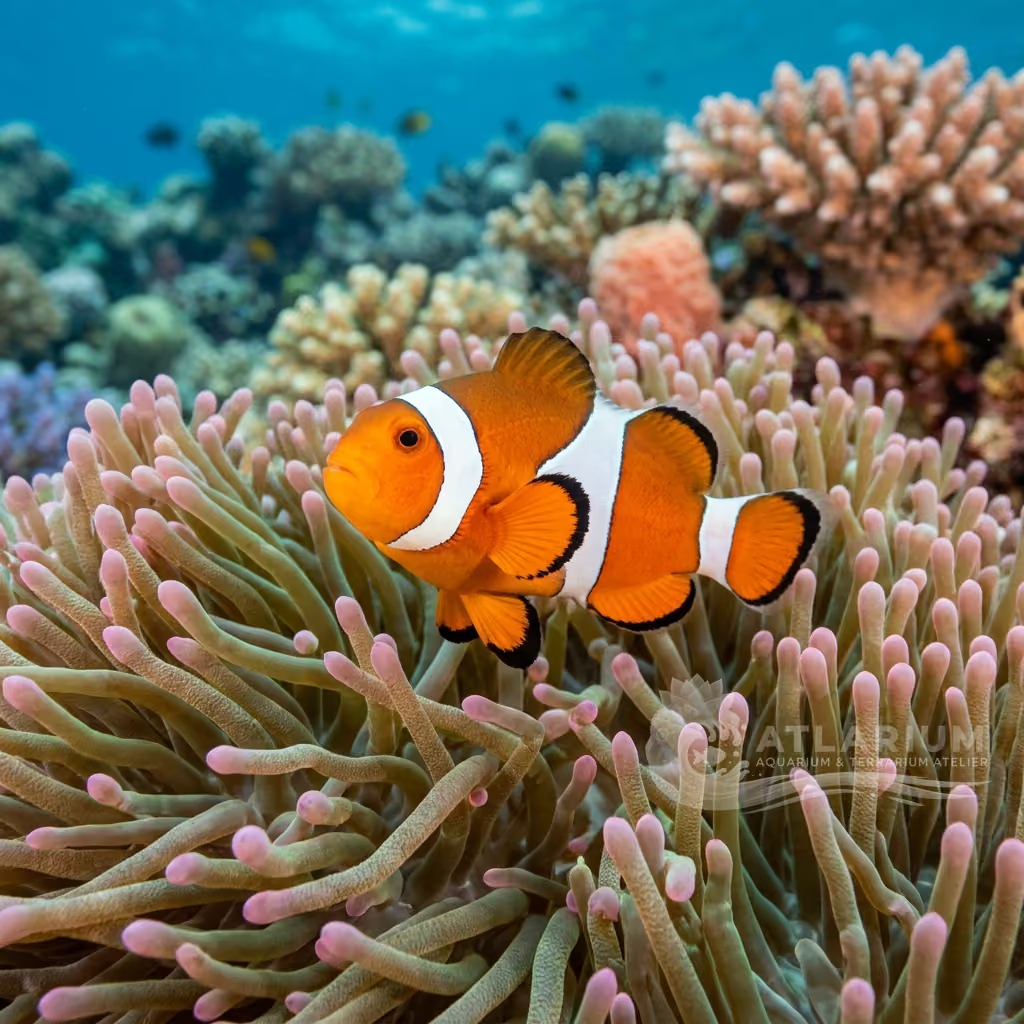
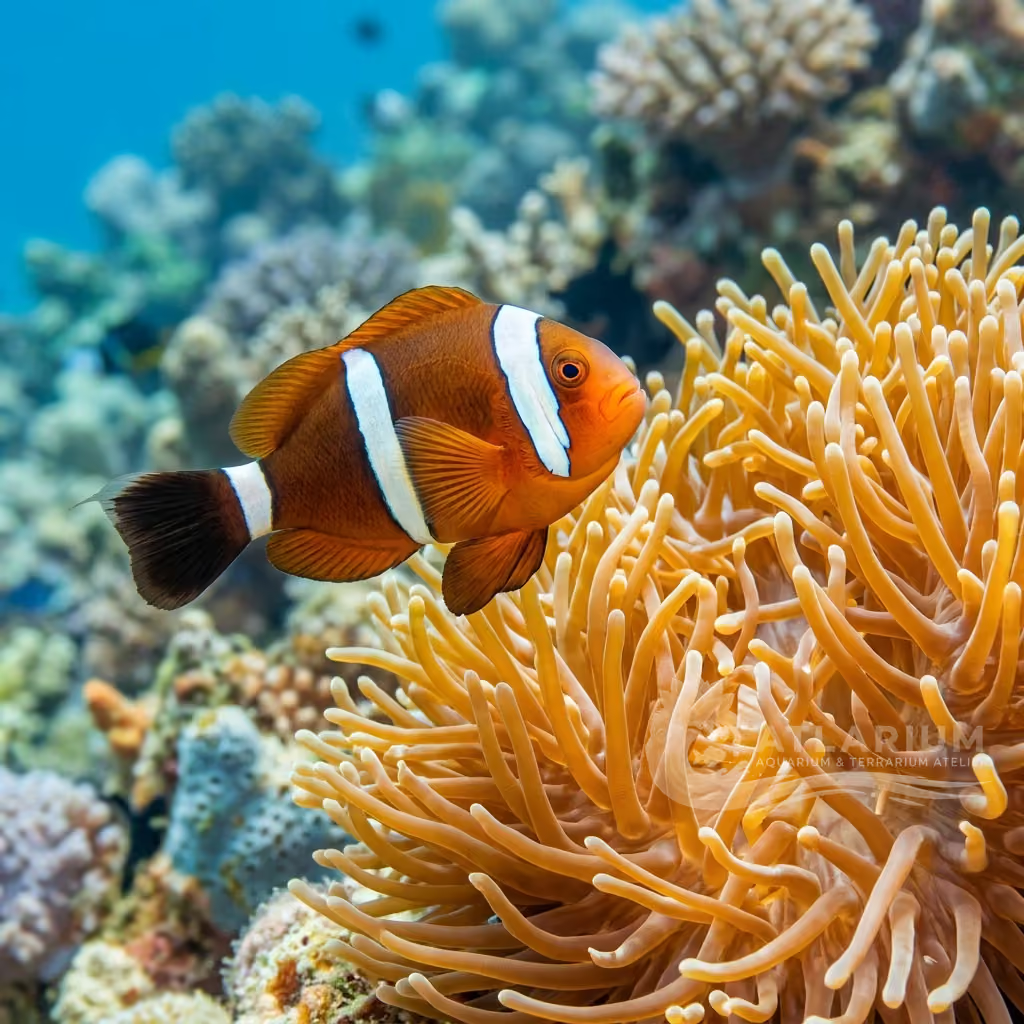
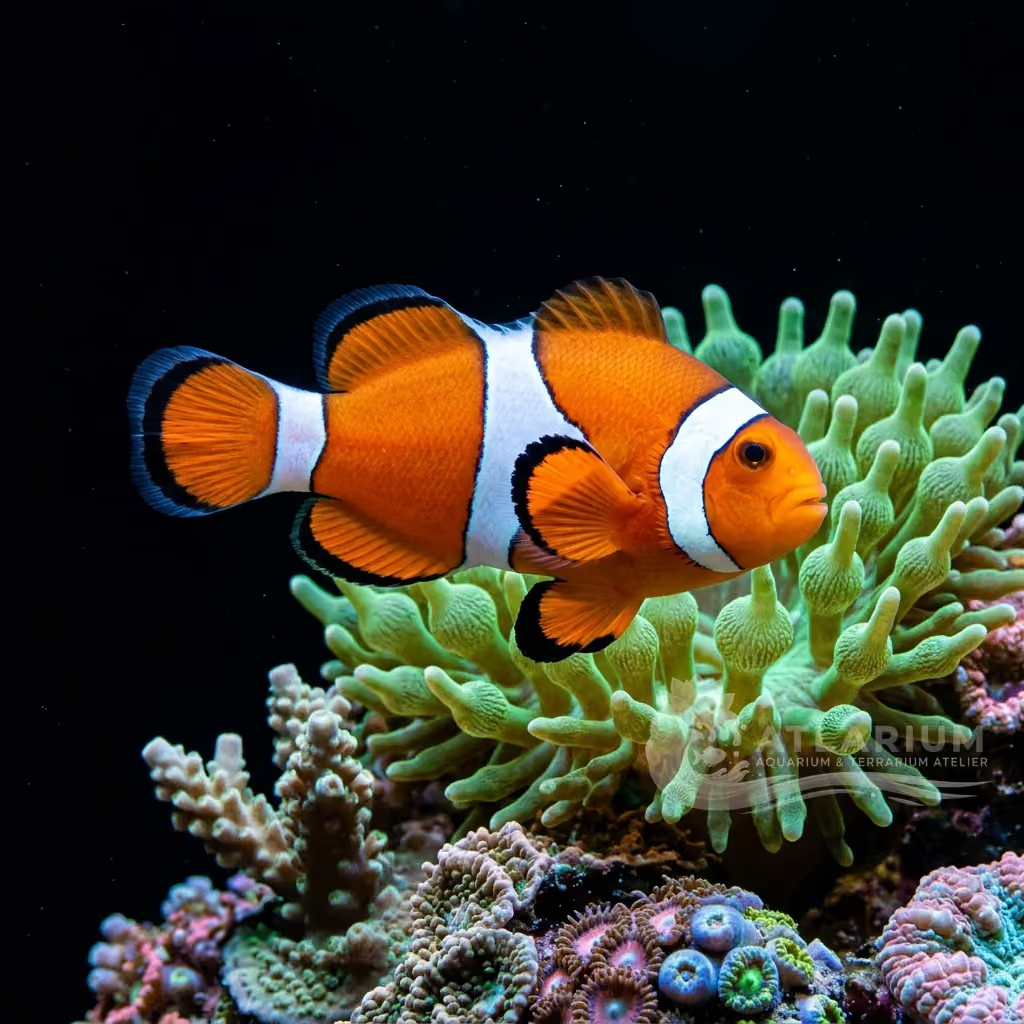
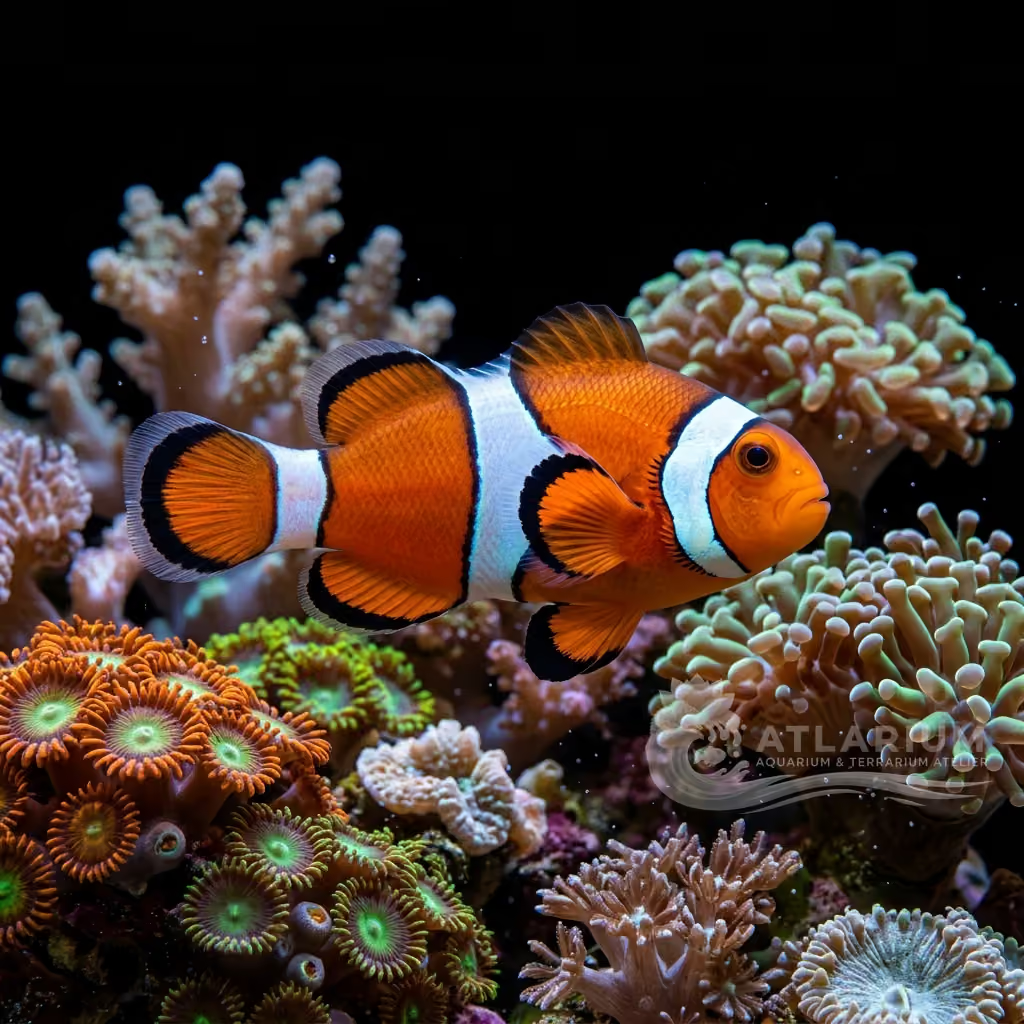
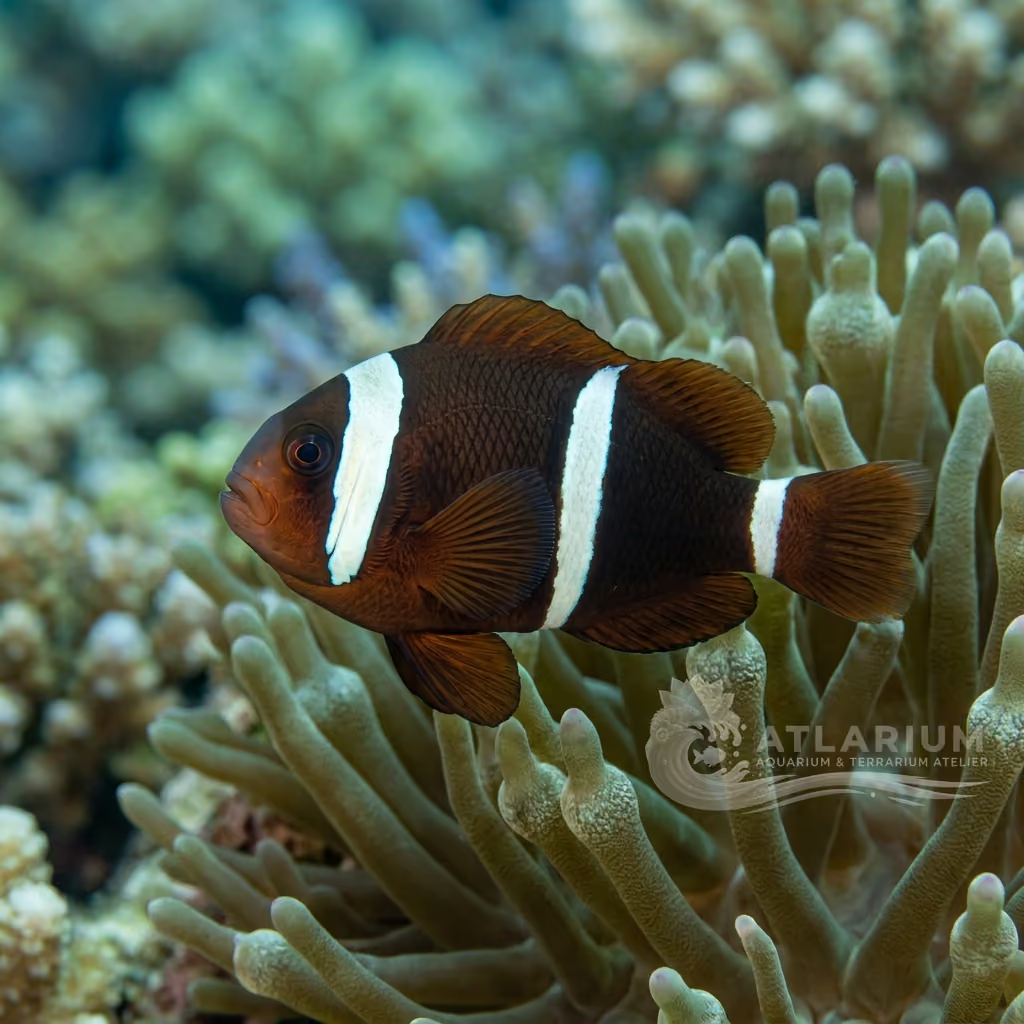
Clark's Clownfish is a hardy and highly active species with a bold black, yellow, and white pattern. It is incredibly adaptable and will readily associate with many anemones.
Température de l’eau
24 - 27 °C
Valeur du pH
8.1 - 8.4
Type d'eau
Marin
Niveau dans le bac
Fond et milieu
Taille adulte
15 cm
Volume minimal du bac
>= 150 L
Groupe minimal
>= 1
KH
8 - 12 dKH

Description de l'espèce
Geographical Origin and Habitat: Widely distributed throughout the Indo-West Pacific, from the Persian Gulf to Western Australia and southern Japan. Inhabits shallow coral reefs and lagoons, associating with many anemone species.
Taxonomy and Morphology: Member of the Pomacentridae family. Features a robust, deep body with a tail fin that ranges from white to bright yellow. Females are significantly larger than males, reaching up to 15 cm.
Social Behavior: Bold and active. Forms strict social structures where the dominant female rules the group. Highly territorial around its selected anemone or coral shelter.
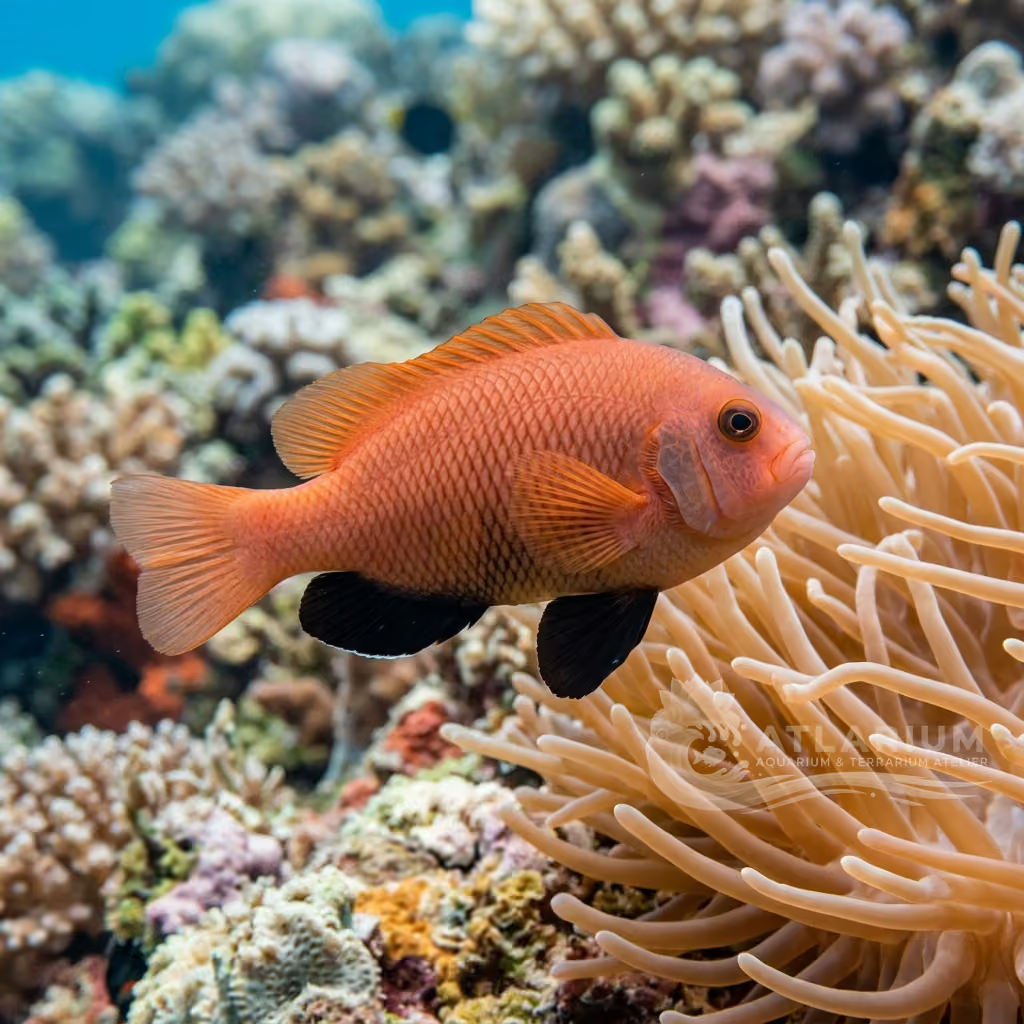
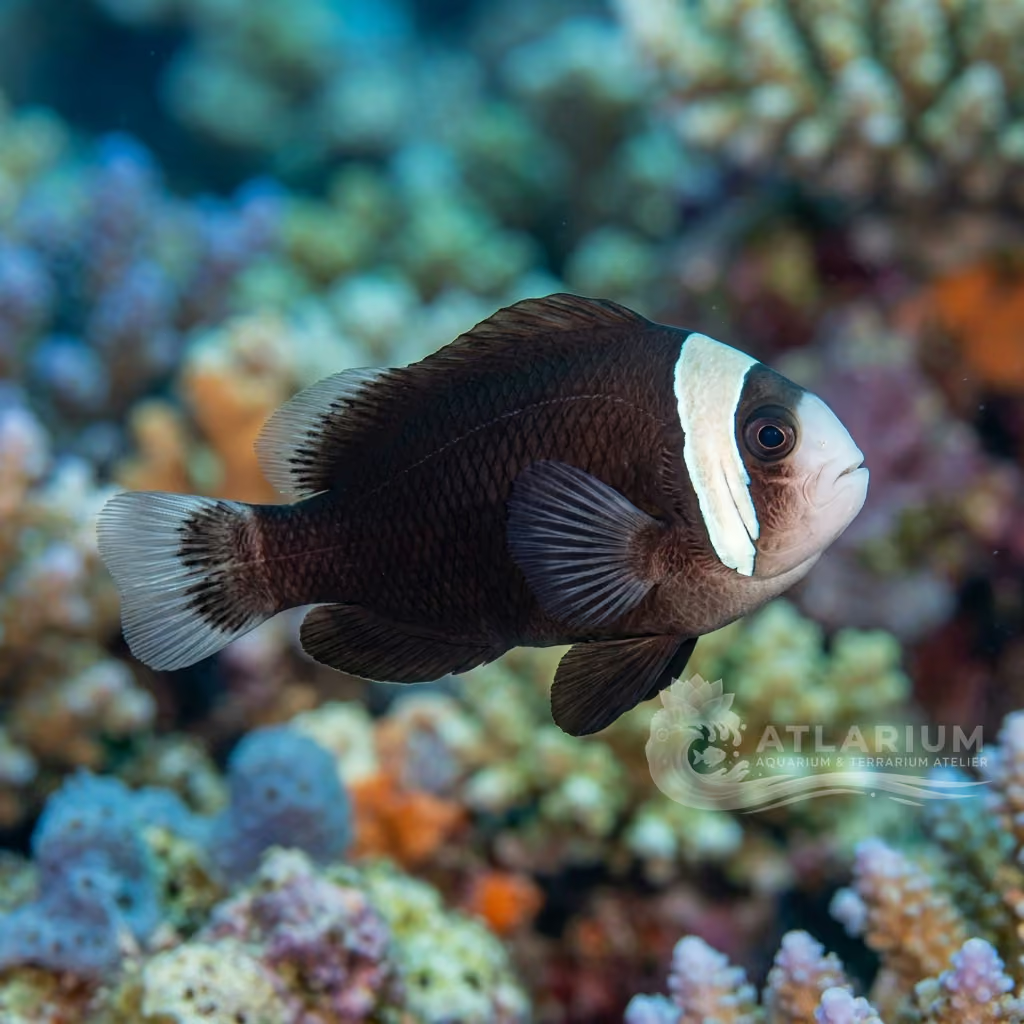
Coloration and Sexual Dimorphism: Black or dark brown body with yellow-orange snout, chest, and fins, accented by two or three white bands. Protandrous hermaphrodite: the largest male converts into the female.

Soins, reproduction et cohabitation
Aquarium Setup: A minimum tank size of 150 liters (40 gallons) is recommended. Provide ample live rock structure. While an anemone is not strictly required, it will readily host in large LPS corals.
Diet and Feeding: Voracious omnivore. Feed a varied diet of frozen mysis, brine shrimp, and chopped seafood, along with high-quality marine flakes, pellets, and marine algae.
Water Quality: Keep parameters stable: temperature 24-27°C (75-81°F), pH 8.1-8.4, specific gravity 1.020-1.025, and KH 8-12. Maintain low nitrate levels.
Compatibility and Cohabitation: Good fit for reef communities. Do not mix different clownfish species in standard-sized tanks, as severe fighting will occur.
Aquarium Breeding: Regularly bred in captivity. Eggs are deposited on flat surfaces near the host anemone, where the male guards and fans them until hatching.
Risks and Diseases: Highly susceptible to Brooklynella hostilis if not quarantined. Also vulnerable to marine ich (Cryptocaryon) and velvet (Oodinium) under poor water conditions.

Origine et répartition géographiques
Widely distributed throughout the Indo-West Pacific, from the Persian Gulf to Western Australia and southern Japan. Inhabits shallow coral reefs and lagoons, associating with many anemone species.
Origine
Océans tropicaux et récifsAsie de l'EstAustralie, Nouvelle-Guinée et Océanie

Profil de poisson
- Tempérament
- Aggressive
- Amphiprion clarkii is a bold and highly territorial species that is generally more aggressive than other common clownfish like Amphiprion ocellaris. They will vigorously defend their host anemone or chosen territory from any fish, invertebrate, or even human hands entering their zone. As they mature, this defensive behavior increases significantly, particularly in reproductive females. To mitigate conflict, it is best to introduce them to the aquarium after more peaceful species have established themselves and to provide plenty of physical barriers.
- Régime alimentaire
- Omnivore
- In nature, Amphiprion clarkii is an opportunistic omnivore that feeds on zooplankton, algae, and small benthic invertebrates. In the aquarium, they are enthusiastic eaters and will readily accept high-quality marine flakes, pellets, and frozen foods like mysis and brine shrimp. Including vegetable matter, such as spirulina or algae flakes, is important to satisfy their nutritional needs and support overall health. Providing a varied diet rich in vitamins and carotenoids will also help maintain their vibrant yellow, orange, and black coloration.
- Espérance de vie
- 10-15 years
- Taille adulte
- 15 cm
- Ratio des sexes
- 1:1 ratio
- In captivity, it is highly recommended to keep Amphiprion clarkii either as a single individual or in a established, male-female pair (1:1 ratio) to minimize territorial conflicts. As protandrous hermaphrodites, they are born gender-neutral, with the most dominant individual in a group turning female and the second largest becoming the reproductive male. Attempting to keep multiple adult pairs or groups in a standard-sized aquarium often leads to severe aggression and stress. If introducing a pair, it is best to buy one larger individual and one significantly smaller to facilitate a smooth hierarchy establishment.
- Fréquence d'alimentation
- Twice daily
- Amphiprion clarkii should be fed small portions two to three times daily to match their active metabolism and natural grazing behavior. Providing only what they can consume within one to two minutes helps prevent excess food from rotting and compromising water quality. Juvenile specimens require more frequent feedings of nutrient-dense food to support their rapid growth phases. Establishing a consistent feeding routine reduces territorial stress and helps keep their aggressive tendencies in check.
- Charge biologique
- Medium
- Amphiprion clarkii produces a moderate biological waste load, primarily due to its relatively large size compared to other clownfish species, with females reaching up to 15 centimeters. Efficient filtration, including a reliable protein skimmer and regular water changes, is crucial to manage dissolved organic compounds and maintain low nutrient levels. Mechanical filtration should be cleaned frequently to prevent debris accumulation and subsequent nitrate spikes in the aquarium. Proper tank sizing of at least 120 liters helps dilute waste and provides a more stable ecological environment.
- Courant
- Moderate
- This species prefers a moderate water flow that mimics the lagoon and outer reef slopes they inhabit in the wild. While they are competent swimmers and can tolerate moderate to strong flow, they require calm pockets behind rocks to rest without constant exertion. If hosting a sea anemone, the water flow should be adjusted to suit the anemone's specific requirements while ensuring it does not blow the fish away. Proper water movement also assists in distributing food throughout the water column and preventing detritus buildup.
- Risque de saut
- Yes
- Although not as notorious for jumping as some reef fish, Amphiprion clarkii can easily jump out of an open-topped aquarium when startled or chased. Sudden changes in lighting, territorial aggression from tankmates, or maintenance activities can cause them to leap in panic. Installing a secure, tight-fitting mesh screen or glass lid is the only reliable way to prevent tragic escapes from the tank. Keeping the water level slightly lower is not a sufficient preventive measure on its own, so a covered tank remains essential for their safety.
- Reproduction
- Oviparous
- Amphiprion clarkii is one of the easiest marine fish to breed in captivity and is highly prolific. They form monogamous pairs that spawn on a flat rock surface close to their host anemone, producing hundreds of eggs per clutch. The male aggressively guards and fans the eggs for about six to eight days until they hatch, usually shortly after lights out. Rearing the larvae is the most challenging phase, requiring a dedicated breeding setup, clean water, and live rotifers as initial food.
- Compatibilité et compagnons
- Highly aggressive
- Due to their aggressive and territorial nature, Amphiprion clarkii should not be housed with very small, passive reef fish or other clownfish species. They are best kept with robust, active tankmates such as tangs, wrasses, damselfish, or large dottybacks that can handle their bold temperament. While they will happily host a wide range of anemones, they may bully corals or small invertebrates if a proper host is not available. Introducing them last to a spacious aquarium helps minimize territorial disputes and ensures a more peaceful community.
- Niveau dans le bac
- Middle/Bottom
- Amphiprion clarkii is an active swimmer that primarily occupies the bottom and middle zones of the aquarium, especially around its host anemone or selected rockwork. When comfortable, they will venture into other water columns to feed or explore, but they rarely stray far from their designated home base. Providing plenty of live rock with caves and crevices simulates their natural reef habitat and gives them secure zones to retreat to. In the absence of a host anemone, they may adopt a specific coral, powerhead, or rock crevice as their territory, centering their swimming activities around it.

Modèles et paramètres scientifiques
FishBase
Fenêtre sur les données scientifiques officielles de l’espèce
FishBase v25.04Données synchronisées le : 15/06/2026
- Niveau trophique
- 2,9 ± 0,1 se
- Résilience
- Moyenne (1,4 - 4,4 ans)
- Temps de génération
- 2,7 ans
- Singularité phylogénétique (PD50)
- 0.5
- Relation bayésienne longueur-poids
- a = 0.02344, b = 2.98
- VulnérabilitéVulnérabilité faible à modérée (29 / 100)

Espèces associées
Recommandations regroupées par proches parents, compagnons et soins similaires.