Neon damselfish
Neoglyphidodon oxyodon
An exceptionally hardy and active marine damselfish from the Indo-Pacific, showing bright neon blue markings as a juvenile and a territorial nature as an adult.
Température de l’eau
23 - 28 °C
Valeur du pH
8.1 - 8.4
Type d'eau
Marin
Niveau dans le bac
Fond et milieu
Taille adulte
15 cm
Volume minimal du bac
>= 200 L
Groupe minimal
>= 1

Description de l'espèce
Geographical Origin and Habitat: Neoglyphidodon oxyodon is native to the tropical waters of the Central Indo-Pacific, specifically found around Indonesia, the Philippines, Taiwan, and east to the Solomon Islands. It inhabits shallow coastal reefs, sheltered lagoons, and wave-swept outer reef crests at depths of 1 to 15 meters. Juveniles are often found seeking shelter among Acropora coral branches, while adults roam free.
Taxonomy and Morphology: Belonging to the family Pomacentridae and the genus Neoglyphidodon. It features a robust, oval, and laterally compressed body shape. It possesses a continuous dorsal fin and a small mouth with compressed teeth adapted for scraping algae from rocks. Adults reach a maximum length of 13-15 centimeters. Its sturdy skeletal structure makes it highly resilient.
Social Behavior: It is an extremely active, fast-swimming, and aggressive fish. Although juveniles can live in loose groups, adults become fiercely territorial and highly intolerant of conspecifics and other fish that trespass into their territory. It will aggressively defend its chosen rock shelter against much larger fish, displaying bold behavior.
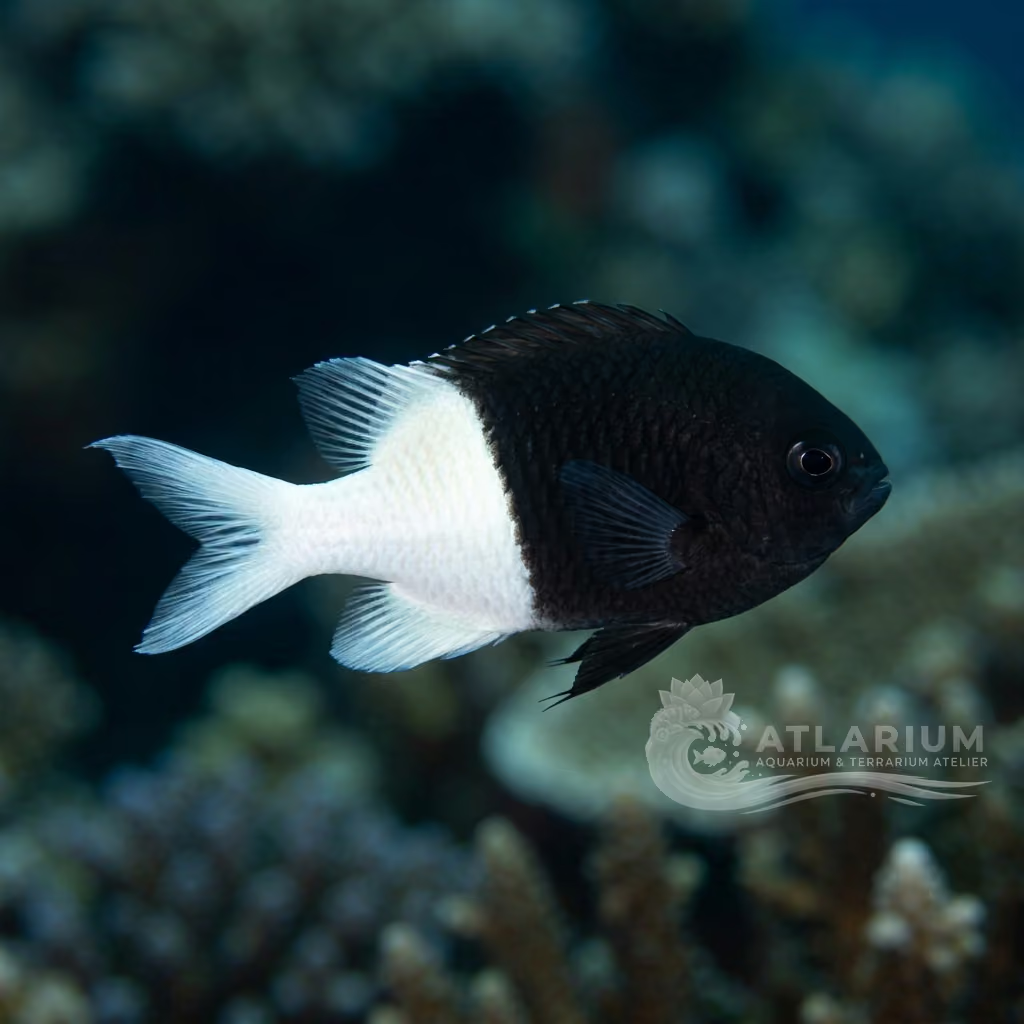
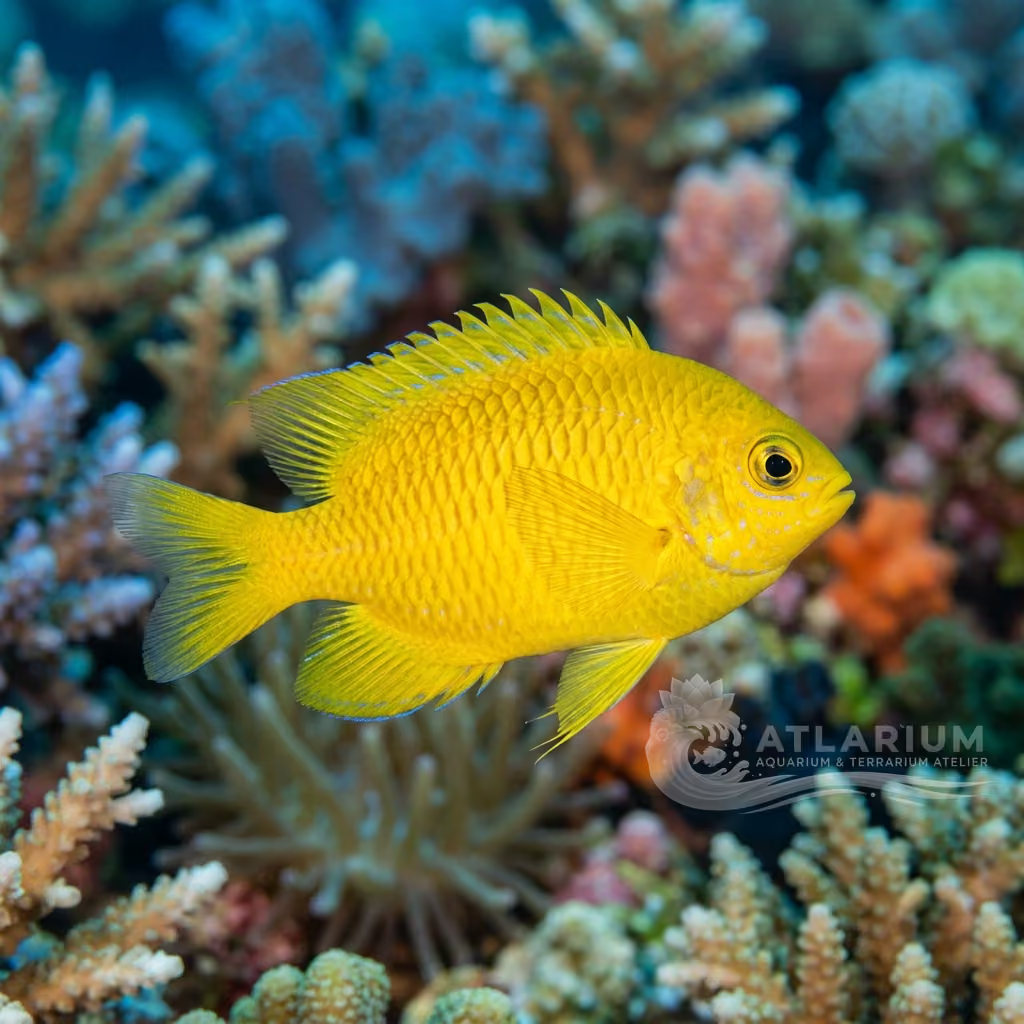
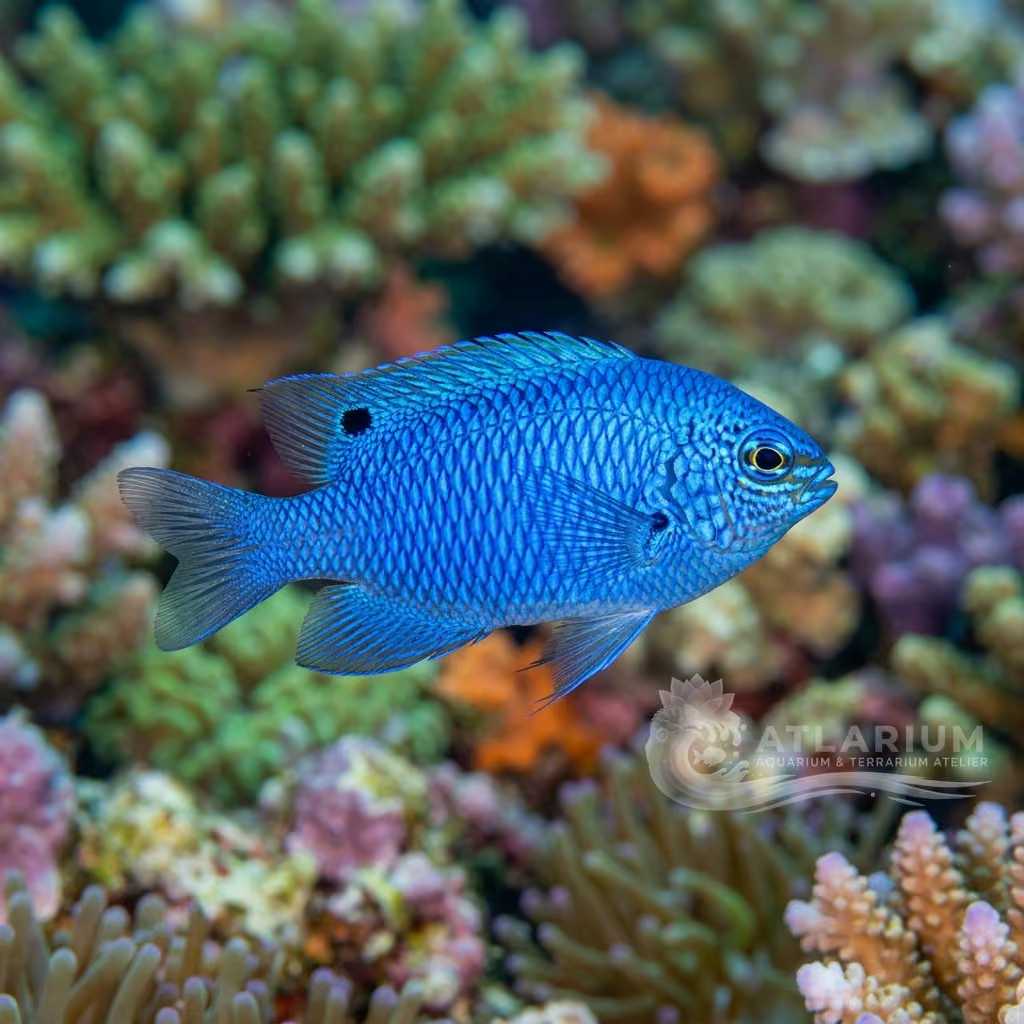
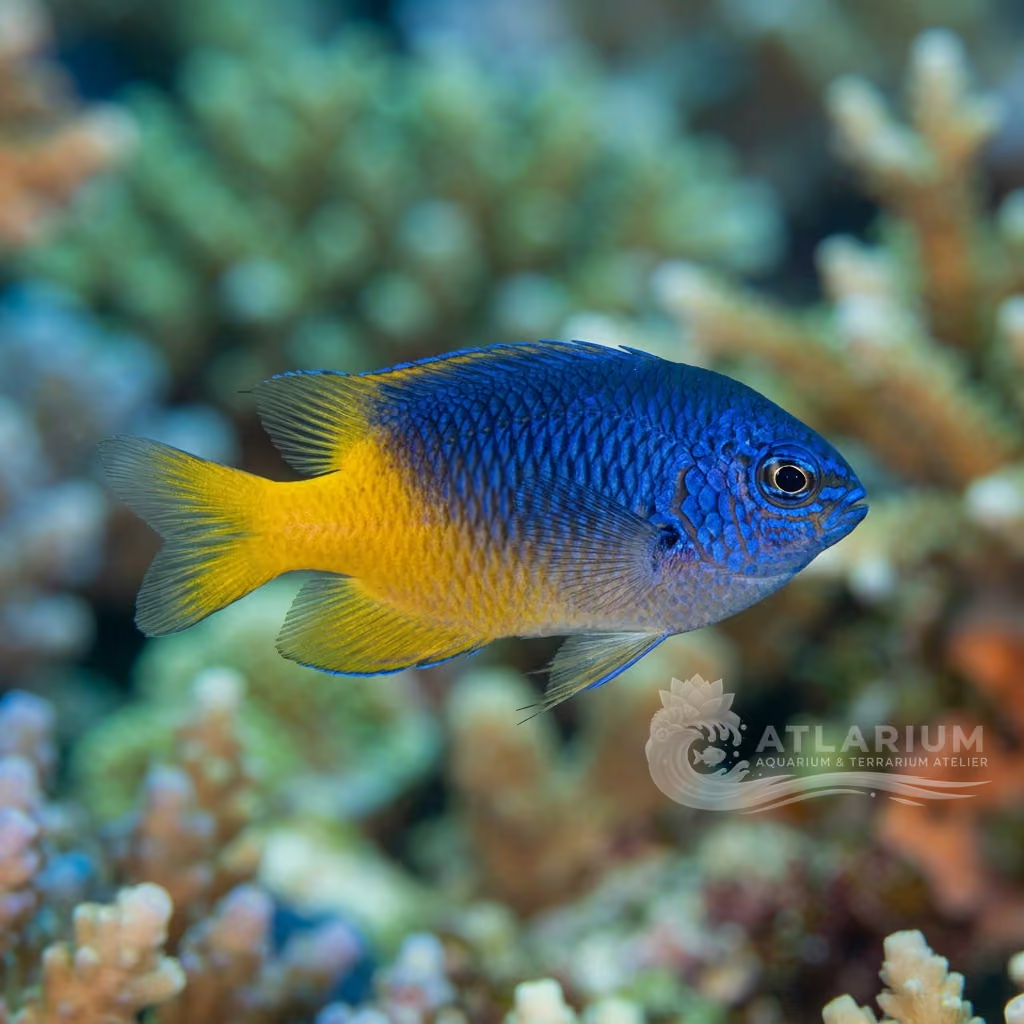
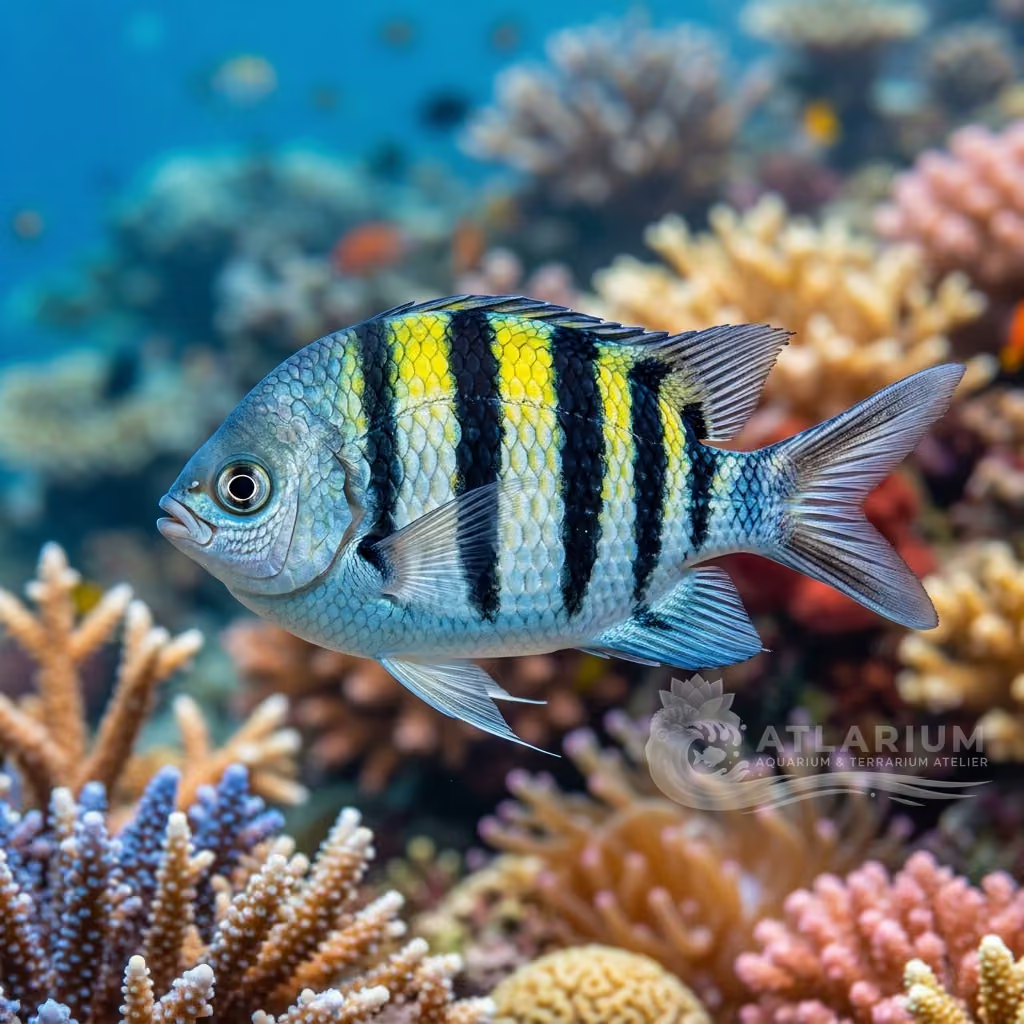
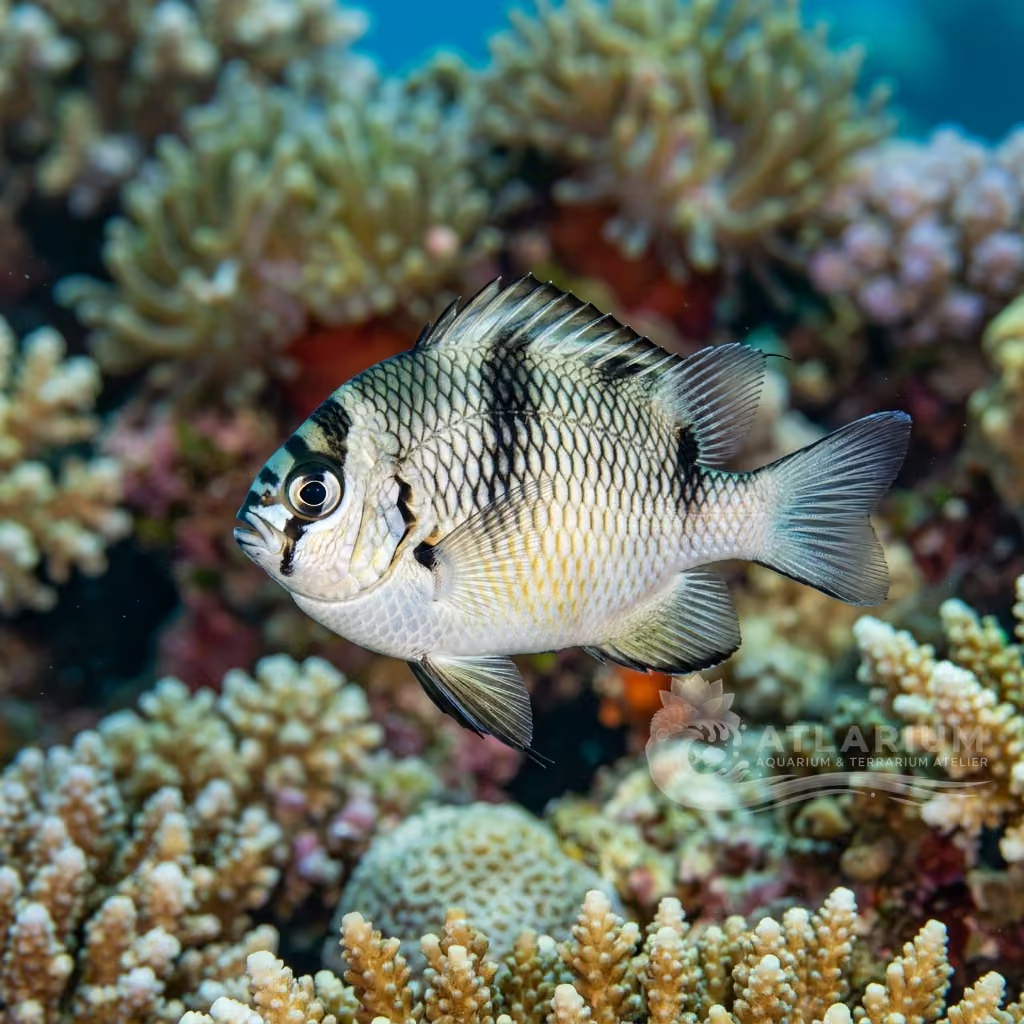
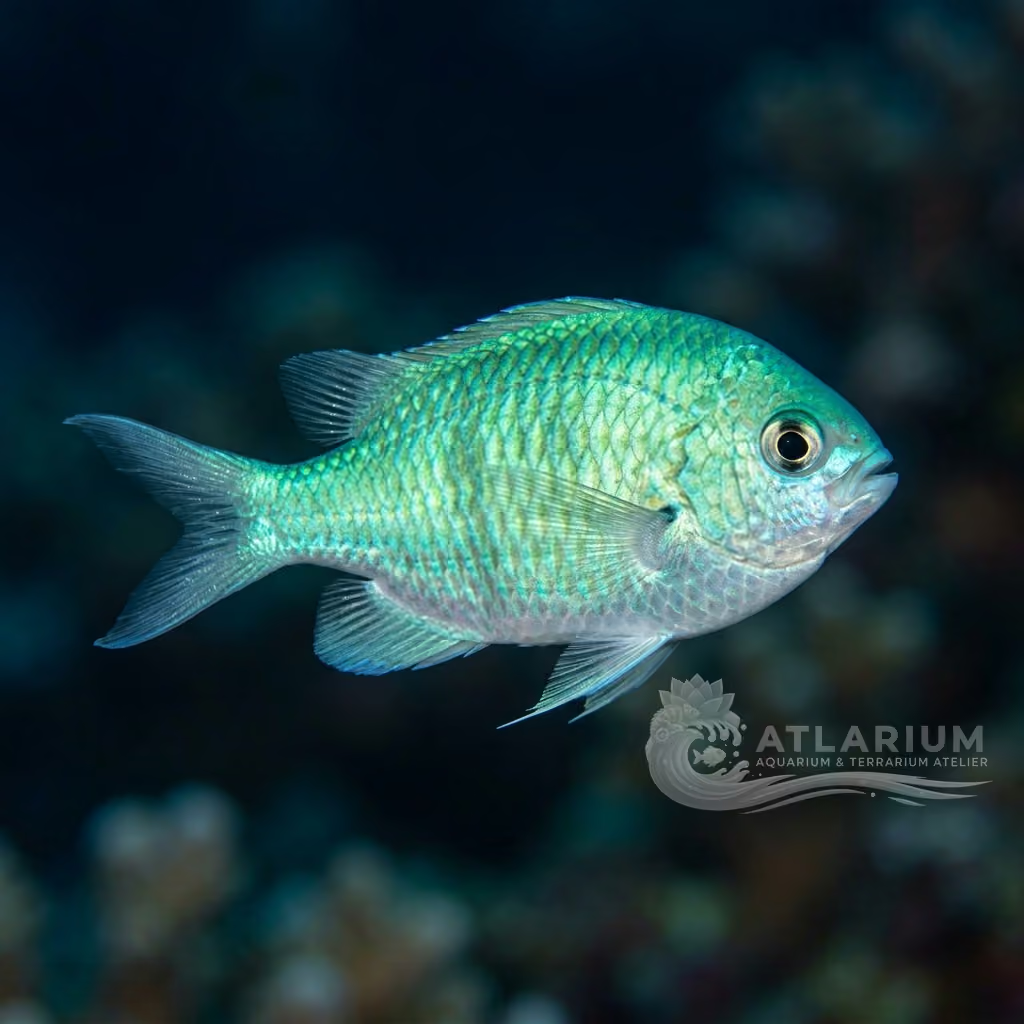
Coloration and Sexual Dimorphism: The coloration undergoes a dramatic ontogenetic change. Juveniles feature a striking velvet black or dark blue body, highlighted by electric neon blue stripes and a distinct yellow patch on the back. As they mature into adults, this brilliant neon pattern fades completely, resulting in a uniform dark brown or charcoal body. No sexual dimorphism is visible.

Soins, reproduction et cohabitation
Aquarium Setup: Requires a minimum tank size of 200 liters for a single specimen, which should be increased to over 400 liters in a community aquarium to help disperse its aggression. The tank should feature plenty of live rock arranged into caves, crevices, and visual barriers to help break up line-of-sight territories. Substrate can be sand or crushed coral.
Diet and Feeding: A voracious omnivore. In its natural habitat, it feeds on zooplankton, algae, and tiny benthic invertebrates. In captivity, it accepts all foods immediately, including flakes, pellets, frozen foods (mysis, artemia, krill, chopped seafood), and spirulina-based preparations. Feeding twice daily in moderate portions is recommended.
Water Quality: Exceptionally tolerant of a wide range of water parameters, making it suitable for cycling new aquariums. Optimal parameters include: temperature between 24°C and 28°C, pH between 8.1 and 8.4, and specific gravity between 1.021 and 1.025. Good water movement and standard filtration are recommended to keep nitrates below 25 ppm.
Compatibility and Cohabitation: Cohabitation is the most challenging aspect of keeping this fish. It must not be housed with peaceful, slow, or delicate species like firefish, pipefish, or small gobies. Suitable tankmates are large, robust, and active fish such as tangs, triggerfish, large wrasses, and groupers. It should be the final fish introduced to the aquarium.
Aquarium Breeding: Spawning in captivity is possible, but territorial aggression makes pairing difficult. The male cleans a flat rock surface and courts the female. After she lays adhesive eggs, the male fertilizes and aggressively guards them from all intruders until they hatch in 4-6 days. Rearing the planktonic larvae is challenging and requires rotifers.
Risks and Diseases: It is extremely resistant to common marine pathogens, including Cryptocaryon irritans (marine ich). Stress-related health issues are rare due to its dominant status. The primary risk is physical injuries to tankmates or itself from continuous territorial battles when housed in a tank that is too small.

Origine et répartition géographiques
Neoglyphidodon oxyodon is native to the tropical waters of the Central Indo-Pacific, specifically found around Indonesia, the Philippines, Taiwan, and east to the Solomon Islands. It inhabits shallow coastal reefs, sheltered lagoons, and wave-swept outer reef crests at depths of 1 to 15 meters. Juveniles are often found seeking shelter among Acropora coral branches, while adults roam free.
Origine
Océans tropicaux et récifsAsie du Sud et du Sud-EstAsie de l'Est

Profil de poisson
- Tempérament
- Aggressive
- This is one of the most belligerent damselfish available in the hobby. It becomes increasingly aggressive and destructive as it transitions into adulthood. It is recommended to add them as the very last fish to an established community.
- Régime alimentaire
- Omnivore
- It is an omnivore that readily accepts a wide variety of aquarium foods. A mix of meaty frozen foods and high-quality marine algae is essential. Feeding a varied diet ensures they maintain their striking juvenile colors as long as possible.
- Espérance de vie
- 10-15 years
- Taille adulte
- 15 cm
- Ratio des sexes
- Solitary
- Due to their extreme aggression, keeping a single specimen is often safest. Attempting to keep multiple adults in one tank usually results in fatalities. Only exceptionally large aquariums can support a group of juveniles growing together.
- Fréquence d'alimentation
- Twice daily
- They should be fed two to three times a day to maintain their energy. Small, frequent feedings help temper their innate aggression toward other fish. Ensure all offered food is consumed quickly to protect water quality.
- Charge biologique
- Medium
- This energetic damselfish contributes a moderate bioload to the aquarium. Standard marine filtration setups easily handle its waste output. Consistent water changes are necessary to prevent nutrient buildup in smaller tanks.
- Courant
- Strong
- They prefer a strong, turbulent water flow reflecting their natural reef habitat. High circulation keeps them active and provides necessary environmental enrichment. Powerheads should be strategically placed to create robust currents.
- Risque de saut
- No
- Reproduction
- Oviparous
- They reproduce by laying demersal eggs on a cleaned hard surface. The male aggressively defends the clutch against all intruders until hatching. Raising the fry is nearly impossible for average aquarists due to the planktonic larval stage.
- Compatibilité et compagnons
- Highly aggressive
- It is highly aggressive and should only be kept with robust tank mates. Smaller or docile fish will be relentlessly harassed by this species. It is best suited for a predatory or semi-aggressive community setup.
- Niveau dans le bac
- Middle/Bottom
- They boldly occupy all levels of the aquarium but favor the middle column. They constantly swim in the open, inspecting their established territory. They also require intricate rock structures to claim as their primary base.

Modèles et paramètres scientifiques
FishBase
Fenêtre sur les données scientifiques officielles de l’espèce
FishBase v25.04Données synchronisées le : 15/06/2026
- Niveau trophique
- 2,7 ± 0,3 se
- Résilience
- Élevée (moins de 15 mois)
- Singularité phylogénétique (PD50)
- 0.502
- Relation bayésienne longueur-poids
- a = 0.02344, b = 2.98
- VulnérabilitéVulnérabilité faible (10 / 100)

Espèces associées
Recommandations regroupées par proches parents, compagnons et soins similaires.