Blue-spot Dascyllus
Dascyllus carneus
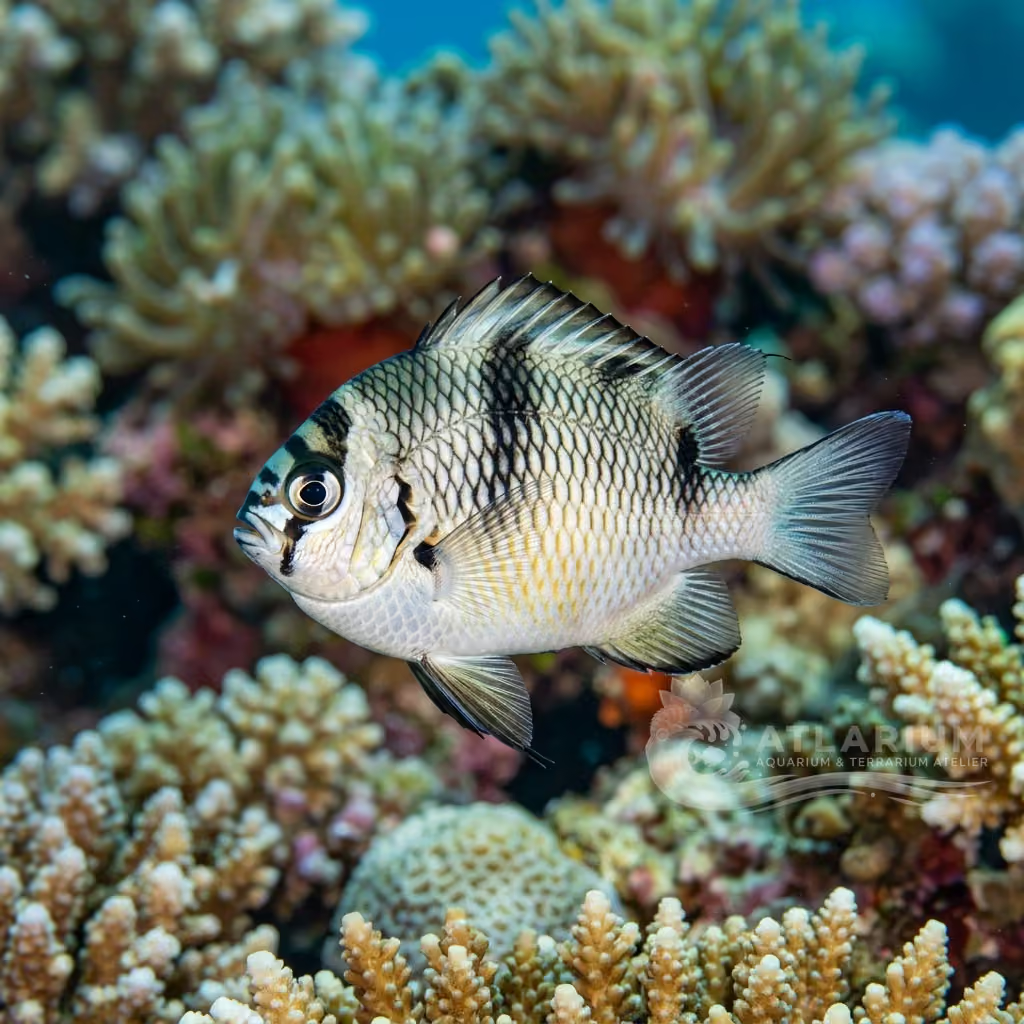
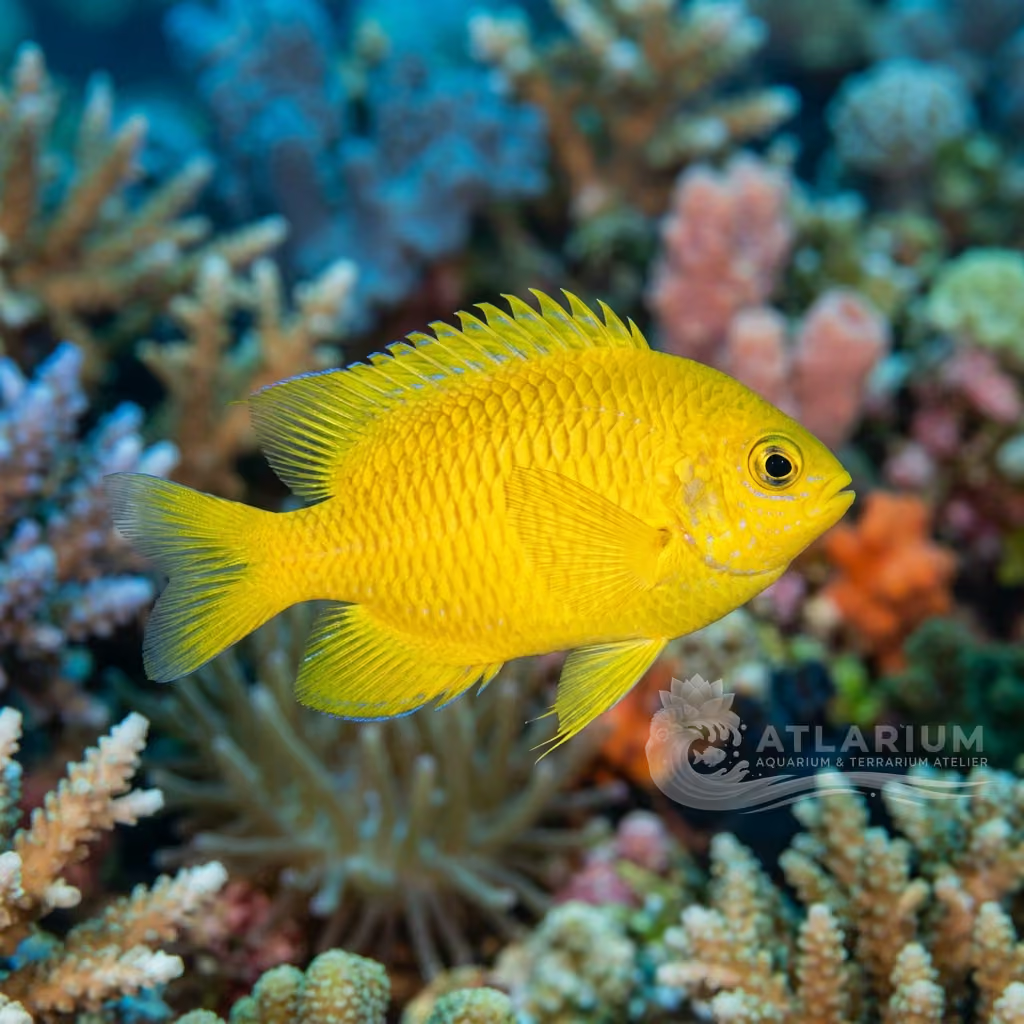
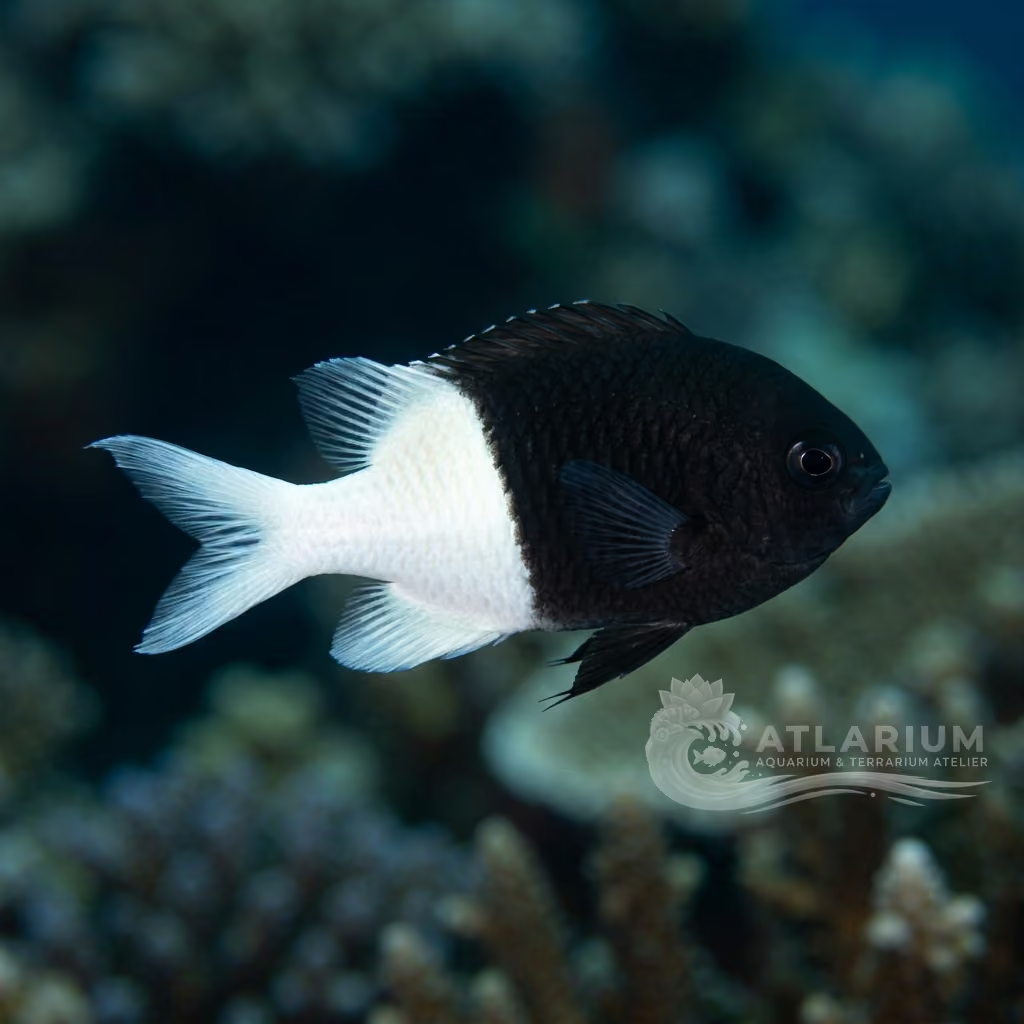
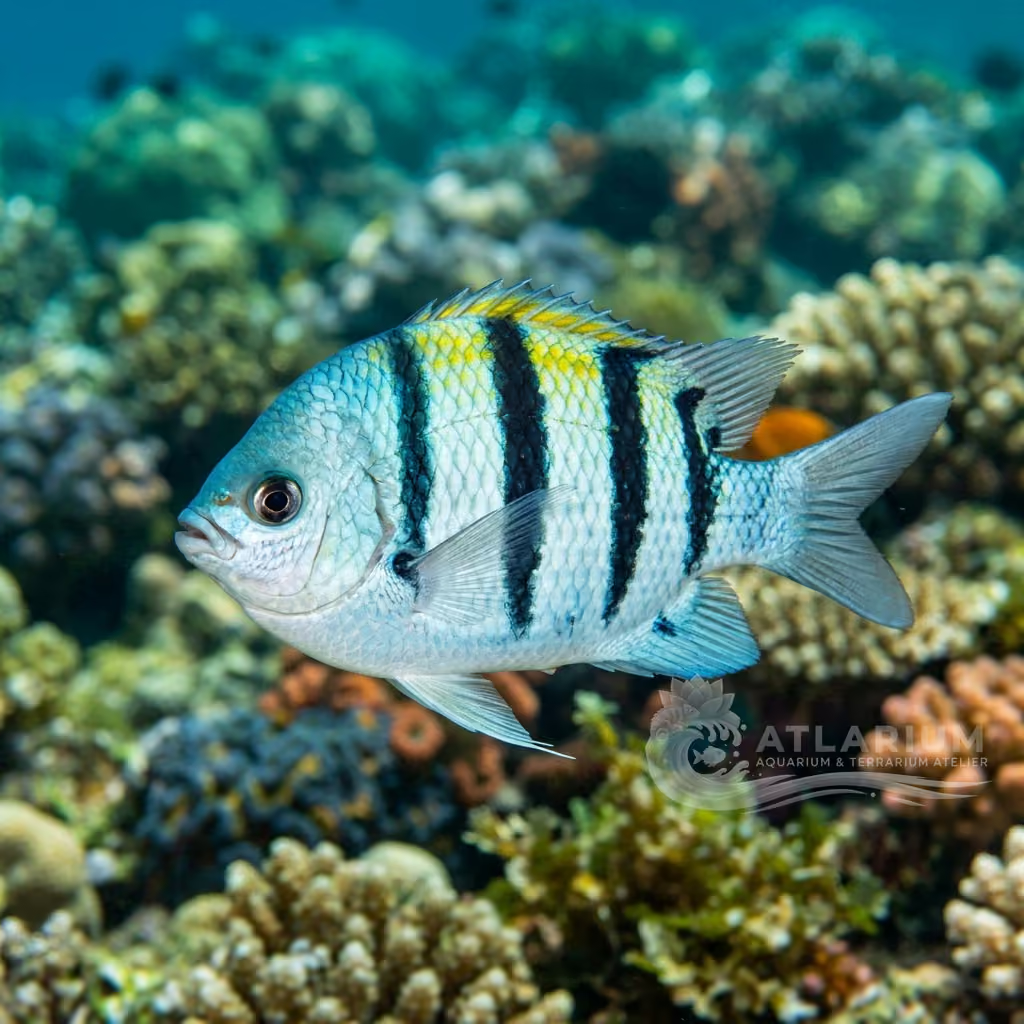
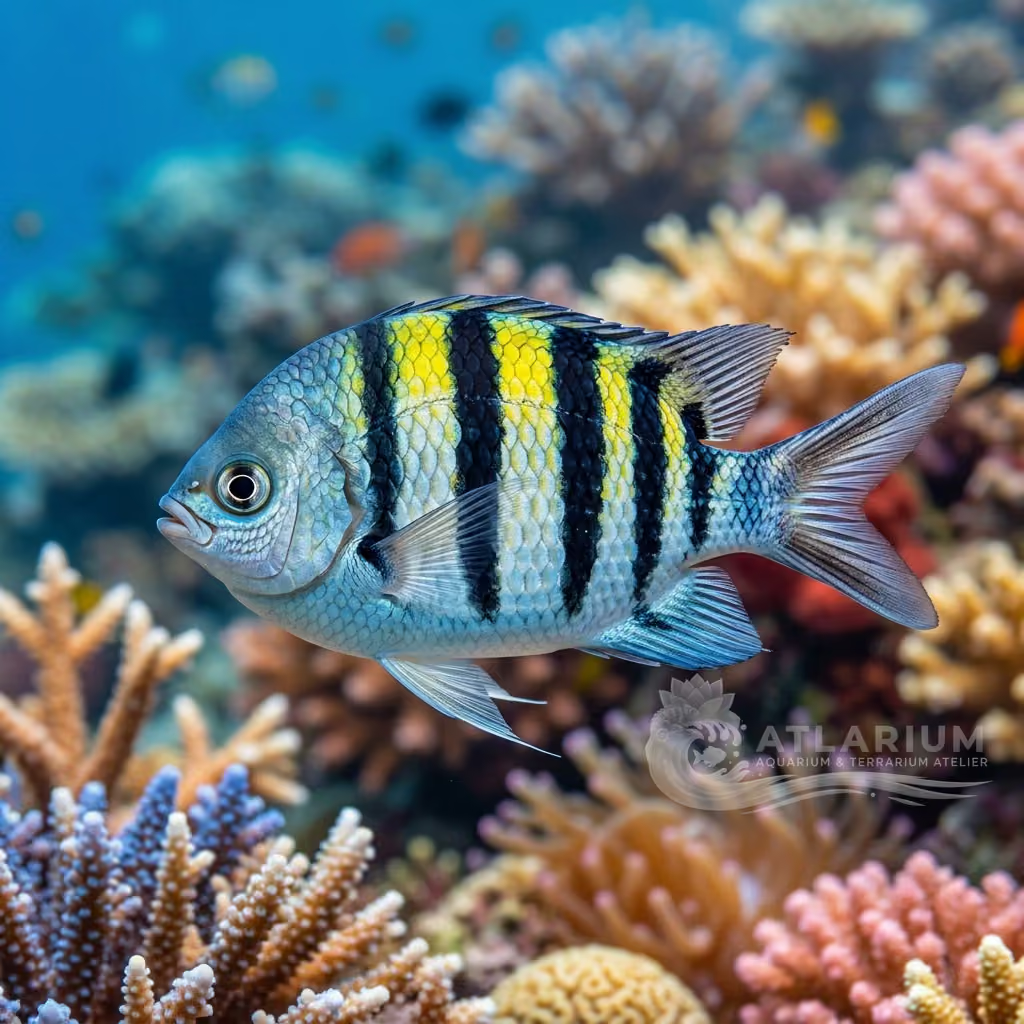
A small, highly resilient damselfish native to the Indian Ocean, recognized by its deep body with two dark vertical bars and tiny iridescent blue dots.
Température de l’eau
24 - 28 °C
Valeur du pH
8.1 - 8.4
Type d'eau
Marin
Niveau dans le bac
Milieu
Taille adulte
7 cm
Volume minimal du bac
>= 100 L
Groupe minimal
>= 3

Description de l'espèce
Geographical Origin and Habitat: Widely distributed throughout the tropical reefs of the Indian Ocean, ranging from the eastern coast of Africa and Madagascar to the Cocos Islands, the Andaman Sea, and the island of Java. It primarily inhabits sheltered lagoons and shallow outer reefs, typically at depths between 1 and 20 meters, always in close association with branching coral colonies, particularly of the genus Acropora.
Taxonomy and Morphology: Belonging to the family Pomacentridae and the subfamily Chrominae. It features a deep, laterally compressed body with a highly arched dorsal profile. The mouth is small and terminal, equipped with tiny conical teeth. It reaches a maximum standard length of approximately 7 centimeters, which makes it one of the smallest members of the genus Dascyllus.
Social Behavior: In the wild, juveniles form small, gregarious groups that hover above branching hard corals, retreating into the branches at the first sign of danger. As they mature into adulthood, individuals develop a highly territorial and aggressive temperament, aggressively defending their territory against intruders and conspecifics alike.
Coloration and Sexual Dimorphism: The base body color ranges from pale grey to golden-brown, interrupted by two prominent black vertical bands: the first runs through the eye to the operculum, and the second extends from the rear of the dorsal fin down to the anal fin. Tiny, iridescent blue spots decorate the head and upper body. There is no visible external sexual dimorphism.

Soins, reproduction et cohabitation
Aquarium Setup: Requires a marine aquarium of at least 100 liters. It is essential to arrange plenty of live rocks and branching coral structures, preferably live Acropora or coral skeletons, to replicate their natural biotope and provide essential shelters for hiding and resting.
Diet and Feeding: An omnivorous species that feeds on zooplankton and benthic algae in nature. In the aquarium, it readily accepts a wide variety of foods, including frozen foods such as mysis, brine shrimp, and chopped krill, as well as dry pellets or flakes and spirulina-based preparations to meet its vegetable requirements.
Water Quality: Requires stable and well-monitored marine parameters: water temperature between 24 and 28 °C, pH between 8.1 and 8.4, and specific gravity stable at 1.020-1.025. It is important to ensure strong filtration and good water movement to maintain high oxygenation levels.
Compatibility and Cohabitation: Due to the aggressive and territorial nature it displays as an adult, it should not be housed with timid or much smaller fish. Ideal tankmates are robust and active marine fish such as tangs, clownfish, and other damselfish of similar temperament.
Aquarium Breeding: Breeding is possible in captivity. It is an oviparous species; during courtship, the male prepares a spawning site by cleaning a flat rocky surface. After spawning, the male fertilizes the eggs and guards them fiercely, fanning them with his fins and attacking any encroaching fish.
Risks and Diseases: This is an exceptionally hardy species that tolerates temporary fluctuations in water parameters better than most marine fish. While highly suitable for beginners or cycling new tanks, the main risk remains its potential aggression towards other tankmates.

Origine et répartition géographiques
Widely distributed throughout the tropical reefs of the Indian Ocean, ranging from the eastern coast of Africa and Madagascar to the Cocos Islands, the Andaman Sea, and the island of Java. It primarily inhabits sheltered lagoons and shallow outer reefs, typically at depths between 1 and 20 meters, always in close association with branching coral colonies, particularly of the genus Acropora.
Origine
Océans tropicaux et récifsAfrique et MadagascarAsie du Sud et du Sud-Est

Profil de poisson
- Tempérament
- Aggressive
- The Cloudy Damsel possesses a highly aggressive and pugnacious temperament that only intensifies with age. It will relentlessly harass newly introduced fish, often causing them significant stress or physical harm. It is one of the most belligerent damselfishes in the hobby and demands careful consideration before being added to any system. It is highly recommended to add this species as the absolute last fish in a semi-aggressive community setup.
- Régime alimentaire
- Omnivore
- The Cloudy Damsel is an omnivorous species that eagerly consumes almost any food offered in the aquarium. In nature, it feeds on zooplankton, benthic invertebrates, and various algae. A captive diet should consist of high-quality marine flakes, pellets, and a mix of frozen meaty foods like mysis and brine shrimp. Incorporating herbivorous preparations will ensure a well-rounded and nutritionally complete diet.
- Espérance de vie
- 10-15 years
- Taille adulte
- 7 cm
- Ratio des sexes
- Harem
- There is very little obvious sexual dimorphism in the Cloudy Damsel, making it difficult to distinguish males from females based on appearance alone. During the spawning season, males may exhibit slightly intensified coloration or aggressive territorial behaviors. Due to their extreme hostility toward conspecifics, they are typically kept individually in home aquariums unless maintained in a very large system where a harem can be established.
- Fréquence d'alimentation
- Twice daily
- Feeding this robust species 1 to 2 times daily is completely sufficient for maintaining its health and vigor. It is an aggressive eater that will aggressively compete for food during feeding time, often outcompeting more timid tank mates. Ensuring that slower feeders receive their share of the meal is an important consideration when housing this damselfish. Overfeeding should be carefully avoided to prevent nutrient spikes in the water.
- Charge biologique
- Low to Medium
- The Cloudy Damsel (Dascyllus carneus) produces a moderate bioload due to its hearty appetite and active metabolism. Despite its relatively small size, it processes a significant amount of food, contributing to the aquarium's waste output. Adequate filtration, including a functional protein skimmer, is necessary to process the dissolved organics. Regular water testing and partial water changes are essential to maintain optimal water quality.
- Courant
- Strong
- Dascyllus carneus prefers areas of moderate to strong water flow within the aquarium. Strong currents help oxygenate the water and simulate the dynamic reef environments from which they originate. They are strong swimmers capable of navigating turbulent waters with ease. Providing a varied flow pattern using wavemakers encourages natural swimming behaviors and helps keep detritus in suspension for filtration.
- Risque de saut
- No
- Reproduction
- Oviparous
- In the wild, Dascyllus carneus are demersal spawners that lay their eggs on a carefully cleaned substrate. Males establish territories and perform elaborate courtship displays to attract females to the nesting site. Once the eggs are laid and fertilized, the male fiercely guards the nest and fans the eggs until they hatch. While breeding in captivity is possible, raising the extremely small larvae remains a significant challenge for hobbyists.
- Compatibilité et compagnons
- Aggressive
- This damselfish is notoriously aggressive and highly territorial, especially as it reaches adulthood. It will aggressively defend its chosen territory within the rockwork against both conspecifics and unrelated species. It is not suitable for peaceful community tanks and should only be housed with moderately aggressive to aggressive tank mates, such as dottybacks, larger angelfish, or triggerfish. Great care must be taken when introducing new fish to an aquarium already housing this species.
- Niveau dans le bac
- Middle
- This damselfish is highly active and predominantly occupies the middle to lower levels of the water column. It forms a strong attachment to a specific section of the rockwork or coral rubble, which it claims as its exclusive territory. It will dart out into open water to feed or chase away intruders but quickly retreats to its home base. Providing a complex rock scape is crucial for its psychological well-being.

Modèles et paramètres scientifiques
FishBase
Fenêtre sur les données scientifiques officielles de l’espèce
FishBase v25.04Données synchronisées le : 15/06/2026
- Niveau trophique
- 2,7 ± 0,29 se
- Résilience
- Élevée (moins de 15 mois)
- Singularité phylogénétique (PD50)
- 0.5005
- Relation bayésienne longueur-poids
- a = 0.01259, b = 3.03
- VulnérabilitéVulnérabilité faible (10 / 100)

Espèces associées
Recommandations regroupées par proches parents, compagnons et soins similaires.