Encyclopaedia
PlantFreshwaterEasy
©AI Generated·Proprietary
Octodiceras fontanum
Octodiceras fontanum
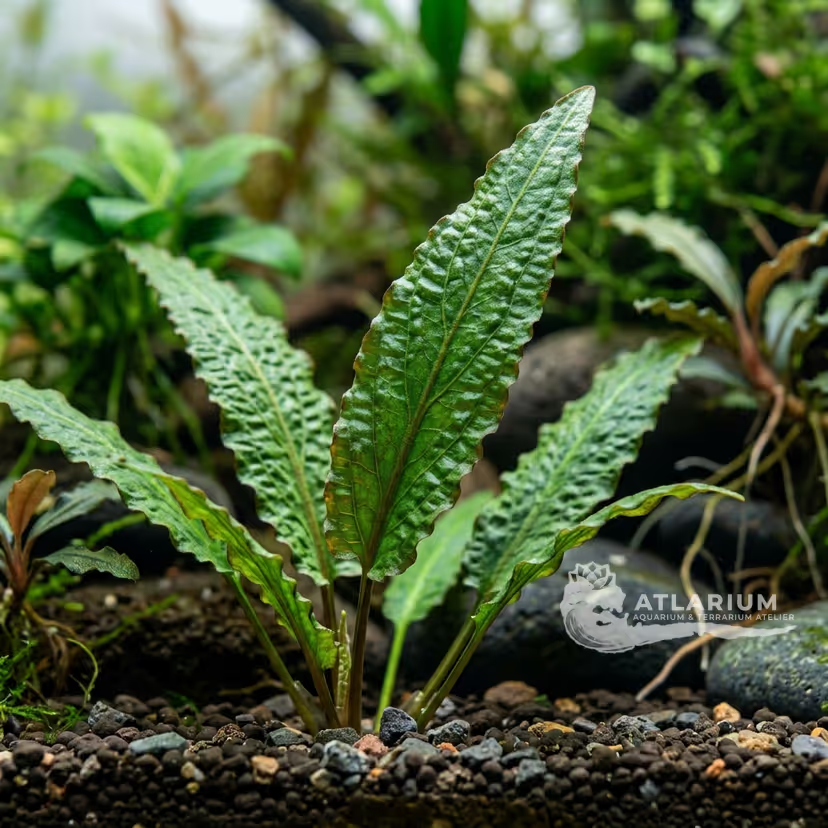
Octodiceras fontanum is a captivating midground moss, known for its delicate texture and medium growth rate, making it an excellent choice for adding intricate detail and natural charm to aquascapes. It thrives when attached to hardscape, forming dense, vibrant green cushions that enhance the overall aesthetic.
Class:Liliopsida
Order:Dicranales
Family:Fissidentaceae
Genus:Octodiceras
Species:Octodiceras fontanum
Share
Check out Octodiceras fontanum on Atlarium
Water Temperature
20 - 28 °C
pH Value
6 - 7.5
Water type
Freshwater
Light
Medium - High
CO2
Medium - High
KH
2 - 10 dKH
Species description
Geographical Origin and Habitat: Octodiceras fontanum is a freshwater moss native to various regions, typically found submerged or semi-submerged in clear, slow-moving to moderately flowing waters of streams, rivers, and ponds. It often adheres to rocks, driftwood, or other hard surfaces, thriving in environments with good water quality and consistent temperatures. Its presence often indicates a healthy, well-oxygenated aquatic ecosystem, adapting well to conditions mimicking its natural habitat.
Taxonomy & Genetics: Belonging to the Fissidentaceae family, Octodiceras fontanum is a true moss (Bryophyte), not a fern, despite its sometimes fern-like appearance. Its genus, Octodiceras, is characterized by its distinctive leaf arrangement, which often gives it a unique aesthetic among mosses. This classification places it within a group known for its unique cellular structure and reproductive strategies, such as the absence of true roots, differentiating it from vascular plants.
Physical Structure:
Color & Texture: Octodiceras fontanum typically displays a vibrant, rich green coloration under optimal conditions, which can deepen or become slightly paler depending on light intensity and nutrient availability. The texture is notably fine and delicate, offering a soft, velvety feel that adds subtle detail and contrasts beautifully with coarser-leaved plants or hardscape elements. This combination of color and texture makes it a visually appealing and tactile addition to any aquascape, enhancing its natural beauty.
Care, breeding and tankmates
Lighting & CO2: Requiring medium light intensity, Octodiceras fontanum benefits from a consistent photoperiod of 8-10 hours to maintain robust growth and vibrant coloration. While not strictly essential, CO2 supplementation significantly enhances its growth rate and overall vitality, promoting denser foliage and faster establishment within the aquascape. Adequate light prevents leggy growth and encourages a compact, desirable form, ensuring optimal photosynthesis and overall plant health.
Nutrition & Substrate: As a moss, Octodiceras fontanum primarily absorbs nutrients directly from the
Water Chemistry: This species thrives in stable water parameters, preferring temperatures between 20-28°C for optimal metabolic activity. A pH range of 6.0-7.5 and a KH of 2-12 are optimal, indicating its adaptability to moderately soft to medium-hard water conditions. Consistency in these parameters is more critical than precise values, as sudden fluctuations can stress the plant, impede growth, and lead to a decline in its overall health and appearance.
Space Management & Placement: Ideal for midground placement, Octodiceras fontanum can be meticulously attached to various hardscape elements like driftwood, lava rock, or slate using fishing line or aquarium-safe super glue. Its creeping habit allows it to slowly spread, creating natural-looking carpets or accentuating contours within the aquascape. Proper anchoring ensures it remains in place and can fully integrate into the design, contributing to a three-dimensional and natural aesthetic.
Pruning: Regular pruning is essential to maintain the desired shape, prevent excessive overgrowth, and encourage denser, bushier development of the moss mat. Trimming also helps to remove older, less healthy growth and ensures better water circulation throughout the moss, preventing detritus accumulation. This practice contributes significantly to the overall aesthetic and health of the plant, keeping it vigorous and vibrant within the aquascape.
Risks & Diseases: The primary risks for Octodiceras fontanum include algae overgrowth, particularly thread or hair algae, which can smother its delicate fronds if nutrient imbalances or excessive light are present. Poor water quality, sudden changes in parameters, or a lack of essential nutrients can lead to stunted growth or browning of the moss. Maintaining a clean environment and stable conditions is paramount to prevent such issues and ensure its successful cultivation.
Geographic Origin and Distribution
Octodiceras fontanum is a freshwater moss native to various regions, typically found submerged or semi-submerged in clear, slow-moving to moderately flowing waters of streams, rivers, and ponds. It often adheres to rocks, driftwood, or other hard surfaces, thriving in environments with good water quality and consistent temperatures. Its presence often indicates a healthy, well-oxygenated aquatic ecosystem, adapting well to conditions mimicking its natural habitat.
Origin
North AmericaEurope, Mediterranean, and West Asia
Plant profile
- Placement
- No verified data available
- Botanical form
- No verified data available
- Growth
- No verified data available
- Substrate
- No verified data available
- Column fertilization
- No verified data available
- Root fertilization
- No verified data available
- Trimming
- No verified data available
- Propagation
- No verified data available
- Nutrients
- No verified data available
- Sensitivity
- No verified data available
- Layout role
- No verified data available
Image gallery
Licensed images linked to the species or, when marked, to the closest representative taxon.
Related species
Recommendations grouped by close relatives, companion choices, and similar care.