Dickfeld's Julie (Julidochromis)
Julidochromis dickfeldi
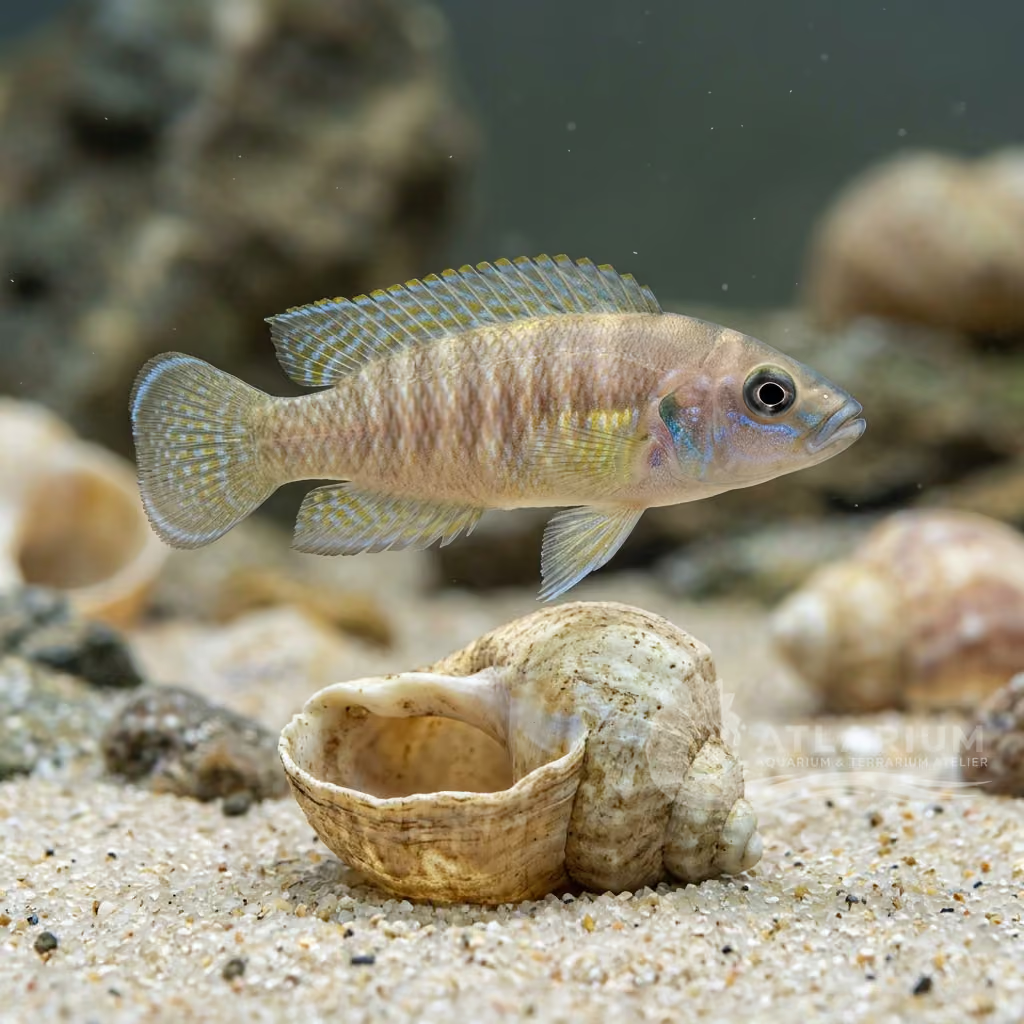
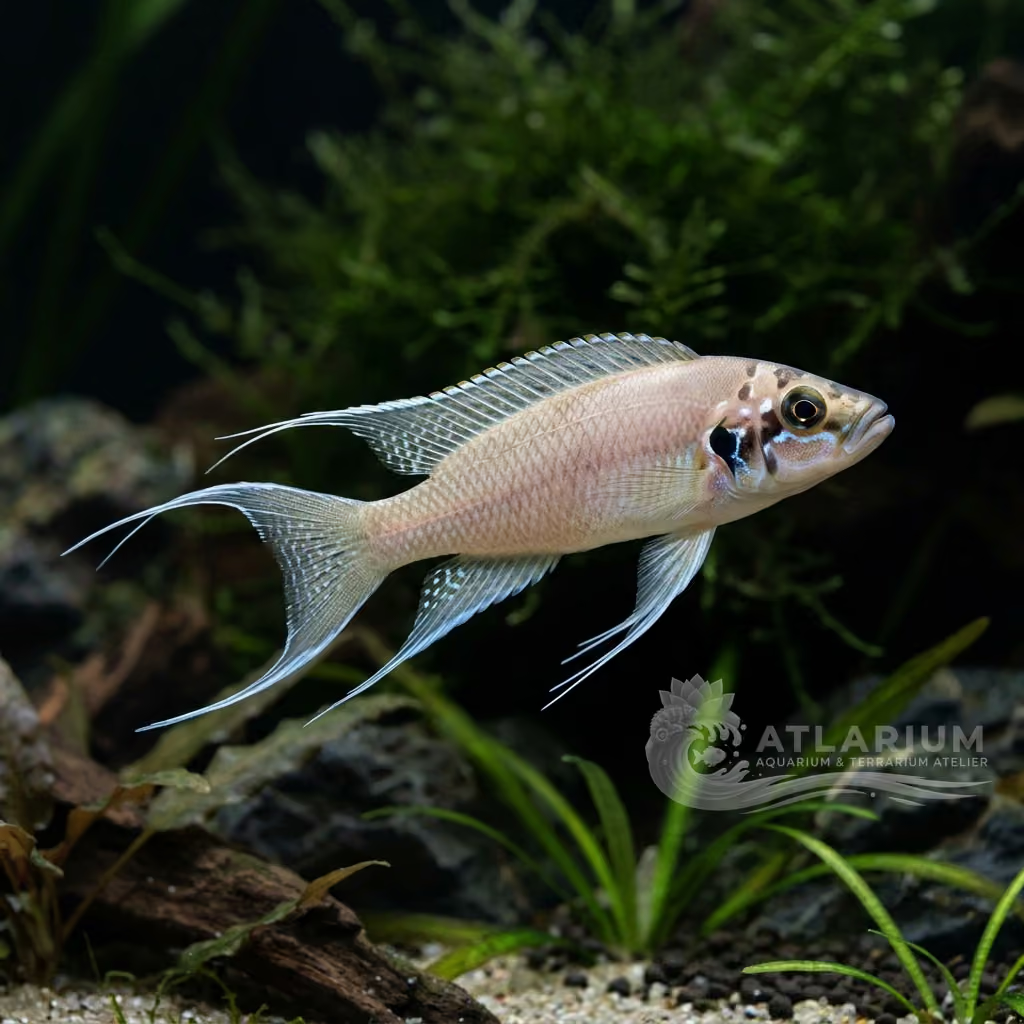
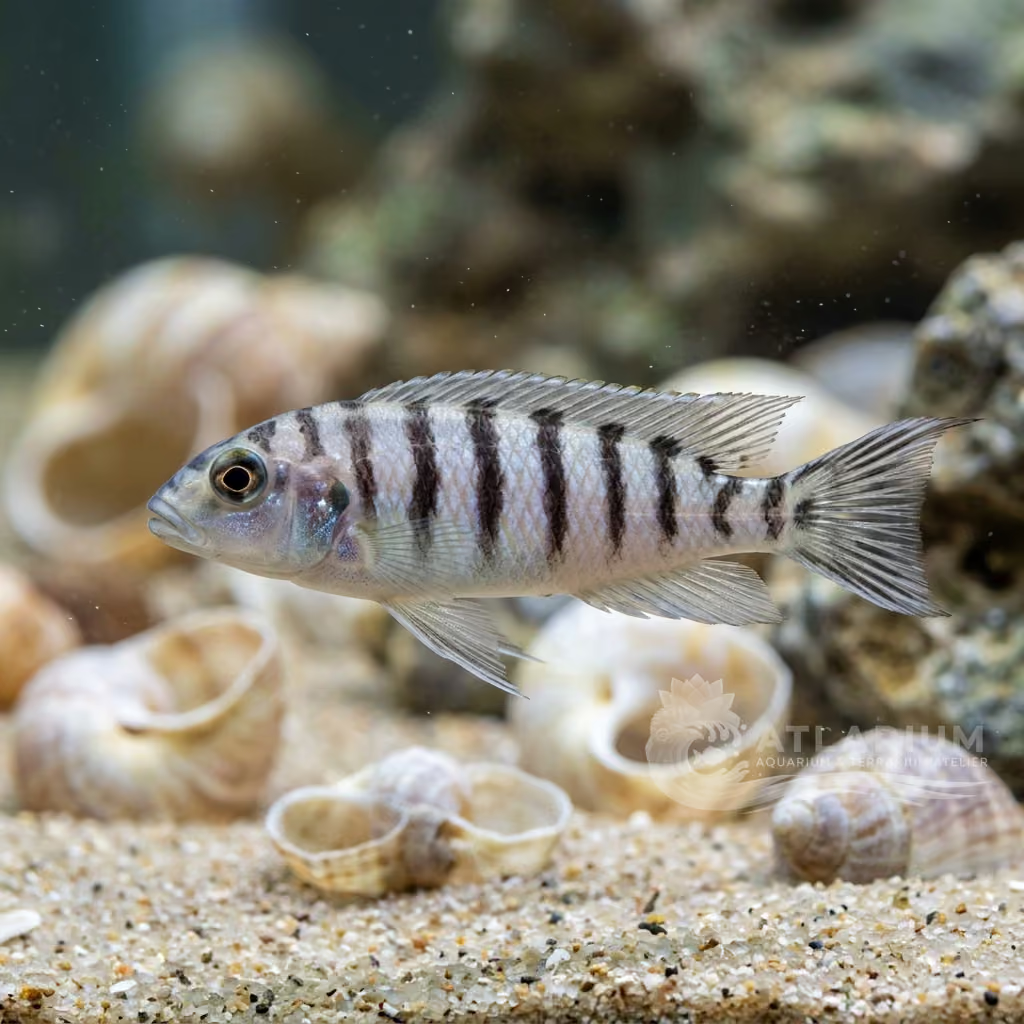
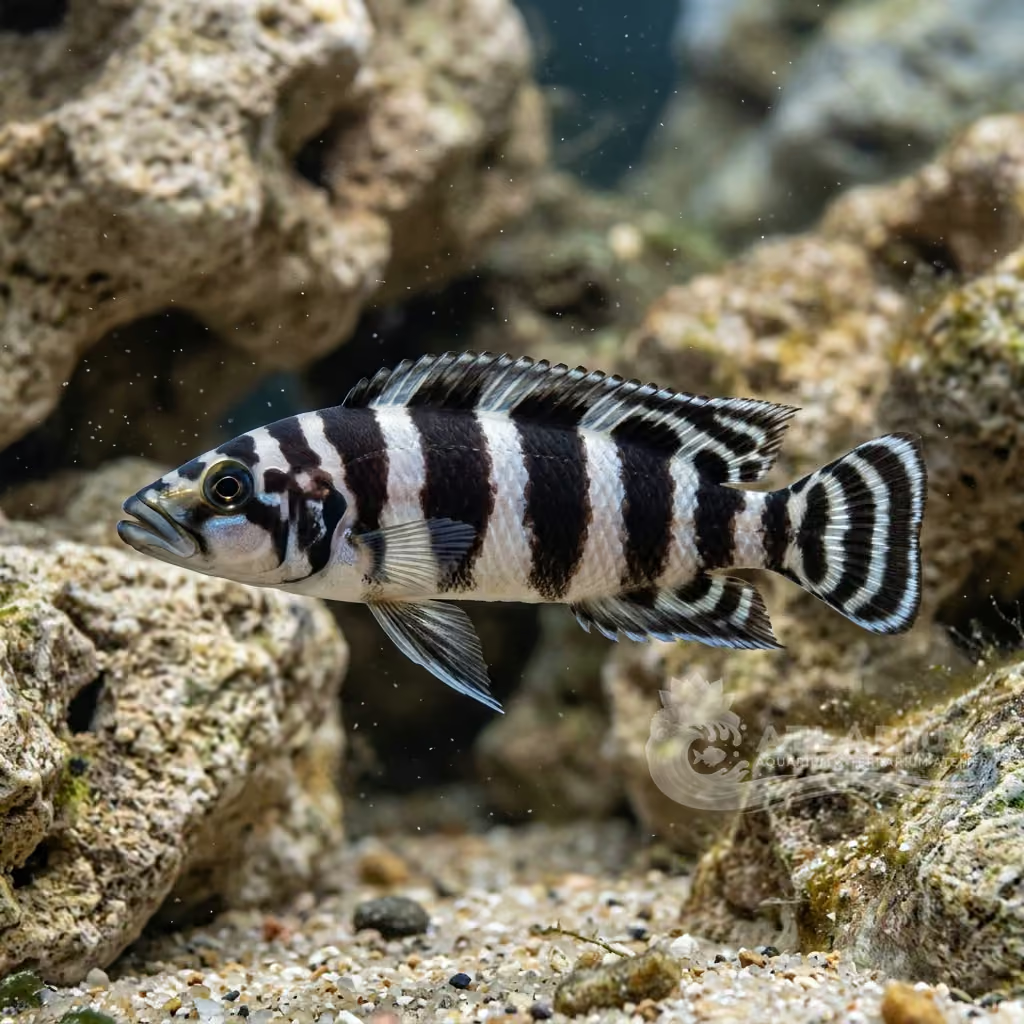
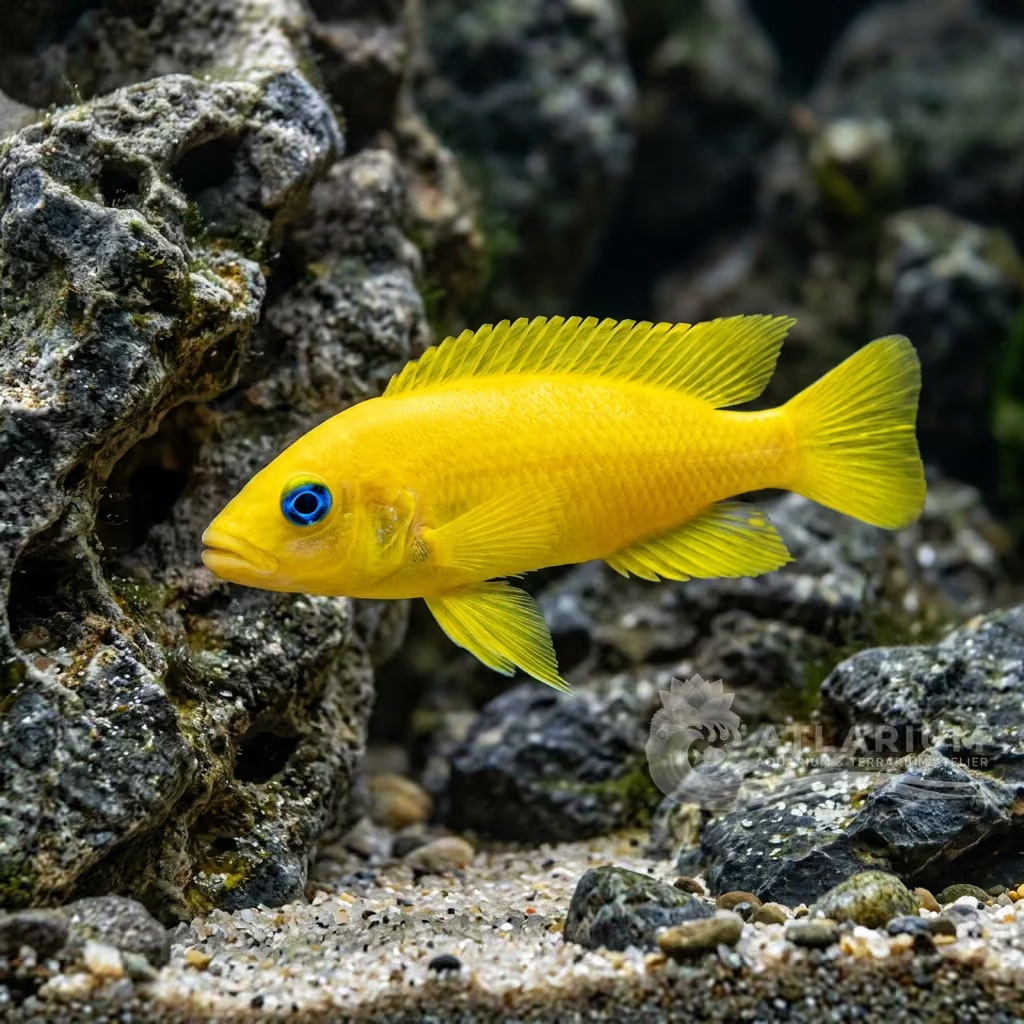
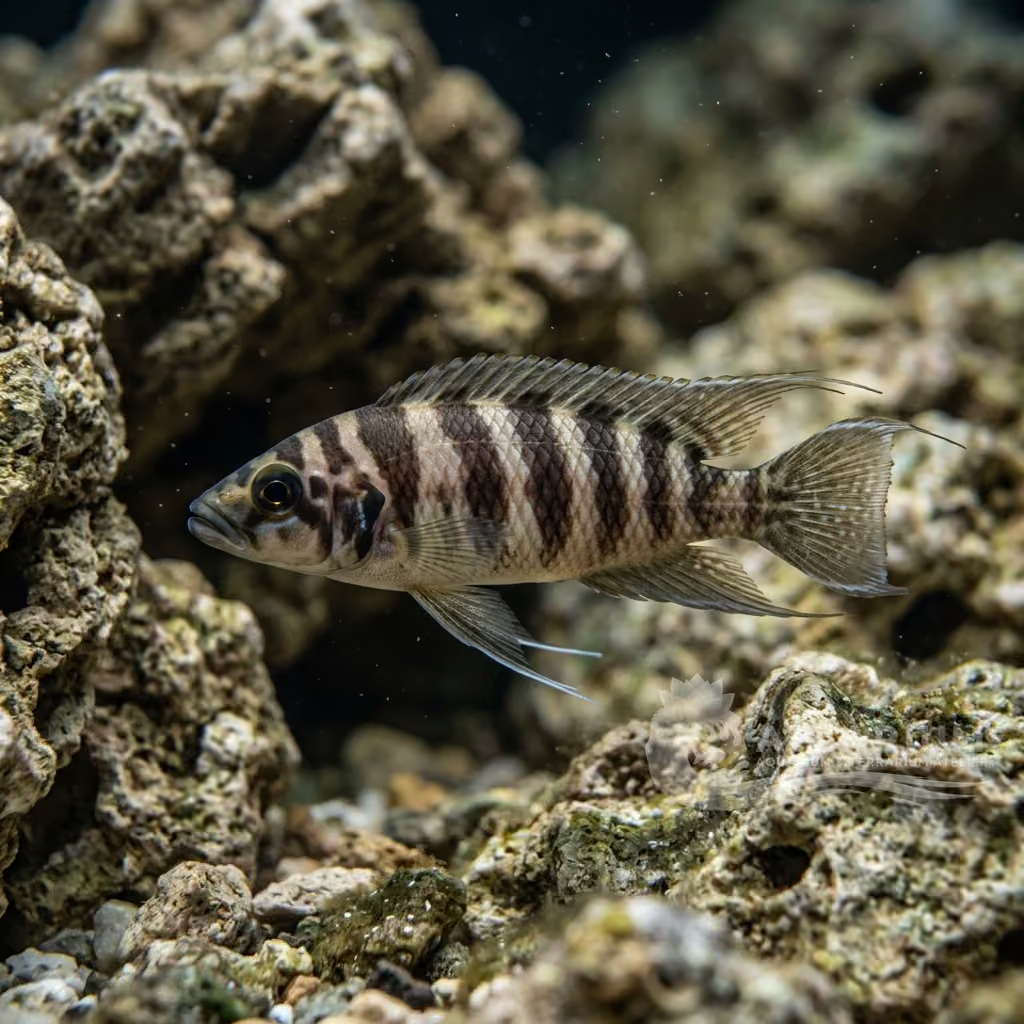
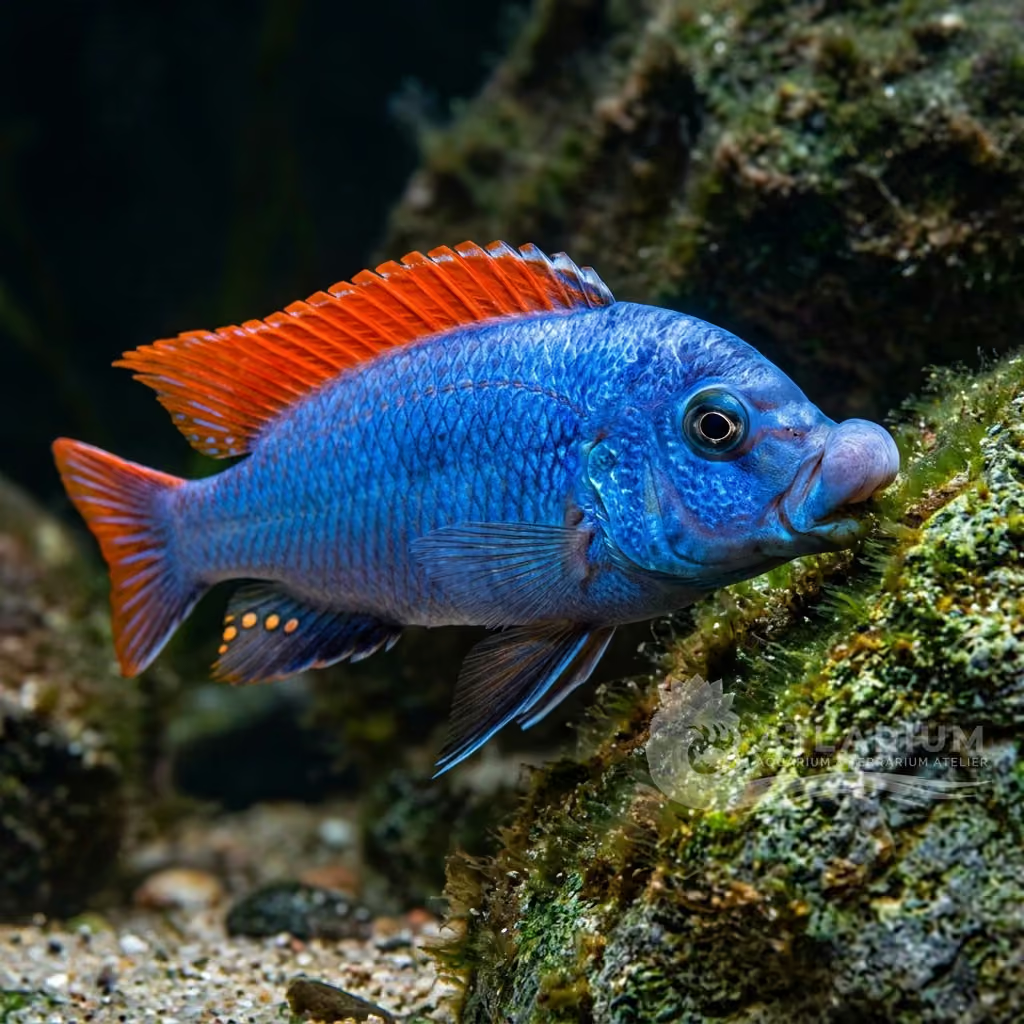
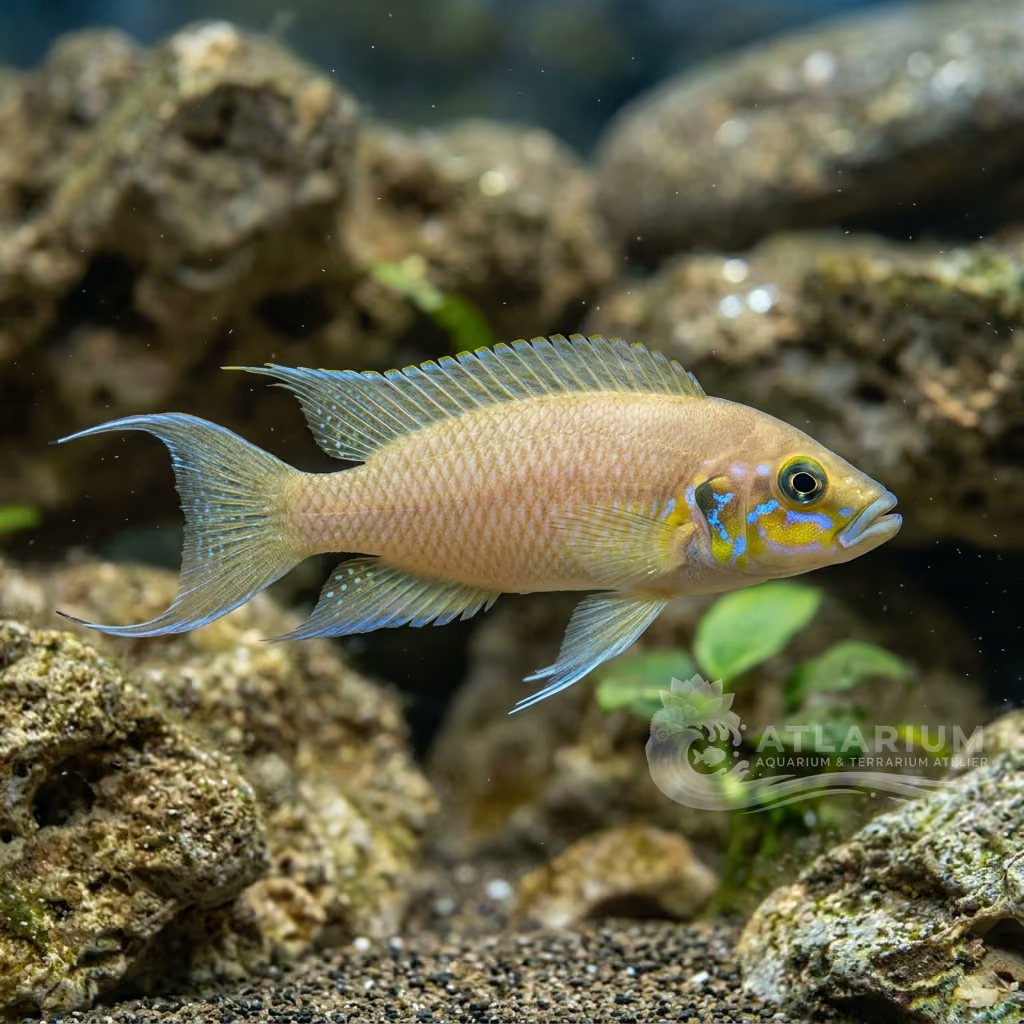
Splendid Tanganyika rocky cichlid (10 cm). Cylindrical body inked by three marked blue-black horizontal stripes on a bronze base, fins edged with light blue. Swims 'glued' to the rocks, secret breeder in very narrow caves.
Wassertemperatur
24 - 27 °C
pH-Wert
8 - 9
Wassertyp
Süßwasser
Tankfüllstand
Unten
Erwachsenengröße
10 cm
Mindesttankvolumen
>= 100 L
Mindestgruppe
>= 1
GH
10 - 25 dGH
KH
5 - 12 dKH
TDS
200 - 495 ppm
Leitfähigkeit
313 - 773 uS/cm

Artbeschreibung
Geographical Origin and Habitat: Endemic to the southwest of Lake Tanganyika (Ndole National Park, Zambia). It is the most elusive among the *Julidochromis*, inhabiting the complex transition zone where the high rocky walls collapse sinking into the fine sand, living perpetually holed up in dark and sedimented ravines.
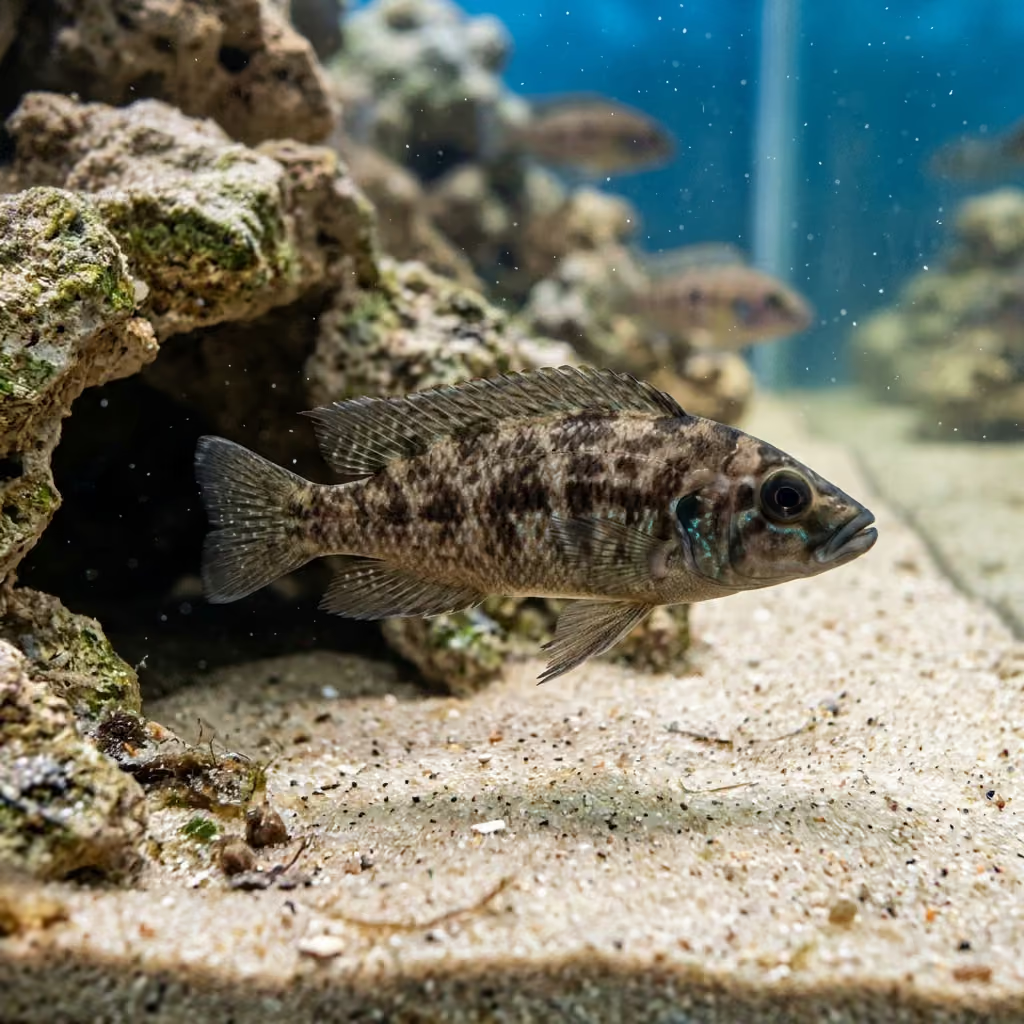
Taxonomy and Morphology: Unmistakable member of the Lamprologini tribe. Elongated cigar-shaped body structure, flattened ventrally and aerodynamically designed to slide into the crevices between the rocks without getting stuck. Small mouth equipped with fine sharp teeth to remove invertebrates. The adult male does not exceed 10 cm (4 inches), while females, a peculiarity of the genus, are slightly larger than males.
Social Behavior: Fascinating "Rock-dweller". Constantly defies gravity: literally swims with its belly glued to the rock, positioning itself upside down, vertically or sideways, following the contours of the stone to camouflage itself. Very shy in the open, territorial and pugnacious near the den. Forms monogamous and exclusive pair bonds: if the aquarium furniture is changed, the spouses lose their territorial references and start massacring each other.
Coloration and Sexual Dimorphism: The darkest and most elegant of the family. Dull bronze/golden background color, crossed horizontally by 3 dense, inked and very regular linear stripes that go from the snout to the tail. The entire dorsal spine, flanks and head reflect luminous light blue spots, while the unpaired fins are adorned with a bright and clear neon blue or ice blue border. No visual sexual dimorphism; the female only has a larger size and genital papilla during the breeding phase.

Pflege, Zucht und Mitbewohner
Aquarium Setup: Requires an aquarium with a minimum base of 80-100 cm (32-40 inches). Strictly Tanganyika biotope furnishing: bottom of fine light siliceous sand topped by chains of volcanic or calcareous rocks. MANDATORY to stack the rocks creating intricate galleries, dark mazes and millimeter cracks in which they can wedge themselves. Avoid moving the rocks once the pair is established, under penalty of lethal divorce. Plants (Anubias) not necessary but tolerated.
Diet and Feeding: Omnivorous micro-predators and crevice hunters. In nature they sift the sand for crustaceans and small snails, occasionally grazing the Aufwuchs. In the aquarium they are good eaters: they eat frozen bloodworms, daphnia, brine shrimp and balanced granules for carnivores that slowly sink among the rocks. Unlike Mbuna, they tolerate highly proteinaceous diets very well without risking Bloat.
Water Quality: Strictly African Rift Valley water: Crystalline, pristine, hard (10-25 GH) and extremely basic/alkaline (pH between 8.0 and 9.0). They suffer a rapid deterioration in acidic or soft waters, getting covered with fungus. They require excellent oxygenation and a good mechanical filter for nitrate management, with constant weekly changes of 25-30%.
Compatibility and Cohabitation: Tanganyika community tank model. Fantastic neighbors for pelagic fish like Cyprichromis leptosoma (which occupy the upper part), peaceful shell-dwellers like Neolamprologus multifasciatus or large sand cichlids (Xenotilapia). MANDATORY NEVER insert multiple species of *Julidochromis* together: they would hybridize or males of different sizes would kill each other in exhausting clashes for possession of the rocky crevices.
Aquarium Breeding: Very easy if you start with a group of 5-6 young to form the natural pair. They are secret oviparous breeders (Cave spawners). They find an inaccessible crevice at the bottom of the rockery, the roof of a cave, and lay very sticky greenish eggs upside down. Hyperprotective but tolerant parents with offspring: the different broods of young survive together protected by the parents forming a multi-generational family hierarchy in the cave.
Risks and Diseases: Lethality often due to "broken pair" attacks (if the rocks or lights are changed, the male no longer recognizes the female and kills her). They suffer iodine deficiencies in soft waters, developing tremors. Very resistant if inserted in the correct chemical parameters.

Geografische Herkunft und Verbreitung
Endemic to the southwest of Lake Tanganyika (Ndole National Park, Zambia). It is the most elusive among the *Julidochromis*, inhabiting the complex transition zone where the high rocky walls collapse sinking into the fine sand, living perpetually holed up in dark and sedimented ravines.
Ursprung
Afrika und MadagaskarOstasien

Fischprofil
- Temperament
- Semi-aggressive
- They have a moderately aggressive temperament, especially when breeding. They will defend their territory fiercely against any perceived threat. However, they usually ignore fish that do not compete for the same rocky habitats.
- Diät
- Omnivore
- They are omnivorous micro-predators that feed on small invertebrates in the wild. In the aquarium, they readily accept high-quality flakes, small pellets, and frozen foods like brine shrimp or daphnia. Providing a varied diet ensures optimal health and coloration.
- Lebenserwartung
- 5-8 years
- Erwachsenengröße
- 10 cm
- Geschlechterverhältnis
- Pair
- They are best kept in established, monogamous pairs. Buying a group of juveniles and allowing a pair to form naturally is the best approach. Once a pair bonds, the others should be removed to prevent fatal aggression.
- Fütterungsfrequenz
- Twice daily
- Feed them small amounts one to two times daily. Only provide what they can consume within a couple of minutes to prevent water fouling. Overfeeding should be avoided to maintain optimal water parameters.
- Bioload
- Low to Medium
- This small species produces a relatively low bioload. It is important to maintain a well-cycled aquarium with adequate biological filtration. Regular water changes are still necessary to prevent nitrate buildup.
- Fluss
- Stagnant
- They prefer moderate water flow that simulates the currents of their natural rocky shorelines. Proper oxygenation is crucial for their well-being. Ensure the filter provides good surface agitation without creating overwhelming currents.
- Sprungrisiko
- Yes
- Like many cichlids, they are capable of jumping out of the aquarium if startled. A secure, tight-fitting lid is highly recommended to prevent escape. Keeping the tank well-decorated minimizes stress and jump risk.
- Reproduktion
- Oviparous
- They are secretive cave spawners that lay their eggs in tight crevices. Both parents fiercely defend the eggs and the resulting fry from intruders. They often tolerate older generations of fry, forming a small family colony.
- Kompatibilität & Tankkameraden
- With caution
- They are generally peaceful but territorial around their chosen rock crevices. Best kept in a species tank or with other Tanganyikan cichlids that occupy different zones. They may be aggressive towards conspecifics if the tank is too small.
- Tankfüllstand
- Bottom
- They are predominantly bottom and mid-level dwellers. They spend most of their time darting in and out of rocky structures. Open water swimming is rare unless they are actively feeding.

Wissenschaftliche Modelle & Parameter
FishBase
Zugang zu den offiziellen wissenschaftlichen Daten der Art
FishBase v25.04Daten synchronisiert am: 15.06.2026
- Trophäenniveau
- 3,5 ± 0,5 se
- Belastbarkeit
- Hoch (weniger als 15 Monate)
- Phylogenetische Einzigartigkeit (PD50)
- 0.5156
- Bayessche Längen-Gewichts-Beziehung
- a = 0.01445, b = 2.99
- AnfälligkeitGeringe Anfälligkeit (10 / 100)

Verwandte Arten
Empfehlungen gruppiert nach nahen Verwandten, Auswahl von Begleitern und ähnlicher Betreuung.