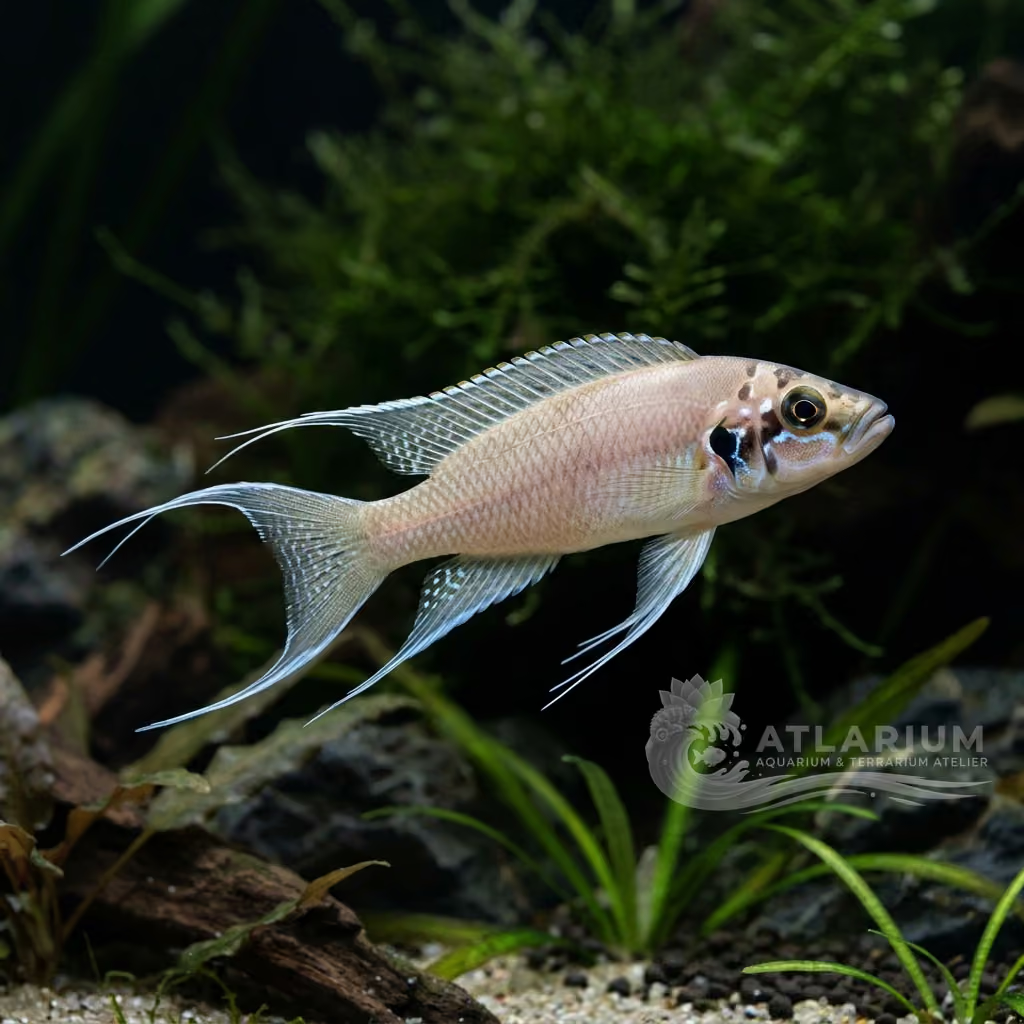
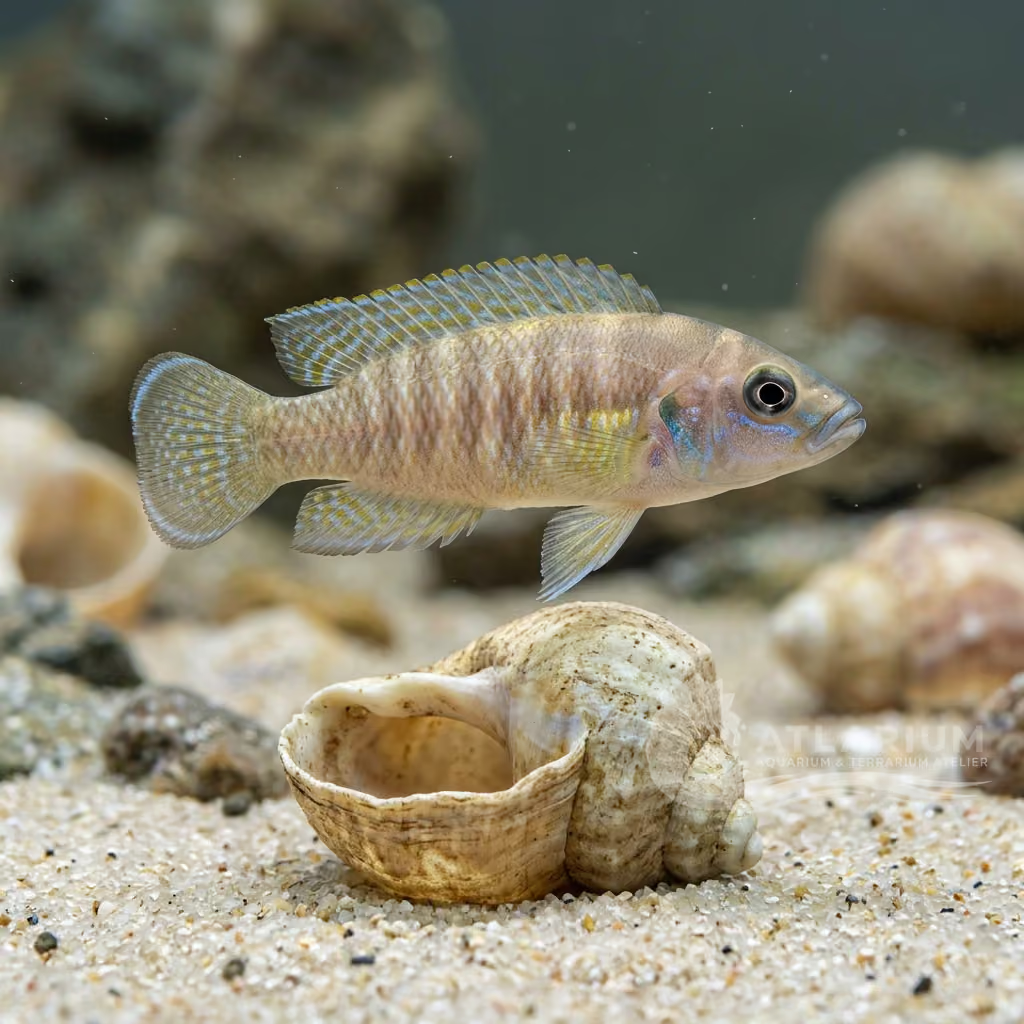
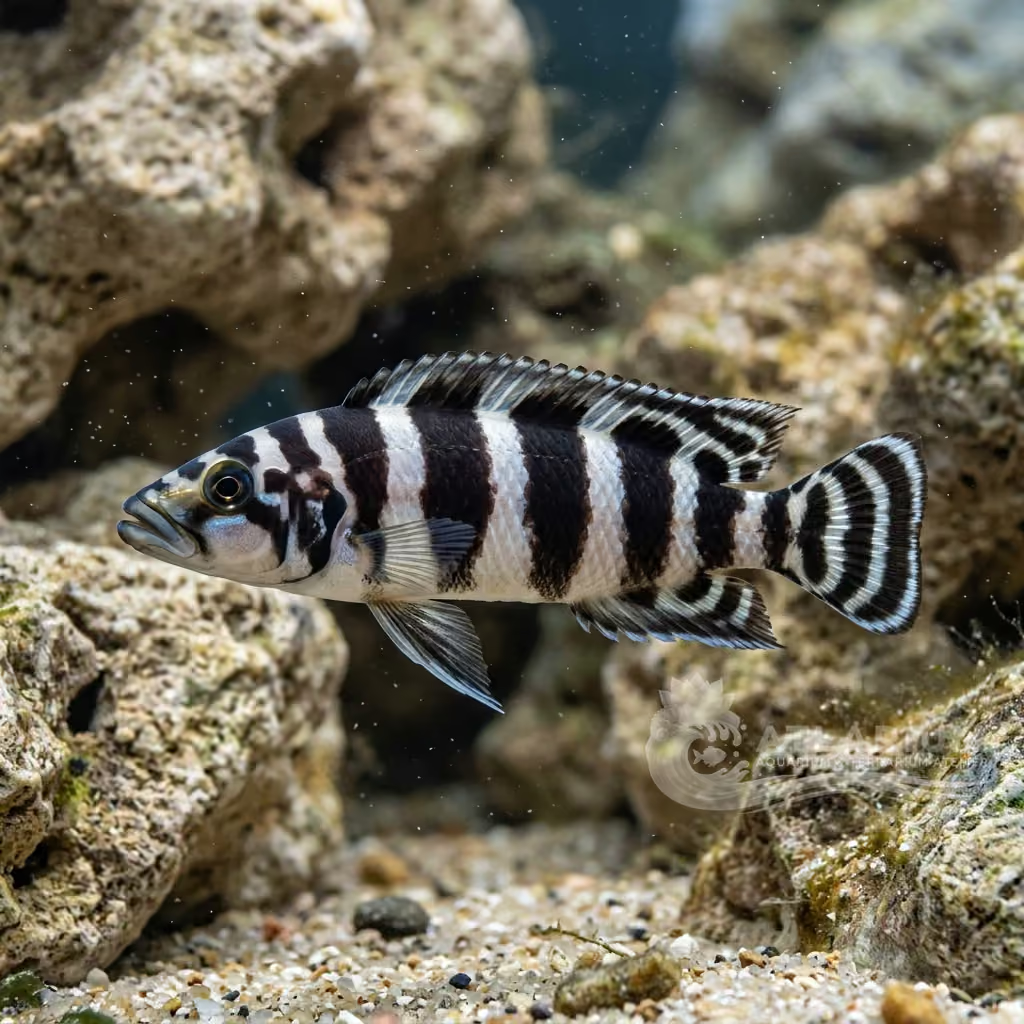
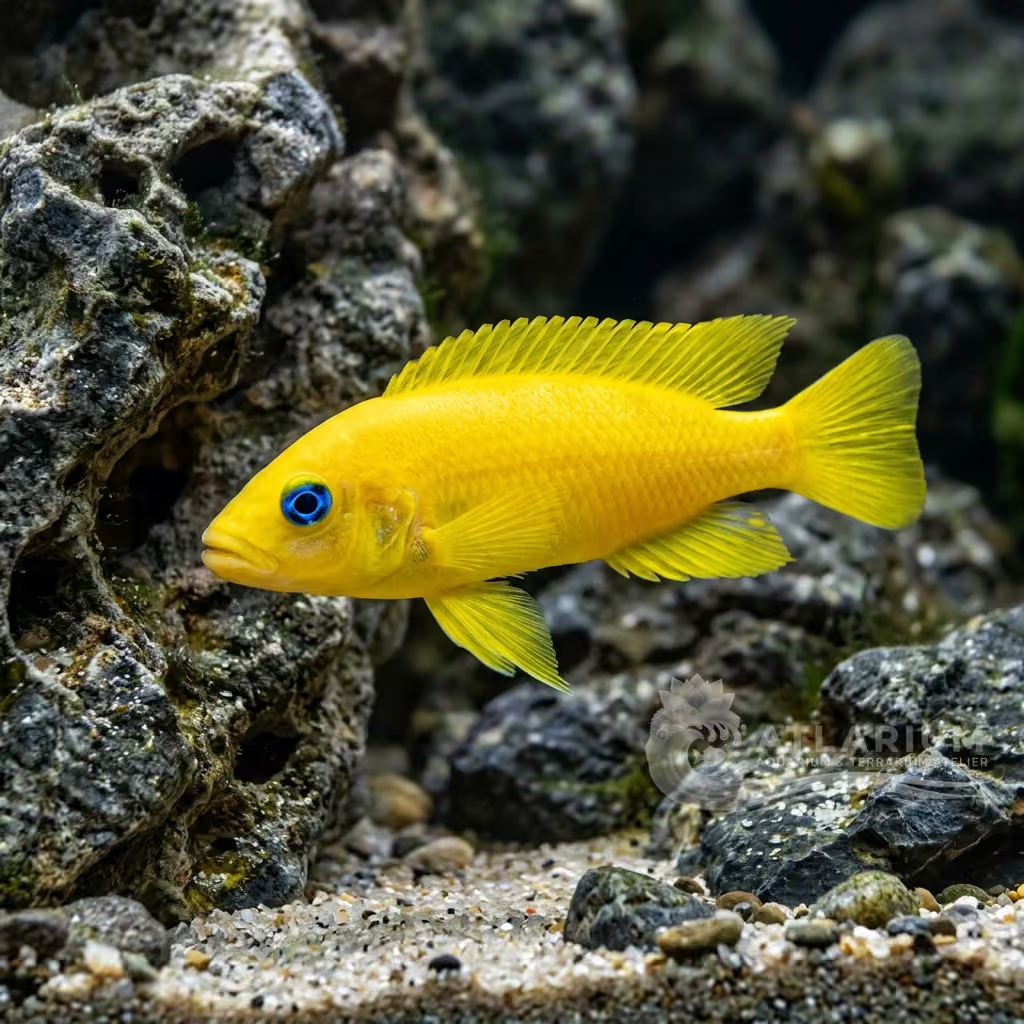
Ocellated Shell-dweller (L. ocellatus)
Neolamprologus ocellatus
Tiny and fierce 'Shell-dweller' (5 cm) from Tanganyika. Spends its life burying empty snail shells in the sand, using them as a home. Fearless, it will attack human hands or much larger fish if they approach its shell.
Wassertemperatur
24 - 28 °C
pH-Wert
8 - 9
Wassertyp
Süßwasser
Tankfüllstand
Unten
Erwachsenengröße
5 cm
Mindesttankvolumen
>= 100 L
Mindestgruppe
>= 1
GH
10 - 25 dGH
KH
5 - 12 dKH
TDS
200 - 495 ppm
Leitfähigkeit
313 - 773 uS/cm

Artbeschreibung
Geographical Origin and Habitat: Lake Tanganyika. Perhaps the most widespread shell-dweller. Populates the coastal bottoms on huge beds of dead snails, areas where rocky dens are not available.
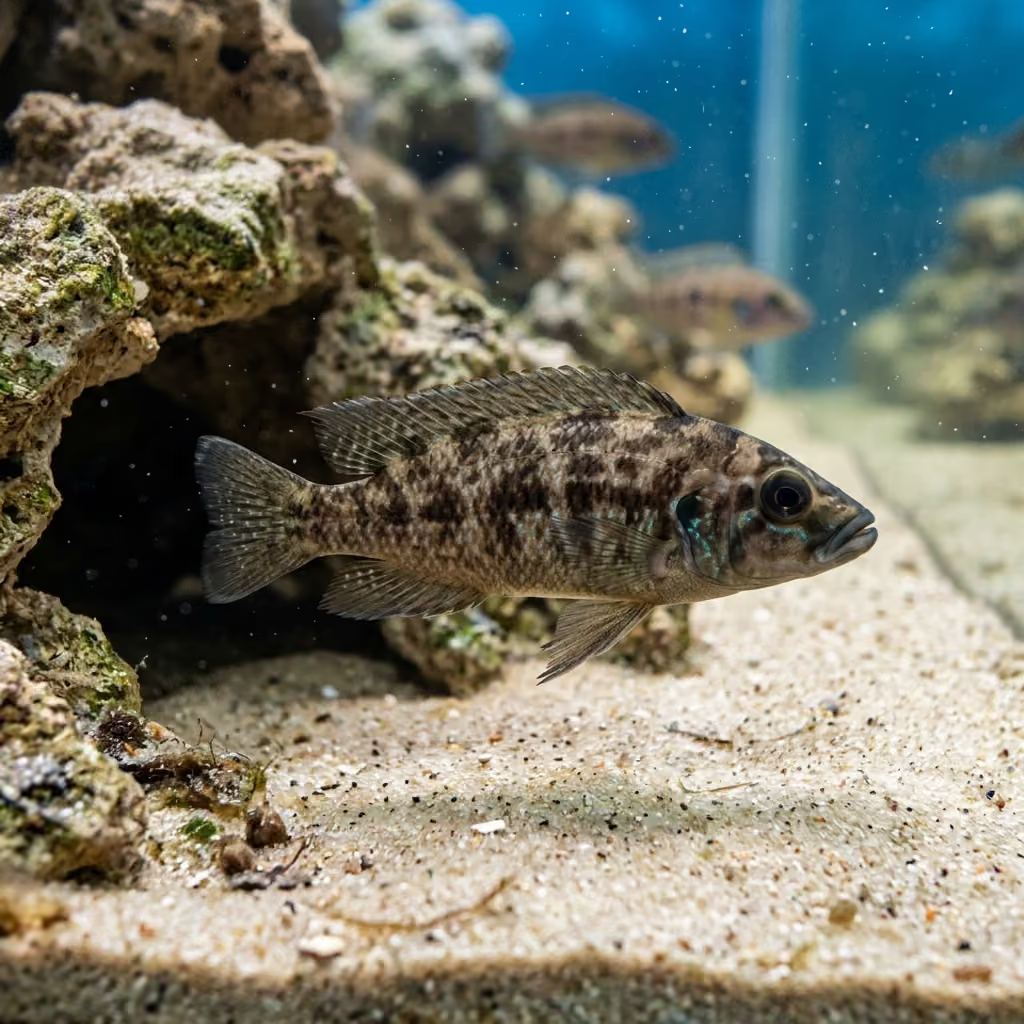
Taxonomy and Morphology: Frog-faced Cichlid (Lamprologus ocellatus). Disproportionately positioned eyes high on the "frog-like" head, ideal for peeking out of the shell while the entire body is sheltered inside.
Social Behavior: Pure attitude. Never backs down. If the aquarist puts a hand near its shell, the ocellatus will attack it, furiously biting hairs and fingers. An unwavering guardian of its little calcium treasure.
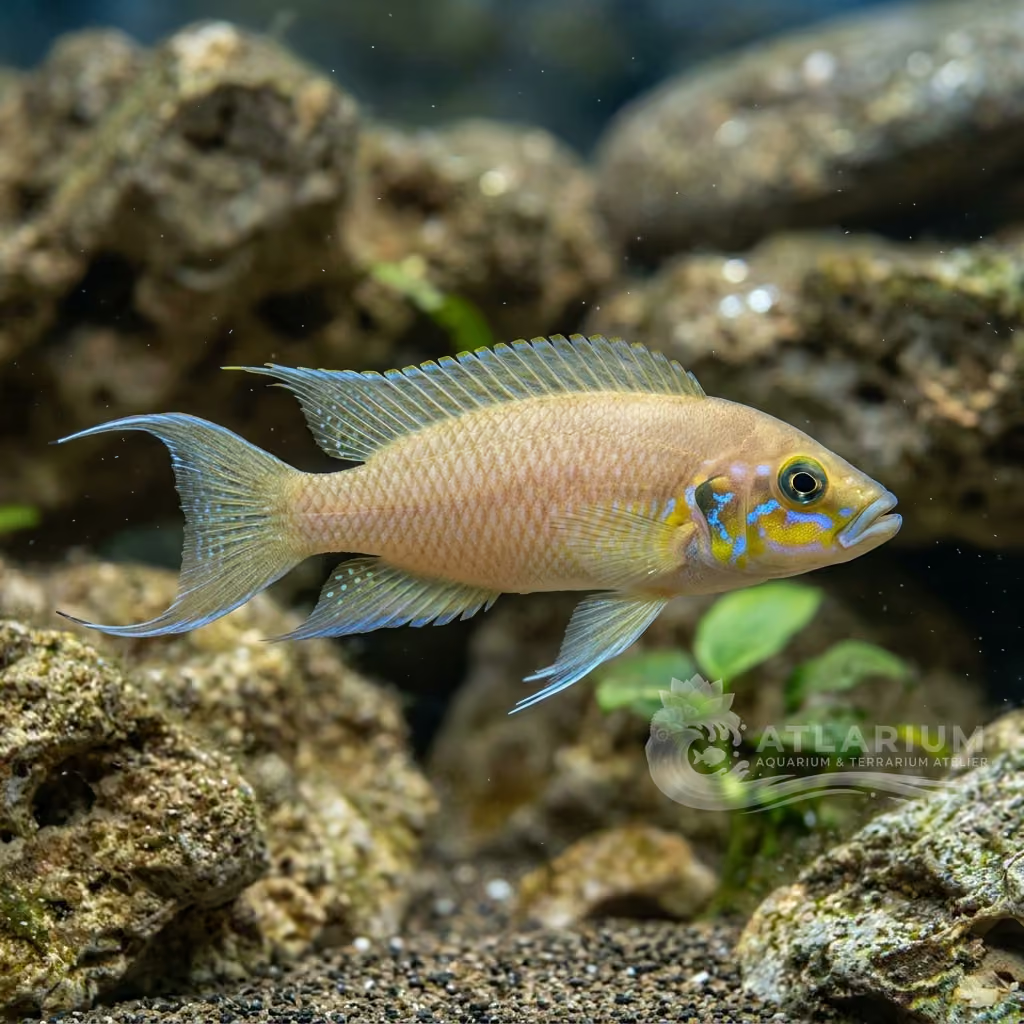
Coloration and Sexual Dimorphism: Characteristic ocellated black opercular spot (an iridescent "false eye" edged with gold/green). Golden or bronze body ("Gold ocellatus"). The female has a clear white edge on the dorsal fin, the male a reddish/gold edge. Male slightly larger.

Pflege, Zucht und Mitbewohner
Aquarium Setup: 60 cm (24 inches) tank for a group. Fine sifted sand necessary: the ocellatus throws itself on the shell with its side, "tail-wagging" to create a vortex that progressively sinks the shell until only the entrance is left out.
Diet and Feeding: Zooplankton carnivore. Hovers above its den waiting for the current to carry food. Does not hunt around the tank. Provide Nauplii, cyclops and sinking carnivorous micro-pellets.
Water Quality: The shell and the water are its life: if the GH lowers or the ph drops (acidity), the shells will slowly dissolve rendering the animal shelterless. Keep the water at pH >8 values (with specific Tanganyika salts).
Compatibility and Cohabitation: Can dominate the bottom of mixed Tanganyika tanks, scaring even large Frontosa with its kamikaze attacks. NEVER pair with other shell-dwellers or "bulldozer" fish (e.g. large Synodontis) that would involuntarily bury its shells.
Aquarium Breeding: Haremic Male. Fertilizes the eggs that the female lays deep in the spiral of the shell. The female seals the entrance and ventilates the eggs. Once free-swimming, the young station on the opening, retreating lightning fast.
Risks and Diseases: Lethal traps. Never use shells with a tortuous or too narrow duct; in a panic, the ocellatus will swim backwards, blocking itself in the spirals and asphyxiating.

Geografische Herkunft und Verbreitung
Lake Tanganyika. Perhaps the most widespread shell-dweller. Populates the coastal bottoms on huge beds of dead snails, areas where rocky dens are not available.
Ursprung
Afrika und Madagaskar

Fischprofil
- Temperament
- Semi-aggressive
- They are legendary for their disproportionate aggression, often described as having the attitude of a large predator trapped in a tiny body. They will not hesitate to bite the aquarist or attack fish ten times their size. This incredible bravery makes them one of the most fascinating fish to observe in the hobby.
- Diät
- Omnivore
- They are strict carnivores that require a meat-rich diet to maintain their health and breeding vigor. Frozen foods such as brine shrimp, cyclops, and finely chopped mysis should be offered frequently. High-quality sinking micro-pellets formulated for carnivorous cichlids are an acceptable staple.
- Lebenserwartung
- 8-10 years
- Erwachsenengröße
- 5 cm
- Geschlechterverhältnis
- Harem
- A harem structure is necessary; one male should be paired with at least three females. The male will establish a large territory encompassing the shells of all his females. Introducing multiple males into a standard-sized aquarium will lead to relentless and fatal aggression.
- Fütterungsfrequenz
- Twice daily
- Offering food twice daily in amounts they can finish in two minutes is ideal. Since they are highly active excavators, they burn a significant amount of energy each day. Ensure that the food sinks rapidly so it reaches their territory before being swept away.
- Bioload
- Low to Medium
- This famous shell-dwelling cichlid creates a very light bioload owing to its incredibly small size. They are remarkably clean fish that do not heavily soil the water if fed correctly. Regular water testing and modest weekly water changes are sufficient to maintain a healthy environment.
- Fluss
- Stagnant
- They favor a low to moderate flow environment typical of the deeper sandy bays in Lake Tanganyika. Strong currents will frustrate their constant efforts to dig and position their shells in the sand. Gentle filtration ensures the water remains pristine without disturbing their intricate landscaping.
- Sprungrisiko
- Yes
- Jumping is exceedingly rare for this species since their primary defense mechanism is retreating into their shells. They have absolutely no inclination to explore the water surface. A lid is recommended primarily to prevent evaporation and keep out household dust.
- Reproduktion
- Oviparous
- They are famous for their obligate shell-spawning behavior, utilizing empty snail shells as fortified nurseries. The female will literally bury the shell in the sand, leaving only the opening exposed. She guards the eggs inside while the male aggressively defends an impressively large perimeter.
- Kompatibilität & Tankkameraden
- Species only
- They possess an astonishing level of aggression and cannot be kept with other bottom-dwellers. They will aggressively attack any Corydoras, Plecos, or dwarf cichlids that invade their space. Keep them in a species-only setup or with fast-swimming upper-level dither fish like Cyprichromis.
- Tankfüllstand
- Bottom
- They are exclusively tied to the lowest levels of the aquarium and the sandy substrate. Providing a deep, fine-grained sand bed is an absolute necessity for their psychological well-being. They will spend their entire day rearranging the sand around their chosen shells.

Wissenschaftliche Modelle & Parameter
FishBase
Zugang zu den offiziellen wissenschaftlichen Daten der Art
FishBase v25.04Daten synchronisiert am: 15.06.2026
- Trophäenniveau
- 3,5 ± 0,41 se
- Belastbarkeit
- Hoch (weniger als 15 Monate)
- Phylogenetische Einzigartigkeit (PD50)
- 0.5
- Bayessche Längen-Gewichts-Beziehung
- a = 0.01905, b = 3.01
- AnfälligkeitGeringe Anfälligkeit (10 / 100)

Verwandte Arten
Empfehlungen gruppiert nach nahen Verwandten, Auswahl von Begleitern und ähnlicher Betreuung.