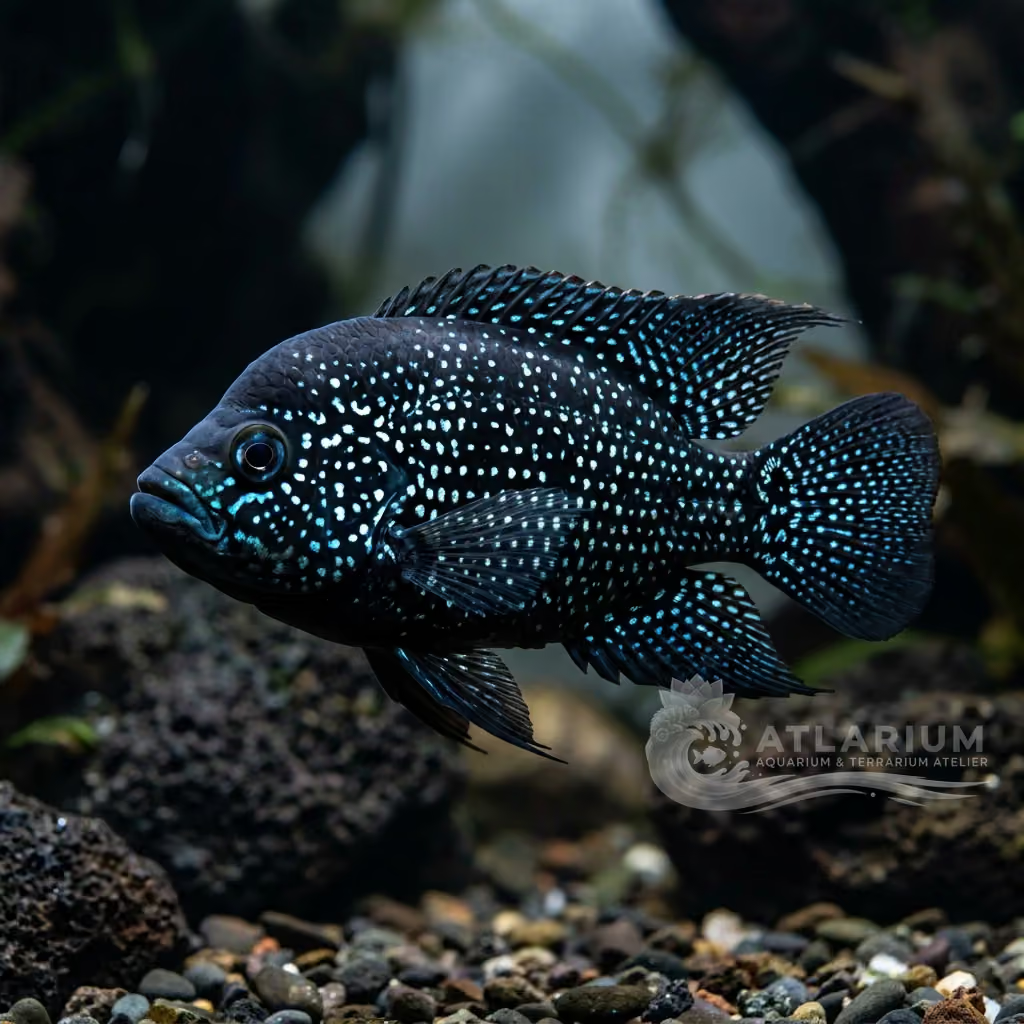
Obscurus Cichlid
Neolamprologus obscurus
Stocky and dark cichlid (hence 'obscurus'), it lives in the deep muddy layers of Tanganyika digging tunnels and trenches close to semi-sunken pebbles.
Wassertemperatur
23 - 26 °C
pH-Wert
7.8 - 9
Wassertyp
Süßwasser
Tankfüllstand
Unten
Erwachsenengröße
9 cm
Mindesttankvolumen
>= 120 L
Mindestgruppe
>= 1
GH
12 - 20 dGH
KH
10 - 20 dKH
TDS
280 - 500 ppm
Leitfähigkeit
438 - 781 uS/cm

Artbeschreibung
Geographical Origin and Habitat: Lake Tanganyika (Moba and Kapampa area). Frequents the intermediate sandy-rocky bottoms where it tirelessly digs complex networks of tunnels (craters) right at the foot of large boulders.
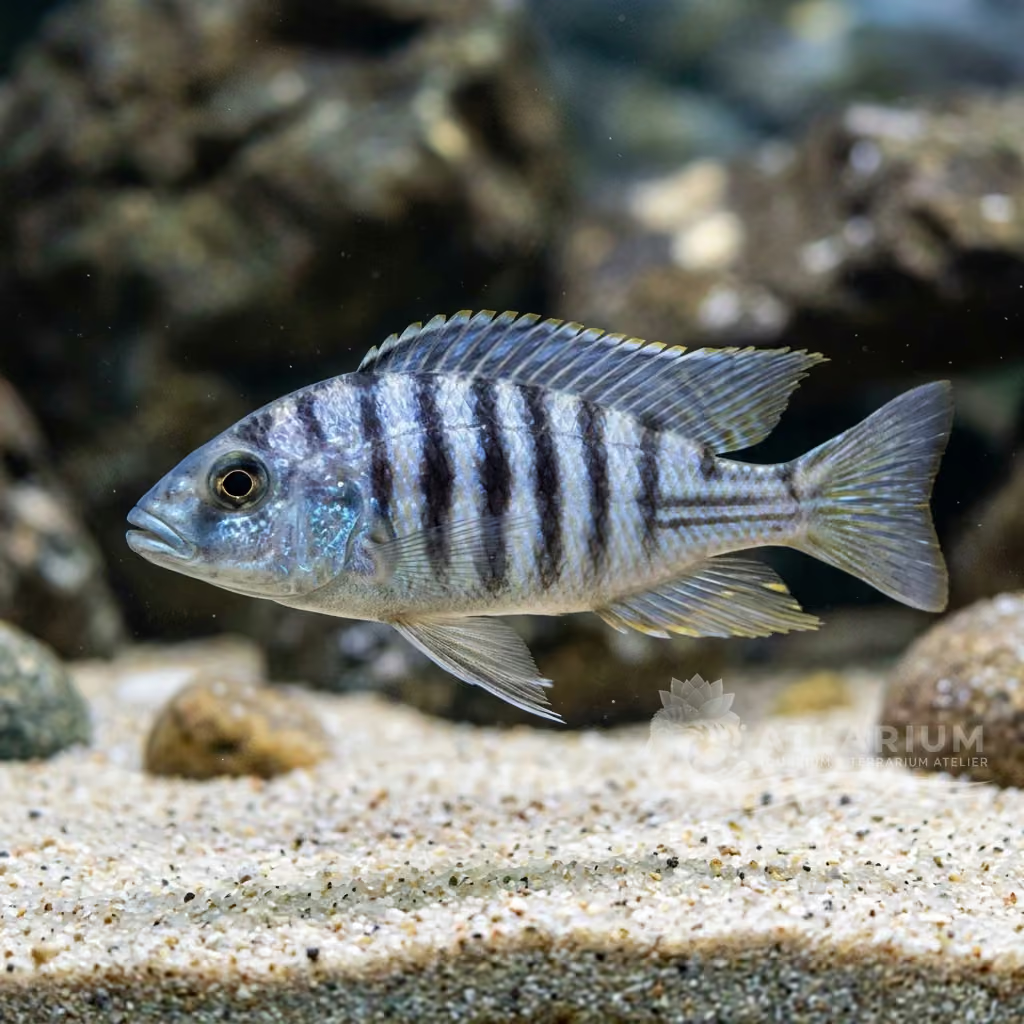
Taxonomy and Morphology: Obscure Cichlid (Neolamprologus obscurus). Stocky cichlid, powerful jaws to move small stones (pit-builder) and large black eyes.
Social Behavior: Maniacal digger. More than free swimming, it is dedicated to bottom engineering. Creates real trench condominiums dug under the stones. Extremely bellicose towards intruders approaching its "bunker".
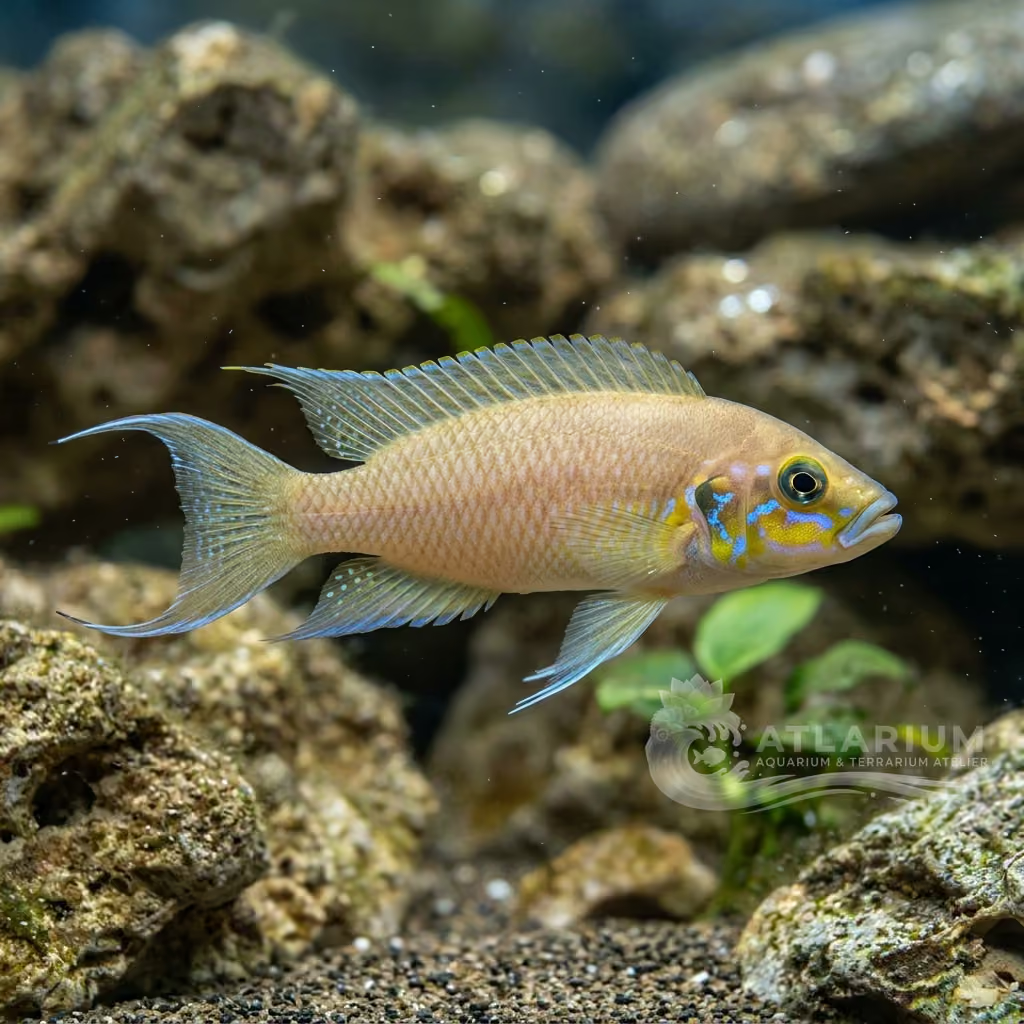
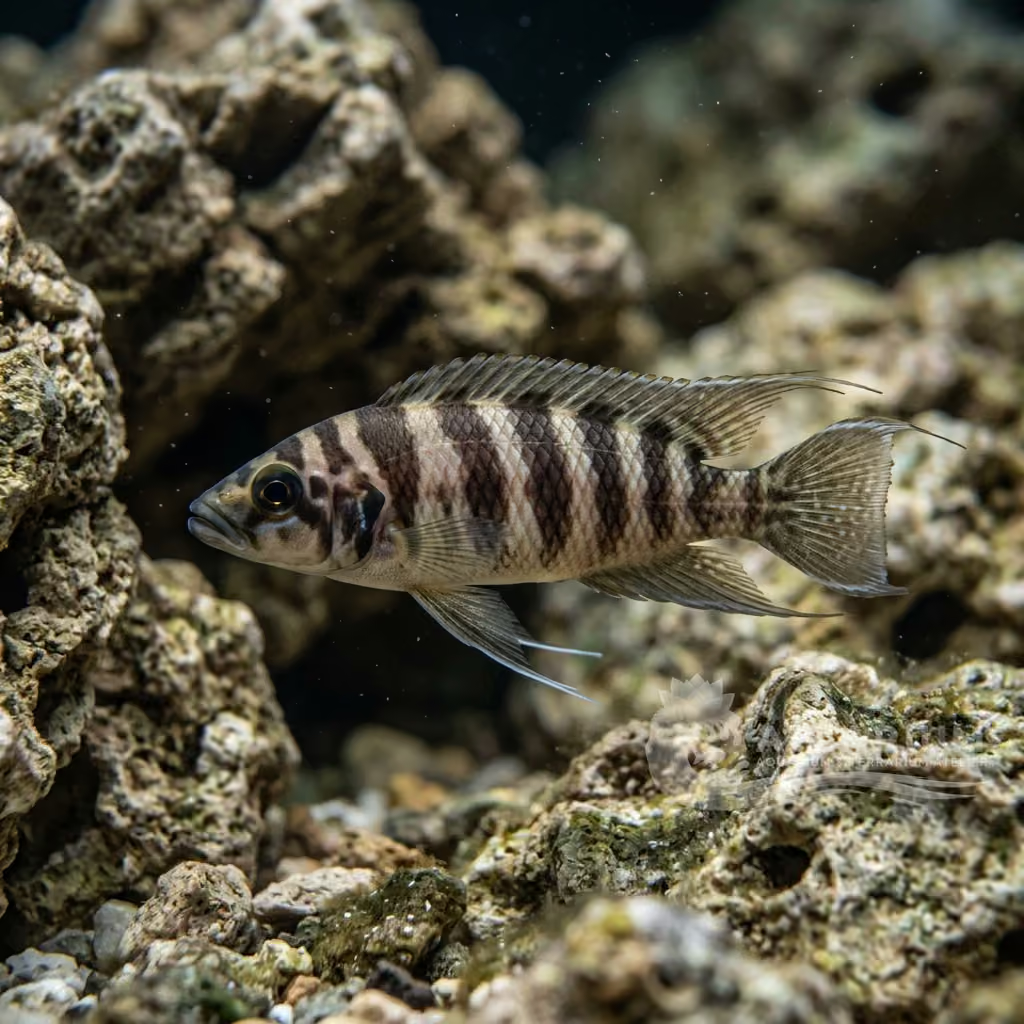
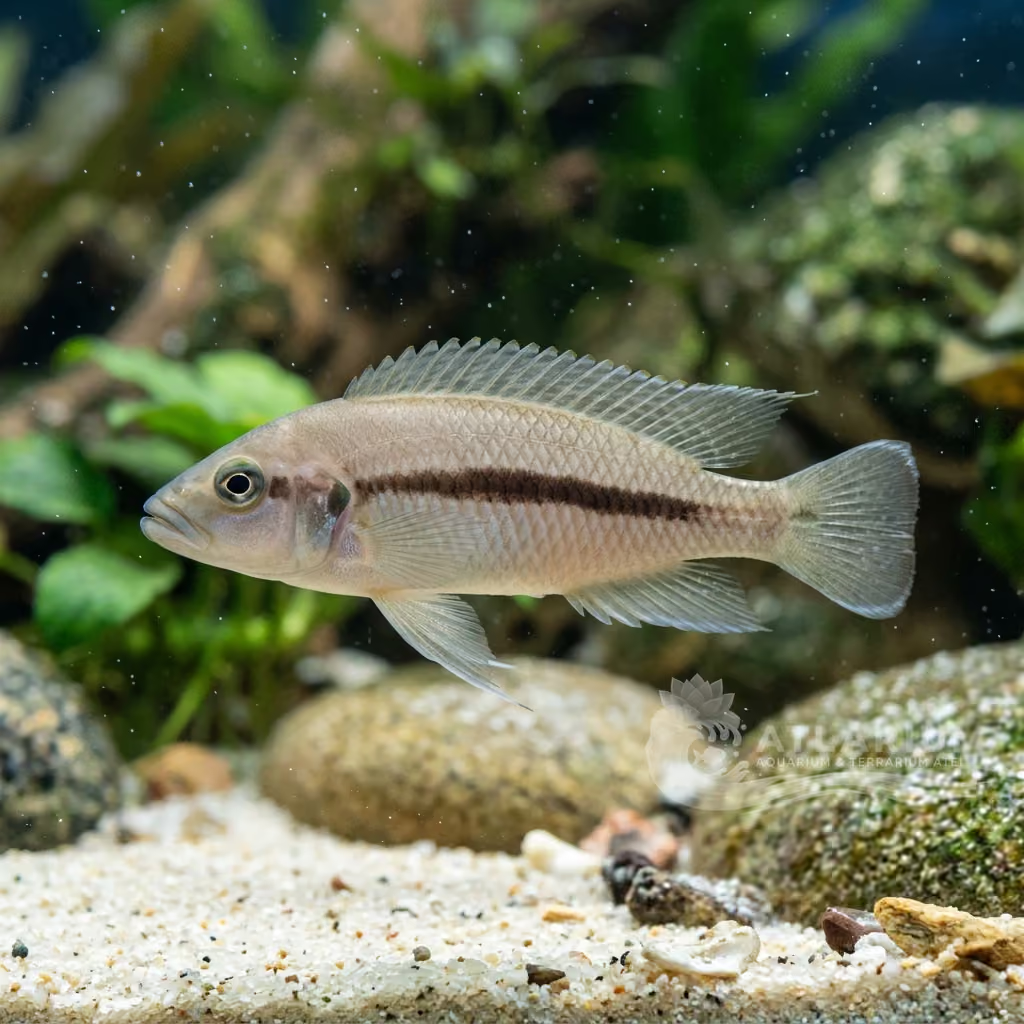
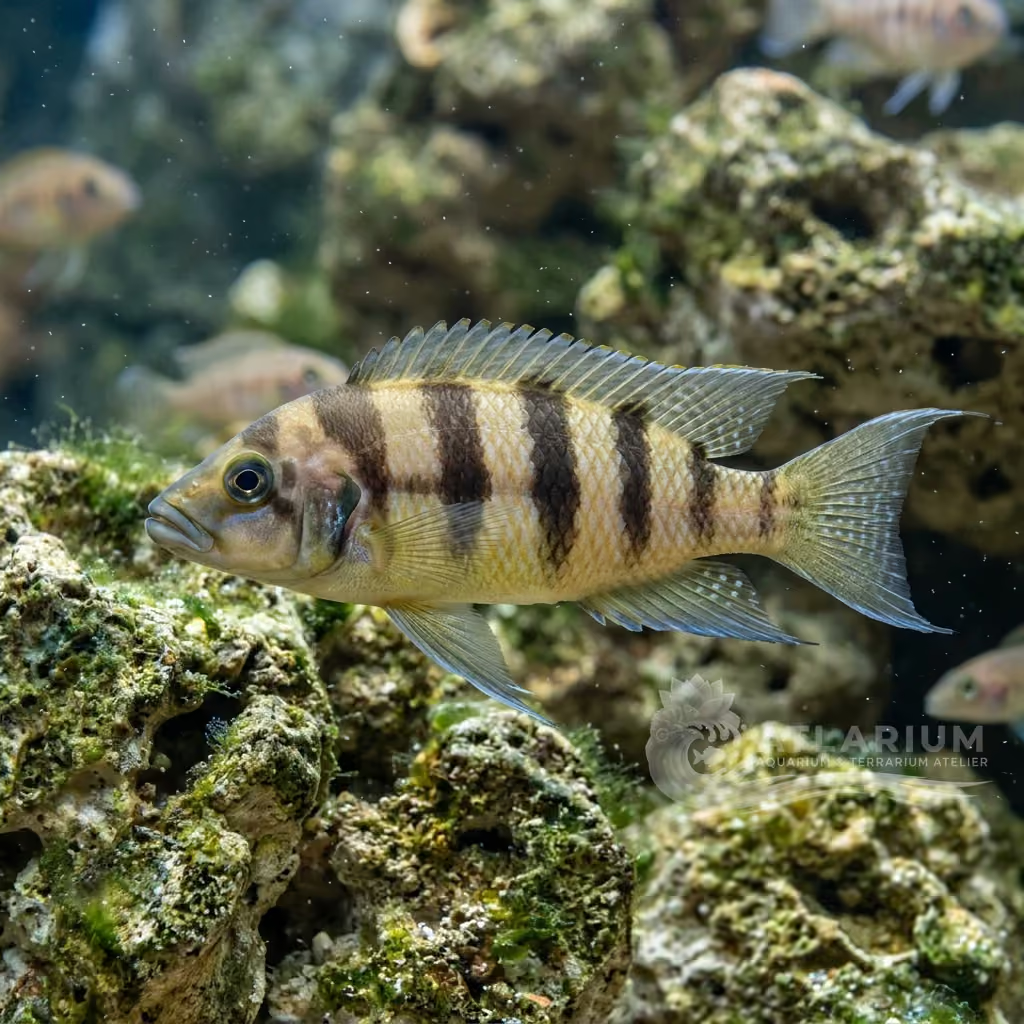
Coloration and Sexual Dimorphism: "Stealth" livery. Mud/ochre colored body marked by irregular vertical black bands. On the head, the blue iridescences or bright spots (often a bright cobalt blue under the eyes and on fins) form a beautiful contrast with the dark coat ("obscurus"). Males are noticeably more imposing.

Pflege, Zucht und Mitbewohner
Aquarium Setup: Miner's tank (100 cm / 40 inches). Base of rocks resting DIRECTLY ON THE BOTTOM GLASS (mandatory!), surrounded by a very high bed of coral sand (at least 8-10 cm / 3-4 inches). It will transform the flat tank into a lunar landscape.
Diet and Feeding: Benthophage and Carnivore. Feeds on larvae and invertebrates extracted by digging. Prefers sinking protein flakes, granules and bloodworms. Will totally ignore foods and flakes on the surface.
Water Quality: Strict Tanganyika chemistry. The aragonite on the bottom will not only allow digging without skin abrasions, but will act as a vital buffer to keep the pH at 8.5.
Compatibility and Cohabitation: Absolutely do not insert other digging or benthic Cichlids (e.g. Julidochromis, Neolamprologus spp.) in tanks under 150 cm (60 inches) or they will challenge each other to death. Excellent surface tenants to animate the tank are pelagic Cichlids (Paracyprichromis).
Aquarium Breeding: Harem colonial. A male defends a large den where several females live together caring for their own fry (extended family). Eggs attached to the ceilings of the tunnels.
Risks and Diseases: Anoxic pocket toxicity. The greatest danger for him and for the aquarium is that his deep excavations release bubbles of hydrogen sulfide (lethal) created in the dead zones under the stones if the sand is never siphoned or has too fine/silty grain.

Geografische Herkunft und Verbreitung
Lake Tanganyika (Moba and Kapampa area). Frequents the intermediate sandy-rocky bottoms where it tirelessly digs complex networks of tunnels (craters) right at the foot of large boulders.
Ursprung
Afrika und MadagaskarOstasien

Fischprofil
- Temperament
- Semi-aggressive
- They exhibit a reclusive yet extremely hostile temperament when their territory is challenged. They are calculating predators that prefer to remain hidden, ambushing potential threats or prey that wander too close. Providing them with a highly complex rocky environment is essential to reduce their stress and aggression.
- Diät
- Carnivore
- They are specialized predators that naturally hunt small invertebrates and crustaceans hiding in the rocky rubble. In captivity, they must be fed a high-quality, protein-rich diet including sinking pellets, mysis shrimp, and chopped krill. Avoid feeding them mammalian meats or excess carbohydrates, which can cause severe bloating.
- Lebenserwartung
- 8-10 years
- Erwachsenengröße
- 9 cm
- Geschlechterverhältnis
- Pair
- Intense conspecific aggression makes it extremely difficult to house multiple males together. It is strongly recommended to keep a single male with one or two females in a sufficiently large tank. If a pair forms, they may become hyper-aggressive towards any other fish present.
- Fütterungsfrequenz
- Twice daily
- Feed them once or twice daily with portions they can eagerly consume within a couple of minutes. As predators, they have hearty appetites and will gorge themselves if given the opportunity. Careful moderation is required to prevent obesity and maintain optimal water quality.
- Bioload
- Low
- This medium-sized cichlid produces a moderate bioload consistent with its size. They require very clean, highly oxygenated water to thrive and display their best behaviors. A robust biological filtration system and strict adherence to weekly water changes are necessary for their long-term health.
- Fluss
- Stagnant
- They appreciate a moderate to strong water flow that replicates the dynamic currents of their natural rocky habitats. Good water circulation is vital to keep dissolved oxygen levels high. The flow helps prevent detritus from settling in the deep crevices they call home.
- Sprungrisiko
- Yes
- Because they spend almost all their time navigating the intricate networks of rocks near the bottom, they are not prone to jumping. They rarely approach the surface unless intensely startled or driven out by a larger fish. A standard, well-fitting aquarium lid is still a sensible precaution.
- Reproduktion
- Oviparous
- They are highly secretive cave spawners that prefer deep, dark crevices to lay their eggs. Both parents are ferociously protective of their brood and will attack anything that comes near the spawning site. The fry are kept hidden within the rockwork for a considerable time before venturing out.
- Kompatibilität & Tankkameraden
- Species only
- They are highly aggressive, intensely territorial fish that do not tolerate company easily. They are best kept in a species-only tank or with robust, differently-shaped Tanganyikan cichlids in a very large aquarium. They will relentlessly attack and often kill smaller or more peaceful tank mates.
- Tankfüllstand
- Bottom
- They are strictly bottom-dwelling fish that are deeply connected to their rocky territories. They spend their days hovering near cave entrances or exploring the labyrinth of rocks near the substrate. They avoid open water and will quickly retreat to their caves if they feel threatened.

Wissenschaftliche Modelle & Parameter
FishBase
Zugang zu den offiziellen wissenschaftlichen Daten der Art
FishBase v25.04Daten synchronisiert am: 15.06.2026
- Trophäenniveau
- 3,5 ± 0,5 se
- Belastbarkeit
- Hoch (weniger als 15 Monate)
- Phylogenetische Einzigartigkeit (PD50)
- 0.5
- Bayessche Längen-Gewichts-Beziehung
- a = 0.00389, b = 3.12
- AnfälligkeitGeringe Anfälligkeit (10 / 100)

Verwandte Arten
Empfehlungen gruppiert nach nahen Verwandten, Auswahl von Begleitern und ähnlicher Betreuung.