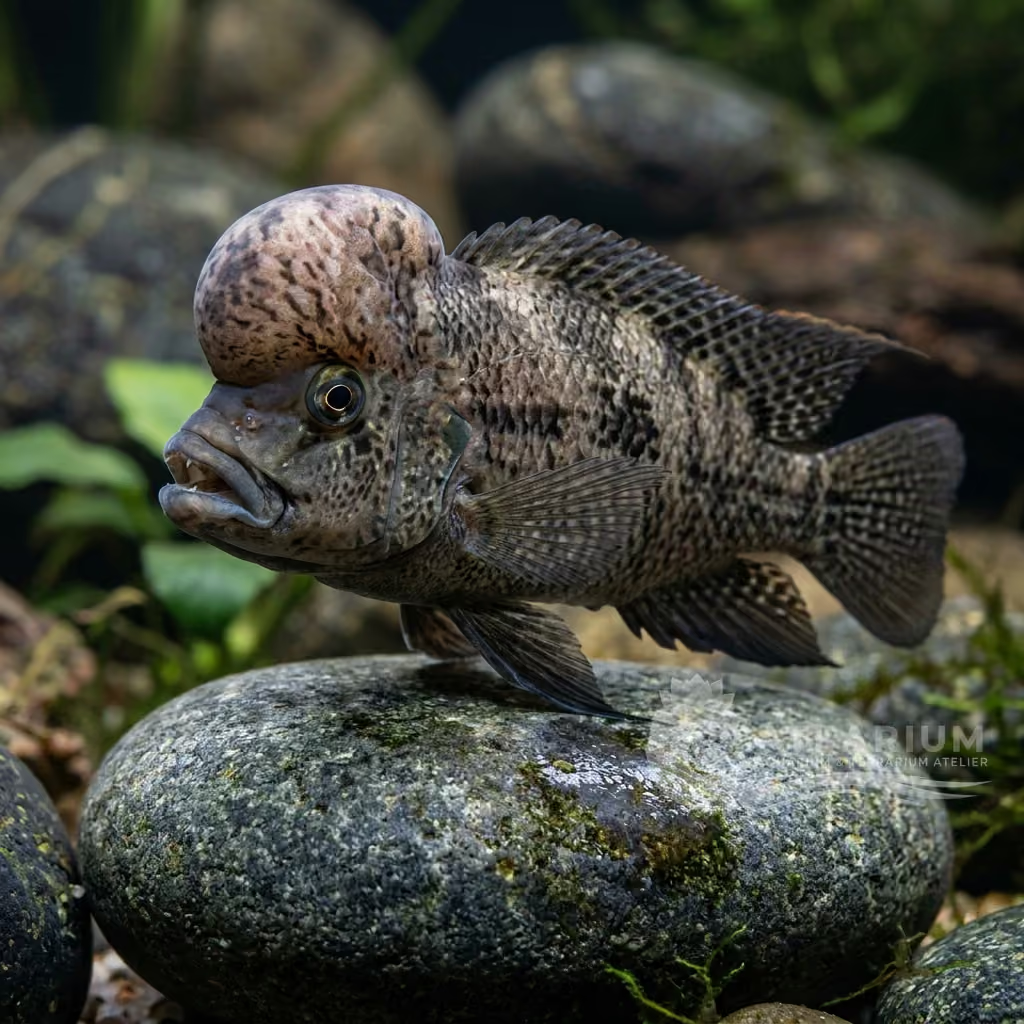
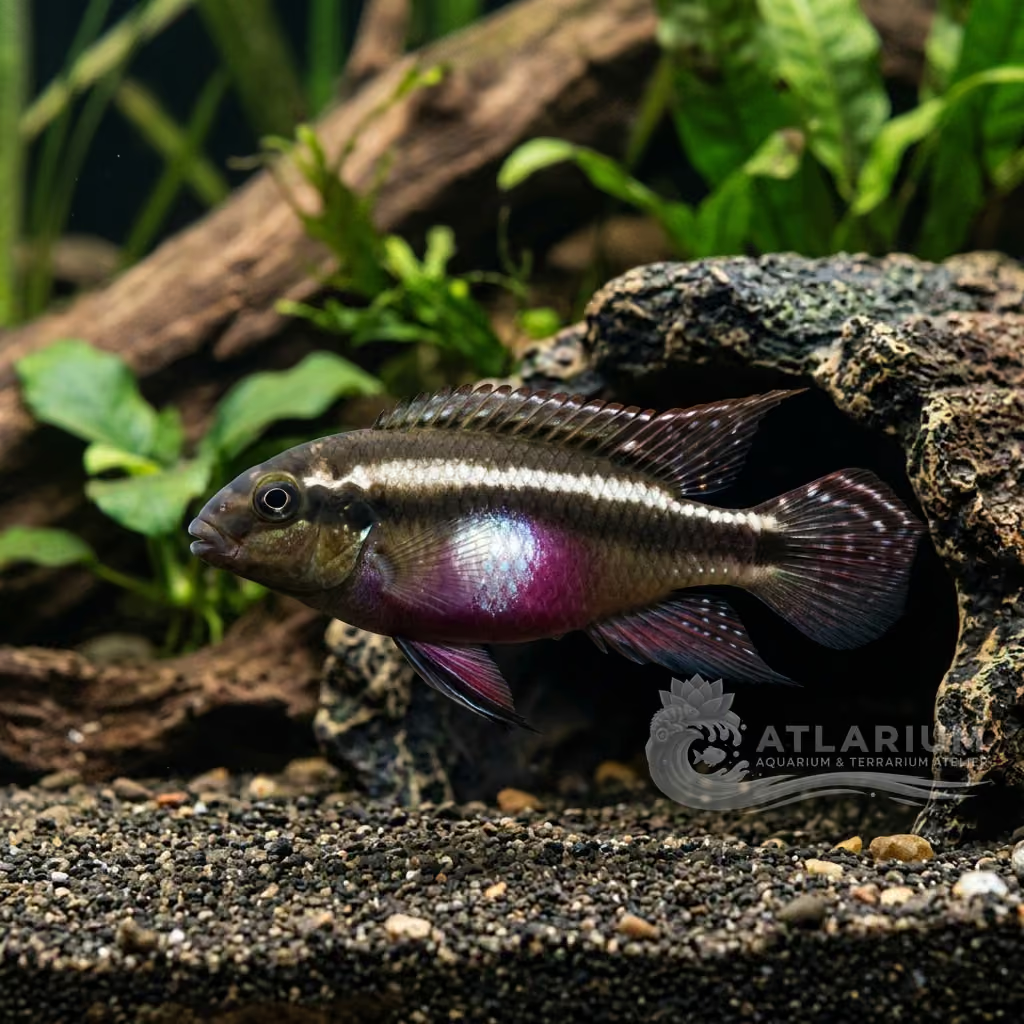
Ventralis Cichlid (Featherfin)
Ophthalmotilapia ventralis
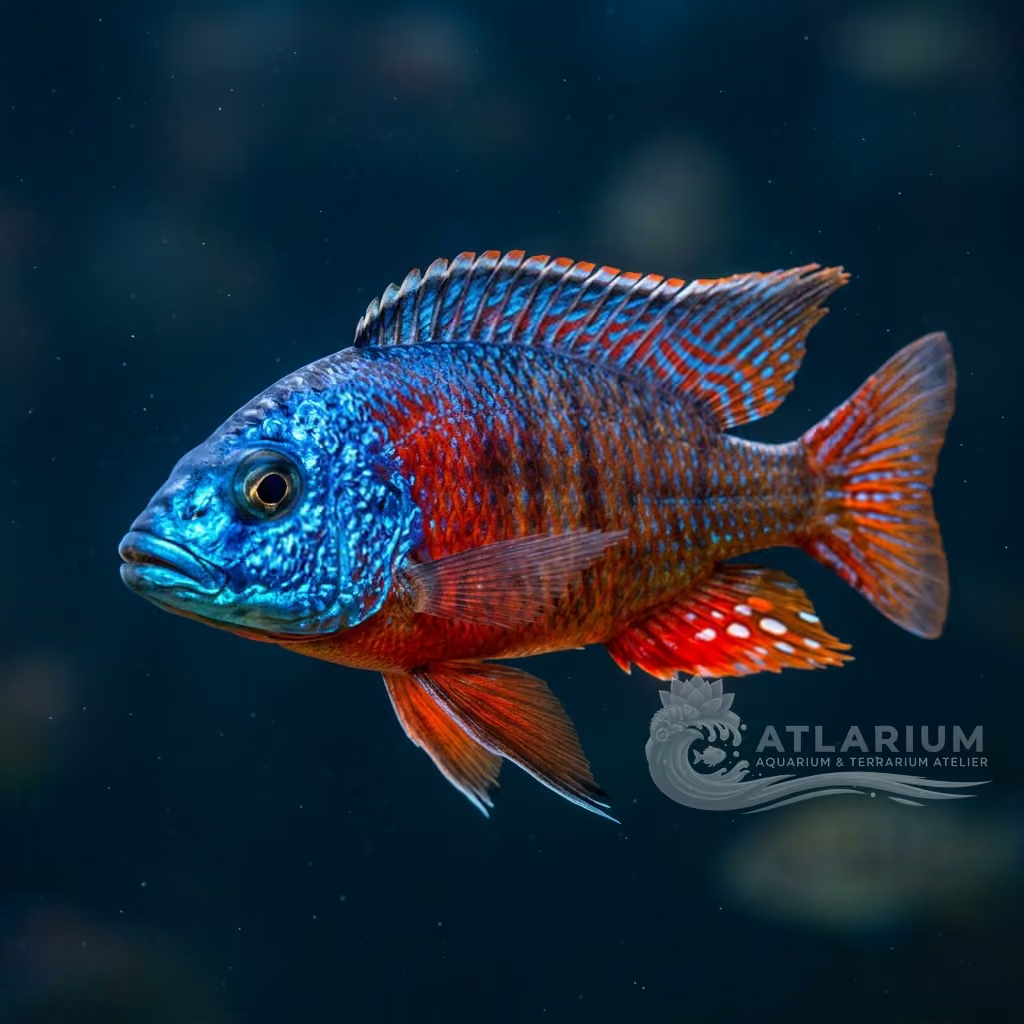
The Ophthalmotilapia ventralis is the most famous representative of the 'Featherfin Cichlids' group of Tanganyika. The name is due to the incredible and very long ventral fins of the adult male, which extend beyond the tail ending in yellow swellings similar to artificial eggs. Males in breeding dress explode in iridescent shades (cobalt blue, bright turquoise or golden depending on the variant), making them one of the most exotic spectacles in the aquarium. However, their hyperactivity, schooling swimmer behavior, and strict dietary requirements make them fish only for experts.
24 - 27 °C
8.2 - 9
Süßwasser
Oberfläche und Mitte
15 cm
>= 500 L
>= 10
12 - 25 dGH
6 - 12 dKH
240 - 495 ppm
375 - 773 uS/cm

Artbeschreibung

Pflege, Zucht und Mitbewohner

Geografische Herkunft und Verbreitung
Ursprung

Fischprofil
- Temperament
- Territorial
- While conspecific males can be aggressively territorial, the species is otherwise relatively calm. Males spend most of their time displaying their stunning colors to attract females. Providing visual barriers among rocks can help reduce tension between individuals.
- Diät
- Planktivore
- Their diet in the wild consists heavily of plankton and algae scraped from rocks. In the aquarium, provide high-quality spirulina flakes and vegetable-based pellets. Occasional treats of cyclops or brine shrimp can be offered cautiously.
- Lebenserwartung
- 5-8 years
- Erwachsenengröße
- 15 cm
- Geschlechterverhältnis
- Harem
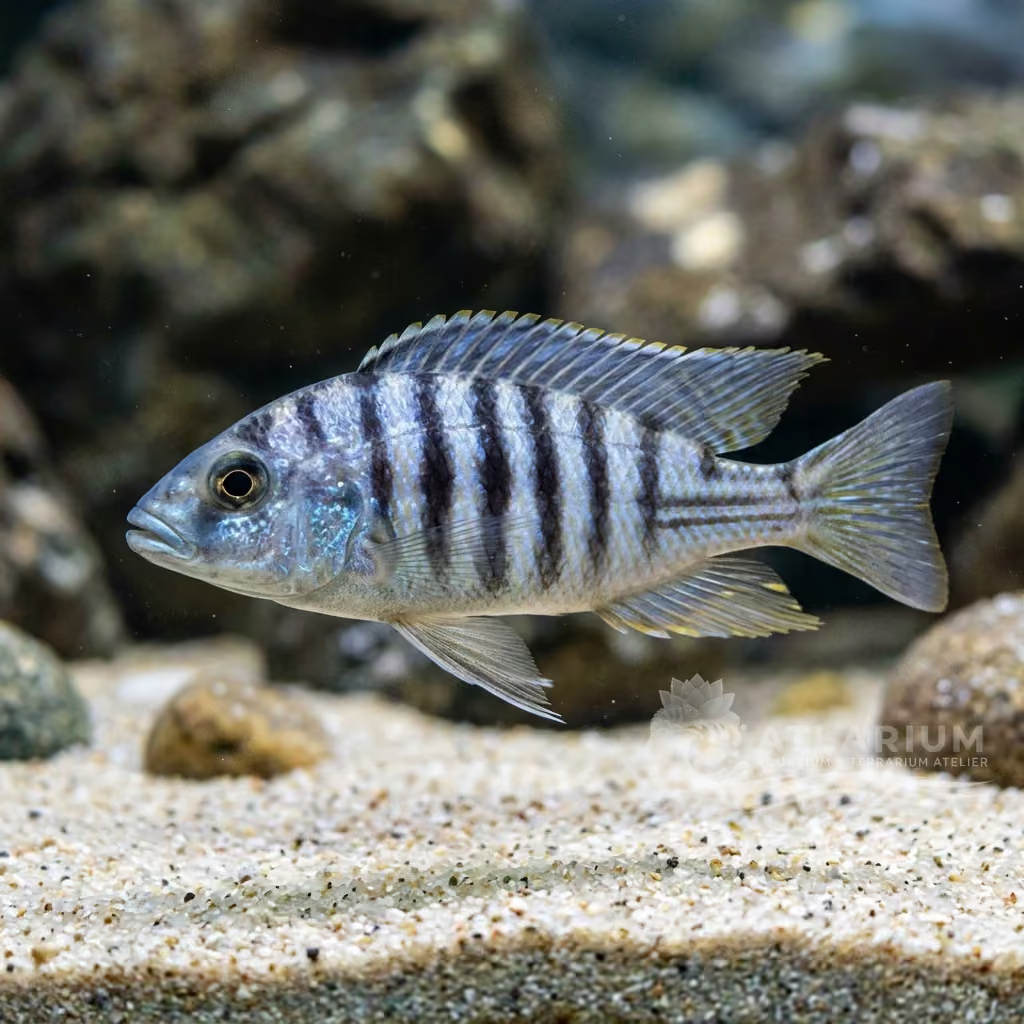
- Males are distinctly more colorful and feature prominent, spoon-shaped lappets on their pelvic fins. Females are silvery and lack the elaborate fin extensions. It is highly advised to keep one male with a group of several females to disperse aggression.
- Fütterungsfrequenz
- 2-3 times daily
- Feed them two or three small meals a day. Frequent feeding matches their natural biology and prevents aggressive feeding frenzies. Ensure all food is consumed within minutes to avoid water spoilage.
- Bioload
- Medium to High
- This species generates a moderate bioload. A highly efficient filtration system is necessary to handle their waste output. Keeping nitrates low through disciplined water changes is critical for their long-term health.
- Fluss
- Strong
- They prefer a moderate water current that ensures excellent oxygenation. Proper surface movement is vital for gas exchange in their tank. The flow should allow them to construct and maintain their sand nests without difficulty.
- Sprungrisiko
- Yes
- Like many active cichlids, they are prone to jumping when startled or during courtship chases. A tight cover is required to prevent tragic losses. Dimming the lights gradually can help prevent sudden panic leaps.
- Reproduktion
- Oviparous
- They exhibit fascinating maternal mouthbrooding behavior. The male builds a sand bower, often on top of a flat rock, to entice females. The female carries the fertilized eggs in her buccal cavity until the fry are fully formed and free-swimming.
- Kompatibilität & Tankkameraden
- Verify
- They are best kept in a Tanganyika biotope aquarium with other mid-water swimmers. Avoid housing them with aggressive bottom-dwelling cichlids that might disrupt their breeding. They are generally peaceful toward fish that do not threaten their territory.
- Tankfüllstand
- Top/Middle
- They are very active swimmers that utilize the mid to upper levels of the aquarium. Males will descend to the substrate to defend their specific breeding territories. A deep tank is recommended to give them adequate vertical swimming space.

Wissenschaftliche Modelle & Parameter
Zugang zu den offiziellen wissenschaftlichen Daten der Art
- Trophäenniveau
- 2,2 ± 0,3 se
- Belastbarkeit
- Hoch (weniger als 15 Monate)
- Phylogenetische Einzigartigkeit (PD50)
- 0.5625
- Bayessche Längen-Gewichts-Beziehung
- a = 0.01445, b = 2.99
- AnfälligkeitGeringe Anfälligkeit (10 / 100)

Verwandte Arten
Empfehlungen gruppiert nach nahen Verwandten, Auswahl von Begleitern und ähnlicher Betreuung.