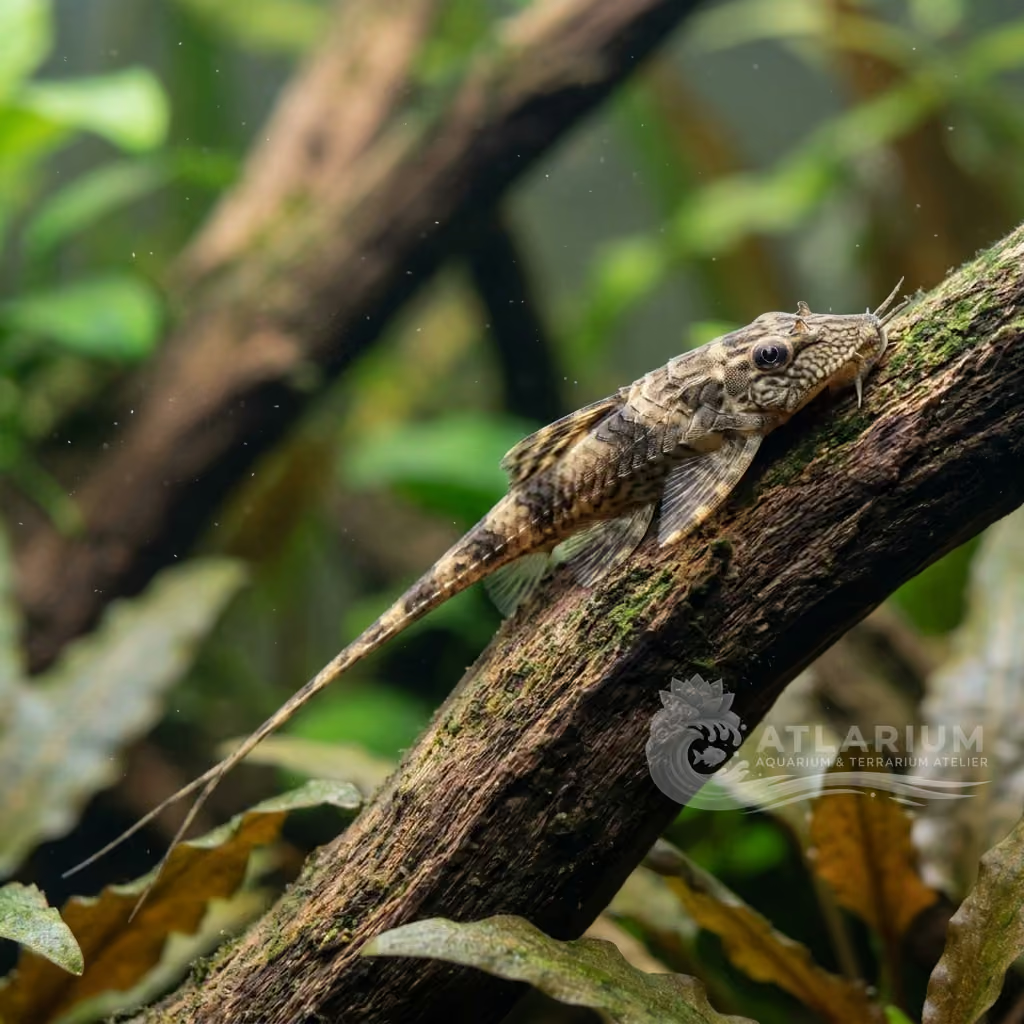
Yucatan sailfin molly
Poecilia velifera
The largest and most spectacular molly: the male develops an enormous sail-like dorsal fin that it unfurls during courtship — one of the most theatrical displays in the livebearer world. Native to Mexico's Yucatan Peninsula. Requires hard, alkaline water (pH 7.5–8.5) — thrives in slightly brackish conditions. Small tanks prevent full sail development. Omnivore with strong vegetable component: constantly grazes algae. Purebreds are rare in trade: frequent hybridization with P. latipinna.
21 - 30 °C
7.5 - 8.5
Süßwasser / Brackwasser
Mitte
15 cm
>= 100 L
>= 3
21 - 40 dGH
10 - 20 dKH
415 - 800 ppm
648 - 1.250 uS/cm

Artbeschreibung

Pflege, Zucht und Mitbewohner

Geografische Herkunft und Verbreitung
Ursprung

Fischprofil
- Temperament
- Active
- These fish have an active, outgoing, and generally peaceful temperament. They are robust and bold, often the first to greet their keeper during feeding times. While males can display some boisterous behavior towards one another, severe aggression is highly uncommon. Their energetic and inquisitive nature brings a lot of liveliness to any community aquarium. Given enough space, they interact very well with their environment and tank mates.
- Diät
- Omnivore
- As omnivores with an inclination towards herbivory, a large portion of their diet should consist of vegetable matter. High-quality spirulina flakes or algae wafers are excellent staple choices. They will also eagerly consume live or frozen foods like brine shrimp, bloodworms, and daphnia. Offering blanched vegetables like zucchini or spinach provides valuable roughage. A diet rich in plant matter prevents digestive blockages and promotes vibrant health.
- Lebenserwartung
- 3-5 years
- Erwachsenengröße
- 15 cm
- Geschlechterverhältnis
- Specific M:F ratio
- It is crucial to maintain a ratio of at least two to three females per male. Male mollies are persistent in their mating behaviors and can relentlessly chase females. A proper ratio diffuses this attention, significantly reducing the stress placed on any single female. Persistent stress from excessive males can lead to illness or even death for the females. Observing this ratio ensures a more peaceful dynamic within the aquarium.
- Fütterungsfrequenz
- 2-3 times daily
- Feeding them two to three times a day in small portions is the ideal approach. This frequent feeding schedule caters to their highly active metabolism and continuous foraging nature. Ensure each meal is small enough to be entirely consumed within a few minutes. Overfeeding can lead to rapid water degradation given their higher bioload. Offering a variety of foods across these feedings ensures comprehensive nutrition.
- Bioload
- Medium to High
- They produce a moderate to high bioload, especially when compared to smaller livebearers. This is due to their relatively robust size and hearty appetite. Efficient filtration and regular water changes are crucial to process their waste effectively. Inadequate tank maintenance can lead to a quick buildup of harmful nitrates. Monitoring their population size is also important, as their breeding can compound the bioload significantly.
- Fluss
- Strong
- They are adaptable but generally prefer a moderate water flow in the aquarium. A flow that provides good water circulation without pushing them around is perfect. Adequate water movement also helps in maintaining high oxygenation levels, which they appreciate. Powerheads can be used, but areas of calmer water should be available for resting. In larger tanks, a robust filtration system naturally creates an ideal flow dynamic.
- Sprungrisiko
- No
- Reproduktion
- Viviparous
- They are prolific livebearers, meaning the females give birth to fully formed, free-swimming fry. Breeding requires virtually no effort if both sexes are present in appropriate water conditions. A single mating can result in several consecutive broods, as females can store sperm. The fry are relatively large compared to other livebearers and can eat crushed flakes immediately. Heavy planting is recommended to provide the fry with shelter from predatory adults.
- Kompatibilität & Tankkameraden
- Community
- They are generally peaceful community fish, suitable for keeping with a wide variety of similarly sized, non-aggressive species. However, they can occasionally be nippy or boisterous, so very shy or delicate fish might not be the best companions. They do well with robust tetras, corydoras, and other livebearers. In brackish setups, their potential tank mates change significantly. Providing enough space reduces any potential territorial squabbles among themselves and others.
- Tankfüllstand
- Middle
- They are highly active and will readily explore every level of the aquarium. However, they spend a considerable amount of time in the middle and upper levels of the water column. They are particularly active near the surface during feeding time, eagerly anticipating food. Providing open swimming areas in the middle layers is beneficial for their energetic nature. Their constant movement throughout the tank makes them an excellent display fish.

Wissenschaftliche Modelle & Parameter
Zugang zu den offiziellen wissenschaftlichen Daten der Art
- Trophäenniveau
- 3 ± 0,34 se
- Belastbarkeit
- Hoch (weniger als 15 Monate)
- Phylogenetische Einzigartigkeit (PD50)
- 0.5
- Bayessche Längen-Gewichts-Beziehung
- a = 0.01288, b = 3.14
- AnfälligkeitGeringe Anfälligkeit (10 / 100)

Bildergalerie
Lizenzierte Bilder, die mit der Art oder, wenn markiert, mit dem nächstgelegenen repräsentativen Taxon verknüpft sind.

Verwandte Arten
Empfehlungen gruppiert nach nahen Verwandten, Auswahl von Begleitern und ähnlicher Betreuung.