Red empress
Protomelas taeniolatus
A magnificent African cichlid endemic to Lake Malawi, famous for the spectacular vibrant coloration of adult males and rock-grazing habits.
Wassertemperatur
24 - 28 °C
pH-Wert
7.8 - 8.6
Wassertyp
Süßwasser
Tankfüllstand
Oberfläche und Mitte
Erwachsenengröße
15 cm
Mindesttankvolumen
300 L
Mindestgruppe
>= 1
GH
10 - 25 dGH
KH
5 - 12 dKH
TDS
200 - 495 ppm
Leitfähigkeit
313 - 773 uS/cm

Artbeschreibung
Geographical Origin and Habitat: This species is endemic to Lake Malawi in East Africa, with a widespread distribution throughout the lake. It inhabits shallow, sediment-free rocky habitats and rocky reefs at depths of less than 10 meters. It requires clear water and sunlit rocky shores where dense layers of algae (aufwuchs) grow under the action of sunlight.
Taxonomy and Morphology: Belonging to the family Cichlidae, subfamily Pseudocrenilabrinae, and genus Protomelas. Originally described as Haplochromis taeniolatus by Trewavas in 1935, it is commonly known in the aquarium hobby as the 'Red Empress'. It features a fusiform, laterally compressed body, reaching a maximum adult length of about 15-18 cm (6-7 inches).
Social Behavior: It is a moderately peaceful cichlid compared to other Lake Malawi species, but dominant males are territorial and actively defend their grazing rocks. In nature, it feeds by scraping algae and associated microorganisms (aufwuchs) from rock surfaces. Females practice maternal mouthbrooding to protect their eggs and fry.
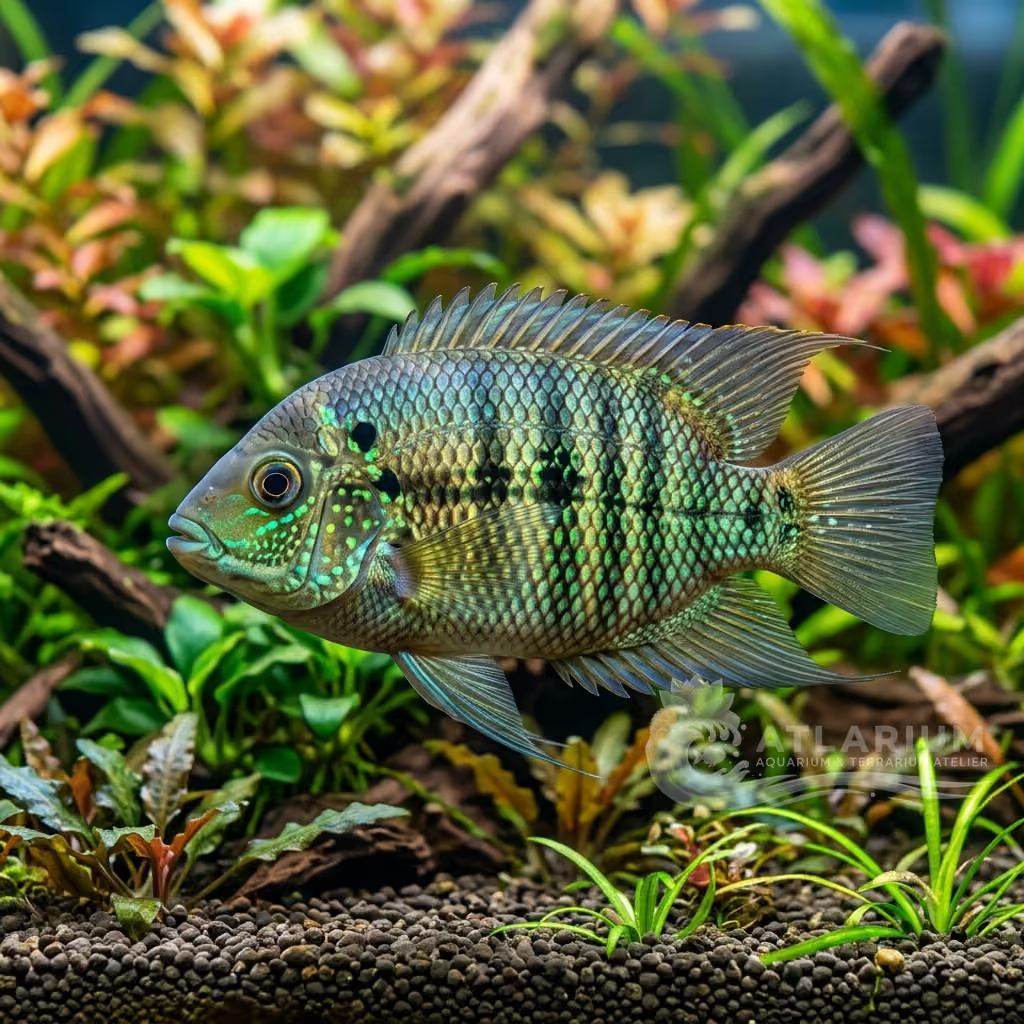
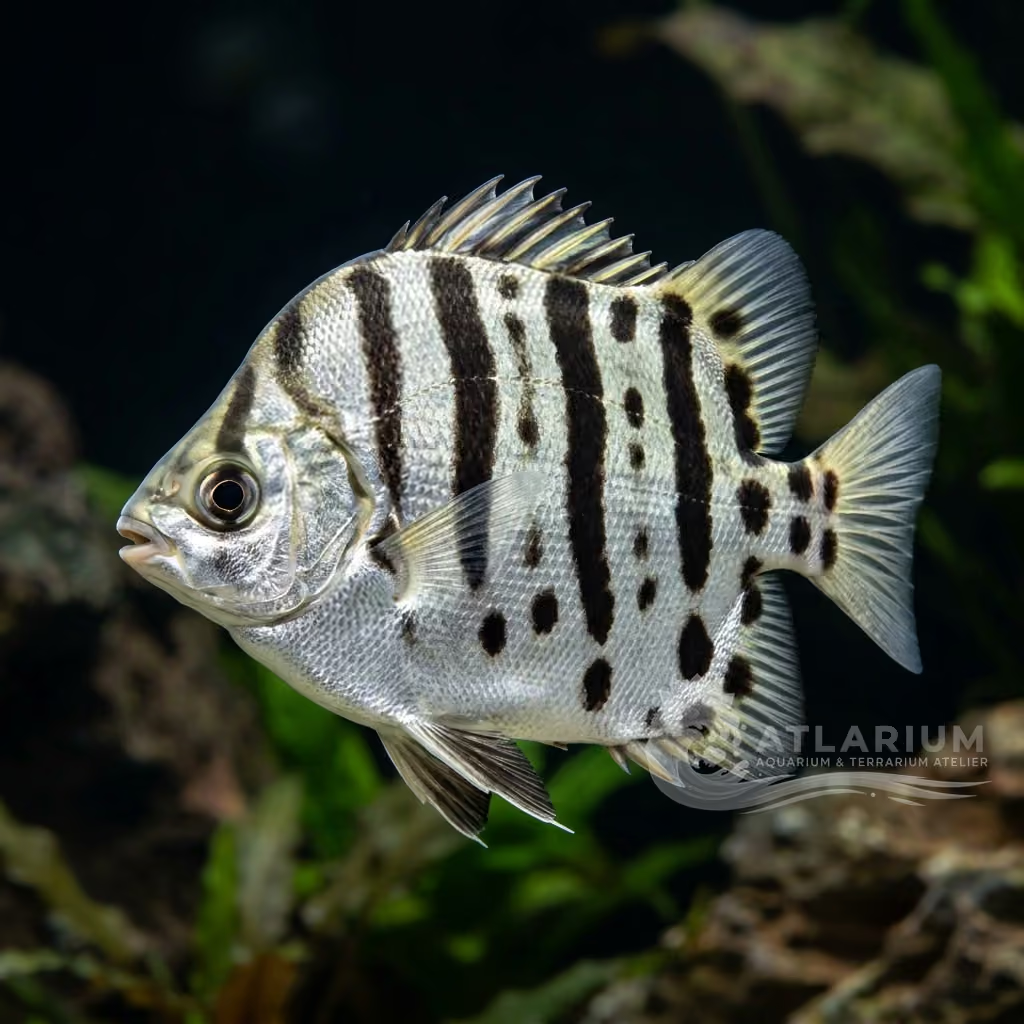
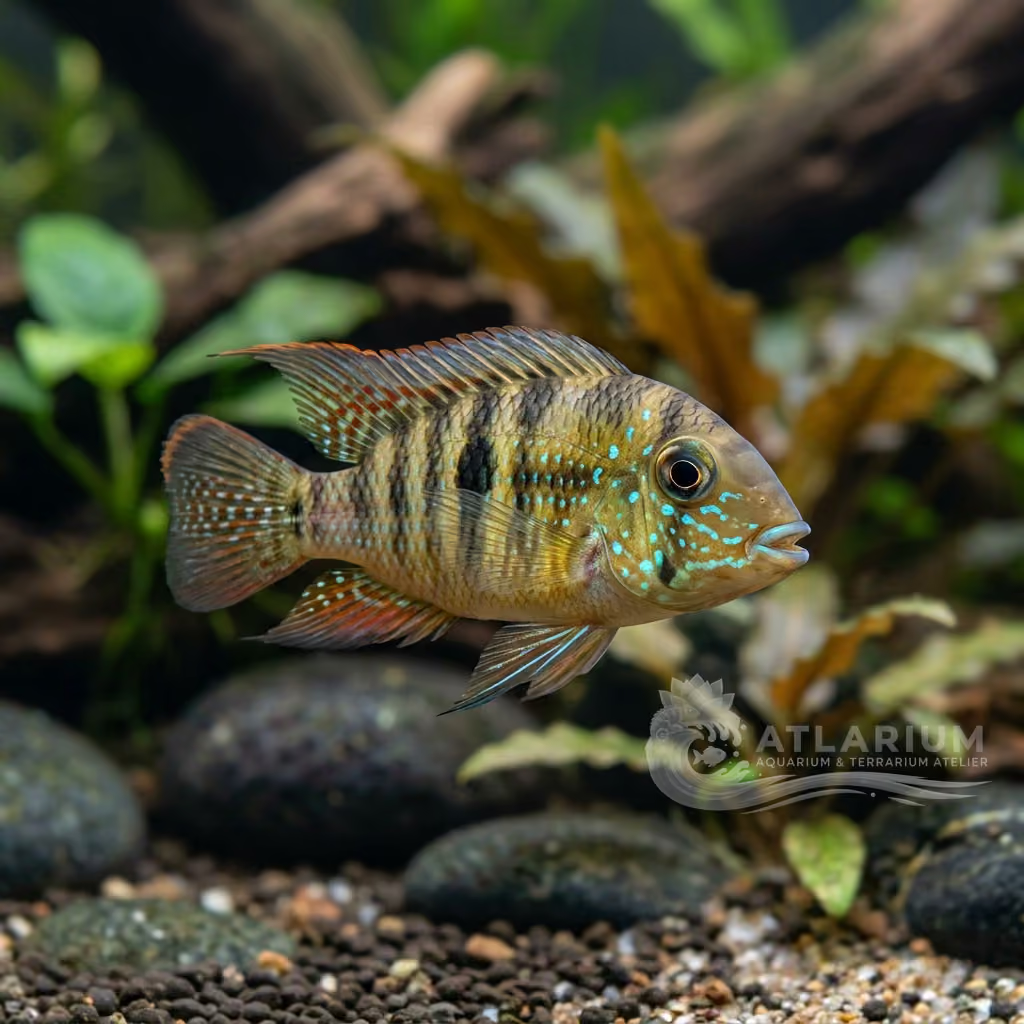
Coloration and Sexual Dimorphism: Sexual dimorphism is extreme. Adult males display a spectacular livery with an iridescent electric blue head, a brilliant red or fiery orange body, and dorsal and anal fins trimmed in light blue and yellow. Females and juveniles are a very plain silvery-gray color, with vertical bars and dark lines along the flanks.

Pflege, Zucht und Mitbewohner
Aquarium Setup: Requires a large aquarium with a minimum capacity of 300 liters (approx. 80 gallons) for a small harem group (one male and three females). The setup should feature a fine sand substrate and a robust structure of limestone rocks to create caves, visual barriers, and hiding places, while leaving ample open space for swimming.
Diet and Feeding: Lighting should be relatively bright to encourage the growth of natural algae on the rocks, which the cichlids enjoy grazing on. The water temperature must be kept stable between 24°C and 26°C (75-79°F) using a reliable heater with a thermostat. Avoid temperatures above 28°C (82°F) to prevent low oxygen levels.
Water Quality: Water must be hard and alkaline, replicating Lake Malawi parameters: pH between 7.8 and 8.6, general hardness (GH) between 10 and 20 dGH, and carbonate hardness (KH) between 8 and 15 dKH. Powerful filtration with good surface agitation is essential to ensure high oxygenation, along with regular water changes.
Compatibility and Cohabitation: Omnivorous with a vegetarian preference. The diet must include a high proportion of plant matter, such as spirulina-based flakes, blanched spinach, and high-quality herbivore pellets. Supplement occasionally with frozen foods like brine shrimp and mysis. Avoid fatty foods or bloodworms, which can cause intestinal disorders.
Aquarium Breeding: Compatible with other Lake Malawi cichlids of similar temperament, particularly 'Haps' of the genera Copadichromis and Cyrtocara, or less aggressive Mbuna. Avoid keeping multiple males of the same species in the same tank to prevent violent territorial fights, unless the aquarium exceeds 600 liters.
Risks and Diseases: Prone to 'Malawi Bloat' if fed an overly protein-rich diet or subjected to stress from poor water quality. Dominant males can chase unreceptive females relentlessly; it is important to keep a harem with multiple females to distribute the male's attention and provide adequate retreats.

Geografische Herkunft und Verbreitung
This species is endemic to Lake Malawi in East Africa, with a widespread distribution throughout the lake. It inhabits shallow, sediment-free rocky habitats and rocky reefs at depths of less than 10 meters. It requires clear water and sunlit rocky shores where dense layers of algae (aufwuchs) grow under the action of sunlight.
Ursprung
Kosmopolitisch oder eingeführtMittelamerika und KaribikNordamerikaAfrika und MadagaskarTropische Ozeane und Riffe

Fischprofil
- Temperament
- Semi-aggressive
- Known for their relatively mild temperament, they are often considered a "gentle giant" among Lake Malawi cichlids. While they are territorial during spawning periods, they rarely engage in unprovoked attacks or lethal violence against dissimilar tank mates. The transformation of a dull juvenile male into a radiantly colored, confident adult is one of the most rewarding experiences for a cichlid keeper. Their interactive nature and bold personalities make them an enduring favorite in the hobby.
- Diät
- Omnivore
- In the wild, the Red Empress grazes on algae beds to extract small invertebrates and crustacean life. In the home aquarium, they should be fed a high-quality, spirulina-based cichlid pellet as their staple diet. Occasional treats of mysis shrimp or krill will help bring out the spectacular red hues in the males. Avoid feeding them mammalian meat or excessive high-protein diets, which can cause fatal digestive blockages known as Malawi bloat.
- Lebenserwartung
- 5-8 years
- Erwachsenengröße
- 15 cm
- Geschlechterverhältnis
- Harem
- To properly house this species in a breeding or mixed setup, maintain a ratio of one male to at least three or four females. This harem structure ensures that the male's relentless breeding advances are distributed, preventing fatal stress to any single female. In an all-male Hap/Peacock display, keeping just one Red Empress is vital to prevent intraspecies aggression. Females are notably drabber and silvery, while dominant males display breathtaking red and blue hues.
- Fütterungsfrequenz
- Twice daily
- They have healthy appetites and should be fed portions they can finish within a few minutes, once or twice a day. Overfeeding is a common mistake that quickly spoils water quality and jeopardizes the fish's health. Incorporating a fasting day into their weekly schedule closely mimics their natural eating patterns and aids digestion. Young, growing individuals can be fed slightly smaller, more frequent meals.
- Bioload
- Medium
- The Red Empress is a sizable, robust cichlid that generates a heavy bioload, necessitating rigorous aquarium maintenance. High-capacity canister filters or sumps with excellent biological media are required to handle their waste. Weekly water changes of at least 30-50% are strongly recommended to keep nitrates at bay. In densely populated cichlid communities designed to diffuse aggression, exceptional water quality management becomes even more critical.
- Fluss
- Stagnant
- They appreciate a moderate water flow that mimics the gently moving waters of their natural rocky habitats. Good water movement ensures high oxygenation, which is crucial for large, active fish. Aiming filter outlets to break the water's surface will maximize gas exchange. Avoiding overly turbulent whirlpools allows them to swim naturally without expending unnecessary energy.
- Sprungrisiko
- Yes
- Protomelas taeniolatus has a significant propensity for jumping, especially during territorial chases or when startled. A robust and heavy lid is mandatory to keep these powerful fish safely contained. Gaps around the filter plumbing or heaters must be carefully blocked off. Sudden turning on of tank lights can also trigger a panic response, leading to accidental jumps.
- Reproduktion
- Oviparous
- This species breeds relatively easily in captivity through maternal mouthbrooding. The male will select and vigorously defend a flat piece of slate or a small depression in the substrate, displaying his vibrant colors to attract females. After spawning, the female incubates the eggs in her buccal cavity for approximately 21 to 28 days. Stripping the fry from the mother around week three is common practice among breeders to ensure maximum fry survival and allow the female to recover.
- Kompatibilität & Tankkameraden
- Peaceful
- This species is one of the more easygoing Lake Malawi Haplochromines, making it a fantastic addition to a mixed African cichlid tank. They blend well with other moderately tempered Haps and peaceful Aulonocara species. Mixing them with hyper-aggressive Mbuna should be avoided, as the Red Empress may become stressed and lose its vibrant coloration. In an all-male display, ensure that tank mates do not share similar red or blue colorations to prevent targeted territorial disputes.
- Tankfüllstand
- Top/Middle
- The Red Empress is a highly mobile fish that will utilize the entire aquarium, continuously patrolling from end to end. They favor the middle to lower regions when foraging but confidently swim in the open upper water. An ideal aquascape provides vast stretches of open swimming room alongside large rock formations for cover. They generally only retreat to caves during the night or when subdominant fish need a break from aggression.

Wissenschaftliche Modelle & Parameter
FishBase
Zugang zu den offiziellen wissenschaftlichen Daten der Art
FishBase v25.04Daten synchronisiert am: 15.06.2026
- Trophäenniveau
- 3,2 ± 0,37 se
- Belastbarkeit
- Hoch (weniger als 15 Monate)
- Phylogenetische Einzigartigkeit (PD50)
- 0.5
- Bayessche Längen-Gewichts-Beziehung
- a = 0.01445, b = 2.99
- AnfälligkeitGeringe Anfälligkeit (10 / 100)

Verwandte Arten
Empfehlungen gruppiert nach nahen Verwandten, Auswahl von Begleitern und ähnlicher Betreuung.