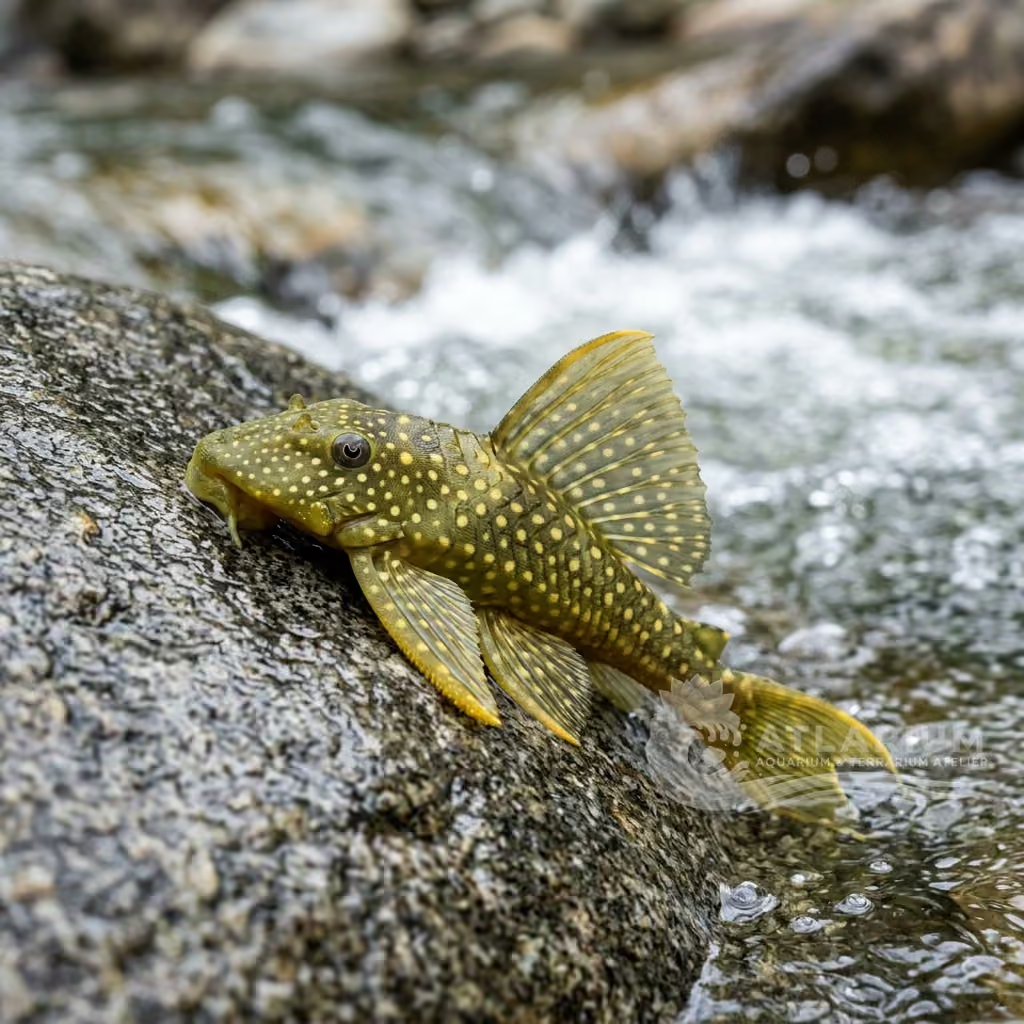
Common Pleco
Pterygoplichthys pardalis
The Common Pleco can reach sizes up to 50 cm. Frequently sold as an algae eater for small tanks, it grows rapidly and requires aquariums larger than 600 liters. As an adult, it consumes fewer algae and produces a substantial organic load.
Wassertemperatur
22 - 28 °C
pH-Wert
6 - 8
Wassertyp
Süßwasser
Tankfüllstand
Unten
Erwachsenengröße
40 cm
Mindesttankvolumen
600 L
Mindestgruppe
>= 1
GH
5 - 20 dGH
KH
2 - 10 dKH
TDS
95 - 400 ppm
Leitfähigkeit
148 - 625 uS/cm

Artbeschreibung
Geographical Origin and Habitat: The Common Pleco is native to the Amazon River basin in South America. It inhabits flooded plains, oxbow lakes, swampy regions, and slow- to moderate-flowing rivers with muddy substrates. In nature, it is a hardy scavenger and detritivore, capable of tolerating highly turbid and oxygen-poor waters by swallowing atmospheric air to absorb it through its modified digestive tract.
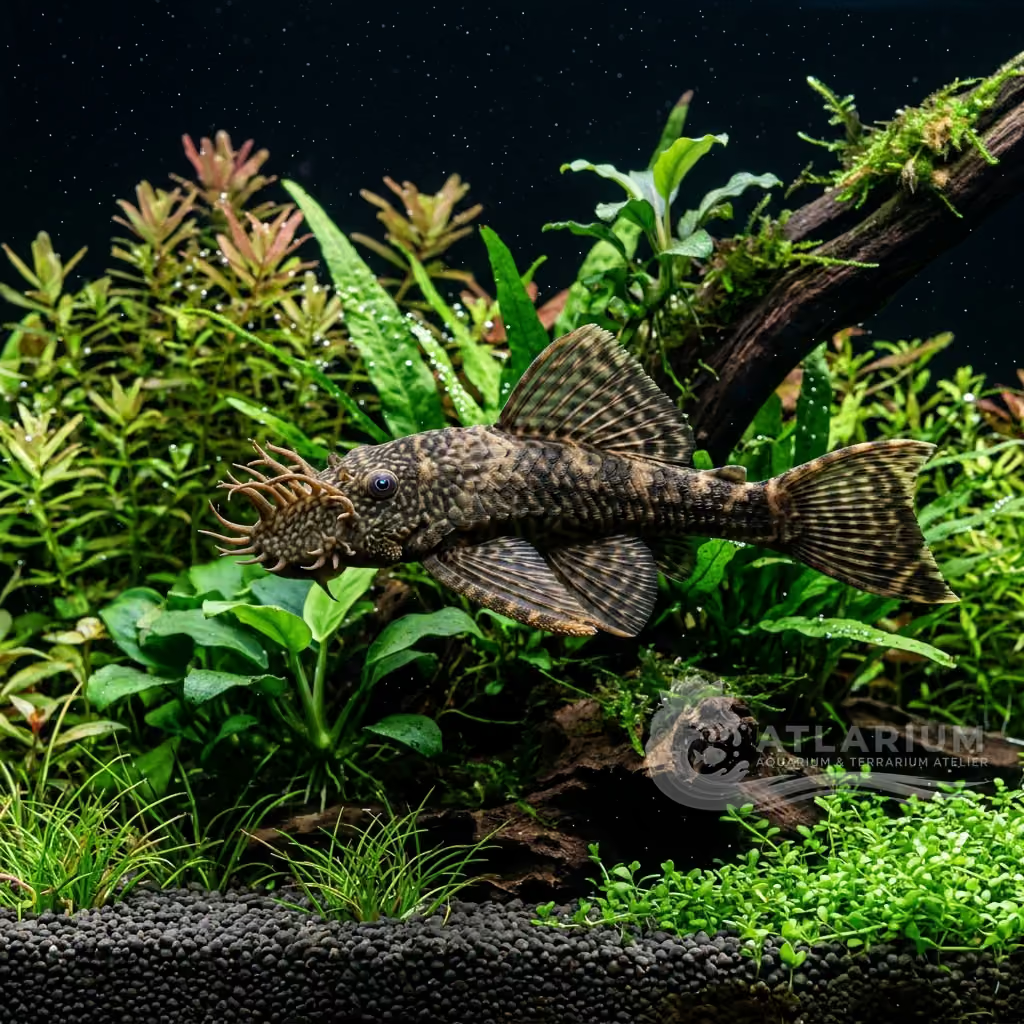
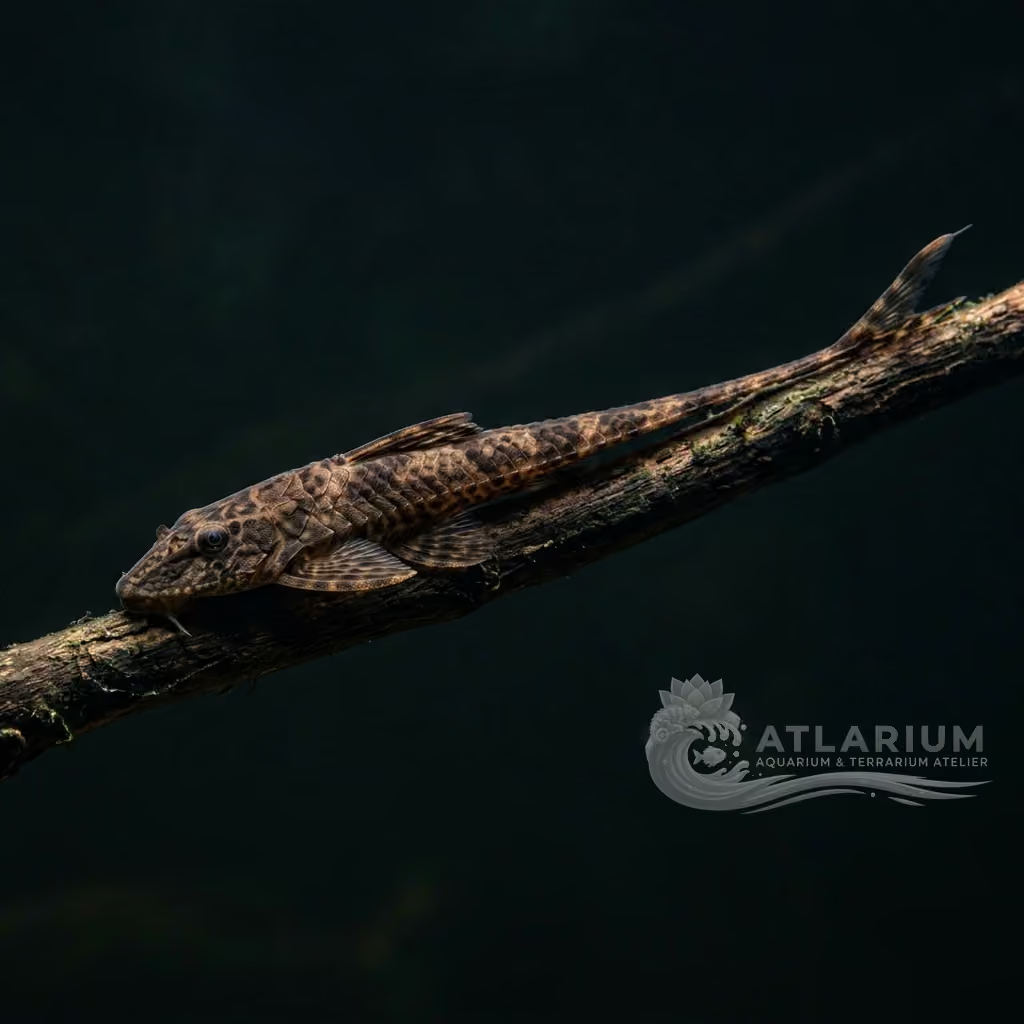
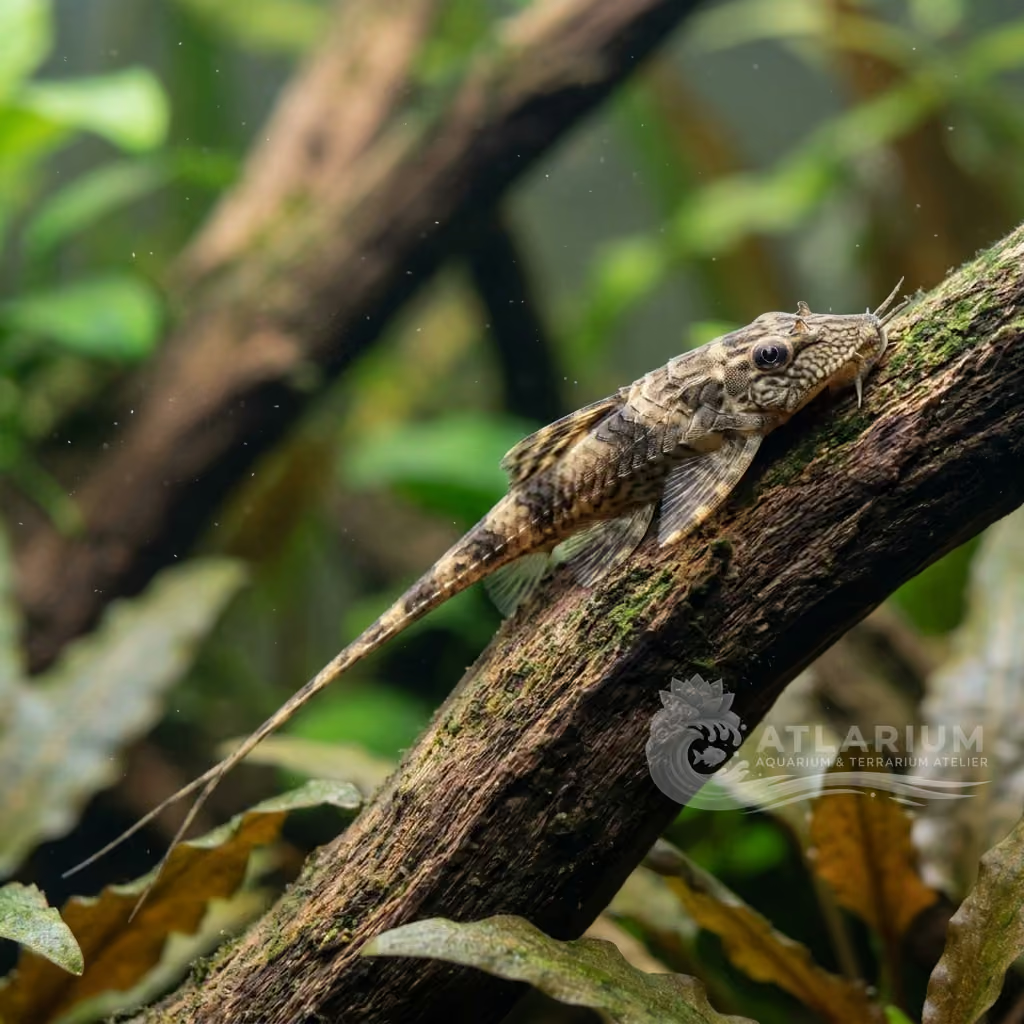
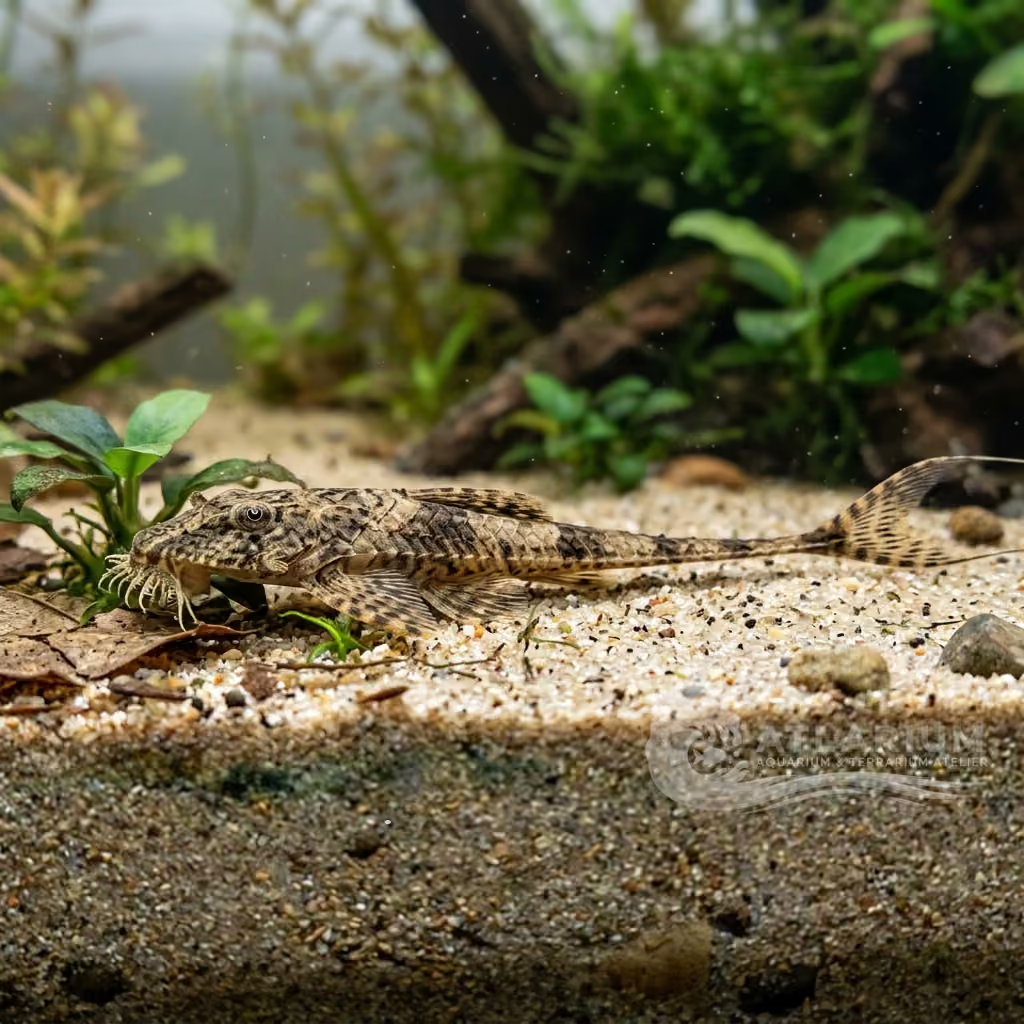
Taxonomy and Morphology: Belonging to the family Loricariidae, this species has an elongated body covered in bony plates except on the abdomen. Its large, sail-like dorsal fin features more than 10 soft rays. It possesses a ventral sucker mouth equipped with thick lips and specialized teeth for scraping algae and organic detritus from hard surfaces. Adult specimens regularly grow to 40-50 cm in length.
Social Behavior: A benthic species with primarily nocturnal and solitary habits. While young specimens are peaceful and actively graze on surfaces, adults display strong territorial behavior toward conspecifics and other large bottom-dwellers. Due to its size and strength, it can inadvertently uproot delicate plants or displace loose decorations.
Coloration and Sexual Dimorphism: The base coloration ranges from light gray to hazelnut-brown, covered in a dense, dark-spotted reticulated pattern that resembles a leopard's coat (hence the name 'pardalis'). Sexual dimorphism is subtle; mature males may develop more pronounced odontodes on the leading pectoral fin spines and a slightly more prominent genital papilla compared to females.

Pflege, Zucht und Mitbewohner
Aquarium Setup: Demands spacious tanks of at least 600 liters, with a minimum length of 180 cm to allow comfortable movement. The substrate should consist of fine sand or rounded gravel to prevent injury to the mouth. Sturdy driftwood, roots, and branches are essential to provide hides and dietary lignin. Live plants are easily uprooted by the fish's movements, so robust epiphytic species like Anubias or Java Fern attached to wood or rocks are recommended.
Diet and Feeding: An omnivorous detritivore. Although juveniles eat algae, adults require a substantial, varied diet. Sinking wafers for bottom-dwellers, fresh blanched vegetables (such as zucchini, cucumber, and squash), and high-protein foods like bloodworms or brine shrimp should be provided. Natural driftwood must be present in the tank, as consuming wood is vital for their digestive health.
Water Quality: A highly resilient species that tolerates a wide range of water parameters: temperature between 23 and 28 °C, pH between 6.0 and 7.5, and water hardness from soft to hard (GH 5-20). Because they generate a large amount of organic waste, a robust, oversized filtration system with strong mechanical and biological capacity is required, alongside regular water changes.
Compatibility and Cohabitation: Suitable for large community aquariums with robust, large-sized species such as medium to large cichlids, fast-swimming characins, or peaceful surface-dwelling fish. It should not be housed with slow, flat-bodied, or long-finned fish (such as Discus, large Angelfish, or fancy Goldfish), as the Pleco may attempt to feed on their protective slime coat at night, causing circular wounds and secondary infections.
Aquarium Breeding: Breeding in home aquariums is extremely rare due to the vast space required and the species' natural behavior of digging deep nesting tunnels in clay riverbanks. On a commercial scale, they are bred in large outdoor earth ponds where males guard eggs deposited in hollows in the banks.
Risks and Diseases: The main health issue is stunting caused by confinement in small tanks, which stops external skeletal growth while internal organs continue to grow, leading to organ failure. Additionally, capturing the fish with standard mesh nets is highly discouraged, as their spines and odontodes easily become entangled; rigid containers or plastic cups should be used for transport.

Geografische Herkunft und Verbreitung
The Common Pleco is native to the Amazon River basin in South America. It inhabits flooded plains, oxbow lakes, swampy regions, and slow- to moderate-flowing rivers with muddy substrates. In nature, it is a hardy scavenger and detritivore, capable of tolerating highly turbid and oxygen-poor waters by swallowing atmospheric air to absorb it through its modified digestive tract.
Ursprung
Tropische Ozeane und RiffeAmazonas, Orinoco und GuayanaNordamerika

Fischprofil
- Temperament
- Semi-aggressive
- They are docile and incredibly relaxed armored catfish. They clumsily bulldoze through delicate plant arrangements easily. They rely on their armor rather than fleeing danger.
- Diät
- Omnivore
- They require a heavily herbivorous diet and driftwood. Fresh zucchini and cucumber are eagerly consumed overnight. High-protein foods should be offered very sparingly.
- Lebenserwartung
- 10-15 years
- Erwachsenengröße
- 40 cm
- Geschlechterverhältnis
- Solitary
- Keeping a single specimen is the standard recommendation. Multiple individuals demand hundreds of gallons of water. Solitary life does not negatively impact their health.
- Fütterungsfrequenz
- Twice daily
- Feed them generously once a day after lights out. They constantly graze on tank surfaces and decorations. Remove rotting vegetable matter to prevent water fouling.
- Bioload
- Extreme
- The Amazon Sailfin Pleco produces a massive bioload. Frequent maintenance and giant filters are strictly required. They outgrow standard aquariums surprisingly rapidly.
- Fluss
- Stagnant
- They enjoy moderate to high water flow significantly. High dissolved oxygen levels are absolutely crucial. Filter currents help keep their massive waste suspended.
- Sprungrisiko
- No
- Reproduktion
- Oviparous
- Captive breeding is unheard of in typical home aquariums. They require massive earthen banks for nesting holes. All available specimens are farmed in outdoor facilities.
- Kompatibilität & Tankkameraden
- With caution
- They are peaceful giants in large community tanks. They can be fiercely territorial with other pleco species. Small tankmates are entirely safe from predation.
- Tankfüllstand
- Bottom
- They permanently reside on the bottom or glass surfaces. They seek large, dark caves for daytime resting. Nighttime brings them out to actively patrol the substrate.

Wissenschaftliche Modelle & Parameter
FishBase
Zugang zu den offiziellen wissenschaftlichen Daten der Art
FishBase v25.04Daten synchronisiert am: 15.06.2026
- Trophäenniveau
- 2 ± 0 se
- Belastbarkeit
- Niedrig (4,5 - 14 Jahre)
- Phylogenetische Einzigartigkeit (PD50)
- 0.5
- Bayessche Längen-Gewichts-Beziehung
- a = 0.01862, b = 2.93
- AnfälligkeitMäßige Anfälligkeit (43 / 100)

Verwandte Arten
Empfehlungen gruppiert nach nahen Verwandten, Auswahl von Begleitern und ähnlicher Betreuung.