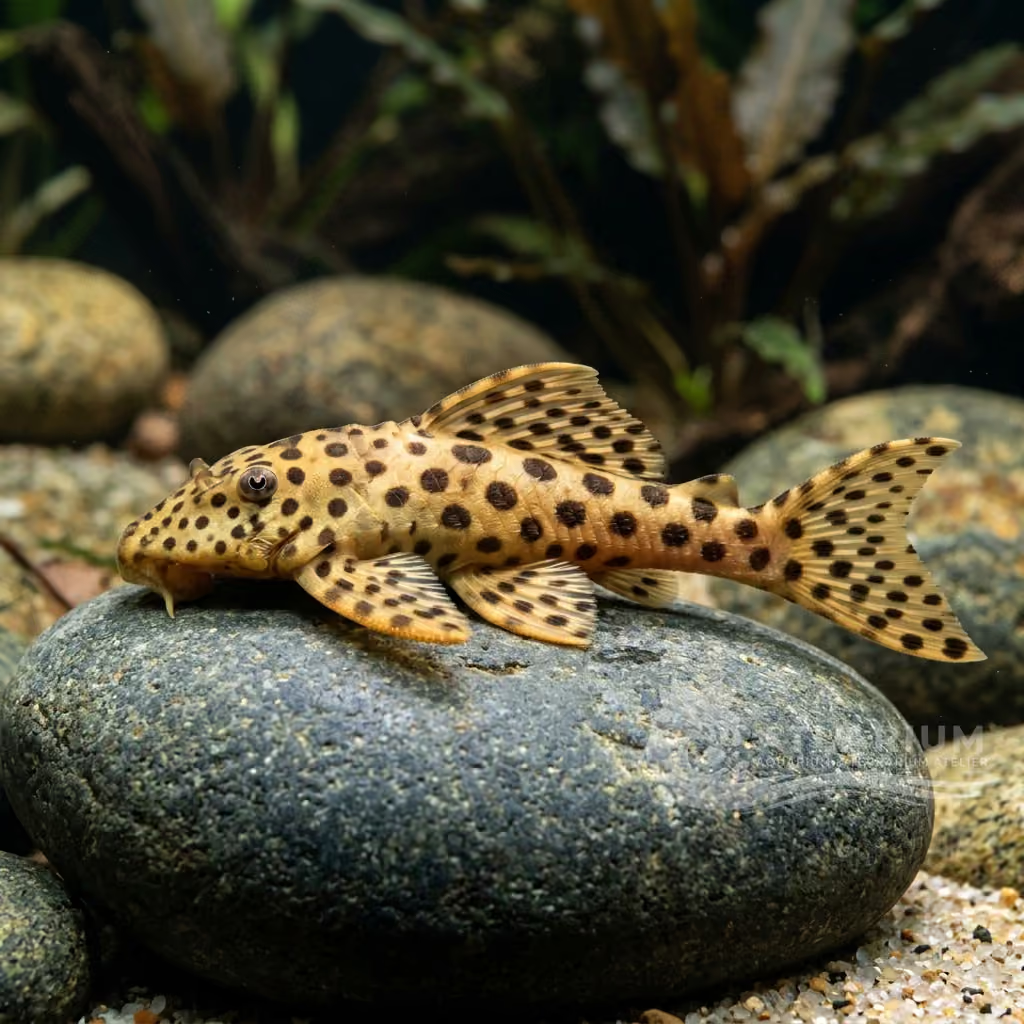
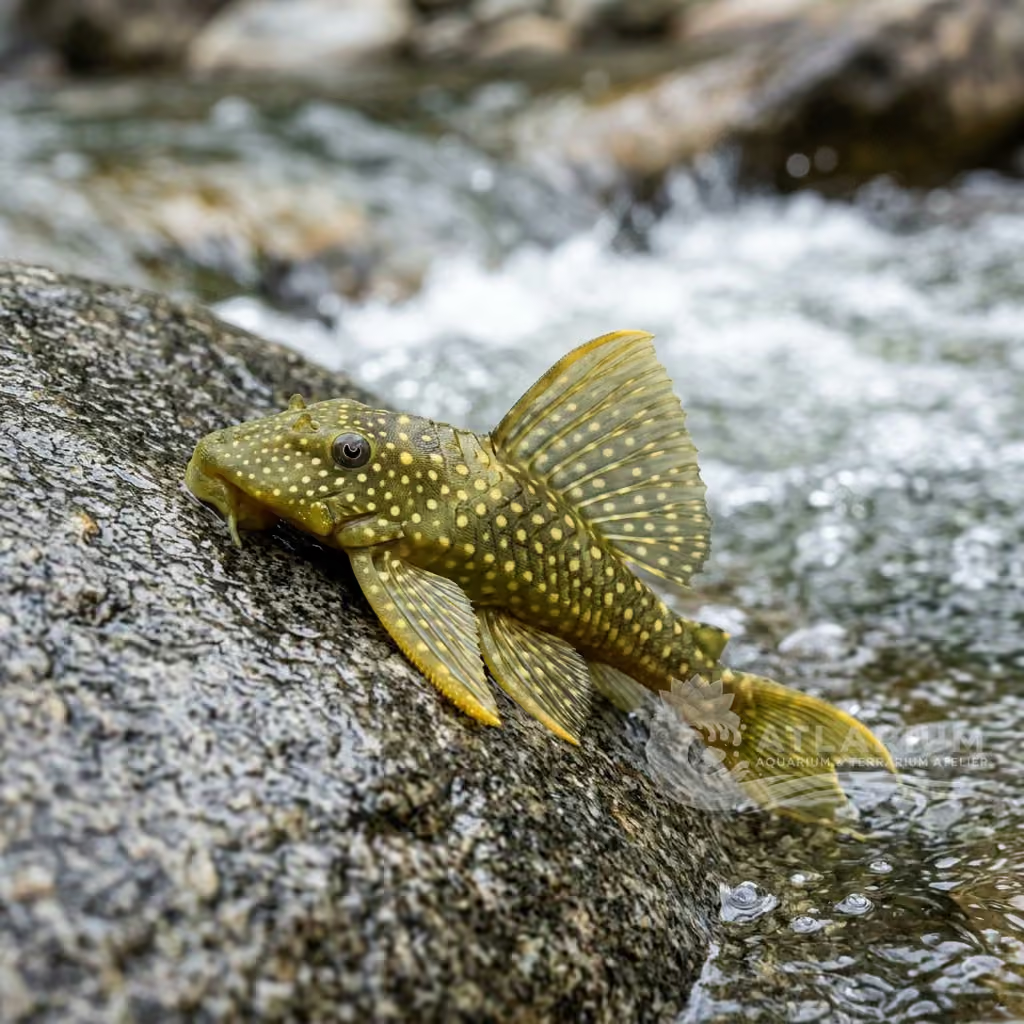
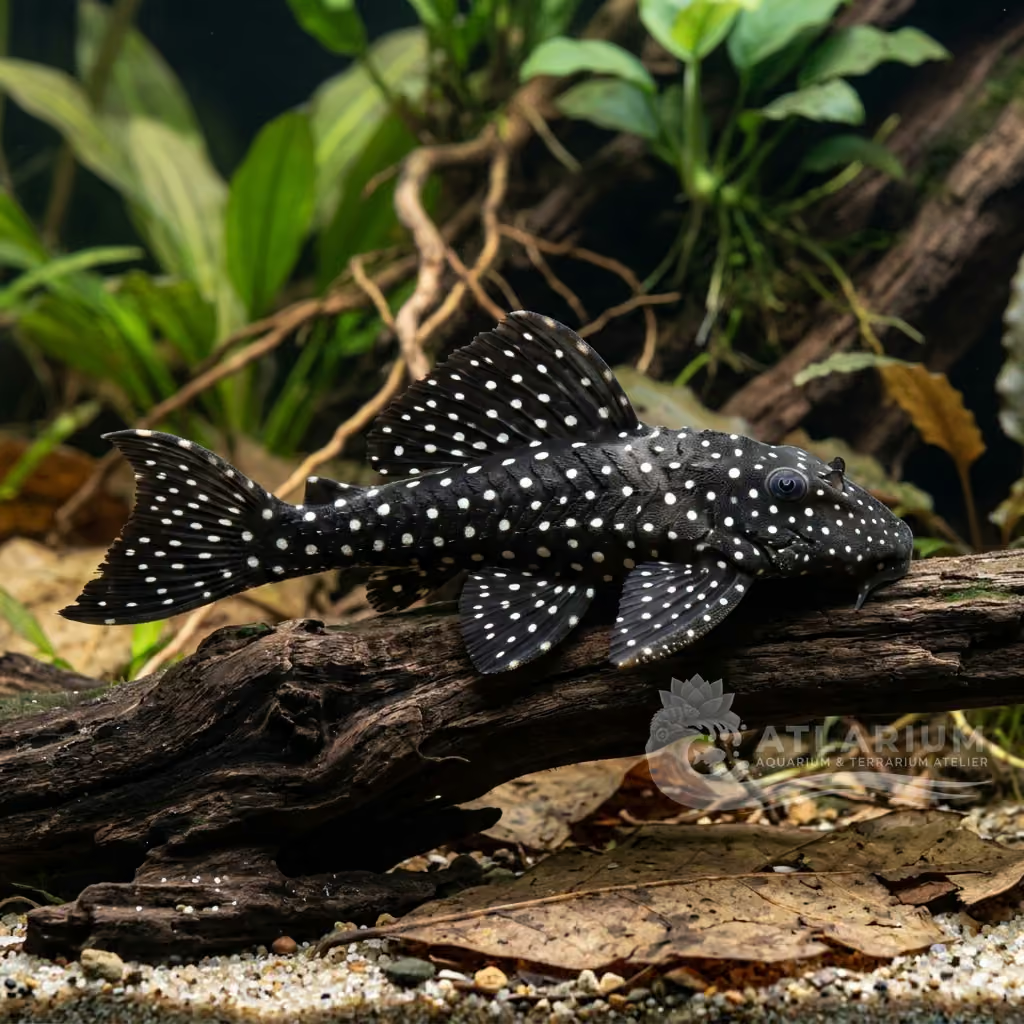
Tentacle Lasiancistrus
Lasiancistrus tentaculatus
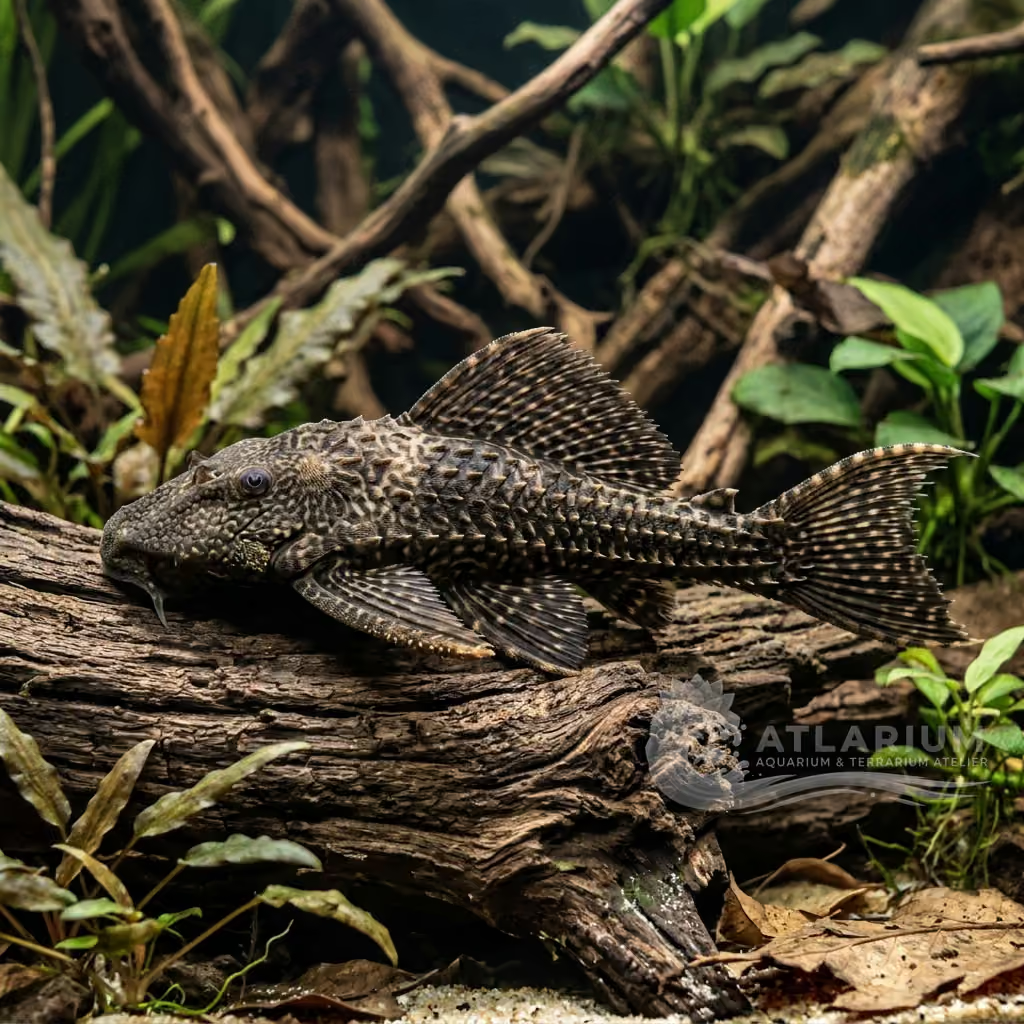
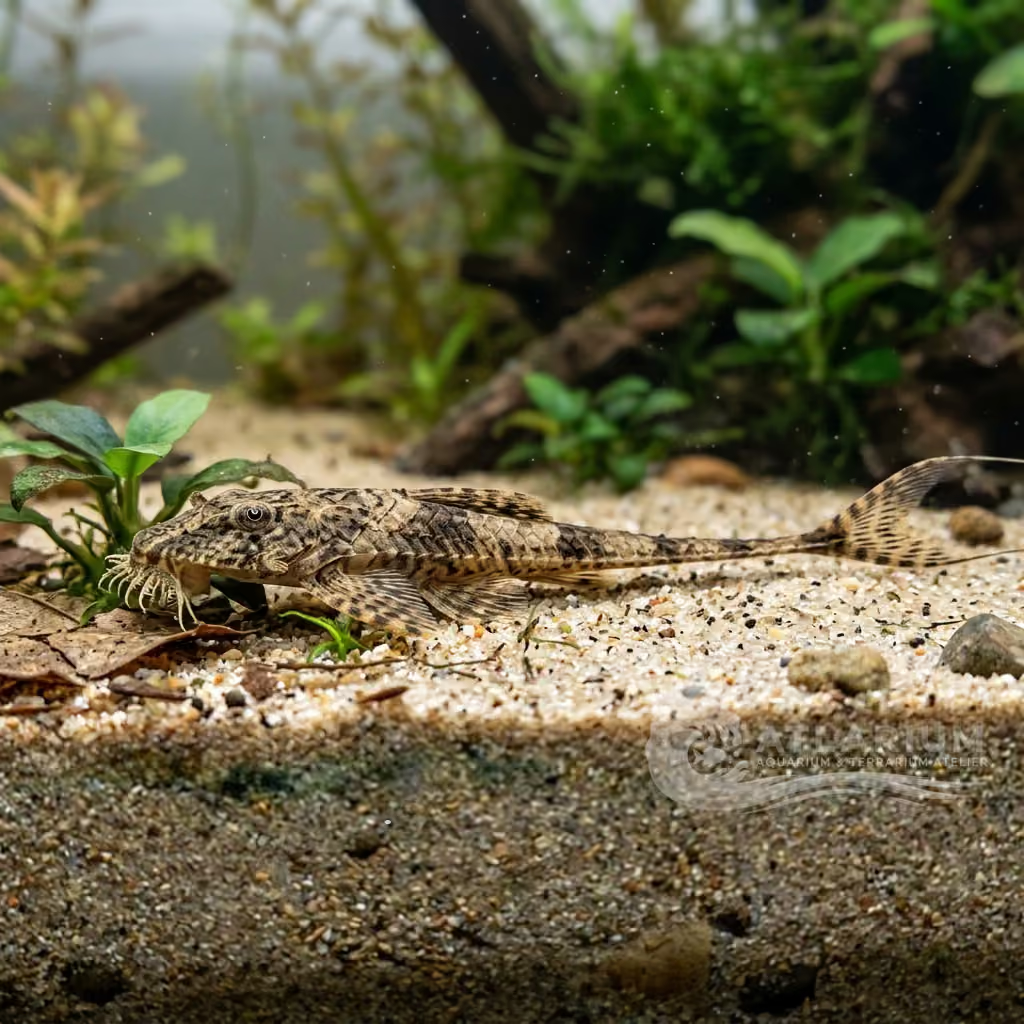
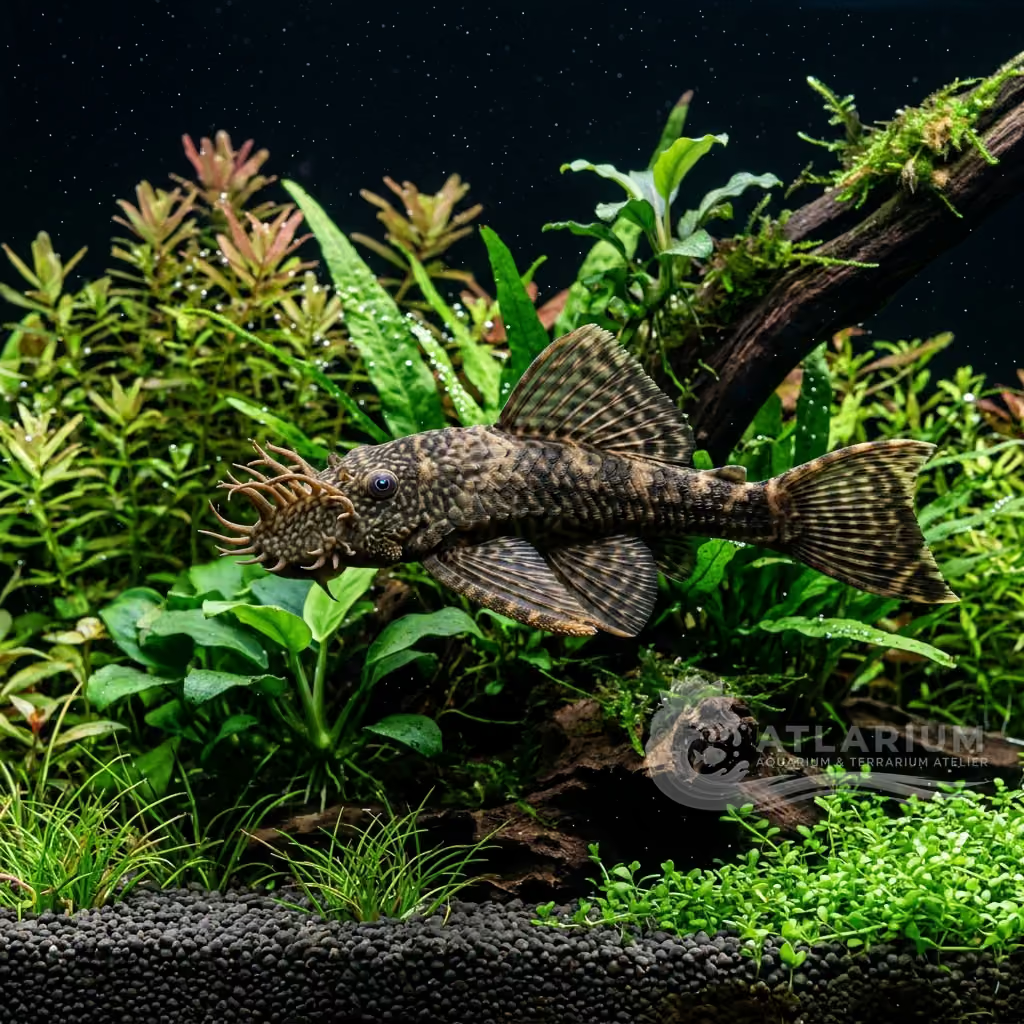
Similar to Ancistrus but with tentacles on the margins of the snout (and not on the top of the head). Excellent nocturnal worker in brightly lit aquariums rich in benthic phytoplankton.
Wassertemperatur
24 - 28 °C
pH-Wert
6 - 7.5
Wassertyp
Süßwasser
Tankfüllstand
Unten
Erwachsenengröße
15 cm
Mindesttankvolumen
>= 150 L
Mindestgruppe
>= 1
GH
1 - 12 dGH
KH
2 - 10 dKH
TDS
35 - 280 ppm
Leitfähigkeit
55 - 438 uS/cm

Artbeschreibung
Geographical Origin and Habitat: Rio Orinoco Basin (Colombia and Venezuela). Found in fast-flowing rivers (White and Clearwater) on beds of rounded stones, woody debris and tumultuous surface currents.
Taxonomy and Morphology: Tentacle Pleco / L-092 (Lasiancistrus tentaculatus). Extremely robust Loricariid. The peculiarity is the margins of the snout (in adults) bordered by spiny "tentacles" (branched brush-like odontodes) very different from the fleshy barbels of the Ancistrus genus.
Social Behavior: Mostly nocturnal and shy although it becomes bold in well-furnished tanks. Rather intolerant and gruff towards other bottom Loricariids for the defense of its crevice under the woods.
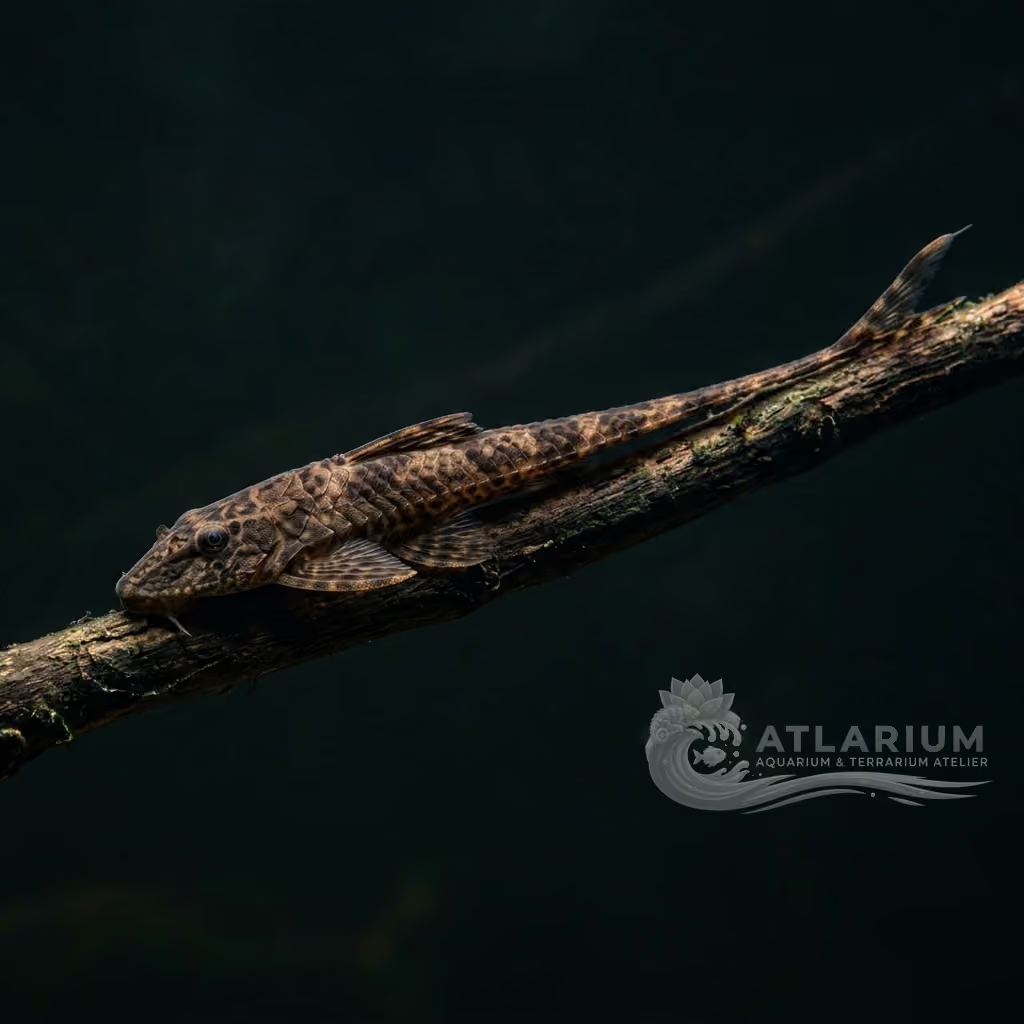
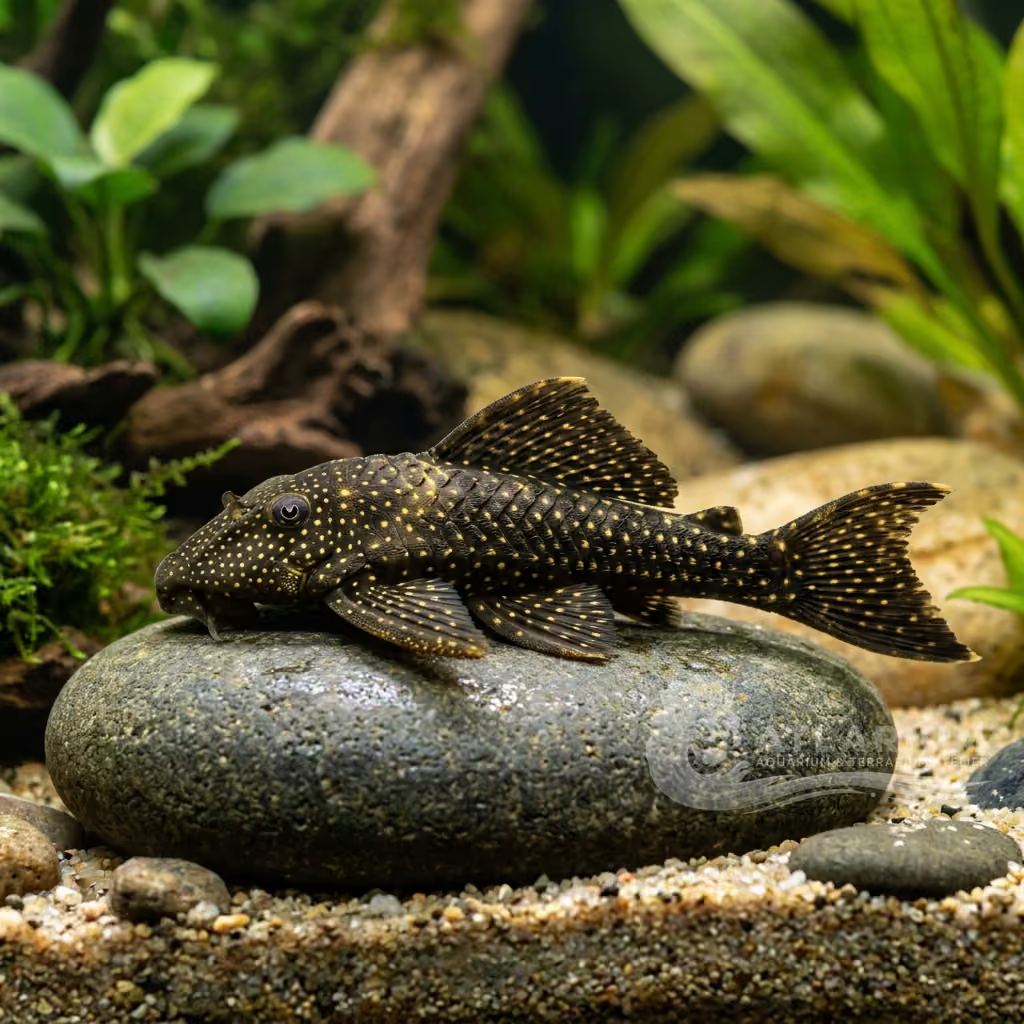
Coloration and Sexual Dimorphism: Complex dark olive/gray-green camouflage pattern with fine irregular light stippling, perfect for blending in on granite. Evident dimorphism in adulthood: the male has a very dense tentacular mask on the opercular margins and a wide snout.

Pflege, Zucht und Mitbewohner
Aquarium Setup: Wood is fundamental. 100+ cm (40+ inches) aquarium with very intricate bog roots, smooth rocks and medium/strong current. Create dark caves (hidden PVC pipes or coconut shells) to which it will guarantee absolute loyalty.
Diet and Feeding: Omnivorous scavenger. Fierce eater of the organic film on wood (which it literally munches for digestion). Supplement with sinking protein tablets, boiled vegetables (zucchini, peas) and frozen mysis.
Water Quality: Highly oxygenated (oversized filters) and clean water. Produces large quantities of excrement (effect of lignin consumption). Tolerates a pH up to 7.5, but prefers slightly acidic water.
Compatibility and Cohabitation: Calm with water column fish. Excellent with Corydoras, medium Tetras (e.g. Emperor or Bleeding Heart) and Dwarf Cichlids (Laetacara). Do not house two adult males in the same tank if space is lacking.
Aquarium Breeding: Crevice breeders. The male blocks the female in a blind tubular cave (cave spawning). The father will drive away the mother post-spawning, fiercely ventilating the large amber eggs until hatching (7-10 days).
Risks and Diseases: Net Danger. The tentacular odontodes of the males are formed by spiny scales that will inexorably get stuck in the mesh of standard nets, forcing accidental amputations. Use rigid cups/containers to move them.

Geografische Herkunft und Verbreitung
Rio Orinoco Basin (Colombia and Venezuela). Found in fast-flowing rivers (White and Clearwater) on beds of rounded stones, woody debris and tumultuous surface currents.
Ursprung
Amazonas, Orinoco und Guayana

Fischprofil
- Temperament
- Semi-aggressive
- This is a remarkably peaceful and shy fish that prefers to stay out of the way of other tank mates. They are only territorial with other plecos of similar size and shape when defending a chosen cave. Providing plenty of visual barriers and hiding spots ensures they remain stress-free.
- Diät
- Herbivore
- They are specialized xylivores and herbivores, requiring natural driftwood as an essential part of their diet. They graze constantly on biofilm, algae, and the wood itself to aid their digestion. Their diet should be supplemented daily with fresh vegetables like zucchini and high-quality spirulina wafers.
- Lebenserwartung
- 10 years
- Erwachsenengröße
- 15 cm
- Geschlechterverhältnis
- Flexible
- Mature males develop distinct tentacles on their snouts, making sexing relatively straightforward. Keeping a single male with one or more females is the most peaceful arrangement. Multiple males can be kept only if the aquarium is large enough to provide separate, well-spaced caves for each.
- Fütterungsfrequenz
- Twice daily
- Because they are continuous grazers, a constant supply of driftwood and biofilm must be available at all times. Supplemental foods like algae wafers should be offered every evening right before the aquarium lights are turned off. Removing uneaten vegetables after 24 hours is necessary to prevent water quality degradation.
- Bioload
- Medium to High
- This medium-sized pleco generates a significant bioload due to its heavily wood-based and vegetative diet. Constant grazing results in a continuous output of stringy waste that can quickly accumulate. Strong mechanical filtration and diligent gravel vacuuming are required to keep the substrate clean.
- Fluss
- Stagnant
- They originate from highly oxygenated, fast-flowing streams and rivers in South America. They require a moderate to strong water current to thrive and display their best health. A dedicated powerhead or a strong canister filter return will simulate their natural environment beautifully.
- Sprungrisiko
- No
- Reproduktion
- Oviparous
- They are typical cave spawners, requiring tight-fitting ceramic tubes or hollow driftwood to breed successfully. The male will entice a female into the cave, where she will lay a cluster of adhesive eggs. The male then evicts the female and meticulously guards and fans the eggs until they hatch.
- Kompatibilität & Tankkameraden
- Community
- They are highly peaceful toward other species and make excellent additions to a South American community tank. They will ignore mid-water swimming fish like tetras and peaceful cichlids. However, they may squabble with other bottom-dwellers over prime hiding caves or grazing territories.
- Tankfüllstand
- Bottom
- They are exclusively bottom-dwellers that spend their entire lives attached to rocks, glass, or driftwood. They strongly prefer to remain hidden during the day under broad leaves or inside dark crevices. They only become truly active and venture out into the open when the tank is completely dark.

Wissenschaftliche Modelle & Parameter
FishBase
Zugang zu den offiziellen wissenschaftlichen Daten der Art
FishBase v25.04Daten synchronisiert am: 15.06.2026
- Belastbarkeit
- Mittel (1,4 - 4,4 Jahre)
- Phylogenetische Einzigartigkeit (PD50)
- 0.5156
- Bayessche Längen-Gewichts-Beziehung
- a = 0.01549, b = 2.96
- AnfälligkeitGeringe Anfälligkeit (10 / 100)

Verwandte Arten
Empfehlungen gruppiert nach nahen Verwandten, Auswahl von Begleitern und ähnlicher Betreuung.