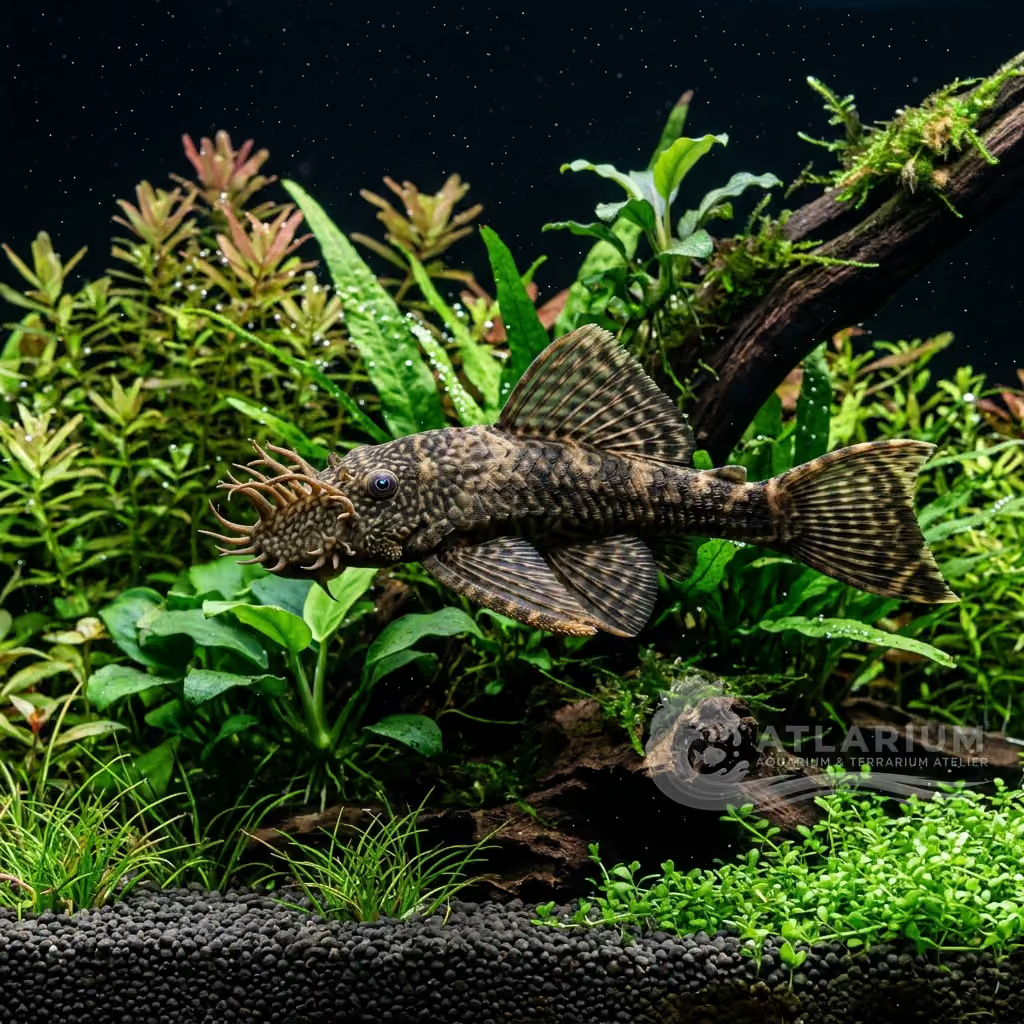
Orange-fin Xingu Pleco (L012/L013)
Ancistomus feldbergae
The L012/L013 Pleco is a robust, algae-grazing catfish native to the warm rapids of the Rio Xingu. It requires a specialized tank with high flow and smooth rocks for grazing.
Wassertemperatur
25 - 30 °C
pH-Wert
6 - 7.5
Wassertyp
Süßwasser
Tankfüllstand
Unten
Erwachsenengröße
16 cm
Mindesttankvolumen
>= 200 L
Mindestgruppe
>= 1
GH
2 - 15 dGH
KH
2 - 10 dKH
TDS
50 - 325 ppm
Leitfähigkeit
78 - 508 uS/cm

Artbeschreibung
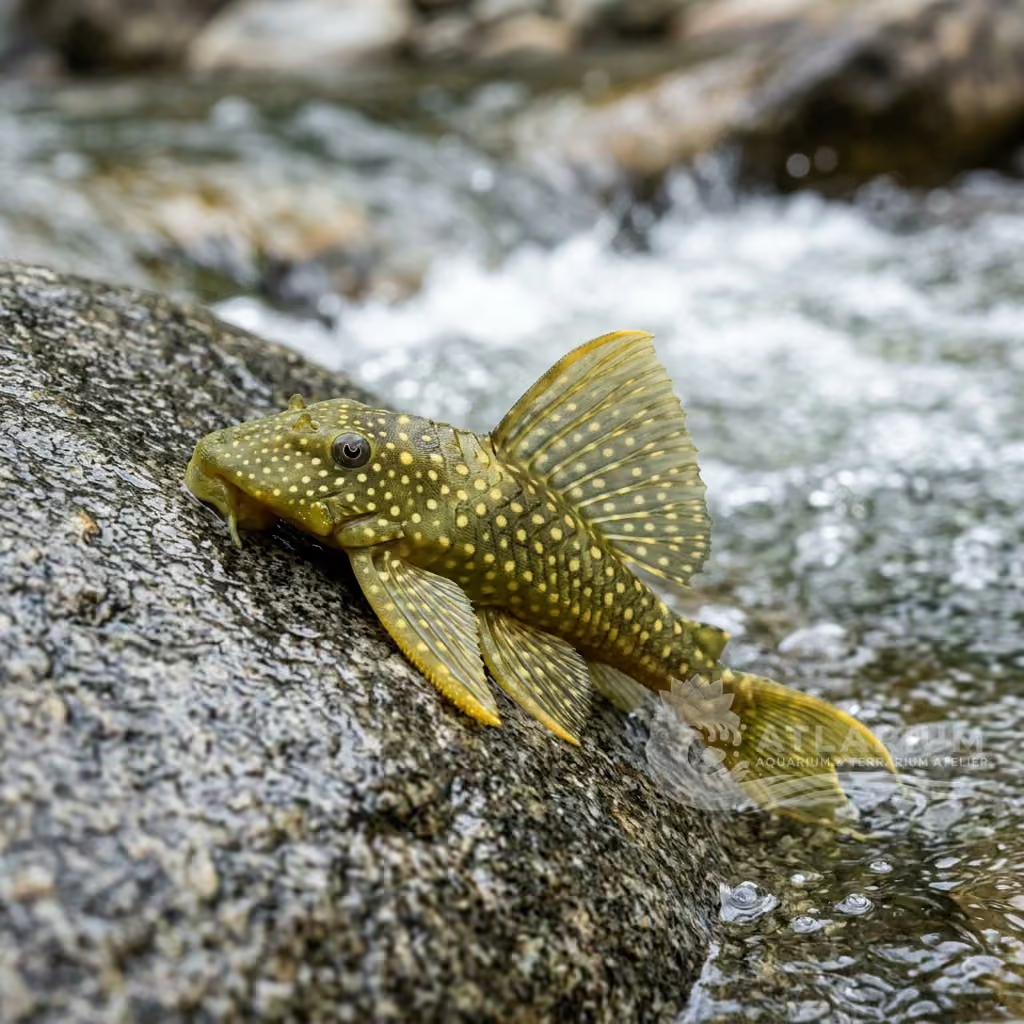
Geographical Origin and Habitat: Endemic to the Rio Xingu and its tributaries (Brazil). Inhabits shallow rapids characterized by rocky substrates covered in algae, where the water is incredibly warm and oxygenated.
Taxonomy and Morphology: L012 / L013 (Ancistomus feldbergae). Previously placed in the genus Peckoltia or Hemiancistrus. Has a robust shape, stockier than Ancistrus, and an oversized mouth (for its size) suitable for stubbornly scraping rocks.
Social Behavior: Extremely territorial for the possession of optimal caves or ravines. Males engage in furious fights pushing each other with their mouths. Towards mid-water swimming fish, however, it is completely indifferent.
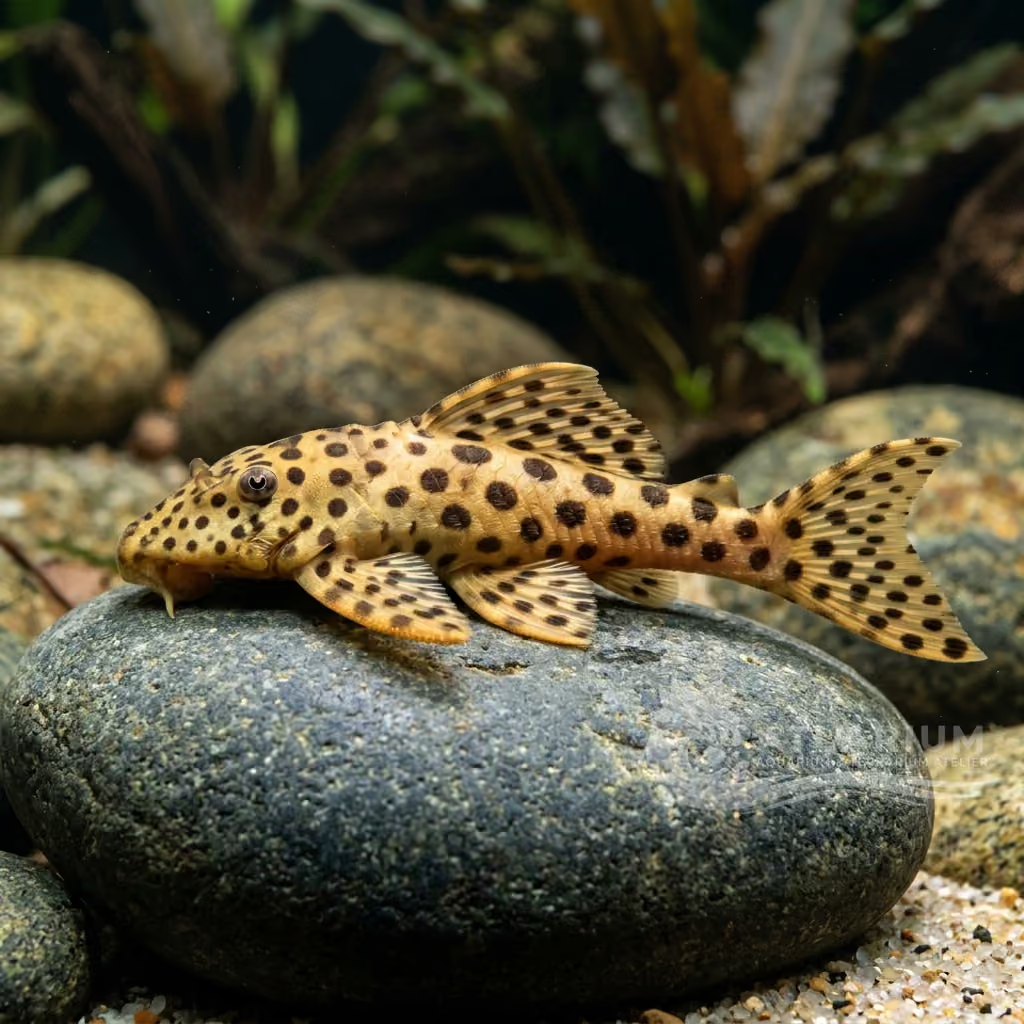
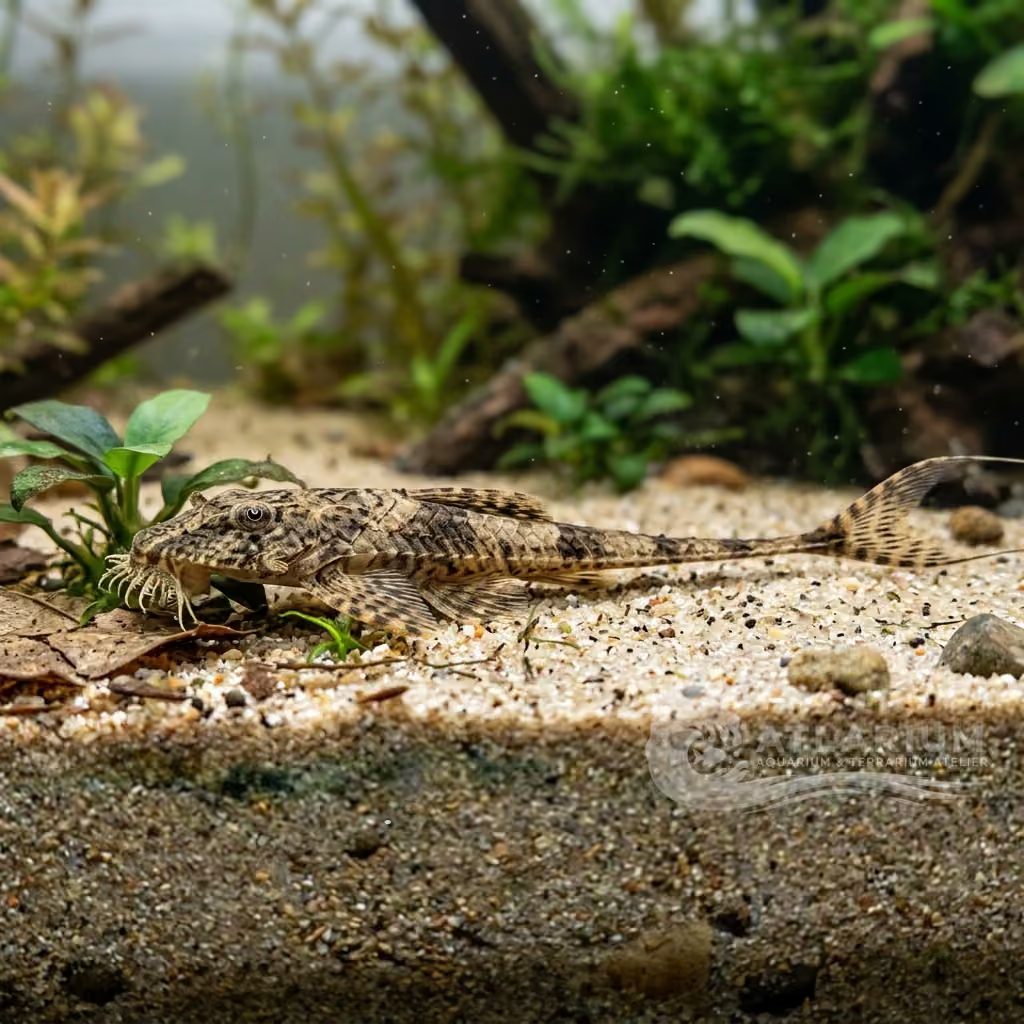
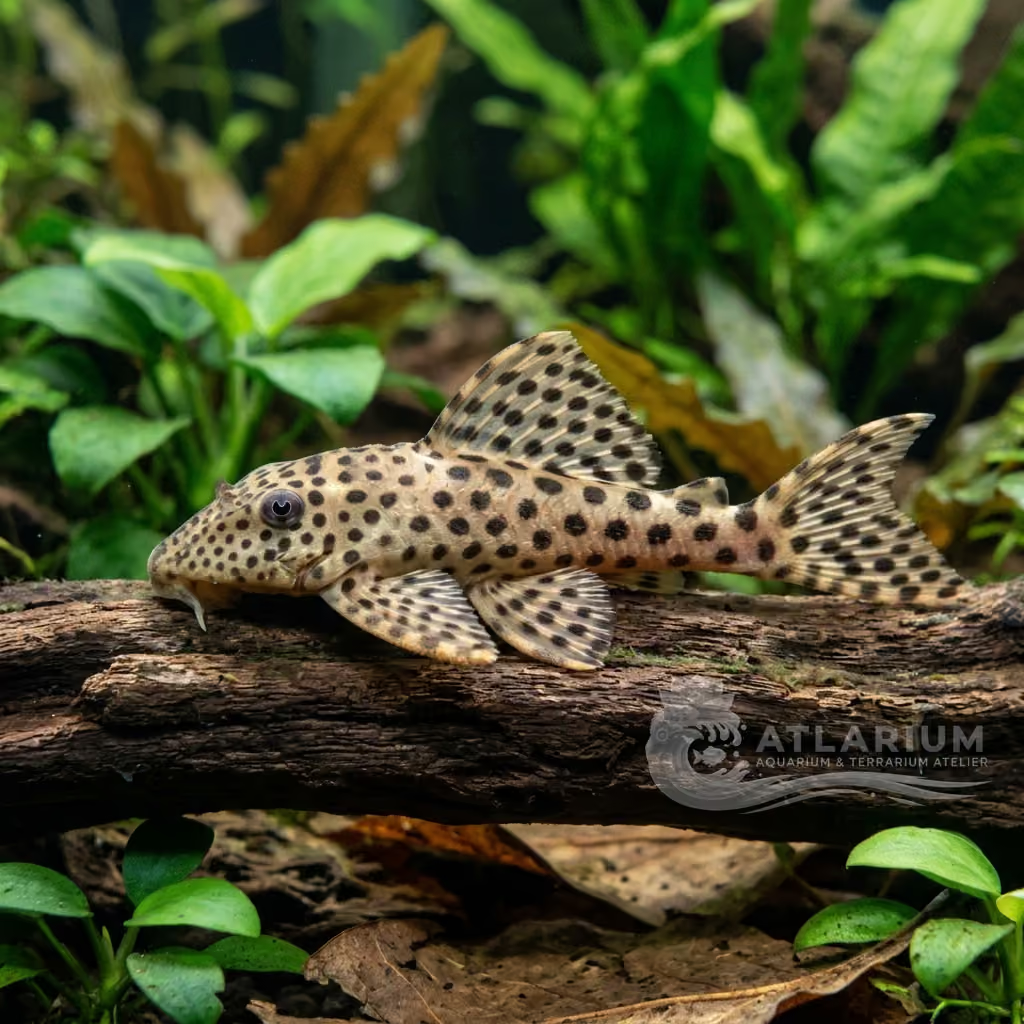
Coloration and Sexual Dimorphism: Mustard-yellow or bright orange base (in L013) covered with large black or dark brown spots that never merge. Adult males with significantly wider head and pronounced spiny interopercular odontodes.

Pflege, Zucht und Mitbewohner
Aquarium Setup: Requires aquariums with a "River Manifold" setup (very powerful unidirectional water flow). Essential the presence of smooth rocky heaps to simulate the Xingu rapids. Submerged woods welcome but not necessary.
Diet and Feeding: Omnivore (Aufwuchs). In nature it feeds on the algal biofilm and the small invertebrates trapped in it. In the tank it needs sinking tablets (spirulina and krill mixed), zucchini, and occasionally frozen brine shrimp or bloodworms.
Water Quality: Rheophilic species that tolerates (and needs) very high temperatures (26-30°C / 79-86°F). The dissolved oxygen level must be kept at a maximum through airstones or venturis. Intolerant to nitrate accumulations.
Compatibility and Cohabitation: Coexists well with fast Characins that love warm currents (Moenkhausia, Hemigrammus) or rheophilic cichlids (Retroculus, Steatocranus). Avoid pairing it with other benthic Loricariids in tanks under 120 cm (48 inches) to avoid lethal fights.
Aquarium Breeding: Cave spawners. The male attracts the female into a narrow tube (ceramic or PVC). After spawning, he chases her away and guards the cluster of large yellow eggs, fanning vigorously until the fry's yolk sac is absorbed.
Risks and Diseases: Hyper-sensitive to a drop in oxygen: in case of a circulation pump failure or too high temperatures without aeration, it will be the first fish to suffocate (often sticking to the glass near the water surface).

Geografische Herkunft und Verbreitung
Endemic to the Rio Xingu and its tributaries (Brazil). Inhabits shallow rapids characterized by rocky substrates covered in algae, where the water is incredibly warm and oxygenated.
Ursprung
Extra-Amazonas-Südamerika

Fischprofil
- Temperament
- Semi-aggressive
- This pleco has a generally peaceful temperament toward midwater and top-dwelling fish species. However, they exhibit territorial behavior and aggression toward conspecifics and other bottom-dwellers, especially over hiding spots and food. Providing multiple caves, driftwood, and rocks helps disperse territorial aggression by creating distinct boundaries. They are mostly nocturnal, becoming active and searching for food once the aquarium lights are turned off.
- Diät
- Omnivore
- They are omnivorous fish that require a varied diet leaning towards organic biofilm, algae, and detritus. In captivity, they should be fed high-quality sinking tablets, spirulina wafers, and regular portions of blanched vegetables like zucchini, cucumber, or spinach. They also benefit from occasional protein-rich foods, such as frozen bloodworms, brine shrimp, or high-quality insect-based pellets. Providing some natural driftwood is beneficial as they graze on the biofilm and organic matter that develops on it.
- Lebenserwartung
- 10-15 years
- Erwachsenengröße
- 16 cm
- Geschlechterverhältnis
- Harem
- For stocking and breeding, a ratio of one male to two or three females (a harem setup) is highly recommended. Males can be quite territorial and aggressive towards other males, especially when competing for spawning caves. In a smaller aquarium, keeping a single individual or a confirmed male-female pair is the safest approach. If keeping multiple males, provide a large tank with plenty of caves and visual barriers to break lines of sight.
- Fütterungsfrequenz
- Twice daily
- It is recommended to feed them once or twice daily, ideally shortly before or after the aquarium lights are turned off to suit their nocturnal nature. Providing food in the evening ensures that active daytime tank mates do not consume all the food before the plecos can find it. Small portions of fresh vegetables can be left in the tank overnight but should be removed the following morning to prevent water fouling. Adjust the feeding quantity so that all sinking food is consumed within a few hours.
- Bioload
- Medium to High
- The Orange-fin Xingu Pleco has a moderate to high biological load due to its constant grazing habits and relatively large adult size. A robust filtration system, preferably a canister filter or a strong hang-on-back filter, is necessary to keep up with the waste production. Regular water changes of 20-30% weekly are recommended to keep organic waste and nitrates low. Ensuring high oxygen levels and clean water is crucial for their long-term health.
- Fluss
- Stagnant
- Originating from the rapids of the Xingu River basin, this species prefers moderate to strong water flow. The aquarium setup should include powerheads, wavemakers, or high-output filters to generate water movement and simulate their natural habitat. High oxygenation is critical, so adding air stones or using spray bars to disturb the surface water is highly recommended. Still or stagnant water must be avoided, as it can cause respiratory stress and lower their immune health.
- Sprungrisiko
- No
- Reproduktion
- Oviparous
- They are cave spawners, and breeding them in the home aquarium is challenging but achievable. The male selects a tight-fitting cave, cleans it, and coaxes a ripe female inside to lay her eggs. After fertilization, the female is expelled, and the male takes sole responsibility for guarding and fanning the eggs until they hatch. Raising the water temperature slightly, increasing water flow, and performing large, cool water changes can help trigger spawning behavior.
- Kompatibilität & Tankkameraden
- Community
- The Orange-fin Xingu Pleco is compatible with a wide range of peaceful community fish, such as tetras, rasboras, and peaceful cichlids that occupy the middle and upper tank levels. Avoid keeping them with hyperactive bottom-dwellers or large, highly aggressive species that might outcompete them for food. They can coexist with other plecos of similar size, provided the tank is spacious and contains enough caves and driftwood to prevent territorial disputes. Peaceful shrimp and snails make excellent tank mates as they do not trigger territorial instincts.
- Tankfüllstand
- Bottom
- This species is primarily a bottom-dweller, spending most of its time on the substrate, rocks, and driftwood. They use their specialized suckermouth to cling to surfaces in areas of high water flow. While they occasionally climb the aquarium glass or rest on higher hardscape elements, they rarely swim in the middle or upper water columns. Providing a soft sandy substrate and flat stones at the bottom will mimic their natural riverbed environment.

Wissenschaftliche Modelle & Parameter
FishBase
Zugang zu den offiziellen wissenschaftlichen Daten der Art
FishBase v25.04Daten synchronisiert am: 15.06.2026
- Belastbarkeit
- Mittel (1,4 - 4,4 Jahre)
- Phylogenetische Einzigartigkeit (PD50)
- 0.5312
- Bayessche Längen-Gewichts-Beziehung
- a = 0.01445, b = 2.97
- AnfälligkeitGeringe Anfälligkeit (11 / 100)

Verwandte Arten
Empfehlungen gruppiert nach nahen Verwandten, Auswahl von Begleitern und ähnlicher Betreuung.