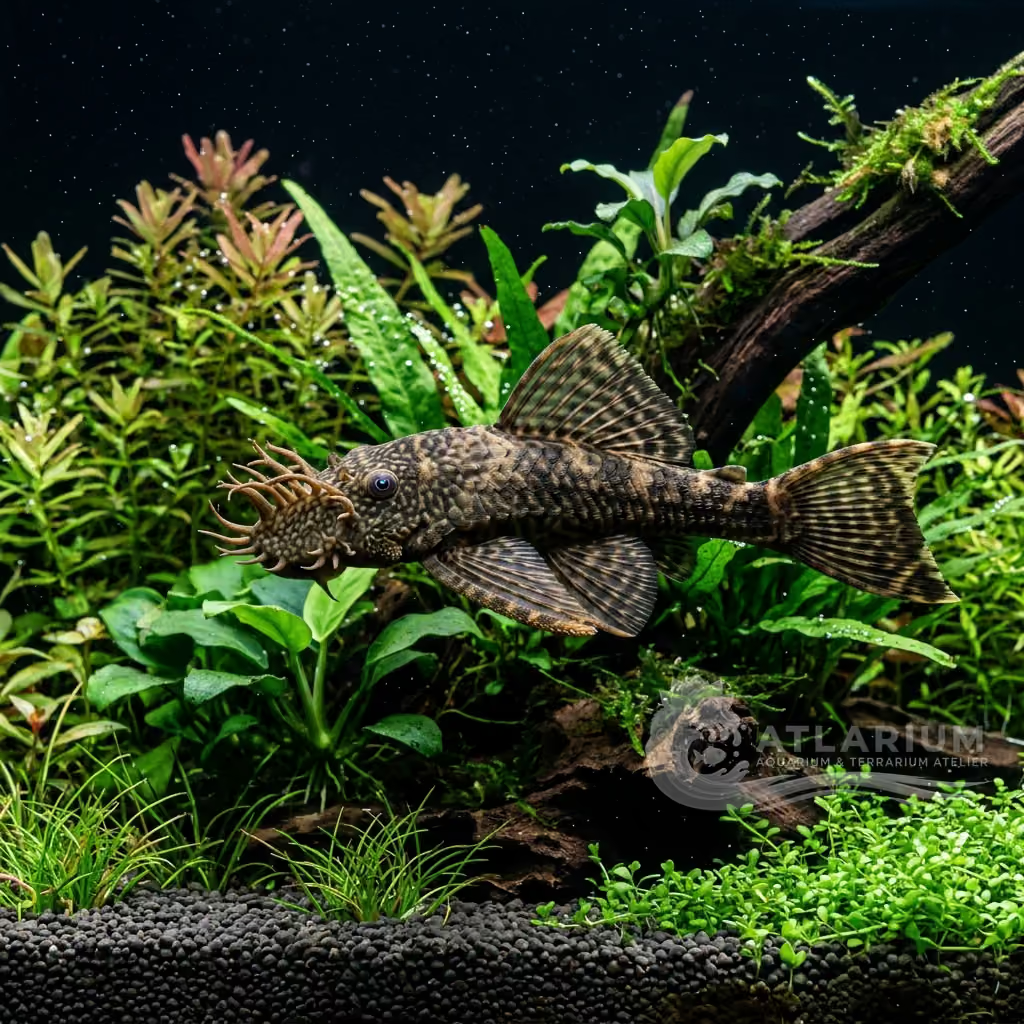
Ghost Pleco (L141/L215)
Ancistomus snethlageae
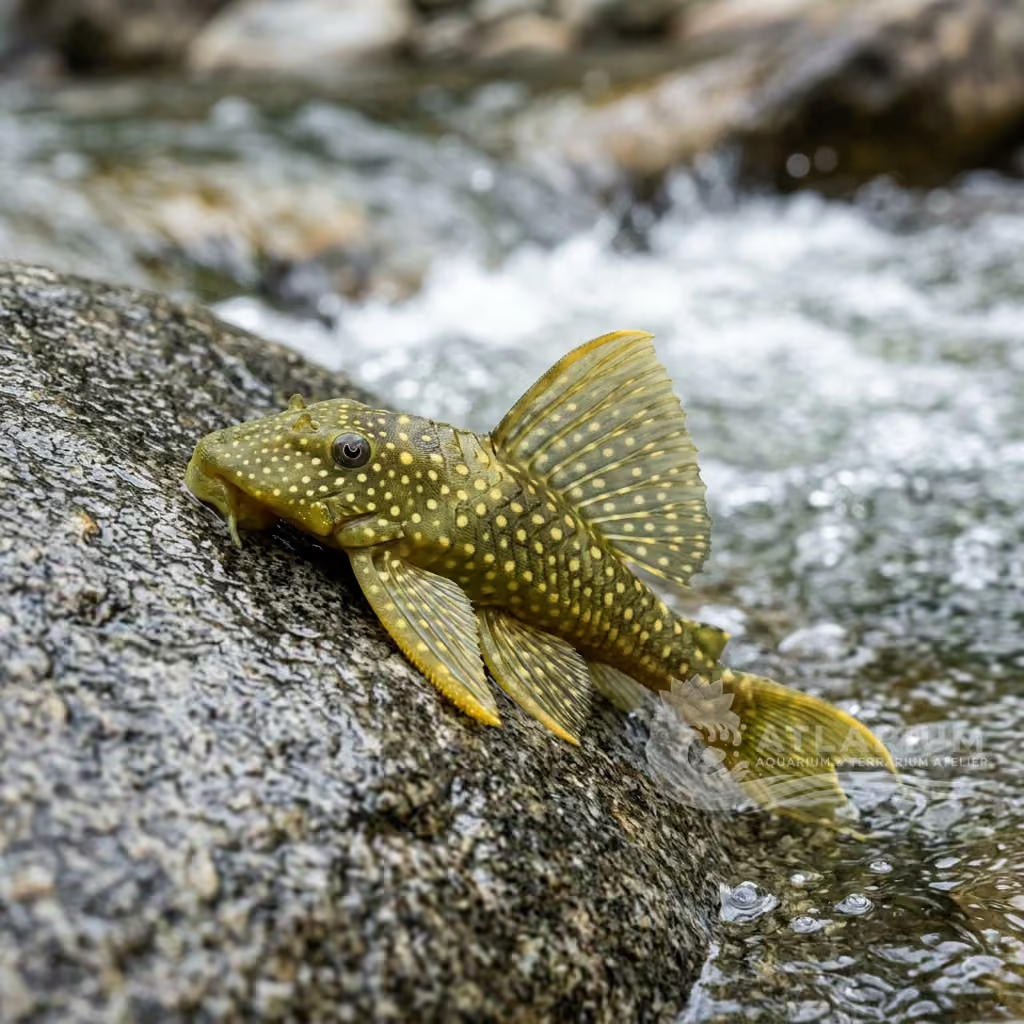
The 'Ghost Pleco', characterized by a ghostly, pearl gray/bluish coloration, which makes it almost camouflaged on the light sandy bottoms typical of some loops of the Tapajos.
Wassertemperatur
25 - 30 °C
pH-Wert
6 - 7.5
Wassertyp
Süßwasser
Tankfüllstand
Unten
Erwachsenengröße
16 cm
Mindesttankvolumen
>= 200 L
Mindestgruppe
>= 1
GH
2 - 15 dGH
KH
2 - 10 dKH
TDS
50 - 325 ppm
Leitfähigkeit
78 - 508 uS/cm

Artbeschreibung
Geographical Origin and Habitat: Originating from the Rio Tapajós basin (Brazil). Swims strenuously along smooth rocky bottoms in waters with torrential currents and crystalline transparency (Clearwater rivers).
Taxonomy and Morphology: Ghost Pleco (L141 / L215 / Ancistomus snethlageae). "Snethlageae" in honor of researcher Emilie Snethlage. Compact shape, wide head to cope with hydrodynamic flows. Thick lips and spatula-shaped teeth form a formidable suction disk.
Social Behavior: Generally peaceful, becomes overbearing if forced into cramped tanks. Tends to grab a privileged hiding place (usually the crevice under the stone where the water hits hardest) defending it.
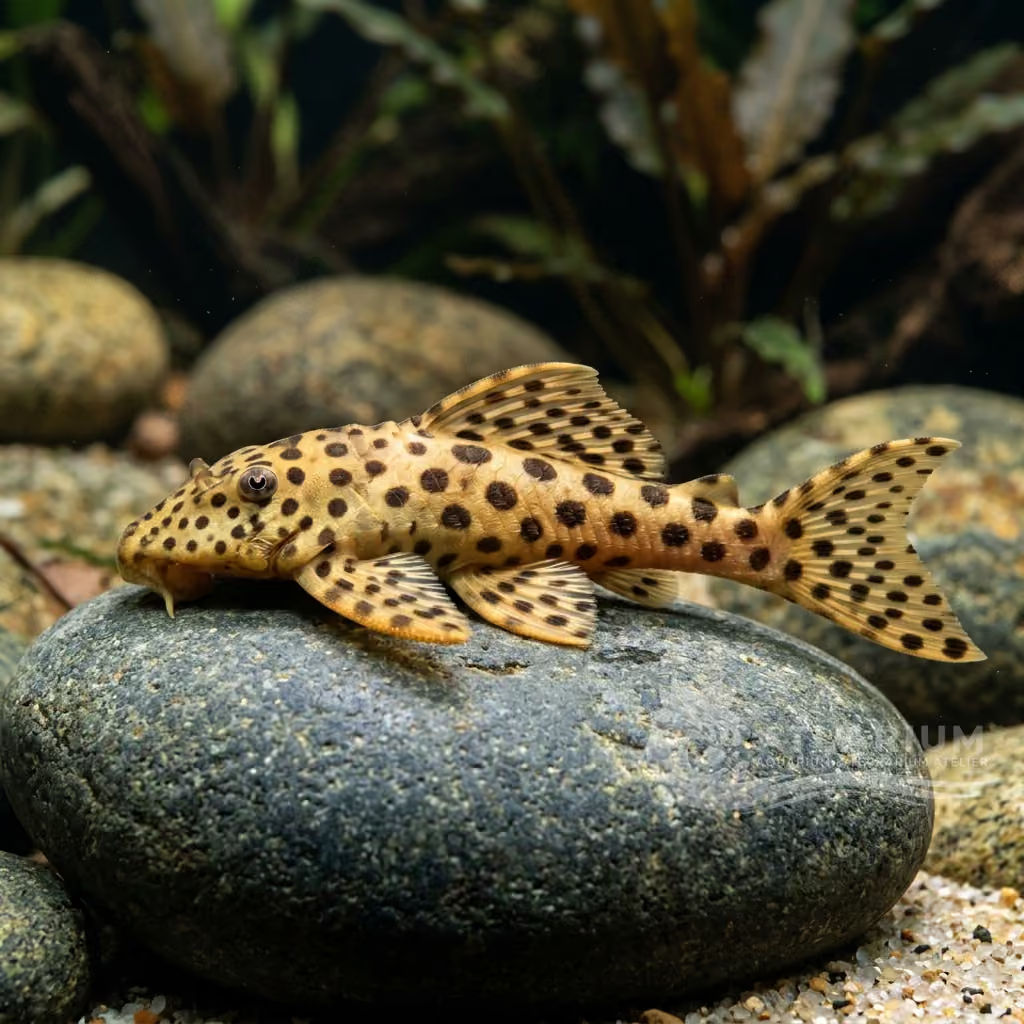
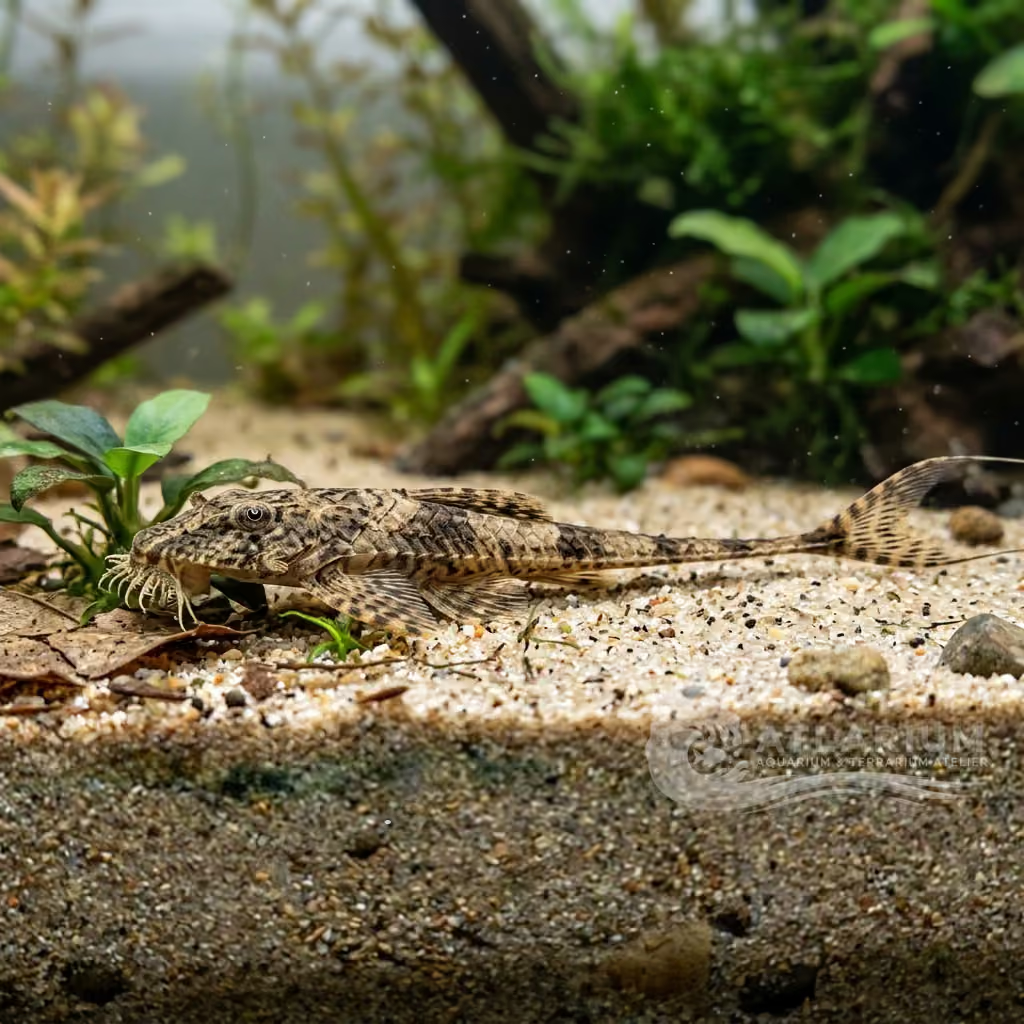
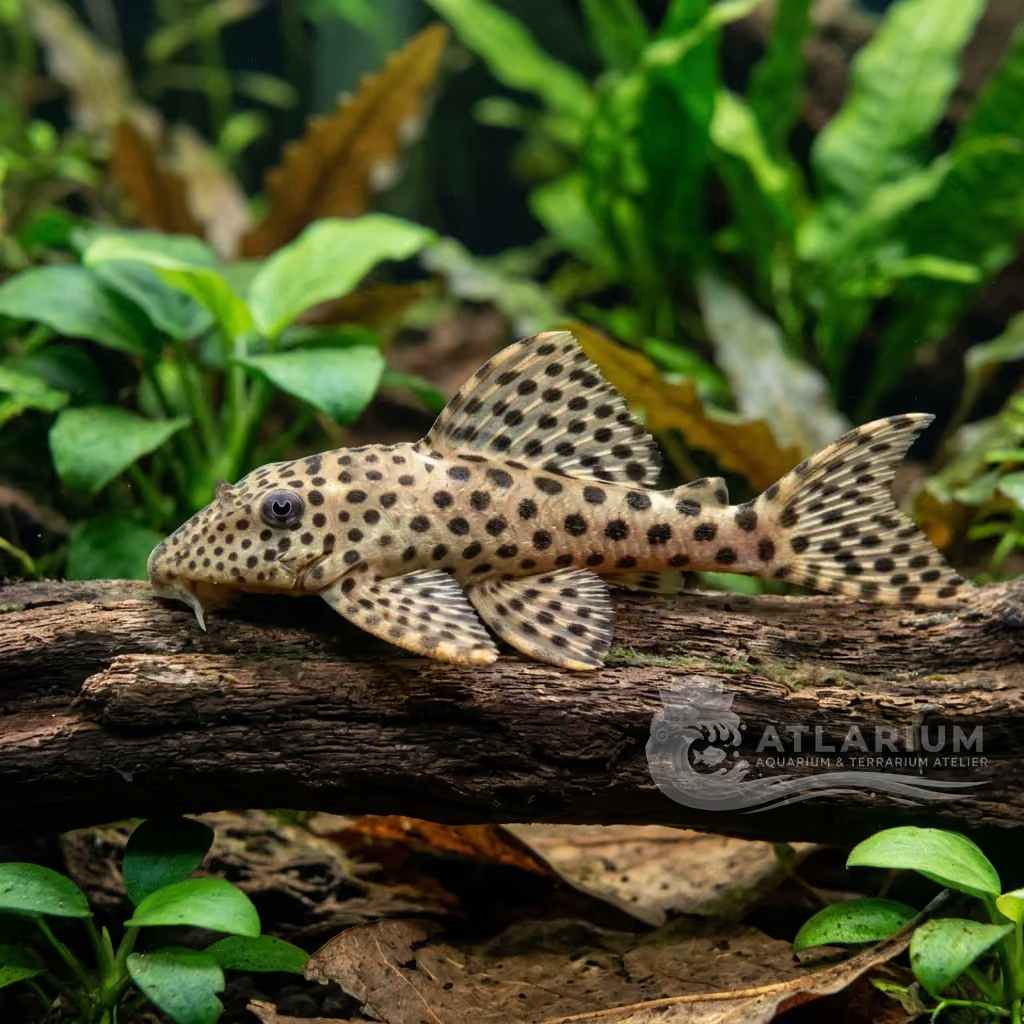
Coloration and Sexual Dimorphism: Nicknamed "Ghost" or atypical "Snowball": brown / gray body covered with very delicate light blue or off-white spots. The color fades (ghost) rapidly if the animal is stressed. Male with massive cover of branchial odontodes.

Pflege, Zucht und Mitbewohner
Aquarium Setup: Built for extreme flowing rivers. 100-120 cm (40-48 inches) tank equipped with a "River Manifold" and supplementary circulation pumps. Large glued stones (to avoid disastrous landslides), zero rooted plants and heavy woody roots.
Diet and Feeding: Omnivore with a preference for Aufwuchs. A careful alternation between plant-based tablets (Spirulina, Kelp) and protein bottom elements (brine shrimp, bloodworms) represents the perfect diet. Likes soft woods to scrape.
Water Quality: A deficient level of dissolved oxygen will quickly lead to suffocation. The ideal temperature is high tropical (26-29°C / 79-84°F), while the pH should be neutral or slightly acidic. Requires impeccable mechanical cleaning.
Compatibility and Cohabitation: Unsuitable for quiet planted tanks. Perfect with rheophilic Tetras, rheophilic Cichlids (Teleocichla) or fish occupying the upper layers. Competes bitterly with other Ancistrini if visual barriers on the bottom are lacking.
Aquarium Breeding: Very complex, to be stimulated by simulating a sudden drop in water temperatures. The male brutally guards the tubular den forcing the (stockier) female to deposit large eggs there. Slow larval growth.
Risks and Diseases: Prolonged "Fading" of the livery is the key symptom of malaise. Extreme susceptibility to bacterial infections if the bottom accumulates fecal residues due to inadequate filtration.

Geografische Herkunft und Verbreitung
Originating from the Rio Tapajós basin (Brazil). Swims strenuously along smooth rocky bottoms in waters with torrential currents and crystalline transparency (Clearwater rivers).
Ursprung
Tropische Ozeane und RiffeExtra-Amazonas-SüdamerikaEuropa, Mittelmeerraum und Westasien

Fischprofil
- Temperament
- Semi-aggressive
- The Ghost Pleco is generally a peaceful species when housed with mid-water and upper-water community fish. However, they are highly territorial when it comes to their own kind and other bottom-dwellers of similar shape or size. Males will actively defend their preferred caves and feeding spots, which can lead to chasing and minor skirmishes. To minimize territorial behavior, it is crucial to arrange the aquarium layout with visual barriers such as rocks and driftwood. Under these conditions, they will remain calm, mostly emerging during the evening and night hours.
- Diät
- Omnivore
- This species is an omnivore with a distinct preference for vegetable matter, though it also requires regular inputs of protein. In captivity, their diet should consist of high-quality sinking algae wafers and pellets, supplemented with fresh blanched vegetables like zucchini, cucumber, and spinach. Occasional treats of protein-rich foods, such as frozen bloodworms, brine shrimp, or mysis shrimp, are beneficial but should not form the bulk of their diet. Providing driftwood in the aquarium is also recommended, as they may graze on the organic biofilm growing on it.
- Lebenserwartung
- 8-12 years
- Erwachsenengröße
- 16 cm
- Geschlechterverhältnis
- Solitary
- The Ghost Pleco is a territorial species, particularly toward conspecifics, meaning keeping a single specimen is often the safest choice for standard aquariums. If you plan to house multiple individuals, they are best kept in a group where the ratio is not strictly defined, provided the tank is large enough. In larger setups, a group can coexist if there are enough caves and driftwood to allow each fish to establish its own boundary. Introducing a male and a female as a pair is also possible, though monitoring for aggression is always recommended.
- Fütterungsfrequenz
- Twice daily
- The Ghost Pleco should be fed once a day, preferably in the evening or shortly after the aquarium lights are turned off to align with their nocturnal feeding patterns. Providing food at this time ensures they can forage undisturbed and prevents faster, diurnal tank mates from outcompeting them for food. Small portions of fresh vegetables can be left in the tank for up to 24 hours, but any uneaten remains should be removed to avoid fouling the water. Maintaining a consistent feeding schedule helps regulate their digestive system and keeps waste production predictable.
- Bioload
- Medium to High
- Due to its relatively large size of up to 22 cm and constant grazing habits, the Ghost Pleco produces a substantial amount of biological waste. A robust filtration system is essential, preferably one rated for a tank size larger than the actual volume, to manage the accumulation of solid waste. Regular maintenance, including substrate vacuuming and partial water changes, is crucial to prevent the build-up of nitrates and other harmful compounds. Providing strong water turnover helps keep waste suspended and easily captured by mechanical filters.
- Fluss
- Stagnant
- Originating from the fast-flowing waters of the Rio Tapajós, this species has a strong preference for moderate to strong water flow. Excellent water movement and high levels of dissolved oxygen are critical to replicate their natural environment and keep them healthy. The use of powerheads, wavemakers, or robust canister filters is highly recommended to maintain this flow. High oxygenation is particularly important during warmer summer months, as these fish do not tolerate stagnant or oxygen-depleted water.
- Sprungrisiko
- No
- Reproduktion
- Oviparous
- Reproduction of the Ghost Pleco in captivity is extremely rare and remains largely undocumented in the home aquarium hobby. They are cave spawners, where the male typically coaxes a female into a cave to deposit her eggs and then guards them until they hatch. Mature males can be identified by their wider heads and more prominent odontodes on their cheeks and pectoral fins. Attempting to breed them requires mimicking seasonal changes, raising the water temperature, and providing highly oxygenated, pristine water alongside numerous caves.
- Kompatibilität & Tankkameraden
- Community
- The Ghost Pleco is highly compatible with a wide range of peaceful community fish that occupy the middle and upper regions of the tank, such as tetras, rasboras, and hatchetfish. They should not be kept with large, aggressive cichlids or other highly territorial bottom-dwellers that might compete for caves and food. If housed with other plecos, the tank must be large enough to allow separate territories to prevent stress and injury. Peaceful tank mates that do not block their access to food or hiding places are the best choices.
- Tankfüllstand
- Bottom
- As a typical loricariid catfish, the Ghost Pleco is strictly a bottom-dwelling species that spends the vast majority of its time on the substrate or attached to surfaces. It prefers to navigate among rocks, root structures, and specialized breeding caves situated on the tank floor. While it may occasionally climb vertical glass panes or taller pieces of driftwood to forage, its primary activity remains at the lower level of the aquarium. Therefore, ensuring adequate floor space and clear paths along the substrate is vital for their well-being.

Wissenschaftliche Modelle & Parameter
FishBase
Zugang zu den offiziellen wissenschaftlichen Daten der Art
FishBase v25.04Daten synchronisiert am: 15.06.2026
- Belastbarkeit
- Mittel (1,4 - 4,4 Jahre)
- Phylogenetische Einzigartigkeit (PD50)
- 0.5312
- Bayessche Längen-Gewichts-Beziehung
- a = 0.01549, b = 2.96
- AnfälligkeitGeringe Anfälligkeit (12 / 100)

Verwandte Arten
Empfehlungen gruppiert nach nahen Verwandten, Auswahl von Begleitern und ähnlicher Betreuung.