Medusa Pleco (L034)
Ancistrus ranunculus
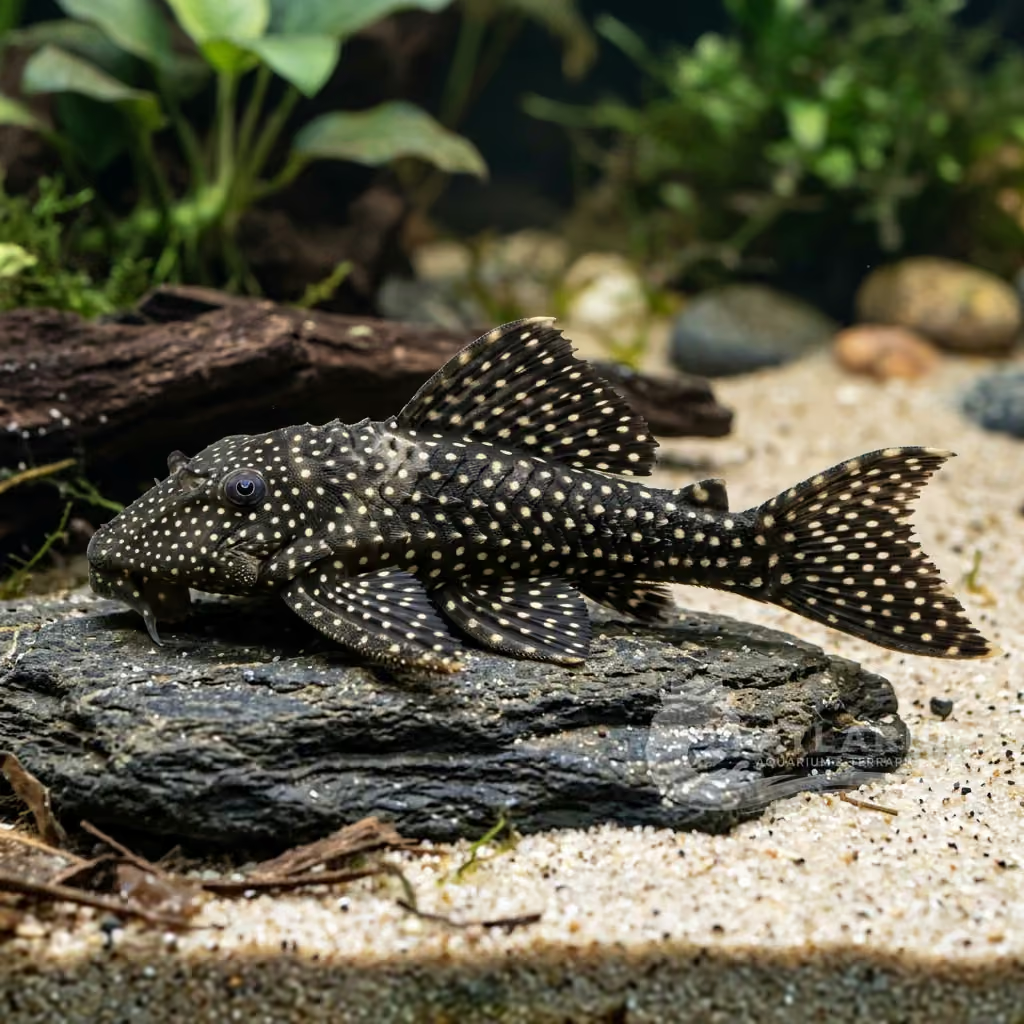
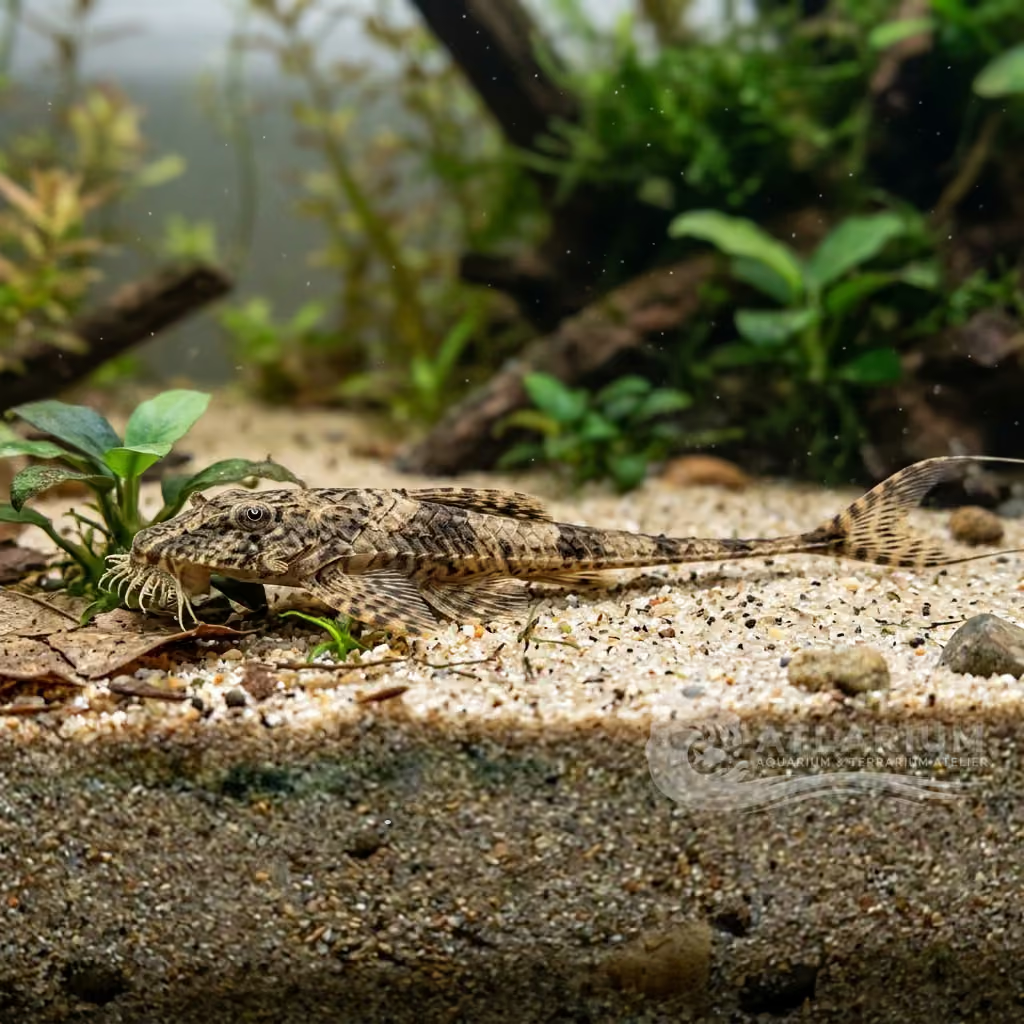
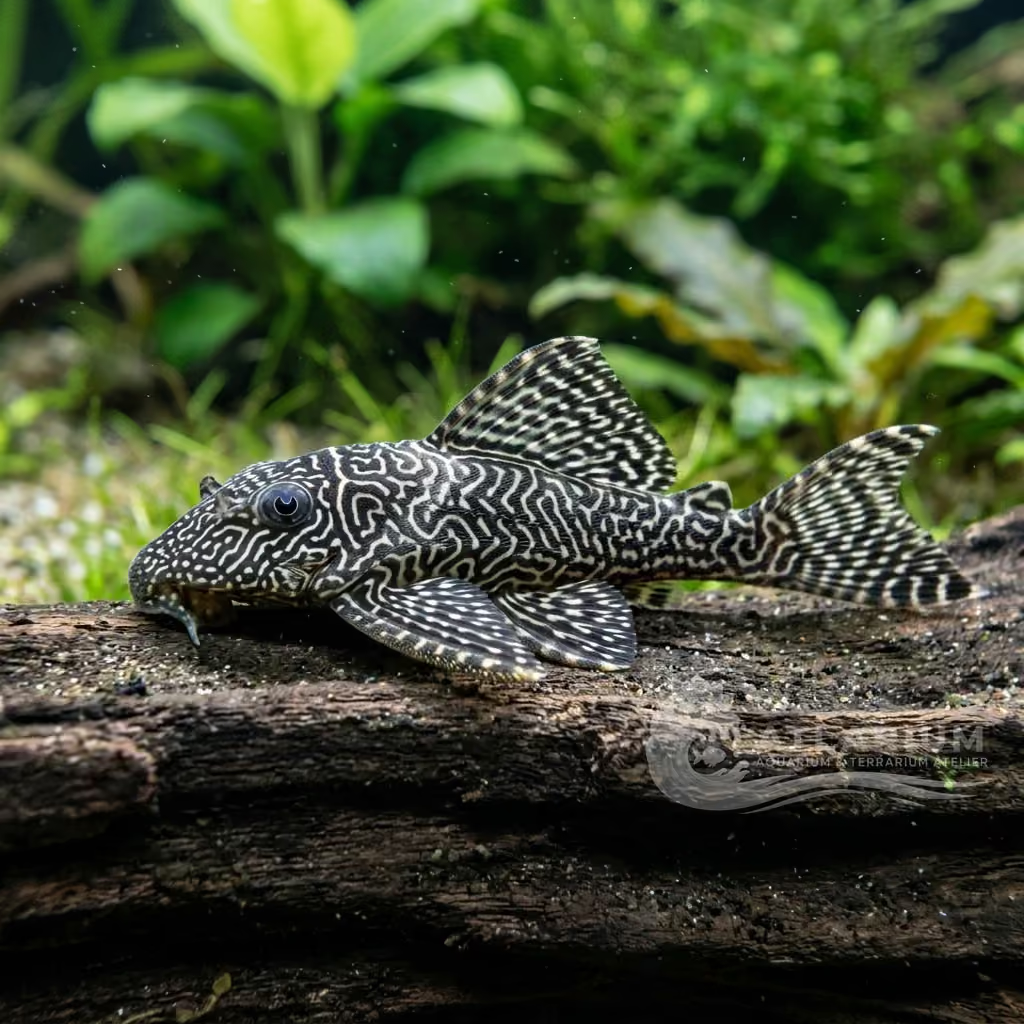
The most atypical Ancistrus of all: completely matte black, enormous and flattened head, covered (in males) by a monstrous tuft of long tentacles. Creepy and beautiful.
Wassertemperatur
25 - 29 °C
pH-Wert
6 - 7.2
Wassertyp
Süßwasser
Tankfüllstand
Unten
Erwachsenengröße
15 cm
Mindesttankvolumen
>= 200 L
Mindestgruppe
>= 1
GH
2 - 12 dGH
KH
2 - 10 dKH
TDS
50 - 280 ppm
Leitfähigkeit
78 - 438 uS/cm

Artbeschreibung
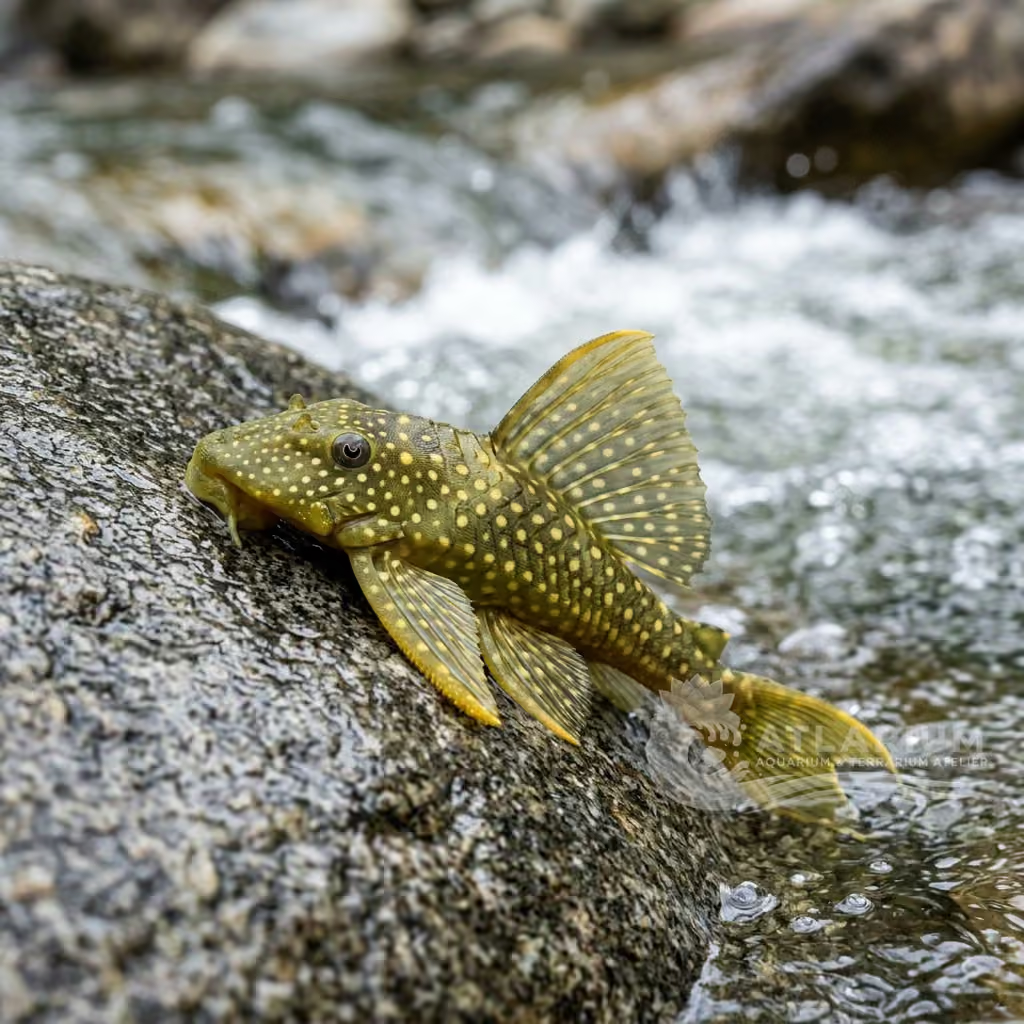
Geographical Origin and Habitat: Tocantins and Xingu river basin and related tributaries in Brazil. Typically found wedged under large formations of flat rocks in the strong flow of the "rapids" or along the stony coasts of these enormous clearwater basins.
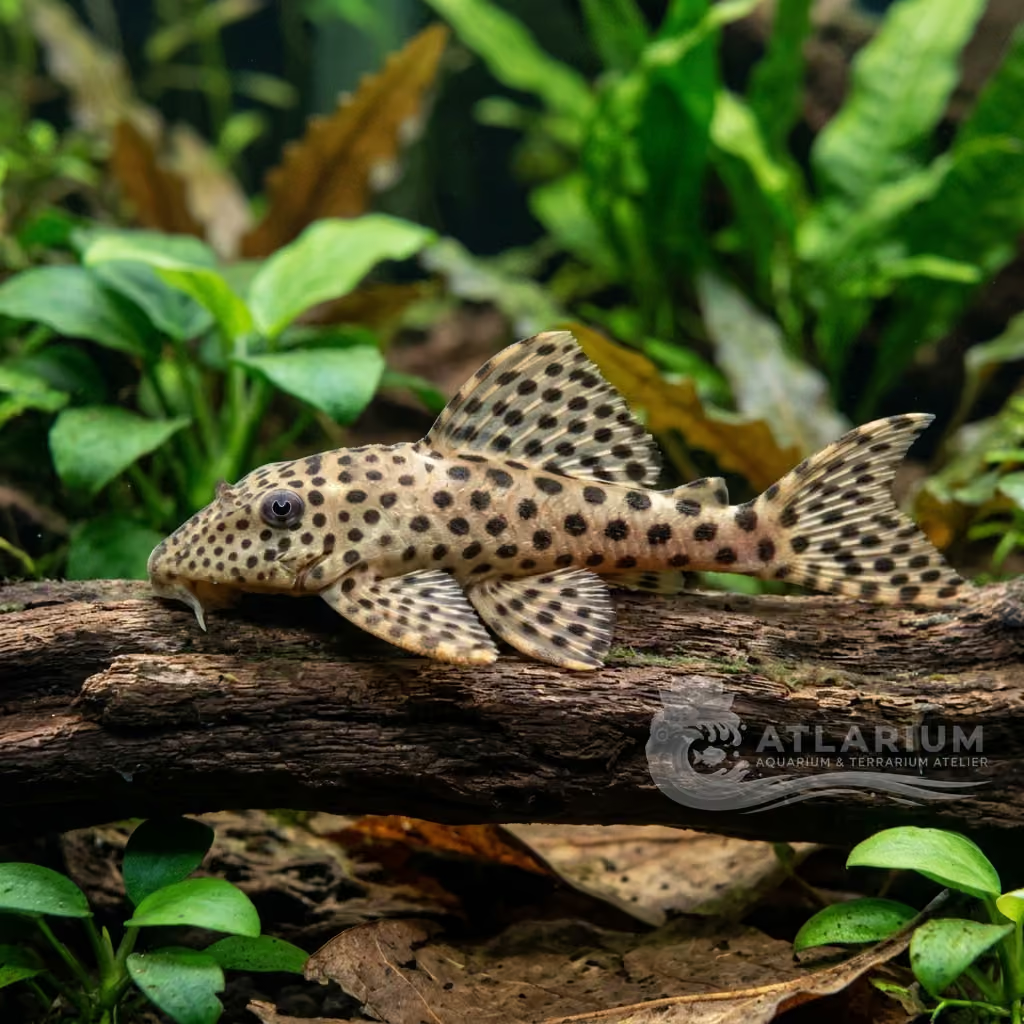
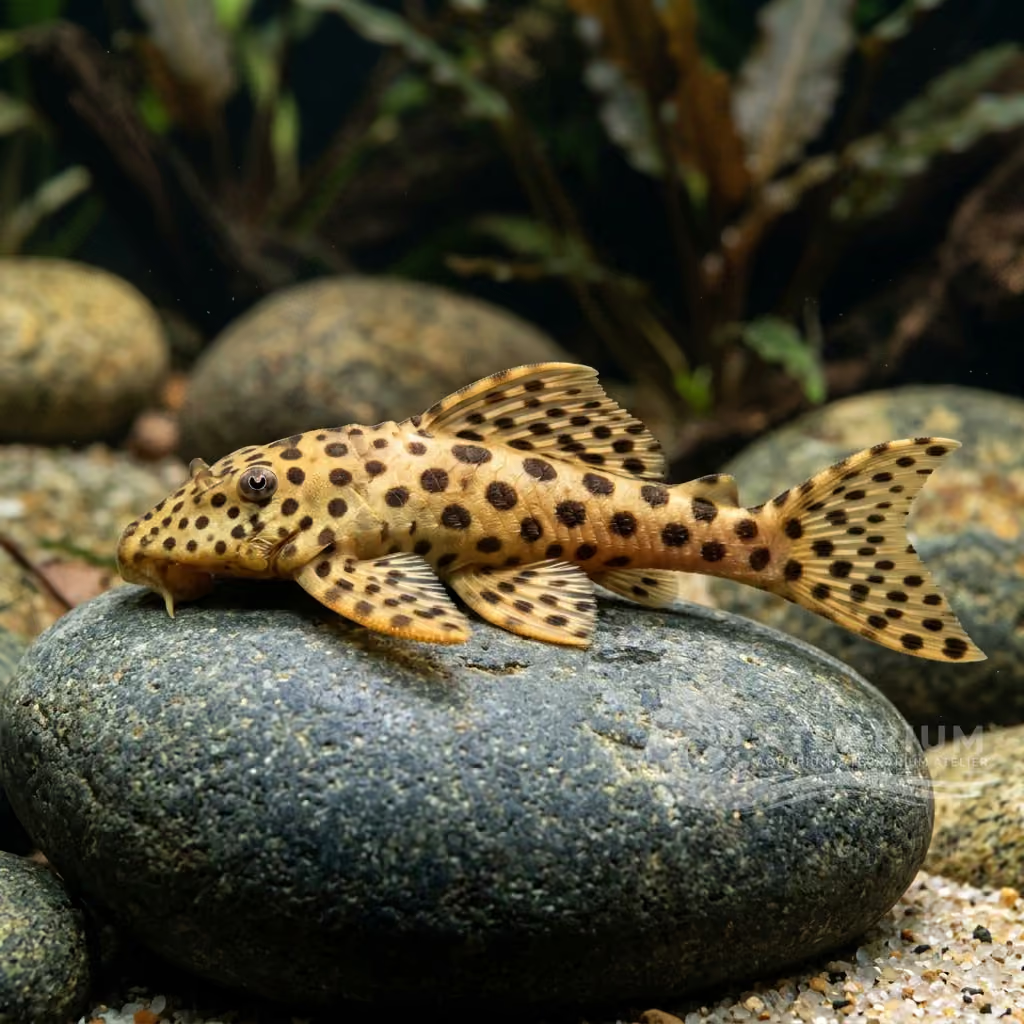
Taxonomy and Morphology: Medusa Pleco (L034 / Ancistrus ranunculus). Exceptionally wide shape, flattened like a "sole" to resist the most extreme turbulence. The nickname "Medusa" derives from the monstrous tangle of tentacles arranged radially on the head, similar to the mythological being.
Social Behavior: Peculiarly gregarious in youth, it becomes intolerant of members of the same species when it reaches maturity. Of an "engineering" nature: it will spend whole nights moving sand and gravel from under the stones to create impenetrable caves.
Coloration and Sexual Dimorphism: Solid opaque black or anthracite background, without any spotting or striping. Adult males are stunning: the tentacles (bristles) develop immensely creating a huge tangle on the snout and up to the eyes, much denser than normal Ancistrus.

Pflege, Zucht und Mitbewohner
Aquarium Setup: Minimum 120 cm (48 inches) tank with a rocky "River" layout. Stack slate slabs guaranteeing stable crevice hiding places (horizontal caves). Powerhead pump is mandatory to recreate the fast currents of the Xingu river. Useless plants (uproots them smoothly).
Diet and Feeding: Predominantly Omnivorous-Carnivorous, unlike the average Ancistrus. Often rejects pure plant diets. It should be fed with frozen bloodworms, mysis, crumbled shrimp and protein flakes that fall near its den at night.
Water Quality: Heat and oxygen are the golden parameters: high temperatures (26-29°C / 79-84°F) with massive surface aeration to prevent asphyxia in warm waters. Keep nitrates close to zero to avoid infections to the fragile tentacles.
Compatibility and Cohabitation: Ideal companion for Geophagus, large Tetras (Columbian tetra, Bleeding Heart) and large Corydoras, as they occupy different niches. Keep only one male per tank (unless aquariums of over 2 meters / 6.5 feet) to prevent lethal positional wars.
Aquarium Breeding: Complex. Requires caves with an entrance just sufficient for it to pass through, inserted perpendicularly to the current. The brooding lasts almost two weeks: the father fans vigorously without ever coming out. Cannibalism on the eggs is common in case of stress.
Risks and Diseases: In case of territorial fights between males, or prolonged water stress, the very black epidermis will irregularly become pale-spotted before resulting in a severe external mycosis. Fatal entrapment in nets.

Geografische Herkunft und Verbreitung
Tocantins and Xingu river basin and related tributaries in Brazil. Typically found wedged under large formations of flat rocks in the strong flow of the "rapids" or along the stony coasts of these enormous clearwater basins.
Ursprung
Amazonas, Orinoco und GuayanaNordamerika

Fischprofil
- Temperament
- Semi-aggressive
- The Medusa Pleco is generally peaceful and non-aggressive toward midwater and surface-dwelling species, making it an excellent candidate for community aquariums. However, they exhibit strong territorial behavior toward other bottom dwellers, particularly conspecifics and other loricariids of similar size and shape. Intraspecific aggression is especially pronounced among males competing for breeding caves or feeding areas. To minimize conflict, keepers should provide ample hiding spots, caves, and visual blockages to allow each individual to establish its own territory.
- Diät
- Carnivore
- Unlike the majority of Ancistrus species which are primarily herbivorous, Ancistrus ranunculus is omnivorous with a strong preference for protein-rich foods. In the wild, they feed on aquatic insect larvae, small invertebrates, and biofilm found on rocky surfaces. In captivity, they should be fed a varied diet including high-quality sinking carnivore pellets, insect-based wafers, and frozen foods such as bloodworms, artemia, chopped prawns, and mussels. Occasional vegetable matter or spirulina wafers can be offered, but protein should remain the primary component of their diet.
- Lebenserwartung
- 5-8 years
- Erwachsenengröße
- 15 cm
- Geschlechterverhältnis
- Harem
- The Medusa Pleco can be kept singly, in bonded pairs, or in a harem consisting of one male and multiple females. Males are highly territorial toward other males and will aggressively defend their chosen caves, which can lead to stress and injury in smaller tanks. If multiple males are housed together, a spacious tank with numerous visual barriers and distinct cave sites is mandatory to establish separate territories. For breeding and general husbandry, a harem stocking ratio of one male to two or three females is highly recommended to distribute any reproductive chasing.
- Fütterungsfrequenz
- Twice daily
- It is recommended to feed Ancistrus ranunculus once or twice daily, preferably in the evening or shortly after the aquarium lights have been turned off. Because they are naturally nocturnal and relatively shy during the day, they may be outcompeted for food by active daytime tank mates if fed during light hours. Feeding them at night ensures they can forage peacefully and consume their food without stress. Uneaten food should be removed the following morning to prevent water degradation, and feeding portions should be monitored closely.
- Bioload
- Medium
- Despite their modest size of around 12-13 cm, Ancistrus ranunculus produces a moderate amount of biological waste due to its high-protein diet and metabolic rate. They are highly sensitive to organic pollutants, ammonia, and nitrites, meaning standard filtration is often insufficient. An over-dimensioned filtration system with efficient mechanical and biological media, coupled with regular water changes, is crucial to maintain pristine water quality. A bioload classification of medium is appropriate, but keepers must ensure high dissolved oxygen levels and clean substrates to prevent bacterial infections.
- Fluss
- Stagnant
- This species is native to the fast-flowing rapids of the Rio Xingu and Rio Tocantins, meaning they have a strong preference for highly oxygenated water with strong currents. In the aquarium, this environment should be replicated using powerheads, wavemakers, or canister filters with directional outlets to create a stream-like flow. High water movement not only mimics their natural biotope but also ensures the high levels of dissolved oxygen they require to thrive. Without adequate current and oxygenation, these plecos will quickly become stressed, lethargic, and susceptible to health issues.
- Sprungrisiko
- No
- Reproduktion
- Oviparous
- Breeding Ancistrus ranunculus is considered difficult and requires precise environmental triggers, such as soft, slightly acidic water and a temperature increase to 28-32°C. They are cave spawners, and the female will lay a clutch of yellow or orange eggs inside a tight rocky crevice or breeding cave. Once spawning is complete, the male expels the female and takes sole responsibility for guarding and fanning the eggs until they hatch. During this period, the male is extremely protective and must not be disturbed, as stress can cause him to eat the eggs or abandon the cave.
- Kompatibilität & Tankkameraden
- Community
- The Medusa Pleco is highly compatible with peaceful, active midwater and top-dwelling species that enjoy warm, fast-flowing water. Ideal tank mates include various South American characins, such as tetras, headstanders, Hemiodus, and Metynnis species, as well as peaceful cichlids like discus or geophagines. They should not be kept with highly aggressive territorial cichlids or large predatory fish that might injure them. Care should also be taken when housing them with other bottom dwellers or similar loricariids, ensuring the aquarium is large enough to prevent territorial disputes over caves.
- Tankfüllstand
- Bottom
- Ancistrus ranunculus is a strictly benthic species that spends almost all of its time on the bottom of the aquarium. They are physically adapted to live in fast-flowing waters, using their sucker mouth to cling to rocks and rocky crevices at the substrate level. They will rarely venture into the middle or upper water columns unless darting briefly to the surface to gulp air when oxygen levels are low. Tank design should prioritize horizontal footprint over height, offering plenty of flat stones, slate, and caves at the bottom to accommodate their natural behavior.

Wissenschaftliche Modelle & Parameter
FishBase
Zugang zu den offiziellen wissenschaftlichen Daten der Art
FishBase v25.04Daten synchronisiert am: 15.06.2026
- Belastbarkeit
- Mittel (1,4 - 4,4 Jahre)
- Phylogenetische Einzigartigkeit (PD50)
- 0.5
- Bayessche Längen-Gewichts-Beziehung
- a = 0.01479, b = 3.04
- AnfälligkeitGeringe Anfälligkeit (10 / 100)

Verwandte Arten
Empfehlungen gruppiert nach nahen Verwandten, Auswahl von Begleitern und ähnlicher Betreuung.