Monte Dourado Pleco (L411)
Hypancistrus sp. L411
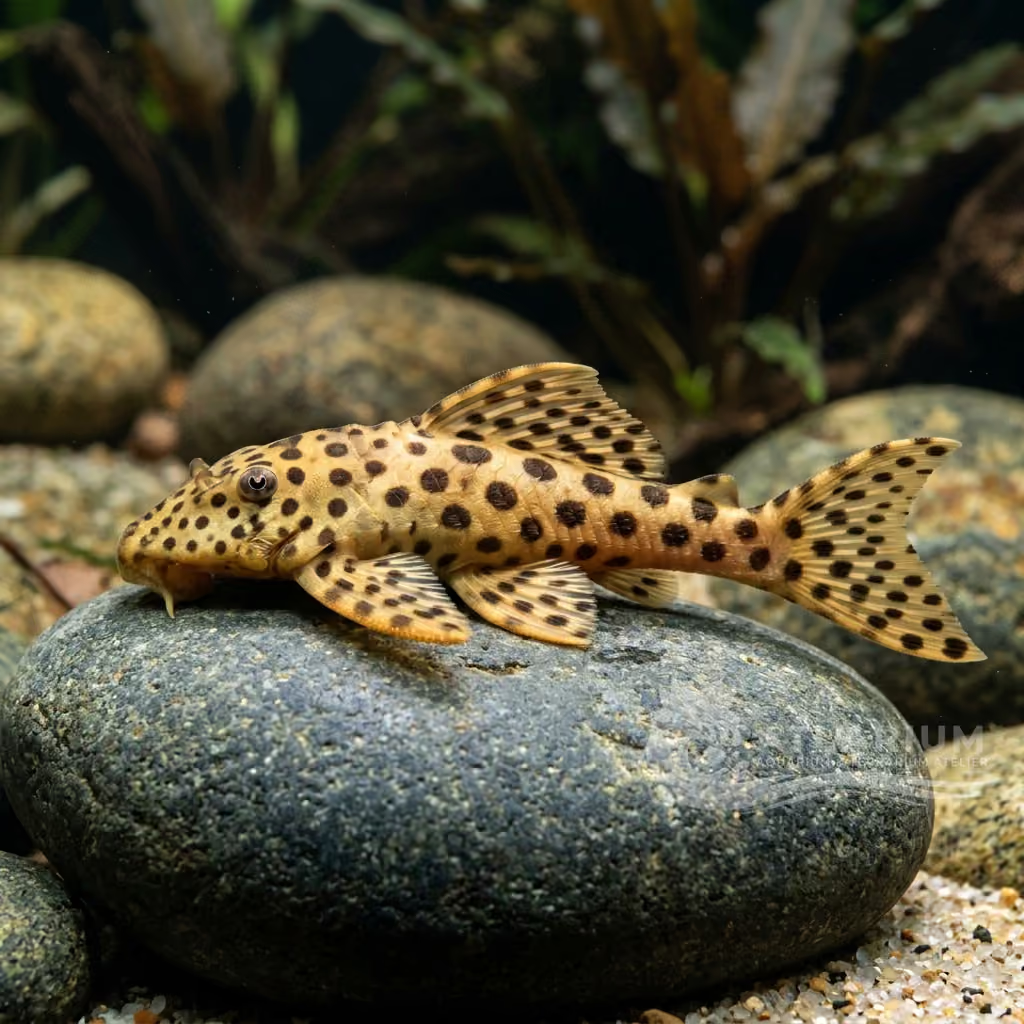
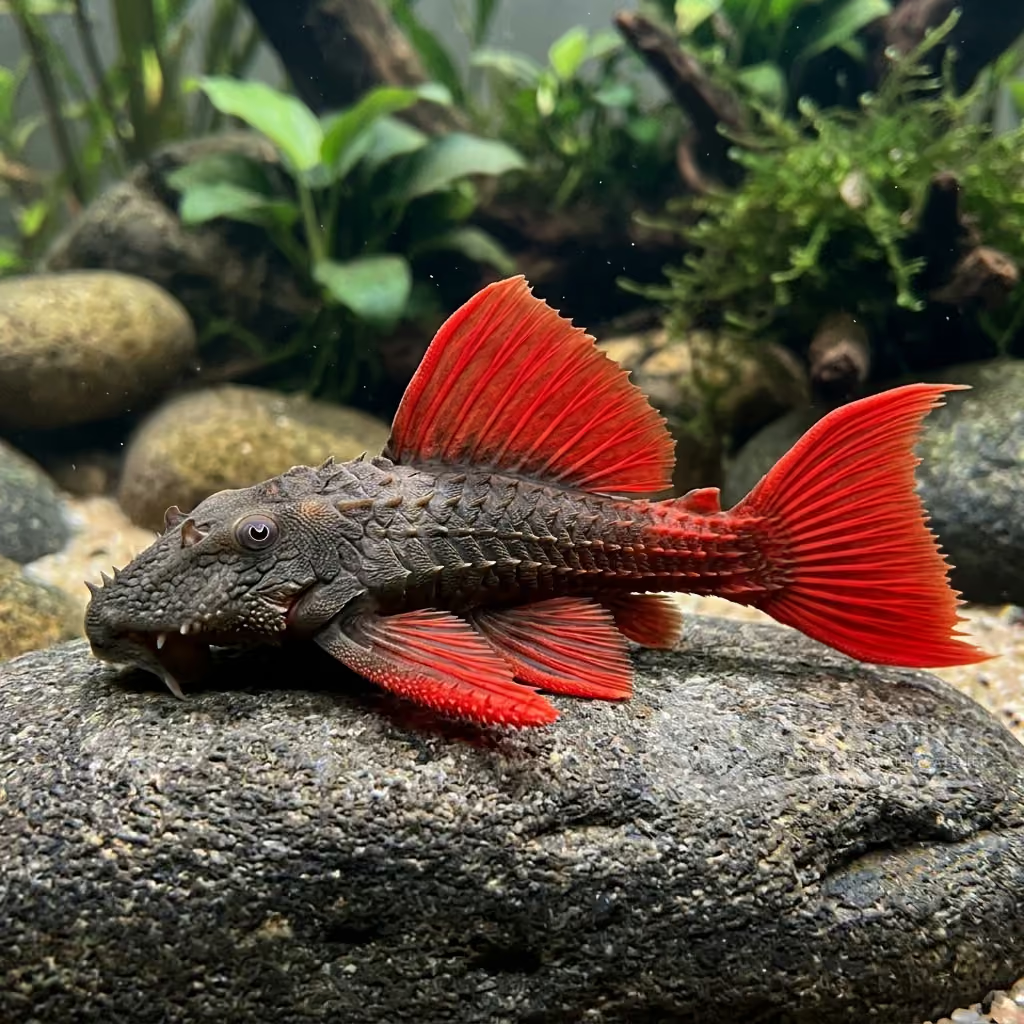
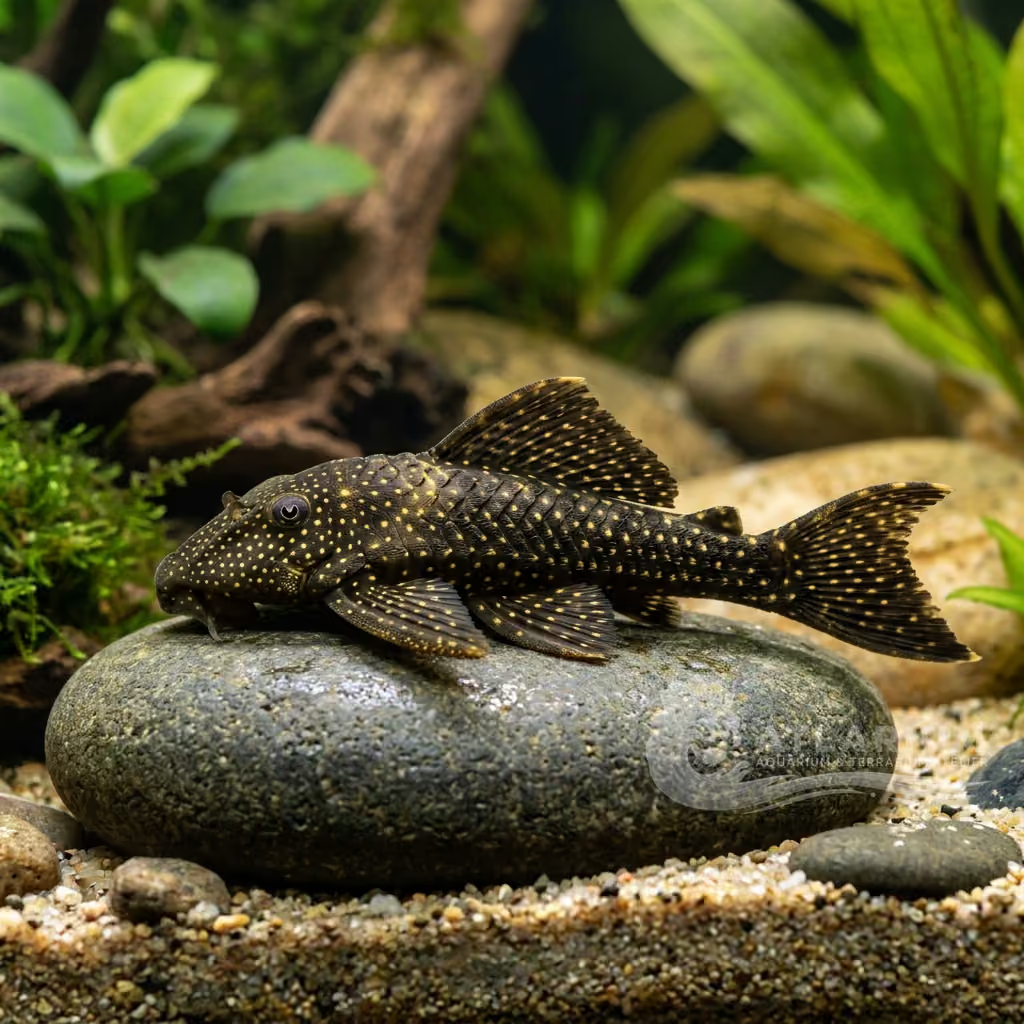
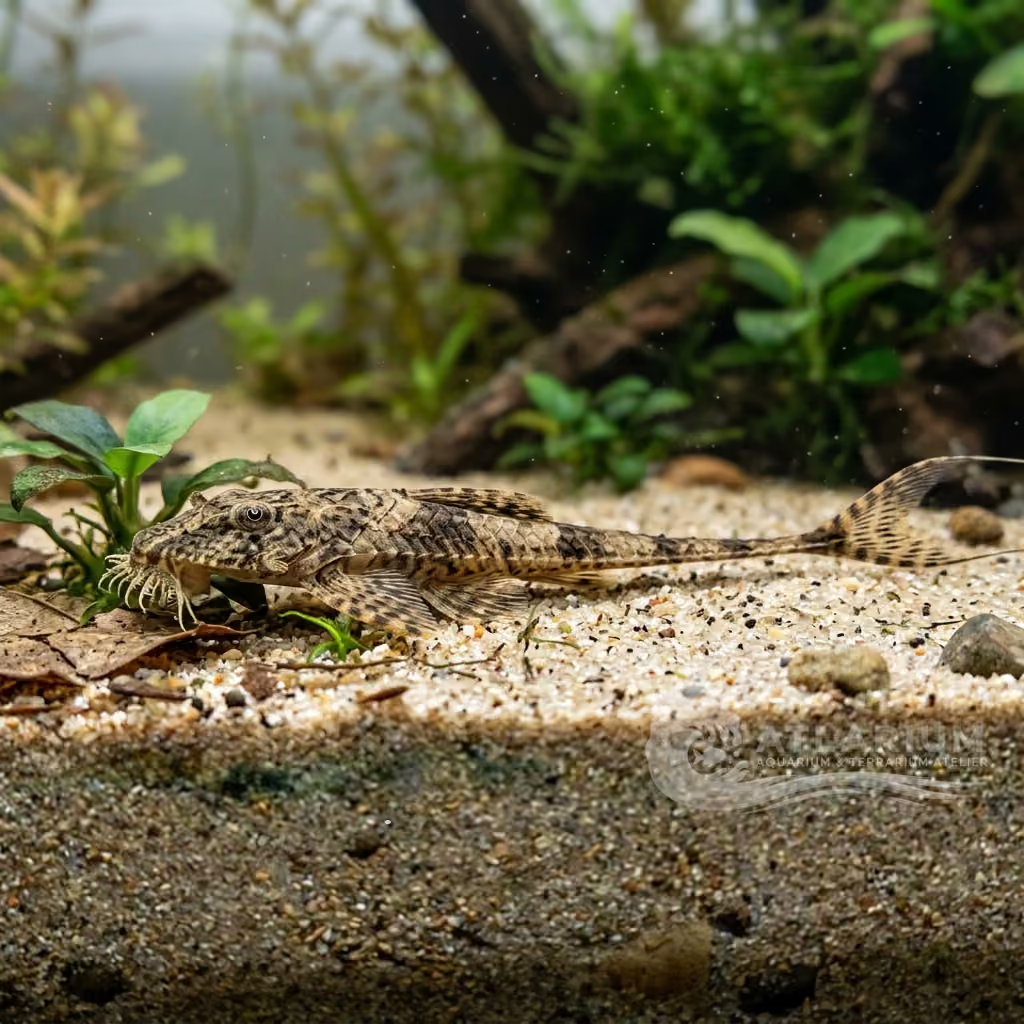
The 'Eastern Queen Pleco' (13 cm). Also known as the "false L260", the L411 inhabits the eastern borders of the Brazilian Amazon. It is a spectacle of animal design: the stocky body is a swirling maze of white and pearl grey lines interwoven on an ink-black fabric. It hides masterfully among the roots during the day and tirelessly patrols the bottom at night in search of protein scraps and larvae. An exceptional and surprisingly rustic bottom fish if fed correctly.
Wassertemperatur
27 - 30 °C
pH-Wert
5.5 - 7.5
Wassertyp
Süßwasser
Tankfüllstand
Unten
Erwachsenengröße
13 cm
Mindesttankvolumen
>= 180 L
Mindestgruppe
>= 1
GH
1 - 10 dGH
KH
1 - 5 dKH
TDS
25 - 200 ppm
Leitfähigkeit
39 - 313 uS/cm

Artbeschreibung
Geographical Origin and Habitat: The Jari River Maze. Found near the town of Monte Dourado, the Rio Jari flows into the mighty Amazon River from the north. This *Hypancistrus* inhabits areas where enormous tangles of flooded forest timber mass on the clear, slightly gravelly bottoms, creating dark and impregnable refuges from the moderate and constant current.
Taxonomy and Morphology: The Geometric Tangle. Closely related genetically to the L260 (Queen Arabesque) and morphologically to the L066 (King Tiger). The L411 has a medium size (12-13 cm / 5 inches), a typically stocky and robust skull, but differs in the thickness and density of the lines: in the L411 the white lines form more open, chaotic and less parallel networks compared to the L260, often merging into one another. Golden eyes stand out on the camouflaged head.
Social Behavior: The Good-Natured Nocturnal Hitman. It is extremely shy and intolerant of intense light, which it perceives as a threat. It will remain motionless and petrified inside its daytime hiding place. At nightfall, it becomes a vigilant and lightning-fast explorer on the substrate. Absolute pacifism towards small fish and snails. Modest intraspecific territorial brawls between males for dominance of the best cave.
Coloration and Sexual Dimorphism: Titanium Cobweb on Obsidian Background. Very dark brown, almost black velvet background, covered by a dense and disorderly embroidery of light grey or bright white threads. As they age, the lines can fragment into spots or thicken. The male in reproductive age heavily adorns himself with bristly spines (odontodes) bordering the lower gill covers and swelling the first powerful ray of the pectoral fins as if covered in velcro. Female more stubby ventrally and hairless.

Pflege, Zucht und Mitbewohner
Aquarium Setup: Demands "An Underground Forest" (Tank min. 80-100 cm / 30-40 in). Absolute obligation of a rich layout: enormous tangles of branches (Manila, Red Moor, Jati) reaching the sandy bottom, creating canopies and partial shade. Wedge various small terracotta/slate tubes and igloos (diameter 4-5 cm / 1.5-2 in) under the wood. Stadium lights for plant meadows not recommended, prefer floaters that dampen the lighting (Pistia, Salvinia).
Diet and Feeding: Benthic Omnivore/Carnivore. The vegetarian diet (algae) represents an irrelevant fraction of its natural sustenance (it will eat algae only as a desperate pre-agony survival measure). Provide the evening meal (lights off): red mosquito larvae, fine Pacific krill, thawed brine shrimp, and highly proteinaceous sinking tablets or wafers (fish meal, meaty spirulina).
Water Quality: Thermophilic Rustic. Notably less delicate than its cousins from the Iriri (L236) or Xingu (L46). Always demands true South American tropical heat (27-30°C / 81-86°F), but tolerates more elastic pH ranges (5.5 - 7.5), allowing profitable breeding even in tap water of moderate hardness, provided total absence of nitrites and low nitrates via voluminous filtration and changes.
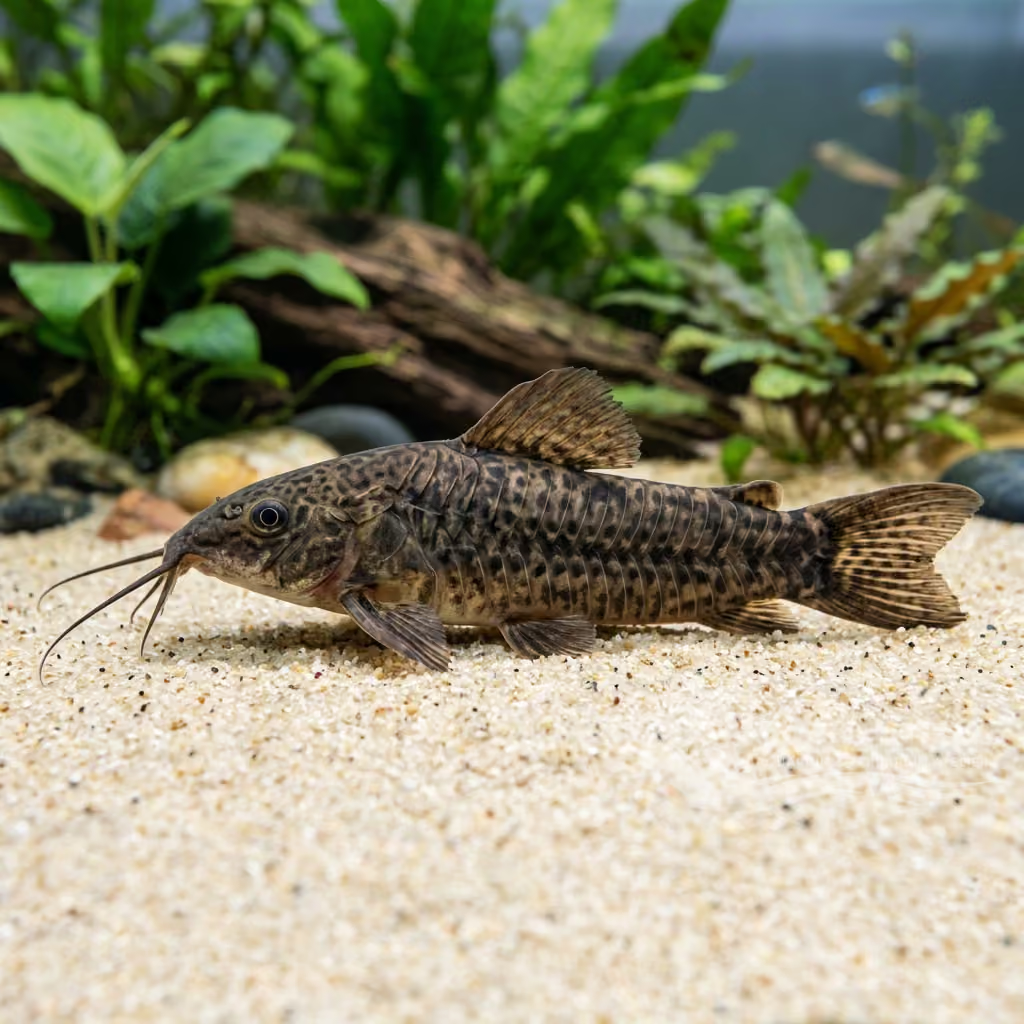
Compatibility and Cohabitation: South American Shadow Community. Perfect with dark Tetras (Black Phantom, Penguin Tetra, Rummy-nose), hatchetfish, dwarf cichlids like *Apistogramma cacatuoides* (provided the tank is large) and peaceful *Corydoras sterbai*. Absolutely avoid pairing with ferocious African Mbuna, large Central American cichlids (Texas, Midas) or giant demolishing Loricariidae.
Aquarium Breeding: Tubular Cave Spawner. Not overly complex in the presence of compatible pairs. Usual and fascinating reproductive pattern: pursuit, blocking and prolonged stationing of the female in the male's cave; eggs laid in voluminous and compact amber spherical masses, fanatically cared for by the male alone who expels debris by flexing his long tail and rotating his fins like blades of an asphyxiated fan. The young at birth carry gigantic orange yolk sacs.
Risks and Diseases: Lethality from Silent Nutritional Deficiencies. The fish does not show wasting by swimming poorly or upside down: the belly will progressively collapse inward, and the eyeballs will sink into the cranial orbits due to the systemic consumption of musculature to cope with the absence of carnivorous food on the bottom, or the predation of feed by faster diurnal fish.

Geografische Herkunft und Verbreitung
The Jari River Maze. Found near the town of Monte Dourado, the Rio Jari flows into the mighty Amazon River from the north. This *Hypancistrus* inhabits areas where enormous tangles of flooded forest timber mass on the clear, slightly gravelly bottoms, creating dark and impregnable refuges from the moderate and constant current.
Ursprung
Amazonas, Orinoco und Guayana

Fischprofil
- Temperament
- Semi-aggressive
- They exhibit a peaceful, shy, and somewhat reclusive temperament, preferring to stay hidden away from bright light. Males can be mildly territorial with one another when competing for the most desirable spawning caves. Providing multiple suitably sized caves for each individual fish is the easiest way to prevent any aggression.
- Diät
- Omnivore
- Unlike common plecos, this species is a carnivore and requires a diet rich in meaty proteins. They eagerly consume sinking carnivore wafers, frozen bloodworms, brine shrimp, and finely chopped seafood. They will rarely touch algae or vegetable matter, so these should not be relied upon as a primary food source.
- Lebenserwartung
- 10-12 years
- Erwachsenengröße
- 13 cm
- Geschlechterverhältnis
- Harem
- Adult males are easily identified by the presence of significantly longer odontodes on their cheeks and pectoral fins. Males also possess a broader, blockier head shape, whereas females maintain a rounder, plumper abdominal profile. A breeding group is typically most successful when consisting of one male and several females.
- Fütterungsfrequenz
- Twice daily
- Feed them once a day, optimally introducing food just as the aquarium lights are turned off. Because they are naturally nocturnal and quite shy, they feel most comfortable foraging in the dark. Dropping the food directly near their preferred hiding spots helps them secure a meal before faster fish.
- Bioload
- Medium
- The Monte Dourado Pleco generates a moderate bioload that is easily managed in well-maintained aquariums. Their carnivorous diet produces slightly more potent waste than algae-eaters, necessitating robust biological filtration. Regular weekly water changes are critical to prevent nitrate build-up and keep the fish healthy and colorful.
- Fluss
- Stagnant
- Originating from the Rio Jari basin, they thrive in highly oxygenated water with moderate to strong flow. Utilizing powerheads or appropriately positioned filter outflows will simulate their natural riverine environment. Maintaining high dissolved oxygen levels is absolutely essential, especially if kept at higher temperatures.
- Sprungrisiko
- No
- Reproduktion
- Oviparous
- They are secretive cave spawners that will readily breed if provided with excellent water quality and a high-protein diet. The male claims a narrow cave, courts a female, and takes full responsibility for guarding the fertilized eggs. The male will continuously fan the eggs and fiercely protect the fry until they are free-swimming.
- Kompatibilität & Tankkameraden
- Peaceful
- They are highly peaceful fish that are perfectly suited for calm, Amazonian community aquariums. They do extremely well with peaceful mid-water species like rasboras, tetras, and small, non-aggressive cichlids. They should not be kept with highly aggressive bottom dwellers that will bully them for territory.
- Tankfüllstand
- Bottom
- They are strict bottom dwellers that require an environment heavily structured with hardscape. The aquarium must include an abundance of ceramic caves, stacked slate crevices, and driftwood tangles. They will spend almost the entire day securely hidden, coming out to actively forage only at night.

Verwandte Arten
Empfehlungen gruppiert nach nahen Verwandten, Auswahl von Begleitern und ähnlicher Betreuung.