Giant Sand Whiptail
Pseudohemiodon laticeps
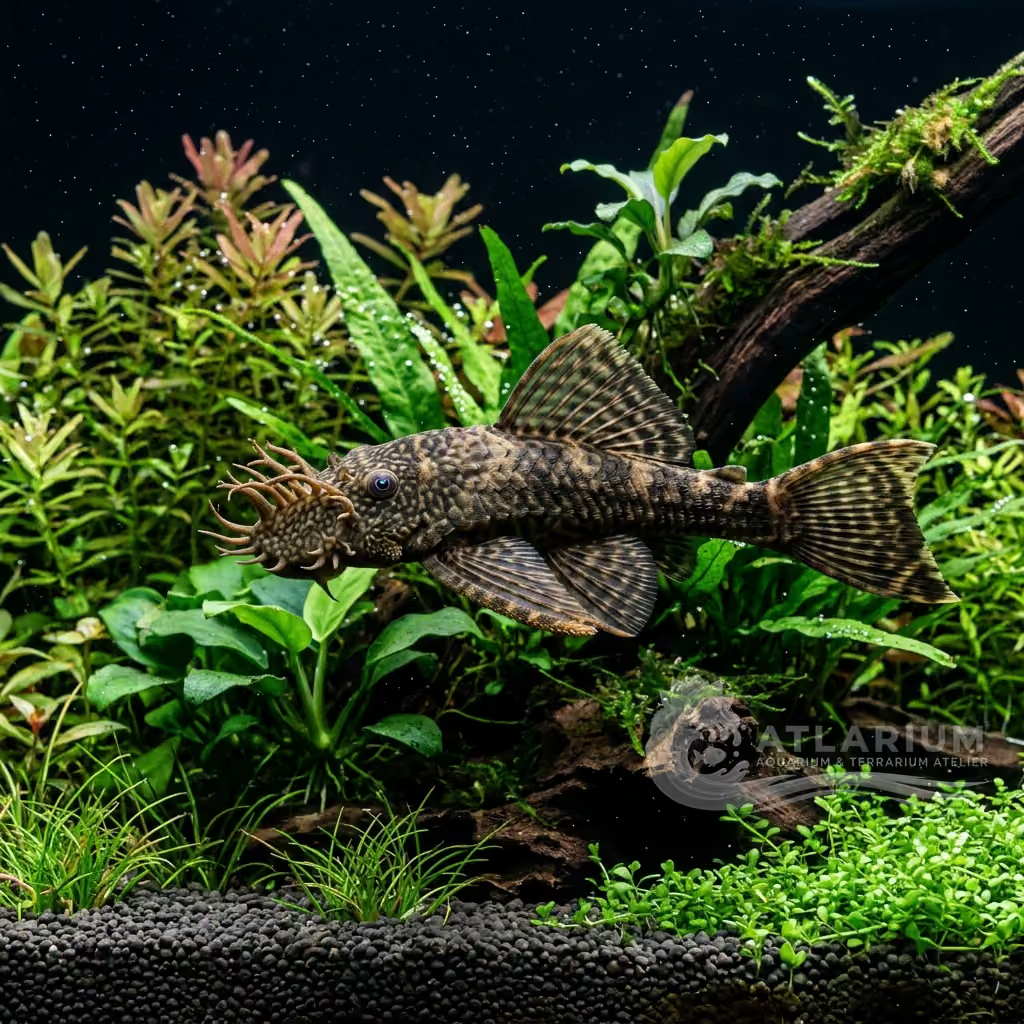
A true sand giant from the southern basins of South America, accustomed to cooler waters. Flat and extremely wide, it resembles the shape of a guitar.
Wassertemperatur
22 - 28 °C
pH-Wert
6 - 7.5
Wassertyp
Süßwasser
Tankfüllstand
Unten
Erwachsenengröße
30 cm
Mindesttankvolumen
>= 400 L
Mindestgruppe
>= 1
GH
2 - 15 dGH
KH
3 - 10 dKH
TDS
60 - 325 ppm
Leitfähigkeit
94 - 508 uS/cm

Artbeschreibung
Geographical Origin and Habitat: Originating from the Paraguay River basin in South America. Inhabits slow-flowing rivers and swamps characterized by immense sandy bottoms without vegetation, where the water is moderately clear but often silty.
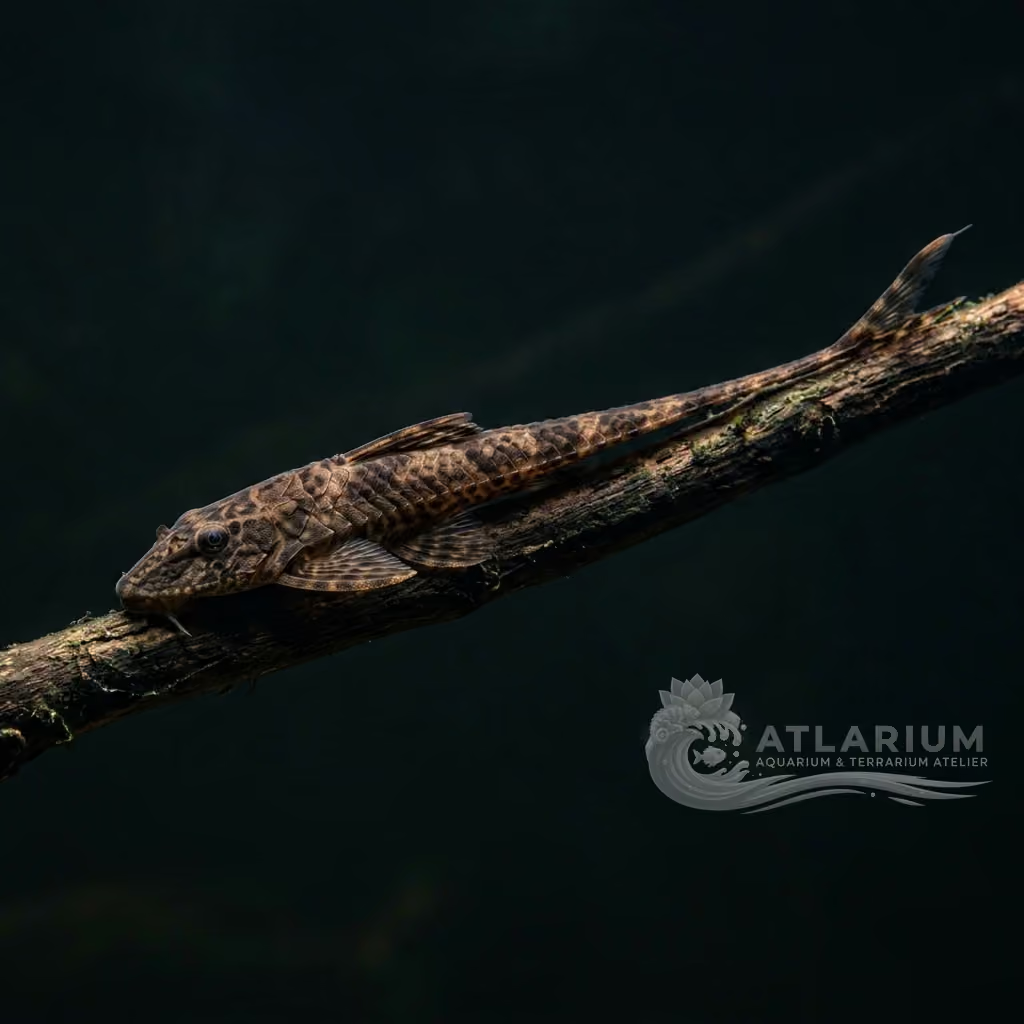
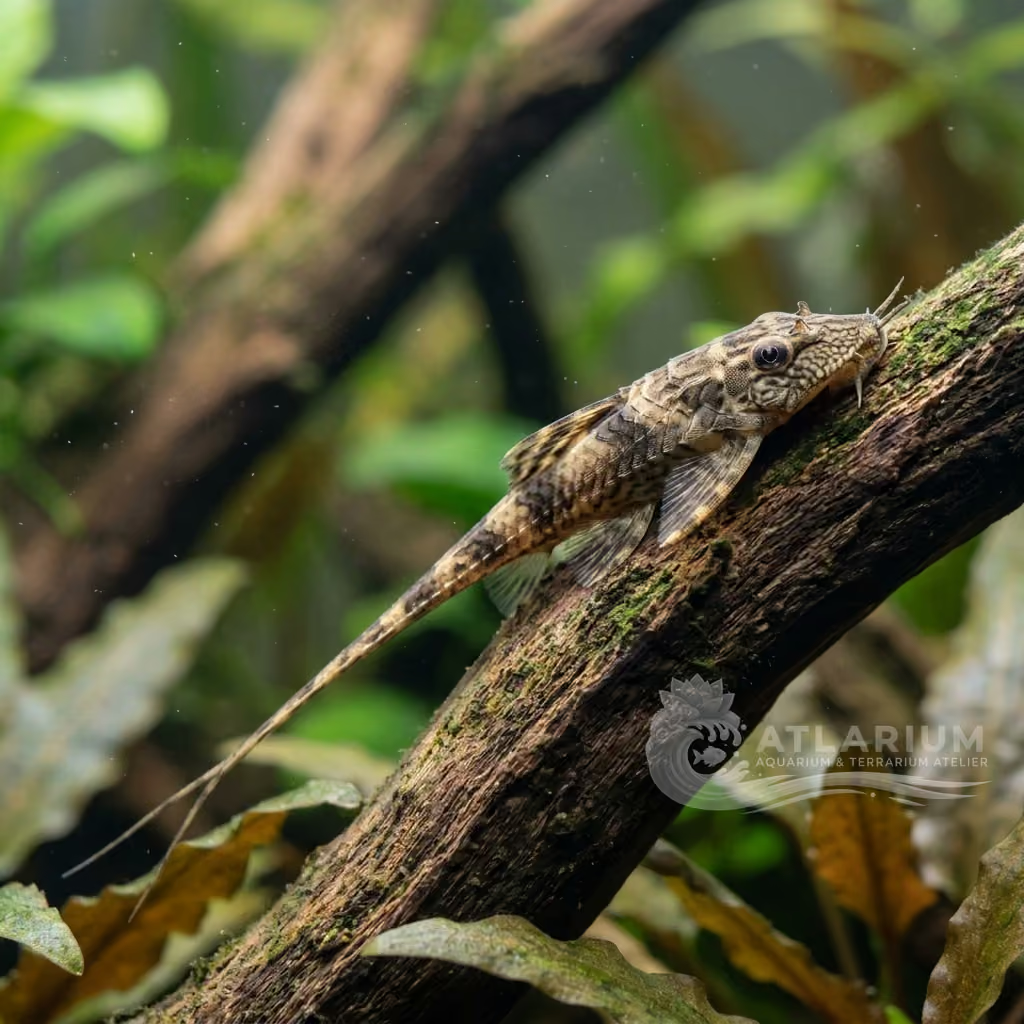
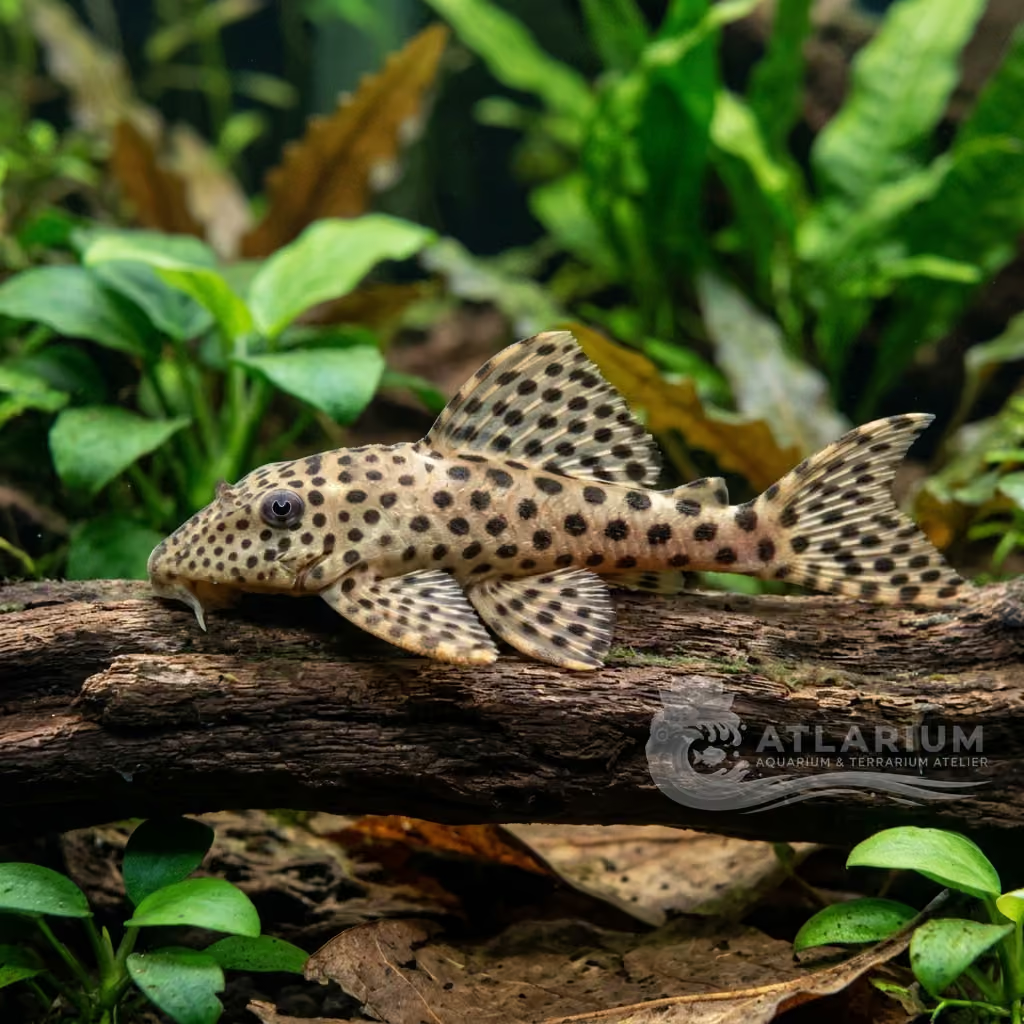
Taxonomy and Morphology: Flathead Whiptail (Pseudohemiodon laticeps). Extraordinary giant loricariid (up to 30 cm / 12 inches) but with an almost two-dimensional lateral profile. The flat ("laticeps") spatula-shaped head and the very long peduncle are its trademarks.
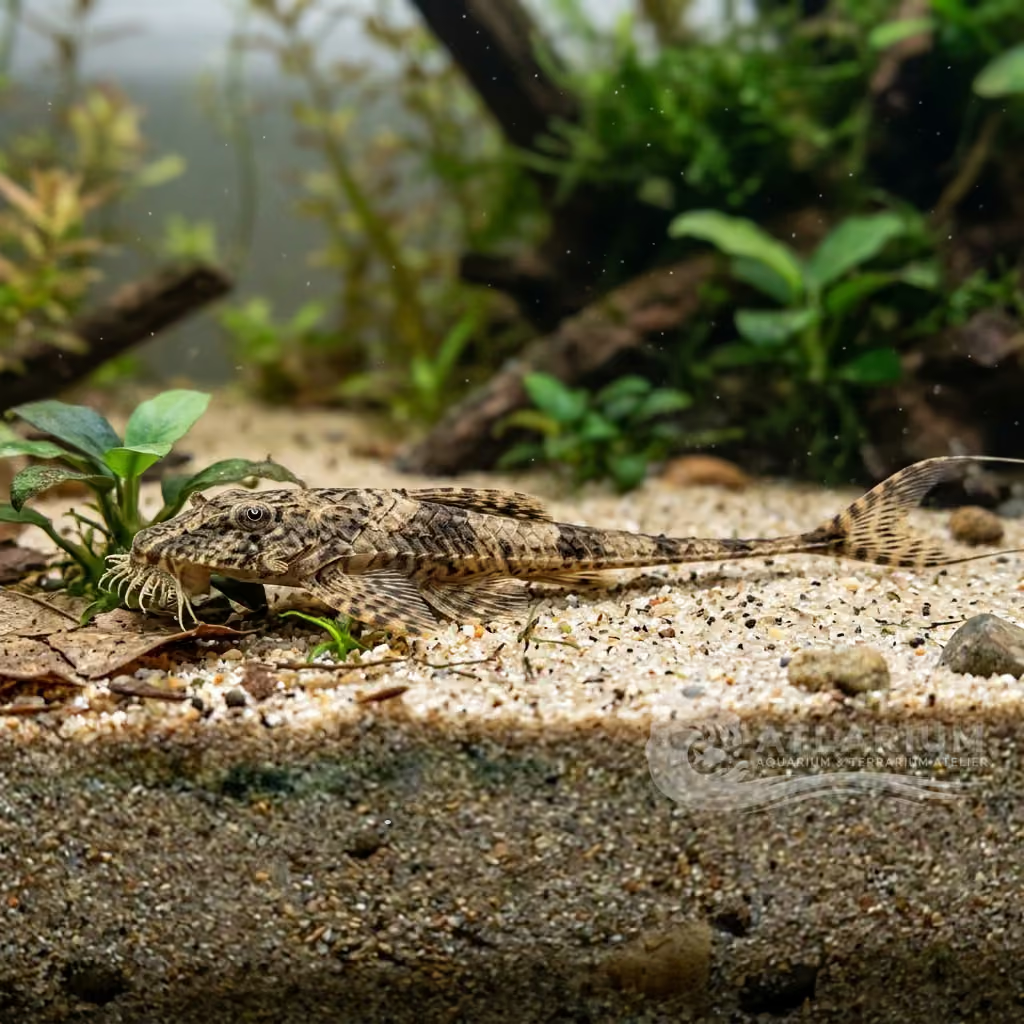
Social Behavior: Despite its formidable size, it is one of the most peaceful, shy, and static fish in the aquarium. It stays buried under the fine sand all day, moving slowly in the evening in search of worms on the bottom.
Coloration and Sexual Dimorphism: Splendid mottled sand color, mouse gray or golden brown, designed to make it a ghost on silty bottoms. Mature females have a more prominent abdomen, males develop slightly wider and fleshier lower lips for brooding.

Pflege, Zucht und Mitbewohner
Aquarium Setup: A vast tank "footprint" (at least 150x60 cm / 60x24 inches footprint). No coarse or sharp gravel: it is mandatory to use a dense layer of fine sand. Does not need wood to scrape, nor rocky shelters.
Diet and Feeding: Sand micro-predator. Ignores algae. Uses its impressive fimbriated lips (with tactile barbels) to "sniff" out protein food: live tubifex, bloodworms dropped at night, and slow-sinking pellets for carnivores.
Water Quality: Very robust species (tolerates pH 6.0-7.5 and various degrees of hardness) as long as oxygen levels are kept high with a moderate laminar flow. Superficially siphon the sand without creating anoxic zones.
Compatibility and Cohabitation: Extremely sociable but defenseless: it never defends its food. Coexists well with calm "floating" fish (Hatchetfish, small tetras). Avoid large digging Cichlids or quarrelsome Plecos that would deprive it of a meal and injure it.
Aquarium Breeding: Lip-brooder. The male carries a "disk" of about 40-50 eggs attached to his lower lip for over two weeks, moving around the aquarium with enormous caution.
Risks and Diseases: The greatest danger is slow death by starvation in "fast" aquariums. The presence of rough substrates will cause ventral ulcers and the destruction of the buccal sensory apparatus (cut barbels).

Geografische Herkunft und Verbreitung
Originating from the Paraguay River basin in South America. Inhabits slow-flowing rivers and swamps characterized by immense sandy bottoms without vegetation, where the water is moderately clear but often silty.
Ursprung
Extra-Amazonas-Südamerika

Fischprofil
- Temperament
- Semi-aggressive
- They have a very shy and retiring temperament. They rely on camouflage to avoid perceived threats. They will peacefully coexist with any non-aggressive species.
- Diät
- Carnivore
- This species is largely carnivorous and favors insect larvae. Captive diets should include sinking meaty wafers. Offering live foods occasionally will stimulate foraging behavior.
- Lebenserwartung
- 5-10 years
- Erwachsenengröße
- 30 cm
- Geschlechterverhältnis
- Specific M:F ratio
- There are no strict sex ratio requirements for this species. They are peaceful enough to be kept in any combination. Intraspecific squabbles are exceedingly rare.
- Fütterungsfrequenz
- Twice daily
- Feeding them once a day is usually sufficient. It is best to drop food in after lights off. Ensure faster tank mates do not steal their meals.
- Bioload
- Medium to High
- This bottom dweller generates a moderate bioload. Efficient filtration is needed to handle their waste. Consistent water changes are essential for their well-being.
- Fluss
- Stagnant
- They thrive in areas with gentle to moderate water flow. Well-oxygenated water is important for their respiration. Using a spray bar helps distribute the current evenly.
- Sprungrisiko
- Yes
- These fish possess an extremely low jump risk. As strict bottom-dwellers, they rarely leap. A tight-fitting lid is only required for other species in the tank.
- Reproduktion
- Oviparous
- Breeding them in the home aquarium is uncommon. Males exhibit paternal care through lip-brooding. Successful rearing depends on providing pristine and soft water conditions.
- Kompatibilität & Tankkameraden
- Peaceful
- They are quite peaceful towards other species. They can be safely housed with peaceful schooling fish. Aggressive bottom-feeders should be strictly avoided.
- Tankfüllstand
- Bottom
- This catfish spends almost its entire life on the bottom. It appreciates fine sand to partially bury itself. You will rarely see it detach from the substrate.

Wissenschaftliche Modelle & Parameter
FishBase
Zugang zu den offiziellen wissenschaftlichen Daten der Art
FishBase v25.04Daten synchronisiert am: 15.06.2026
- Trophäenniveau
- 2,4 ± 0,2 se
- Belastbarkeit
- Mittel (1,4 - 4,4 Jahre)
- Phylogenetische Einzigartigkeit (PD50)
- 0.5039
- Bayessche Längen-Gewichts-Beziehung
- a = 0.00398, b = 3.11
- AnfälligkeitGeringe bis mäßige Anfälligkeit (26 / 100)

Verwandte Arten
Empfehlungen gruppiert nach nahen Verwandten, Auswahl von Begleitern und ähnlicher Betreuung.