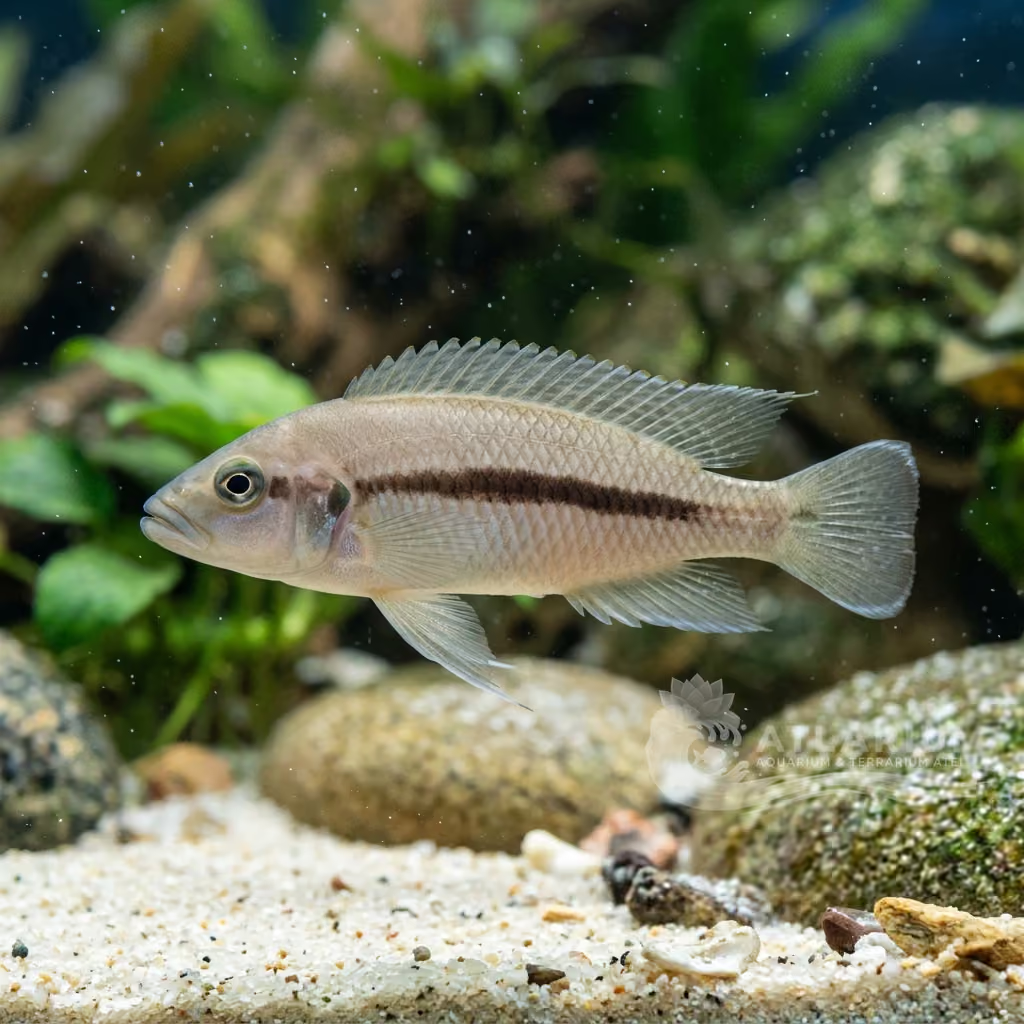
Kendall's Cichlid
Lepidiolamprologus kendalli
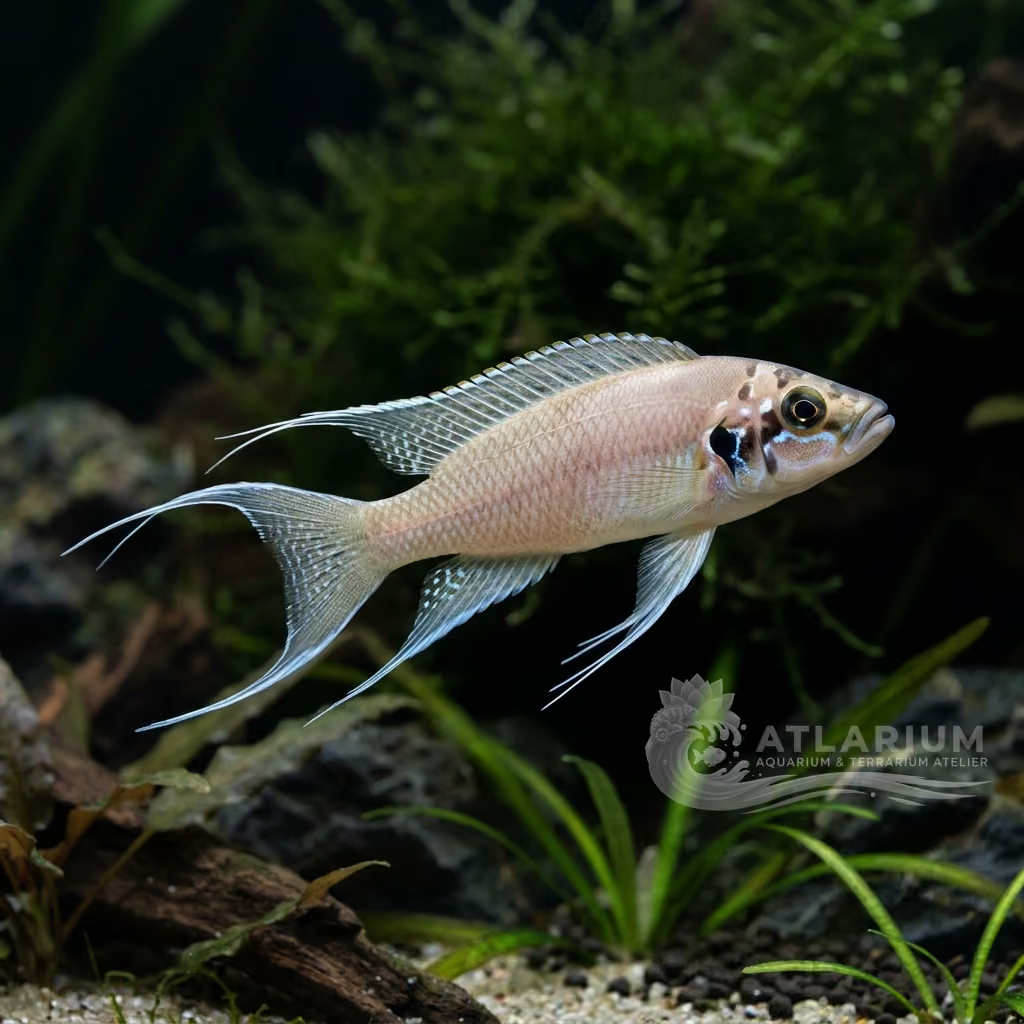
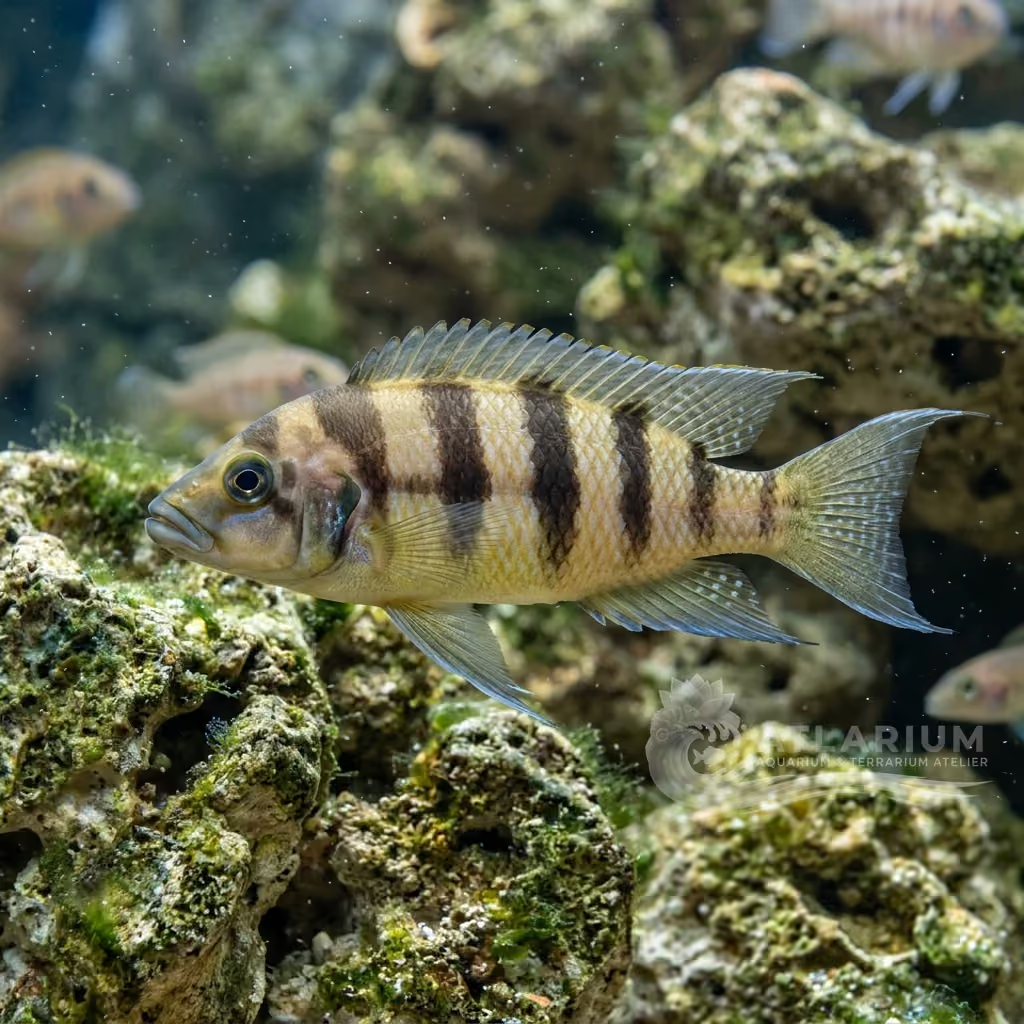
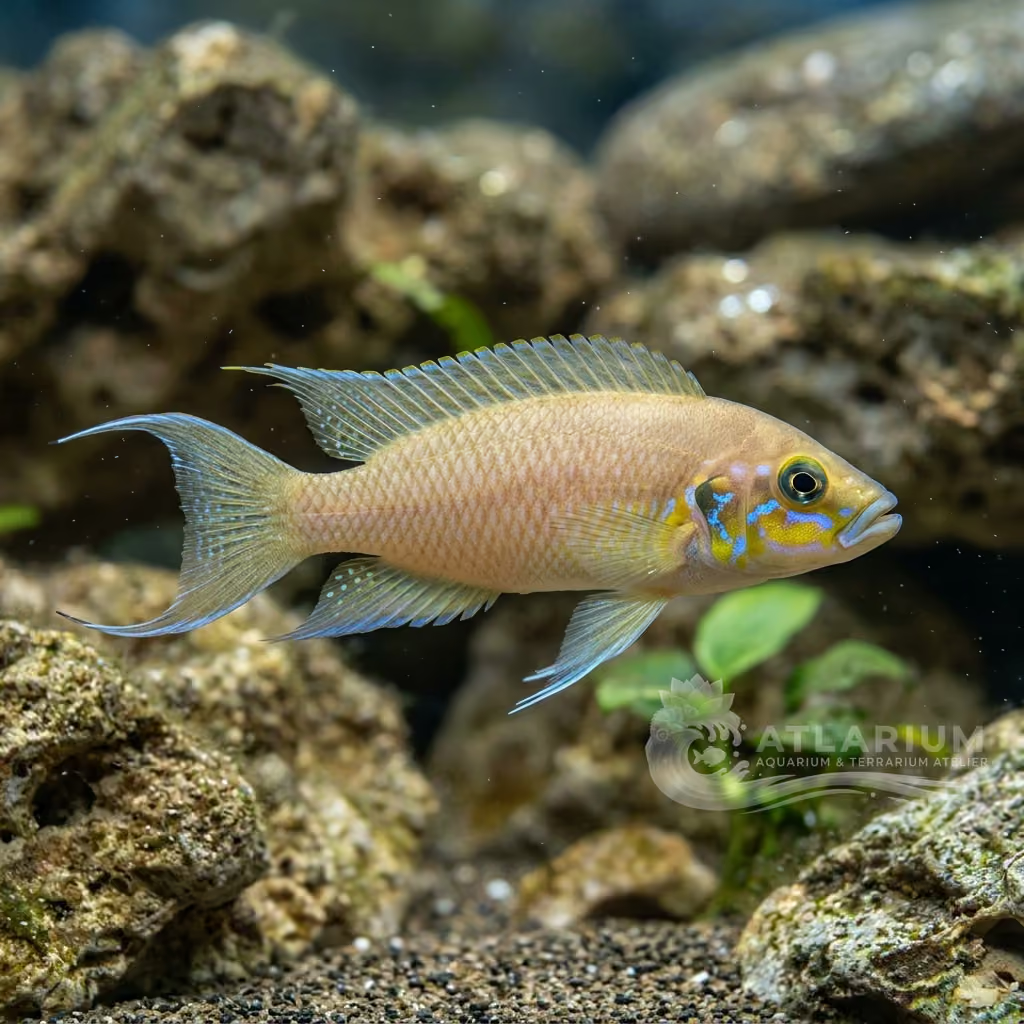
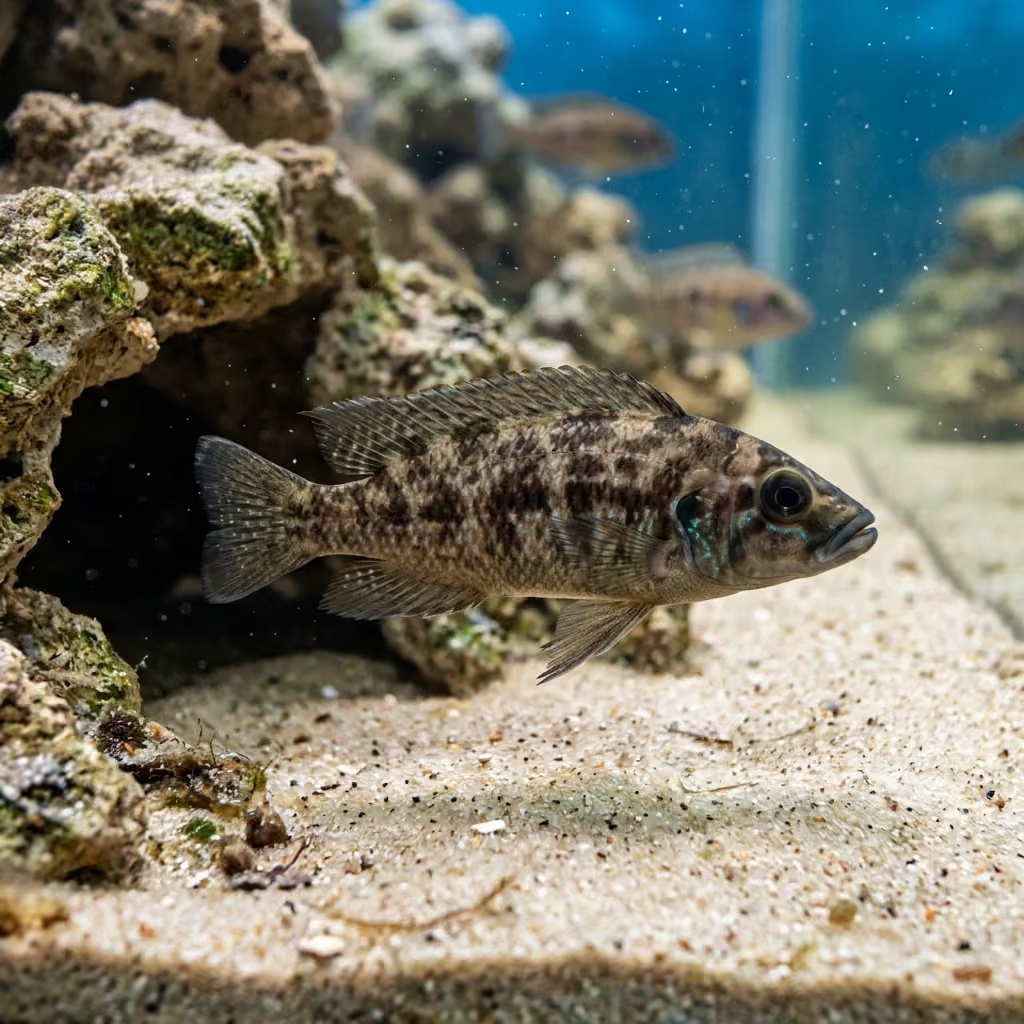
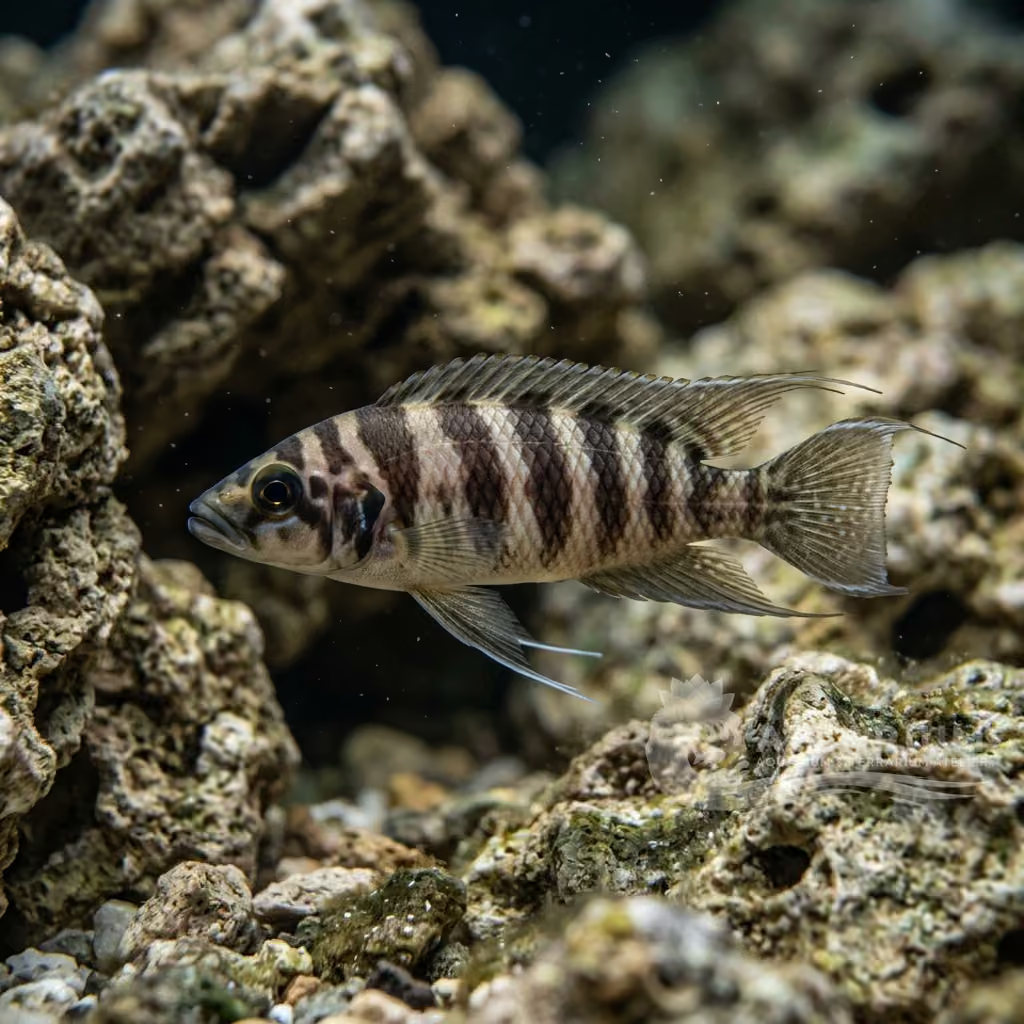
Fierce torpedo-shaped predator of Tanganyika (16 cm). Magnetic dark livery, furrowed by dense and sinuous light mimetic designs, make it look like a snake. Solitary inhabitant of the rocky depths, lethal for smaller fish.
Wassertemperatur
24 - 28 °C
pH-Wert
8 - 9
Wassertyp
Süßwasser
Tankfüllstand
Unten und in der Mitte
Erwachsenengröße
18 cm
Mindesttankvolumen
>= 180 L
Mindestgruppe
>= 1
GH
10 - 25 dGH
KH
5 - 12 dKH
TDS
200 - 495 ppm
Leitfähigkeit
313 - 773 uS/cm

Artbeschreibung
Geographical Origin and Habitat: Lake Tanganyika (Central-southern sector, e.g. Nkamba Bay). Stations in deep rocky coasts (up to 40 meters / 130 feet), swimming parallel to the fall of the boulders in waters almost devoid of strong sunlight.
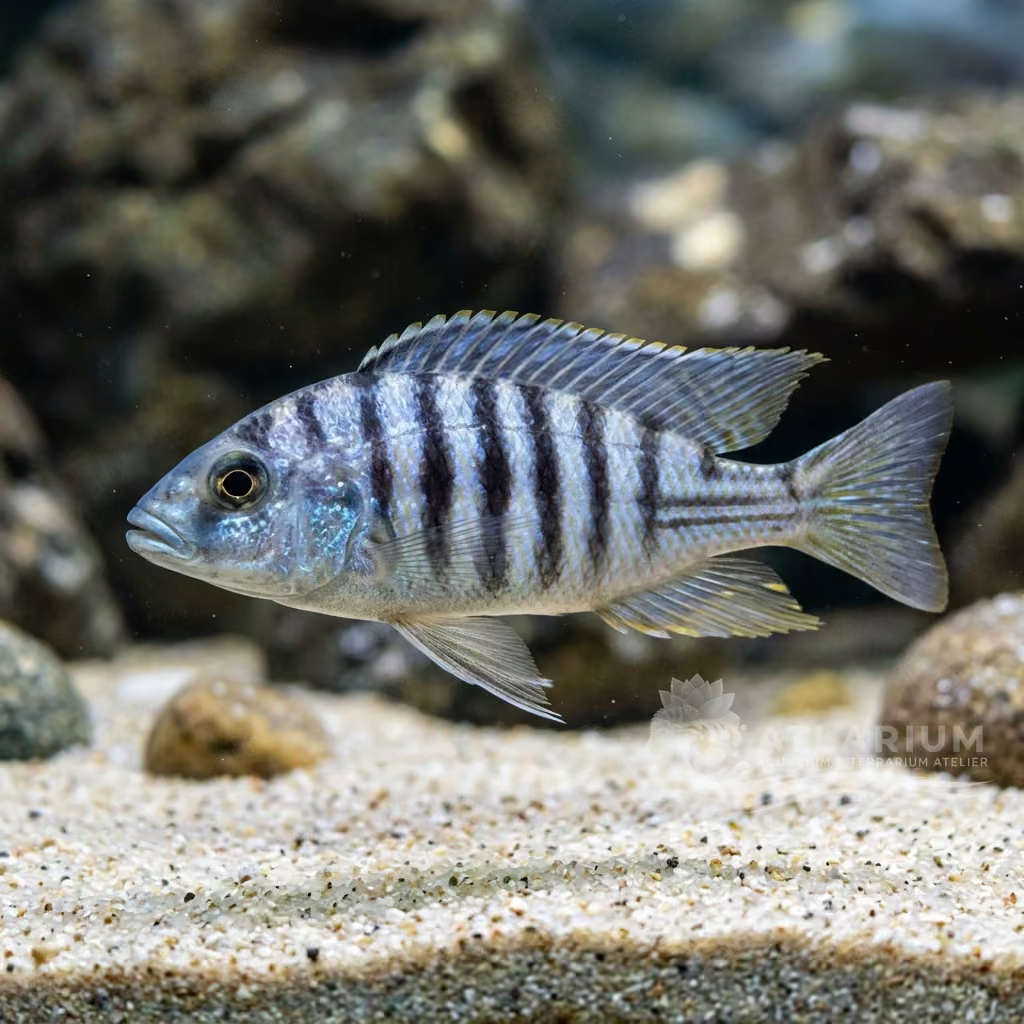
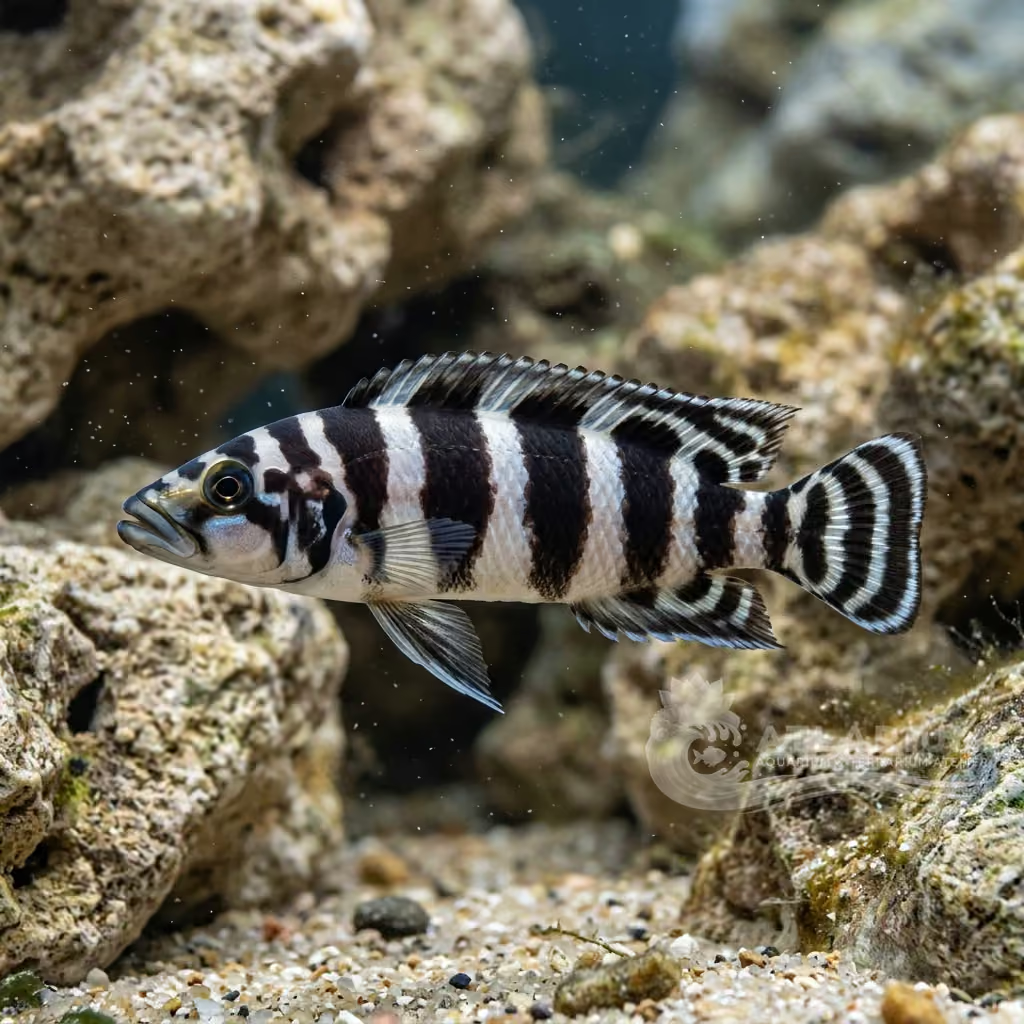
Taxonomy and Morphology: Kendall's Cichlid / Nkambae (Lepidiolamprologus kendalli). Hydrodynamic torpedo-shaped body, huge mouth armed with visible pointed conical canines. The morphology is that of the perfect ambush killer among the crevices.
Social Behavior: Dominant piscivore and fierce loner. Even the formation of a pair does not guarantee peaceful coexistence, they tend to hunt each other down if they are not in the reproductive phase.
Coloration and Sexual Dimorphism: Fascinating contrast: dark body crossed by 3 horizontal silver lines crossed in a checkerboard pattern with rusty/black transverse bars. Almost white belly. The male is generally stockier and longer, but certain differentiation occurs only with venting.

Pflege, Zucht und Mitbewohner
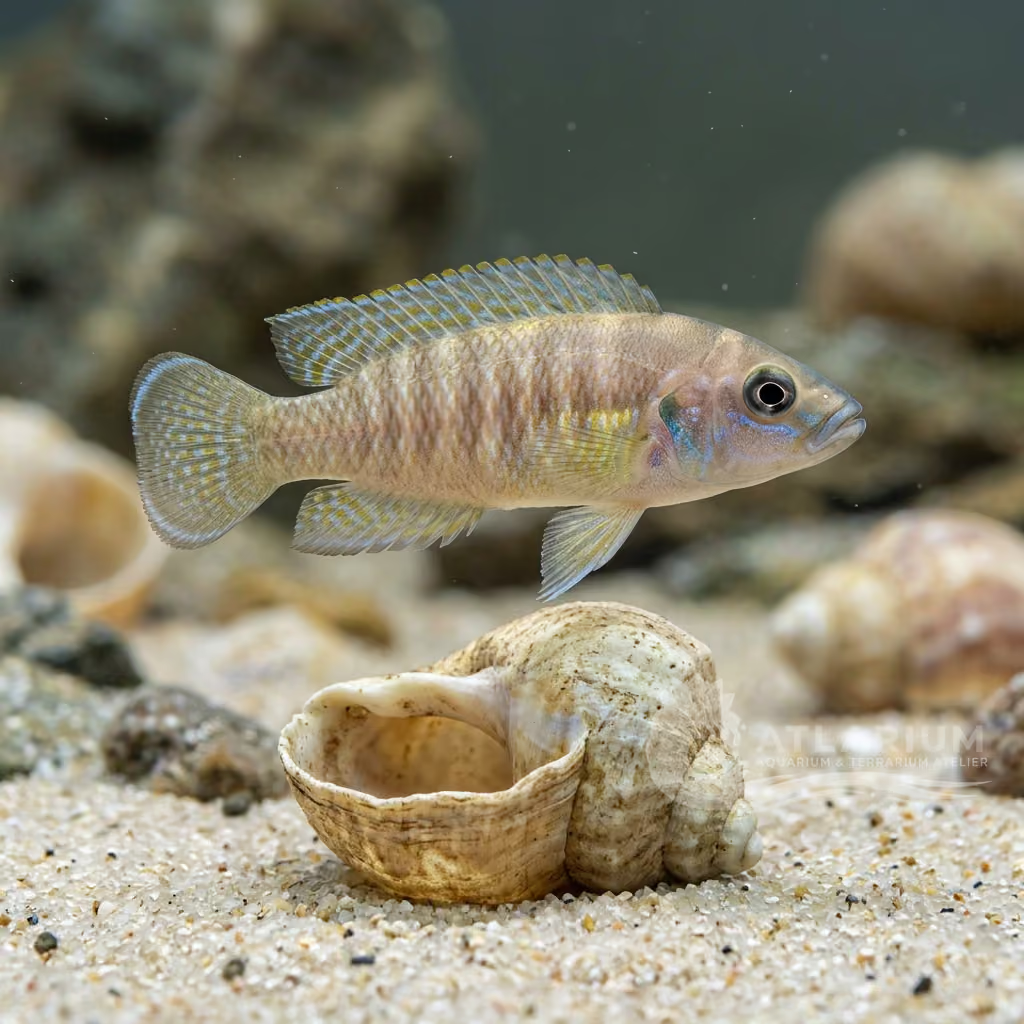
Aquarium Setup: Requires at least 150 cm (60 inches) of tank. Build two gigantic and separate rocky towers at the ends of the tank, so the female can escape the wrath of the male or vice versa. Shell sand necessary to stabilize pH and rocks.
Diet and Feeding: Extreme piscivore (Predator). In nature it swallows young Cyprichromis or small Mbunas whole. Feed with homemade pastes based on fish fillet, whole krill, bloodworms and large live baits. Avoid poor dry food.
Water Quality: Strict Tanganyika parameters: massive total hardness, pH between 8 and 9, controlled temperature (prefers the cool waters of the deep lake, max 26-27°C / 79-81°F). Extremely intolerant to pH drops.
Compatibility and Cohabitation: Will devour any tank mate or shell-dweller (e.g. multifasciatus) that can fit in its mouth. Can only be paired with very robust fish of larger size (Frontosa, large Altolamprologus or Tropheus) that ignore the base rocks.
Aquarium Breeding: Very deep cave spawners. Once a temporary alliance is formed, they lay on an impregnable blind wall (even 200+ eggs). Both take over the protection of the offspring literally killing trespassers.
Risks and Diseases: Destructive aggressiveness. Attempts to form a pair by forcing two unsexed adult specimens in aquariums under one and a half meters infallibly result in the dismemberment by biting of the weakest within a week.

Geografische Herkunft und Verbreitung
Lake Tanganyika (Central-southern sector, e.g. Nkamba Bay). Stations in deep rocky coasts (up to 40 meters / 130 feet), swimming parallel to the fall of the boulders in waters almost devoid of strong sunlight.
Ursprung
Afrika und MadagaskarOstasien

Fischprofil
- Temperament
- Semi-aggressive
- This is a solitary, fiercely aggressive, and highly intelligent predator. While they may ignore fish they cannot swallow, they are ruthlessly intolerant of conspecifics and direct competitors. They require a dedicated aquarist who understands the complex dynamics of large predatory cichlids.
- Diät
- Omnivore
- In the wild, they are apex piscivores that actively hunt and eat smaller fish. In captivity, they require a high-protein diet consisting of frozen lancefish, silversides, krill, and large carnivore pellets. Feeder fish are generally discouraged due to the high risk of introducing pathogens.
- Lebenserwartung
- 10 years
- Erwachsenengröße
- 18 cm
- Geschlechterverhältnis
- Pair
- They are aggressively territorial toward conspecifics, and housing multiple males usually ends in the death of the weaker. They are best kept as a single male-female pair in a very large aquarium. If keeping a group of juveniles to form a pair, be prepared to rehome the extras immediately once bonding occurs.
- Fütterungsfrequenz
- Twice daily
- Adults should be fed one substantial meal a day, or even every other day, to mimic natural hunting success. Overfeeding can lead to obesity and severe digestive issues common in predatory cichlids. A strict fasting period of one to two days a week is highly beneficial for their health.
- Bioload
- Medium
- This large, predatory cichlid produces a very high bioload proportional to its heavily carnivorous diet. They generate significant waste that can quickly foul the water if filtration is inadequate. Robust canister filters or sumps, paired with frequent large water changes, are strictly mandatory.
- Fluss
- Stagnant
- They prefer a moderate to strong water flow that mimics the rocky shorelines of Lake Tanganyika. Highly oxygenated water is absolutely critical for the health of such a large, active predator. Strategic placement of powerheads will keep detritus suspended for the filters to catch.
- Sprungrisiko
- Yes
- As powerful, fast-swimming predators, they present a very high risk of jumping, especially during a pursuit. They can easily breach the surface when striking at food or fleeing from a dominant conspecific. A heavy, secure, and gap-free aquarium lid is an absolute requirement for this species.
- Reproduktion
- Oviparous
- They are secretive cave spawners that require large, secluded rocky crevices to breed. Both parents fiercely defend the breeding site and will violently attack any fish that comes near. The fry are predatory from a young age and will eagerly consume newly hatched brine shrimp.
- Kompatibilität & Tankkameraden
- Semi-aggressive
- They are highly predatory and will ruthlessly hunt and consume any fish small enough to fit in their mouths. They should only be housed with similarly sized, robust Tanganyikan cichlids like Frontosa or large Neolamprologus. Keeping them with shell dwellers or small tetras is a guaranteed death sentence for the smaller fish.
- Tankfüllstand
- Middle/Bottom
- They spend most of their time cruising the lower and middle sections of the water column. They constantly patrol the rockwork looking for potential prey hiding in crevices. Providing an expansive layout with massive rock structures is essential for their well-being.

Wissenschaftliche Modelle & Parameter
FishBase
Zugang zu den offiziellen wissenschaftlichen Daten der Art
FishBase v25.04Daten synchronisiert am: 15.06.2026
- Trophäenniveau
- 4,2 ± 0,73 se
- Belastbarkeit
- Hoch (weniger als 15 Monate)
- Phylogenetische Einzigartigkeit (PD50)
- 0.501
- Bayessche Längen-Gewichts-Beziehung
- a = 0.01445, b = 2.99
- AnfälligkeitGeringe Anfälligkeit (10 / 100)

Verwandte Arten
Empfehlungen gruppiert nach nahen Verwandten, Auswahl von Begleitern und ähnlicher Betreuung.