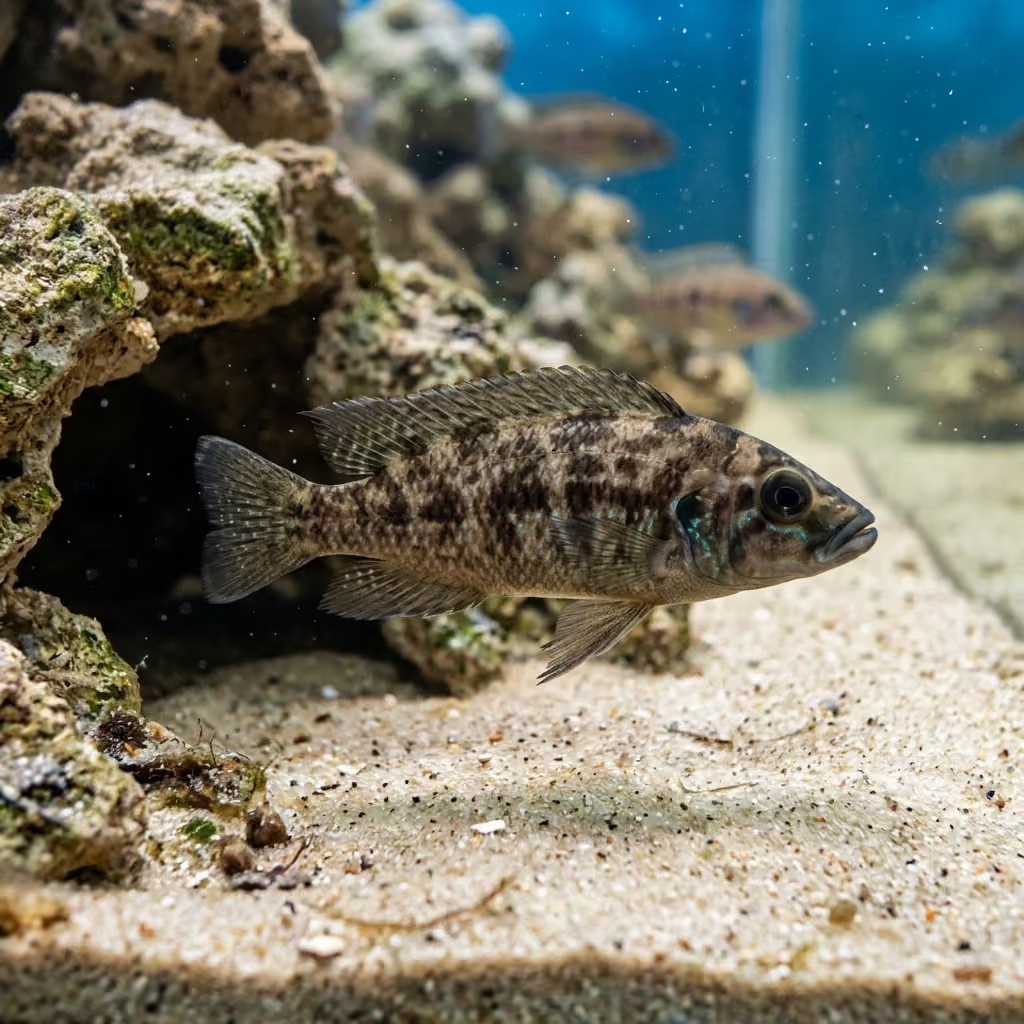
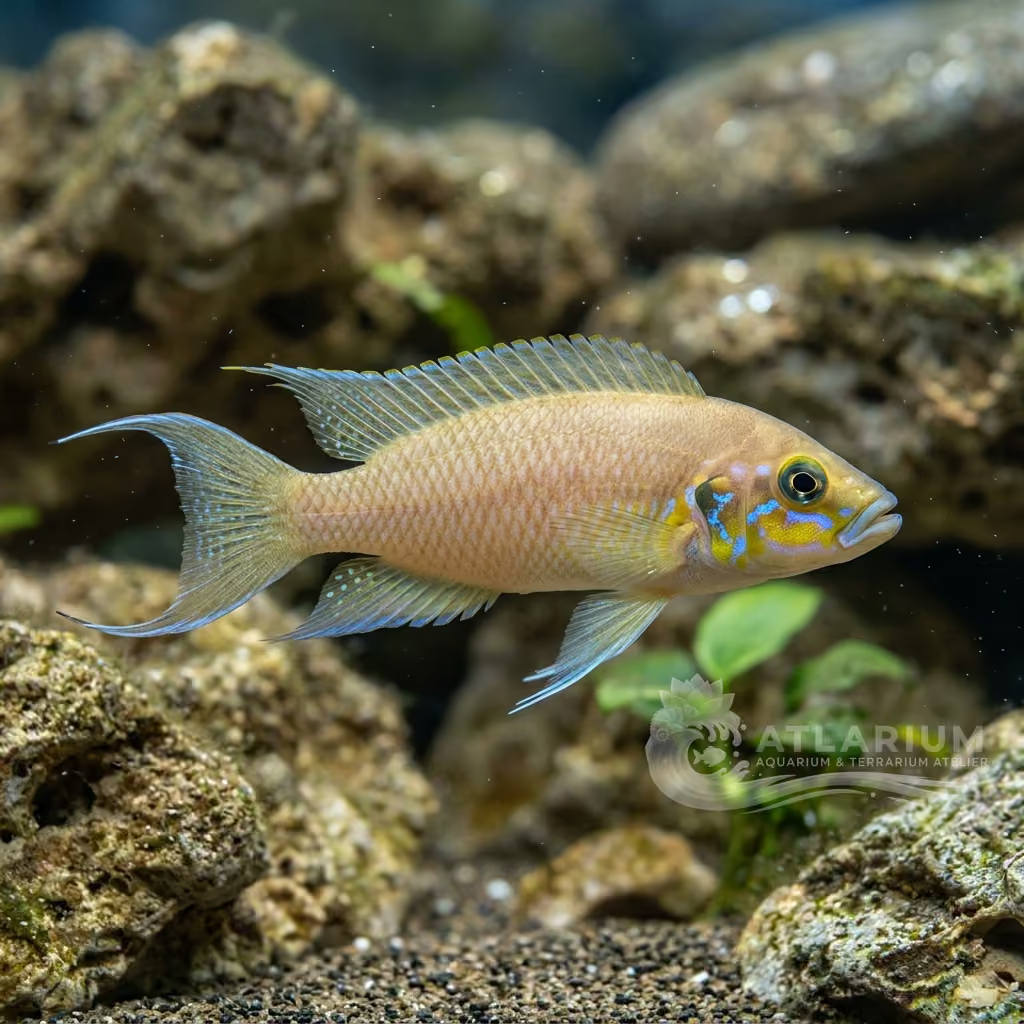
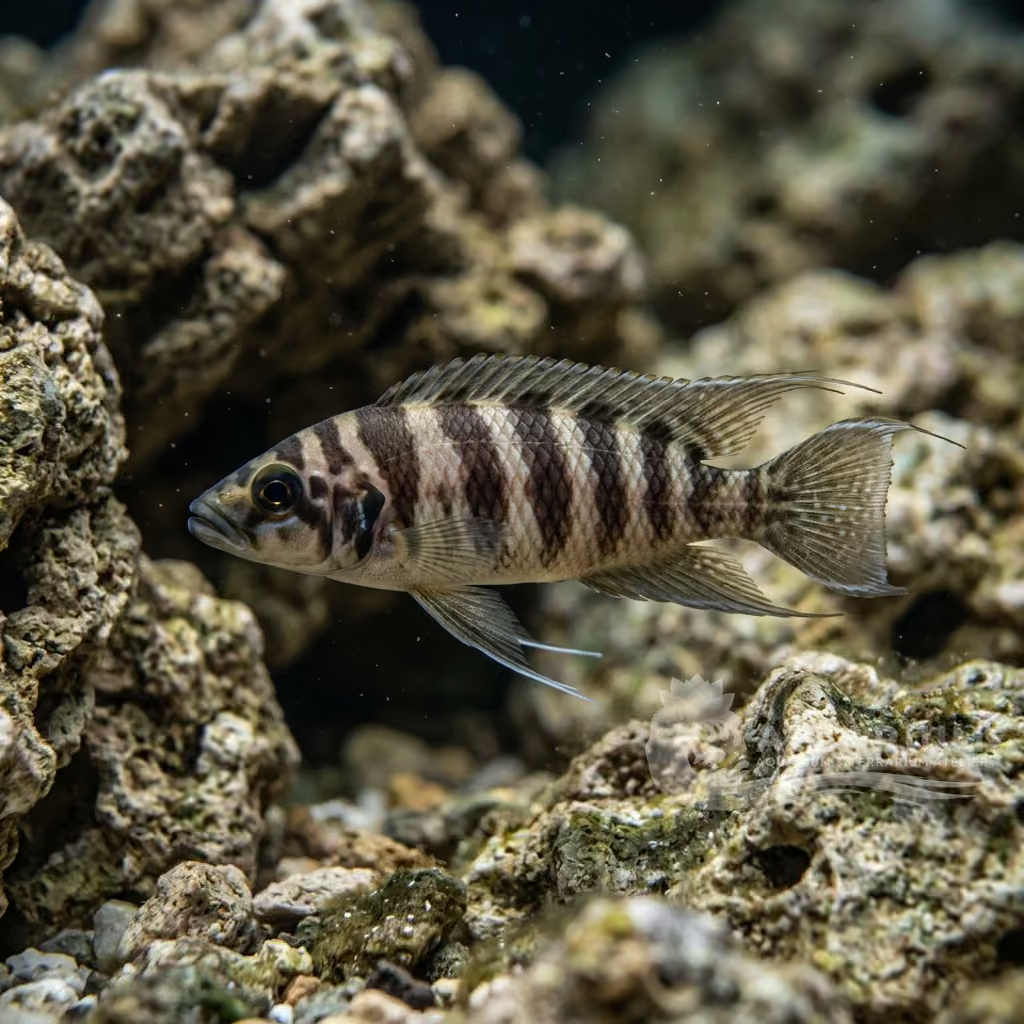
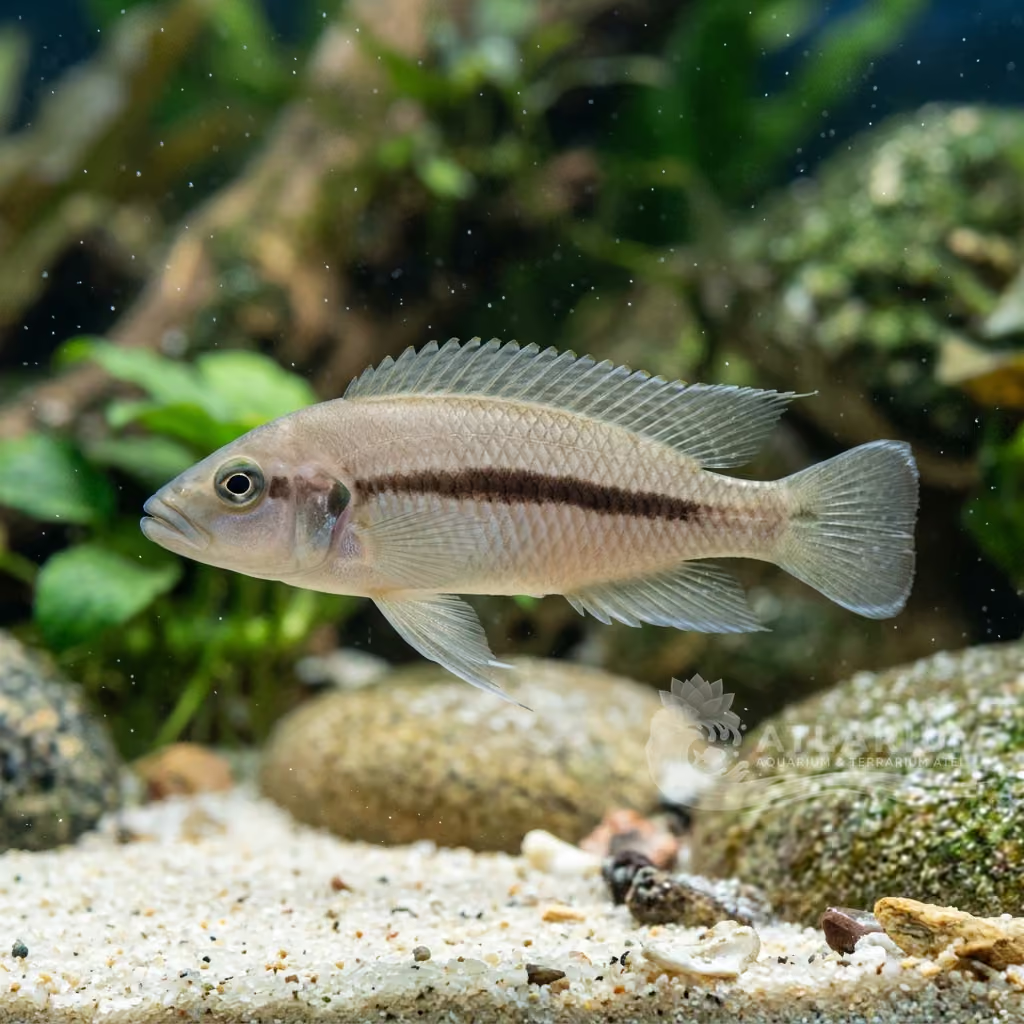
Multies (Shell Dweller)
Neolamprologus multifasciatus
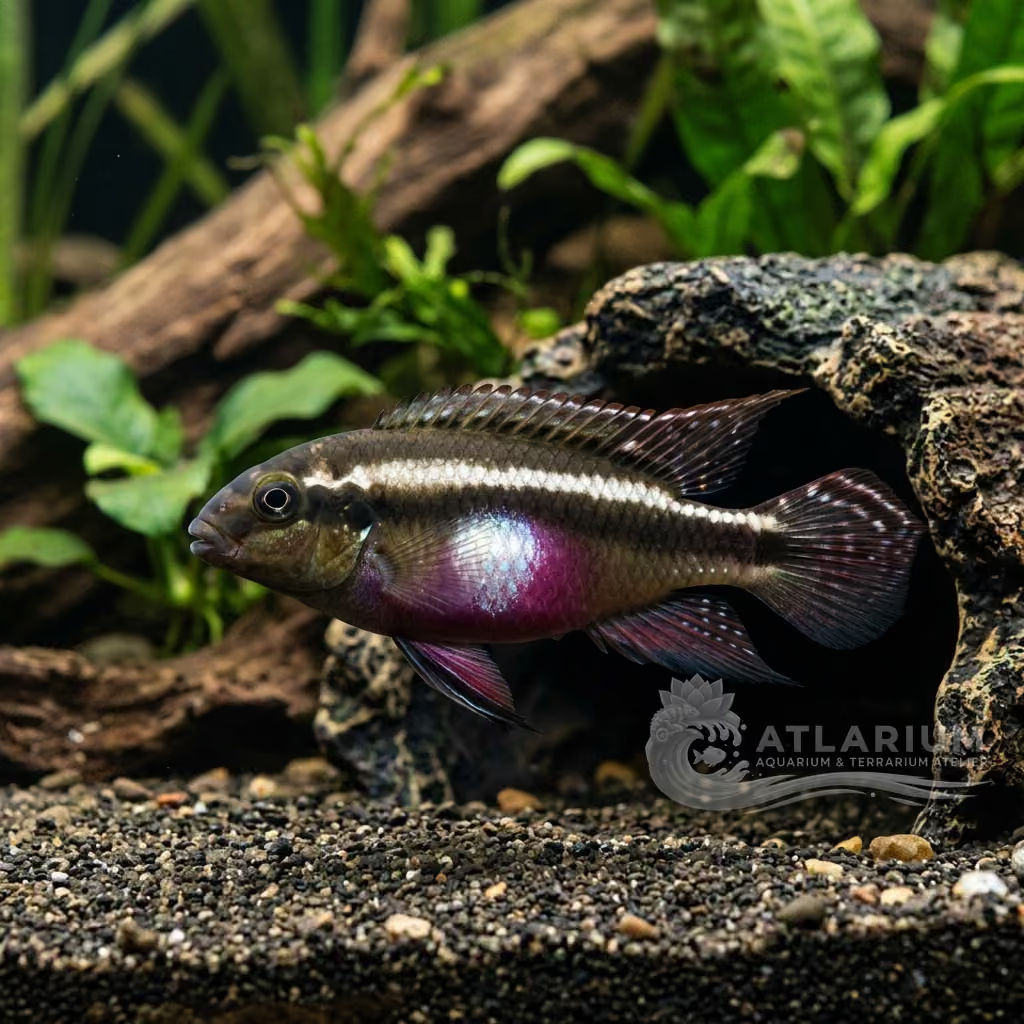
The reigning 'World's Smallest Aquarium Cichlid' (males max out at 5 cm / 2 inches, females at 1 inch). This mesmerizing fish lives its entire life, breeds, and sleeps exclusively inside large, empty snail shells scattered on the sand. They form massive, complex, multi-generational families and relentlessly bulldoze the sand to engineer perfect 'shell cities'. The ultimate cichlid for small aquariums.
24 - 27 °C
7.8 - 9
Süßwasser
Unten
4 cm
>= 100 L
>= 1
12 - 20 dGH
6 - 10 dKH
240 - 400 ppm
375 - 625 uS/cm

Artbeschreibung

Pflege, Zucht und Mitbewohner

Geografische Herkunft und Verbreitung
Ursprung

Fischprofil
- Temperament
- Semi-aggressive
- They are incredibly industrious, spending hours modifying their environment by moving sand mouthful by mouthful. While peaceful towards each other within the colony, they will aggressively nip at the fins of any fish that dares to come too close to their shells. Their complex social interactions are fascinating to observe.
- Diät
- Omnivore
- They are micro-predators that naturally feed on zooplankton and tiny benthic organisms. In the aquarium, they enthusiastically accept crushed flakes, micro-pellets, and powdered foods. Frequent offerings of live or frozen baby brine shrimp and daphnia are highly recommended to keep the colony healthy and breeding.
- Lebenserwartung
- 5-8 years
- Erwachsenengröße
- 4 cm
- Geschlechterverhältnis
- Harem
- They naturally form harems where one dominant male will breed with multiple females. It is best to start with a group of six or more to ensure a good mix of males and females. The colony will naturally self-regulate its sex ratio and hierarchy as it grows.
- Fütterungsfrequenz
- Twice daily
- They should be fed small amounts two to three times daily. Due to their tiny size and high energy levels, frequent small meals are much better than one large one. Ensure the food sinks quickly enough to reach their shells before being swept away by the current.
- Bioload
- Low
- Often considered the smallest known cichlid, they produce a very small bioload individually. However, they breed prolifically and form large colonies, which collectively can strain the biological filter over time. Excellent filtration and regular maintenance are required to support a growing colony.
- Fluss
- Stagnant
- They prefer a gentle to moderate water flow that mimics the deeper, calmer parts of the lake where they reside. Strong currents can easily blow sand into their carefully excavated shells, causing them great distress. A gentle sponge filter or a baffled power filter is ideal.
- Sprungrisiko
- No
- Reproduktion
- Oviparous
- They are highly prolific shell-dwellers that form large, multi-generational colonies. The female lays her eggs deep within an escargot shell, and both parents, along with older siblings, help protect the newly hatched fry. The colony continuously expands as long as there are enough empty shells available.
- Kompatibilität & Tankkameraden
- Species only
- They are incredibly peaceful for cichlids but fiercely defend their shells from intruders of any size. They do best in a species-only tank where their complex social behaviors can be observed without interruption. If kept in a community, tank mates should be small, peaceful, and stay in the upper water column.
- Tankfüllstand
- Bottom
- They are strictly confined to the bottom level of the aquarium. They spend their days relentlessly digging in the sand to bury their shells to their exact liking. They will almost never swim into the mid or upper levels of the tank.

Wissenschaftliche Modelle & Parameter
Zugang zu den offiziellen wissenschaftlichen Daten der Art
- Trophäenniveau
- 3,4 ± 0,45 se
- Belastbarkeit
- Hoch (weniger als 15 Monate)
- Phylogenetische Einzigartigkeit (PD50)
- 0.5
- Bayessche Längen-Gewichts-Beziehung
- a = 0.01905, b = 3.01
- AnfälligkeitGeringe Anfälligkeit (10 / 100)

Bildergalerie
Lizenzierte Bilder, die mit der Art oder, wenn markiert, mit dem nächstgelegenen repräsentativen Taxon verknüpft sind.

Verwandte Arten
Empfehlungen gruppiert nach nahen Verwandten, Auswahl von Begleitern und ähnlicher Betreuung.