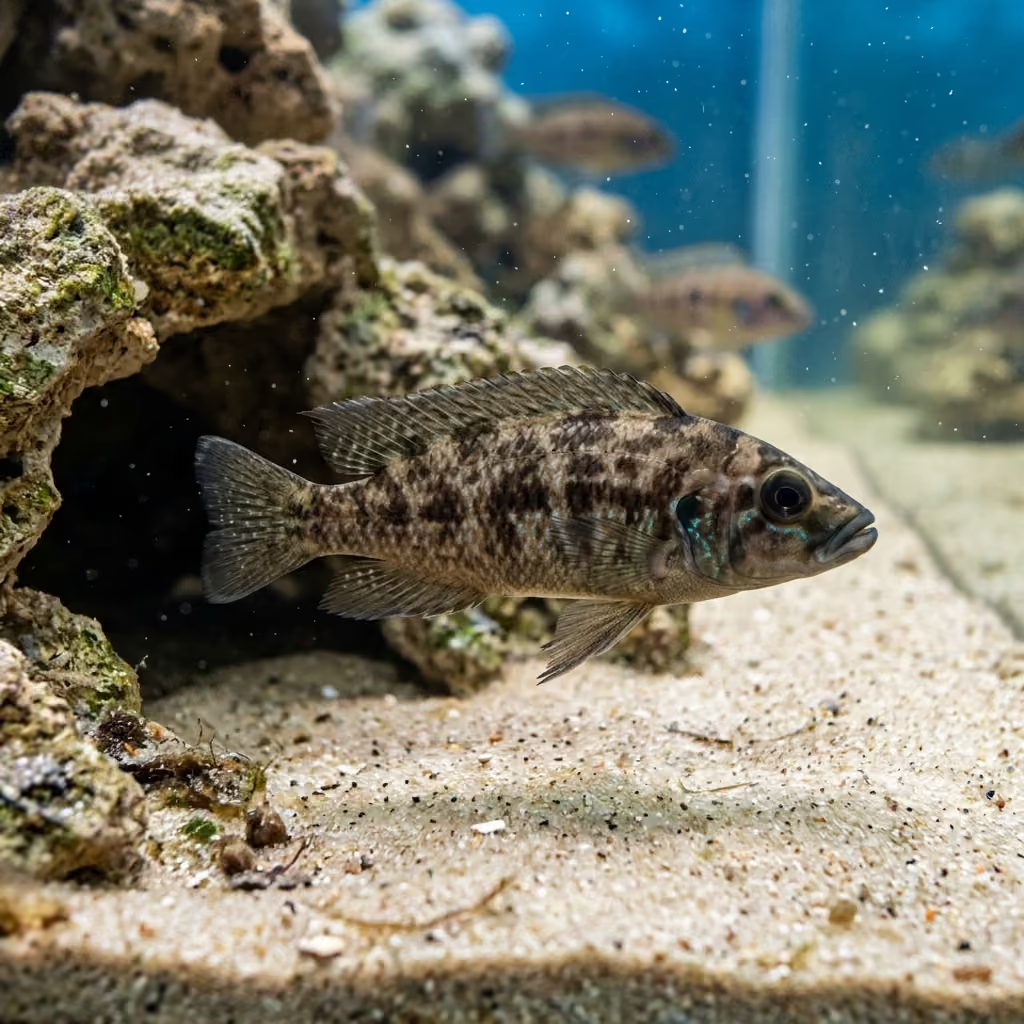
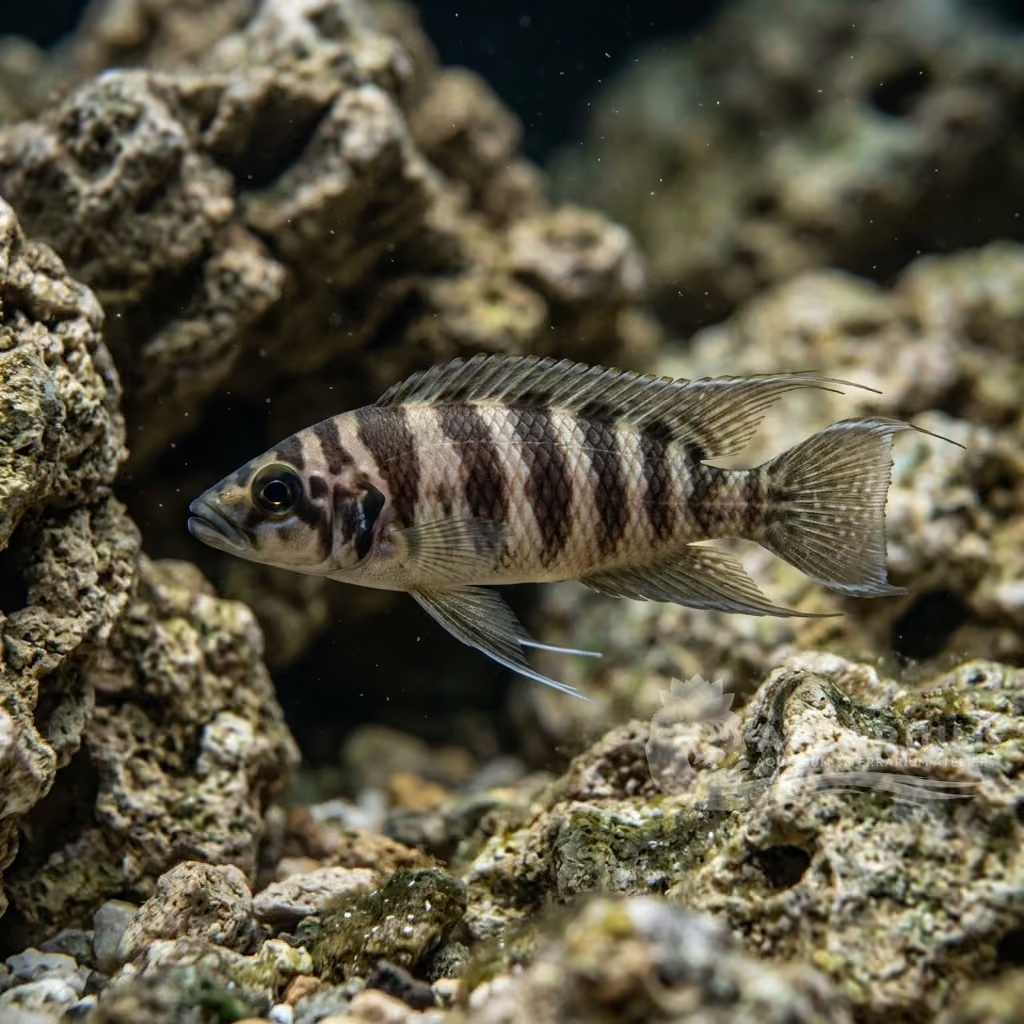
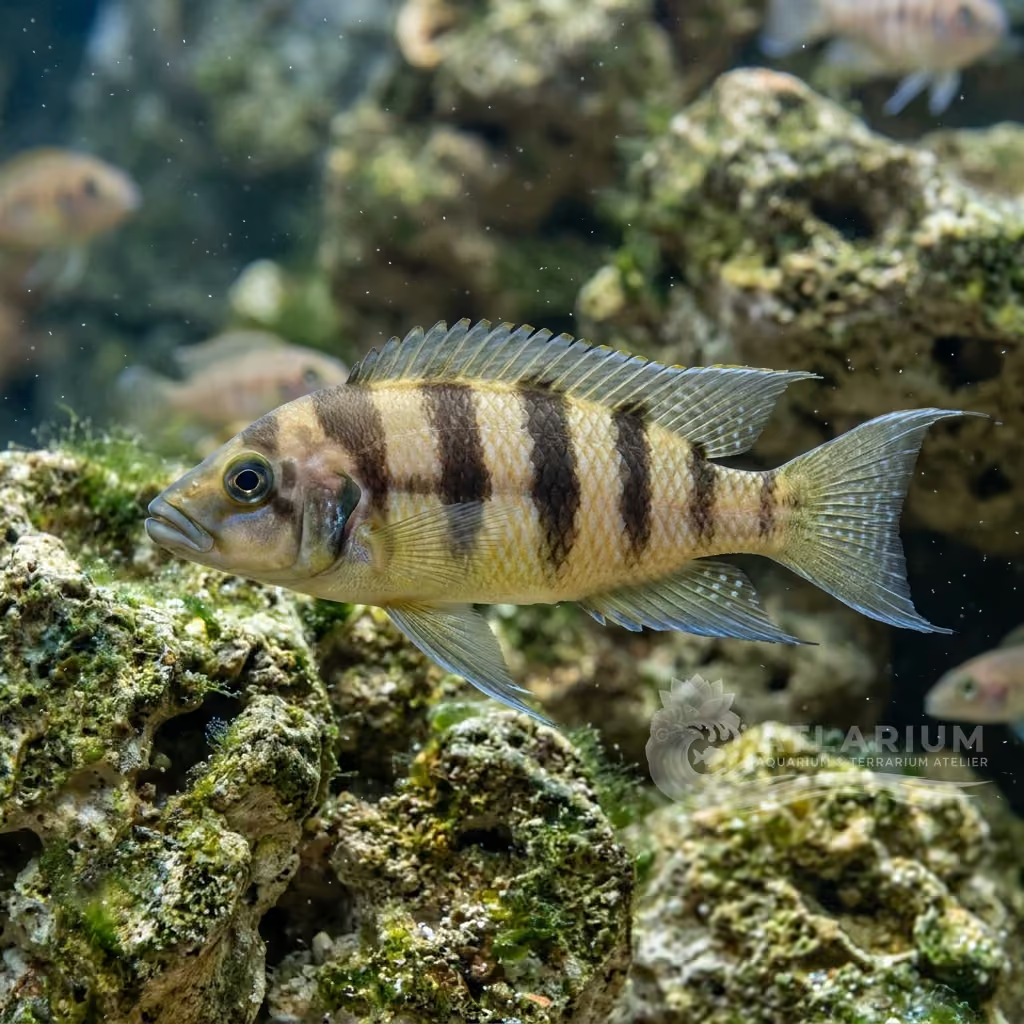
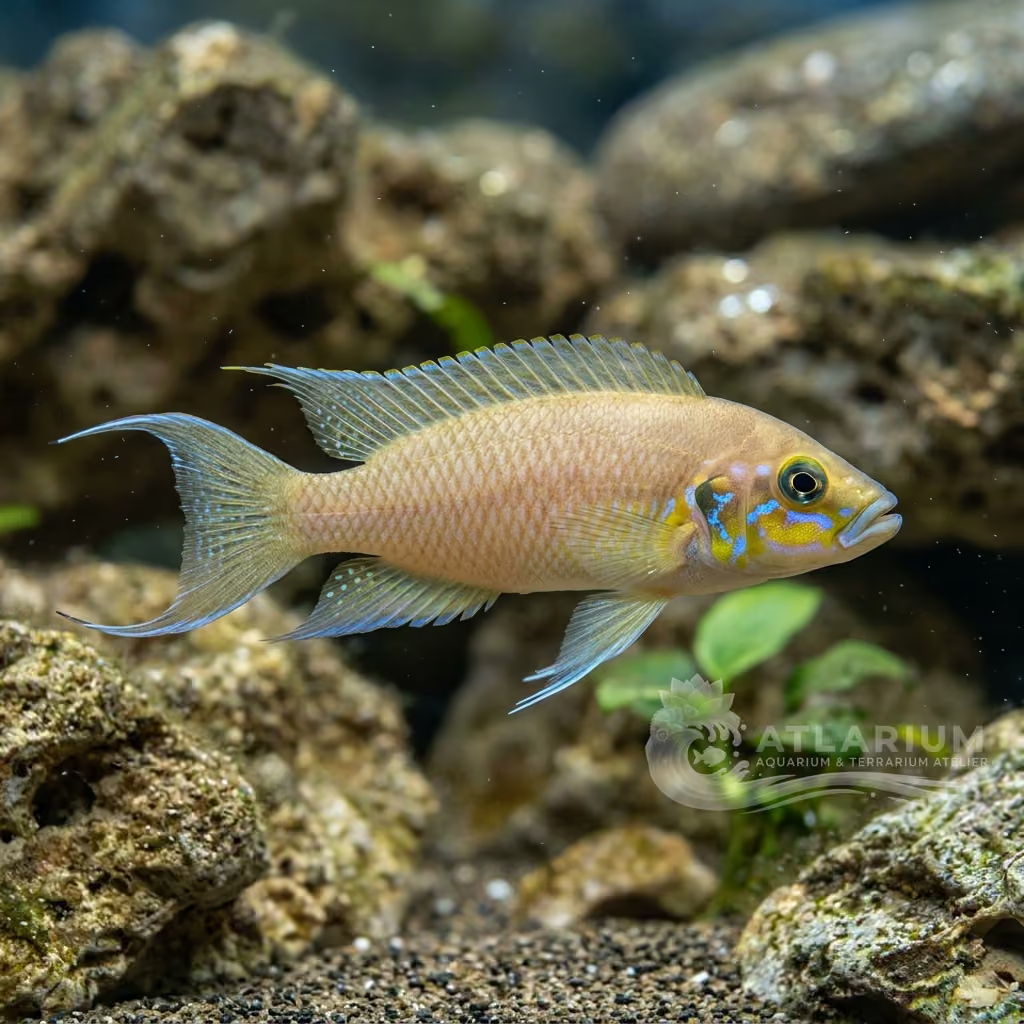
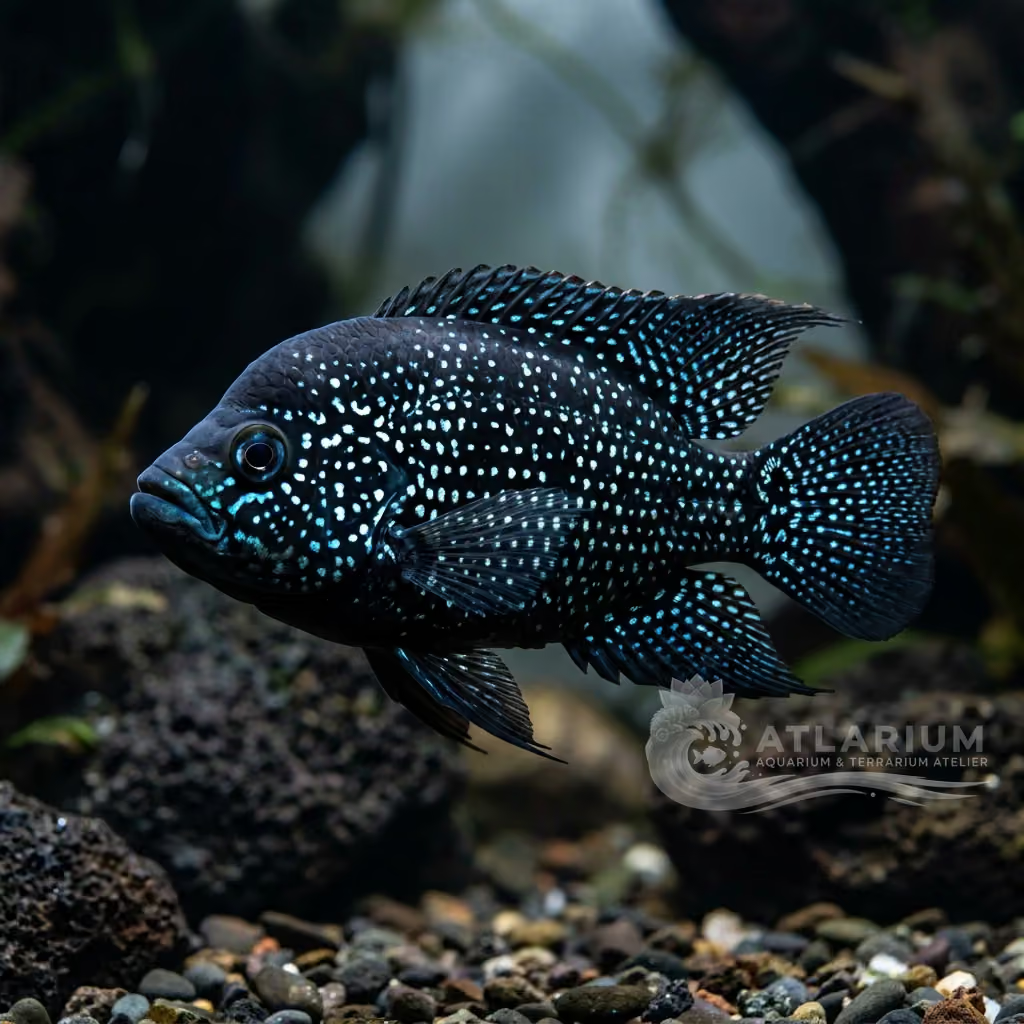
Mud Shell-dweller (L. signatus)
Lamprologus signatus
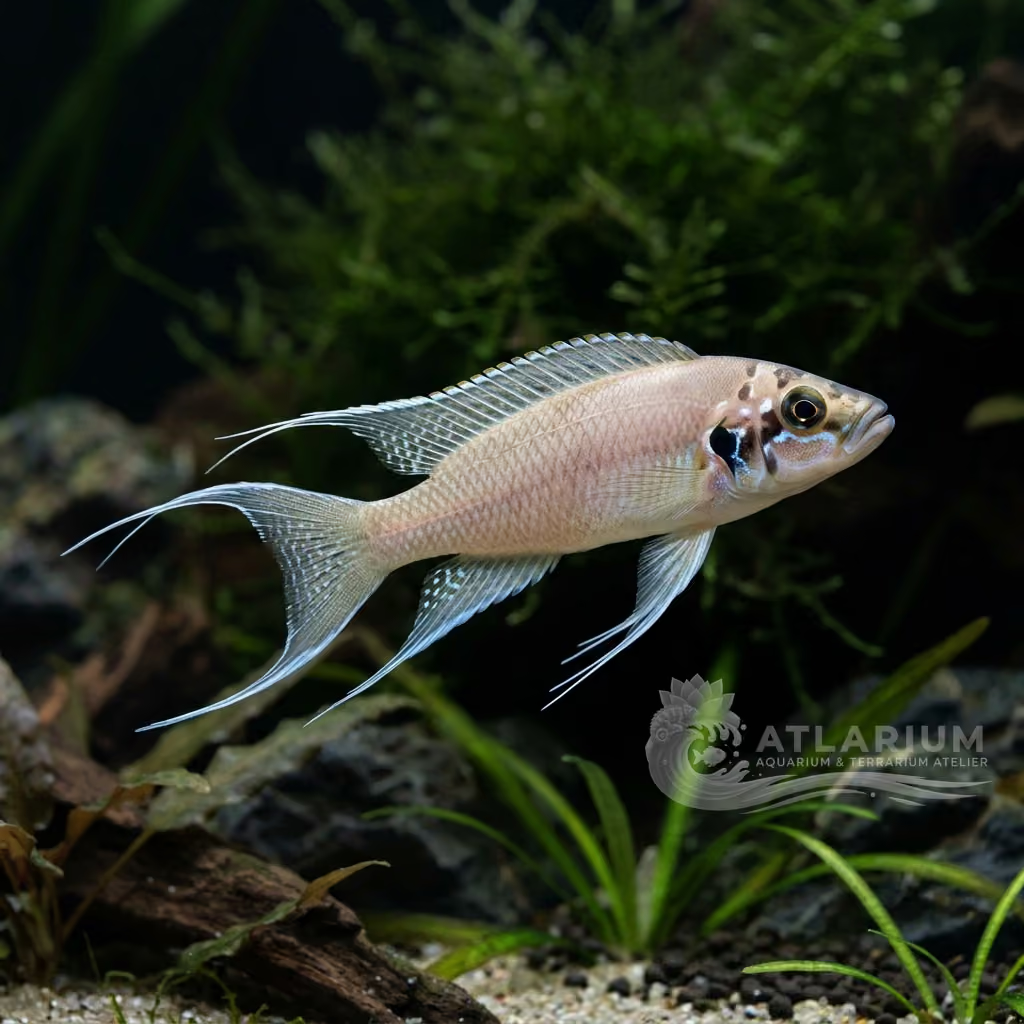
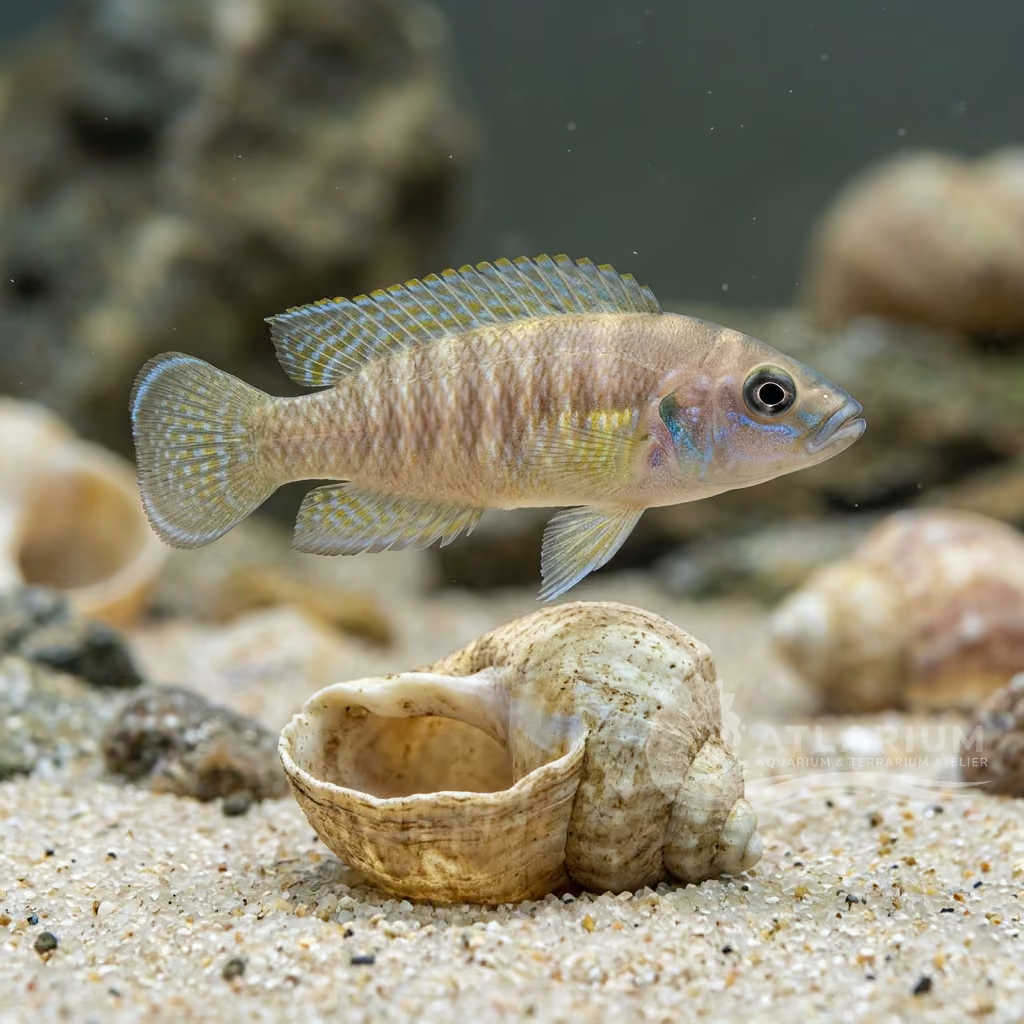
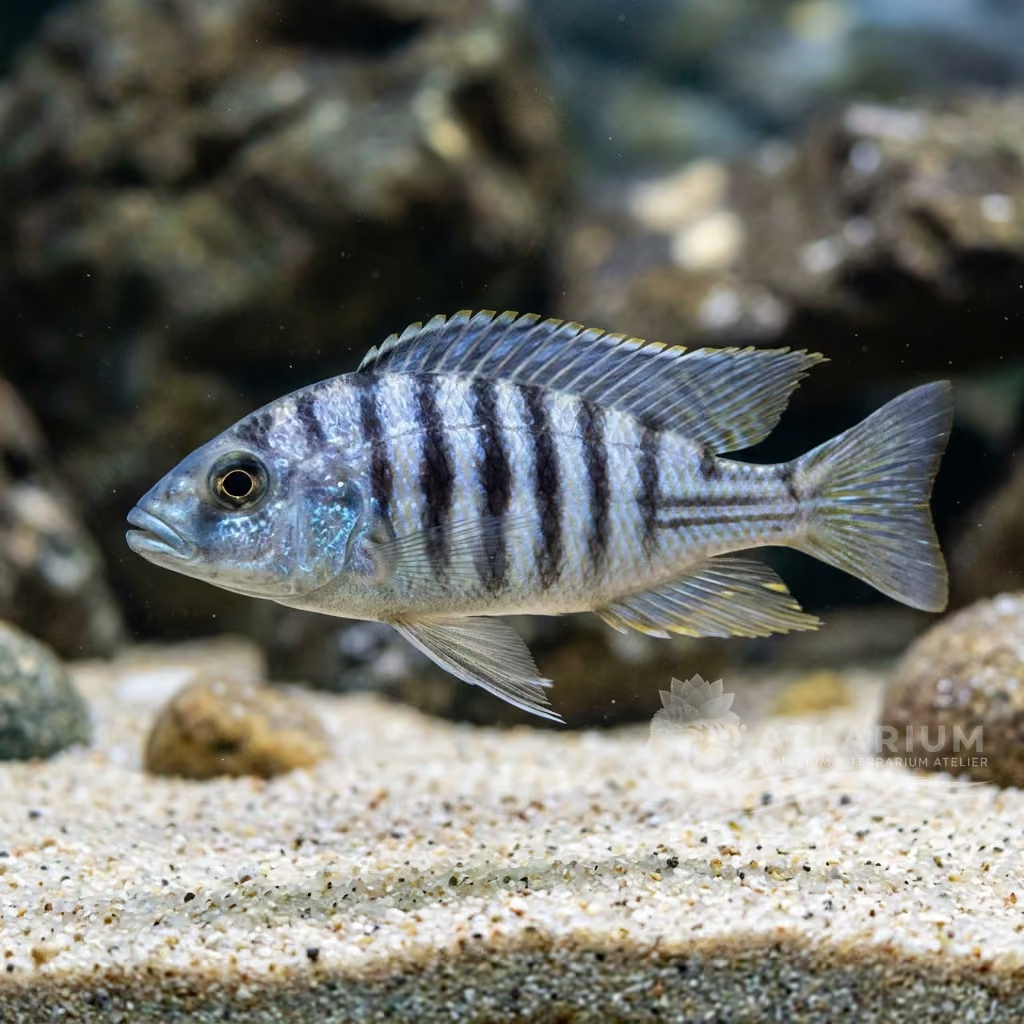
Fascinating mud-dwelling shell-dweller (4 cm). Slender and elongated, highly sexually dimorphic: the male shows off 12 vertical brown stripes, while the female is plain with a bright metallic golden belly. Tube digger in the mud in nature, adapts to shells in the aquarium.
Wassertemperatur
24 - 28 °C
pH-Wert
8 - 9
Wassertyp
Süßwasser
Tankfüllstand
Unten
Erwachsenengröße
5,5 cm
Mindesttankvolumen
>= 100 L
Mindestgruppe
>= 1
GH
10 - 25 dGH
KH
5 - 12 dKH
TDS
200 - 495 ppm
Leitfähigkeit
313 - 773 uS/cm

Artbeschreibung
Geographical Origin and Habitat: Lake Tanganyika (Southern Zambia). Unlike the coastal multifasciatus, this species inhabits very deep and dark muddy bottoms.
Taxonomy and Morphology: Mud-dwelling Shell Cichlid (Lamprologus signatus). Bullet-shaped profile (long and slender body) to slip horizontally into the mud. Closely related to the laparogramma.
Social Behavior: Is divided between compulsive excavation (creates huge valleys and U-shaped tubular tunnels in the sand) and the protection of the shell-cave hidden on the bottom. More peaceful than the fierce ocellatus.
Coloration and Sexual Dimorphism: Silver-striped males (about 12-14 weak gray-brown vertical bands). Monochromatic females, lacking visible bands, but during the breeding season they display an exceptionally bright iridescent purple/bronze belly. Noticeably larger males.

Pflege, Zucht und Mitbewohner
Aquarium Setup: 60 cm (24 inches) aquarium. Omit superfluous furnishings; focus on at least 8-10 cm (3-4 inches) of very fine sand. Although in nature they use mud tunnels to breed, in the aquarium (sand being fragile) snail shells ("escargot") are the only guarantee of a stable nest.
Diet and Feeding: Carnivore/Micro-predator. Likes tiny benthic crustaceans. To be fed copiously (2-3 times a day) with micro-pellets, decapsulated brine shrimp and frozen cyclops. In the tank, it rarely rises more than 5 cm (2 inches) from the bottom to feed.
Water Quality: Sensitive to temperature drops and debris accumulation, which in its typical tank tend to settle on the bottom. Light siphoning and alkaline chemistry (Tanganyika) are fundamental.
Compatibility and Cohabitation: Ideal in a monospecific aquarium. Possible to pair them with small fish that occupy the upper levels (Cyprichromis leptosoma). Mixing them with other bottom dwellers (e.g. Neolamprologus brichardi) means condemning the L. signatus to certain death.
Aquarium Breeding: Male and female form pairs. Spawning takes place in secret (in the buried shell or in the sand tunnel). They are not good "collective" parents: as soon as a brood becomes independent, they will be driven away or devoured in view of a new spawning.
Risks and Diseases: Deadly landslides. If the sand bed contains gravel or is not "binding" enough, the deep tunnels of the signatus will collapse on it, fatally trapping it.

Geografische Herkunft und Verbreitung
Lake Tanganyika (Southern Zambia). Unlike the coastal multifasciatus, this species inhabits very deep and dark muddy bottoms.
Ursprung
Selektive Züchtung und SortenAfrika und MadagaskarOstasienTropische Ozeane und Riffe

Fischprofil
- Temperament
- Semi-aggressive
- They are territorial and will vigorously defend their burrow or shell from intruders. However, their aggression is largely confined to their immediate property line rather than an expansive territory. Toward non-competing, mid-water fish, they are generally peaceful and indifferent.
- Diät
- Omnivore
- They are strict carnivores that forage for small crustaceans and insect larvae in the wild. A high-quality diet of frozen cyclops, daphnia, and baby brine shrimp is essential for their health. Sinking cichlid micro-pellets can be offered, but live or frozen foods should be the primary staple.
- Lebenserwartung
- 5-8 years
- Erwachsenengröße
- 5.5 cm
- Geschlechterverhältnis
- Harem
- They exhibit distinct sexual dimorphism and naturally form pairs rather than harems. Keeping a single male-female pair is highly recommended to observe their fascinating cooperative behaviors. Keeping multiple males will result in severe territorial clashes unless the aquarium has an unusually large footprint.
- Fütterungsfrequenz
- Twice daily
- Due to their high activity levels and fast metabolism, they should be fed two to three times daily. Very small portions of appropriately sized food ensure they get enough calories without fouling the water. Ensure the food sinks quickly to their level so they don't have to venture too high.
- Bioload
- Low
- This highly elongated shell dweller produces a minimal bioload due to its slender profile and small mass. They are highly sensitive to poor water quality, making excellent biological filtration mandatory despite their low waste output. Strict adherence to a weekly water change schedule is necessary for their long-term survival.
- Fluss
- Stagnant
- They originate from deep, muddy bottoms where the water flow is extremely gentle. Strong currents will severely stress them and prevent them from maintaining their burrows or shells. A simple sponge filter provides the perfect combination of gentle flow and efficient biological filtration.
- Sprungrisiko
- No
- Reproduktion
- Oviparous
- They are unique because they will spawn in empty shells or dig deep, intricate tunnels in the mud or sand. The female cares for the eggs deep within the burrow while the male aggressively guards the entrance. Providing both escargot shells and a very deep sand bed gives them the option to choose their preferred method.
- Kompatibilität & Tankkameraden
- Semi-aggressive
- They are moderately aggressive but more tolerant than other shell dwellers due to their mud-dwelling nature. They should not be kept with larger cichlids that could view their slender bodies as prey. Peaceful mid-water swimmers make the best companions in a community Tanganyikan tank.
- Tankfüllstand
- Bottom
- They are strictly confined to the bottom of the aquarium, rarely swimming above the substrate. Their slender, torpedo-like bodies are perfectly adapted for diving into sand and navigating tight tunnels. The mid and upper levels of the tank will be completely ignored by this species.

Wissenschaftliche Modelle & Parameter
FishBase
Zugang zu den offiziellen wissenschaftlichen Daten der Art
FishBase v25.04Daten synchronisiert am: 15.06.2026
- Trophäenniveau
- 3,6 ± 0,59 se
- Belastbarkeit
- Hoch (weniger als 15 Monate)
- Phylogenetische Einzigartigkeit (PD50)
- 0.5
- Bayessche Längen-Gewichts-Beziehung
- a = 0.01445, b = 2.99
- AnfälligkeitGeringe Anfälligkeit (10 / 100)

Verwandte Arten
Empfehlungen gruppiert nach nahen Verwandten, Auswahl von Begleitern und ähnlicher Betreuung.