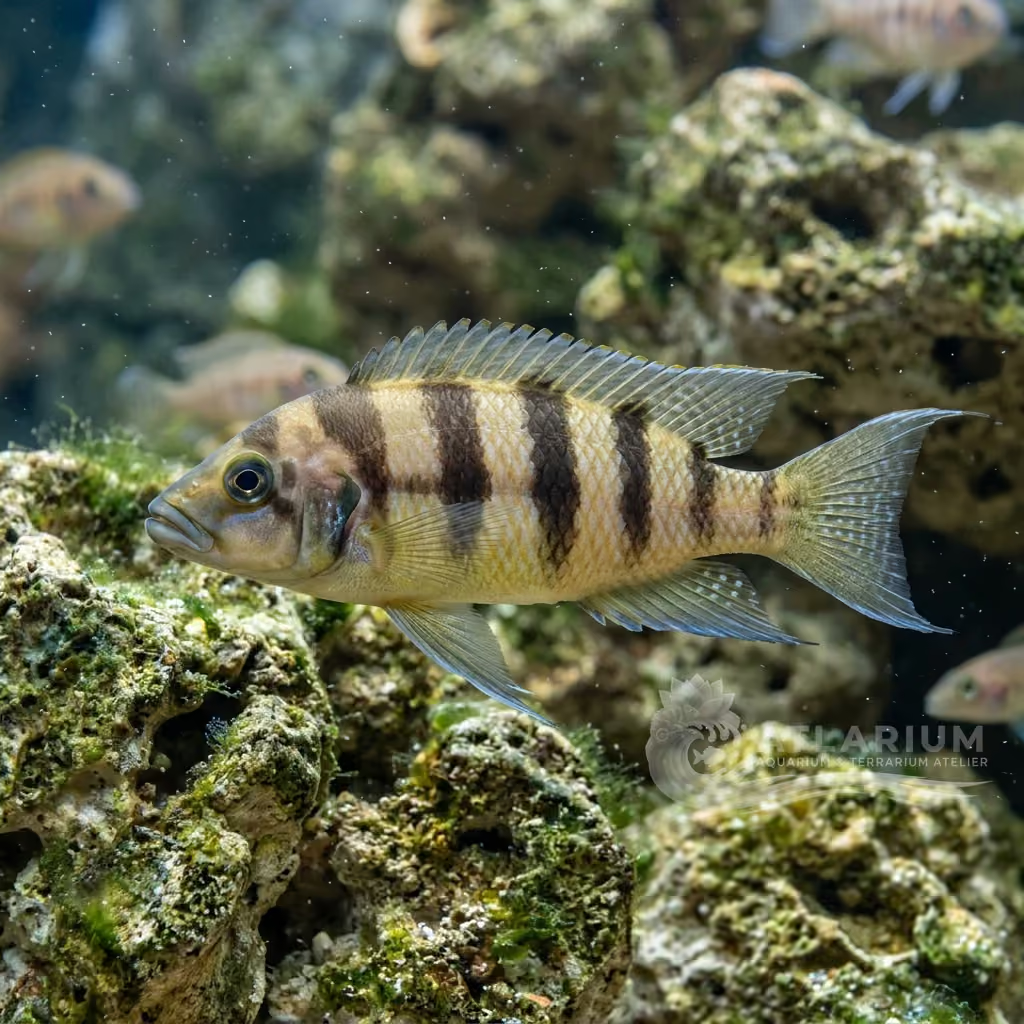
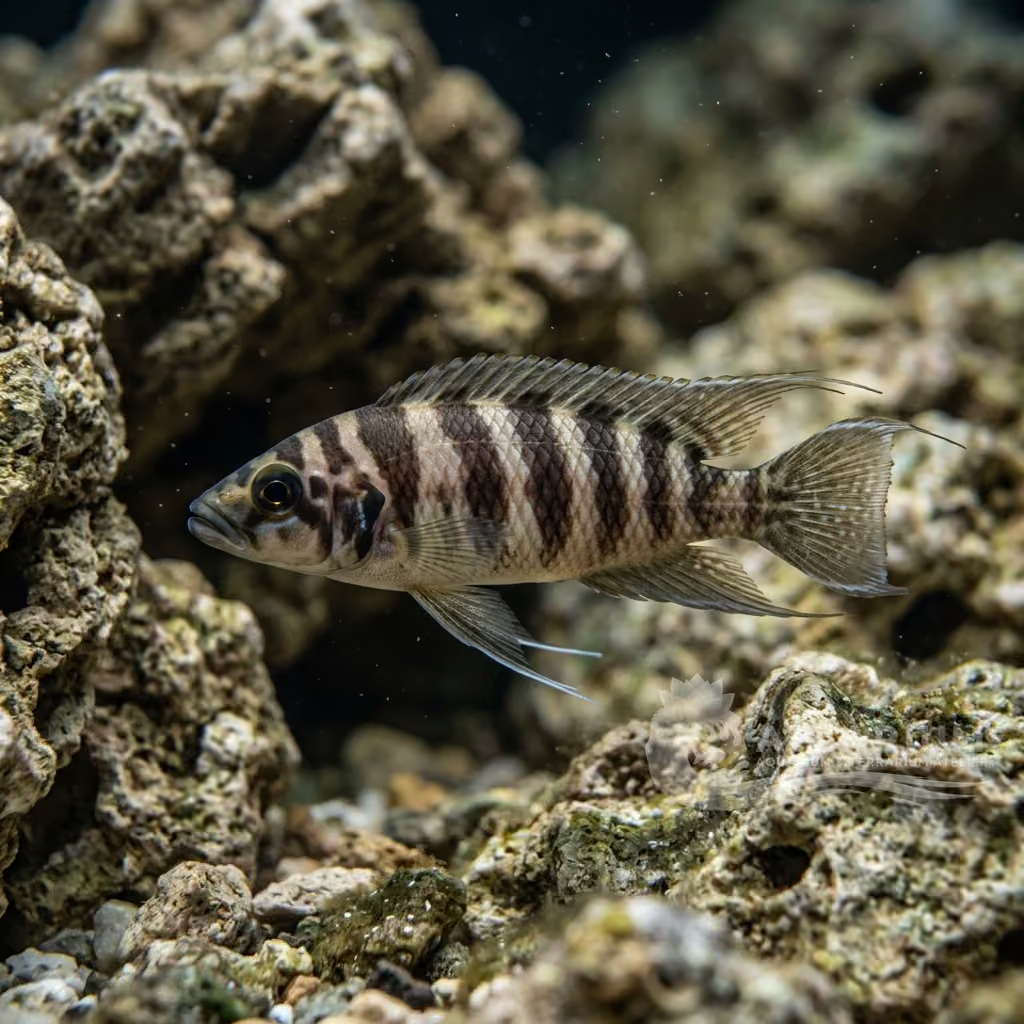
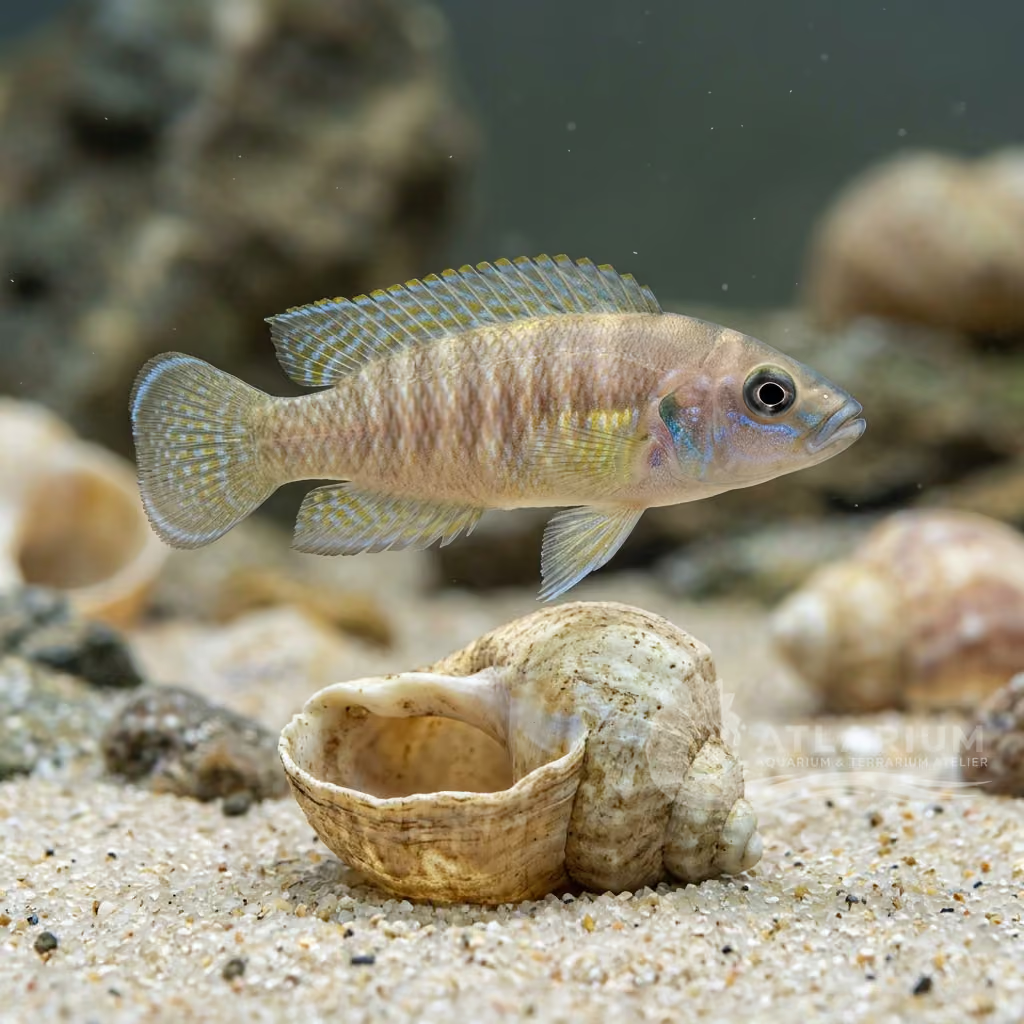
Scrapermouth Mbuna
Labeotropheus trewavasae
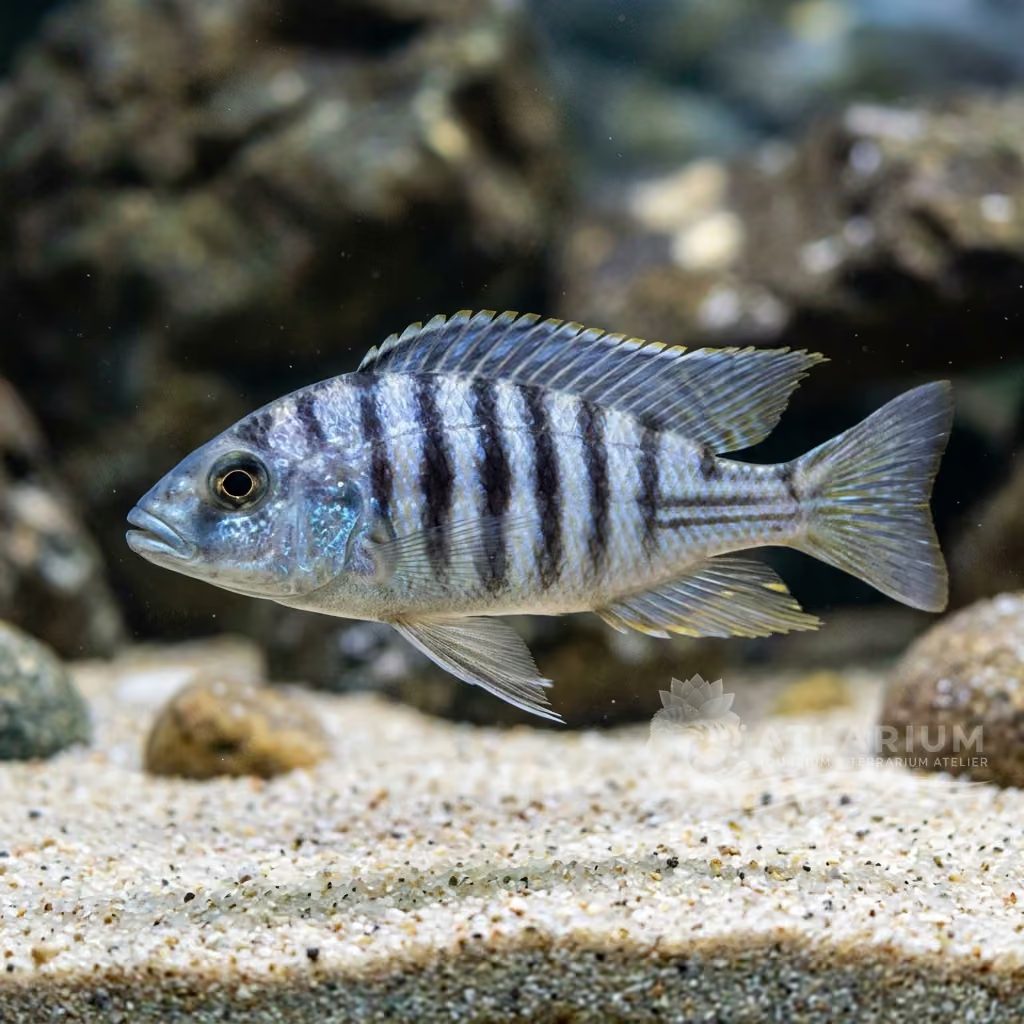
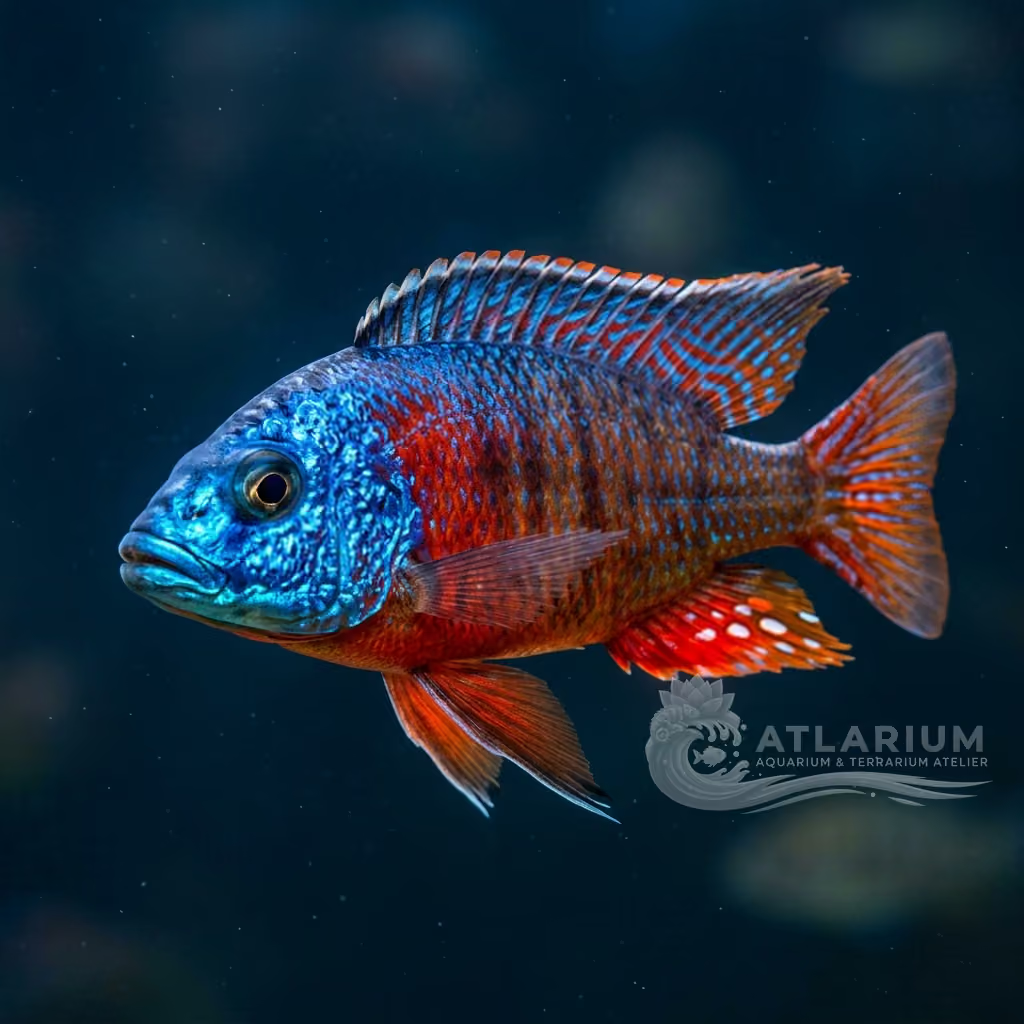
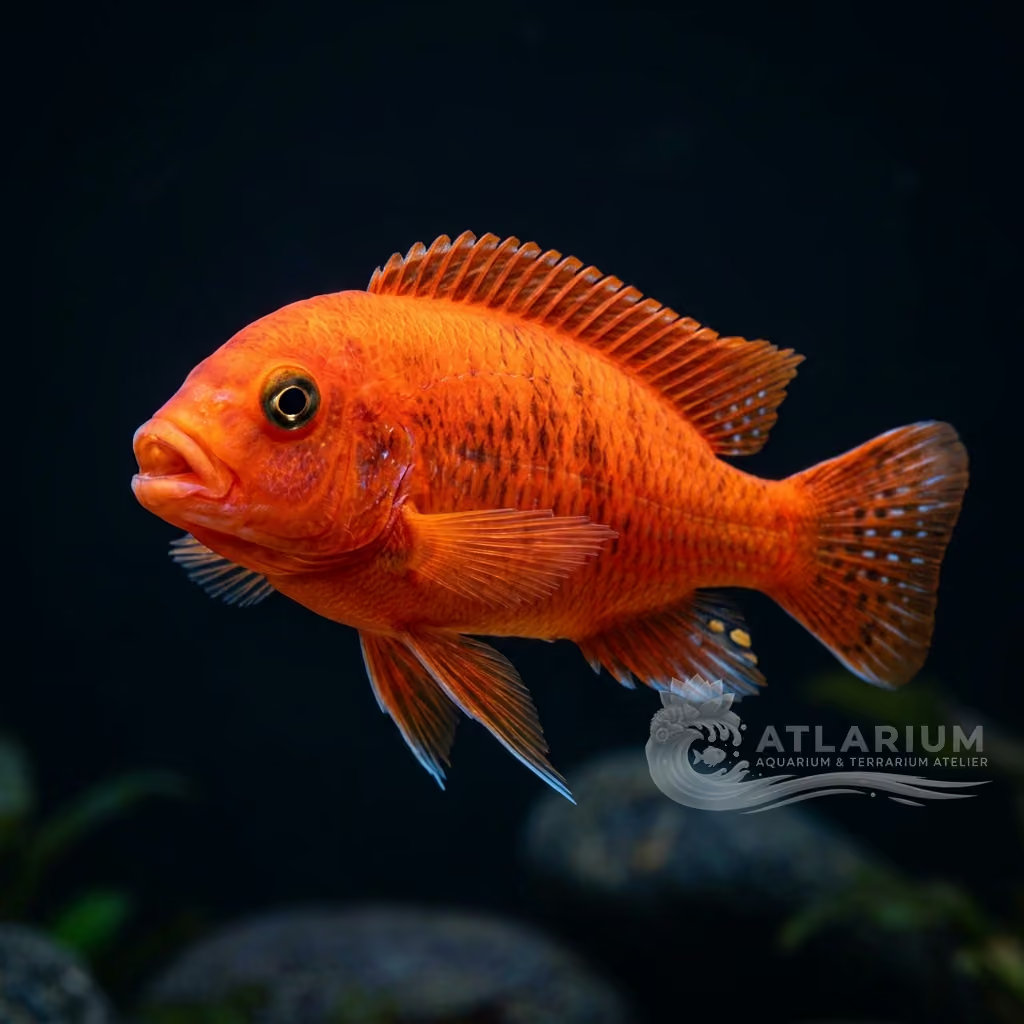
The bizarre 'Aquatic Tapir' of the African Rift (15 cm / 6 inches). A massive, brutally dominant Mbuna featuring a strange, fleshy overhanging 'nose' pad that totally covers its mouth—a masterpiece of evolution designed as a pivot to violently rip tough algae from flat rocks. Boasts incredibly striking colors (sapphire blue males with blazing red/orange fins, and leopard-spotted orange 'OB' females). Demands colossal tanks, rocky walls, and a flawless, totally vegan diet.
23 - 28 °C
7.5 - 8.5
Süßwasser
Unten und in der Mitte
15 cm
>= 180 L
>= 1
10 - 25 dGH
5 - 12 dKH
200 - 495 ppm
313 - 773 uS/cm

Artbeschreibung

Pflege, Zucht und Mitbewohner

Geografische Herkunft und Verbreitung
Ursprung

Fischprofil
- Temperament
- Semi-aggressive
- They are incredibly aggressive, active, and territorial. The males will constantly defend their chosen rock pile and chase away intruders. They require a carefully planned environment with plenty of line-of-sight breaks to manage their hostility.
- Diät
- Omnivore
- They are highly specialized herbivores that scrape aufwuchs (algae and microorganisms) from rocks. In captivity, feed them premium spirulina flakes and herbivore pellets. Avoid all meaty foods like bloodworms or beef heart, which will cause fatal digestive blockages.
- Lebenserwartung
- 8-10 years
- Erwachsenengröße
- 15 cm
- Geschlechterverhältnis
- Harem
- A harem ratio of one male to at least three to five females is mandatory. The male's mating drive is relentless, and having multiple females prevents any single female from being harassed to death. Multiple males should not be kept unless the tank is over 100 gallons.
- Fütterungsfrequenz
- Twice daily
- It is best to feed them small amounts two to three times a day. This mimics their natural continuous grazing behavior in the wild. Avoid dumping large amounts of food at once.
- Bioload
- Low to Medium
- This species generates a heavy bioload, necessitating a powerful filtration system. Consistent, large weekly water changes are a strict requirement to keep the environment healthy. Over-filtration is highly recommended for Mbuna setups.
- Fluss
- Stagnant
- They thrive in areas with strong water currents and high oxygenation. Employing powerheads to simulate the turbulent upper rocky zones of Lake Malawi is ideal. Strong surface movement is essential.
- Sprungrisiko
- Yes
- Due to their aggressive chasing behavior, the risk of them jumping out is very high. A heavy, completely secure aquarium lid is absolutely necessary. Ensure there are no large gaps around filter intakes or heaters.
- Reproduktion
- Oviparous
- They reproduce via maternal mouthbrooding, with the female incubating eggs in her buccal cavity for 3 to 4 weeks. During this time, the female will not eat and will hide among the rocks. Once released, the fry are fully formed and must be fed crushed spirulina.
- Kompatibilität & Tankkameraden
- Peaceful
- They are intensely aggressive and only suitable for a specialized Lake Malawi Mbuna community tank. They will terrorize peaceful or timid fish and must be housed with equally aggressive species. Controlled overstocking helps mitigate targeted aggression.
- Tankfüllstand
- Middle/Bottom
- They are bottom and mid-level swimmers that stay heavily tied to the rockwork. Their unique fleshy snout allows them to scrape algae while swimming parallel to the rocks. Open water holds no interest for them.

Wissenschaftliche Modelle & Parameter
Zugang zu den offiziellen wissenschaftlichen Daten der Art
- Trophäenniveau
- 3,3 ± 0,4 se
- Belastbarkeit
- Mittel (1,4 - 4,4 Jahre)
- Phylogenetische Einzigartigkeit (PD50)
- 0.5005
- Bayessche Längen-Gewichts-Beziehung
- a = 0.00389, b = 3.12
- AnfälligkeitGeringe Anfälligkeit (10 / 100)

Verwandte Arten
Empfehlungen gruppiert nach nahen Verwandten, Auswahl von Begleitern und ähnlicher Betreuung.