Masked Julie
Julidochromis transcriptus
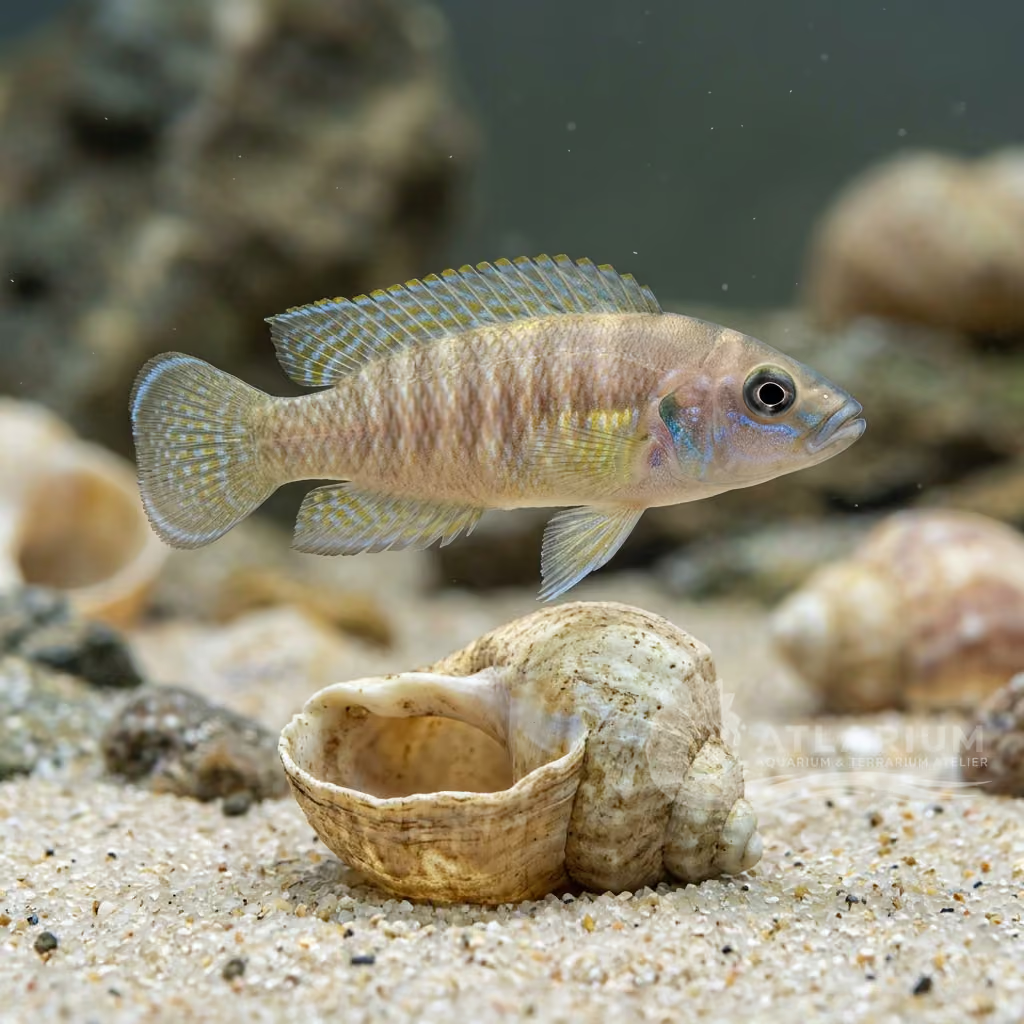
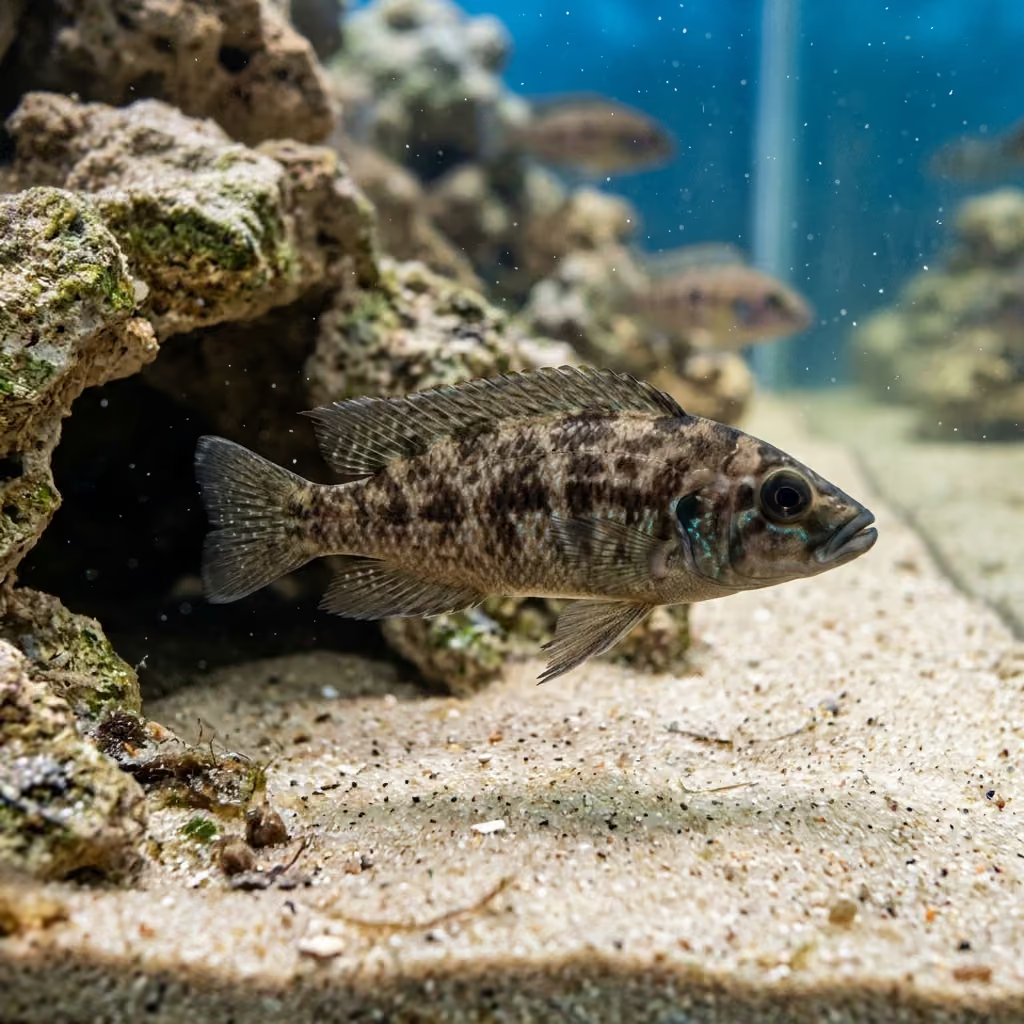
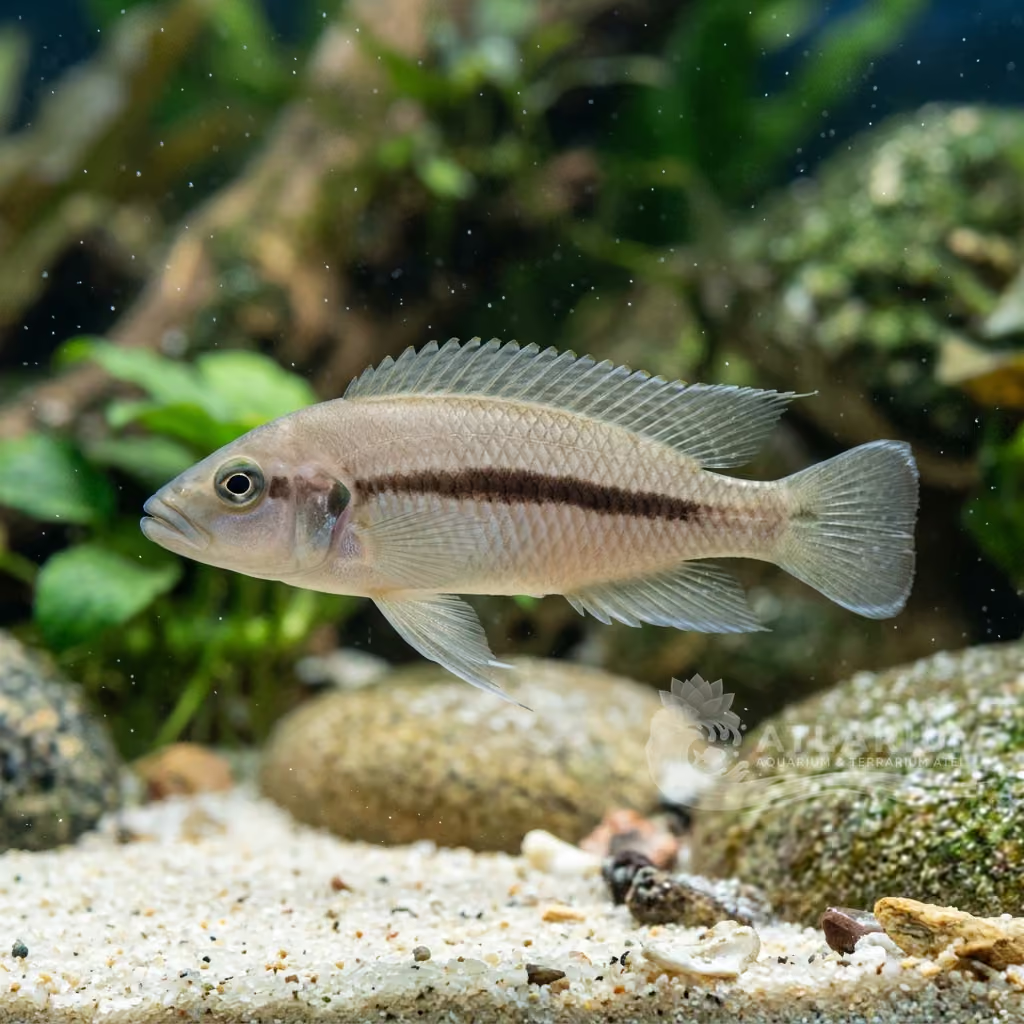
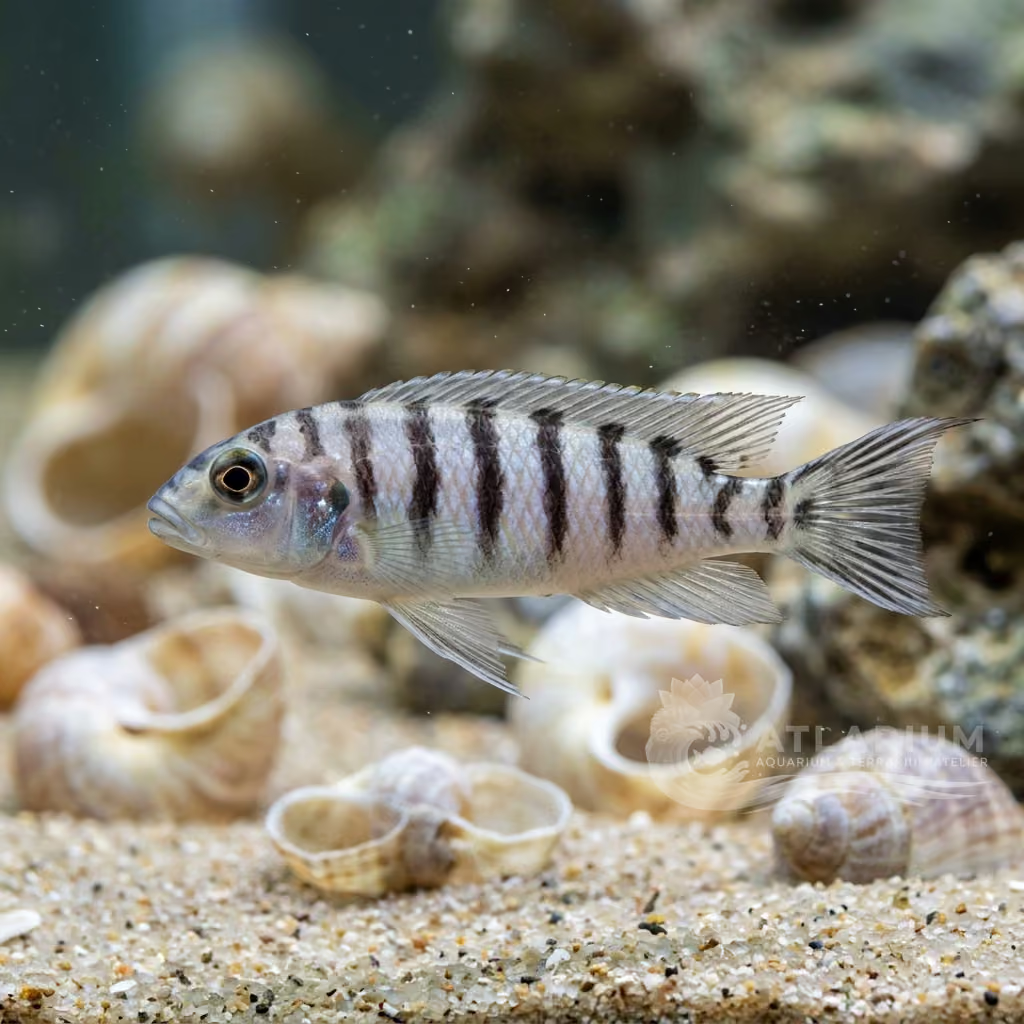
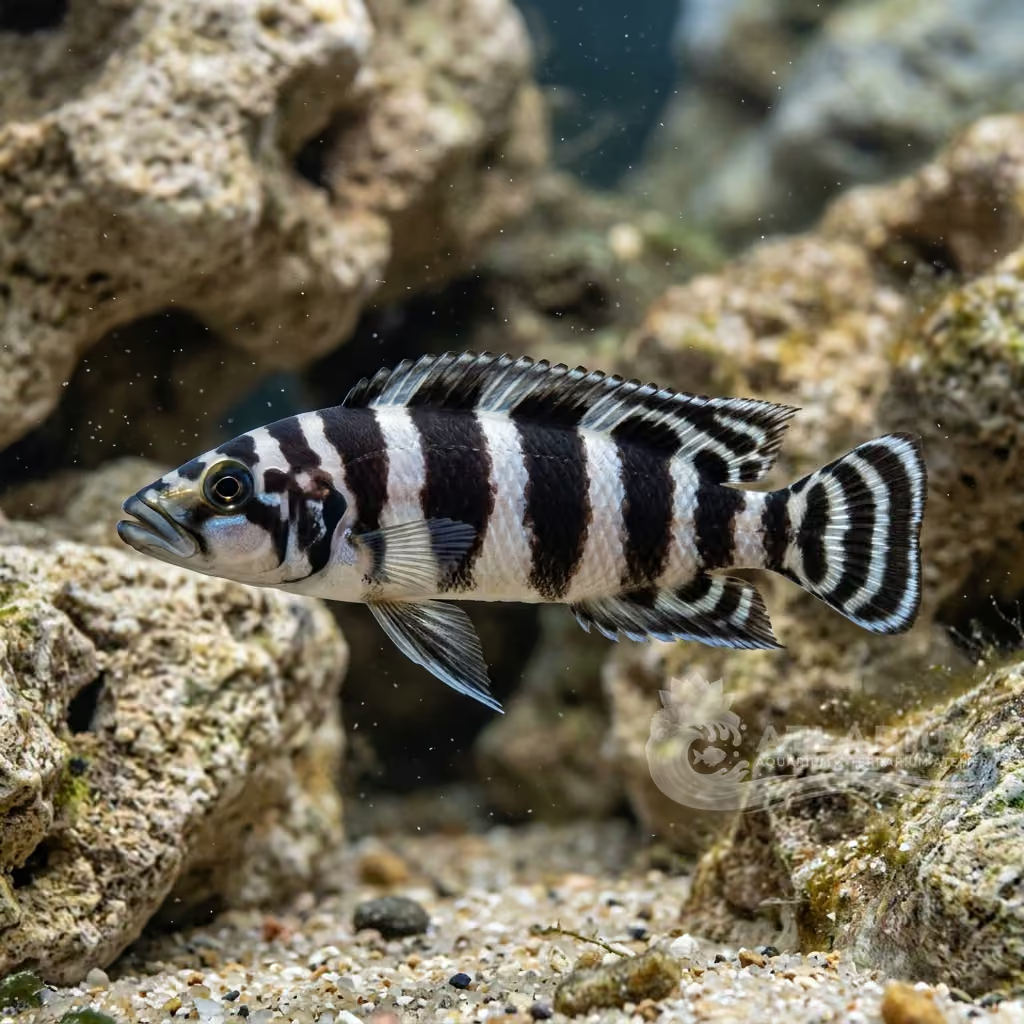
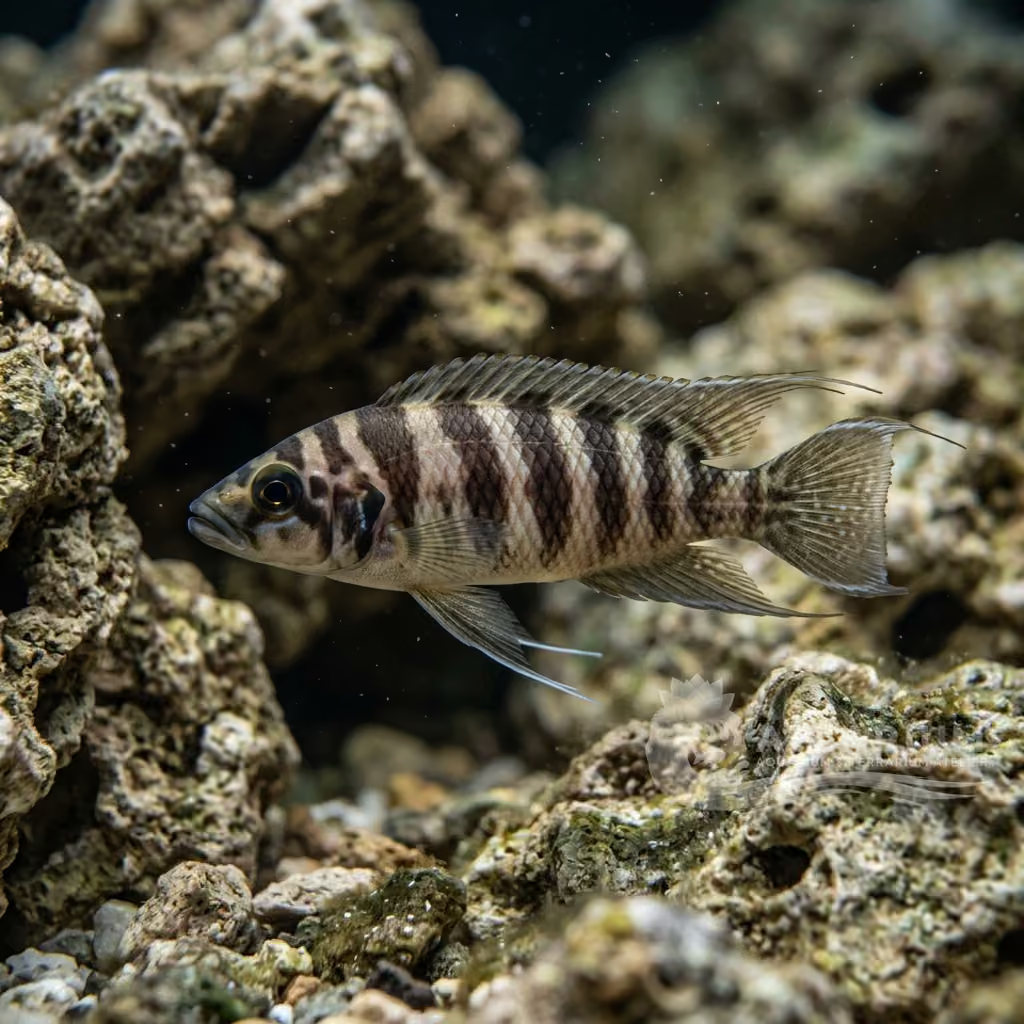
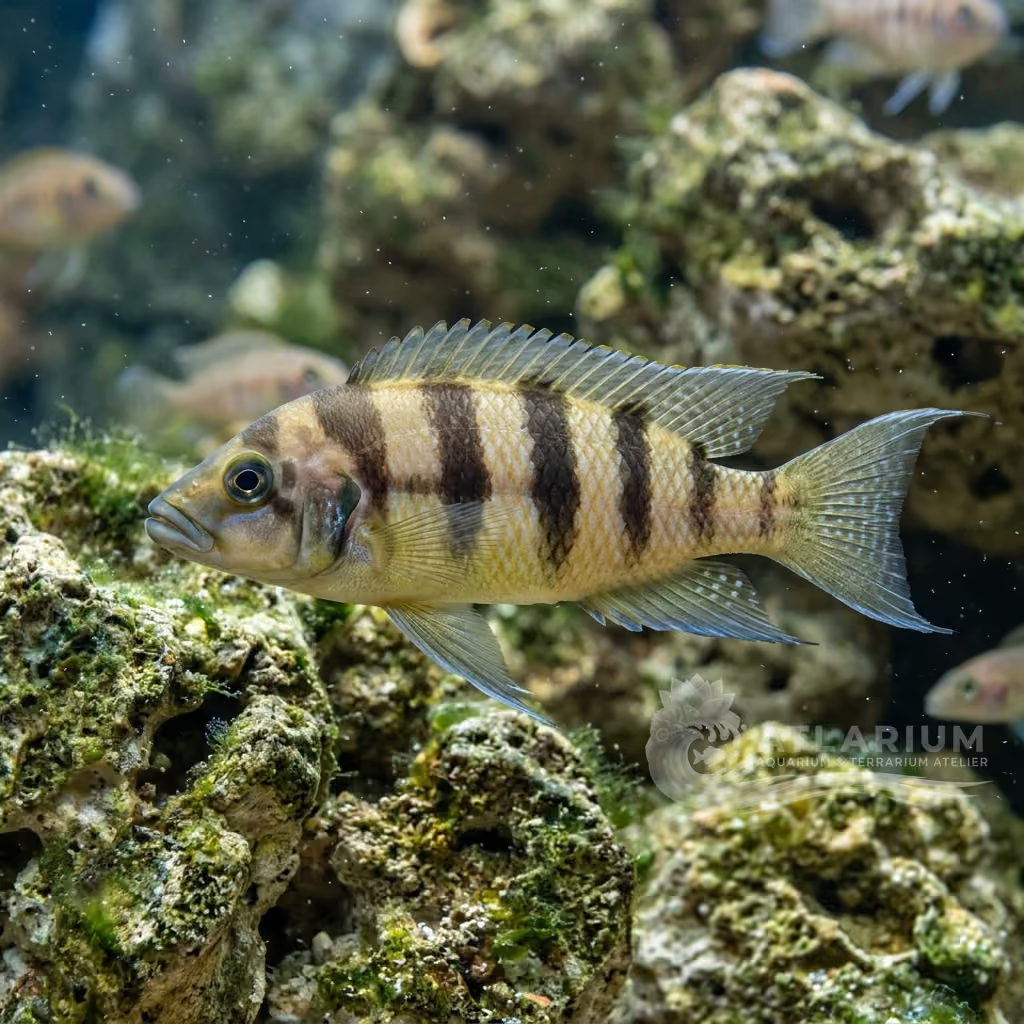
The smallest of the 'Julies' (7 cm). Rocky cichlid with a striking black and white irregular checkerboard mottled pattern. Shy and tied to the most inaccessible crevices, monogamous breeder and intolerant of conspecifics.
Wassertemperatur
23 - 27 °C
pH-Wert
7.8 - 9
Wassertyp
Süßwasser
Tankfüllstand
Unten
Erwachsenengröße
7 cm
Mindesttankvolumen
>= 100 L
Mindestgruppe
>= 1
GH
10 - 25 dGH
KH
5 - 12 dKH
TDS
200 - 495 ppm
Leitfähigkeit
313 - 773 uS/cm

Artbeschreibung
Geographical Origin and Habitat: Lake Tanganyika (Endemic). Restricted between the coastal zones of Kapampa and Makabola (Congo and Burundi). Populates dark crevices between granite boulders at depths between 5 and 15 meters (16-49 feet).
Taxonomy and Morphology: Masked Julie (Julidochromis transcriptus). It is the true dwarf of the family (grows to a maximum of 7 cm / 2.7 inches). Cylindrical structure, less pronounced lips compared to the giants of the genus and delicate pelvic fins.
Social Behavior: Shy and evasive, never abandons contact with the solid substrate. Swims parallel to vertical surfaces or rocky ceilings (upside-down). Less furious than marlieri, but equally intolerant of conspecifics.
Coloration and Sexual Dimorphism: Black and white spotted (irregular checkerboard). Unlike the marlieri, the white background dominates much more over the black spots; the belly is pure white. Ice blue eye. The female is larger and rounder.

Pflege, Zucht und Mitbewohner
Aquarium Setup: Suitable for small rocky aquariums (60-80 cm / 24-32 inches). The layout is vital: create towers of lava stones or slate with dozens of holes, narrow tunnels and blind alleys where it can instantly disappear. No intense light, no plants.
Diet and Feeding: Microscopic grazer. Spends hours exploring biological encrustations. Feed with powdered flake food (spirulina, chlorella), daphnia and brine shrimp nauplii. Thick foods cause intestinal blockage.
Water Quality: Requires Tanganyika "Liquid rock" chemistry. Stable values with Ph 8.5 and high KH. Soft or acidic water dehydrates it osmotically killing it. Intolerant to nitrate accumulation.
Compatibility and Cohabitation: Jewel for minimal Tanganyika tanks. Perfect together with very small shell-dwellers like Neolamprologus similis or small schools of Paracyprichromis nigripinnis. No fast predators.
Aquarium Breeding: Discreet. The female glues small clusters of 20-30 eggs on the smooth ceiling of a giant shell or a slate crevice. Both parents stand guard; they tolerate fry from previous broods (Colony).
Risks and Diseases: Deadly agoraphobia. In bare, illuminated tanks with sparse and low stones, transcriptus go into perennial panic (refusal of food), losing color until they die from stress.

Geografische Herkunft und Verbreitung
Lake Tanganyika (Endemic). Restricted between the coastal zones of Kapampa and Makabola (Congo and Burundi). Populates dark crevices between granite boulders at depths between 5 and 15 meters (16-49 feet).
Ursprung
Afrika und Madagaskar

Fischprofil
- Temperament
- Semi-aggressive
- They are fiercely territorial over their small chosen crevice but ignore fish outside that perimeter. They are relatively peaceful toward non-competing species. However, two males in a small tank will fight relentlessly.
- Diät
- Omnivore
- They are micro-predators requiring small, high-protein foods. A balanced diet of high-quality micro-pellets, crushed flakes, and frozen baby brine shrimp works best. Avoid feeding them large amounts of heavy, terrestrial meats.
- Lebenserwartung
- 8-10 years
- Erwachsenengröße
- 7 cm
- Geschlechterverhältnis
- Pair
- It is best to keep them as a single bonded pair to avoid severe intra-species aggression. Allow a pair to form naturally from a group of juveniles. Once pairing is obvious, safely remove the unbonded individuals.
- Fütterungsfrequenz
- Twice daily
- Feed them very small amounts once or twice daily. Their stomachs are small, so they benefit from grazing behavior rather than binge eating. Always remove any uneaten food to maintain pristine water quality.
- Bioload
- Low
- As the smallest species of Julidochromis, their bioload is very light. However, they are sensitive to poor water quality, so strong biological filtration is required. Regular, small water changes are ideal for maintaining the stable parameters they need.
- Fluss
- Stagnant
- They prefer moderate water movement and highly oxygenated water. A sponge filter or a gently flowing canister filter is usually sufficient. Good surface agitation is necessary to simulate the turbulent lake shorelines.
- Sprungrisiko
- Yes
- Like most cichlids, they can jump if frightened or harassed. A secure lid on the aquarium is strongly recommended. Providing dense rockwork reduces their stress and naturally lowers the jump risk.
- Reproduktion
- Oviparous
- They are biparental cave spawners, laying eggs secretly in the darkest crevices. Both parents guard the fry, and multiple generations are often tolerated in the same cave system. The fry grow slowly and stay hidden within the rocks for weeks.
- Kompatibilität & Tankkameraden
- Peaceful
- They are a great choice for a smaller Tanganyikan community tank due to their peaceful nature toward other species. They coexist nicely with Neolamprologus multifasciatus or small open-water swimmers. Conspecific aggression is high, so keep only one pair per tank.
- Tankfüllstand
- Bottom
- They are exclusively bottom dwellers that closely hug rock formations. They dart from crevice to crevice and rarely swim in open water. Complex rock arrangements provide the necessary environment for their comfort.

Wissenschaftliche Modelle & Parameter
FishBase
Zugang zu den offiziellen wissenschaftlichen Daten der Art
FishBase v25.04Daten synchronisiert am: 15.06.2026
- Trophäenniveau
- 3,5 ± 0,37 se
- Belastbarkeit
- Hoch (weniger als 15 Monate)
- Phylogenetische Einzigartigkeit (PD50)
- 0.5156
- Bayessche Längen-Gewichts-Beziehung
- a = 0.00389, b = 3.12
- AnfälligkeitGeringe Anfälligkeit (10 / 100)

Verwandte Arten
Empfehlungen gruppiert nach nahen Verwandten, Auswahl von Begleitern und ähnlicher Betreuung.