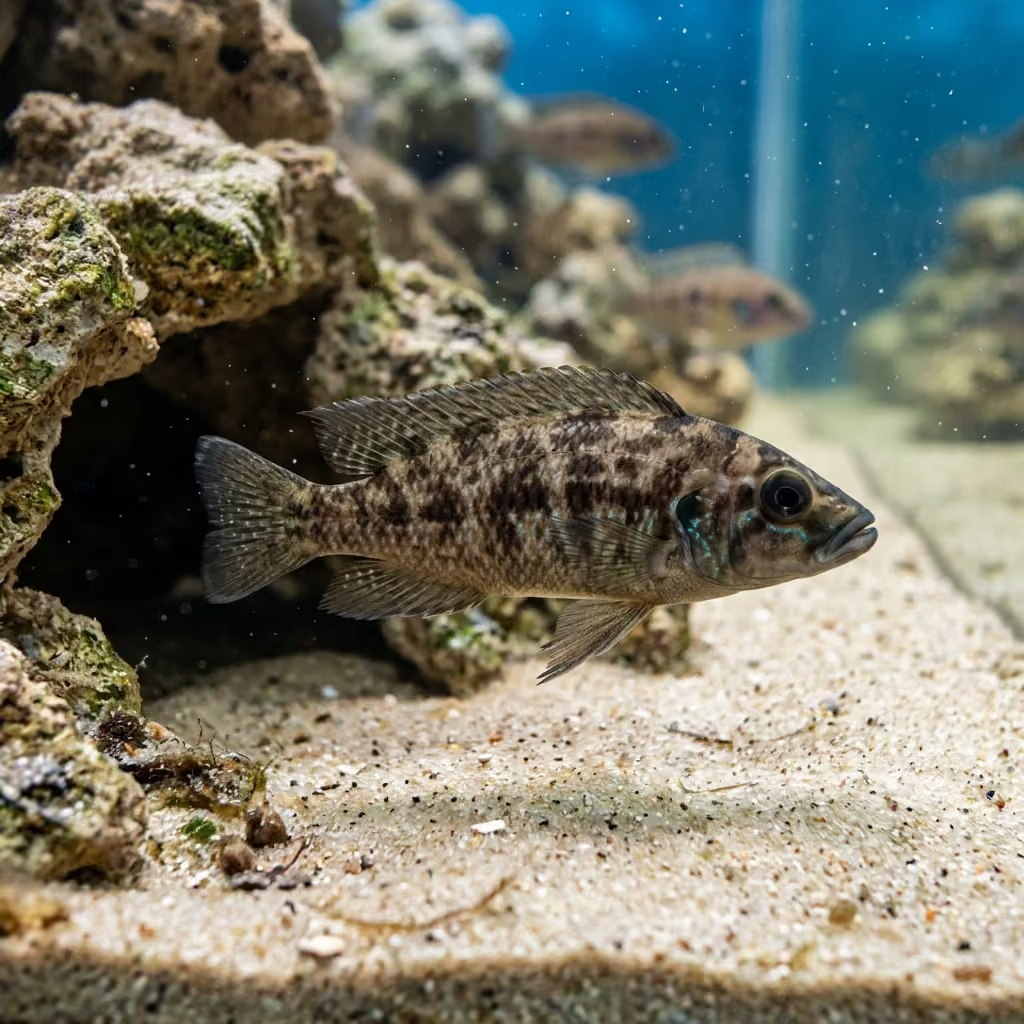
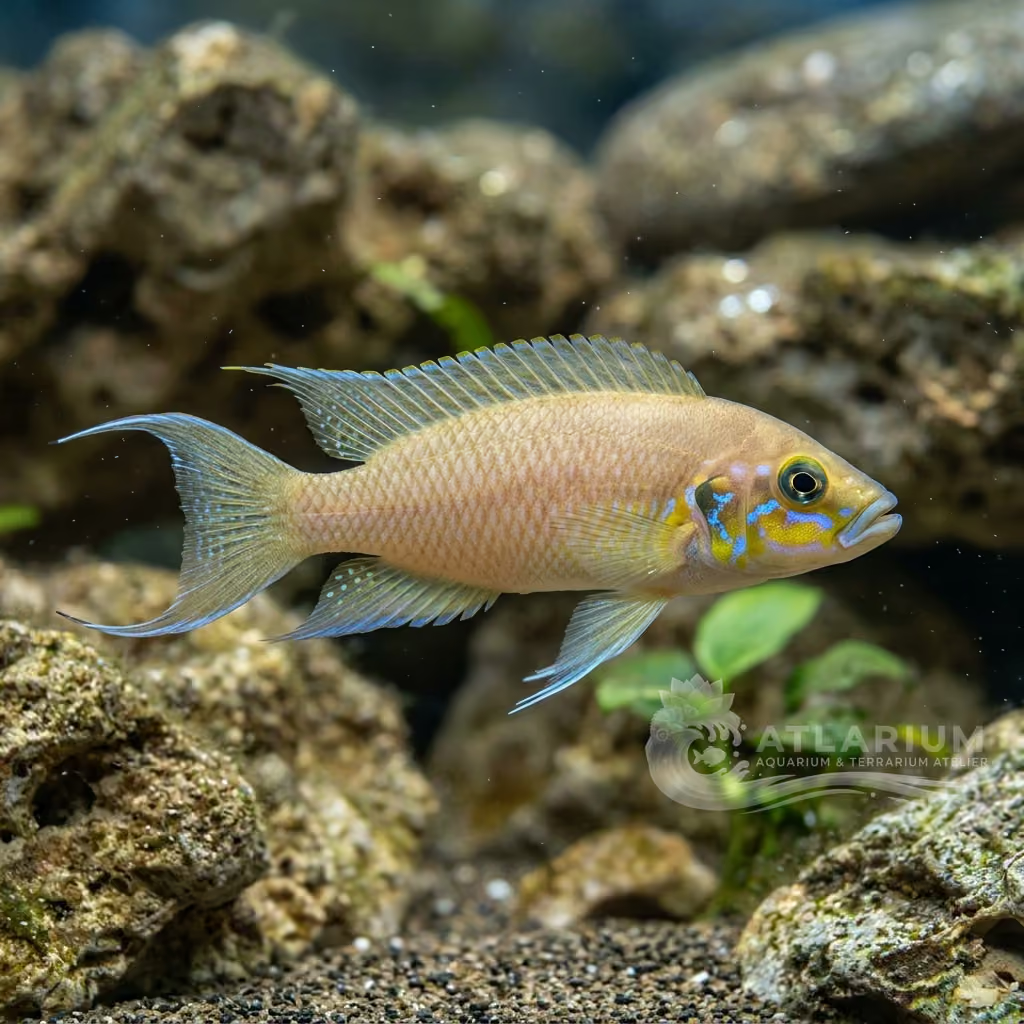
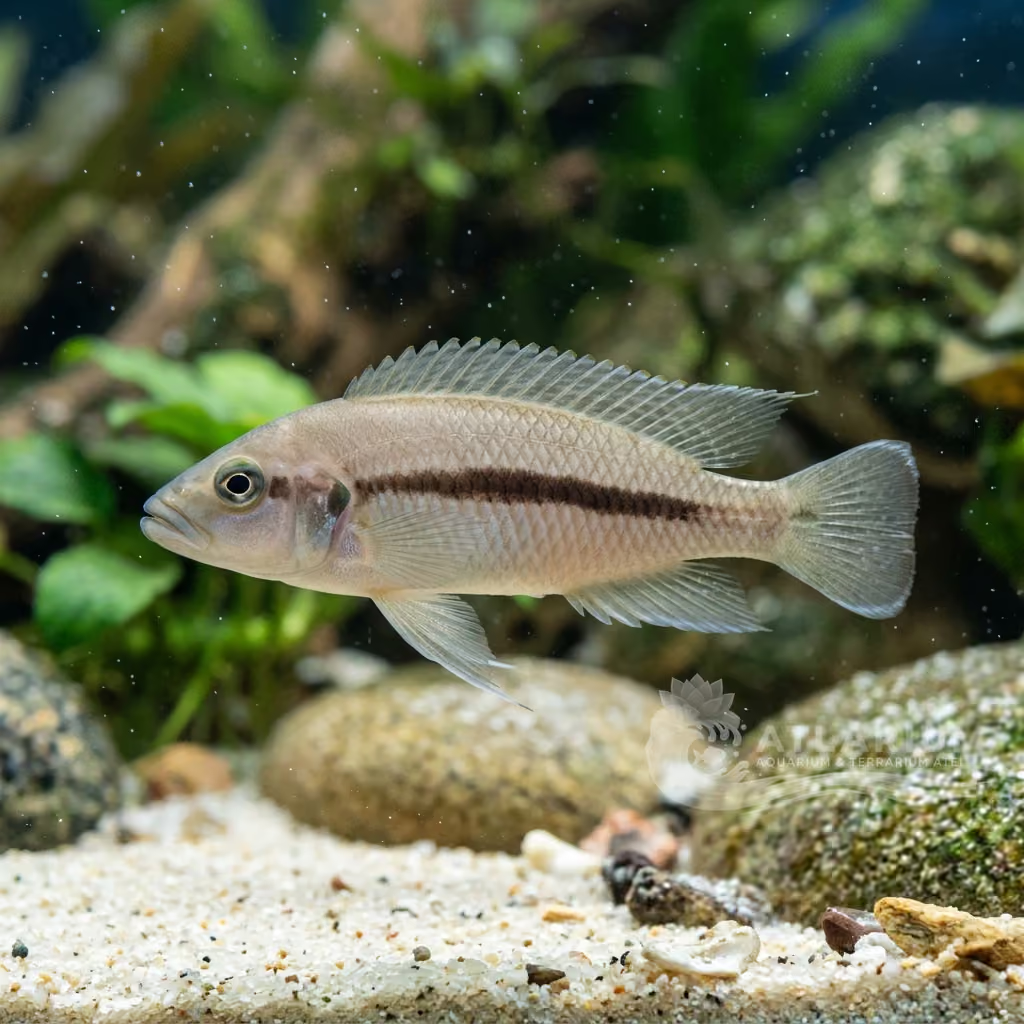
Regan's Julie
Julidochromis regani
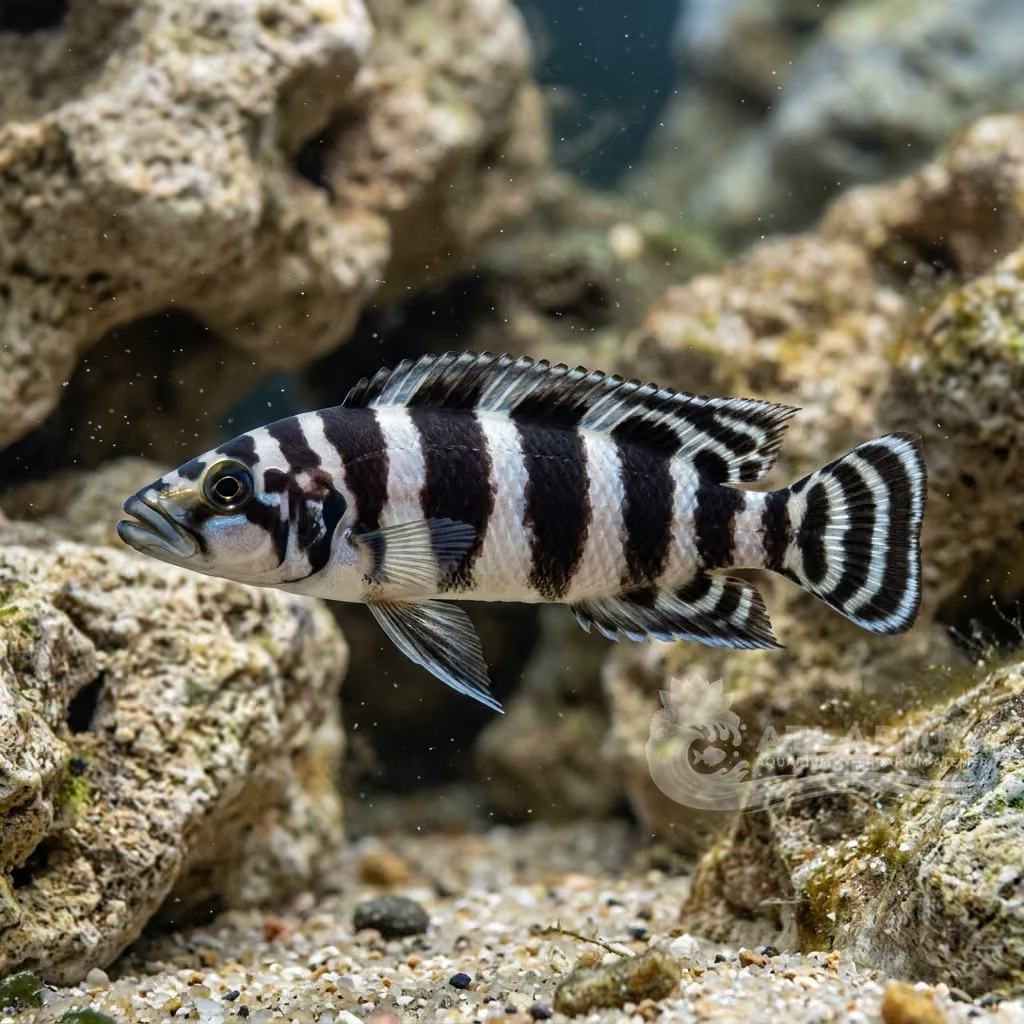
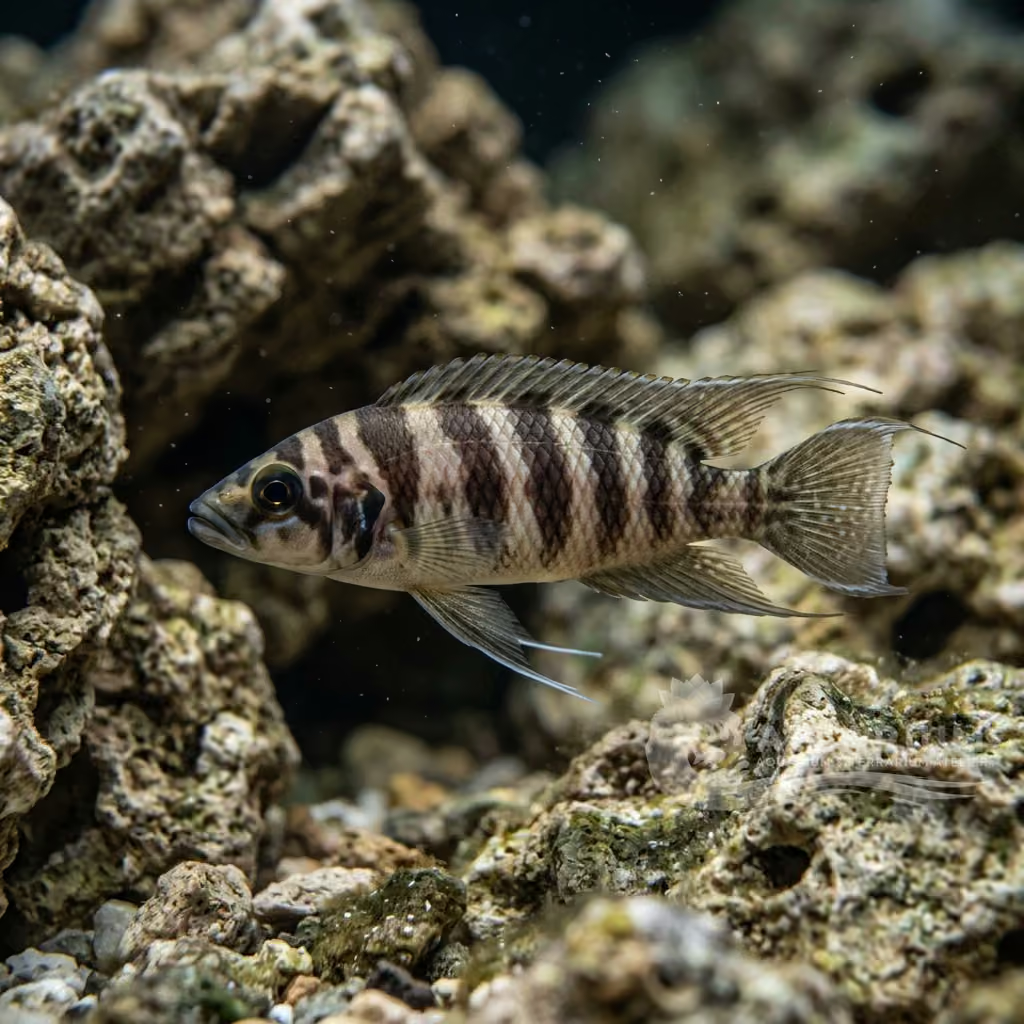
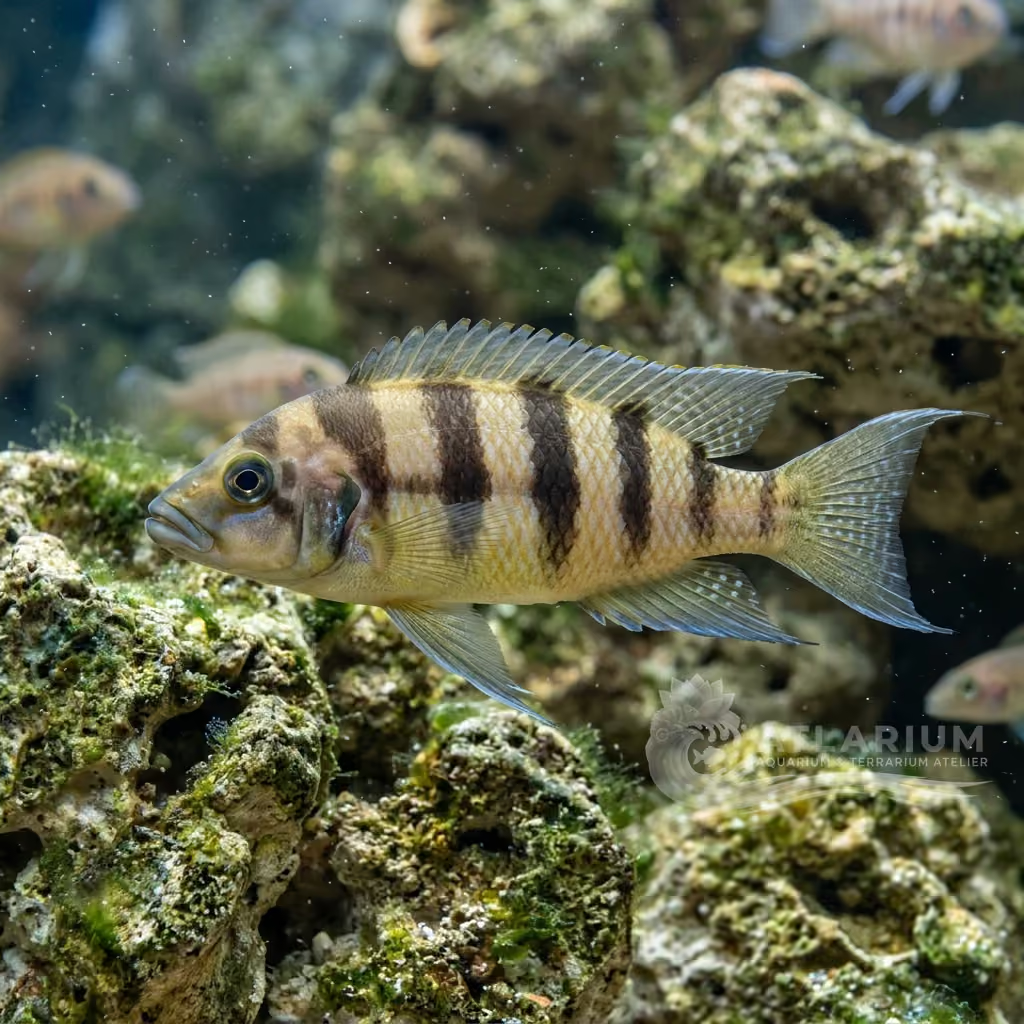
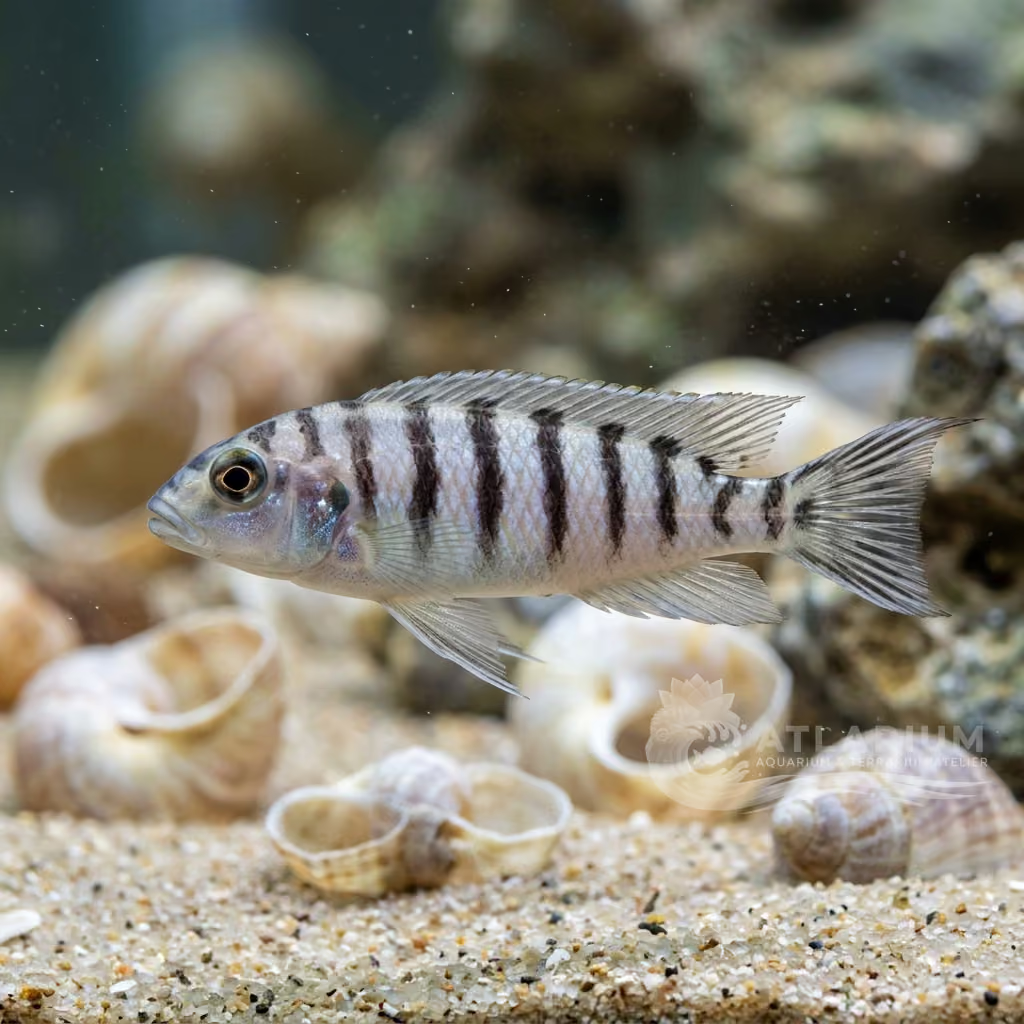
The striped giant (13 cm) of the Julidochromis. Has a peculiar tubular golden body crossed by perfect black bands. Climbs belly to the ground on rock walls and nests cooperatively in inaccessible crevices.
Wassertemperatur
23 - 27 °C
pH-Wert
7.8 - 9
Wassertyp
Süßwasser
Tankfüllstand
Unten
Erwachsenengröße
13 cm
Mindesttankvolumen
>= 180 L
Mindestgruppe
>= 1
GH
10 - 25 dGH
KH
5 - 12 dKH
TDS
200 - 495 ppm
Leitfähigkeit
313 - 773 uS/cm

Artbeschreibung
Geographical Origin and Habitat: Lake Tanganyika (Endemic). Widespread geographical variants (Kipili, Kipimbi, Kerenge). Lives in the low rocky zone (up to 10 meters / 32 feet), preferring smooth boulders on light sandy bottoms.
Taxonomy and Morphology: Regan's Julie / Striped Julie (Julidochromis regani). One of the giants of the family, long and muscular (up to 13 cm / 5 inches in aquarium). Torpedo-shaped body, much wider and more robust mouth than the ornatus cousins.
Social Behavior: Fierce dominator. An adult regani will claim a vast stretch of reef as exclusive territory. Sub-dominant males are relegated to the upper corners of the tank, stripped of their colors.
Coloration and Sexual Dimorphism: Beige-cream background (up to intense yellow in Kipili variants) cut by 4-5 thick uninterrupted horizontal black stripes, from snout to caudal peduncle. Throat invariably light. Females larger than males.

Pflege, Zucht und Mitbewohner
Aquarium Setup: Spacious Tanganyika aquarium (100-120 cm / 40-48 inches min). Requires a rocky "terraced" layout with heavy stone slabs (e.g. Slate) overlapping to form impregnable shelters. Coral or silica sand.
Diet and Feeding: Invertebrate gleaner. In addition to the algal aufwuchs, actively hunts small snails, planaria and shrimp. Offer live/frozen food (brine shrimp, mysis) balanced with hard vegetable pellets to file teeth.
Water Quality: Pure Tanganyika water. Extremely high carbonate hardness (KH 12+) and pH above 8.0. The tank needs wavemakers to replicate the strong surface wave motion.
Compatibility and Cohabitation: Excellent for Tanganyika communities with free high-swimming fish (Cyprichromis, Paracyprichromis). Can attack shell-dwellers (Neolamprologus) if their territory closely borders its rockery.
Aquarium Breeding: Vault spawning. The couple isolates for weeks in unreachable caves; the eggs (100+) hatch on the rocky ceiling. They create multigenerational colonies in which the young are admitted up to 3 cm (1.2 inches) in size.
Risks and Diseases: Fratricide. Inserting two unformed adults (not a pair) or moving the furnishings will infallibly lead to the killing of one of the two specimens within 24 hours due to territorial fury.

Geografische Herkunft und Verbreitung
Lake Tanganyika (Endemic). Widespread geographical variants (Kipili, Kipimbi, Kerenge). Lives in the low rocky zone (up to 10 meters / 32 feet), preferring smooth boulders on light sandy bottoms.
Ursprung
Afrika und Madagaskar

Fischprofil
- Temperament
- Semi-aggressive
- They are highly territorial and aggressively defend their rocky real estate. Their aggression is largely directed at conspecifics and fish invading their immediate space. When given enough room and appropriate tankmates, they are generally manageable.
- Diät
- Omnivore
- Their diet should be rich in proteins from small aquatic invertebrates and crustaceans. Offer a mix of high-quality cichlid pellets, frozen artemia, and Mysis shrimp. Occasional feedings of high-quality vegetable matter can also be beneficial.
- Lebenserwartung
- 5-10 years
- Erwachsenengröße
- 13 cm
- Geschlechterverhältnis
- Pair
- They should exclusively be kept in bonded pairs in most home aquariums. Trying to keep multiple adults in a small space will lead to lethal territorial disputes. Start with a small group of juveniles and allow a pair to form naturally.
- Fütterungsfrequenz
- Twice daily
- Feed adults once or twice daily with only what they can consume in three minutes. Frequent small feedings are preferable to large, infrequent meals. Adjust feeding portions based on their activity levels and overall condition.
- Bioload
- Low to Medium
- Being one of the larger species in the genus, they produce a moderate to high bioload. A powerful filtration system and strict adherence to a water change schedule are necessary. Excellent water quality is critical for preventing diseases and stress.
- Fluss
- Stagnant
- They are naturally found in well-oxygenated coastal rocky zones and appreciate moderate flow. Ensure strong surface agitation to maximize gas exchange. The flow should not be so strong that it prevents them from comfortably hovering near the rocks.
- Sprungrisiko
- Yes
- They have a moderate risk of jumping, particularly if they are being bullied or spooked. A tight glass or mesh lid is essential for preventing accidental escapes. Sufficient rocky hideouts provide a sense of security that minimizes jumping behavior.
- Reproduktion
- Oviparous
- They are substrate spawners that seek out deep, hidden caves to deposit their eggs. Both the male and female fiercely protect the spawning site and the fry. The parents will often care for multiple generations of fry simultaneously within their territory.
- Kompatibilität & Tankkameraden
- Peaceful
- They are suitable for large Tanganyikan community setups but require significant territory. They should not be housed with similar-looking rock-dwellers to avoid fierce competition. Cyprichromis species make excellent dither fish for the upper levels.
- Tankfüllstand
- Bottom
- They heavily favor the bottom and lower-middle levels of the aquarium. They closely associate with rock piles, rarely venturing far into open water. Tall rock formations will encourage them to utilize higher areas of the tank.

Wissenschaftliche Modelle & Parameter
FishBase
Zugang zu den offiziellen wissenschaftlichen Daten der Art
FishBase v25.04Daten synchronisiert am: 15.06.2026
- Trophäenniveau
- 3,6 ± 0,5 se
- Belastbarkeit
- Hoch (weniger als 15 Monate)
- Phylogenetische Einzigartigkeit (PD50)
- 0.5156
- Bayessche Längen-Gewichts-Beziehung
- a = 0.00389, b = 3.12
- AnfälligkeitGeringe Anfälligkeit (10 / 100)

Verwandte Arten
Empfehlungen gruppiert nach nahen Verwandten, Auswahl von Begleitern und ähnlicher Betreuung.