Golden Julie
Julidochromis ornatus
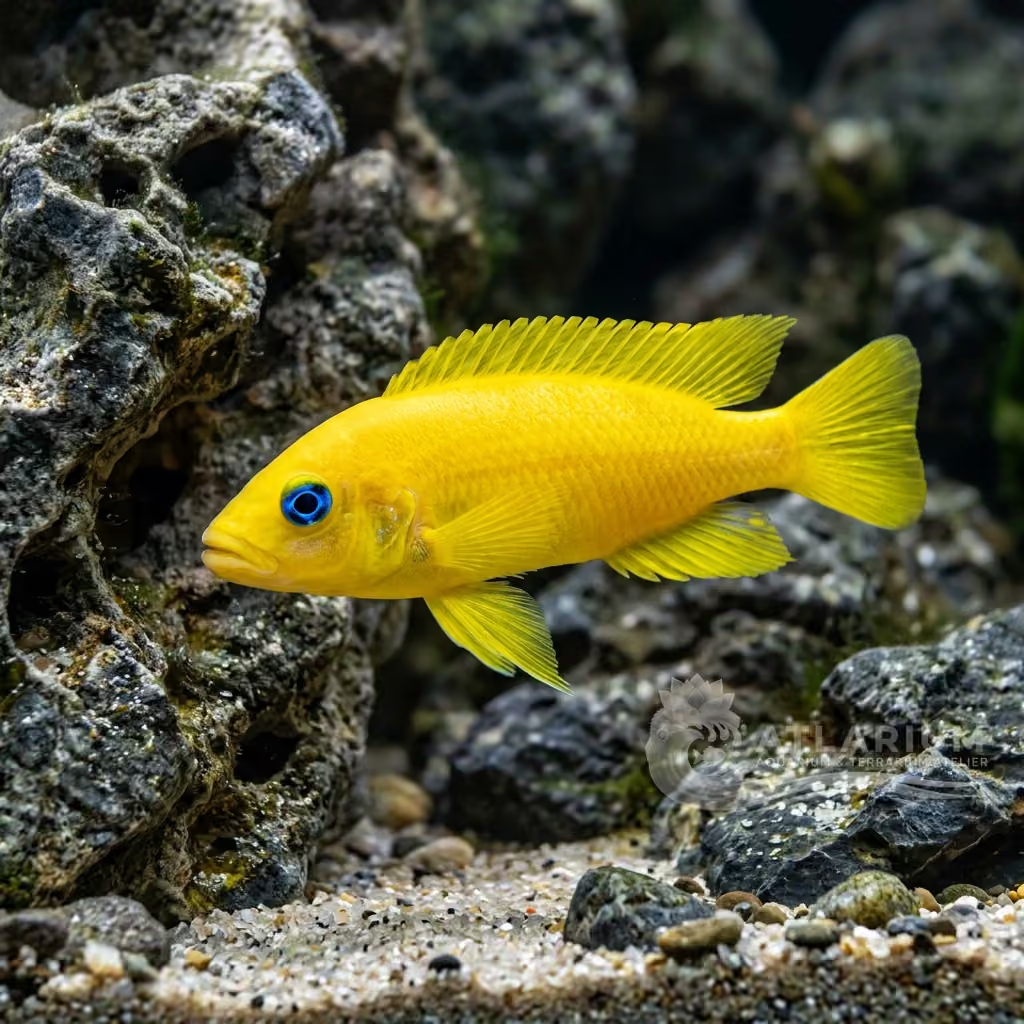
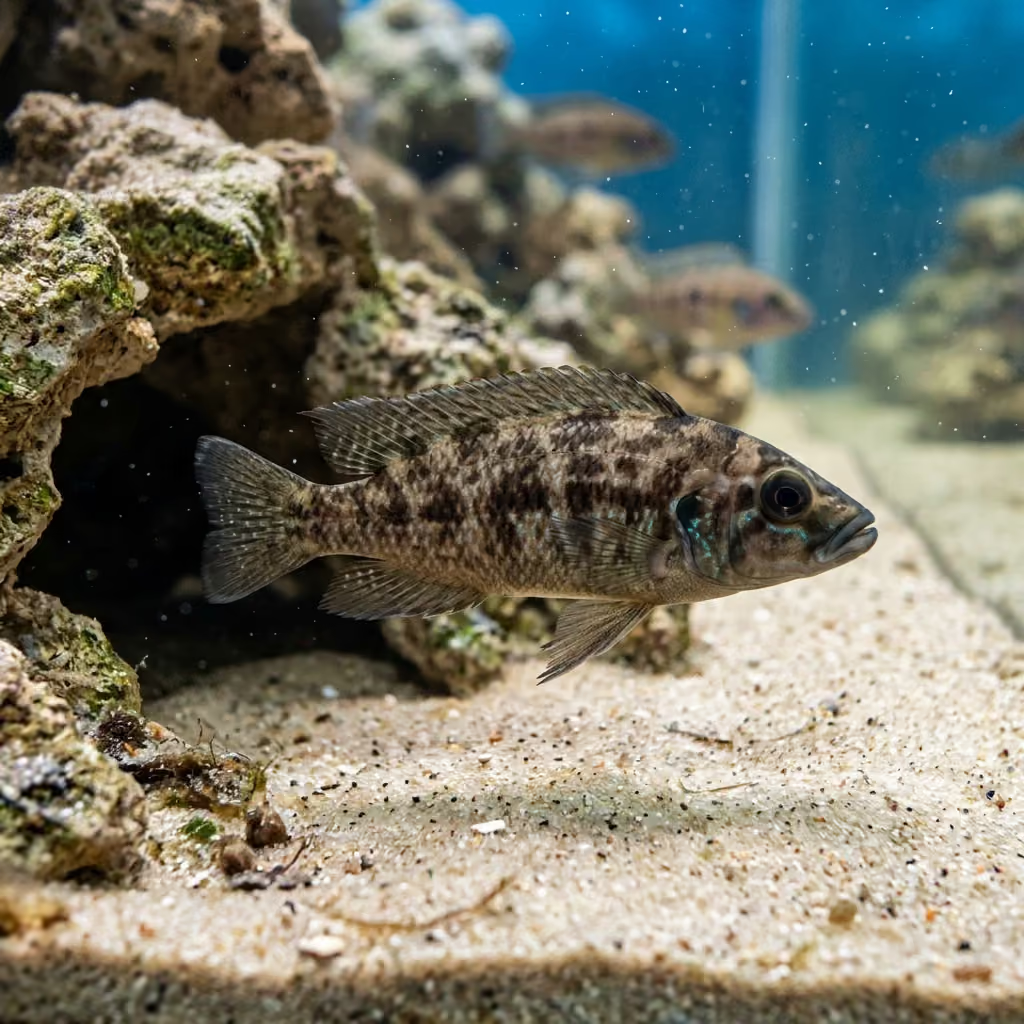
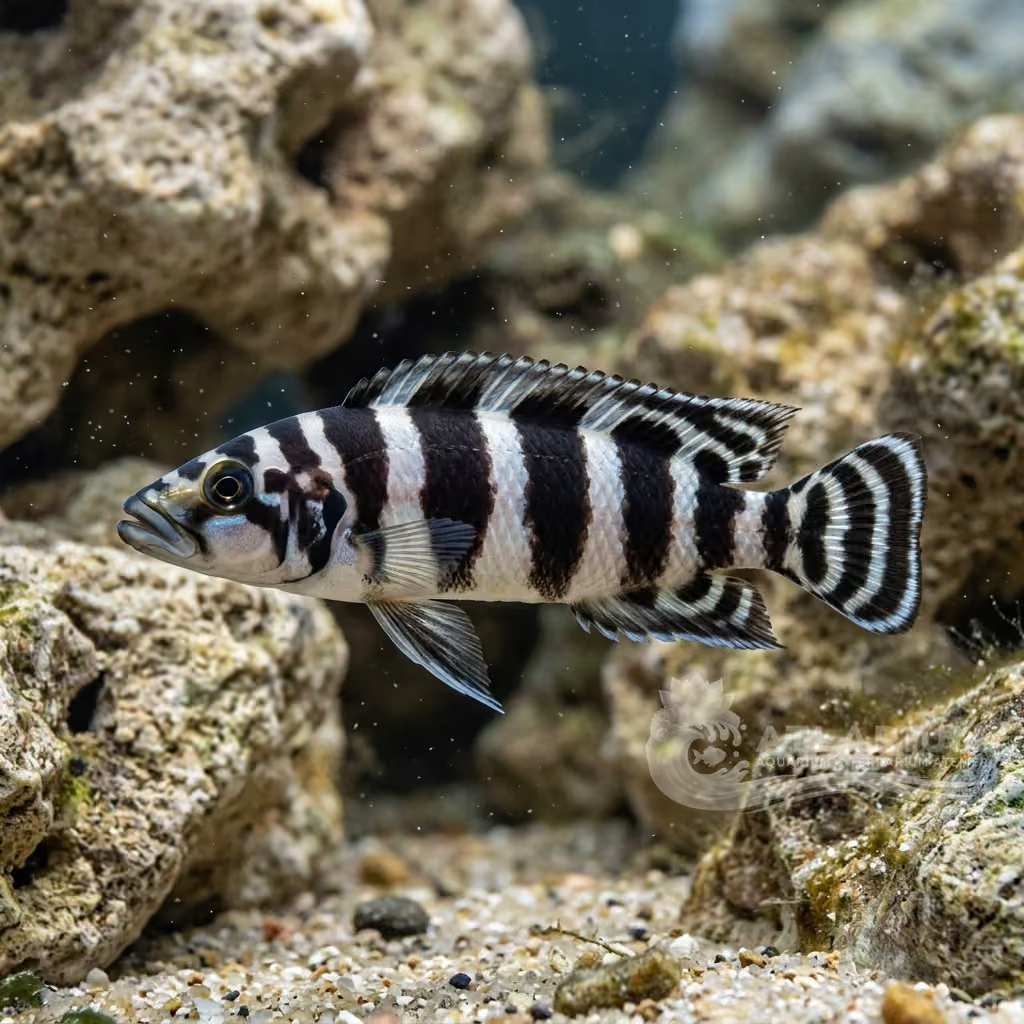
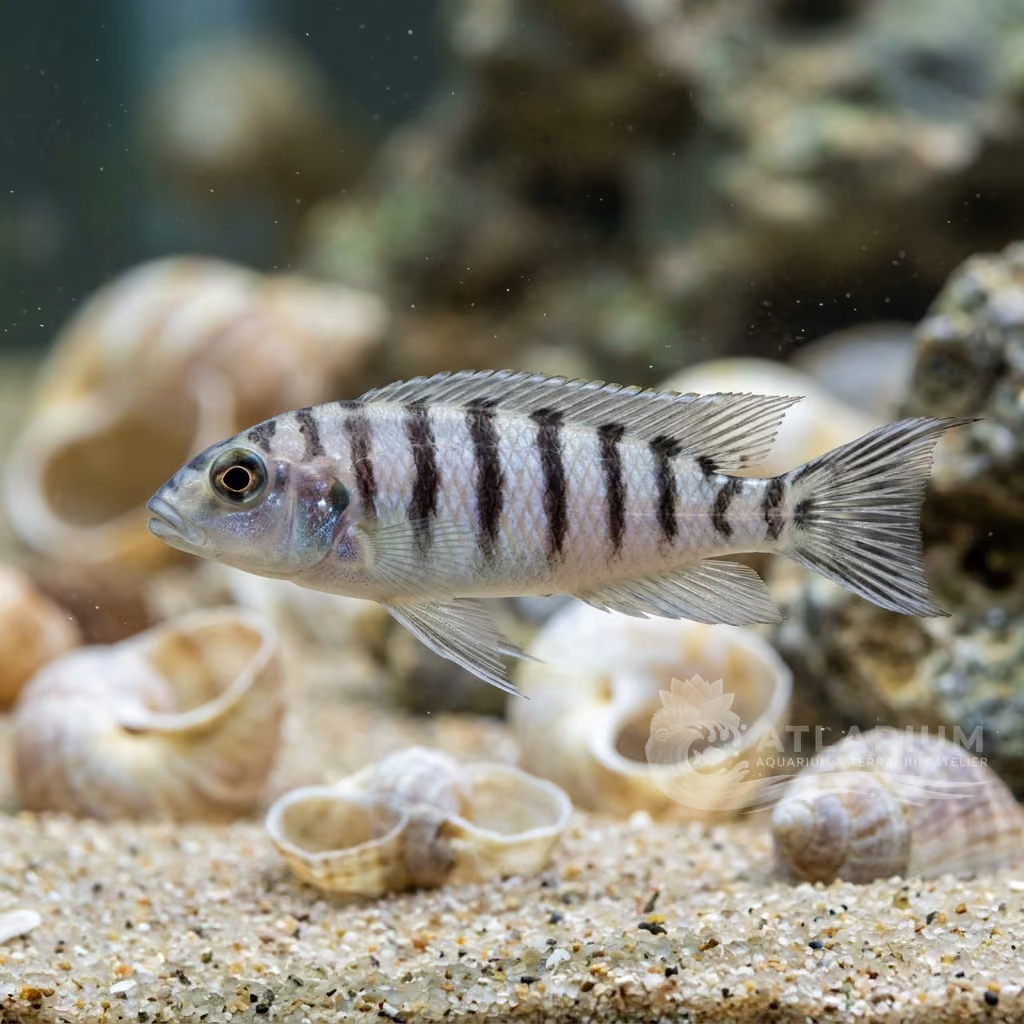
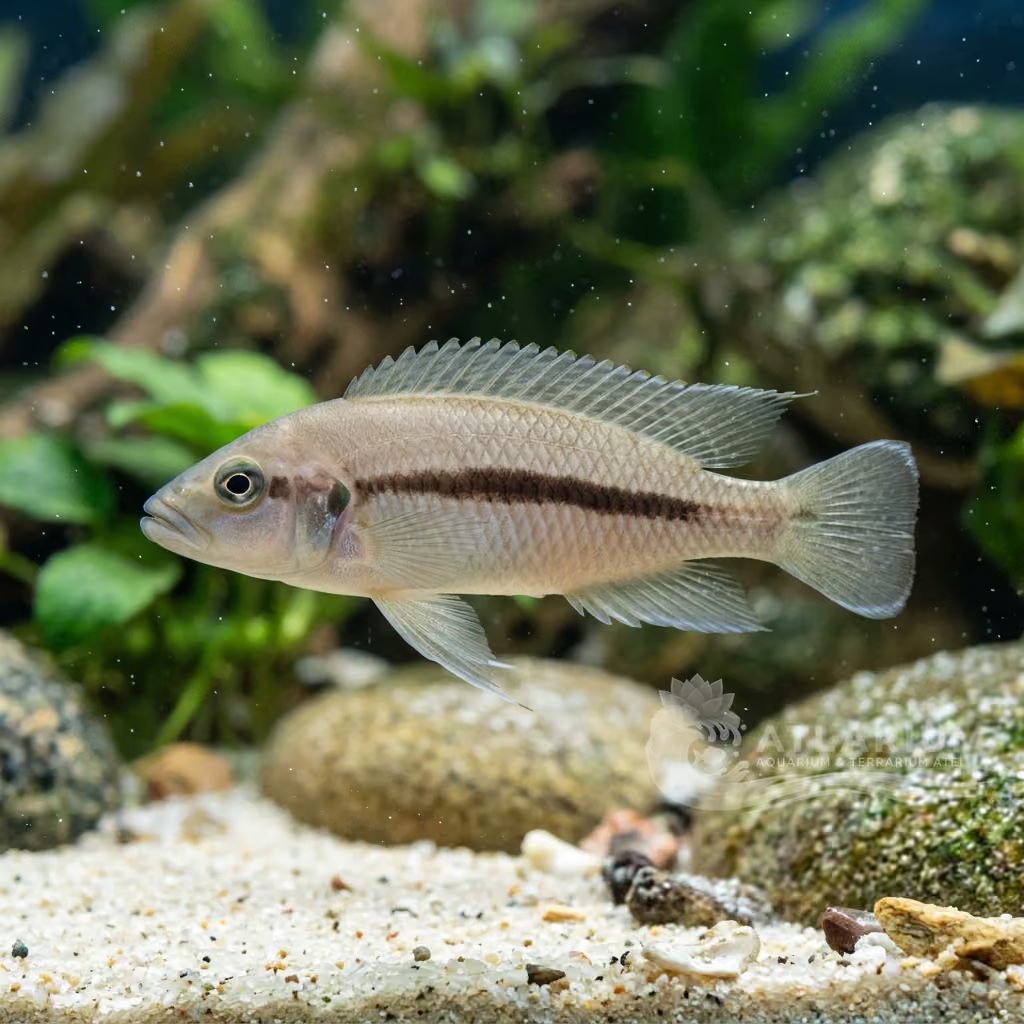
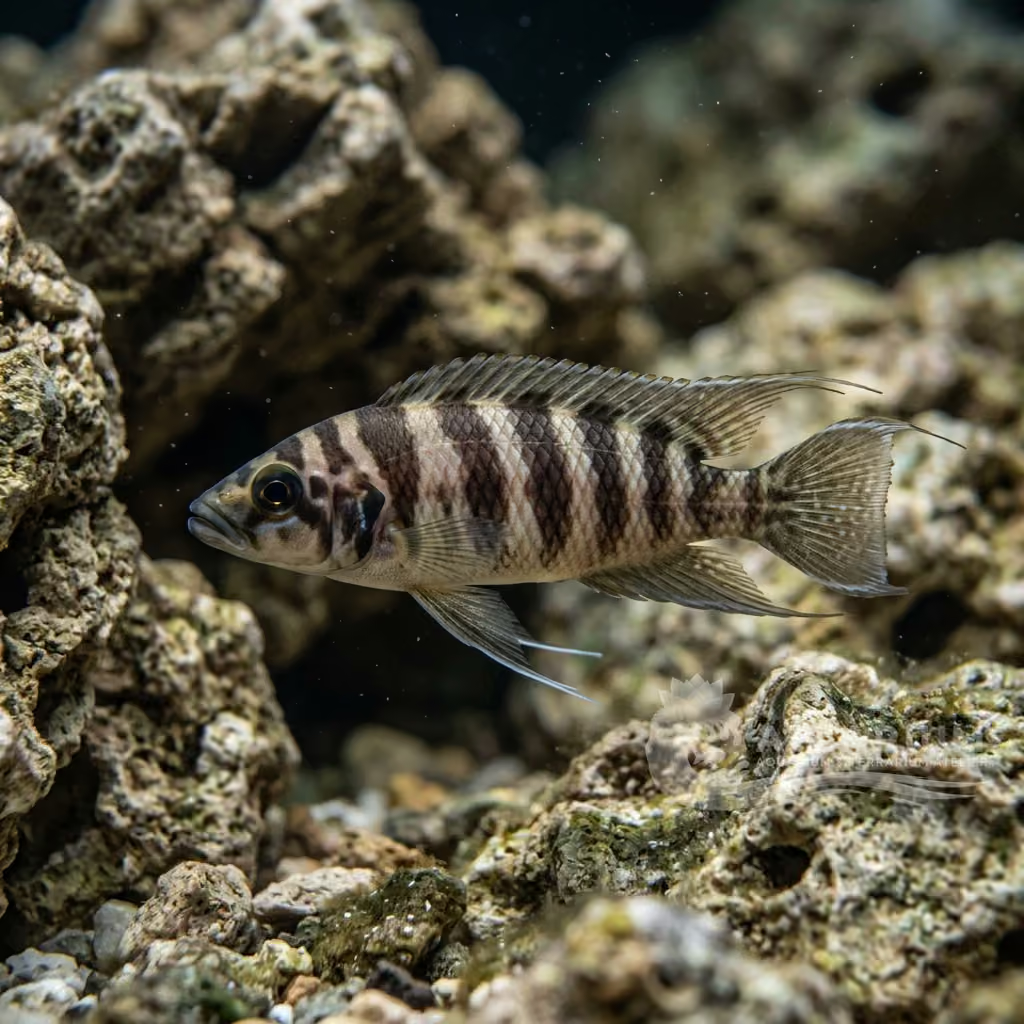
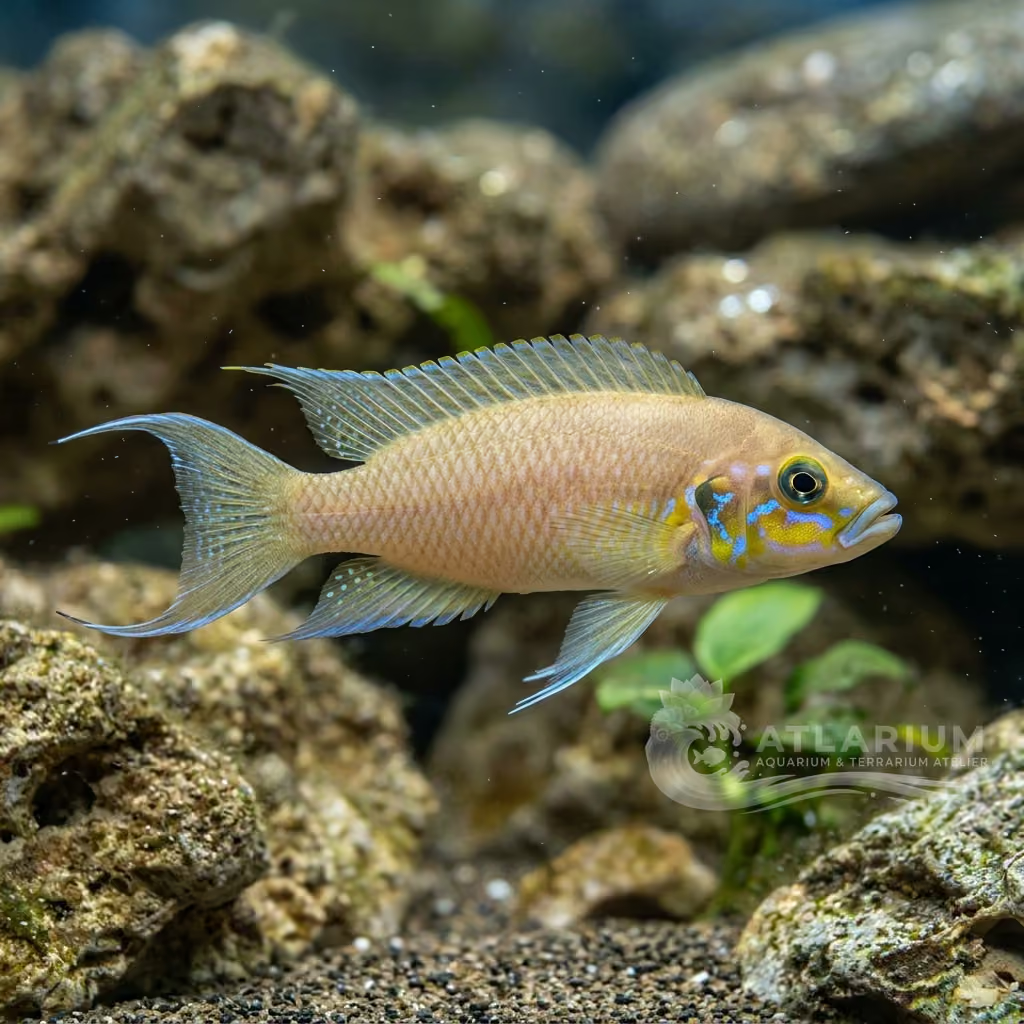
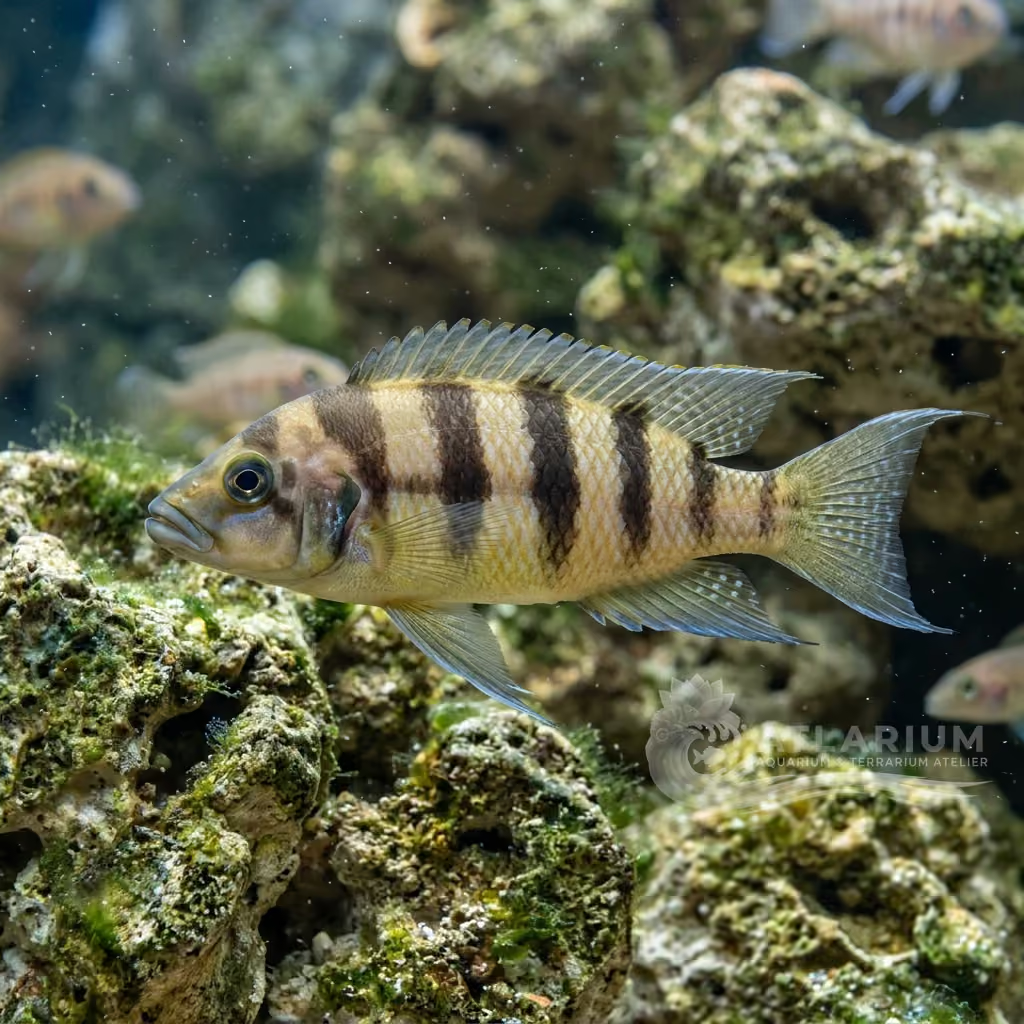
A sleek, elongated Tanganyikan cichlid with an elegant pattern: golden yellow body with three horizontal black stripes and iridescent blue fins. It moves along rocks in oblique and upside-down positions, inspecting every crevice. Forms lifelong monogamous pairs — if a partner dies, accepting a new one can be extremely difficult. Perfect for Tanganyika biotopes in nano tanks of 60+ liters.
23 - 27 °C
7.8 - 9
Süßwasser
Unten
8,5 cm
>= 60 L
>= 2
10 - 25 dGH
5 - 12 dKH
200 - 495 ppm
313 - 773 uS/cm

Artbeschreibung

Pflege, Zucht und Mitbewohner

Geografische Herkunft und Verbreitung
Ursprung

Fischprofil
- Temperament
- Semi-aggressive
- They possess a feisty, territorial temperament relative to their small size. They will aggressively protect their chosen crevice from any intruder. Towards non-competitors in the upper water column, they are completely indifferent.
- Diät
- Omnivore
- They are natural micro-predators requiring a diet rich in protein. Feed them small sinking pellets, high-quality flakes, and regular portions of frozen foods. Varied nutrition is essential for highlighting their bright yellow coloration.
- Lebenserwartung
- 5-8 years
- Erwachsenengröße
- 8.5 cm
- Geschlechterverhältnis
- Pair
- They do best when kept in single pairs per aquarium, unless the tank is exceptionally large. Buying a group of 6 juveniles allows a natural pair to form. Once the pair forms, remove the remaining individuals to prevent them from being killed.
- Fütterungsfrequenz
- Twice daily
- Provide small portions once or twice a day to ensure optimal digestion. Uneaten food should be removed promptly to avoid spikes in ammonia. It's better to underfeed slightly than to risk water quality issues.
- Bioload
- Low
- This is one of the smaller members of the genus, producing a light to moderate bioload. Efficient mechanical and biological filtration is necessary to keep water quality pristine. Consistent routine maintenance is vital for their long-term health.
- Fluss
- Strong
- They enjoy moderate water flow that mimics the oxygen-rich environment of Lake Tanganyika. A good internal or canister filter can provide the right amount of current. Strong surface agitation is crucial to maintain high dissolved oxygen.
- Sprungrisiko
- No
- Reproduktion
- Oviparous
- They are secretive cave-breeders that lay a small number of eggs in narrow crevices. Biparental care is strong, with both parents defending the fry vigorously. The fry stay close to the parents' territory and grow quite slowly.
- Kompatibilität & Tankkameraden
- Verify
- They are peaceful towards distinctively different fish but highly intolerant of their own kind. They thrive in a Tanganyikan biotope alongside shell dwellers or open-water swimmers. Do not house them with very large or overly aggressive species.
- Tankfüllstand
- Bottom
- They are strictly bottom and mid-level dwellers that hug the rockwork. They use the labyrinth of rocks to navigate and establish territories. Open swimming spaces are mostly ignored in favor of hardscape cover.

Wissenschaftliche Modelle & Parameter
Zugang zu den offiziellen wissenschaftlichen Daten der Art
- Trophäenniveau
- 3,5 ± 0,37 se
- Belastbarkeit
- Hoch (weniger als 15 Monate)
- Phylogenetische Einzigartigkeit (PD50)
- 0.5156
- Bayessche Längen-Gewichts-Beziehung
- a = 0.01445, b = 2.99
- AnfälligkeitGeringe Anfälligkeit (10 / 100)

Bildergalerie
Lizenzierte Bilder, die mit der Art oder, wenn markiert, mit dem nächstgelegenen repräsentativen Taxon verknüpft sind.

Verwandte Arten
Empfehlungen gruppiert nach nahen Verwandten, Auswahl von Begleitern und ähnlicher Betreuung.