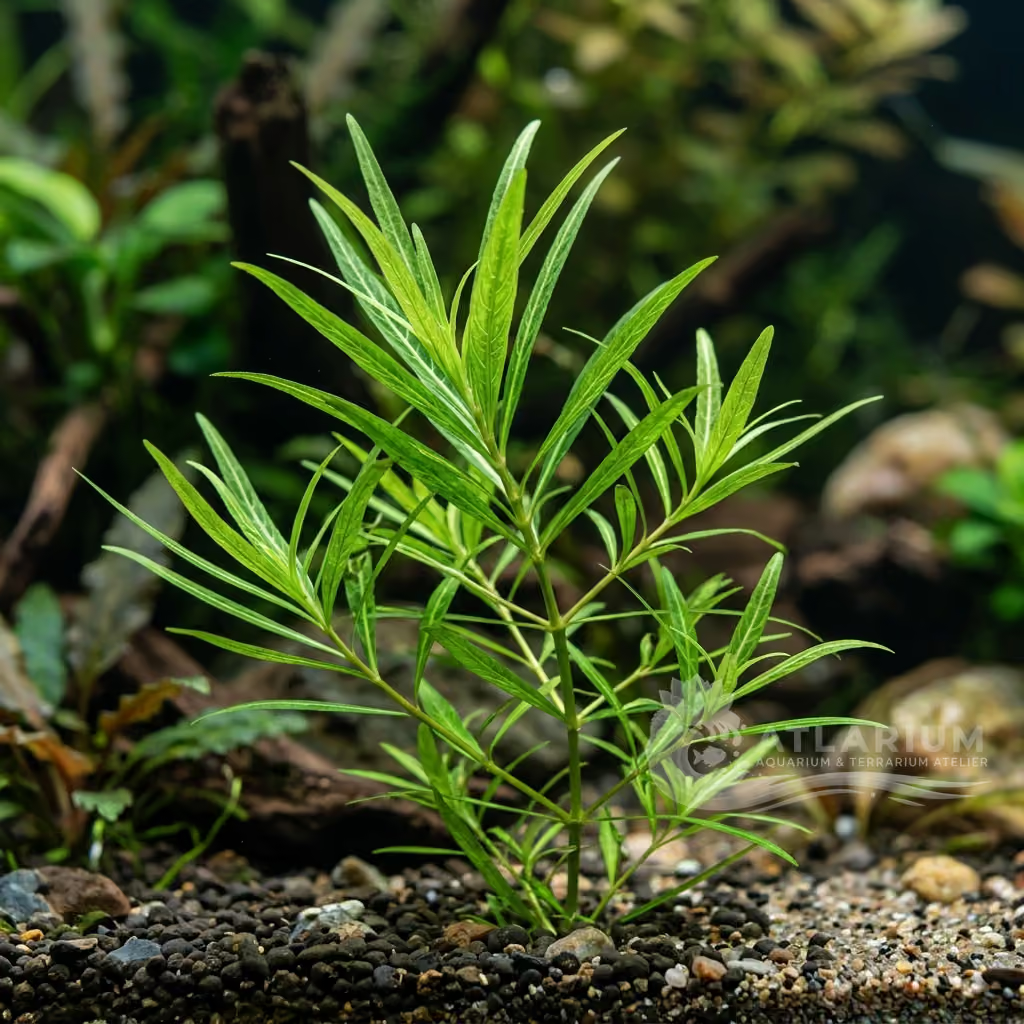
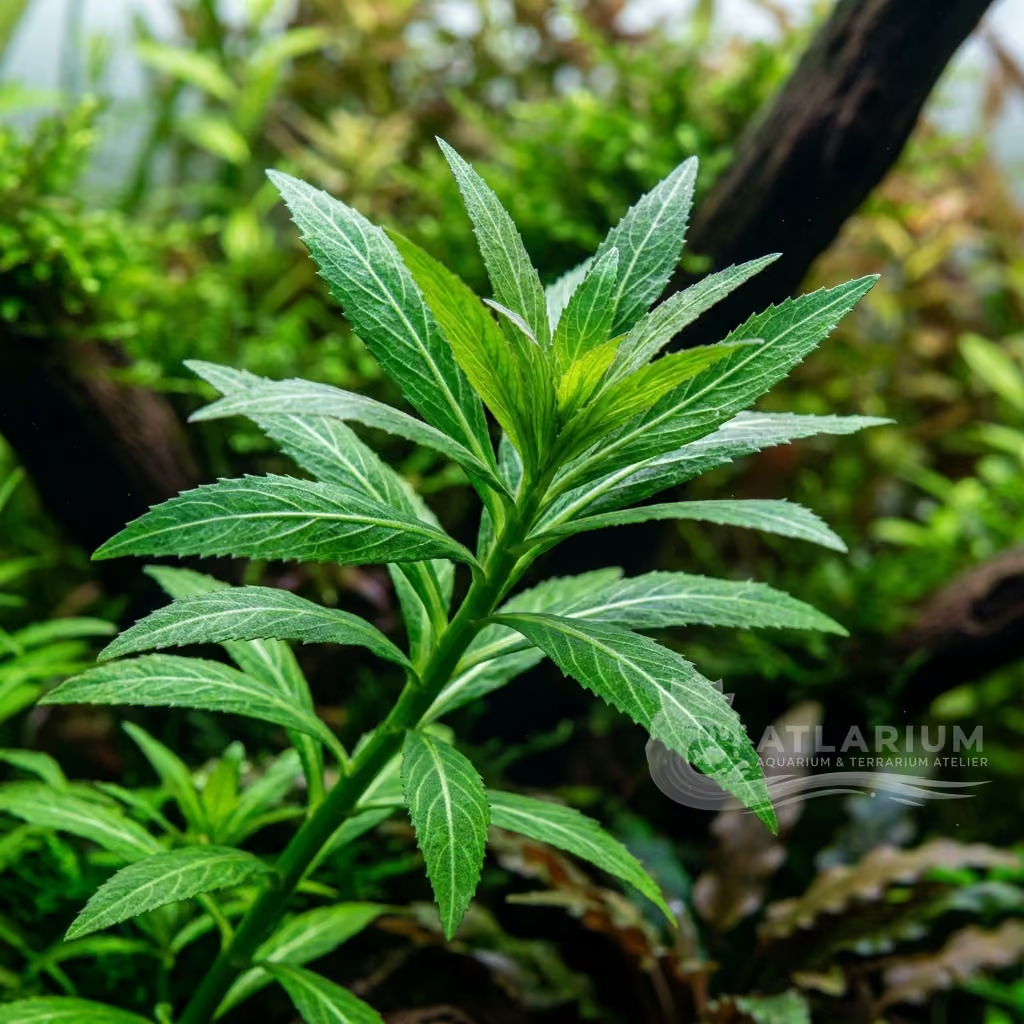
Microsorum pteropus "Taiwan"
Microsorum pteropus "Taiwan"
Microsorum pteropus "Taiwan" is a captivating variant of Java fern, valued for its unique aesthetics and hardiness. This slow-growing plant is perfectly suited for the midground, enriching the aquarium layout with its distinctive leaf structure.
Water Temperature
4 - 30 °C
pH Value
5 - 7.5
Water type
Freshwater
Light
Low to High
CO2
High
Expected height
45 cm
Expected width
45 cm
KH
0 - 14 dKH

Species description
Geographical Origin and Habitat: Microsorum pteropus, in its wild form, is widely distributed across tropical and subtropical regions of Asia, particularly in Southeast Asia, where it grows as a rhizomatous plant on rocks and driftwood along waterways, often in areas periodically flooded or completely submerged. The "Taiwan" designation suggests that this particular form or cultivar was originally discovered or developed on the island of Taiwan, or possesses phenotypic characteristics that distinguish it as a geographical variant. In these environments, it anchors tenaciously to hard substrates, thriving even in waters with moderate currents and variable light conditions.
Taxonomy & Genetics: Microsorum pteropus "Taiwan" belongs to the Polypodiaceae family, which encompasses a vast number of ferns. Specifically, it is a variety or cultivar of the well-known Microsorum pteropus, commonly called Java fern. The differences between the various forms of Microsorum pteropus, including the "Taiwan" variant, are often morphological in nature, relating to the shape, size, or texture of the leaves, rather than distinct genetic species-level distinctions. These variations are frequently the result of adaptations to specific microclimates or horticultural selections aimed at enhancing certain aesthetic characteristics.
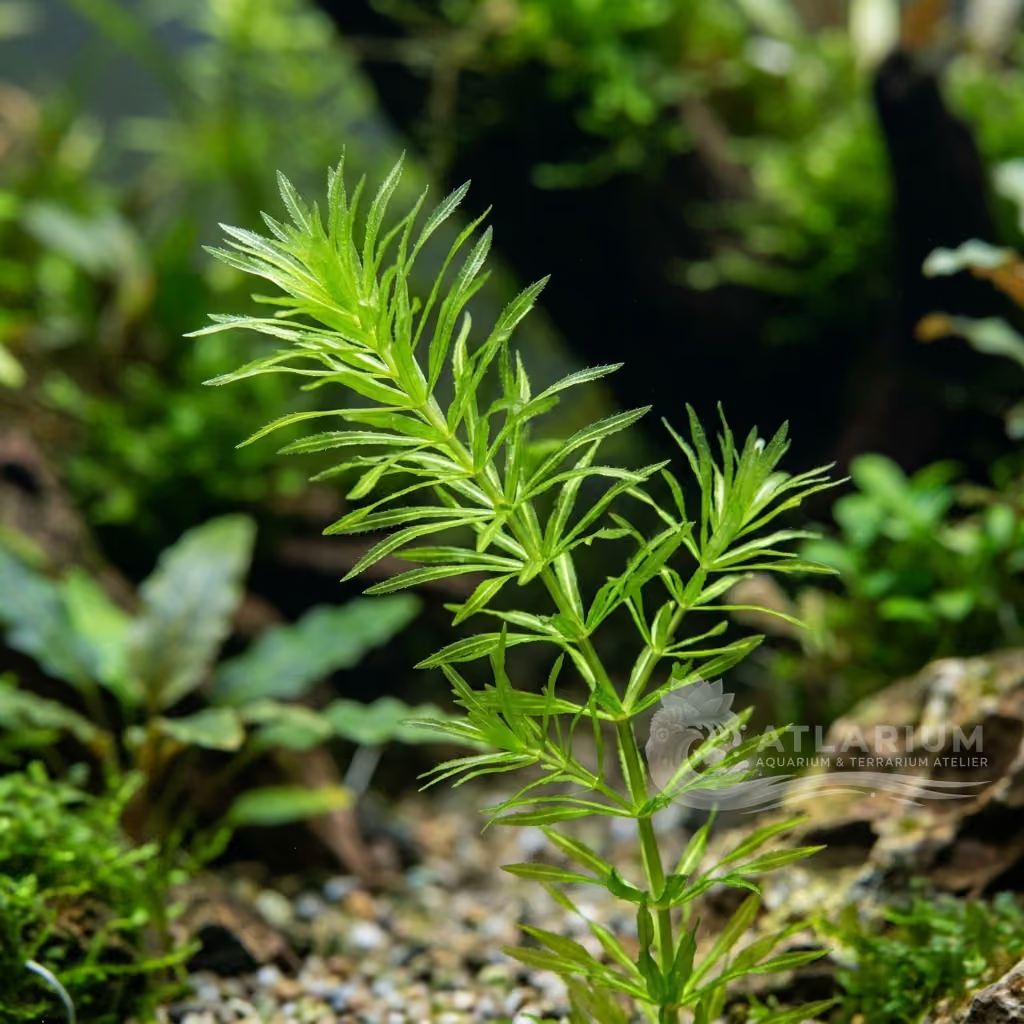
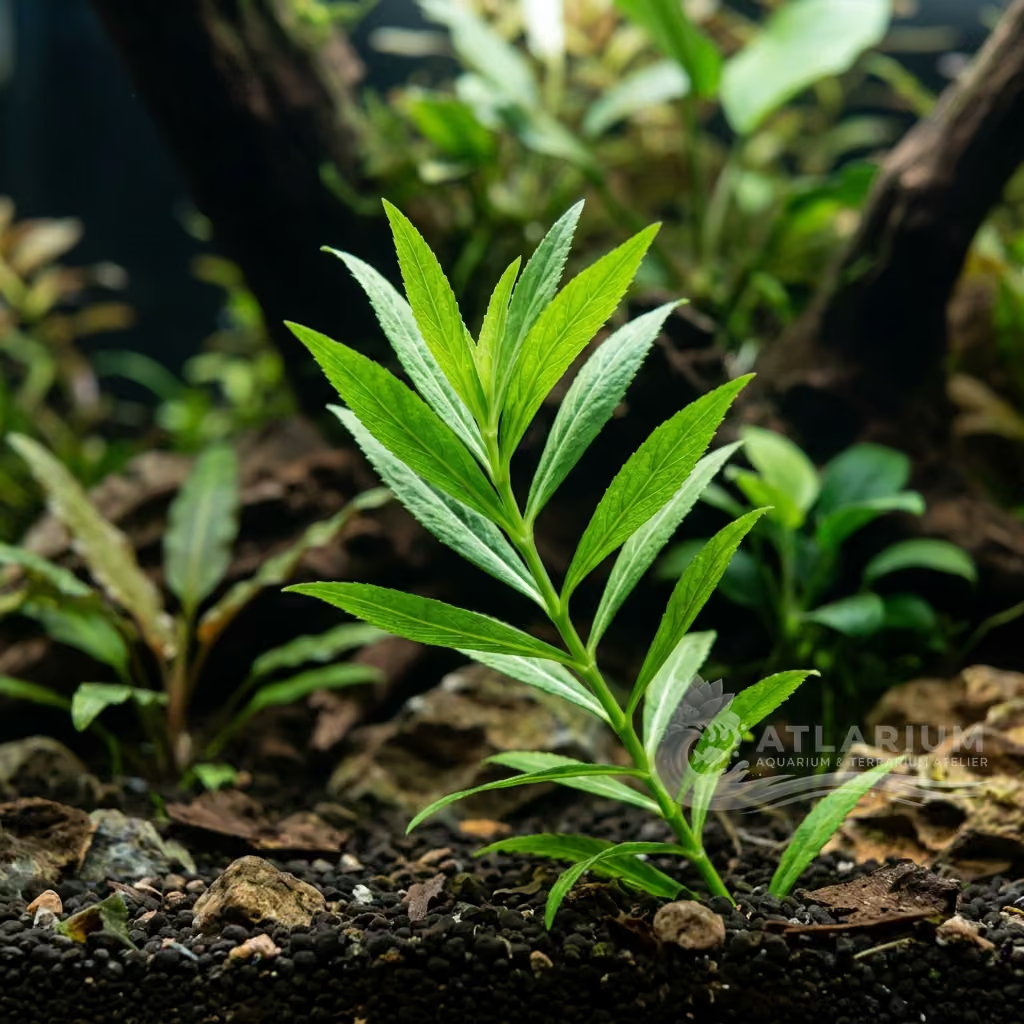
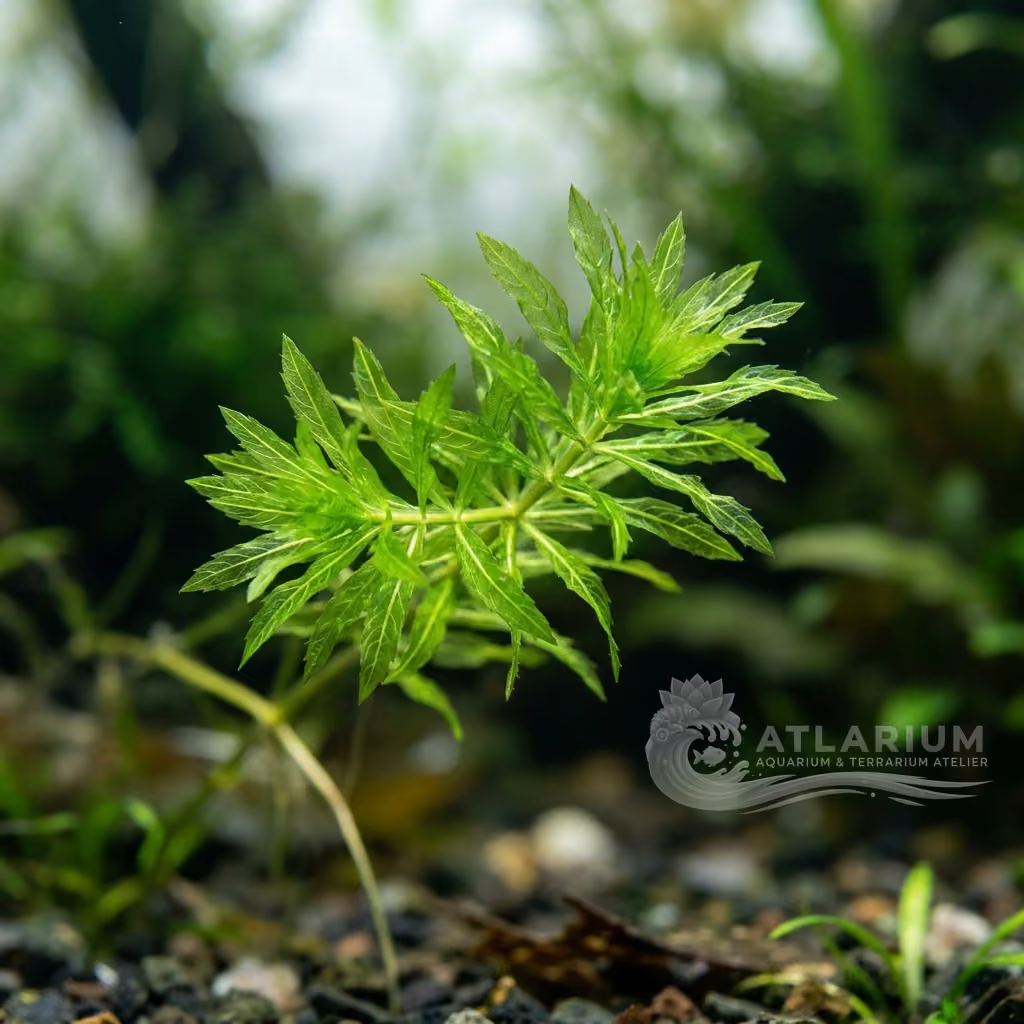
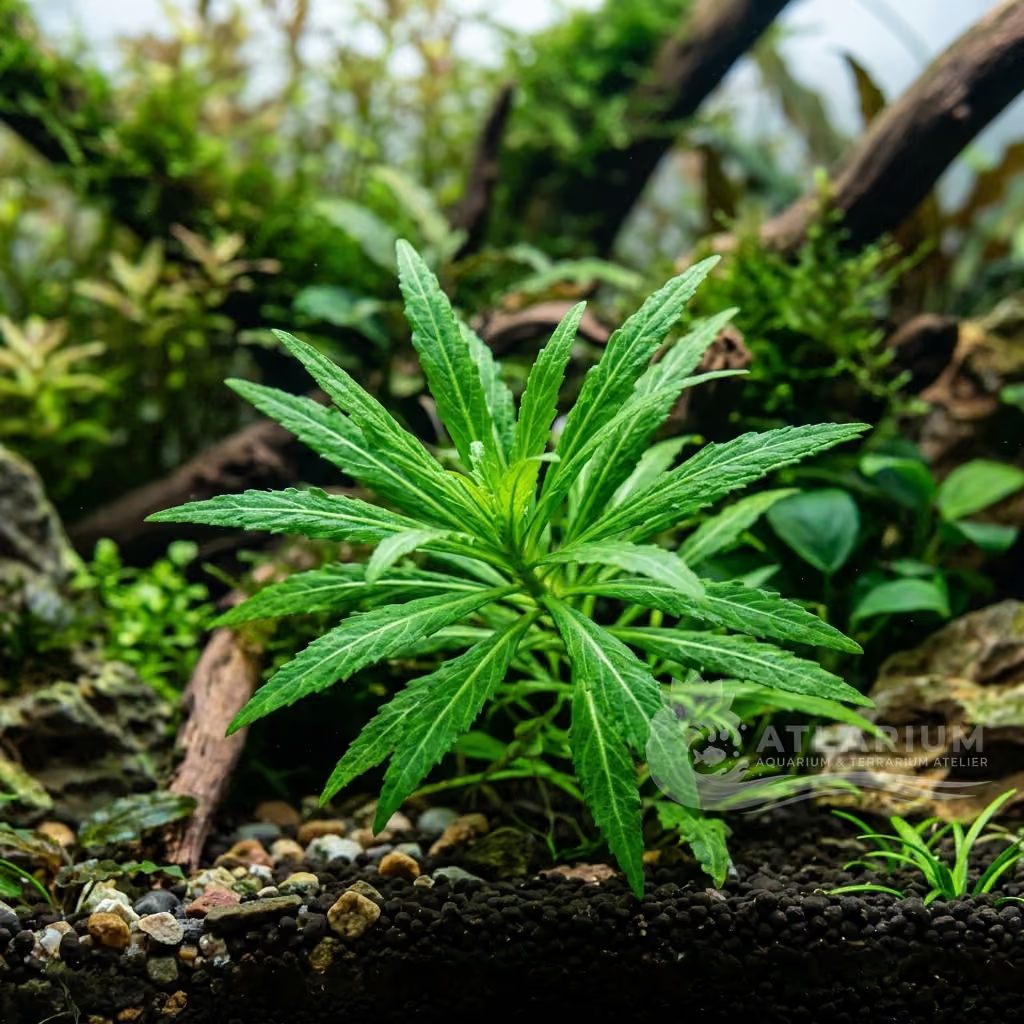
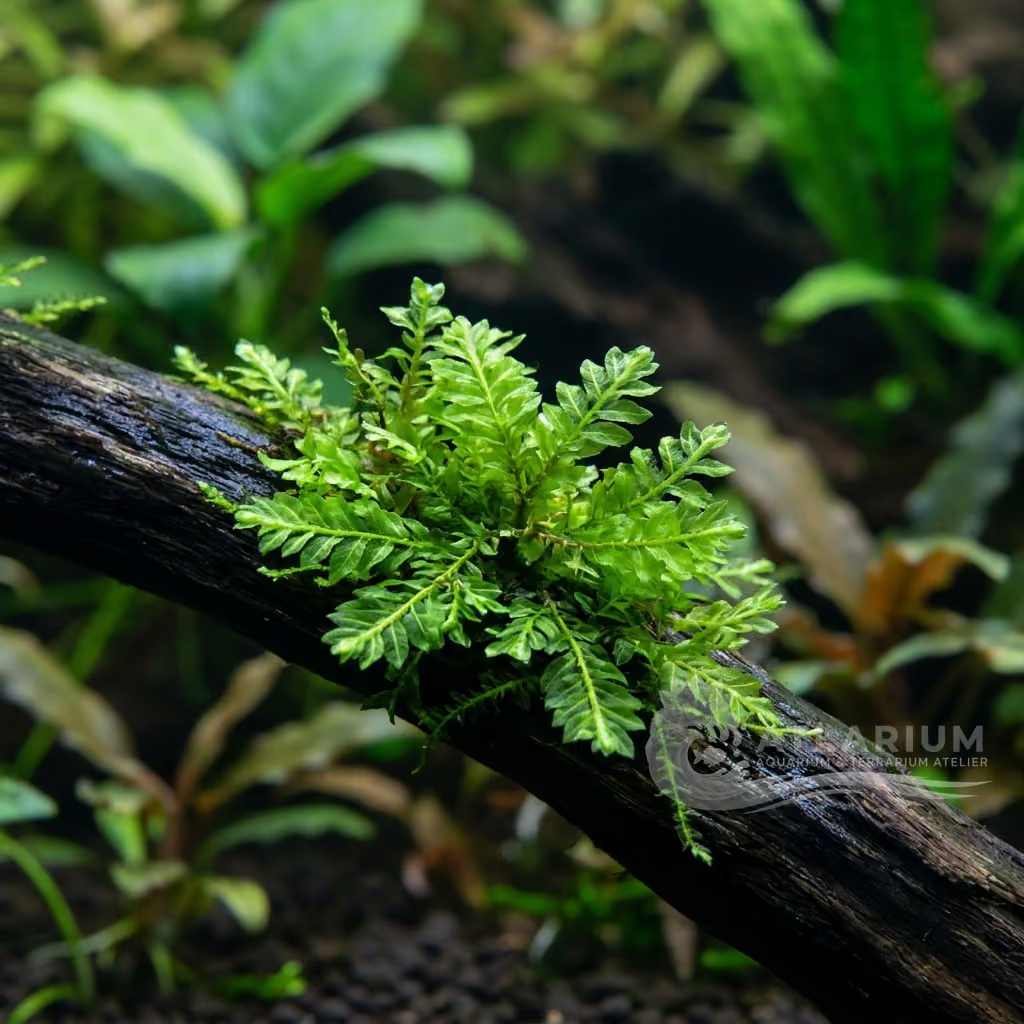
Physical Structure: This variant of Microsorum pteropus is distinguished by its leaves, which tend to be slightly narrower and more elongated than the standard form, sometimes with a more finely textured or undulating appearance, lending it a more complex texture and elegant look. The plant grows from a creeping, branching rhizome, which is its fundamental structure and from which both thin anchoring roots and leaves emerge. It is crucial not to bury the rhizome in the substrate, as this can lead to rot and the demise of the plant, given its epiphytic nature.
Color & Texture: Microsorum pteropus "Taiwan" displays a bright or medium-dark green coloration, which can vary in intensity depending on lighting conditions and nutrient availability. The surface of the leaves is generally smooth and slightly leathery to the touch, offering a pleasing contrast to softer-leaved or lighter-colored plants. The "Taiwan" form may exhibit more pronounced venation or a slight undulation at the leaf margins, adding further visual interest and making it easily distinguishable from other Java fern forms.

Care, breeding and tankmates
Lighting & CO2: Microsorum pteropus "Taiwan" is exceptionally adaptable in terms of lighting, thriving in conditions ranging from low to high, although medium light is often ideal for promoting healthy growth without encountering issues with algae on the leaves. With more intense lighting, it is essential to ensure adequate CO2 supply and nutrients to prevent algal growth and support a faster metabolism. While not strictly necessary, the addition of CO2 can significantly accelerate growth and make the plant more lush, leading to larger leaves and an overall denser, more luxuriant appearance.
Nutrition & Substrate: As an epiphytic plant, Microsorum pteropus "Taiwan" absorbs nutrients directly from the water through its leaves and rhizome, making liquid fertilizers the most effective method of nutrition. It does not require a nutrient-rich substrate to thrive, and the rhizome should never be buried, as this can cause it to decay. To secure it, you can gently tie it to driftwood, rocks, or other decorative elements with nylon thread or aquatic plant safe cyanoacrylate glue; over time, its roots will firmly attach to the support.
Water Chemistry: This fern is remarkably tolerant of a wide range of water parameters, making it an excellent choice for aquarists of all experience levels. It prefers water temperatures between 4.0 and 30.0 °C, though optimal growth typically occurs within the tropical range of 20-28 °C. The plant adapts well to a pH between 5.0 and 7.5, tolerating both slightly acidic and neutral conditions. Similarly, carbonate hardness (KH) can range from 0.0 to 14.0, demonstrating its robustness even in very soft or moderately hard water.
Space Management & Placement: Microsorum pteropus "Taiwan" is an ideal choice for the midground of the aquarium, where its height and foliage can create a natural focal point or excellent cover for aquarium inhabitants. Thanks to its epiphytic nature, it can be easily attached to driftwood and rocks, allowing for great flexibility in layout design and the creation of depth. This placement not only enhances its aesthetic appeal but also facilitates propagation and maintenance, ensuring the rhizome remains exposed to the water for optimal growth.
Pruning:
Risks & Diseases: Despite its hardiness, Microsorum pteropus "Taiwan" can be susceptible to a few issues. The most common is leaf necrosis, often manifesting as black spots or transparent areas, which can be caused by potassium deficiency, excessive direct lighting, or algal stress. Overexposure to glutaraldehyde-based products can also cause significant damage, leading to leaf "melt." It is crucial to ensure the rhizome is never buried in the substrate, as this will inevitably lead to its rot and the demise of the plant.

Geographic origin and distribution
Microsorum pteropus, in its wild form, is widely distributed across tropical and subtropical regions of Asia, particularly in Southeast Asia, where it grows as a rhizomatous plant on rocks and driftwood along waterways, often in areas periodically flooded or completely submerged. The "Taiwan" designation suggests that this particular form or cultivar was originally discovered or developed on the island of Taiwan, or possesses phenotypic characteristics that distinguish it as a geographical variant. In these environments, it anchors tenaciously to hard substrates, thriving even in waters with moderate currents and variable light conditions.
Origin
South and Southeast AsiaEast AsiaSelective breeding and cultivars

Plant profile
- Placement
- Midground
- Should be affixed to hardscape elements like rocks or driftwood using string or cyanoacrylate gel. It is best suited for the midground or background depending on the tank's dimensions. Never plant the horizontal rhizome into the gravel or soil.
- Botanical form
- Rhizome
- Characterized by broad, robust leaves that are deeply lobed or winged, giving it a somewhat palm-like or trident-like appearance. The fronds are sturdy and dark green, growing from a thick, creeping rhizome. It often grows larger and wider than standard narrow leaf varieties.
- Growth
- Slow
- Grows at a slow to moderate pace, making it a very manageable plant for beginners. It may take some time to acclimatize and begin producing new leaves after being introduced to a new tank. Once settled, it provides steady, reliable growth.
- Substrate
- None
- Microsorum pteropus "Taiwan" exhibits classic epiphytic behavior, completely ignoring substrate nutrient profiles in favor of water column feeding. Its fleshy rhizome must sit above the substrate line, as burying it will cause rapid deterioration and plant death. For best results, tie or glue the plant to rough driftwood or lava rock, allowing its fibrous roots to weave into the porous surface over time.
- Column fertilization
- Recommended
- Relies entirely on the water column for its nutritional intake. Regular dosing of a complete liquid fertilizer ensures the leaves do not become transparent or develop holes. Potassium is particularly important for maintaining the structural integrity of its broad leaves.
- Root fertilization
- None
- Root tabs and nutrient-rich substrates provide no benefit, as this plant is an epiphyte. The roots are meant solely for gripping surfaces and will rot if buried. Focus entirely on water-based fertilization methods.
- Trimming
- Occasional
- Prune by cutting off the oldest, largest, or most damaged leaves at their base. Removing excessive growth helps maintain the desired shape and allows light to reach the newer, smaller leaves. Never cut across the middle of a leaf, as it will simply die back.
- Propagation
- Cuttings
- Propagation is easily achieved by dividing the rhizome into pieces, ensuring each piece has healthy leaves and roots. It also reproduces via adventitious plantlets that sprout on the margins of mature leaves. These can be plucked off and attached to new hardscape once they are large enough.
- Sensitivity
- Moderate
- Robust and forgiving, it handles low light and lack of CO2 very well. It is susceptible to rhizome rot if planted incorrectly in the substrate. Like many Java ferns, older leaves may naturally develop black spots which are harmless.
- Layout role
- Epiphyte, Midground, group, accent
- Creates a bold, dramatic statement in the aquascape due to its distinctive leaf shape. It is fantastic for creating dense, jungle-like areas in the midground or background. The deeply lobed leaves offer great textural contrast against fine-leaved stem plants or grassy foregrounds.

Related species
Recommendations grouped by close relatives, companion choices, and similar care.