Hydrothrix gardneri
Heteranthera gardneri
Hydrothrix gardneri is an extremely delicate stem plant for the midground or background, featuring light green needle-like leaves and a fast growth rate.
Water Temperature
18 - 28 °C
pH Value
5 - 7.5
Water type
Freshwater
Light
Medium - High
CO2
Medium - High
Expected height
20 cm
Expected width
5 cm
GH
4 - 12 dGH
KH
0 - 14 dKH

Species description
Geographical Origin and Habitat: This botanical rarity is native to the northeastern regions of Brazil, particularly the states of Ceará, Bahia, and Piauí. In nature, it colonizes temporary water bodies, shallow pools, marshes, and slow-flowing rivers. It grows submerged during the rainy season and flowers when the water recedes. Being adapted to warm water bodies poor in mineral salts, its cultivation requires careful management of the chemical characteristics of the water.
Taxonomy & Genetics: Hydrothrix gardneri belongs to the family Pontederiaceae. For a long time, it was the only described species for the monotypic genus Hydrothrix, although recent phylogenetic studies have suggested a close relationship with the genus Heteranthera. Genetics and physiology make it a sensitive plant, with extremely thin leaf tissues that offer minimal barrier against osmotic swings or chemical stress.
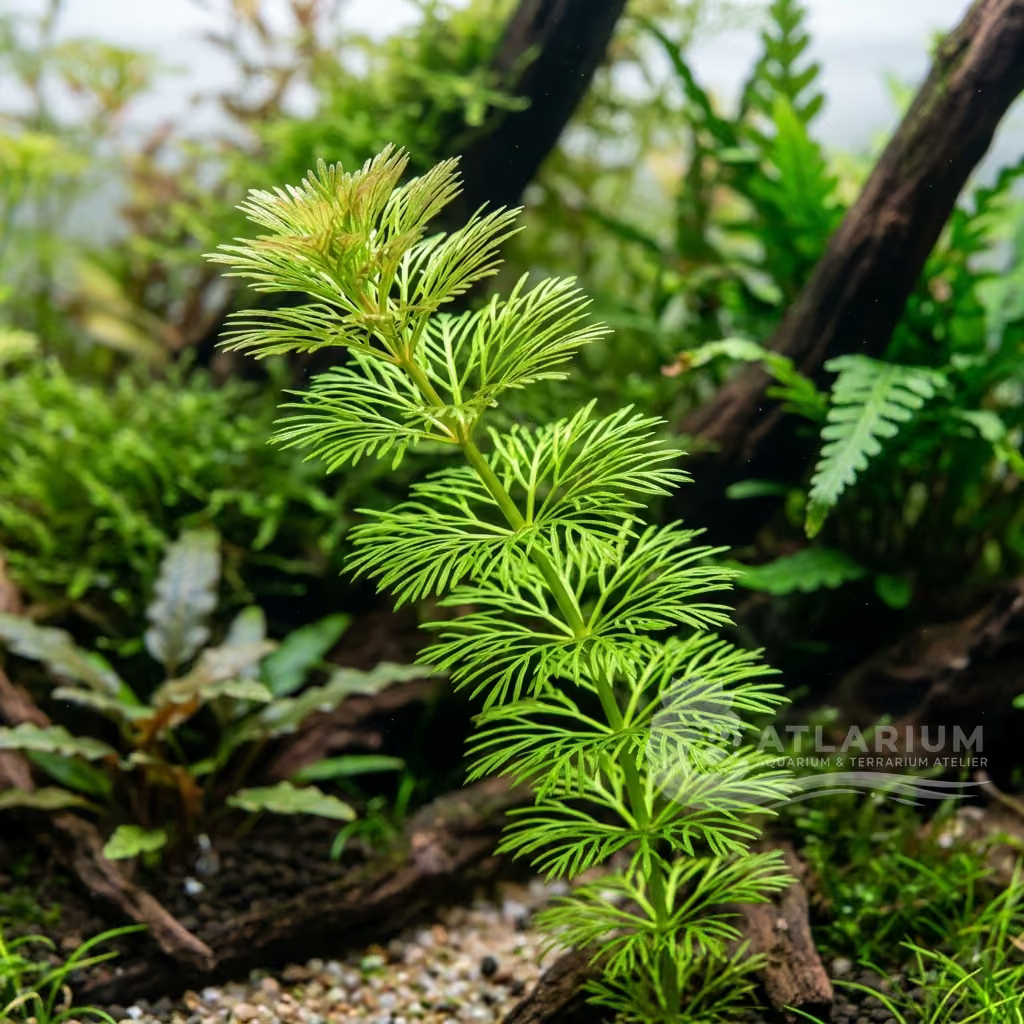
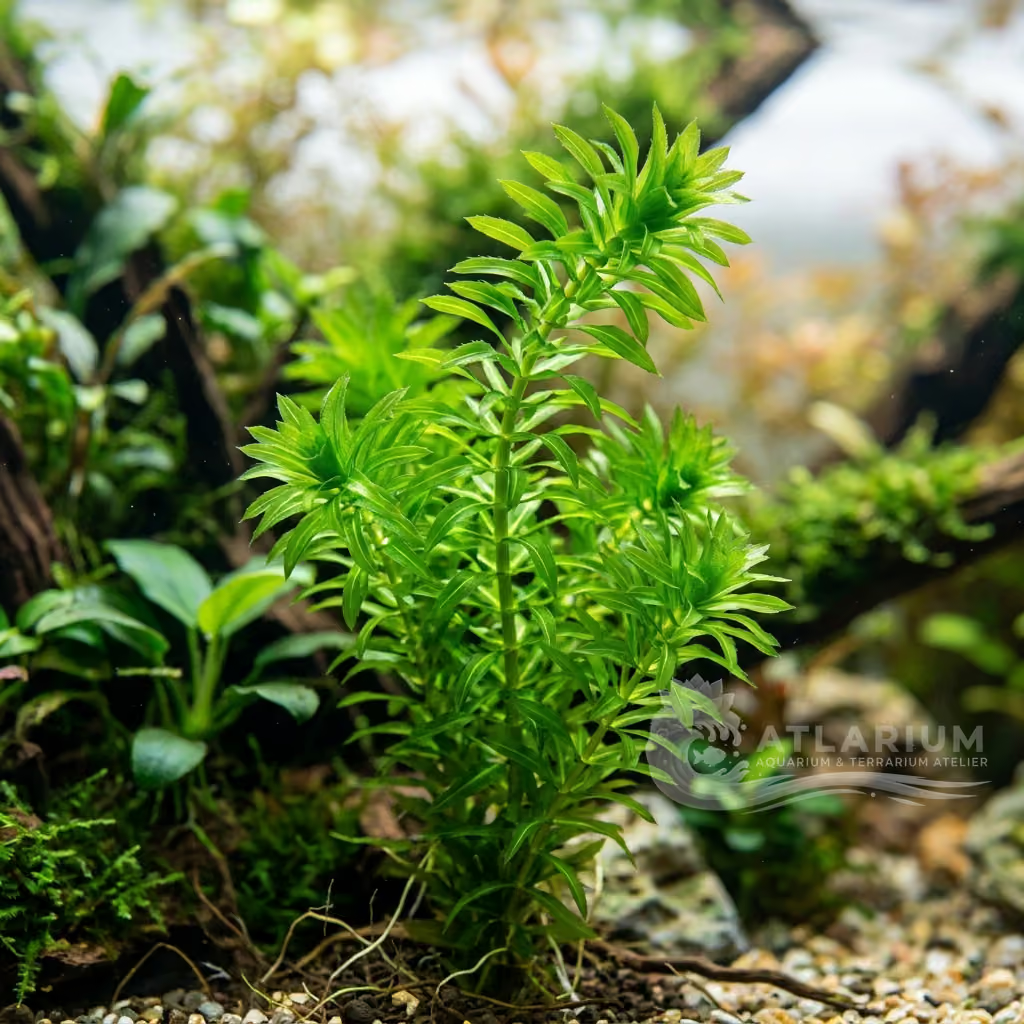
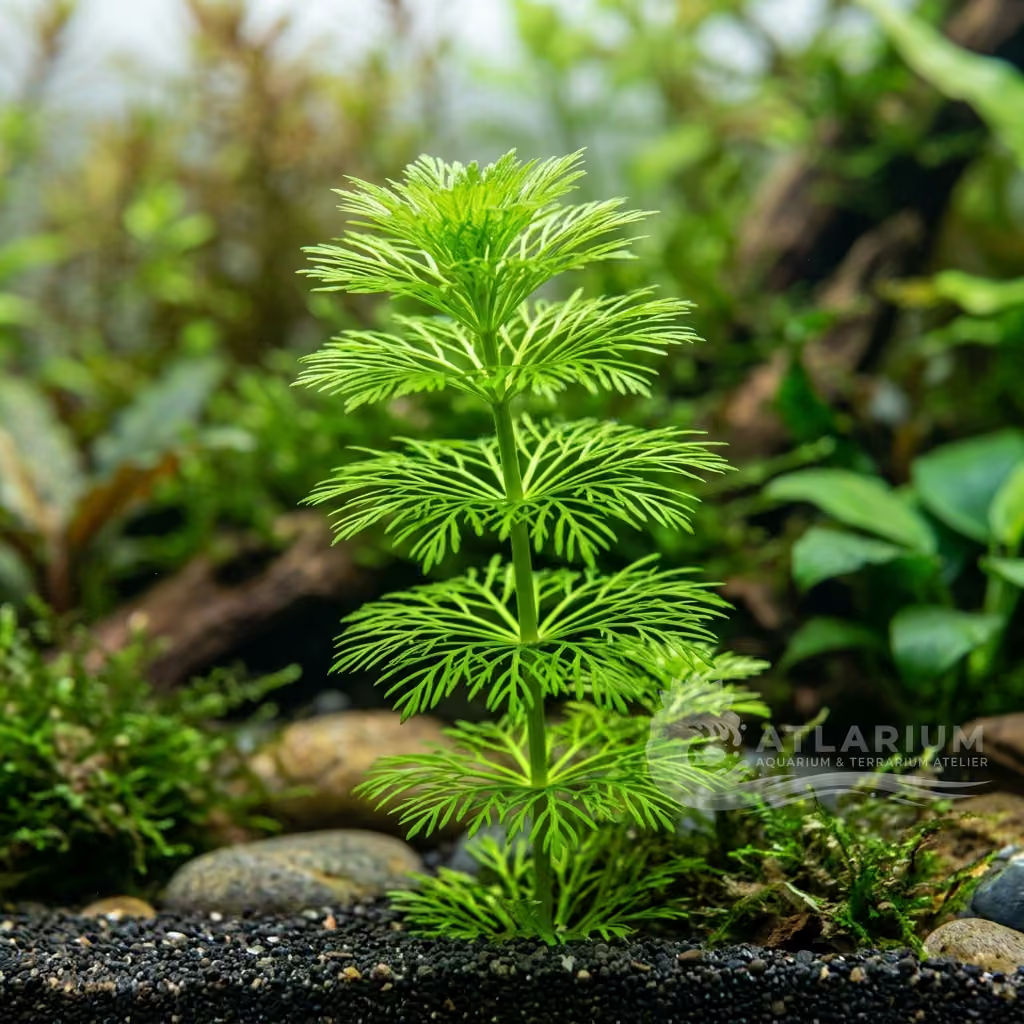
Physical Structure: It develops thin, erect stems from which extremely dense whorls of needle-like leaves branch off. The leaves are arranged radially around the stem, with an appearance resembling a green mist or an aquatic version of a pine needle. The structural delicacy is extreme: the stems are fragile and break easily if handled with poor care or exposed to strong water currents.
Color & Texture: The color is a pale light green, almost translucent, giving the plant an ethereal and light appearance. Under optimal lighting, the tips of the leaves can assume slightly golden hues. The texture is extremely soft and feathery to the touch. The partial transparency of the leaves allows light to penetrate inside the bush but makes the plant vulnerable to burns if exposed to too concentrated light sources.

Care, breeding and tankmates
Lighting & CO2: Requires moderate to very intense lighting to sustain its rapid photosynthetic activity. CO2 supplementation is absolutely mandatory (20-30 mg/l) and must be delivered constantly; sudden drops in carbon dioxide can cause the rapid melting of the plant stems in just a few days.
Nutrition & Substrate: Hydrothrix gardneri absorbs most of its nutrients directly from its translucent leaves. A constant and balanced liquid fertilization in the
Water Chemistry: It is a demanding plant that prefers soft, acidic water (KH below 4 dKH, pH 5.0 - 6.5), although it can tolerate carbon hardness ranges up to 14 dKH if other parameters are optimal. Conductivity should be kept low. The ideal temperature is between 18°C and 28°C; it fears excessive cold and organic stagnation.
Space Management & Placement: Its optimal placement is in the midground or background of the aquarium, preferably in groups to create a contrast effect with broad-leaved plants. The stems must be planted individually a few centimeters apart to prevent them from shading or damaging each other due to the dense foliage.
Pruning: Pruning must be done with extreme delicacy using very sharp aquascaping scissors to avoid crushing the hollow stems. It is recommended to cut the upper part and replant it, removing the old base if it tends to deteriorate or lose its lower leaves due to shading.
Risks & Diseases: The main risk is mechanical fragility: strong water currents or active fish can break the stems or damage the needle-like leaves. It is also very prone to tissue melting in case of sudden nutritional deficiencies (especially phosphorus or iron) or if placed in unestablished aquariums characterized by swings in ammonium values.

Geographic origin and distribution
This botanical rarity is native to the northeastern regions of Brazil, particularly the states of Ceará, Bahia, and Piauí. In nature, it colonizes temporary water bodies, shallow pools, marshes, and slow-flowing rivers. It grows submerged during the rainy season and flowers when the water recedes. Being adapted to warm water bodies poor in mineral salts, its cultivation requires careful management of the chemical characteristics of the water.
Origin
Amazon, Orinoco, and GuianasExtra-Amazon South America

Plant profile
- Placement
- Midground
- Due to its fine, needle-like foliage and upright growth, it is best placed in the midground or background of the aquascape. It should be planted in dense groupings to create a stunning, soft-textured visual impact. Because of its delicate nature, it should not be placed in areas with excessively turbulent water flow or alongside boisterous fish that might damage the stems. It requires an unobstructed view to the light source to prevent the lower portions from rotting.
- Botanical form
- Stem
- Hydrothrix gardneri boasts a highly unique, whorled leaf structure that resembles fine, green hair or pine needles branching off a delicate central stem. The extremely thin leaves give the plant a feathery, almost translucent appearance in the water. The stems themselves are quite fragile and easily bruised during handling. When healthy, the foliage forms dense, bright green plumes that are incredibly visually striking.
- Growth
- Fast
- When provided with optimal conditions—intense lighting, high CO2, and rich nutrients—its growth rate is fast. The plant will rapidly extend towards the water surface, requiring frequent, careful trimming to maintain a bushy shape. In sub-optimal conditions, the growth rate stalls dramatically, and the plant will often deteriorate and melt away completely. Constant maintenance is required to keep the lower stems healthy and leafy.
- Substrate
- Low
- It develops a relatively fine root system and benefits significantly from a nutrient-rich active soil. While it draws many nutrients through its delicate leaves, a fertile substrate provides a critical secondary source of nutrition that helps stabilize the plant. It can struggle in plain sand or gravel unless heavily supplemented with root tabs. A soft, slightly acidic soil encourages the best root establishment.
- Column fertilization
- Recommended
- Heavy and consistent liquid column fertilization is absolutely necessary for this plant to thrive. A comprehensive dosing regimen that includes ample macro (NPK) and micronutrients, especially iron, is required daily. Because of its massive surface area relative to its mass, it absorbs liquid nutrients rapidly. Any lapse in column fertilization is quickly reflected in the stunting or melting of the delicate growing tips.
- Root fertilization
- None
- While column dosing is its primary intake method, root fertilization plays a strong supporting role. Using a nutrient-rich aquasoil or regularly adding root tabs ensures that the plant has a continuous baseline of nutrients. A rich substrate helps prevent the lower sections of the stems from rotting, a common issue with this species. Strong root feeding promotes thicker, more resilient stems overall.
- Trimming
- Occasional
- Trimming should be approached with care due to the delicate nature of its stems. Cut the upper portions using sharp scissors to prevent crushing the tissue. The trimmed tops can be replanted to create a denser group.
- Propagation
- Cuttings
- Propagation is achieved by taking stem cuttings from the healthy tops of the plant. Because the stems are exceedingly fragile, sharp scissors must be used to avoid crushing the tissue during cutting. The cuttings should be gently planted back into the soft substrate, taking care not to plant them too deeply. Lateral shoots will eventually develop from the cut base, creating a denser grouping.
- Sensitivity
- Moderate
- Hydrothrix gardneri is highly sensitive to shading and inadequate light levels. It is also prone to damage from aggressive algae eaters or poor water quality. Stability in water parameters is required to prevent melting.
- Layout role
- Midground, Background
- Its primary role in aquascaping is to provide textural contrast and a sense of lightness. It is highly valued in Dutch-style aquariums for its distinct structural form. Grouping several stems together creates a stunning, feathery focal point.

Related species
Recommendations grouped by close relatives, companion choices, and similar care.