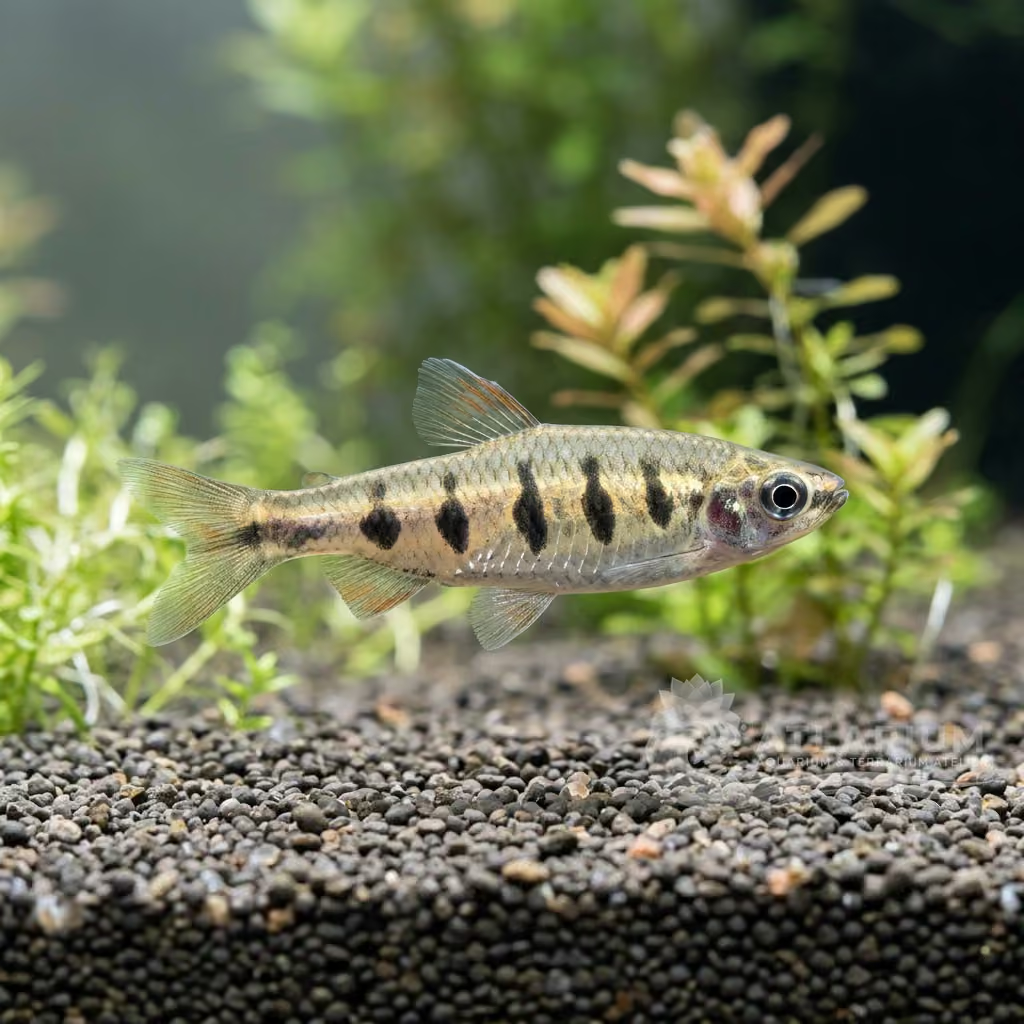
Jelly bean tetra
Ladigesia roloffi
A rare West African characin with an iridescent body and delicate fins — a micro-jewel of just 2–3 cm from the rainforests of Sierra Leone, Liberia, Ivory Coast and Ghana. Natural habitat is threatened by deforestation, making captive-bred specimens valuable for conservation. Extremely shy: needs schools of 8–10+ in species-only tanks or with peaceful micro-fish to feel secure. Breeding considered challenging. Soft, acidic water essential.
22 - 26 °C
5.5 - 7
Freshwater
Middle
3 cm
>= 55 L
>= 8
1 - 10 dGH
0 - 7 dKH
15 - 220 ppm
23 - 344 uS/cm

Species description

Care, breeding and tankmates

Geographic origin and distribution
Origin

Fish profile
- Temperament
- Peaceful
- This is an exceptionally peaceful and somewhat timid species that relies on the safety of numbers. They become highly stressed and reclusive if kept in groups smaller than six. A quiet, heavily planted environment allows their natural schooling behaviors to shine.
- Diet
- Omnivore
- In the wild, it is a micro-predator feeding on tiny invertebrates and zooplankton. Captive specimens readily accept high-quality crushed flakes, micro-pellets, and powdered foods. Supplementing with live or frozen baby brine shrimp greatly enhances their vitality and coloration.
- Life expectancy
- 3-5 years
- Adult size
- 3 cm
- Sex ratio
- School
- Maintaining a specific sex ratio is not strictly required for this schooling fish. Having a balanced group or slightly more females reduces any minor intraspecific chasing. Keeping a group of at least six encourages confident behavior and vibrant male displays.
- Feeding frequency
- Twice daily
- Due to their small digestive tracts, they benefit from multiple small feedings each day. Providing food two to three times daily ensures they receive optimal nutrition. Care must be taken to offer only what they can consume quickly to prevent water fouling.
- Bioload
- Low
- This tiny characin has an extremely low bioload due to its diminutive size. It produces very little waste, making it highly suitable for nano aquariums. Routine water changes and gentle filtration easily maintain pristine water conditions.
- Flow
- Strong
- They originate from slow-moving African streams and prefer gentle water movement. Strong currents will exhaust them and cause severe chronic stress. Sponge filters are ideal for providing necessary filtration without overwhelming flow.
- Jump risk
- No
- Reproduction
- Oviparous
- Breeding this species is challenging and requires very soft, acidic water conditions. They are egg scatterers that provide zero parental care and will eat their own eggs. A dedicated breeding tank with spawning mops and prompt removal of adults is necessary.
- Compatibility & tankmates
- Peaceful
- It is highly peaceful and must be kept with equally small, non-aggressive tank mates. Larger or boisterous fish will easily intimidate or consume this fragile species. Small rasboras, dwarf corydoras, and tiny shrimp make the best companions.
- Tank level
- Middle
- They primarily swim in the middle and upper levels of the water column. Dense planting with open swimming spaces provides the ideal balance of security and freedom. Floating plants are highly beneficial as they diffuse light and encourage open swimming.

Scientific Parameters & Models
Window to the official scientific data of the species
- Trophic level
- 3 ± 0.4 se
- Resilience
- High (less than 15 months)
- Phylogenetic uniqueness (PD50)
- 1
- Bayesian Length-Weight
- a = 0.01072, b = 3.02
- VulnerabilityLow vulnerability (10 / 100)

Image gallery
Licensed images linked to the species or, when marked, to the closest representative taxon.

Related species
Recommendations grouped by close relatives, companion choices, and similar care.