Spined loach
Cobitis taenia
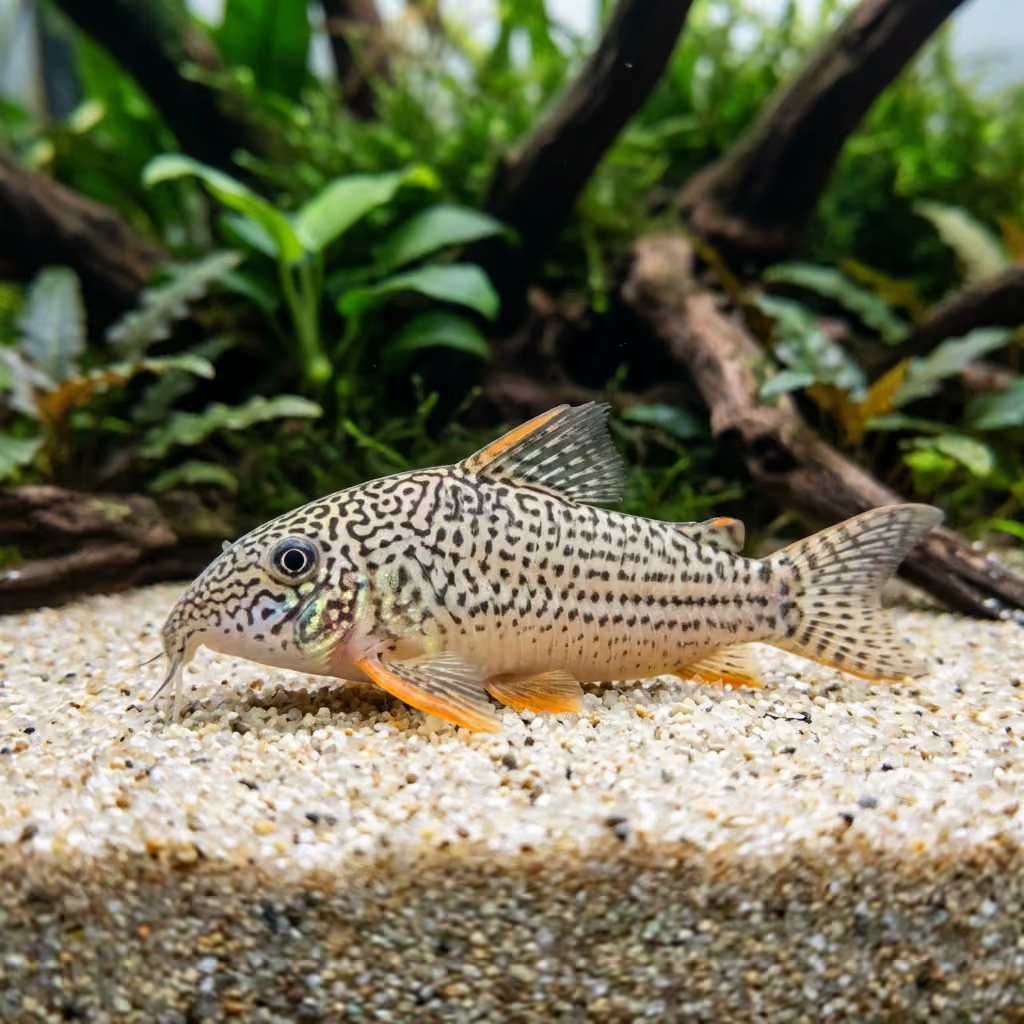
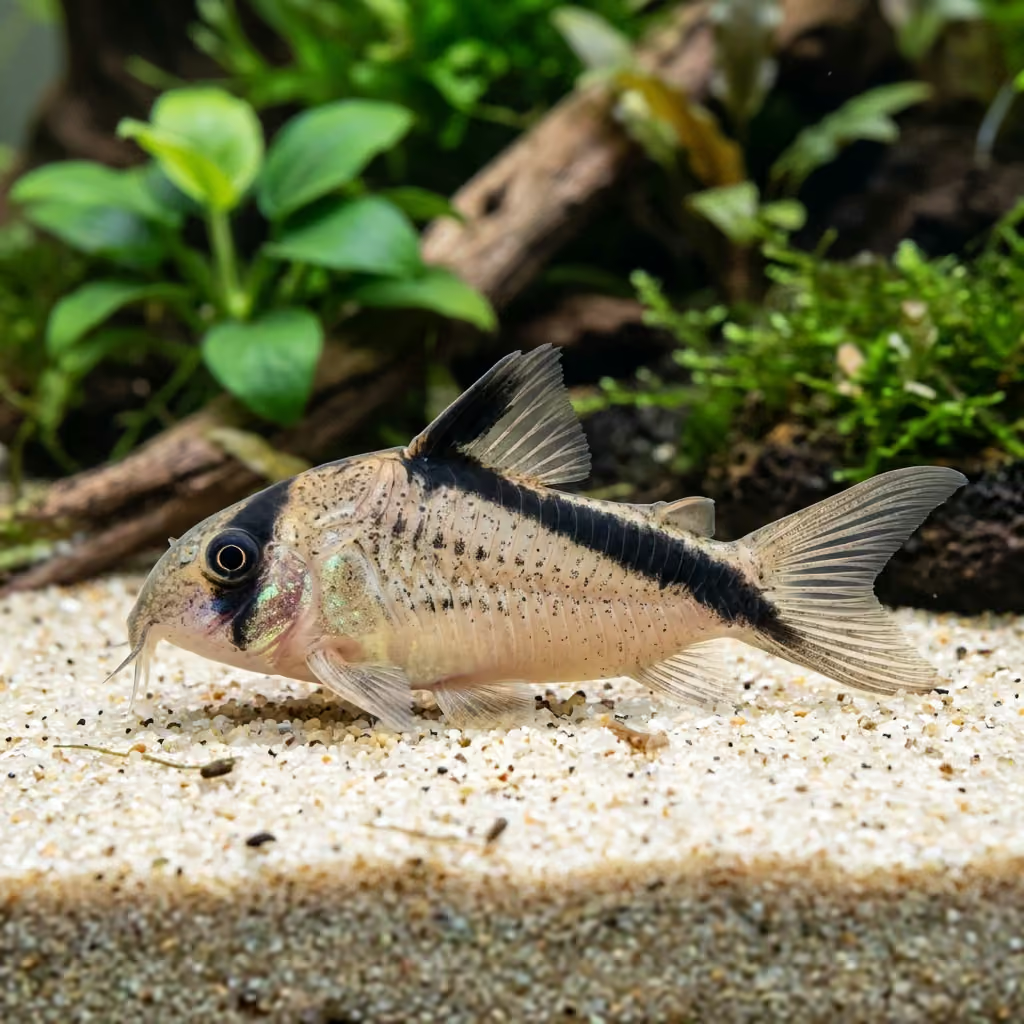
A small nocturnal European loach with fascinating behavior: it spends most of the day buried in sand with only its eyes and head visible, then becomes active at dusk. Equipped with erectile spines under its eyes (hence the name), it is native to temperate streams throughout Europe. The main challenge in aquarium is temperature: it thrives between 14 and 18 °C and needs a cold winter for long-term health — incompatible with standard tropical temperatures. Fine sandy substrate mandatory: it buries itself and sifts sand to feed. Bio-indicator of water quality: if it is active, the water is good.
10 - 22 °C
7 - 8
Freshwater
Bottom
12 cm
>= 80 L
>= 6
8 - 15 dGH
4 - 7 dKH
160 - 295 ppm
250 - 461 uS/cm

Species description

Care, breeding and tankmates

Geographic origin and distribution
Origin

Fish profile
- Temperament
- Peaceful
- The Spined Loach is a peaceful, timid, and primarily nocturnal bottom-dweller. They spend the daytime buried in the sand with only their eyes exposed, emerging at dusk to forage. They are social fish that thrive when kept in groups of six or more individuals.
- Diet
- Omnivore
- They are omnivorous benthic feeders that filter food particles from sand and silt. In the aquarium, they should be fed sinking pellets, wafers, and a variety of small frozen foods like daphnia, artemia, and bloodworms. Providing a fine sand substrate is critical, as they sift sand through their gills to extract food.
- Life expectancy
- 3-5 years
- Adult size
- 12 cm
- Sex ratio
- Group
- There is no strict requirement for a specific sex ratio when keeping the spined loach in a home aquarium. They are a gregarious species that prefers to be kept in groups of at least five or more individuals to feel secure. Both males and females coexist peacefully, and aggressive territorial disputes between sexes are virtually non-existent. Keeping a mixed-gender group is perfectly fine and encourages natural foraging behaviors.
- Feeding frequency
- Once daily
- They should be fed once daily, preferably in the evening, as they are nocturnal and most active after lights out. Providing targeted feeding near their hiding spots ensures they receive adequate nutrition without competition from active day-dwelling fish. Avoid overfeeding to maintain good water quality.
- Bioload
- Low
- Low
- Flow
- Moderate
- They prefer moderate water flow, which replicates the slow to moderately flowing river channels and streams they occupy in the wild. Gentle circulation keeps the water well-oxygenated and clean while allowing them to navigate the bottom easily. Avoid turbulent currents that could disrupt their benthic behavior.
- Jump risk
- No
- Reproduction
- Oviparous
- Breeding in captivity is very difficult and rarely documented. They are seasonal spawners that lay adhesive eggs in dense vegetation, requiring cold winter simulation followed by spring warming to trigger spawning. A dedicated tank with sandy substrate and thick plants is essential for any breeding attempts.
- Compatibility & tankmates
- Peaceful
- They are peaceful, non-aggressive fish that should only be housed with small, peaceful temperate species that share their temperature requirements. Suitable tankmates include minnows, coldwater gobies, and other small loaches. Avoid tropical fish or large, aggressive species that could view them as food or cause stress.
- Tank level
- Bottom
- This species is strictly a bottom-dwelling fish that almost never leaves the substrate level of the aquarium. Their anatomy and natural behavior are entirely adapted to sifting through fine sand to extract small organisms and detritus. They will frequently bury themselves entirely, leaving only their eyes exposed, to rest or hide from perceived threats. It is extremely rare for a spined loach to venture into the midwater or upper levels of the tank.

Scientific Parameters & Models
Window to the official scientific data of the species
- Trophic level
- 3.3 ± 0.4 se
- Resilience
- Medium (1.4 - 4.4 years)
- Phylogenetic uniqueness (PD50)
- 0.5
- Bayesian Length-Weight
- a = 0.00417, b = 3.14
- VulnerabilityLow to moderate vulnerability (33 / 100)

Image gallery
Licensed images linked to the species or, when marked, to the closest representative taxon.

Related species
Recommendations grouped by close relatives, companion choices, and similar care.