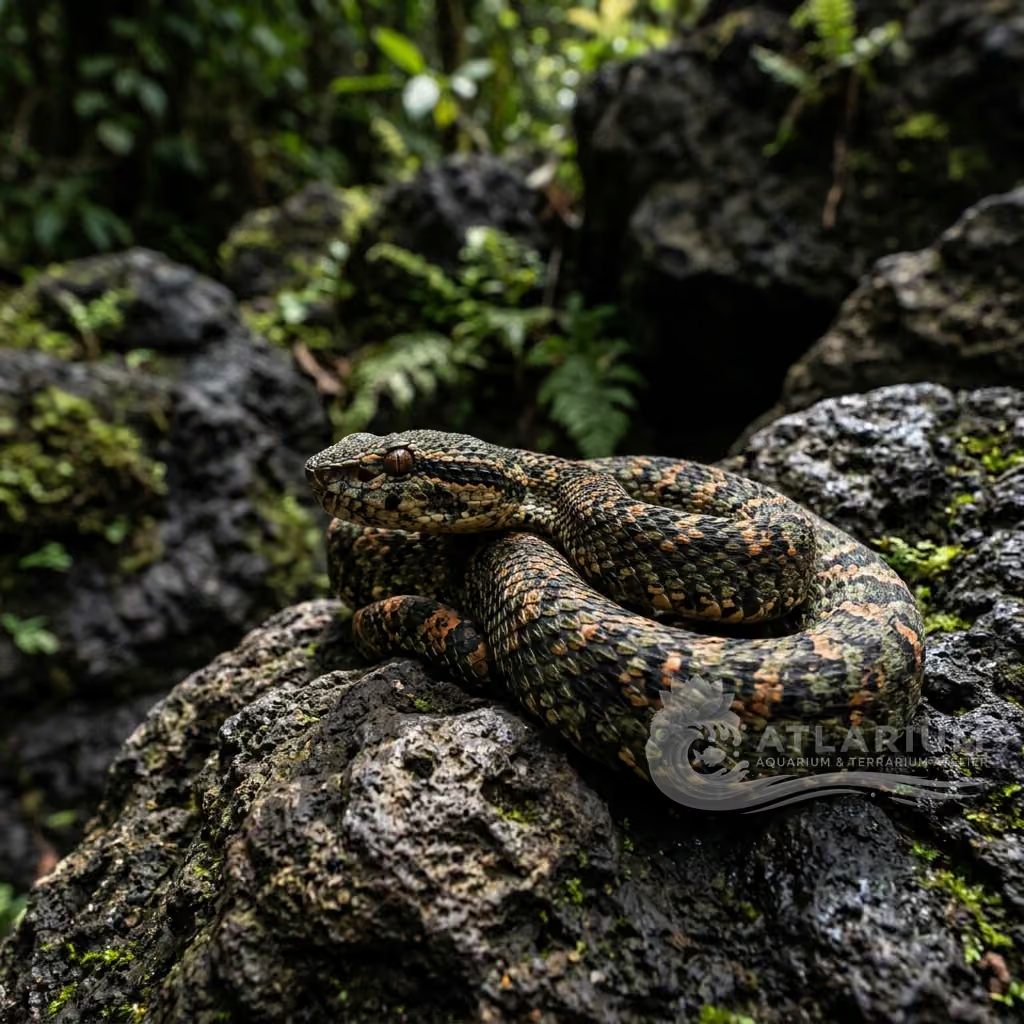
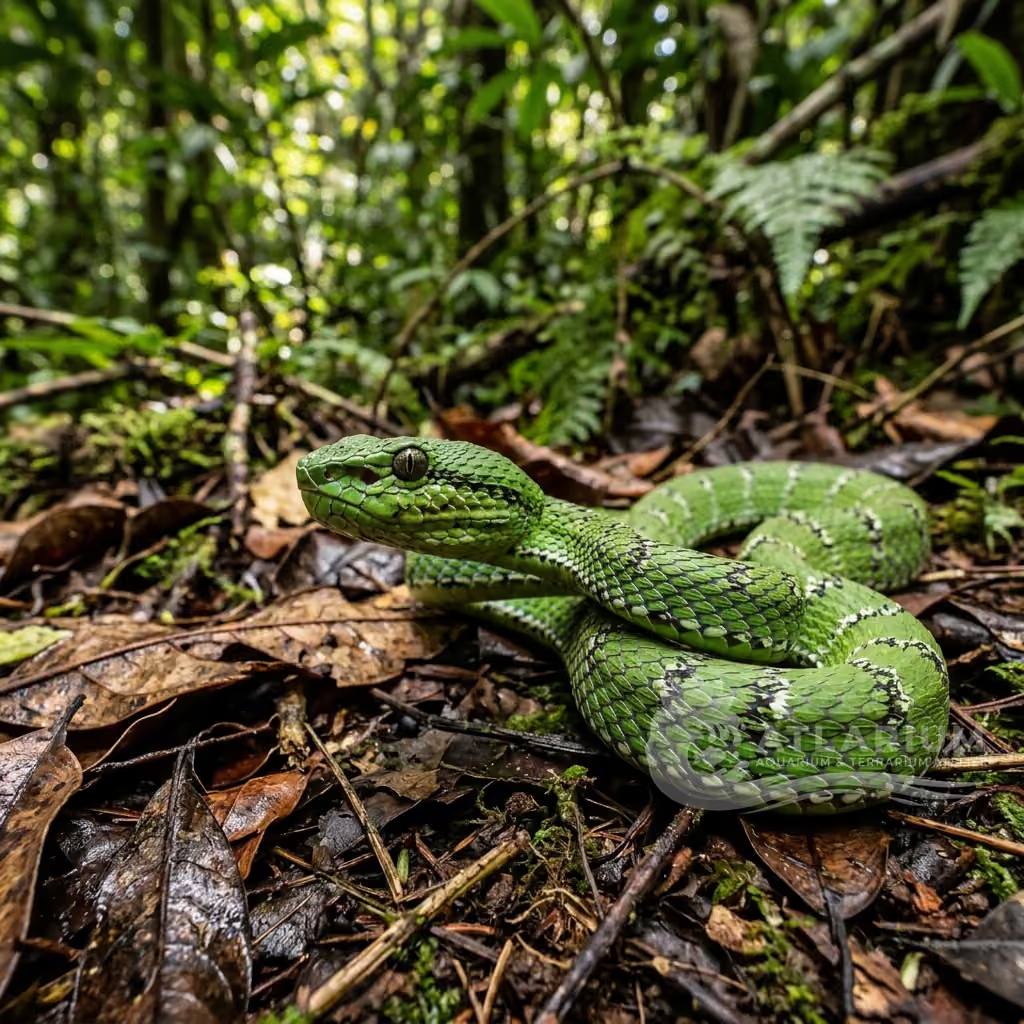
Masoala Web-foot Frog
Paradoxophyla tiarano
A specialized microhylid frog (3.2 cm) native to Northeastern Madagascar (Masoala Peninsula). Characterized by its highly contrasted color pattern and webbed toes and fossorial, leaf-litter dwelling habits.
Environment
Terrestrial
Humidity
80 - 95 %
Day temperature
24.5 °C
Night temperature
20.5 °C
Ambient temperature
24.5 °C
Minimum enclosure
>= 45 L

Species description
Geographical Origin and Habitat: Native to Northeastern Madagascar (Masoala Peninsula). It primarily occurs in pristine coastal primary rainforests of the Masoala Peninsula. It lives mostly concealed within leaf litter or burrowed inside moist soils.
Taxonomy and Genetics: Belongs to the Microhylidae family, genus Paradoxophyla. This group consists of narrow-mouthed frogs highly adapted to specific fossorial or semi-arboreal microhabitats.
Behavior and Habits: Primarily nocturnal and secretive. It spends the daytime hours buried under the substrate or hidden beneath leaf litter, emerging to forage and breed during heavy seasonal rains.
Morphology: Features a plump, rounded body reaching about 3.2 cm. Skin texture ranges from smooth to warty with cryptic colors. Males are smaller than females and exhibit distinct vocal sacs during the breeding season.

Care, breeding and tankmates
Terrarium Setup: Provide a horizontal terrarium with a deep (10-15 cm) layer of loose, damp substrate such as coconut fiber and sterile peat moss. Add cork bark hides, dry leaves, and flat shelters to create shaded spots.
Lighting and Heating: Maintain daytime temperatures around 24.5°C and night temperatures at 20.5°C. Provide a 12-hour light cycle; a low-intensity UVB source is recommended to support general health.
Humidity and Hydration: Maintain relative humidity between 80.0% and 95.0%. Mist regularly with dechlorinated water and supply a very shallow water dish to prevent drowning risks.
Feeding and Supplementation: Strictly insectivorous. Offer gutloaded crickets, roaches, fruit flies, and small worms. Dust prey with high-quality calcium and vitamin D3 twice a week to support skeletal structure.
Compatibility: Best kept in a species-specific setup. Small groups of similar size can cohabitate, avoiding competition or accidental cannibalism.
Health and Common Diseases: Highly susceptible to bacterial skin infections (red leg disease) if ventilation is poor or the substrate is soiled. Regularly check skin condition and hydration levels.

Geographic origin and distribution
Native to Northeastern Madagascar (Masoala Peninsula). It primarily occurs in pristine coastal primary rainforests of the Masoala Peninsula. It lives mostly concealed within leaf litter or burrowed inside moist soils.
Origin
Africa and Madagascar

Amphibian profile
- Diet
- Insectivore
- It feeds primarily on small insects and other tiny arthropods native to the rainforest floors of Madagascar. It actively hunts during the night, utilizing its sticky tongue to snatch quick-moving prey. Its diet is mainly composed of ants and small beetles.
- Life expectancy
- 3-5 years
- Adult size
- 3 cm
- Lifestyle/Microhabitat
- Semi-aquatic
- They are semi-aquatic, thriving in habitats near water bodies where they can easily transition between land and water.
- Activity cycle
- Nocturnal
- This species is primarily nocturnal, remaining hidden during the day in leaf litter or burrows and emerging at night to forage for food.
- Sociality
- Solitary
- Usually found in pristine, low-elevation rainforest environments, it is an extremely secretive species. It spends the day hidden among damp leaves and roots, only becoming active under the cover of darkness. It relies on its extensive foot webbing to swim effectively when navigating flooded areas.
- Reproduction
- Oviparous
- It breeds in temporary ponds or slow-moving streams during the rainy season. Females lay large quantities of small eggs in the water, which hatch into free-swimming tadpoles. These tadpoles filter-feed in the water column until metamorphosis.
- Toxicity
- Toxic
- It does not possess any significant venom or dangerous toxins. It may secrete a mild mucus when handled to slip away from predators. This harmless defense mechanism allows it to escape tight grasps.
- Life stage
- Adult only
- It undergoes a standard amphibian lifecycle, starting as an aquatic tadpole before transforming into a terrestrial froglet. As an adult, it is heavily reliant on the high humidity of the rainforest understory to survive.
- Handling tolerance
- Display only
- Due to their sensitive skin and potential stress from handling, they should be considered a display-only species.
- Brumation
- Not required
- They do not require a brumation period, maintaining a steady metabolic rate year-round in their native tropical habitats.
- Molting
- Periodic
- Shedding occurs periodically and is facilitated by high environmental humidity; the shed skin is typically consumed immediately by the animal.

Related species
Recommendations grouped by close relatives, companion choices, and similar care.