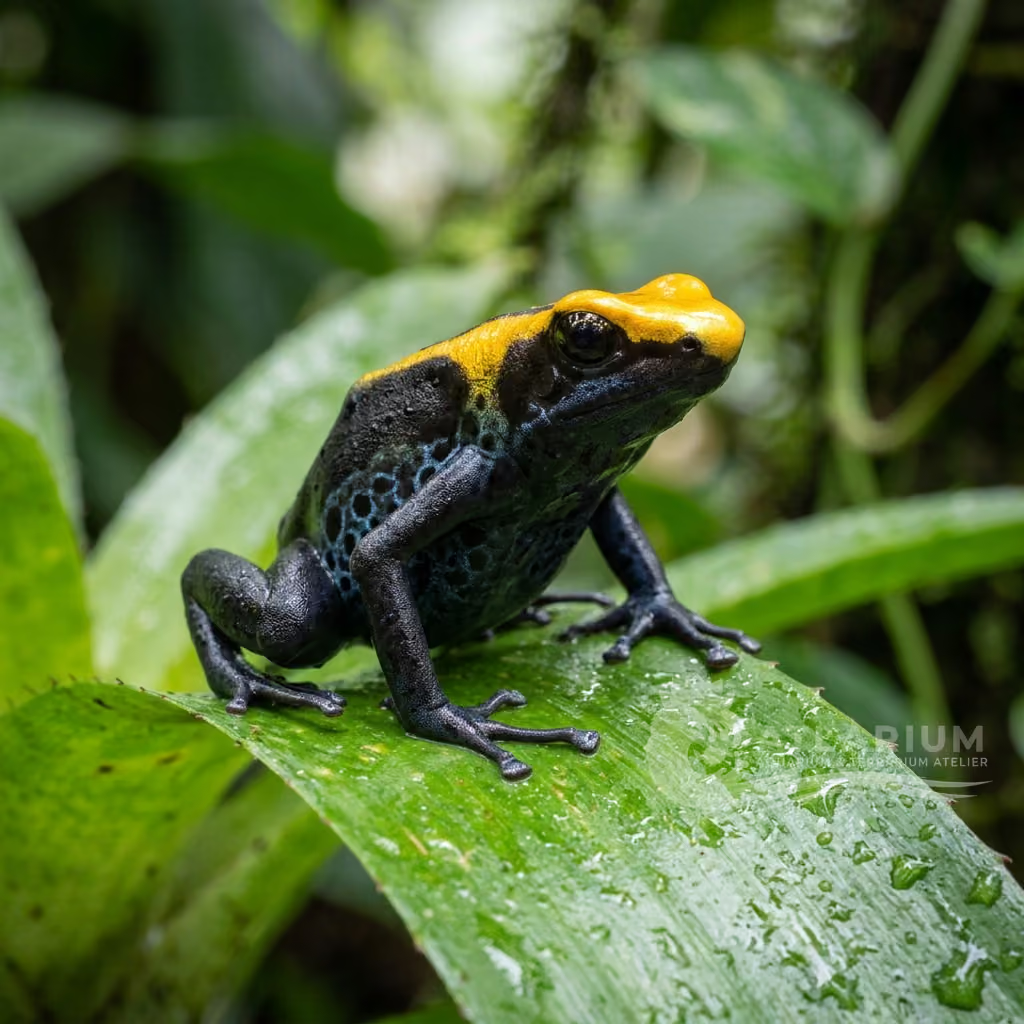
Lehmann's Poison Frog
Oophaga lehmanni
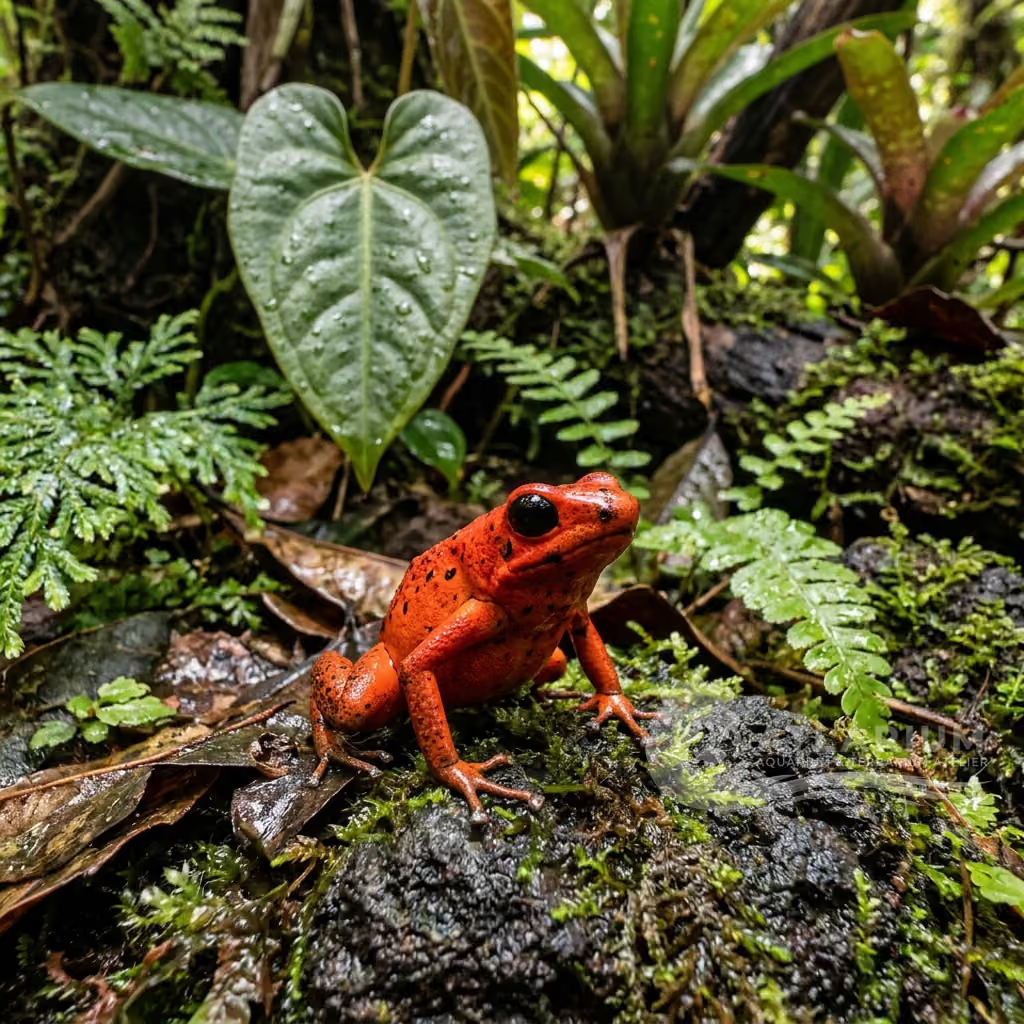
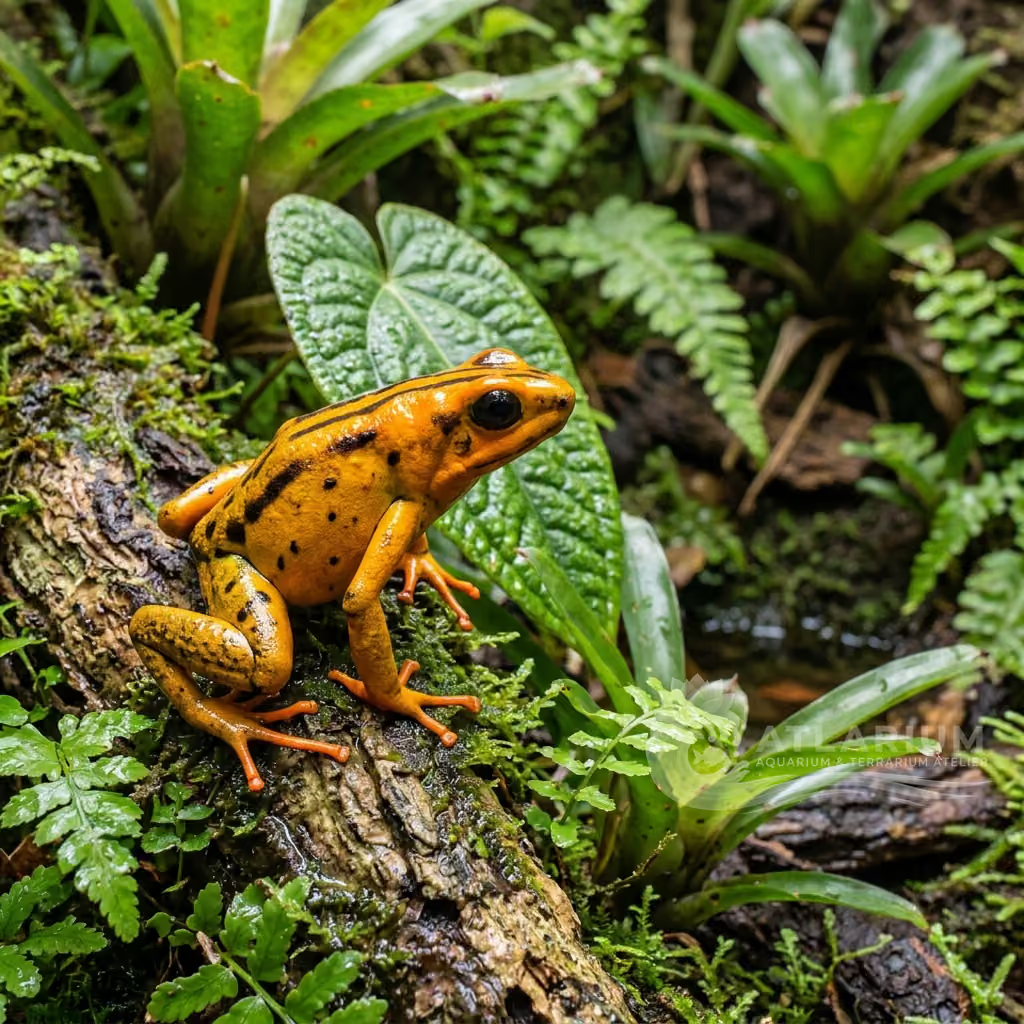
One of the most revered, expensive, and critically endangered frogs on Earth. Lehmann's poison frog is a large Oophaga famous for its dazzling, blood-red, yellow, or orange transverse bands on an ebony black background. Critically endangered and strictly regulated globally, it presents extreme challenges in husbandry, obligate oophagous reproduction, and immaculate hygiene parameters.
Environment
Terrestrial
Humidity
85 - 100 %
Day temperature
24 °C
Night temperature
21 °C
Ambient temperature
24 °C
Minimum enclosure
>= 45 L

Species description
Geographical Origin and Habitat: Lehmann's poison frog (Oophaga lehmanni) is endemic to a very small region in the rainforests of the western Andes of Colombia, specifically within the Anchicayá river basin. This species thrives in the humid, tropical microhabitats of the forest floor, typically among dense leaf litter, but it is also semi-arboreal, climbing up trees to access water-filled bromeliads.
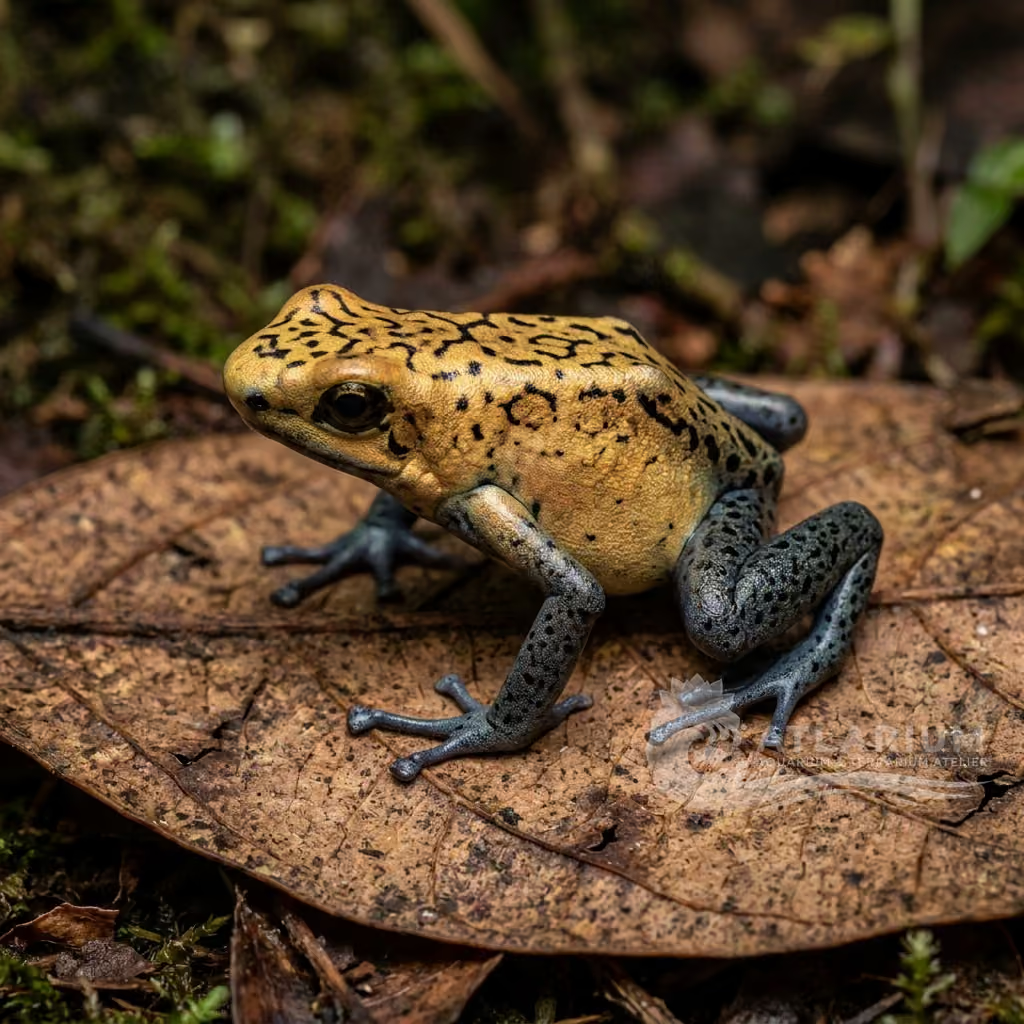
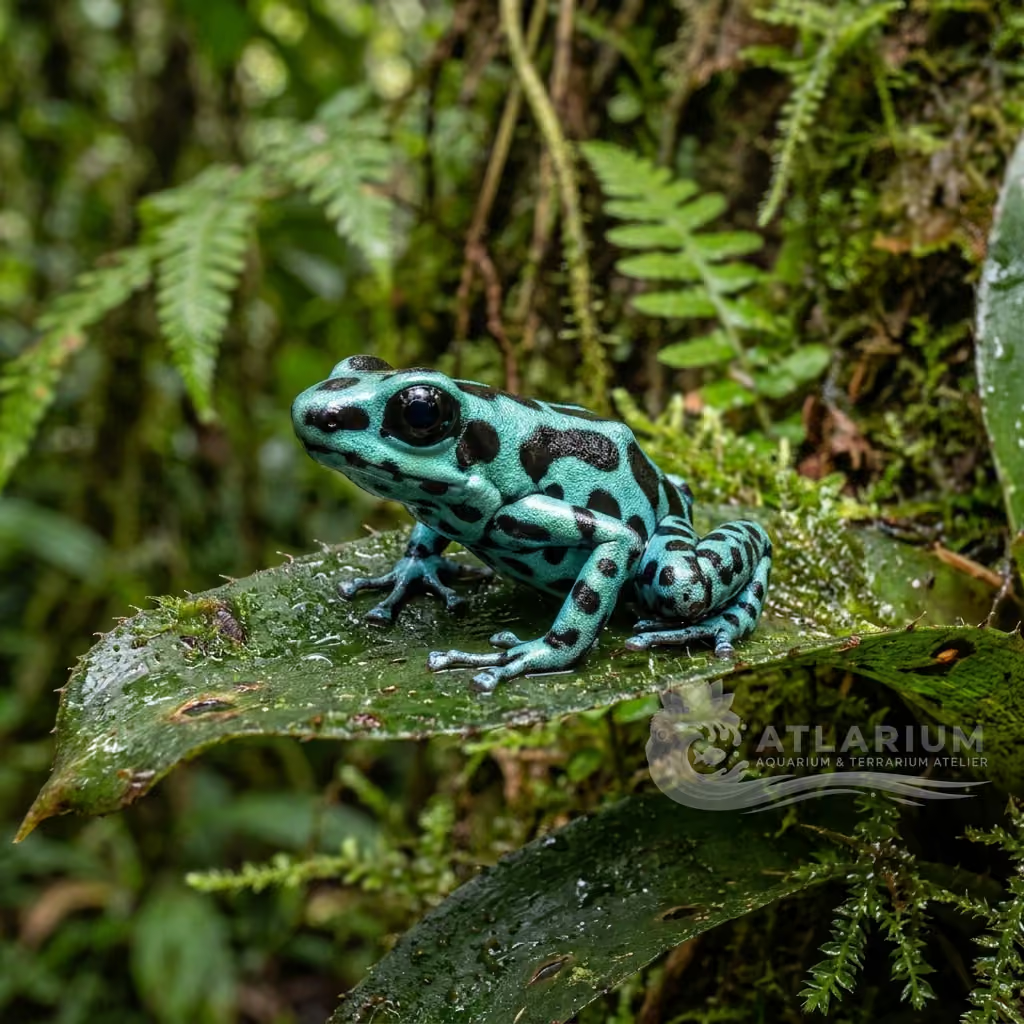
Taxonomy and Genetics: Belonging to the family Dendrobatidae, Oophaga lehmanni is closely related to Oophaga histrionica. The species is characterized by its bright aposematic warning coloration, featuring distinct red, orange, or yellow bands on a dark brown or black background, signaling its toxicity to predators.
Behavior and Habits: As a diurnal species, this frog is highly active during the day. In the wild, they exhibit bold behavior, foraging openly on the forest floor for small invertebrates. Males are highly territorial and use a soft buzzing call to defend their territories and attract mates.
Morphology: Adults are relatively large for their genus, typically reaching 3.1 to 3.5 cm in length. They possess a robust body shape and smooth, moist skin. Sexual dimorphism is subtle, with females generally being slightly larger and rounder than males, while males can be identified by their vocalizations and vocal sac.

Care, breeding and tankmates
Terrarium Setup: A tall, well-ventilated bioactive terrarium of at least 60x45x60 cm is recommended for a pair. The enclosure must feature a thick layer of sterile leaf litter (such as oak or magnolia leaves), numerous hiding spots, climbing branches, and live tropical plants, especially broad-leafed bromeliads.
Lighting and Heating: Provide a diurnal lighting cycle with low-intensity UVB (2-5%) and LED lighting for plant growth. Temperatures must be kept relatively cool, ideally between 22°C and 25°C during the day, with a slight drop at night. Temperatures above 27°C are extremely dangerous and can be fatal.
Humidity and Hydration: Maintain high humidity levels between 80% and 100% using an automated misting system with reverse osmosis water. While the substrate must remain moist, standing water must be avoided to prevent bacterial infections. Do not use open water dishes, as they hydrate through their skin.
Feeding and Supplementation: As micro-predators, they feed on small, live insects such as flightless fruit flies (Drosophila melanogaster and hydei) and springtails. All prey must be dusted with a high-quality calcium and vitamin supplement (including Vitamin D3 and Vitamin A) at every feeding to prevent metabolic bone disease.
Compatibility: Lehmann's poison frogs are territorial and are best housed individually or in established male-female pairs. Avoid keeping multiple males or females together in small enclosures to prevent territorial stress. They should never be mixed with other dart frog species to avoid hybridization and disease transmission.
Health and Common Diseases: Never handle these amphibians with bare hands, as human skin oils, salts, and chemical residues can damage their delicate skin. They are susceptible to chytridiomycosis and metabolic bone disease. A strict quarantine period is mandatory for any new animals before introduction.

Geographic origin and distribution
Lehmann's poison frog (Oophaga lehmanni) is endemic to a very small region in the rainforests of the western Andes of Colombia, specifically within the Anchicayá river basin. This species thrives in the humid, tropical microhabitats of the forest floor, typically among dense leaf litter, but it is also semi-arboreal, climbing up trees to access water-filled bromeliads.
Origin
Extra-Amazon South America

Amphibian profile
- Diet
- Insectivore
- Oophaga lehmanni requires a well-balanced diet to maintain optimal health and vitality in captivity. Its feeding regimen should closely mimic its natural dietary habits in the wild, including proper vitamin and mineral supplementation. Providing appropriate portion sizes and maintaining a regular feeding schedule are crucial for its digestive health.
- Life expectancy
- 8-15 years
- Adult size
- 3.6 cm
- Lifestyle/Microhabitat
- Terrestrial
- Oophaga lehmanni has adapted to a specific lifestyle that dictates the type of habitat it requires. It relies heavily on proper environmental enrichment, climbing structures, or burrowing substrates depending on its natural adaptations. Creating a terrarium that reflects these requirements allows the animal to thrive and minimizes captivity-related stress.
- Activity cycle
- Diurnal
- The activity pattern of Oophaga lehmanni is largely dictated by its natural rhythms and environmental cues. Knowing whether it is diurnal, nocturnal, or crepuscular is essential for providing appropriate lighting and heating schedules. Proper management of these cycles ensures the animal remains active, healthy, and exhibits natural foraging behaviors.
- Sociality
- Solitary
- Oophaga lehmanni exhibits a variety of fascinating behaviors that can be observed both in the wild and in an enclosure. These behaviors range from territorial displays and communication methods to foraging strategies. Understanding these actions helps keepers provide a more enriching environment and detect any signs of stress early on.
- Reproduction
- Oviparous
- The reproductive cycle of Oophaga lehmanni involves specific environmental triggers such as temperature and humidity changes. Successful breeding requires careful conditioning of both the male and female to ensure they are healthy. Once eggs or live young are produced, specialized care and incubation are often necessary for a high success rate.
- Toxicity
- Harmless
- In the wild, Lehmann's Poison Frog possesses highly toxic skin secretions used to deter predators, derived directly from its natural diet. The bright, contrasting bands of red, yellow, or orange on a black background are a classic example of aposematism. When bred in captivity, they lack these dietary precursors and are non-toxic, yet retain their vibrant, warning colors.
- Life stage
- Metamorphosis
- Development starts in the egg stage, progressing into aquatic tadpoles that reside in small, isolated water pockets. The tadpoles are entirely reliant on maternal feeding, a process that can take up to three months before metamorphosis. The newly transformed froglets are tiny and require constant access to micro-foods to support their rapid initial growth.
- Handling tolerance
- Display only
- They are strictly display animals. Any handling is detrimental to the frog's skin barrier and causes unnecessary psychological stress.
- Brumation
- Brumation is not part of their natural life cycle. They depend on consistent warm temperatures and should never be exposed to cold drafts.
- Molting
- Periodic
- Regular molting occurs to keep their skin clean and free of pathogens. They require very high humidity (over 80%) to shed successfully and stay hydrated.

Related species
Recommendations grouped by close relatives, companion choices, and similar care.