Mediterranean Hermit Crab
Paguristes eremita
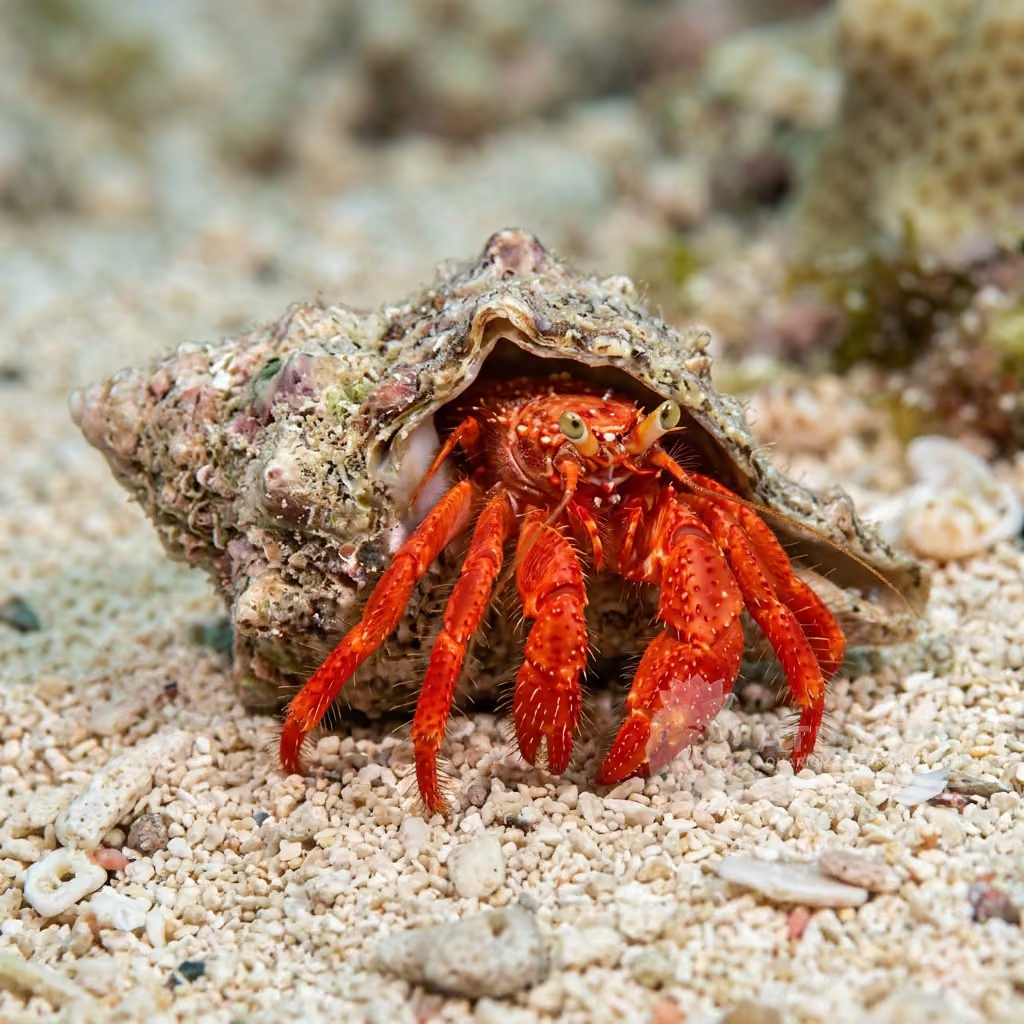
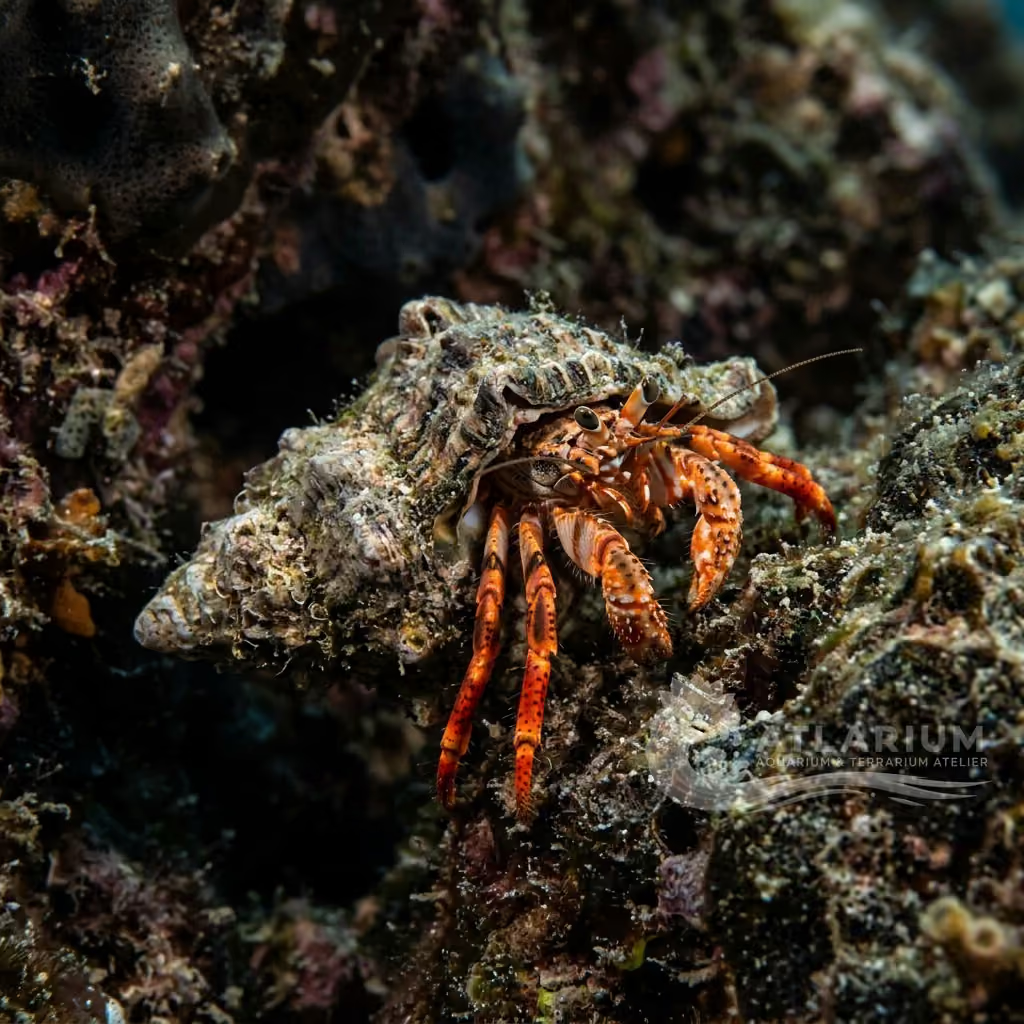
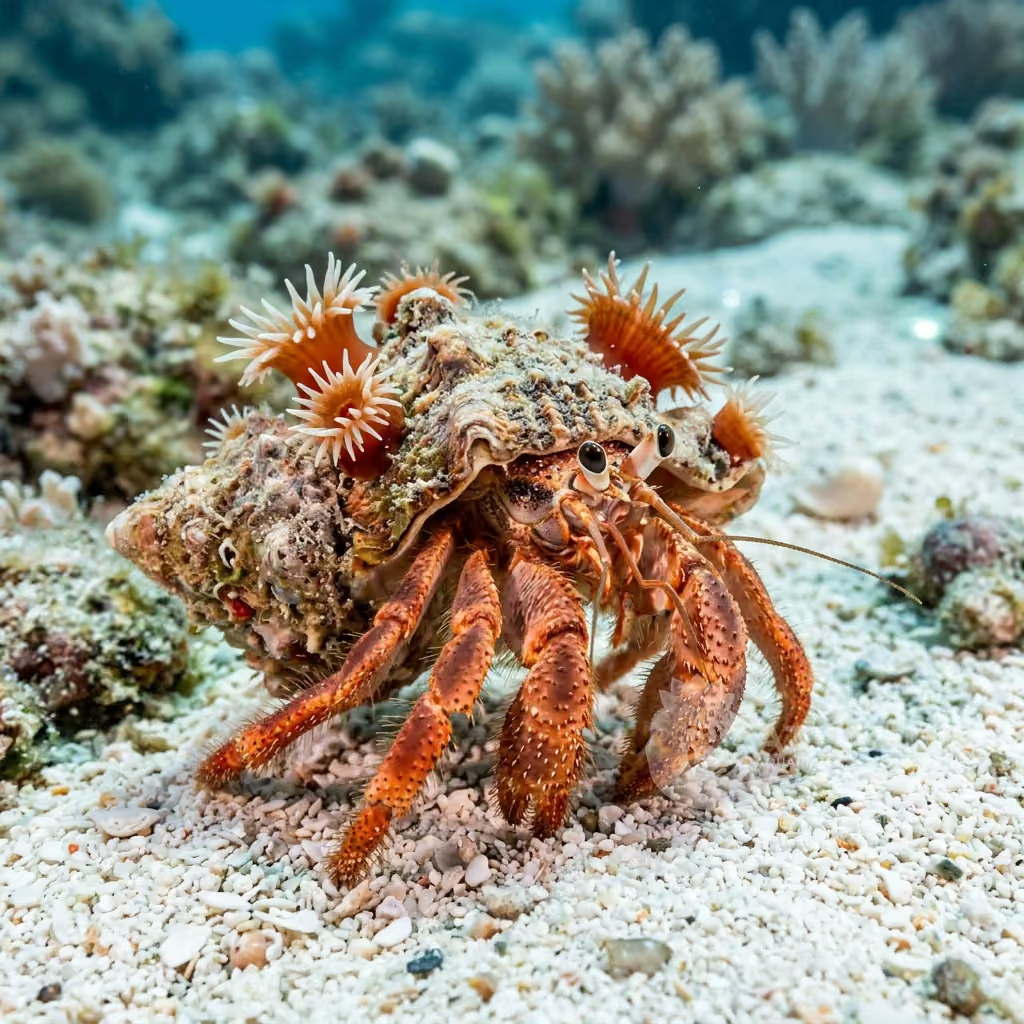
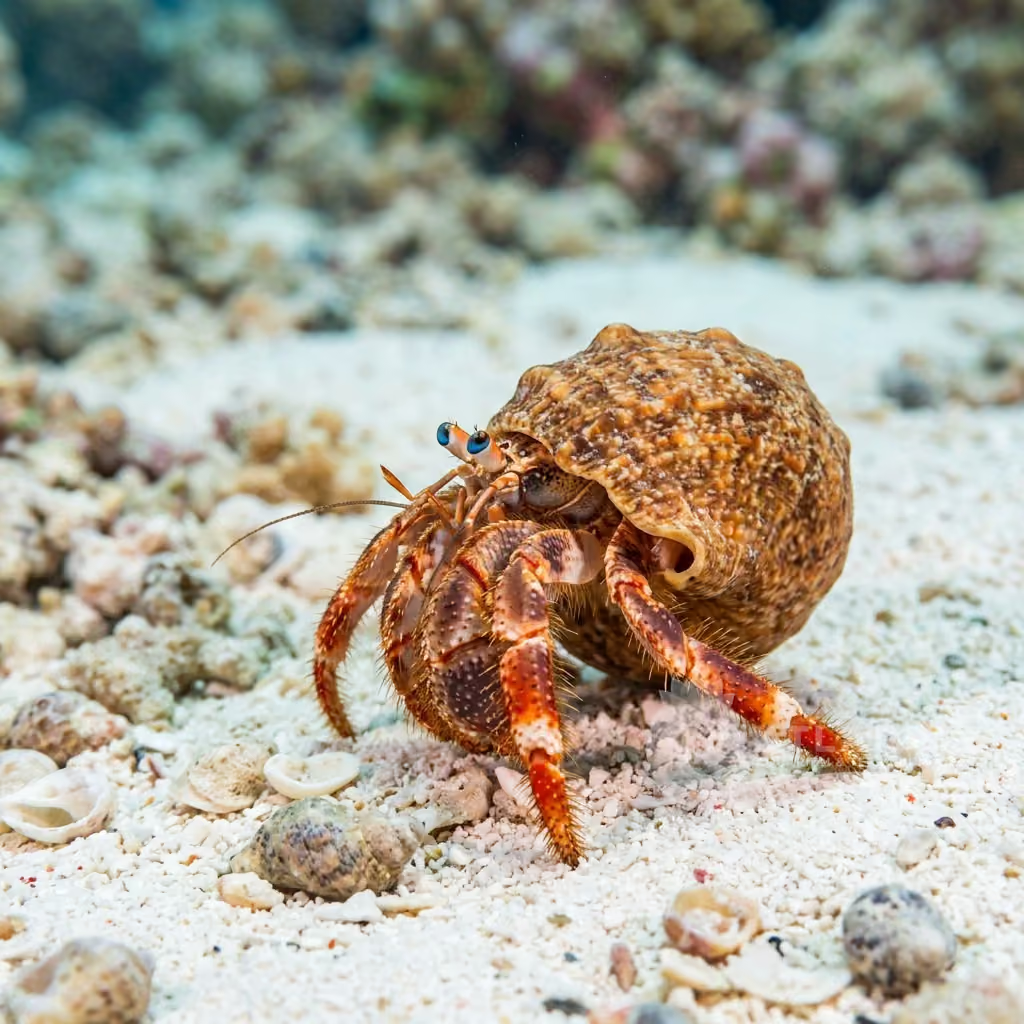
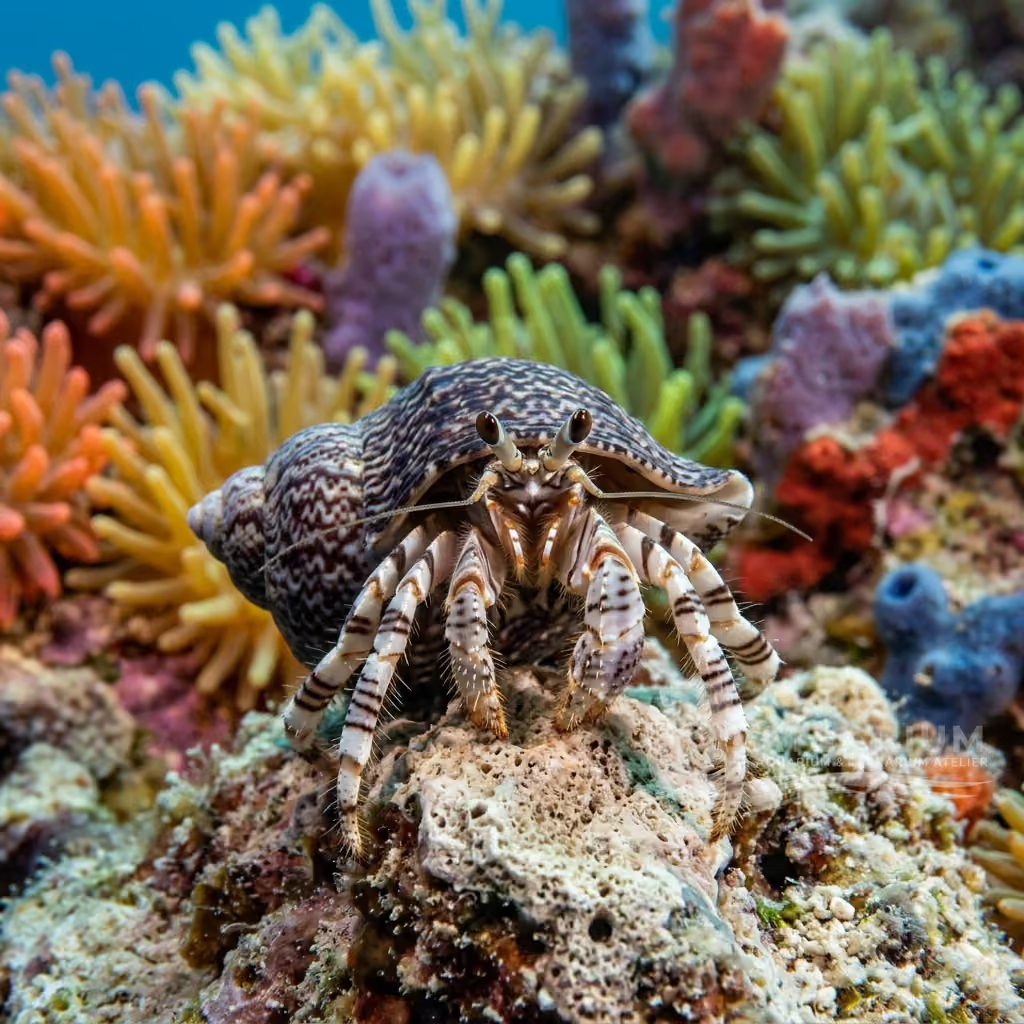
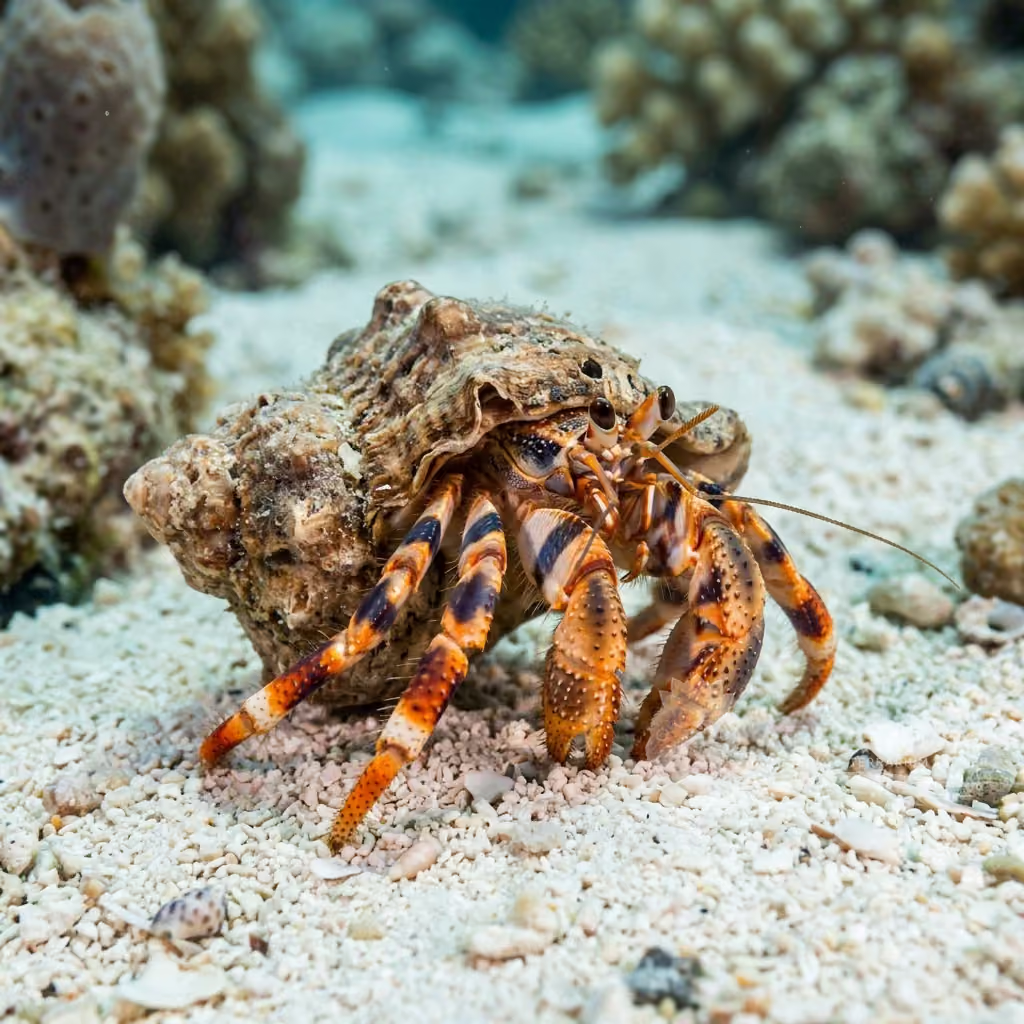
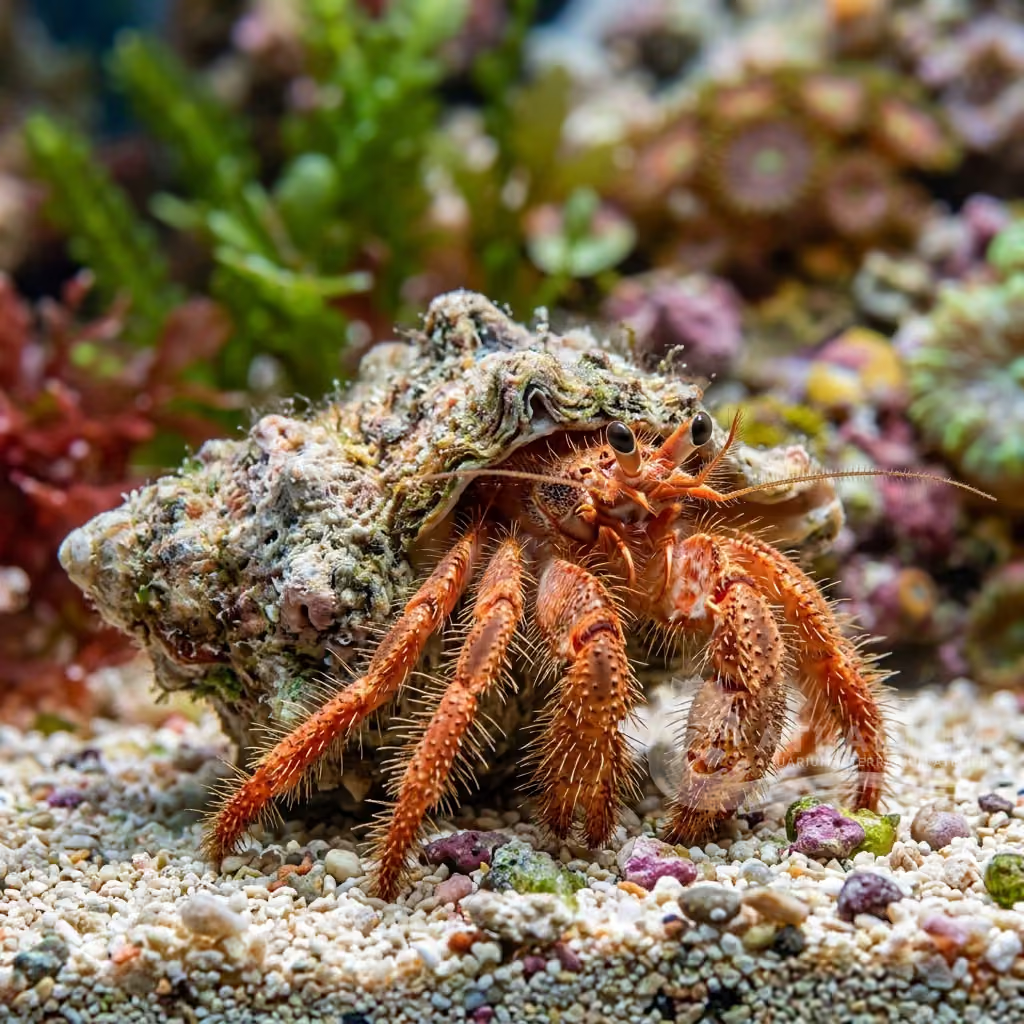
A robust Mediterranean hermit crab found on sandy seabeds. Preferring cooler water, it is an excellent scavenger that sifts the substrate and requires a diverse selection of empty shells.
Wassertemperatur
15 - 24 °C
pH-Wert
8.1 - 8.4
Wassertyp
Meerwasser
Wirbelloser Typ
Hermit crab
Erwachsenengröße
4 cm
Mindestgruppe
>= 1
KH
8 - 12 dKH
Ökologische Rolle
Scavenger
Kupferempfindlichkeit
High

Artbeschreibung
Geographical Origin and Habitat: This species is widely distributed throughout the Mediterranean Sea and adjacent regions of the eastern Atlantic Ocean, ranging from the coastal waters of Portugal south to Senegal. It primarily inhabits sandy, muddy, or detrital seabeds, and is frequently found within Posidonia oceanica seagrass meadows and rocky reefs. It lives at depths ranging from shallow tide pools down to over 50 meters, preferring sheltered environments protected from extreme wave action.
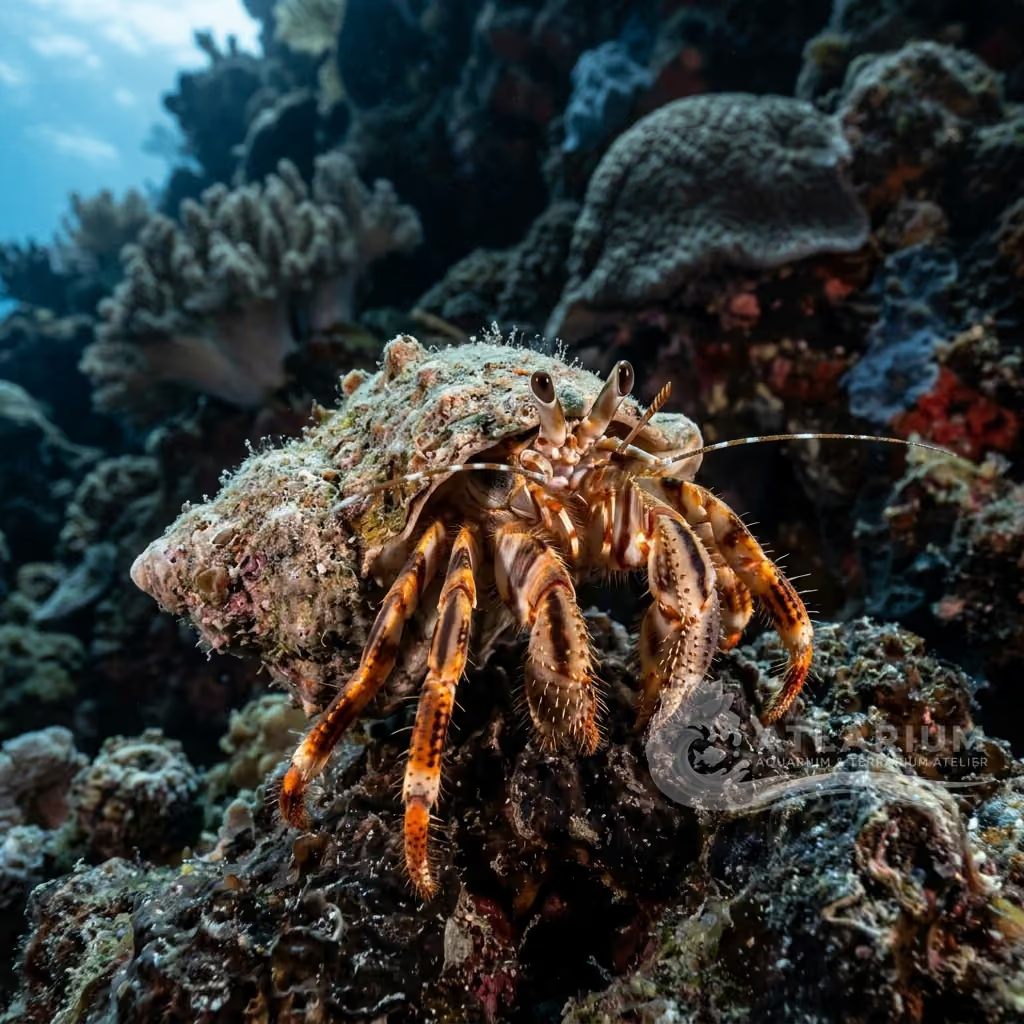
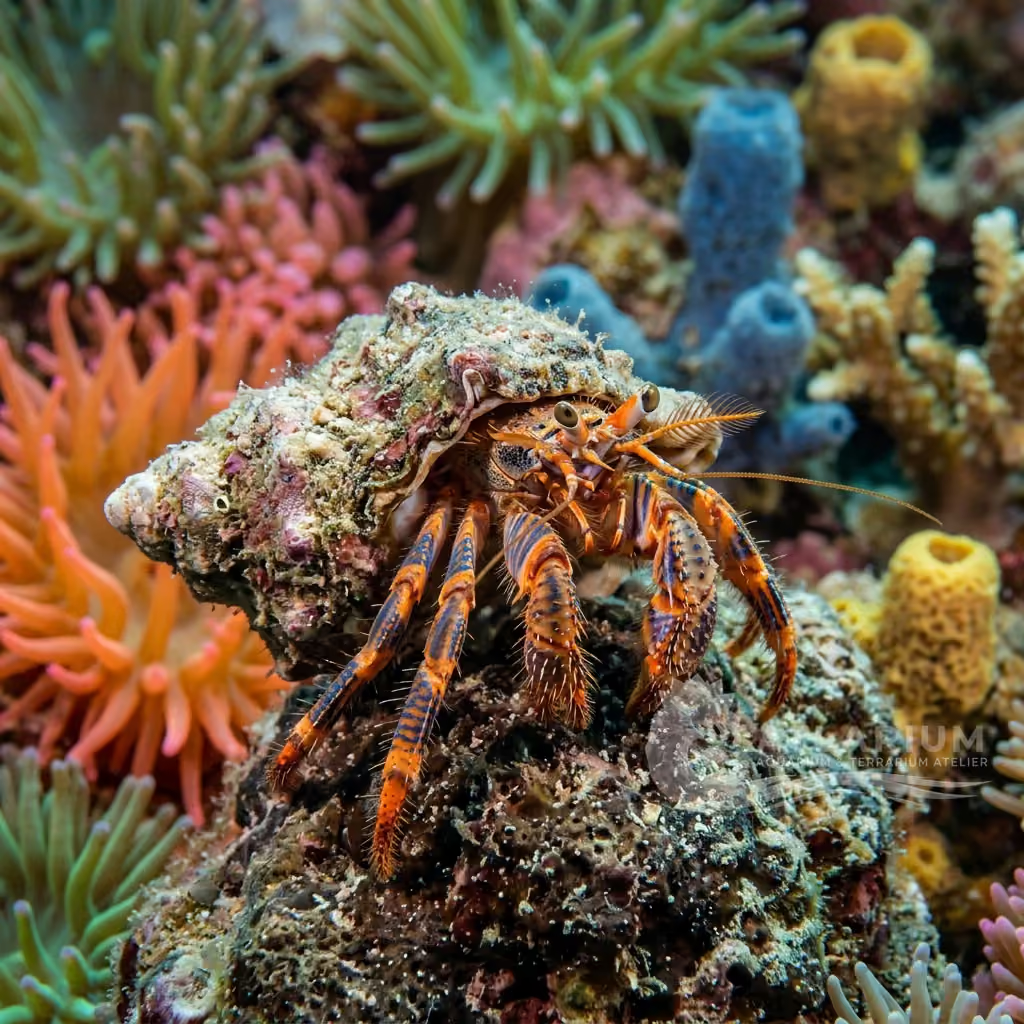
Taxonomy: Paguristes eremita belongs to the family Diogenidae, commonly known as left-handed hermit crabs. Unlike the Paguridae family, members of Diogenidae have claws of equal size or have the left claw larger than the right. Morphologically, it is recognized by the dense coverage of short, sensory bristles on its walking legs and claws, which gives it a distinctly hairy appearance and helps trap organic particles.
Social Behavior: It is a solitary creature by nature but can coexist peacefully with conspecifics provided there is sufficient space and resources. It spends most of the daytime actively crawling across the substrate searching for food or empty gastropod shells. It does not display aggressive territoriality, except during shell fights when two individuals compete for the same optimal empty shell.
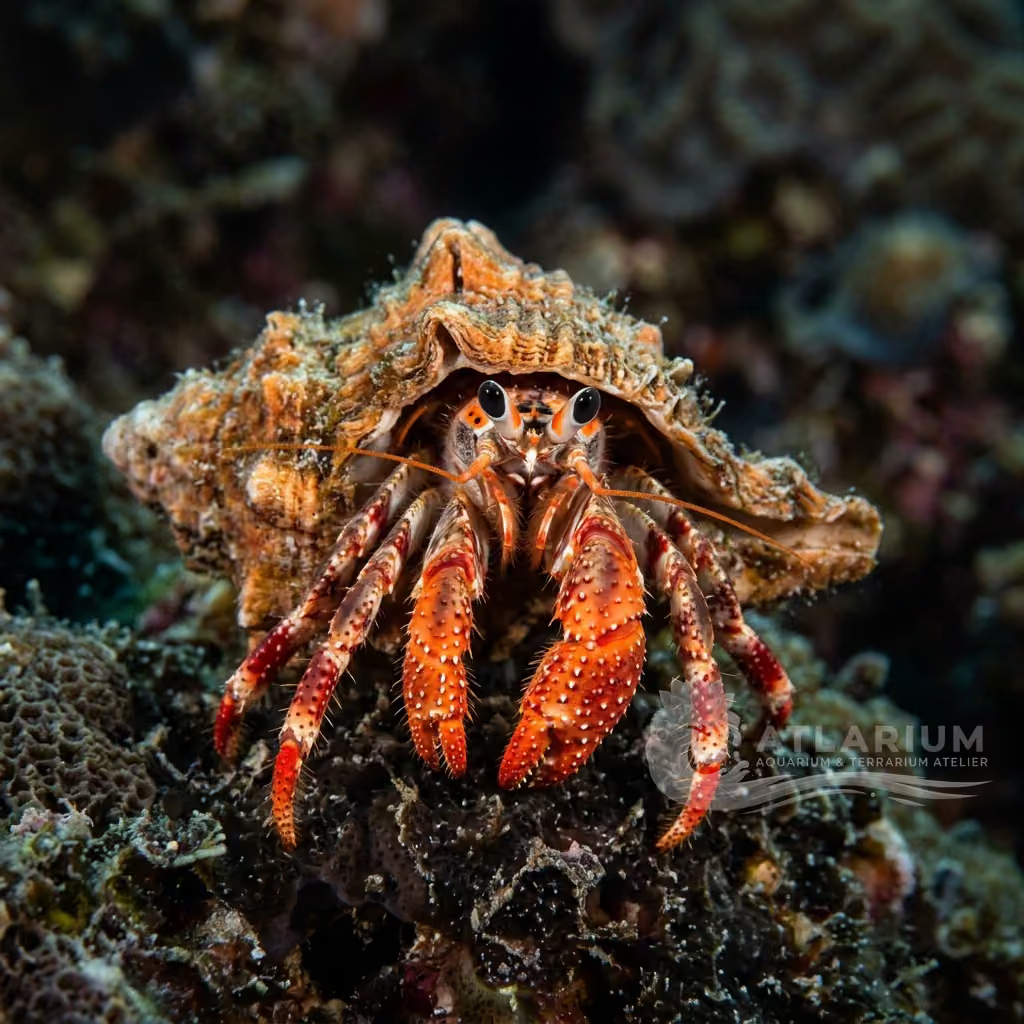
Coloration and Sexual Dimorphism: The body coloration ranges from pale orange to a deep brick red, with mottled brownish patches. The most diagnostic identification feature is its eye stalks, which support bright, intense red eyes. There is no obvious sexual dimorphism visible externally; determining the sex of an individual requires examining the position of the genital pores on the coxae of the walking legs.

Pflege, Zucht und Mitbewohner
Tank Setup: A minimum aquarium volume of 80 to 100 liters is recommended for a Mediterranean biotope. The substrate must consist of fine sand or smooth gravel to protect the hermit crab's sensitive appendages as it digs. It is essential to provide a large variety of empty gastropod shells of different sizes so the crab can change its home as it grows and molts.
Diet and Feeding: It is a highly opportunistic omnivore and detritivore. In captivity, it feeds on detritus, microalgae, leftover fish food, pieces of shrimp, clams, and commercial sinking pellets. A varied diet rich in calcium is important to ensure successful molting cycles and the healthy development of its new exoskeleton.
Water Quality: As a Mediterranean species, it prefers cooler water temperatures, ideally between 18°C and 22°C, though it can tolerate temporary summer rises up to 25°C. Salinity should be maintained between 1.025 and 1.026 (specific gravity), with a stable pH of 8.1 to 8.4. Adequate water movement and high dissolved oxygen levels are required.
Compatibility and Tankmates: Generally peaceful toward larger fish and mobile invertebrates. However, if food is scarce or suitable shells are lacking, it may attack live snails to steal their shells. Avoid housing it with large crustacean-eating fish, such as large wrasses, groupers, or triggerfish, which can crush its protective shell.
Aquarium Breeding: Breeding in home aquariums is exceptionally challenging. Fertilized females carry eggs under their soft abdomen until they hatch. The larvae hatch as free-swimming zoeae, which require specialized planktonic food and specific filtration systems (like kreisel tanks) to prevent them from being sucked into filters.
Risks and Diseases: The primary risk is a failed molt, which is often caused by a lack of essential trace minerals like iodine and calcium in the water. Like all marine invertebrates, Paguristes eremita is highly sensitive to copper-based medications, which are lethal and must never be used in the aquarium.

Geografische Herkunft und Verbreitung
This species is widely distributed throughout the Mediterranean Sea and adjacent regions of the eastern Atlantic Ocean, ranging from the coastal waters of Portugal south to Senegal. It primarily inhabits sandy, muddy, or detrital seabeds, and is frequently found within Posidonia oceanica seagrass meadows and rocky reefs. It lives at depths ranging from shallow tide pools down to over 50 meters, preferring sheltered environments protected from extreme wave action.
Ursprung
Tropische Ozeane und RiffeEuropa, Mittelmeerraum und Westasien

Wirbelloses Profil
- Diät
- Omnivore
- Scavenger and algae eater. Readily accepts most prepared and frozen foods.
- Ökologische Rolle
- Scavenger
- Keeps the substrate and rocks clean. Constantly searches for detritus.
- Erwachsenengröße
- 4 cm
- Sprungrisiko
- Yes
- No jump risk. However, it can scale equipment and cords.
- Stoßempfindlichkeit
- Medium
- Requires slow acclimation to prevent osmotic shock. Stable parameters are essential.
- Kalzium und Mineralien
- Medium
- Needs calcium and trace elements for proper shell and exoskeleton health.
- Häutung
- Shell growth
- Retreats to a secure hiding spot when molting. Do not disturb it.
- Reproduktion
- Oviparous
- This detritivore reproduces by releasing planktonic larvae into the water column, passing through numerous complex developmental stages. Captive breeding has never been successfully documented, primarily because maintaining the adults of this specific deep-water Mediterranean species alive in a standard home aquarium has thus far proven to be entirely impossible.
- Kompatibilität & Tankkameraden
- Peaceful
- This species is completely unsuitable for home aquariums. Native to deeper Mediterranean waters, there are no documented cases of successful captive husbandry. In the wild, they rely on complex symbiotic relationships with specific cold-water sponges and anemones, conditions that simply cannot be replicated in a standard tropical reef tank.

Verwandte Arten
Empfehlungen gruppiert nach nahen Verwandten, Auswahl von Begleitern und ähnlicher Betreuung.