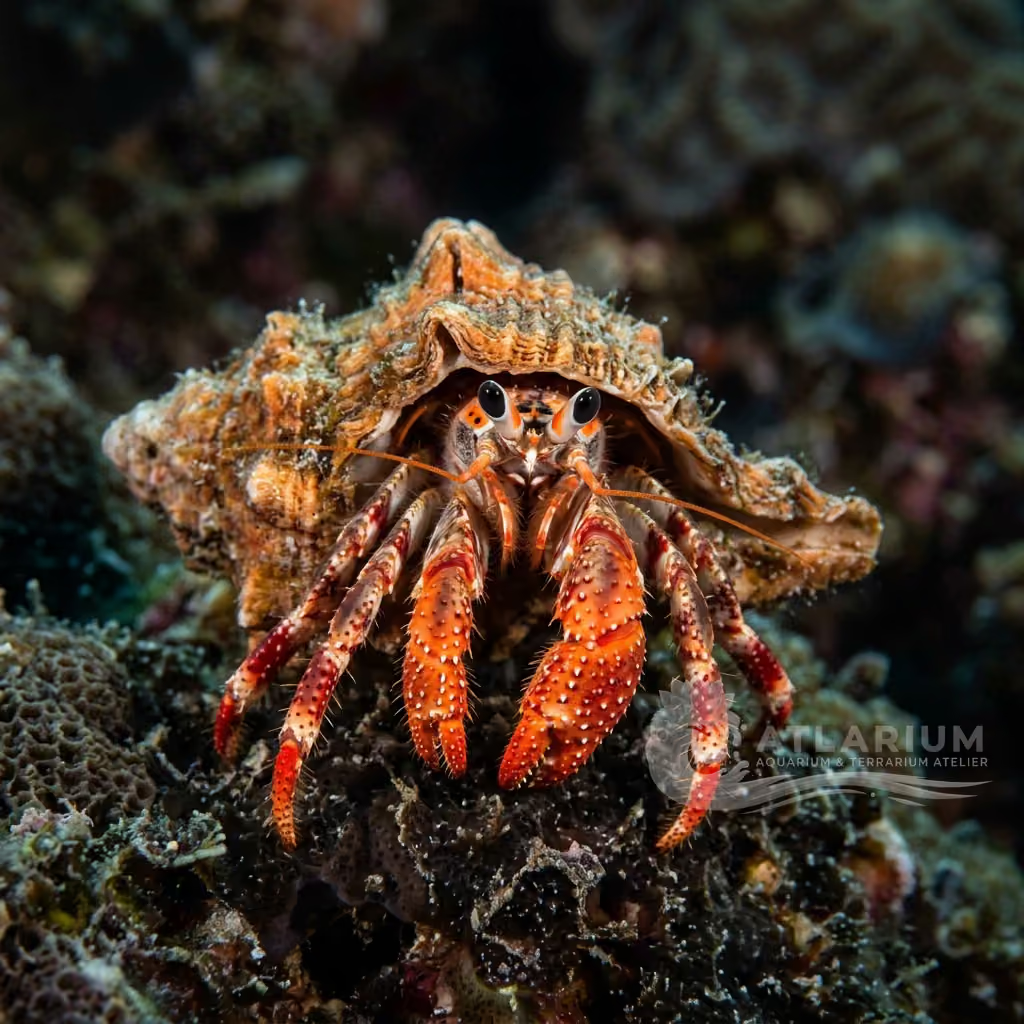
Hairy Hermit Crab
Aniculus aniculus
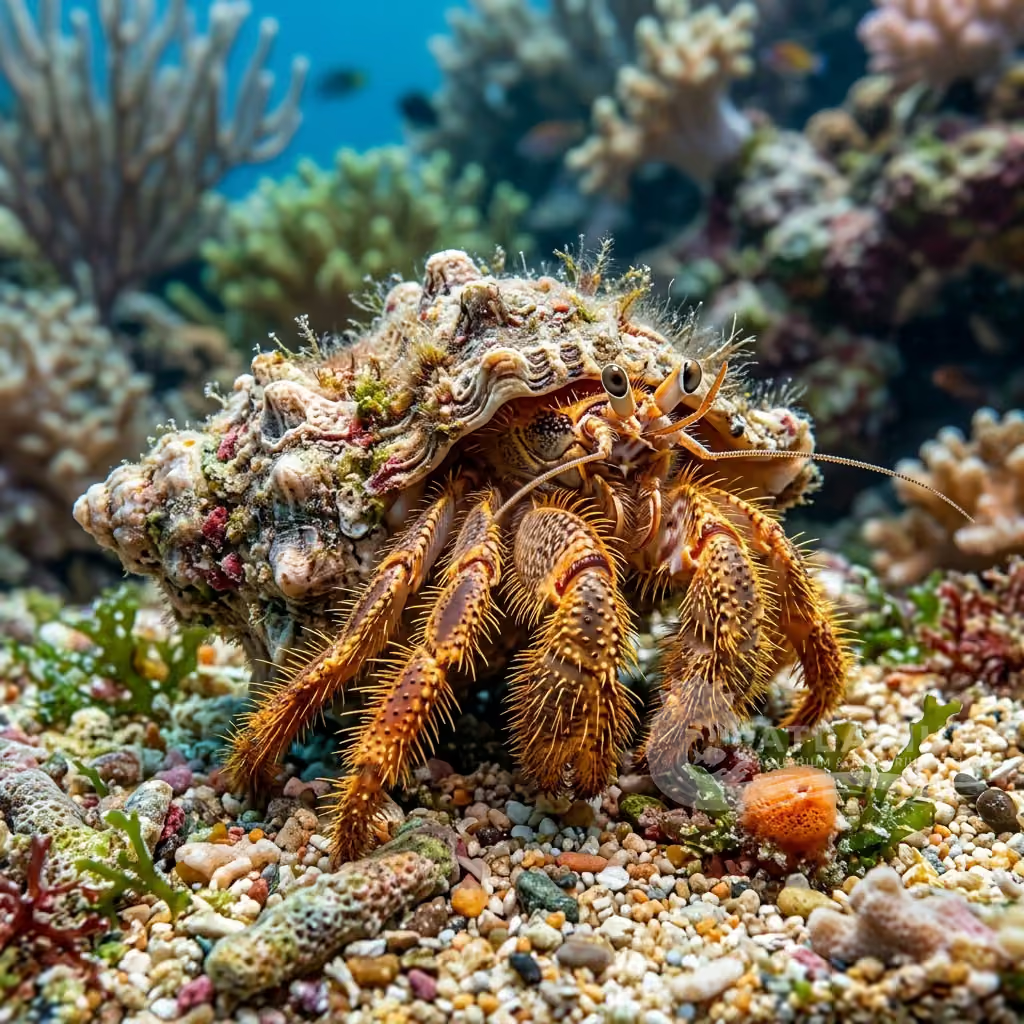
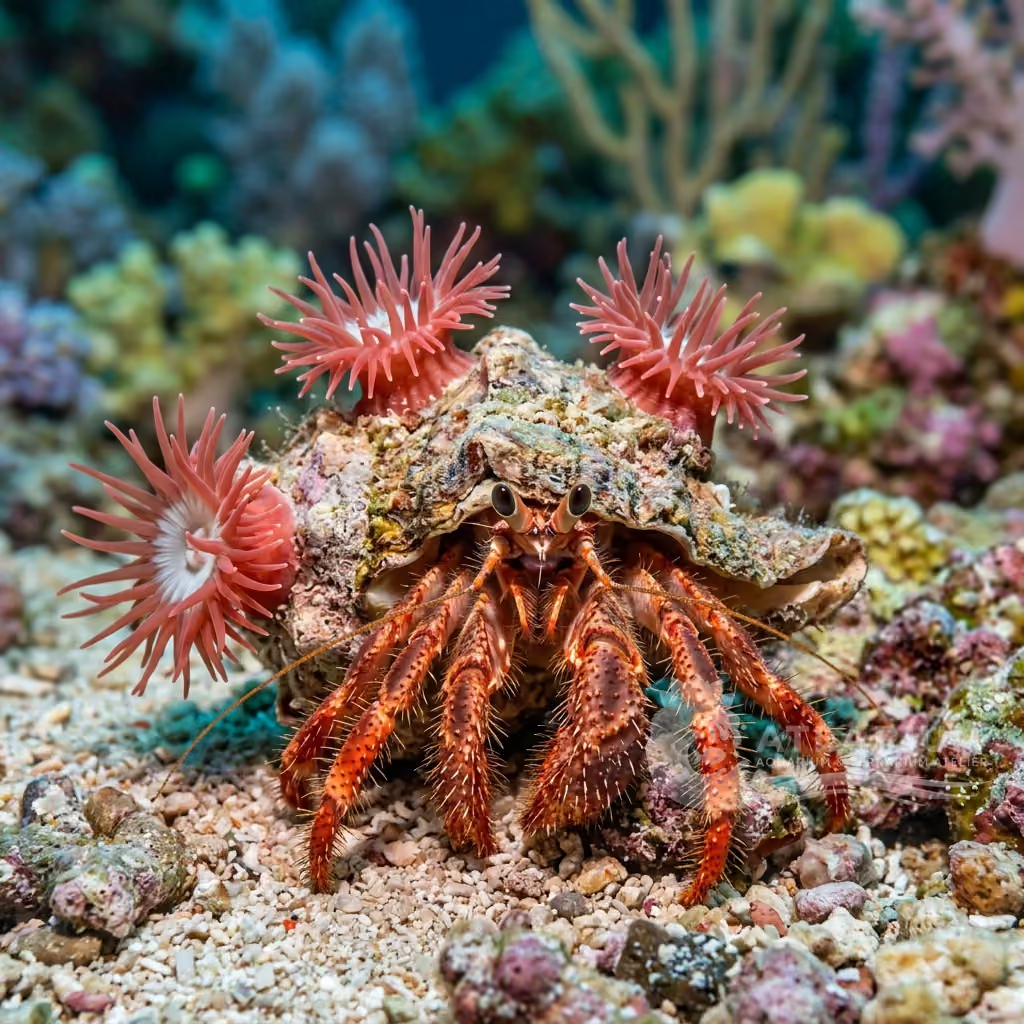
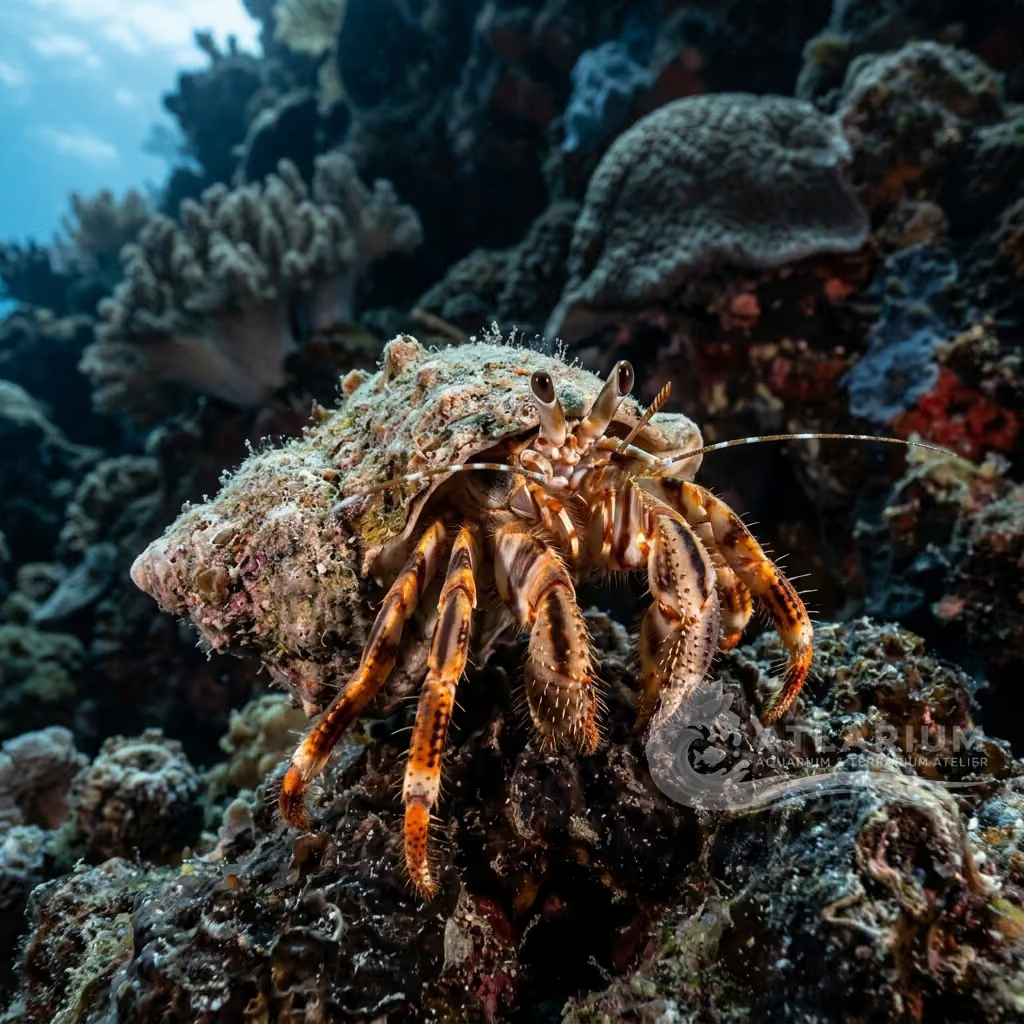
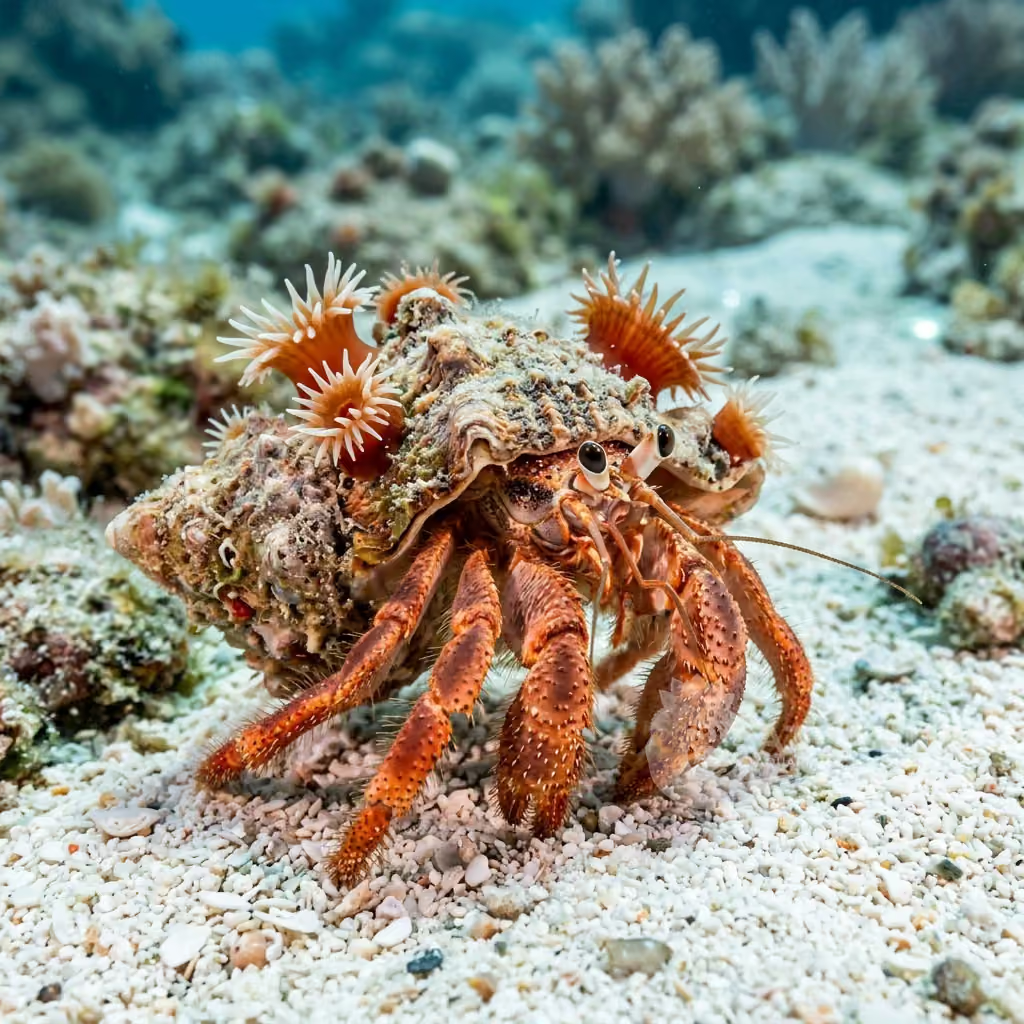
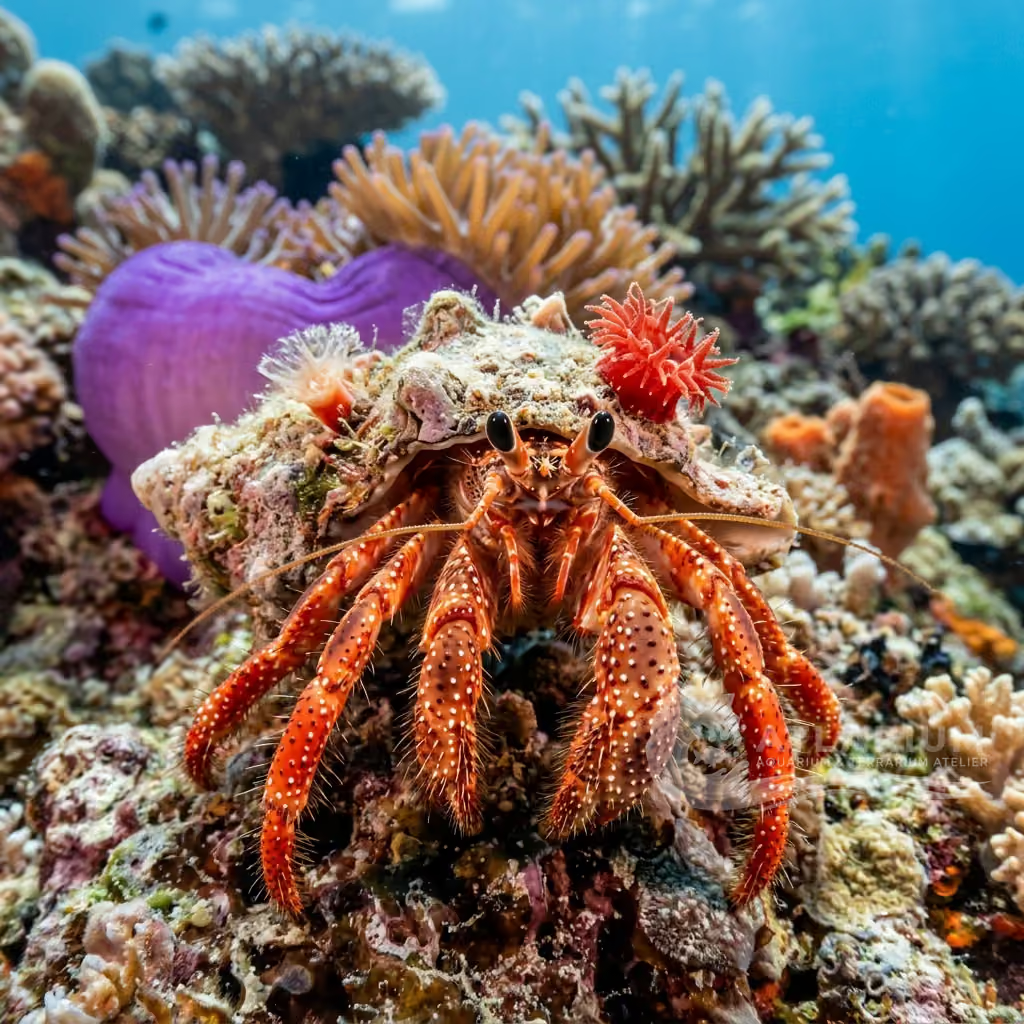
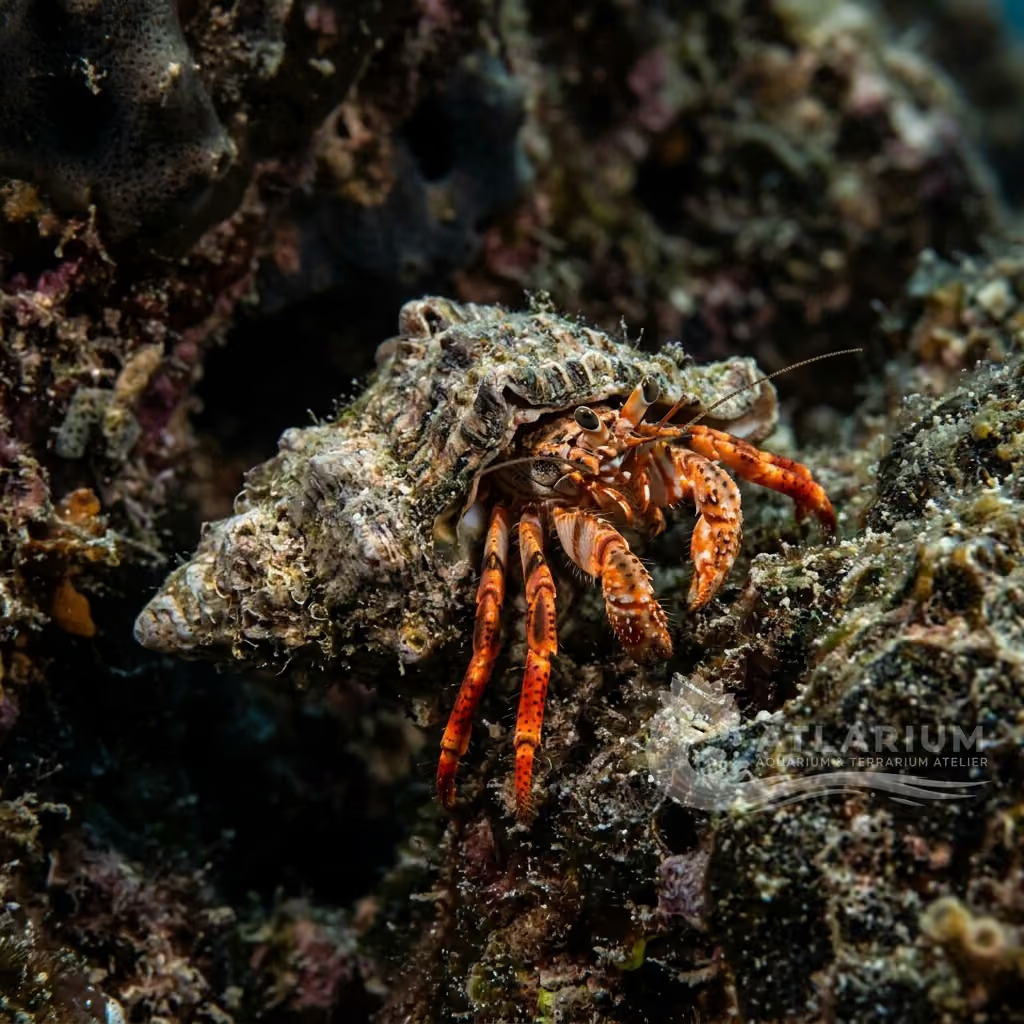
A large and structurally robust marine hermit crab, famously adorned with a bright red body entirely covered in a dense coat of golden sensory bristles.
Wassertemperatur
22 - 28 °C
pH-Wert
8.1 - 8.4
Wassertyp
Meerwasser
Wirbelloser Typ
Hermit crab
Erwachsenengröße
10 cm
Mindestgruppe
>= 1
KH
8 - 12 dKH
Ökologische Rolle
Scavenger
Kupferempfindlichkeit
High

Artbeschreibung
Geographical Origin and Habitat: Widely distributed in the tropical Indo-Pacific, from the Red Sea and East Africa to Hawaii and Polynesia. Inhabits shallow outer reef slopes and sandy lagoons. They inhabit shallow reef flats and rocky shores where wave action provides high oxygenation.
Taxonomy: Member of the family Diogenidae. A large hermit crab species reaching up to 8-10 cm in total length. Legs and claws are massive, covered in dense bristles. Grows to 8-10 cm. Their body is covered with dense, red sensory hairs that assist them in detecting water movements.
Social Behavior: Highly active, strong, and destructive. Capable of knocking over unsecured rockwork or corals. Shows a territorial and somewhat aggressive temperament compared to dwarf species. They show an active and curious behavior, constantly moving rocks and exploring the aquarium substrate.
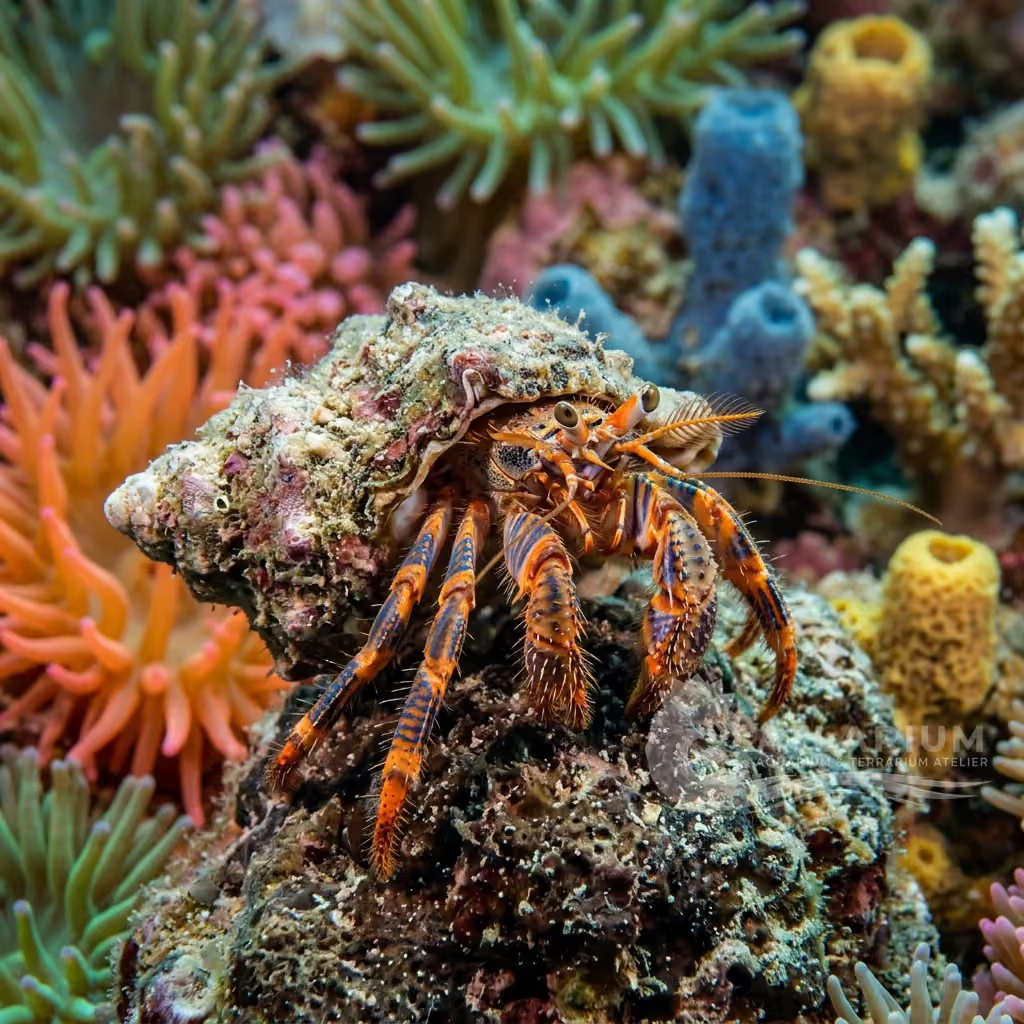
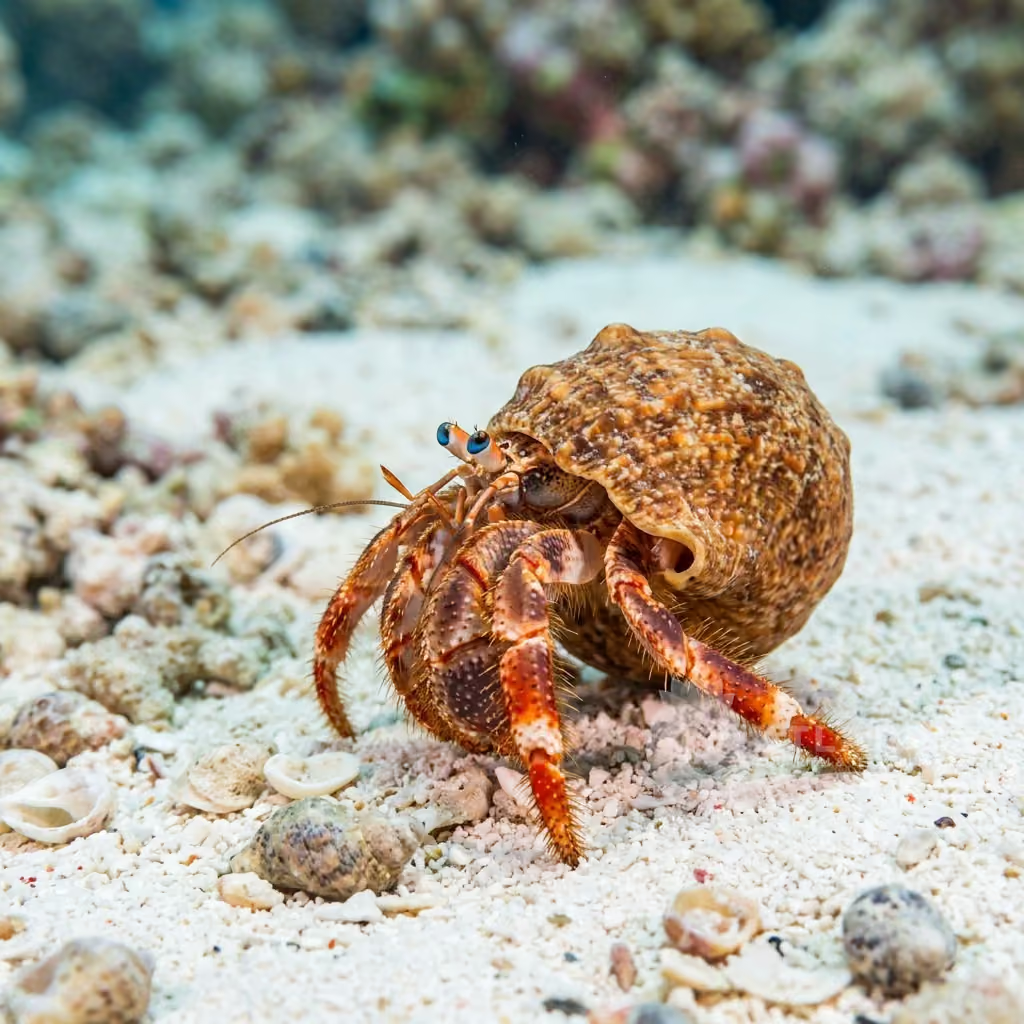
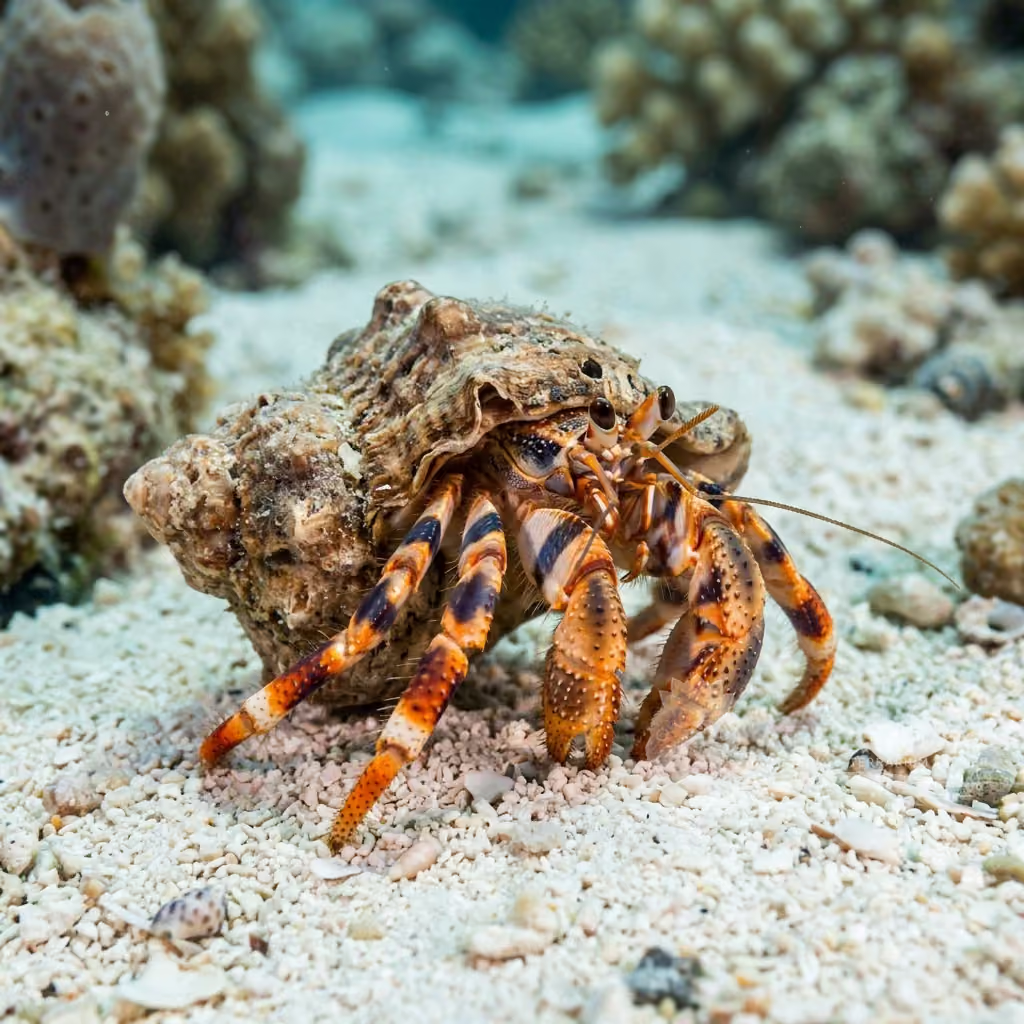
Coloration and Sexual Dimorphism: Bright red or reddish-orange body coloration. Covered in prominent, dense golden-brown sensory bristles. Eyes are dark on red-and-white striped stalks. No visible sexual dimorphism. Size is the primary difference between genders, with mature males usually being larger than females.

Pflege, Zucht und Mitbewohner
Tank Setup: Requires a large tank of 40-50 gallons or more. Rockwork must be very stable and secure. Provide a deep sandy substrate and plenty of open walking space. Provide a deep sand bed and plenty of rocks to crawl on, along with extra shells for growth.
Diet and Feeding: Voracious omnivore. Consumes frozen mysis, krill, chopped mussels, clams, and fresh fish chunks. Readily accepts large sinking pellets and seaweed sheets. They are excellent scavengers that consume leftover foods, decaying matter, and nuisance algae.
Water Quality: Reef parameters. Salinity SG 1.021-1.025, pH 8.1-8.4, temperature 22-28°C. Highly sensitive to copper treatments and elevated nitrates. Keep water chemistry stable, ensuring calcium and magnesium levels are sufficient for shell development.
Compatibility and Tankmates: Not reef-safe with small invertebrates. May prey on large live snails, starfish, and small sleeping fish. Keep only with large, robust fish. Use caution when keeping them with delicate corals, as their climbing activity can cause damage.
Aquarium Breeding: Microscopic larval stages are pelagic and complex, and do not survive standard home aquarium filtration systems. Mating is rarely successful in home tanks due to the difficulty of raising the planktonic larvae.
Risks and Diseases: Low iodine or calcium leading to failed molts. Lack of suitable large replacement shells (e.g. Turbo or Conus) causes high stress. Avoid any copper-based medications in the tank, as copper is highly toxic to all hermit crabs.

Geografische Herkunft und Verbreitung
Widely distributed in the tropical Indo-Pacific, from the Red Sea and East Africa to Hawaii and Polynesia. Inhabits shallow outer reef slopes and sandy lagoons. They inhabit shallow reef flats and rocky shores where wave action provides high oxygenation.
Ursprung
Tropische Ozeane und RiffeAfrika und Madagaskar

Wirbelloses Profil
- Diät
- Omnivore
- Scavenger. Eats detritus, algae, and uneaten meaty foods. May require supplementary feedings in clean tanks.
- Ökologische Rolle
- Scavenger
- Helps break down larger pieces of organic matter and sift the top layer of sand as it searches for food.
- Erwachsenengröße
- 10 cm
- Sprungrisiko
- Yes
- No jump risk, but keep tank covered to prevent it from climbing out.
- Stoßempfindlichkeit
- Medium
- Should be drip acclimated over 1 to 2 hours to avoid shock from differences in specific gravity.
- Kalzium und Mineralien
- Medium
- Requires calcium for healthy molting of its exoskeleton.
- Häutung
- Yes
- Needs empty shells of appropriate size to move into after molting to accommodate its growth.
- Reproduktion
- Bubble nest builder
- Breeding is not usually successful in captivity due to the planktonic larval phase.
- Kompatibilität & Tankkameraden
- Species only
- Generally peaceful but may bulldoze small frags. May occasionally attack snails for their shells if no empty ones are available.

Verwandte Arten
Empfehlungen gruppiert nach nahen Verwandten, Auswahl von Begleitern und ähnlicher Betreuung.