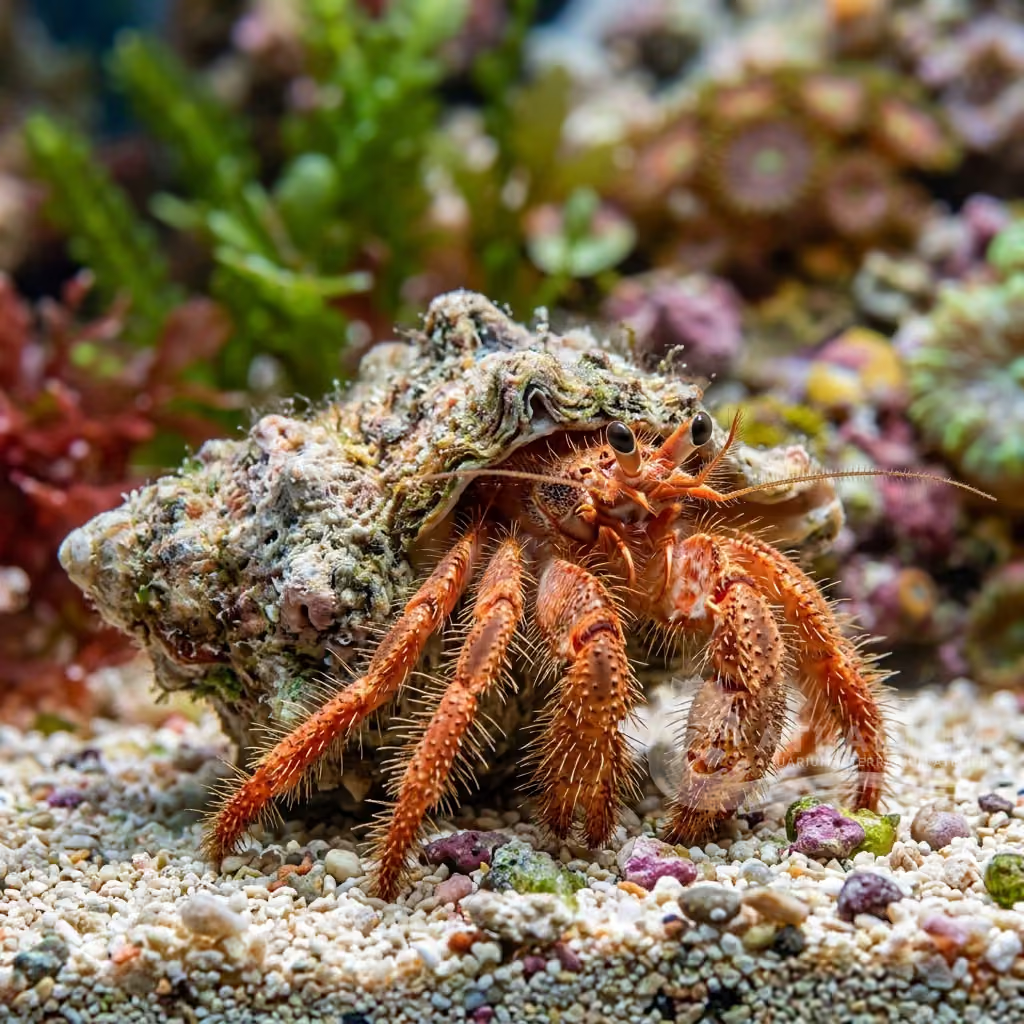
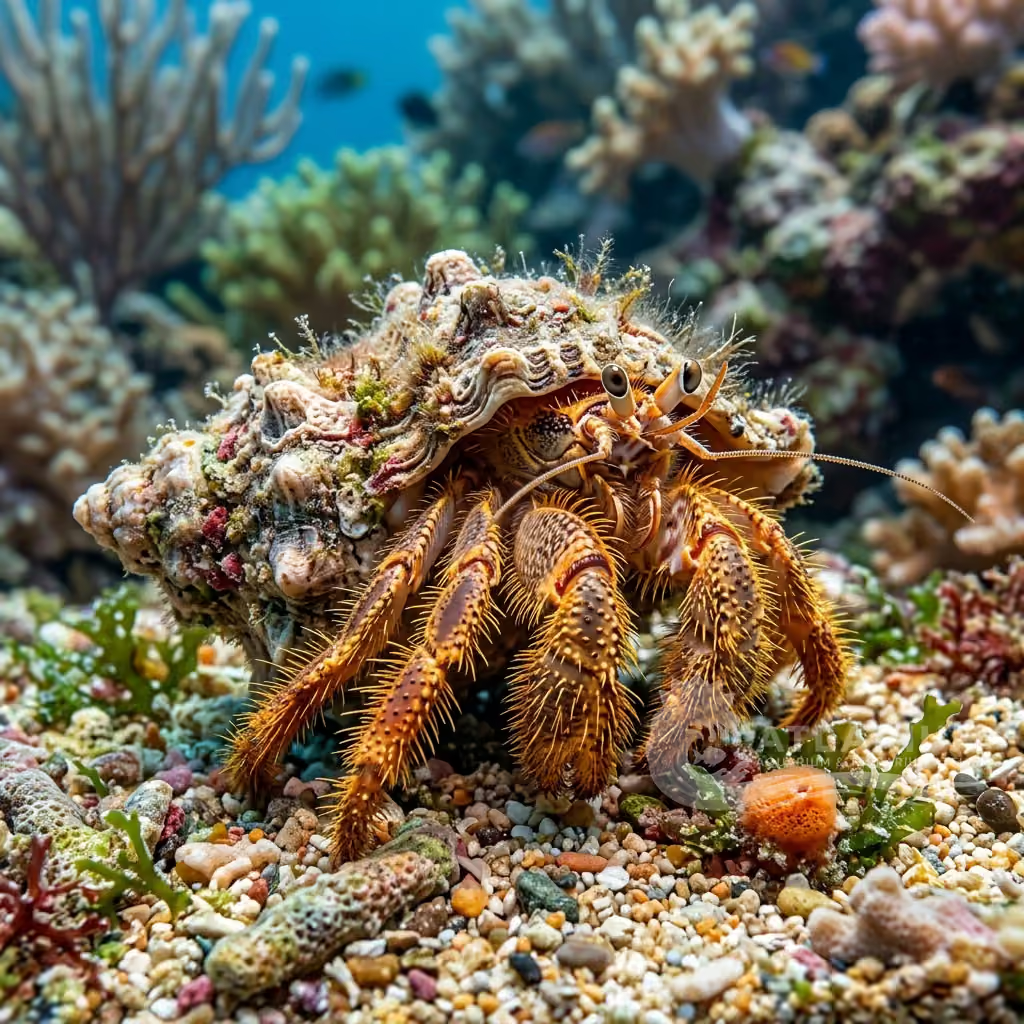
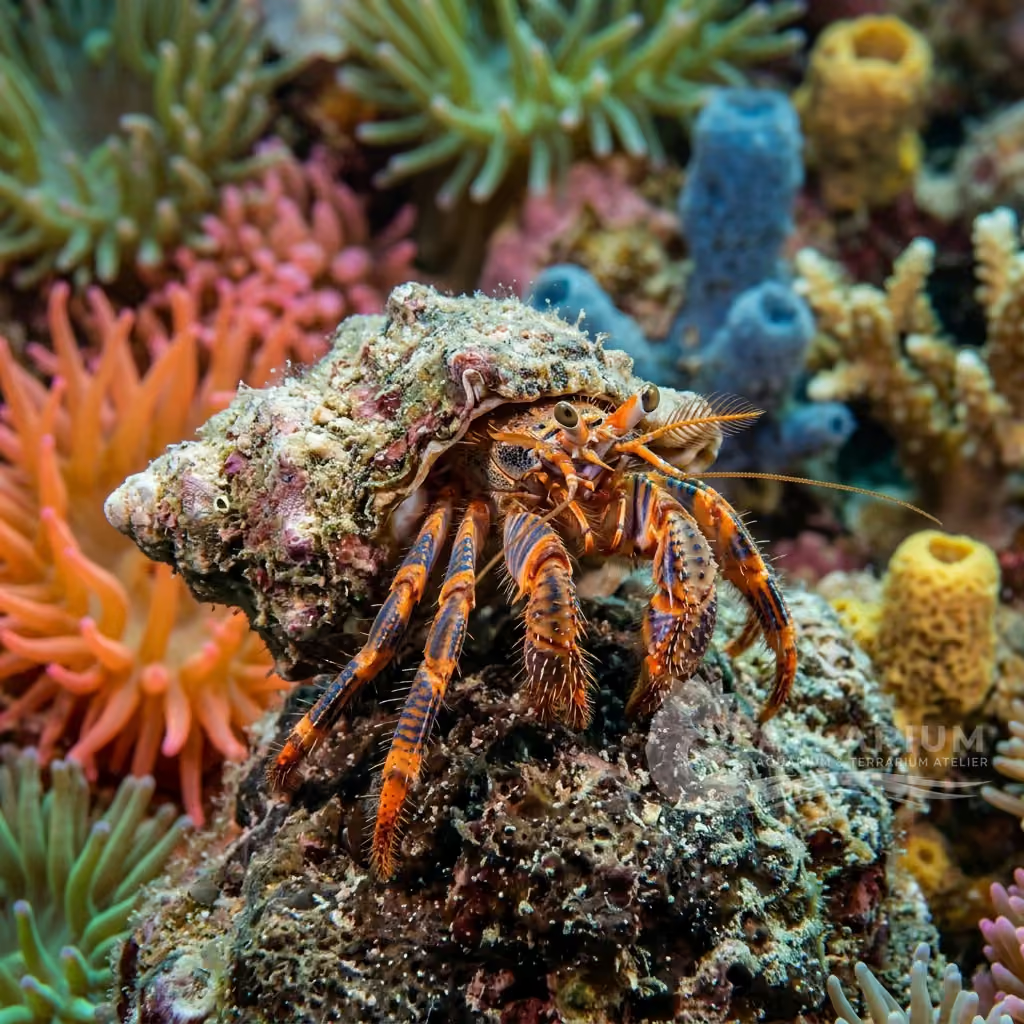
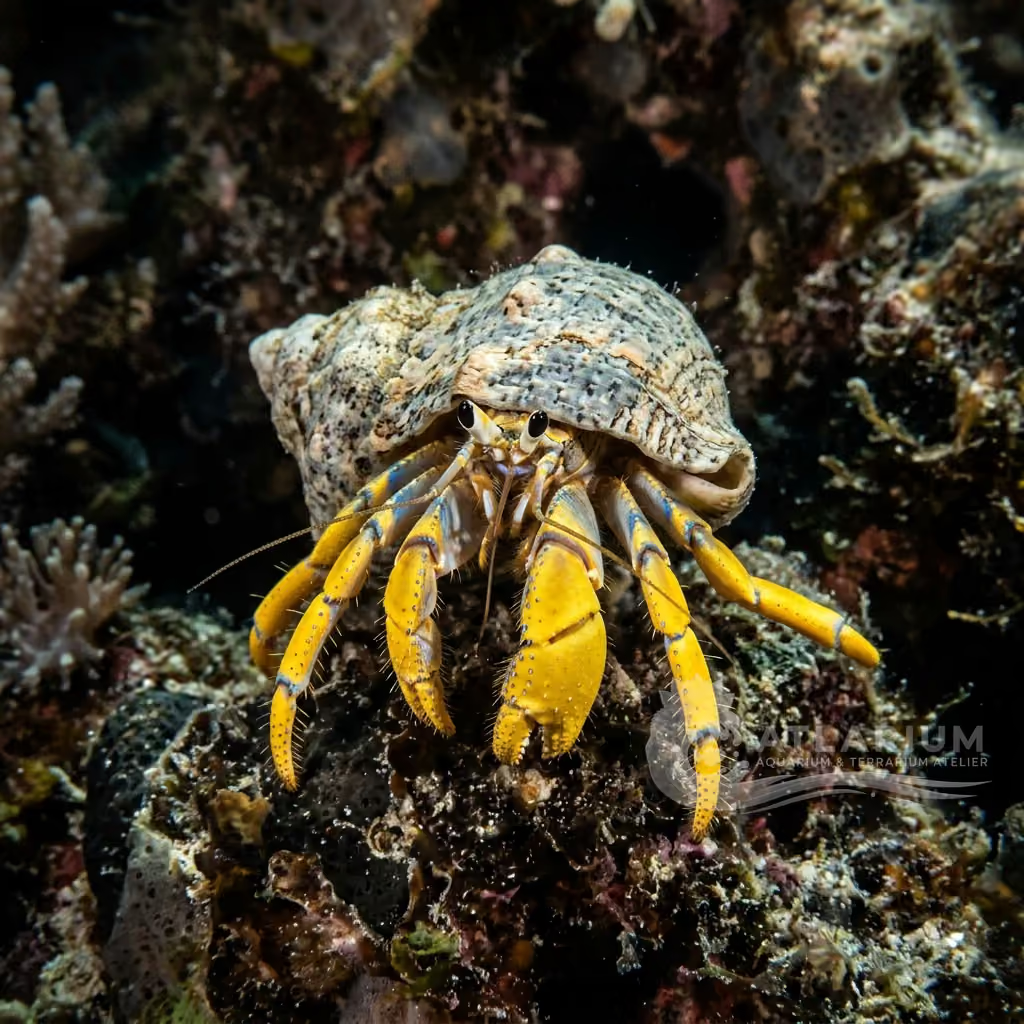
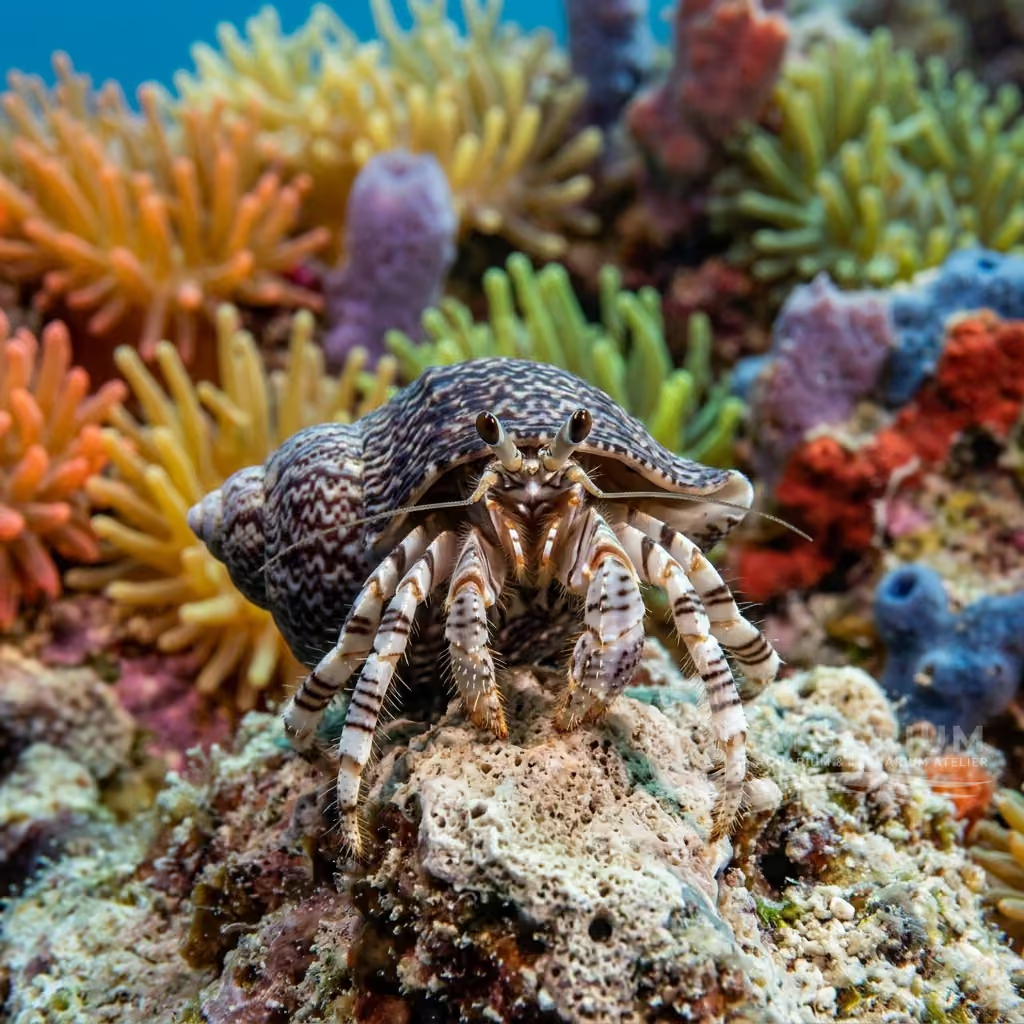
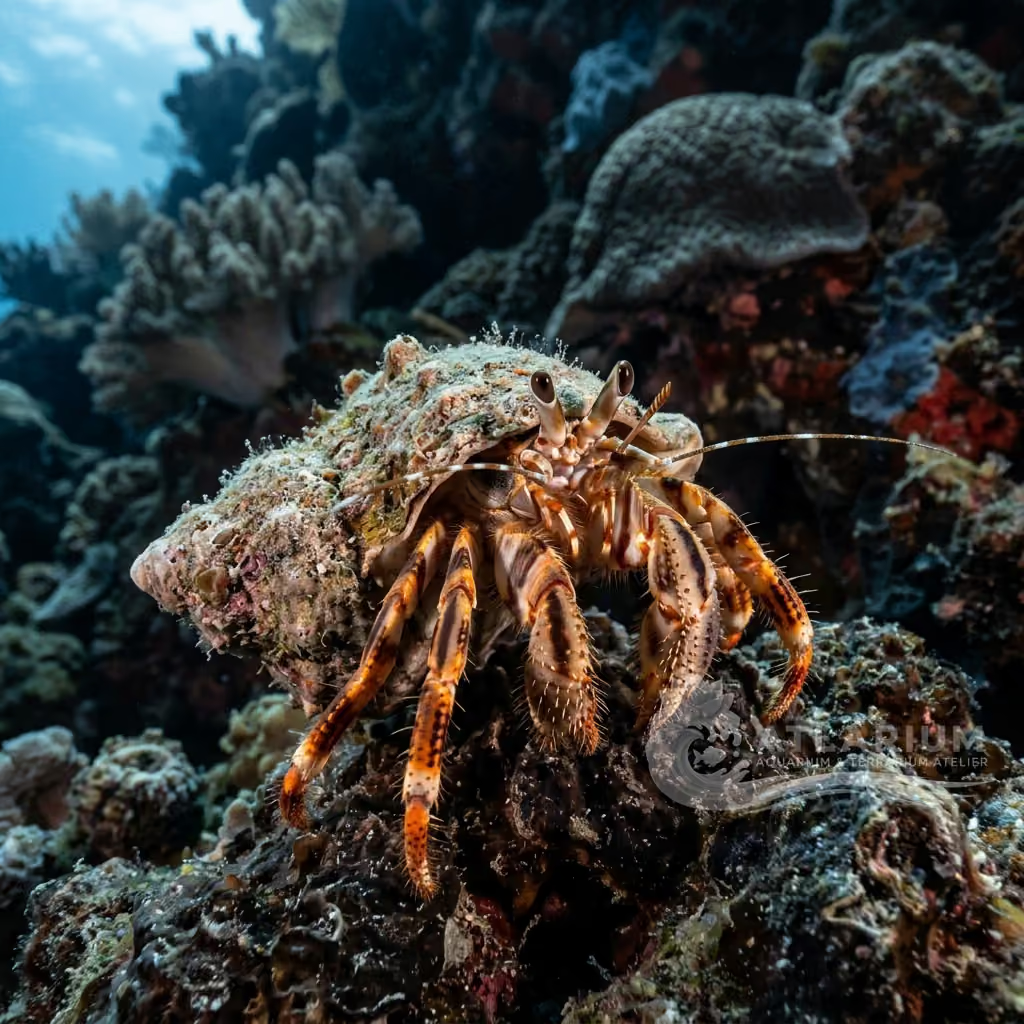
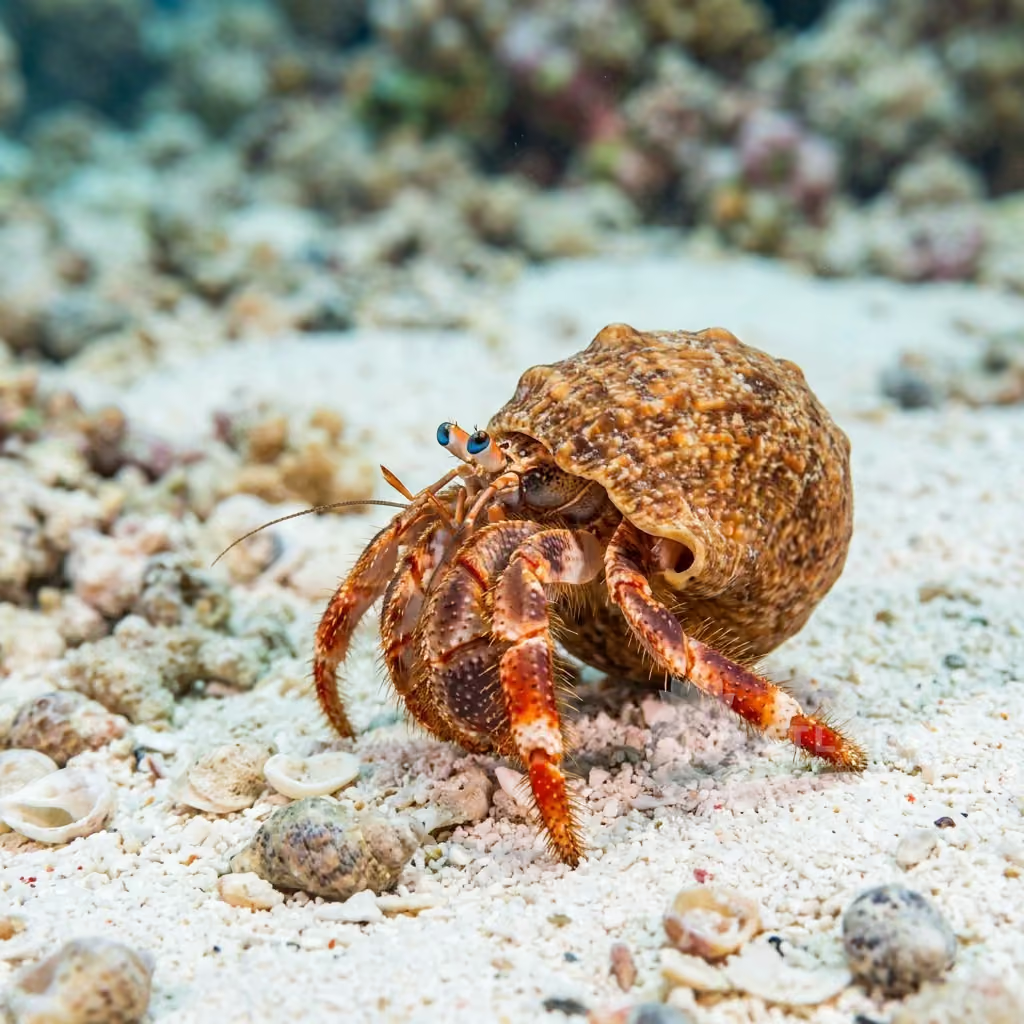
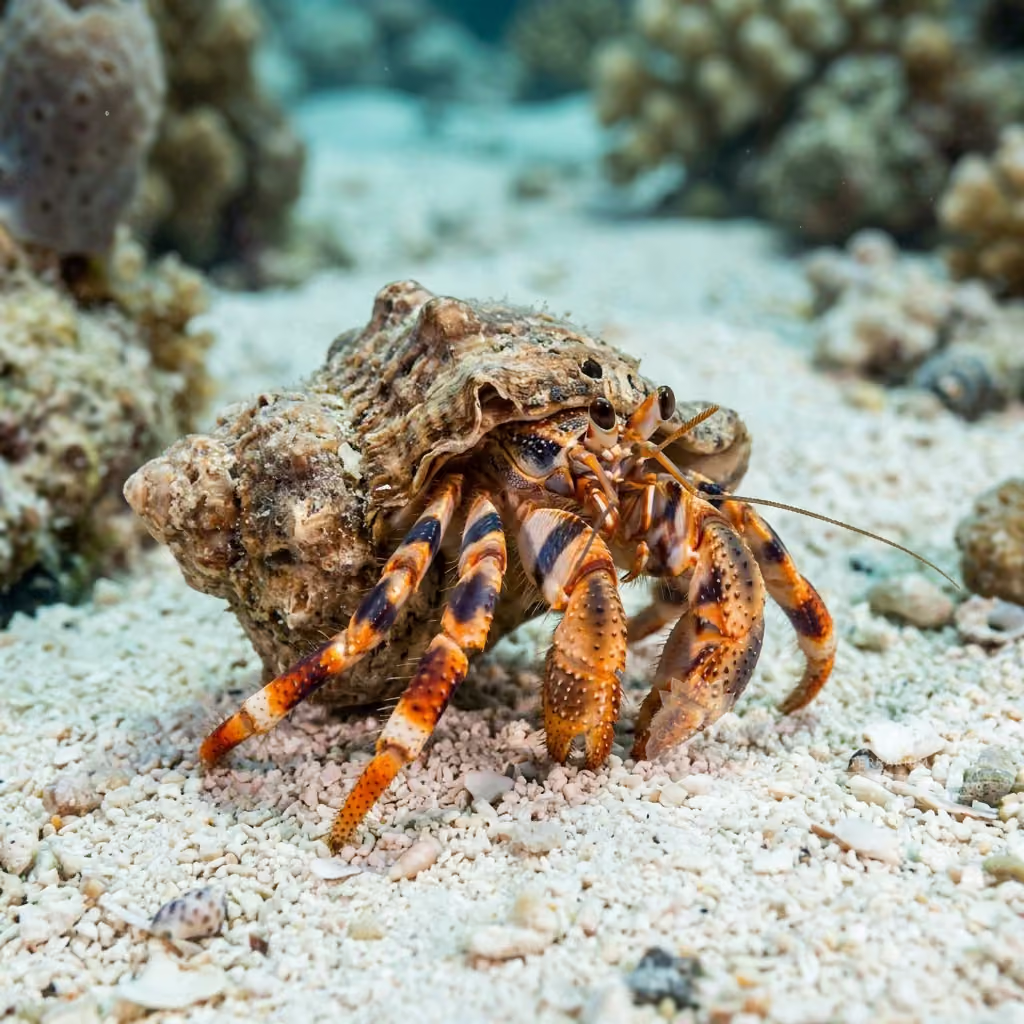
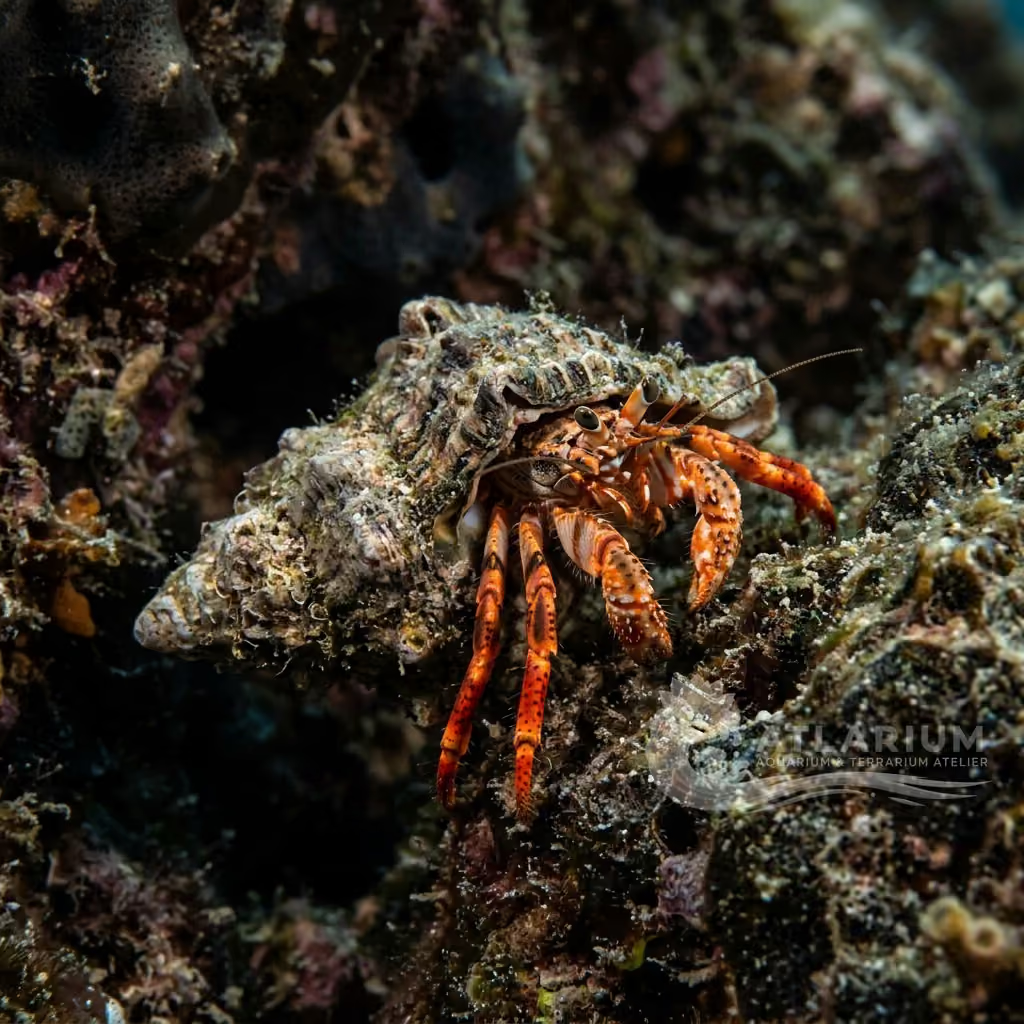
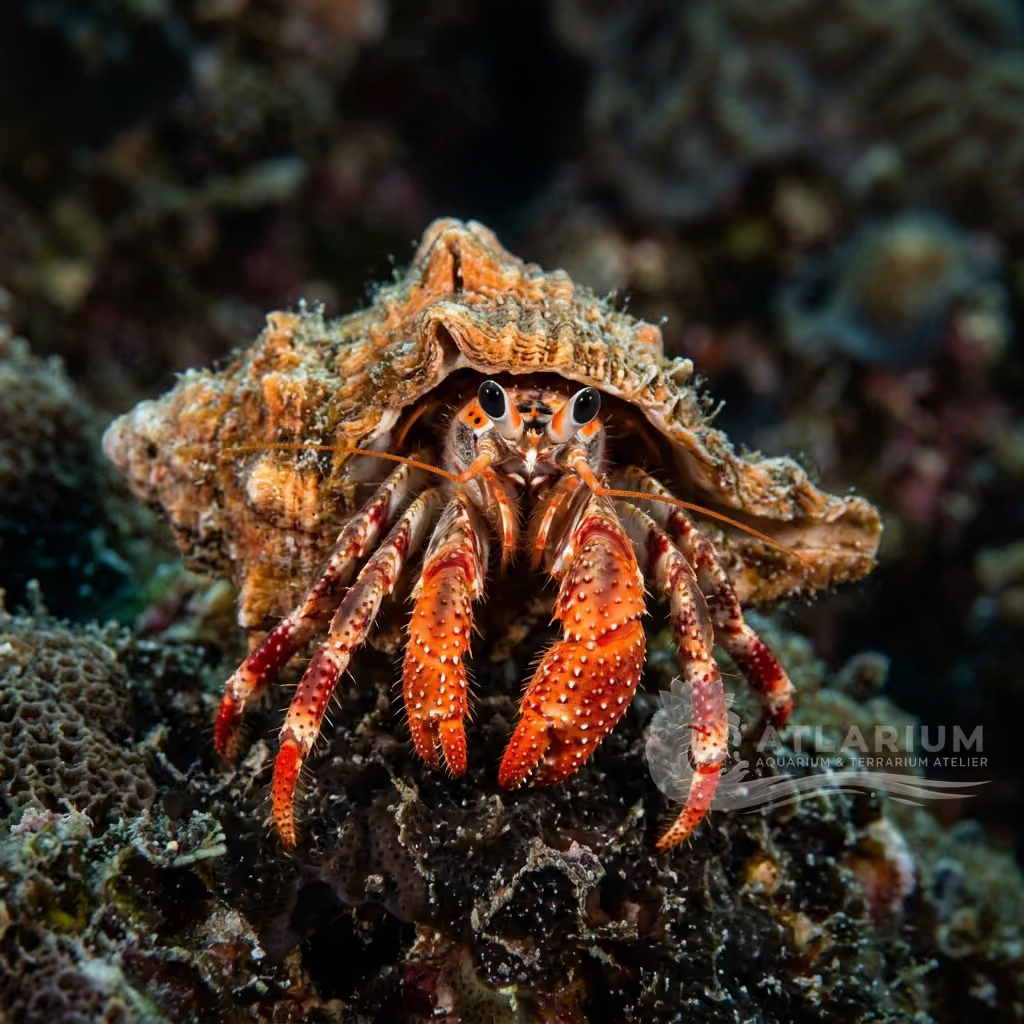
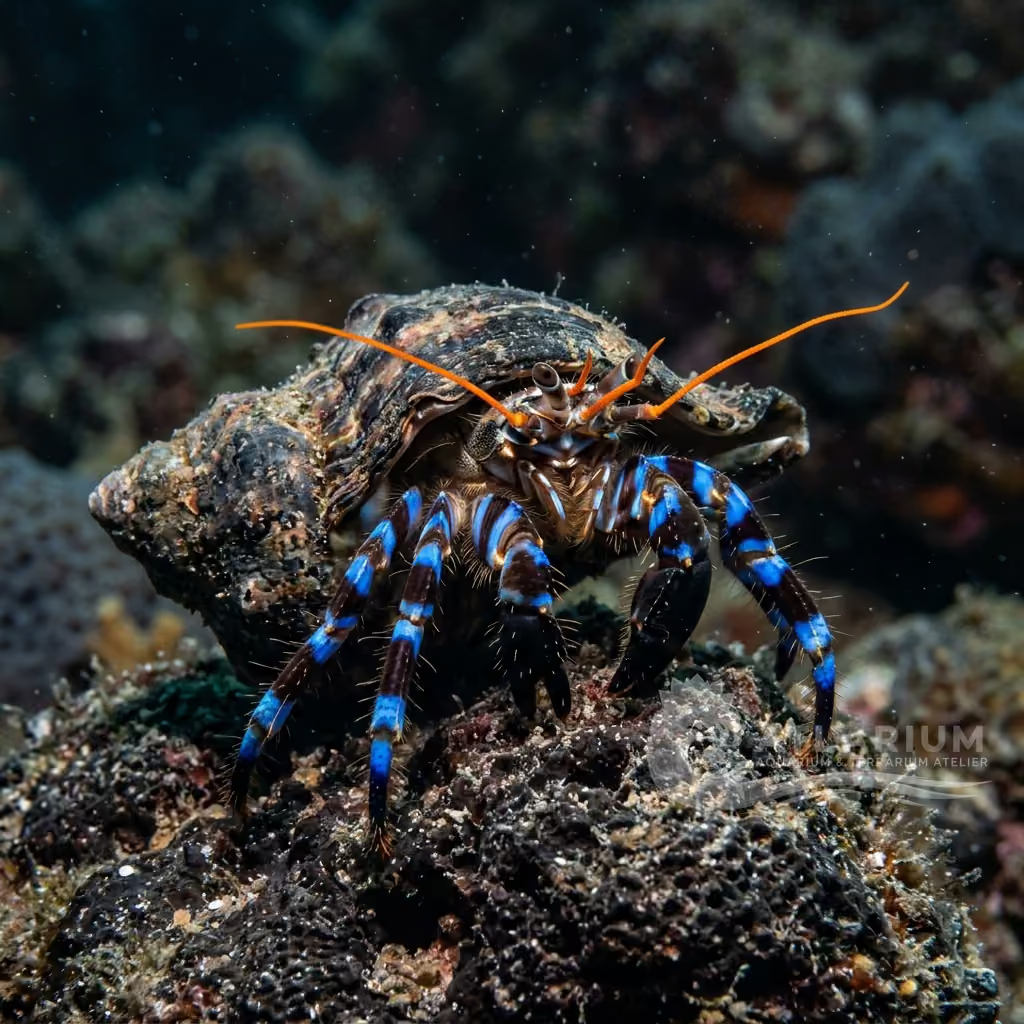
Orange-banded hermit crab
Ciliopagurus strigatus
A peaceful, reef-safe marine hermit crab with a uniquely flattened body and striking orange-banded legs. It requires cone-shaped shells and is highly sensitive to copper and water fluctuations.
Wassertemperatur
22 - 28 °C
pH-Wert
8.1 - 8.4
Wassertyp
Meerwasser
Wirbelloser Typ
Hermit crab
Erwachsenengröße
6 cm
Mindestgruppe
>= 1
KH
8 - 12 dKH
Ökologische Rolle
Scavenger
Kupferempfindlichkeit
High

Artbeschreibung
Geographical Origin and Habitat: Trizopagurus strigatus is widely distributed across the tropical Indo-Pacific, ranging from the eastern coasts of Africa and the Red Sea to Hawaii and French Polynesia. It inhabits shallow coral reefs, sandy lagoons, and rocky intertidal zones to depths of about 25 meters. This species has adapted to live in gastropod shells with narrow, slit-like openings, such as those of cone snails (Conidae).
Taxonomy: Belongs to the class Malacostraca, order Decapoda, and family Diogenidae. Described by Herbst in 1804, this species features a remarkably flattened dorso-ventral body shape. This unique evolutionary adaptation allows it to inhabit cone and mitre shells that are inaccessible to other hermit crabs with rounder bodies.
Social Behavior: A very peaceful marine invertebrate that is active both day and night. It spends its time crawling over live rock and substrate searching for food. Unlike more aggressive hermit crabs, it displays low aggression toward tankmates and rarely attacks live snails for their shells, unless there is a severe shortage of suitable empty shells.
Coloration and Sexual Dimorphism: Features spectacular coloration, with legs and claws of a brilliant reddish-orange decorated with distinct white or pale yellow transverse bands. The soft abdomen is protected inside its shell. No visible external sexual dimorphism exists; sexing is based on gonopore position on the underside, which is invisible in live specimens.

Pflege, Zucht und Mitbewohner
Tank Setup: Requires a marine aquarium of at least 80-100 liters with plenty of live rock. It is essential to provide a variety of empty gastropod shells on the sandy substrate, prioritizing narrow, cone-shaped shells (like Conus or Strombus shells) of different sizes to facilitate growth and molting. Ensure rockwork is stable.
Diet and Feeding: An opportunistic omnivore and excellent scavenger. It feeds on filamentous green algae, detritus, fish food leftovers, and benthic micro-organisms. In the aquarium, it readily accepts sinking pellets, flakes, and small pieces of fresh seafood. It helps keep the aquarium clean by consuming decaying matter.
Water Quality: Maintaining stable water parameters is necessary for its long-term health. Temperature between 24°C and 28°C, pH between 8.1 and 8.4, specific gravity of 1.023 to 1.025, and dKH between 8 and 12. Ammonia and nitrite must remain at zero. Adequate levels of calcium, magnesium, and especially iodine are required for molting.
Compatibility and Tankmates: Coexists peacefully with small-to-medium reef fish and corals. Avoid shell-crushing predators such as triggerfish, puffers, and large wrasses. It can be housed with other herbivorous snails and hermit crabs, provided there is enough food and an excess of empty shells to prevent competition.
Aquarium Breeding: Breeding in home aquaria is extremely difficult. Fertilized females carry eggs under their soft abdomen inside the shell. The hatched larvae are planctonic and undergo several developmental stages that require specialized micro-foods, and they are typically removed by standard aquarium filters.
Risks and Diseases: The primary risk is molting failure due to poor water quality or iodine deficiency. During molting, the crab will hide and should not be disturbed. Highly sensitive to copper treatments; copper-based medications must never be used in a display tank housing this hermit crab.

Geografische Herkunft und Verbreitung
Trizopagurus strigatus is widely distributed across the tropical Indo-Pacific, ranging from the eastern coasts of Africa and the Red Sea to Hawaii and French Polynesia. It inhabits shallow coral reefs, sandy lagoons, and rocky intertidal zones to depths of about 25 meters. This species has adapted to live in gastropod shells with narrow, slit-like openings, such as those of cone snails (Conidae).
Ursprung
Tropische Ozeane und RiffeAfrika und Madagaskar

Wirbelloses Profil
- Diät
- Omnivore
- *Ciliopagurus strigatus* is an omnivorous scavenger that constantly forages for food. It primarily feeds on detritus, uneaten fish food, and various types of nuisance algae. Supplemental feedings of sinking pellets or meaty foods may be necessary in very clean tanks.
- Ökologische Rolle
- Scavenger
- This species serves as an essential part of the aquarium's clean-up crew. By consuming decaying matter and controlling algae growth, it helps maintain optimal water quality. Its continuous sifting of the sand bed also promotes healthy substrate aeration.
- Erwachsenengröße
- 6 cm
- Sprungrisiko
- Yes
- As bottom-dwelling crustaceans, *Ciliopagurus strigatus* does not jump and poses no risk of leaping out of the water. They can, however, climb rockwork or equipment to reach the surface. A standard aquarium setup without a tight lid is usually safe from escapees.
- Stoßempfindlichkeit
- Medium
- *Ciliopagurus strigatus* is susceptible to sudden fluctuations in water parameters, particularly salinity and temperature. Careful drip acclimation is highly recommended when introducing them to a new environment. Stable parameters are crucial for their long-term health and survival.
- Kalzium und Mineralien
- Medium
- Sufficient calcium and alkalinity levels are required for *Ciliopagurus strigatus* to build and harden its exoskeleton during molting. While they don't grow their own shells, a healthy exoskeleton is vital. Regular partial water changes usually replenish these elements adequately.
- Häutung
- Shell growth
- During the molting process, *Ciliopagurus strigatus* will shed its old exoskeleton and remain in hiding while the new one hardens. It is crucial to provide slightly larger empty shells for them to move into as they grow. Never disturb a molting hermit crab, as they are extremely vulnerable.
- Reproduktion
- Oviparous
- Breeding *Ciliopagurus strigatus* in a home aquarium is extraordinarily difficult due to their complex planktonic larval stages. Females carry the fertilized eggs on their pleopods until they hatch into the water column. The larvae require specialized microscopic foods and precise conditions to survive.
- Kompatibilität & Tankkameraden
- Peaceful
- Generally peaceful, *Ciliopagurus strigatus* is considered highly reef-safe and won't intentionally harm healthy corals. However, they may occasionally trample over delicate zoanthids or snatch food from slow-moving tank mates. If a larger empty shell is not provided, they might attack snails to steal theirs.

Verwandte Arten
Empfehlungen gruppiert nach nahen Verwandten, Auswahl von Begleitern und ähnlicher Betreuung.