Double-striped hermit crab
Clibanarius bistriatus
An exceptionally resilient hermit crab species originating from West Africa. It is remarkably capable of thriving in both marine and brackish water setups.
Wassertemperatur
22 - 26 °C
pH-Wert
8.1 - 8.4
Wassertyp
Meerwasser
Wirbelloser Typ
Hermit crab
Erwachsenengröße
3,5 cm
Mindestgruppe
>= 1
KH
8 - 12 dKH
Ökologische Rolle
Scavenger
Kupferempfindlichkeit
High

Artbeschreibung
Geographical Origin and Habitat: The species Clibanarius bistriatus is a fascinating and unique invertebrate native to coasts of the Eastern Atlantic, primarily along the West African coast from Senegal to Angola. It predominantly populates muddy intertidal zones, brackish estuaries, mangrove forests, and coastal lagoons sheltered from strong wave action, where it finds shelter within rocky crevices, cracks, and areas rich in debris or vegetation to protect itself from natural predators and direct light. The geographical distribution of this organism reflects its ecological adaptability to various marine or brackish microhabitats.
Taxonomy: From a systematic perspective, Clibanarius bistriatus belongs to the class Malacostraca, order Decapoda, and the family Diogenidae. This species was officially classified by H. Milne Edwards, 1848 and is phylogenetically linked to congeneric species with which it shares some morphological characteristics, yet it is distinguished by structural and genetic details of its appendages.
Social Behavior: This invertebrate exhibits a behavior that is predominantly active grazer, diurnal, and extremely tolerant of salinity changes and tends to carry out its primary activities during crepuscular or nocturnal hours. In a controlled environment, it quickly adapts to the presence of tankmates and the aquarist, though it retains the tendency to seek dark shelters. It plays a fundamental ecological role as an adaptable detritivorous scavenger that consumes filamentous algae, cyanobacteria, and prevents detritus buildup.
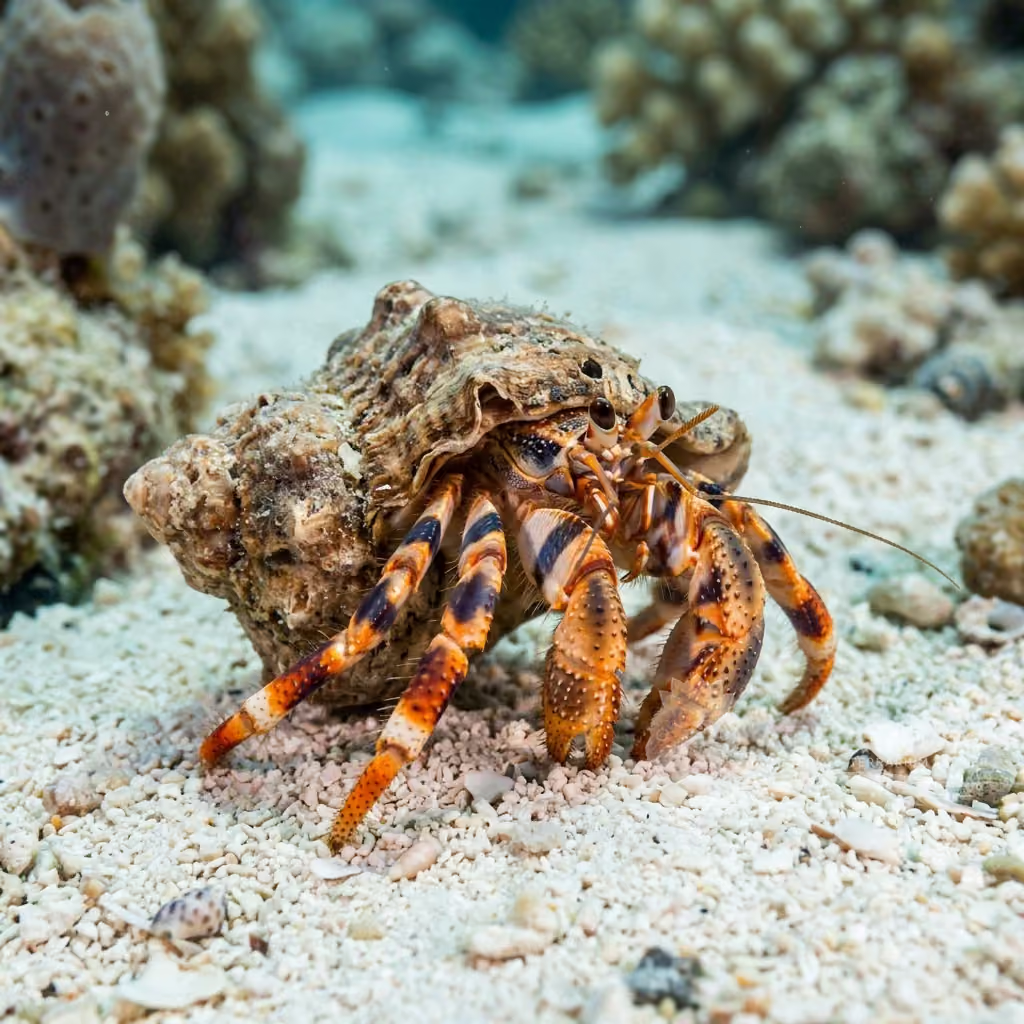
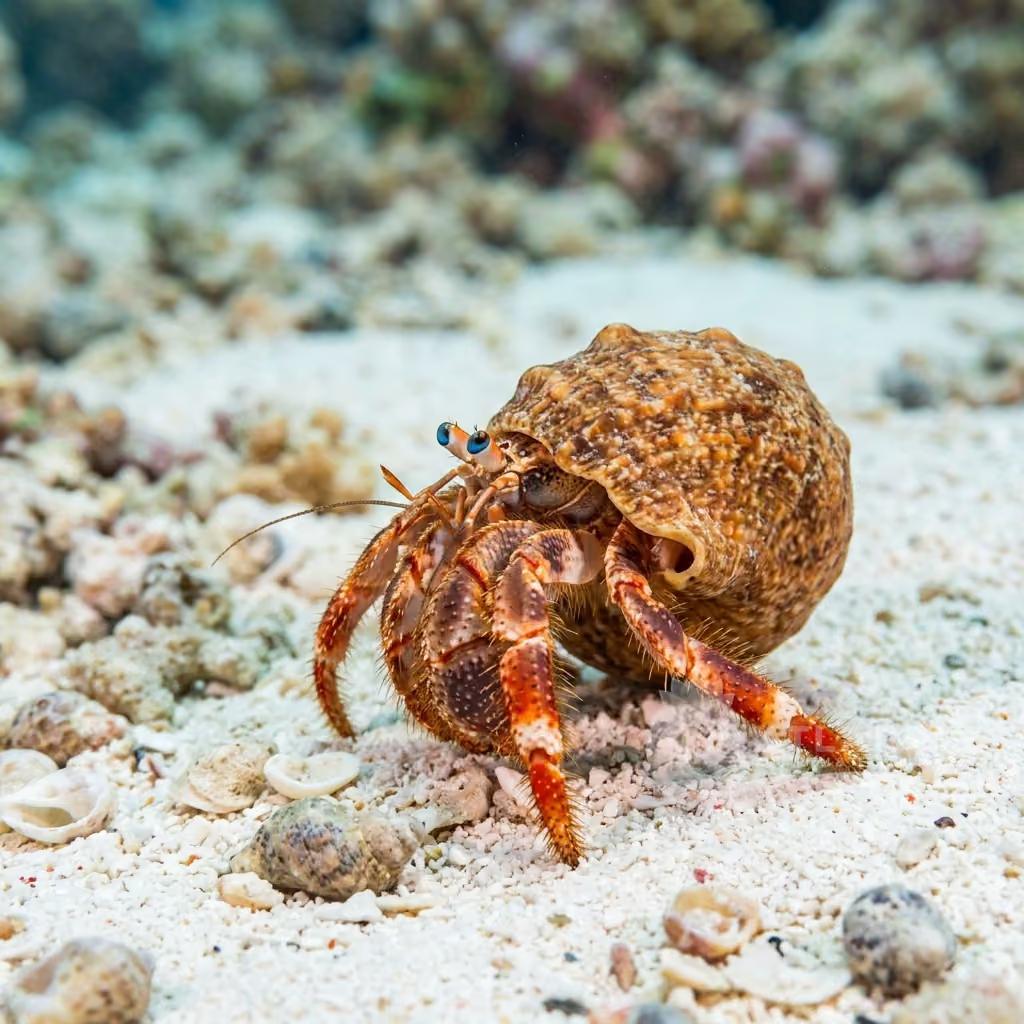
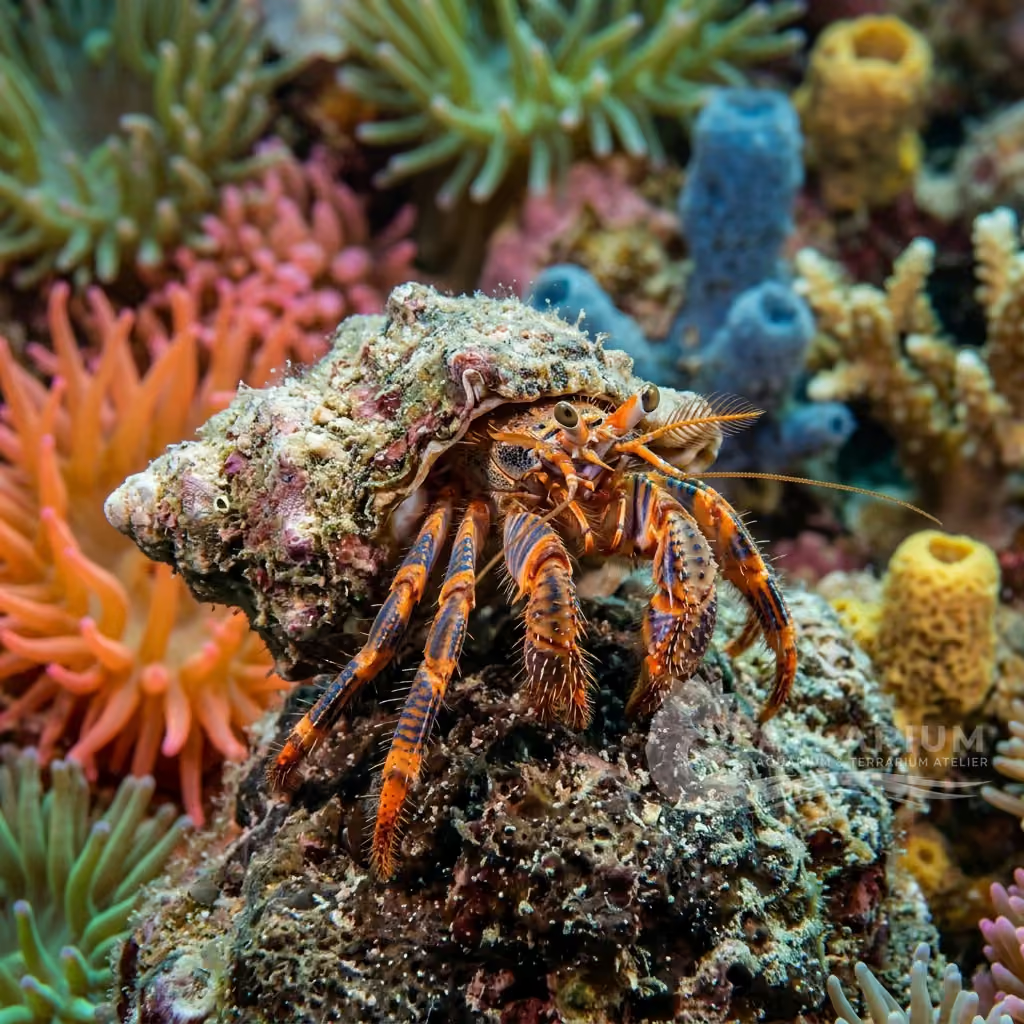
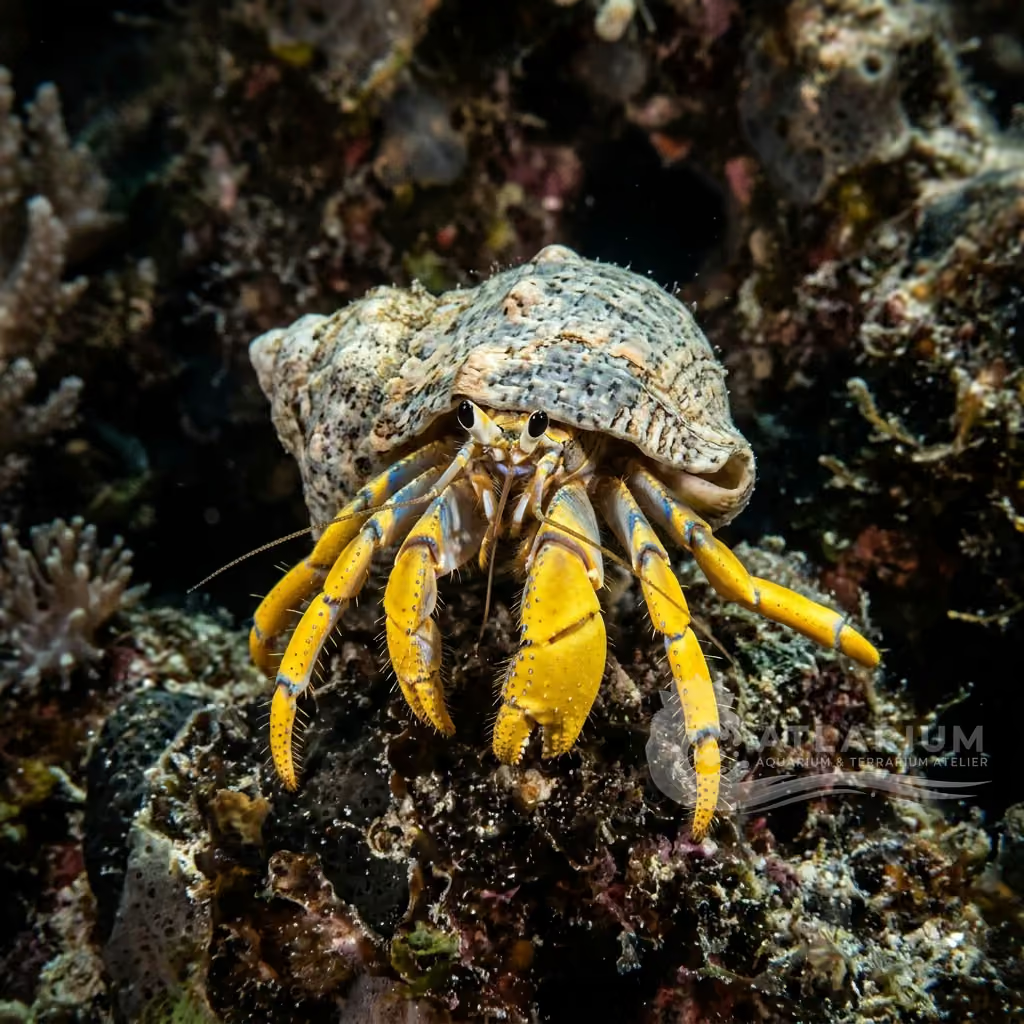
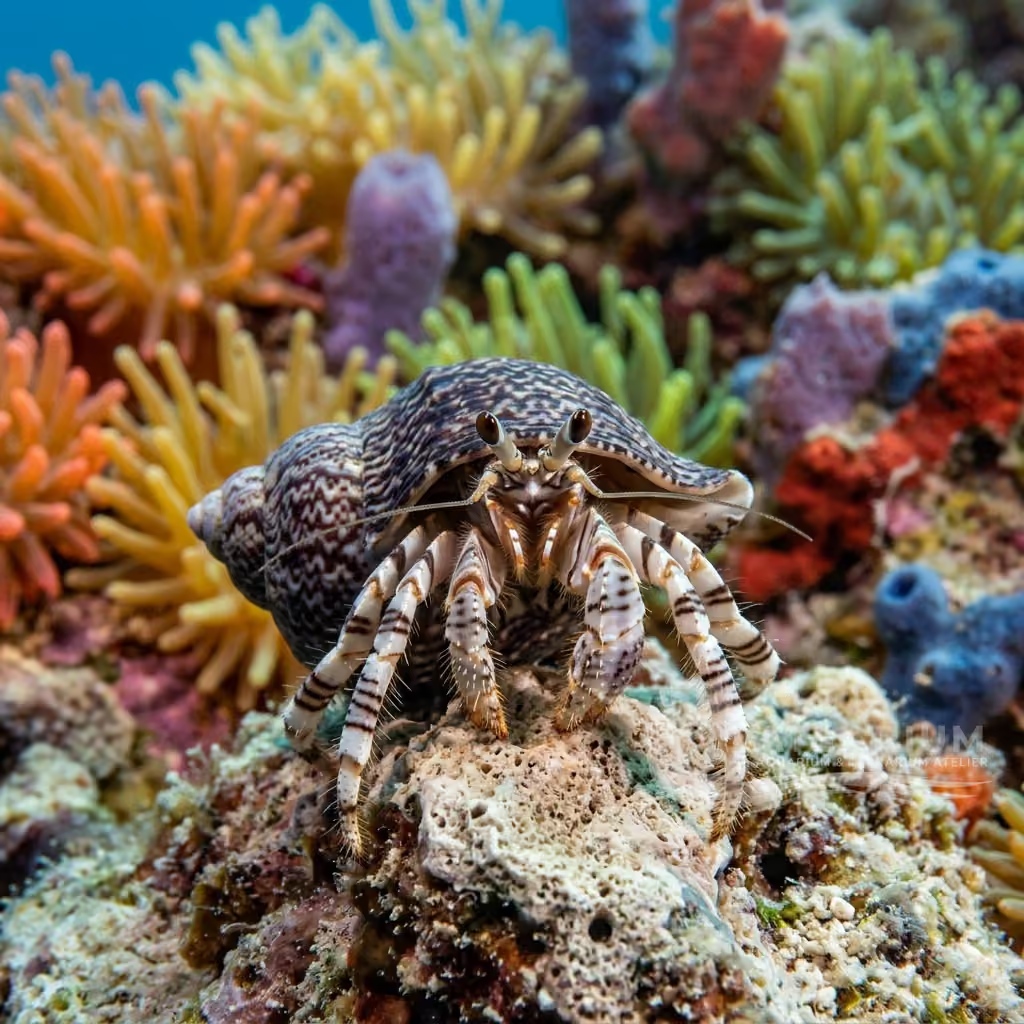
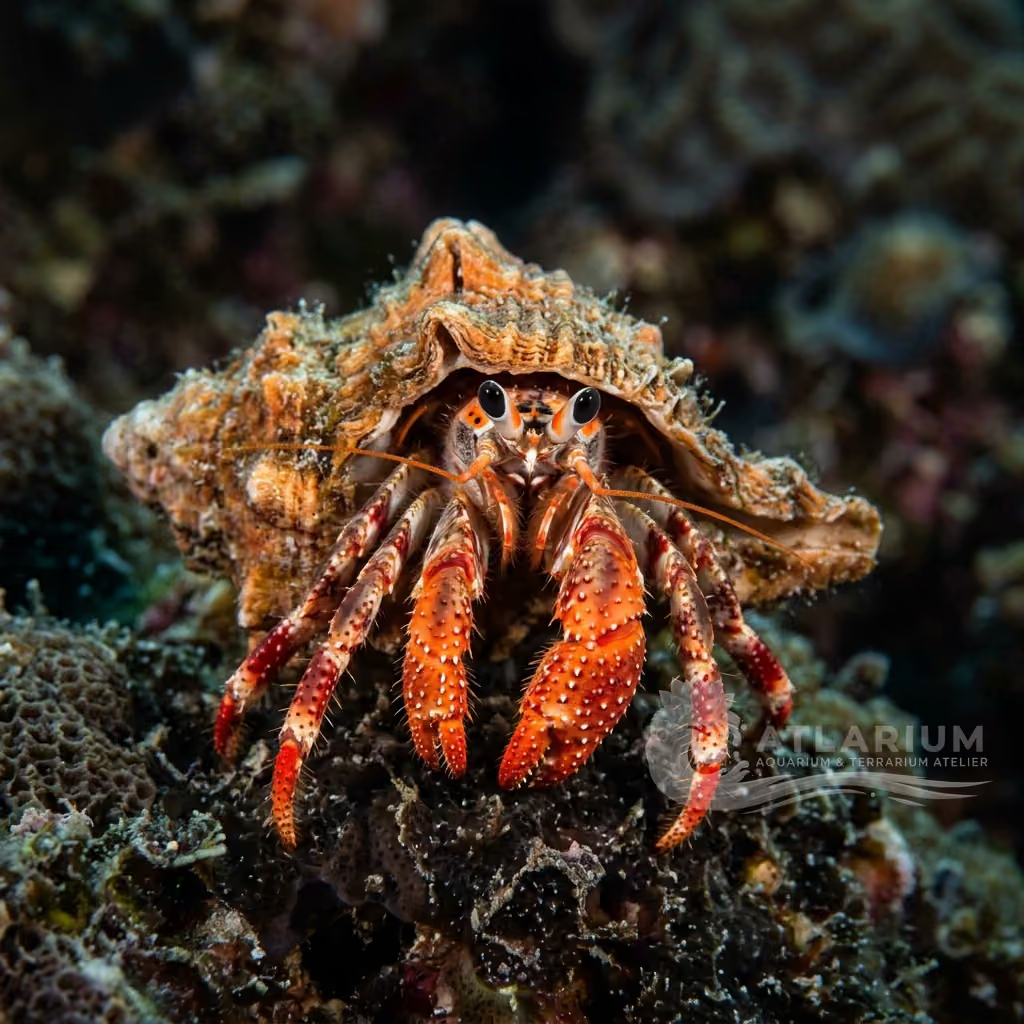
Coloration and Sexual Dimorphism: The coloration of this species is characterized by coloration characterized by two distinct dark longitudinal stripes on the legs contrasting with a greyish body. These chromatic features offer excellent camouflage in its natural habitat. Regarding sexual dimorphism, no visible external differences; mature females carry eggs inside their shell during the breeding season.

Pflege, Zucht und Mitbewohner
Tank Setup: To properly house Clibanarius bistriatus, a stable aquarium with a minimum volume of 40 liters for both marine and brackish setups is recommended. The tank must be set up with a sandy or muddy substrate with driftwood or mangrove roots, live rocks, and a selection of empty gastropod shells to ensure a stimulating and safe environment. The presence of hiding places is crucial, especially during the molting period when the body is unprotected.
Diet and Feeding: The diet of this invertebrate is predominantly highly adaptable omnivorous detritivore. In the aquarium, it readily accepts commercial flakes, sinking pellets for fish or crustaceans, dehydrated algae, and pieces of frozen fish food. Integrating the diet with specific vitamins and minerals helps keep the specimen healthy and prevents nutritional deficiencies.
Water Quality: The stability of water parameters is fundamental for the long-term health of Clibanarius bistriatus. Ideal values include a temperature of 22-26 °C, pH of 7.8-8.4, specific gravity of 1.015-1.025 specific gravity (highly tolerant), and KH of 8-12 dKH. It is essential to perform regular water changes to maintain ammonia and nitrites at zero, and limit nitrates. calcium and magnesium must be present at stable levels to support protective shell development.
Compatibility and Tankmates: In terms of compatibility, this species proves to be peaceful and suitable for both marine and brackish community aquariums. It can be housed with peaceful brackish fish like mollies and small gobies, and hardy invertebrates. Conversely, cohabitation with large predators, puffers, triggerfish, or groupers that crush shells with their teeth is absolutely not recommended, as they could harm or prey on it.
Aquarium Breeding: Breeding Clibanarius bistriatus in the aquarium highly complex due to the marine salinity requirement for the zoea larval development. The reproductive cycle involves females guard fertilized eggs under the shell to release planktonic larvae in open water during high tides. The development of larvae or offspring requires stable conditions and microscopic live feeds in the early stages.
Risks and Diseases: The main health risks for this species are related to death from defective molting due to mineral deficiencies or aggression during the soft phase. Like all crustaceans, it is extremely sensitive to trace amounts of copper dissolved in the water column which are fatal in a very short time. Rapid fluctuations in chemical parameters can cause fatal osmotic stress.

Geografische Herkunft und Verbreitung
The species Clibanarius bistriatus is a fascinating and unique invertebrate native to coasts of the Eastern Atlantic, primarily along the West African coast from Senegal to Angola. It predominantly populates muddy intertidal zones, brackish estuaries, mangrove forests, and coastal lagoons sheltered from strong wave action, where it finds shelter within rocky crevices, cracks, and areas rich in debris or vegetation to protect itself from natural predators and direct light. The geographical distribution of this organism reflects its ecological adaptability to various marine or brackish microhabitats.
Ursprung
Tropische Ozeane und RiffeMittelamerika und KaribikAfrika und MadagaskarOstasien

Wirbelloses Profil
- Diät
- Omnivore
- These crabs are invaluable omnivorous scavengers that spend their time grazing on various types of nuisance algae, including hair algae and cyanobacteria. They will also greedily consume detritus, uneaten fish food, and decaying organic matter. If natural food sources run low in the aquarium, their diet should be supplemented with dried seaweed and sinking pellets.
- Ökologische Rolle
- Scavenger
- They are quintessential members of the reef clean-up crew, performing essential janitorial duties across the rockwork and substrate. By continuously grazing on algae and processing detritus, they prevent organic buildup and assist in maintaining overall water quality. Their foraging activities also subtly sift the top layers of sand, preventing stagnation.
- Erwachsenengröße
- 3.5 cm
- Sprungrisiko
- Yes
- These heavy, shell-dwelling bottom feeders are completely incapable of jumping or swimming out of the water. Their anatomy and weight confine them strictly to the substrate and rockwork. While they can climb up powerhead cords or silicone seams to the water surface, they pose absolutely zero risk of leaping from the tank.
- Stoßempfindlichkeit
- High
- Hermit crabs are comparatively hardy, but they still require careful acclimation to new water chemistry and temperature. Drastic shifts in salinity are particularly dangerous and can interfere with their osmoregulation. A slow drip acclimation is the recommended standard practice to ensure long-term survival.
- Kalzium und Mineralien
- Medium
- Proper calcium, magnesium, and trace element levels are mandatory to facilitate a healthy molting process and allow their new exoskeleton to harden. Regular water changes with a high-quality reef salt mix usually provide sufficient elements for their needs. Without adequate calcium, their new shell remains soft, making them highly susceptible to predation.
- Häutung
- Periodic
- When it is time to molt, the crab may temporarily leave its shell and hide within the live rock until its new exoskeleton is sufficiently hard. The shed exoskeleton strongly resembles a dead crab and is often mistaken as such by inexperienced aquarists. Ensure spare empty shells of various sizes are always available so they can upgrade safely post-molt.
- Reproduktion
- Oviparous
- Reproduction in the home aquarium is an extremely rare occurrence and generally unsuccessful. They release microscopic, free-swimming larvae into the water column, which are usually swiftly consumed by corals and fish. Successfully raising these larvae requires dedicated pelagic feeding regimens and isolated rearing systems.
- Kompatibilität & Tankkameraden
- Reef safe
- They are exceptionally peaceful toward fish and corals, making them an ideal and safe addition to any reef aquarium clean-up crew. However, they may occasionally squabble with other hermit crabs over desirable empty shells if resources are scarce. They generally ignore snails, provided there are enough empty shells to prevent them from killing snails for their homes.

Verwandte Arten
Empfehlungen gruppiert nach nahen Verwandten, Auswahl von Begleitern und ähnlicher Betreuung.