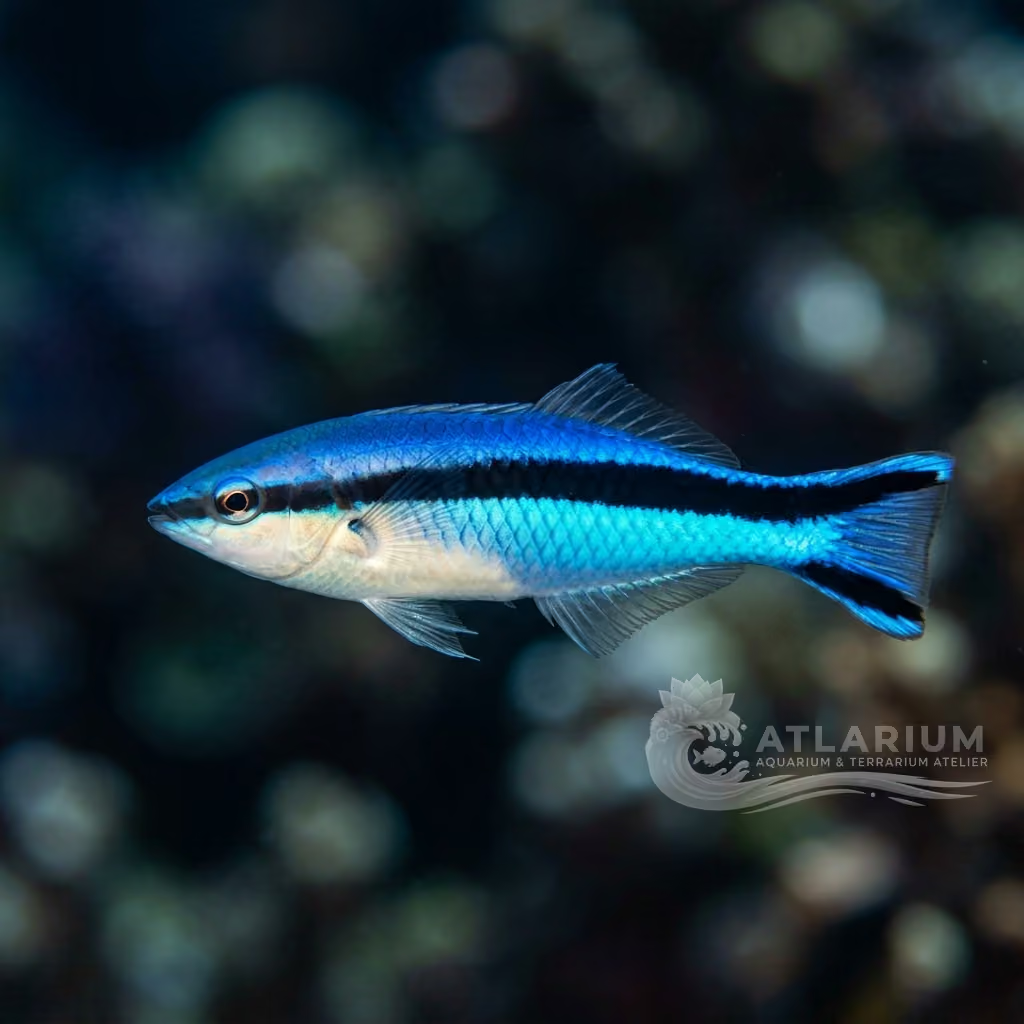
Yellowtail Wrasse
Anampses meleagrides
The Yellow-tail Tamarin Wrasse is a beautiful, compressed reef fish native to the Indo-Pacific. It needs a spacious tank with a thick, soft sand bed for resting and foraging.
Wassertemperatur
22 - 28 °C
pH-Wert
8.1 - 8.4
Wassertyp
Meerwasser
Tankfüllstand
Alle Ebenen
Erwachsenengröße
22 cm
Mindesttankvolumen
>= 280 L
Mindestgruppe
>= 1
KH
8 - 12 dKH

Artbeschreibung
Geographical Origin and Habitat: Tropical Indo-Pacific. Inhabits sheltered outer reefs and lagoons with mixed sand and rubble bottoms down to depths of 30 meters. This wrasse is distributed throughout the Indo-Pacific, where it inhabits coral reef slopes and sandy channels.
Taxonomy and Morphology: Member of the family Labridae. Reaches about 22 cm. Compressed, elongated oval body, small mouth with small protruding teeth for scraping. It has a compressed body and specialized forward-pointing teeth designed to pry small prey from the substrate.
Social Behavior: Very calm and peaceful fish. When startled or when lights dim, it dives instantly beneath the fine sand to hide. A diurnal species, it swims continuously during the day and buries itself completely in the sand at night.
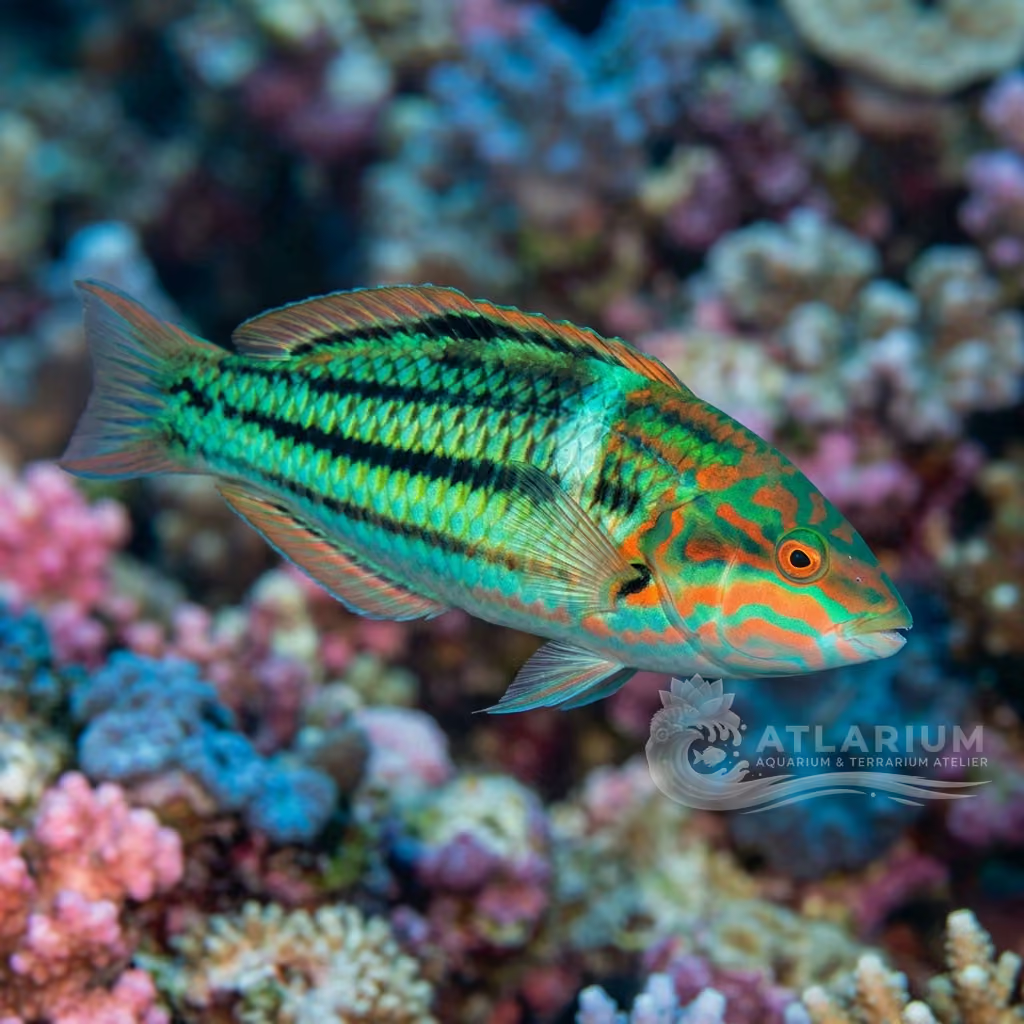
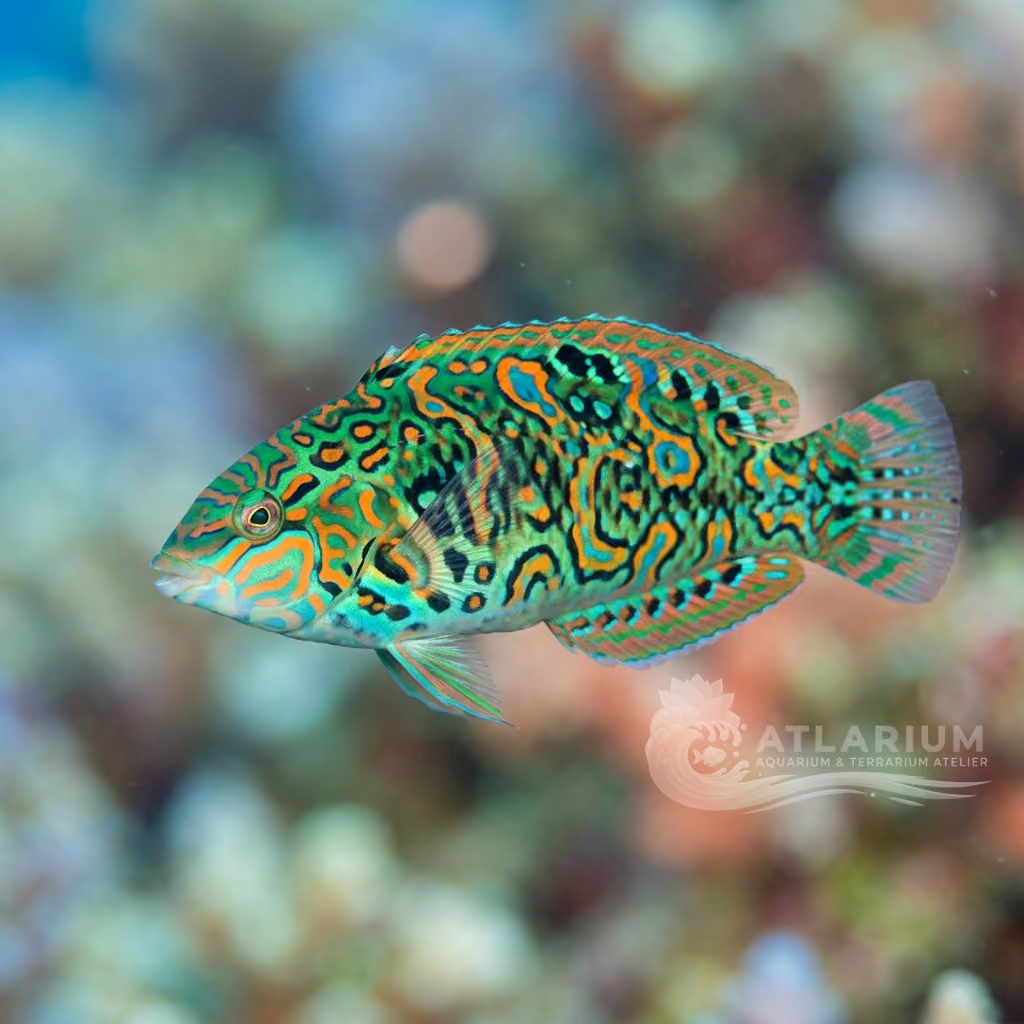
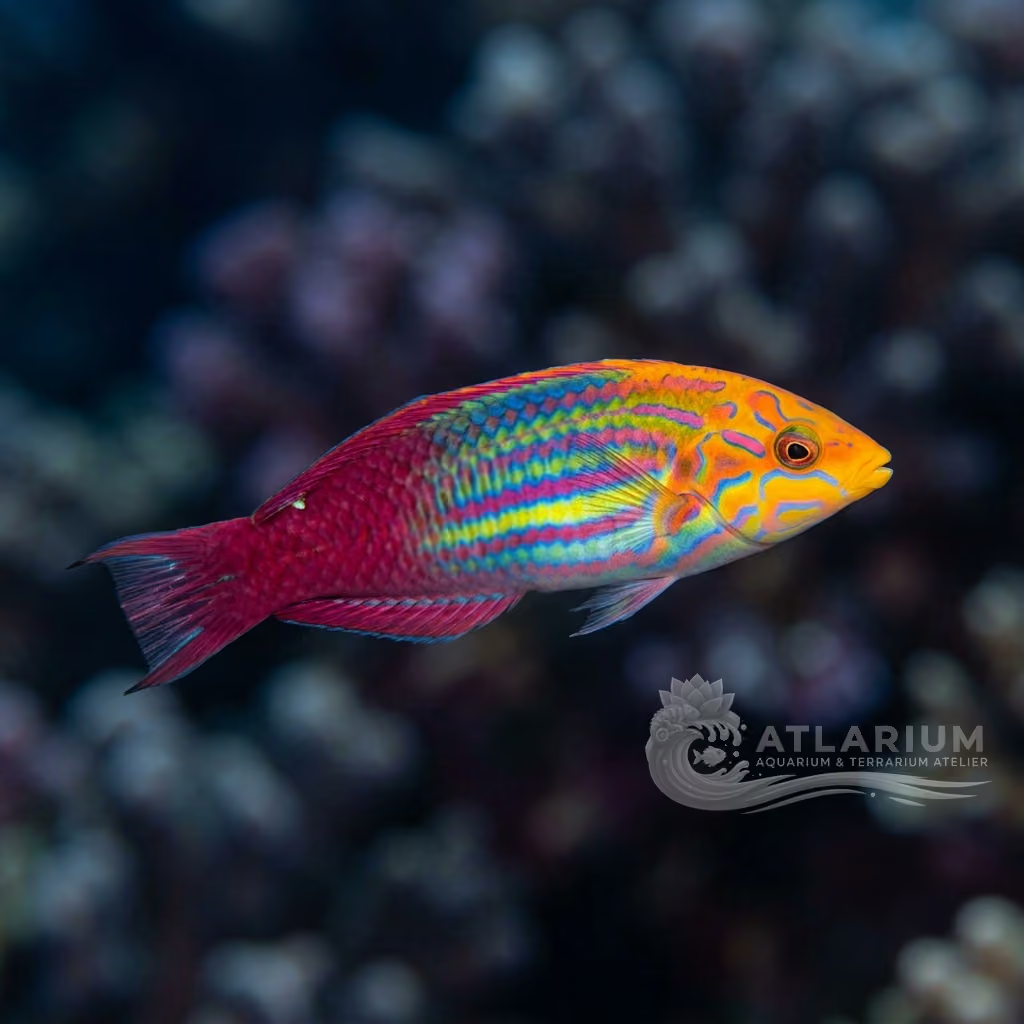
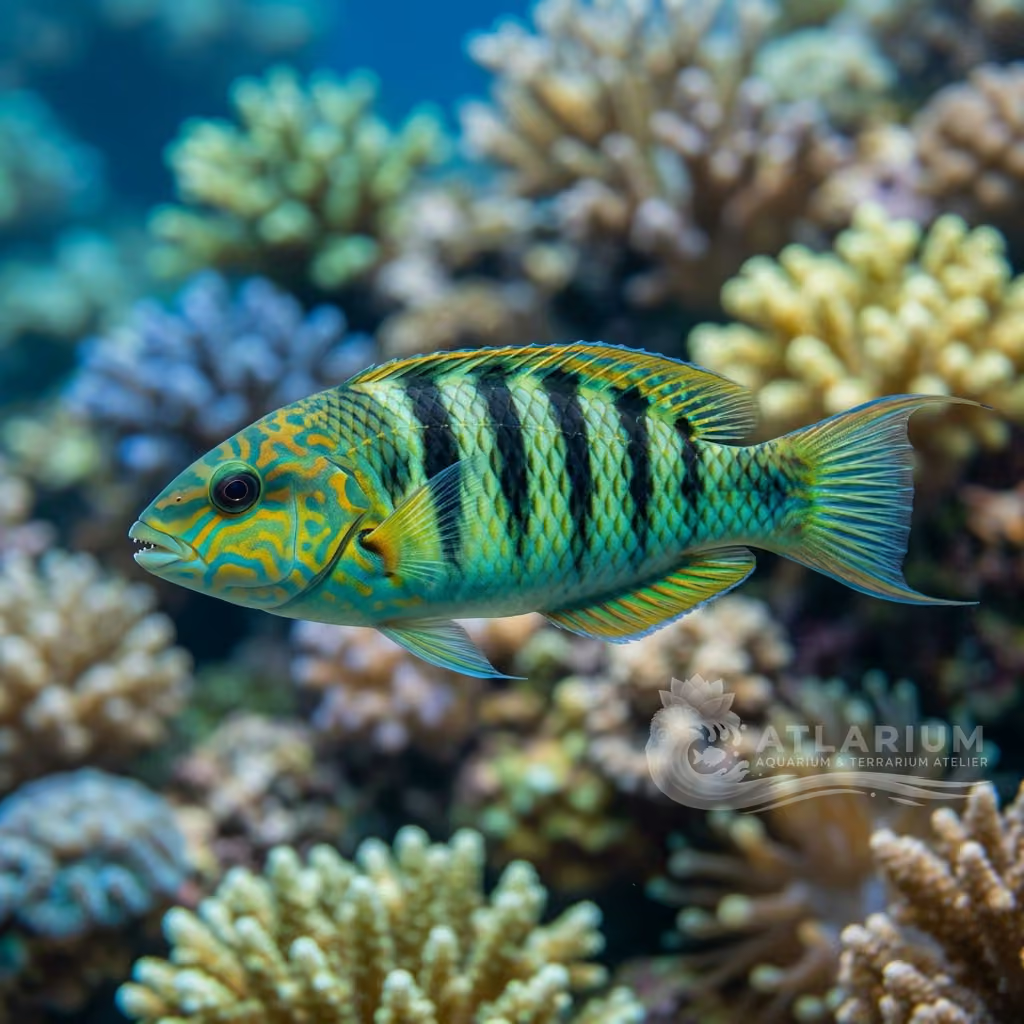
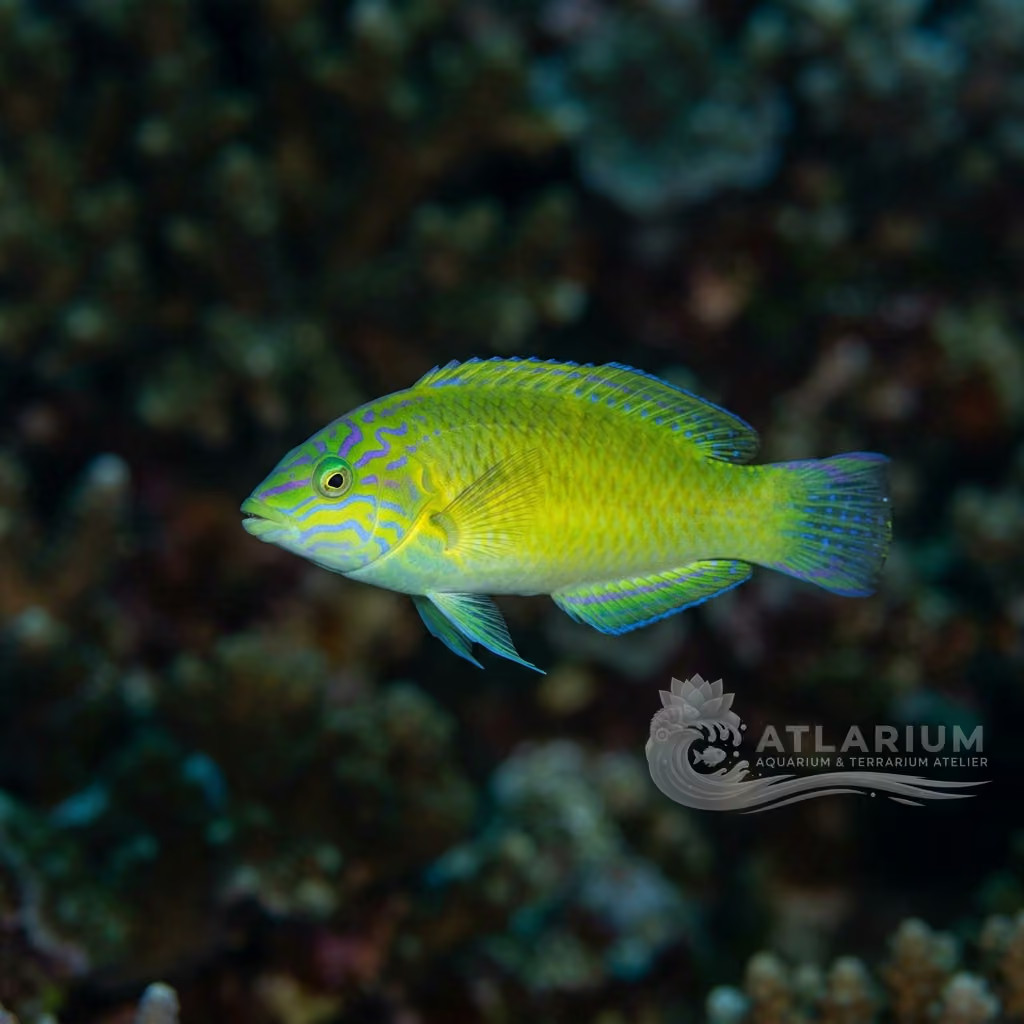
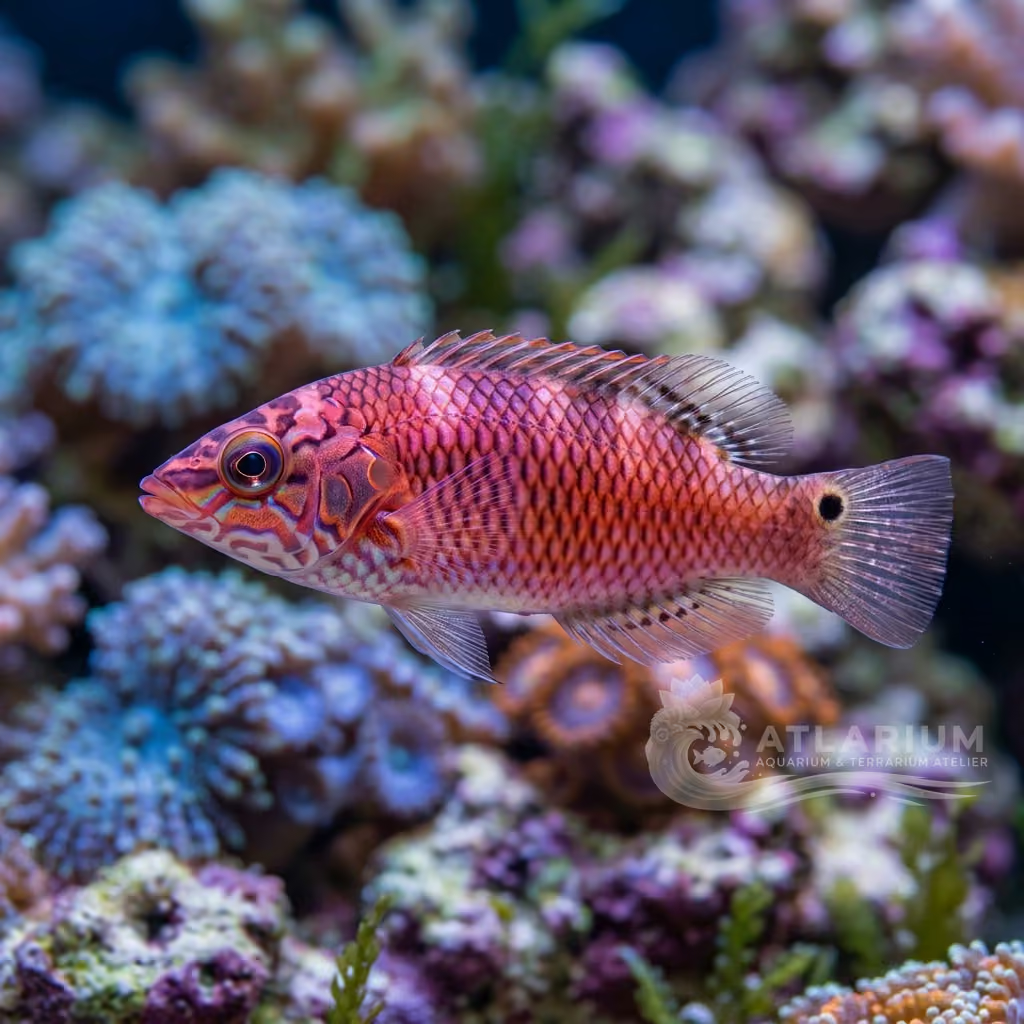
Coloration and Sexual Dimorphism: Remarkable color variation. Juveniles and females present a velvety black body covered with small white spots and a bright yellow tail. Adult males have orange-green tones with blue stripes. Females are dark brown with white spots and a yellow tail; terminal males develop complex blue and green markings.

Pflege, Zucht und Mitbewohner
Aquarium Setup: Mature aquarium of at least 280 liters (75 gallons) with a soft, fine sand bed 8-10 cm (3-4 inches) deep. Place rocks on screens to prevent collapses due to digging. A spacious tank of 300 liters or more with a deep bed of fine, soft sand (at least 5-8 cm) is absolutely mandatory.
Diet and Feeding: Carnivore. Difficult to feed initially. Repeatedly offer mysis, brine shrimp, copepods, and finely minced crustacean meat. Offer a rich diet of frozen meaty foods like mysis shrimp, chopped clam, and enriched brine shrimp multiple times a day.
Water Quality: Maintain temperature at 22-28°C (72-82°F), pH 8.1-8.4, specific gravity 1.020-1.025. Very low nitrates and excellent water oxygenation are fundamental. Heavy skimming and active carbon filtration are recommended to maintain the high water quality this wrasse needs.
Compatibility and Cohabitation: Reef-safe with caution. Does not touch hard or soft corals, but voraciously preys on beneficial benthic microfauna, small shrimp, and flatworms. Reef-safe with corals, but will consume small ornamental invertebrates such as tiny crabs, shrimp, and flatworms.
Aquarium Breeding: Reproduction is not successfully documented in home aquariums due to the extremely demanding pelagic larvae. No successful captive breeding attempts have been documented due to the difficulties in feeding the pelagic larvae.
Risks and Diseases: Tends to jump out of the tank if startled before burying. Cover the aquarium. High mortality rate from shipping stress. Prone to mouth injuries during transit and shipping stress; ensure a peaceful environment during acclimation.

Geografische Herkunft und Verbreitung
Tropical Indo-Pacific. Inhabits sheltered outer reefs and lagoons with mixed sand and rubble bottoms down to depths of 30 meters. This wrasse is distributed throughout the Indo-Pacific, where it inhabits coral reef slopes and sandy channels.
Ursprung
Tropische Ozeane und RiffeAfrika und MadagaskarOstasien

Fischprofil
- Temperament
- Peaceful
- The Yellowtail Wrasse is generally peaceful towards other fish species and is well-suited for a community reef aquarium. They can, however, show significant aggression toward conspecifics or similar-looking wrasses. They are diurnal, meaning they are active during the daylight hours and will bury themselves in the substrate to sleep at night. They may also dive into the sand when stressed or when first introduced to a new environment.
- Diät
- Carnivore
- As carnivores, these wrasses feed primarily on benthic invertebrates, copepods, and flatworms in the wild. In captivity, they can be difficult to feed and often require live foods like brine or mysis shrimp to stimulate their appetite. Once acclimated, they should be transitioned to high-quality frozen meaty foods such as krill, mysis, and chopped seafood. They will also forage on the live rock throughout the day, helping to control certain aquarium pests.
- Lebenserwartung
- 5-12 years
- Erwachsenengröße
- 22 cm
- Geschlechterverhältnis
- Harem
- In the wild, the Yellowtail Wrasse forms haremic groups consisting of one dominant male and several females. In a home aquarium, they are best kept individually unless the tank is exceptionally large, as males will fight aggressively. If attempting to keep a group, it is recommended to introduce one male with a few females simultaneously to avoid territorial conflict. Adding multiple males to the same system should be avoided at all costs.
- Fütterungsfrequenz
- Twice daily
- Due to their high activity levels and fast metabolism, Yellowtail Wrasses should be fed multiple times a day, ideally two to three times. Providing small, frequent meals helps sustain their energy levels and mimics their natural foraging behavior. A mature reef tank with an established population of copepods provides a valuable supplementary food source between feedings. Newly introduced specimens require close monitoring to ensure they are consuming enough food.
- Bioload
- Medium
- The Yellowtail Wrasse is an active swimmer that requires frequent feedings, contributing a moderate bioload to the aquarium. To manage their waste effectively, a well-sized protein skimmer and a mature biological filtration system are necessary. Regular water changes and monitoring of nitrates are highly recommended to keep the environment stable. They are sensitive to poor water conditions, so maintaining pristine water quality is crucial for their long-term health.
- Fluss
- Strong
- The Yellowtail Wrasse prefers moderate to strong water flow, which mimics their natural habitat on outer reef slopes. Good water circulation helps keep the water well-oxygenated, which is vital for this active species. Strong currents also simulate natural reef conditions, encouraging active swimming and natural behaviors. Care should be taken to ensure there are calmer zones near the substrate where they can rest and bury themselves.
- Sprungrisiko
- Yes
- Like most members of the wrasse family, the Yellowtail Wrasse has a very high risk of jumping, especially when startled or newly introduced. They are capable of leaping through remarkably small gaps in the aquarium cover. A tight-fitting lid or a secure mesh cover is an absolute requirement to prevent fatal escapes. Keeping the aquarium lights dimmed during acclimation can also help reduce the risk of stress-induced jumping.
- Reproduktion
- Protogynous hermaphrodite
- This species is a protogynous hermaphrodite, meaning individuals begin life as females and the dominant female can transition into a male if the harem's male is lost. They are pelagic spawners, releasing their eggs and sperm into the water column to be dispersed by currents. Due to their complex mating rituals and pelagic larval stage, captive breeding is extremely difficult. Consequently, there are no documented cases of successful commercial breeding in home aquariums.
- Kompatibilität & Tankkameraden
- Peaceful
- They are excellent candidates for reef aquariums as they are completely safe with corals and sessile invertebrates. They are compatible with other peaceful to semi-aggressive reef fish such as tangs, clownfish, gobies, and anthias. However, caution should be exercised with very small ornamental shrimp or feather dusters, which they may view as prey. They should not be housed with highly aggressive or predatory tankmates that could intimidate them.
- Tankfüllstand
- All levels
- These wrasses are highly active and will utilize all levels of the aquarium during the day as they swim and forage. However, they are closely tied to the lower levels and substrate where they hunt for benthic organisms. At night or when threatened, they will dive into the sand bed to seek shelter. Therefore, they require open swimming space in the middle and upper water columns as well as a sandy bottom.

Wissenschaftliche Modelle & Parameter
FishBase
Zugang zu den offiziellen wissenschaftlichen Daten der Art
FishBase v25.04Daten synchronisiert am: 15.06.2026
- Trophäenniveau
- 3,5 ± 0,37 se
- Belastbarkeit
- Hoch (weniger als 15 Monate)
- Phylogenetische Einzigartigkeit (PD50)
- 0.5002
- Bayessche Längen-Gewichts-Beziehung
- a = 0.00977, b = 3.07
- AnfälligkeitGeringe Anfälligkeit (12 / 100)

Verwandte Arten
Empfehlungen gruppiert nach nahen Verwandten, Auswahl von Begleitern und ähnlicher Betreuung.