Temminck's Fairy Wrasse
Cirrhilabrus temminckii
Temminck's Fairy Wrasse is a brightly colored, active planktivore known for dazzling courtship displays. 100% reef-safe but an extreme jump risk, requiring a secure mesh top.
Wassertemperatur
22 - 27 °C
pH-Wert
8.1 - 8.4
Wassertyp
Meerwasser
Tankfüllstand
Mitte
Erwachsenengröße
10 cm
Mindesttankvolumen
>= 200 L
Mindestgruppe
>= 1
KH
8 - 12 dKH

Artbeschreibung
Geographical Origin and Habitat: Western Indo-Pacific, ranging from the coasts of Japan and southern China to Western Australia. It inhabits outer coral reefs, protected lagoons, and rubble slopes at depths between 10 and 35 meters.
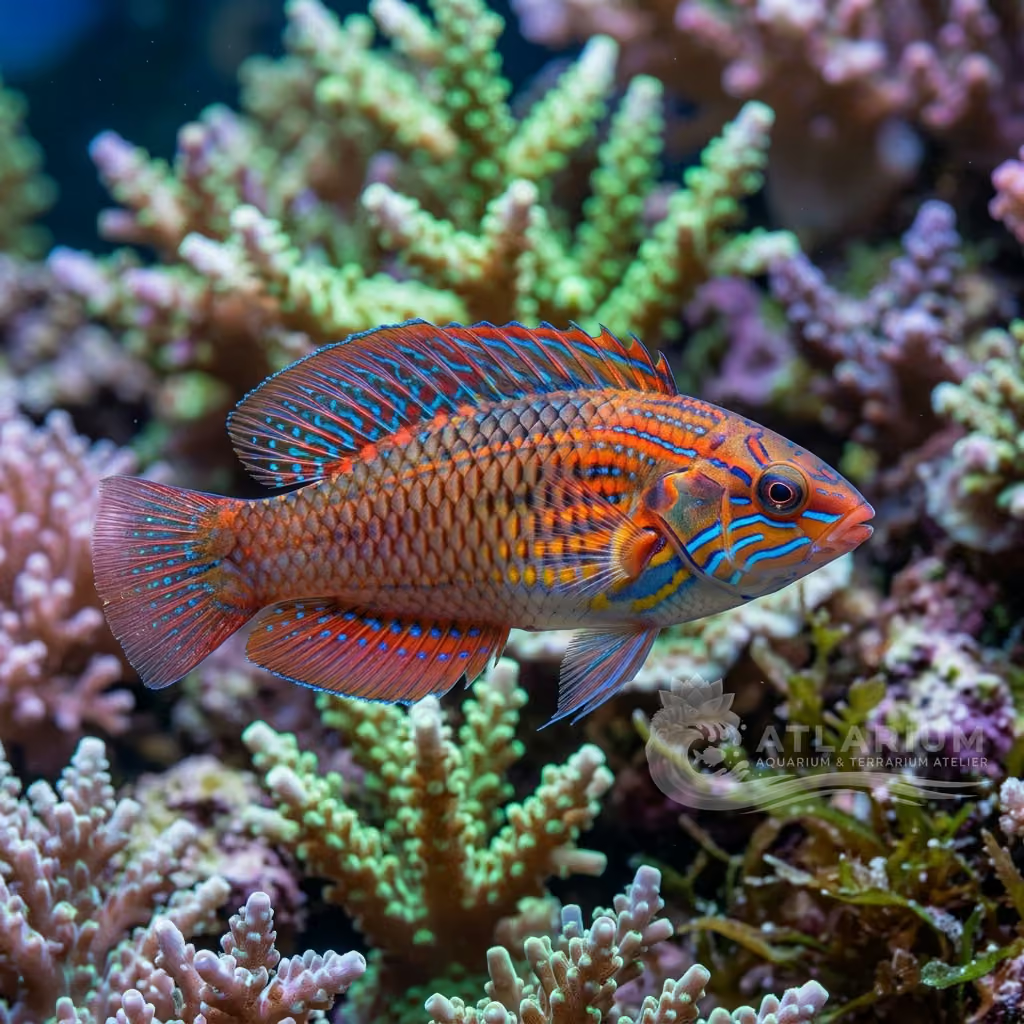
Taxonomy and Morphology: Belongs to the Labridae family, genus Cirrhilabrus. It reaches a total length of approximately 10 cm (4 inches). Features a slender, streamlined body, elongated fins, and large round eyes capable of independent movement.
Social Behavior: Peaceful, active, and schooling species that swims in the water column above the reef. Males perform spectacular courtship displays, flashing intense colors and flaring their fins to attract females or ward off rivals.
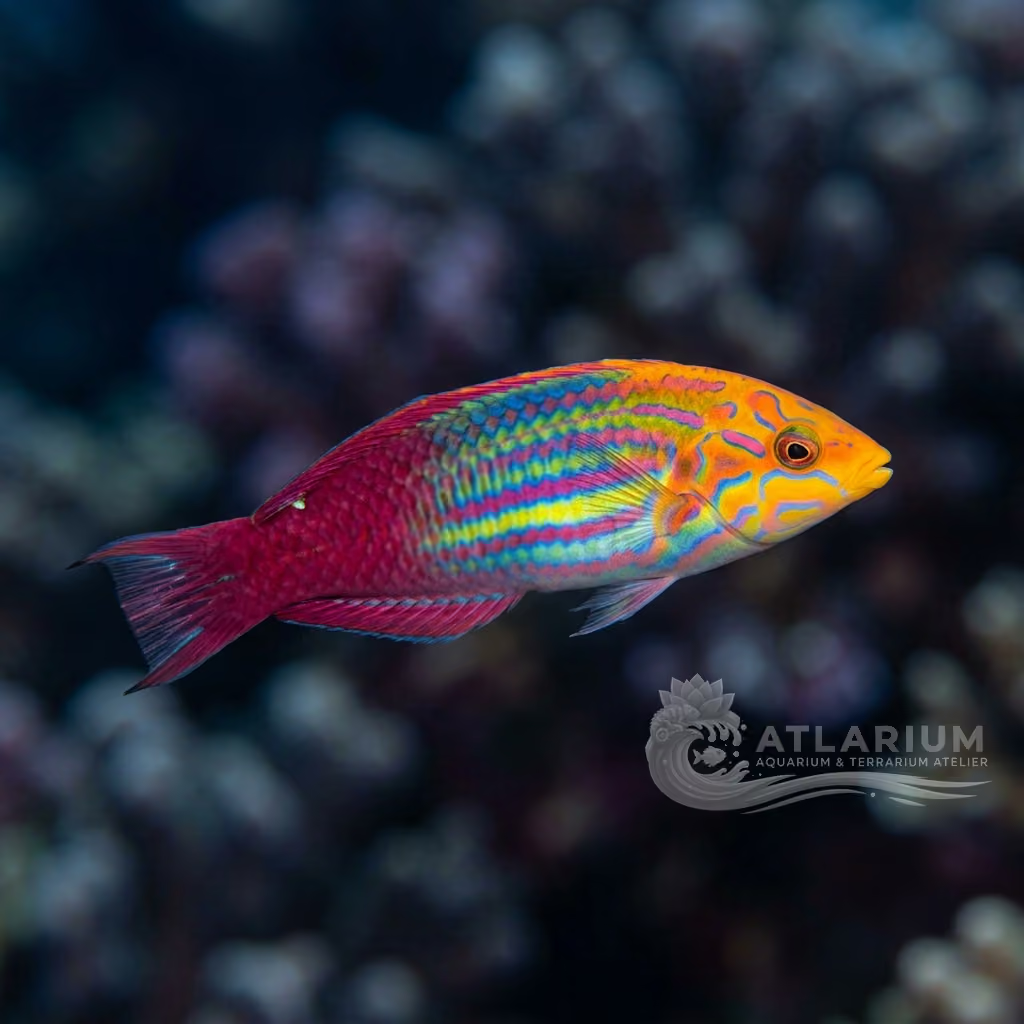
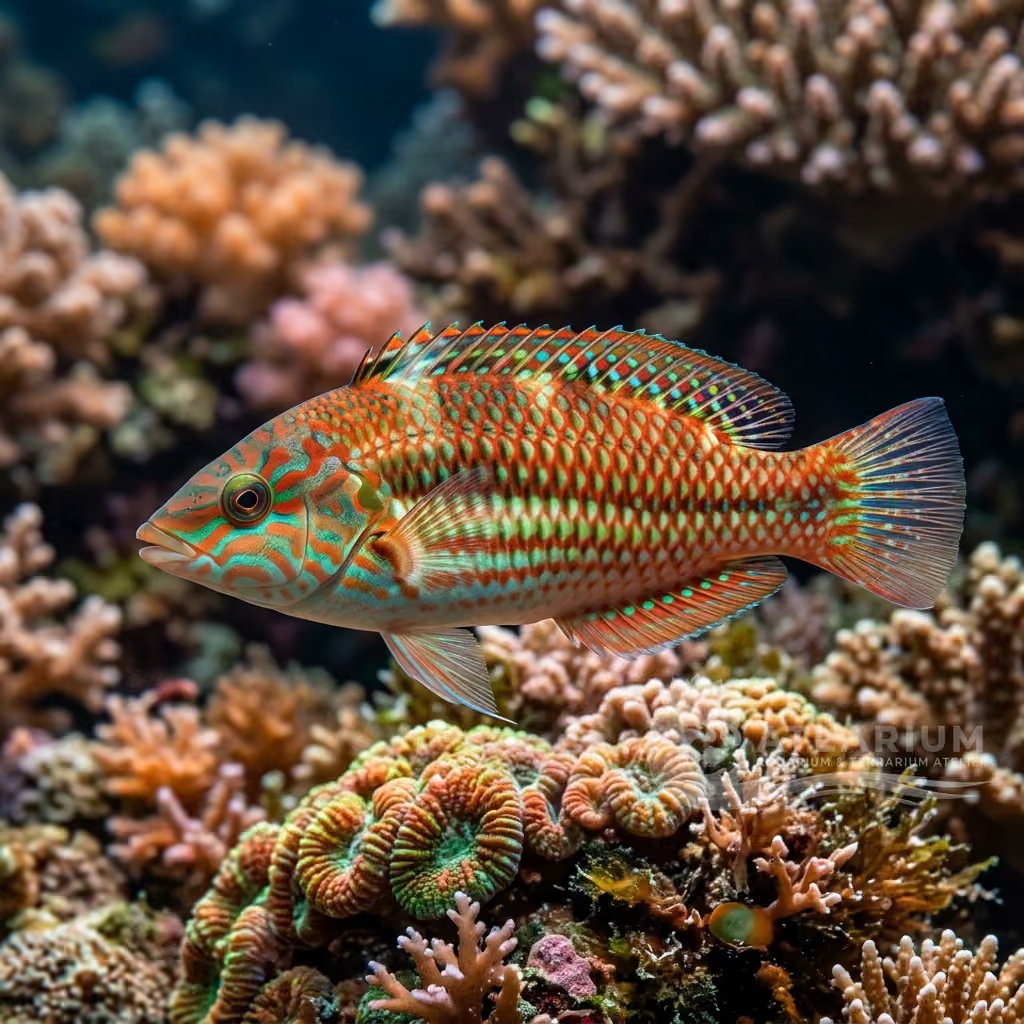
Coloration and Sexual Dimorphism: Strong sexual dimorphism. Females are mostly reddish-orange with thin, light blue longitudinal lines. Mature males display a brilliant mix of red, orange, and yellow, with a dark dorsal fin edged in neon blue.

Pflege, Zucht und Mitbewohner
Aquarium Setup: Requires a tank of at least 200 liters (55 gallons) with plenty of open swimming space and ample live rock to provide caves and hiding spots. A secure mesh top or lid is mandatory, as this species will jump when startled.
Diet and Feeding: Active planktivore feeding in the water column. Readily accepts high-quality frozen foods (mysis, brine shrimp, copepods) and dry foods (small pellets and flakes). Feed two to three times daily in small quantities.
Water Quality: Demands clean, well-oxygenated water with moderate flow. Temperature 22-26°C (72-79°F), pH 8.1-8.4, salinity 1.022-1.025. A protein skimmer is highly recommended to keep organic waste and nitrate levels low.
Compatibility and Cohabitation: Excellent addition to peaceful community reef aquariums. Can be housed with other fairy wrasses if introduced simultaneously or in large setups. Avoid housing with aggressive fish or large predators.
Aquarium Breeding: Extremely difficult to breed in home aquariums due to a delicate pelagic larval phase. Larvae require specialized culture tanks and microscopic live feeds (such as rotifers and copepod nauplii) for survival.
Risks and Diseases: Startled specimens may jump from the tank or injure their snouts against the glass. Susceptible to marine parasites like Cryptocaryon and velvet if stressed by rapid changes in temperature or water parameters.

Geografische Herkunft und Verbreitung
Western Indo-Pacific, ranging from the coasts of Japan and southern China to Western Australia. It inhabits outer coral reefs, protected lagoons, and rubble slopes at depths between 10 and 35 meters.
Ursprung
Tropische Ozeane und RiffeSüd- und SüdostasienOstasienAustralien, Neuguinea und Ozeanien

Fischprofil
- Temperament
- Peaceful
- Cirrhilabrus temminckii exhibits a peaceful and active temperament, though they can be quite shy when first introduced to a new environment. Once comfortable, they spend the day swimming gracefully in the mid-to-upper water column. While males will defend their territory against other males of the same genus, they are peaceful toward unrelated species and display fascinating social interactions in a harem.
- Diät
- Carnivore
- Cirrhilabrus temminckii is a carnivorous planktivore that requires a diet rich in marine proteins. In the aquarium, they should be fed a varied diet of high-quality frozen foods, including mysis shrimp, brine shrimp, copepods, and lobster eggs. They will also readily accept premium marine pellets and flake foods once acclimated. A varied diet is crucial for preserving the brilliance of their coloration and long fin filaments.
- Lebenserwartung
- 5-8 years
- Erwachsenengröße
- 10 cm
- Geschlechterverhältnis
- Harem
- One male with a group of females (harem).
- Fütterungsfrequenz
- Twice daily
- Due to their high metabolic rate and constant swimming behavior, this species requires feeding two to three times daily. Offering small portions ensures that the food is completely consumed, preventing the accumulation of organic waste on the substrate. This feeding frequency supports the energy demands of this active fish, keeping it healthy. Automated feeders can help maintain this consistent schedule.
- Bioload
- Low to Medium
- Temminck's Fairy Wrasse possesses a high metabolic rate, requiring frequent daily feedings of mysis shrimp and other zooplankton mimics. This rigorous feeding necessity contributes to a moderate accumulation of organic waste in the aquarium. Utilizing chemical filtration and robust protein skimming will help maintain the pristine water conditions this species needs.
- Fluss
- Strong
- This wrasse prefers moderate to strong water flow to simulate the currents of their native reef slopes in Japan and Australia. Active water movement helps keep their food suspended, encouraging natural feeding behaviors in the water column. However, the aquascape must include caves and overhangs where the fish can find shelter and sleep peacefully at night.
- Sprungrisiko
- Yes
- Like its close relatives, Temminck's Fairy Wrasse is extremely flighty and will instinctively jump upwards when startled or pursued. They are incredibly agile and can slip through unsealed gaps near overflow boxes or cables. A thoroughly secured mesh screen cover is mandatory to prevent tragic losses.
- Reproduktion
- Oviparous
- Like other members of the genus, Cirrhilabrus temminckii is a protogynous hermaphrodite, with the dominant female transitioning into a male when necessary. They are pelagic spawners that perform dynamic vertical rushes to release eggs and sperm into the open water. Breeding in home aquariums is undocumented and extremely challenging due to the difficulty of raising their tiny pelagic larvae, which require specialized live feeds.
- Kompatibilität & Tankkameraden
- Peaceful
- This wrasse is an ideal candidate for reef aquariums as it is entirely reef-safe and does not bother corals, clams, or small invertebrates. It is highly compatible with other peaceful community fish, such as firefish, small gobies, and anthias. Because they are easily startled and are expert jumpers, a tightly fitting cover or mesh lid is absolutely mandatory for their aquarium.
- Tankfüllstand
- Middle
- This active species spends the majority of its time prominently displayed in the upper and middle tiers of the aquarium's water column. They enjoy strong currents where they can eagerly hunt for passing food particles. By night, they seek out deep, sheltered crevices in the bottom rockwork to sleep hidden away from predators.

Wissenschaftliche Modelle & Parameter
FishBase
Zugang zu den offiziellen wissenschaftlichen Daten der Art
FishBase v25.04Daten synchronisiert am: 15.06.2026
- Trophäenniveau
- 3,4 ± 0,45 se
- Belastbarkeit
- Hoch (weniger als 15 Monate)
- Phylogenetische Einzigartigkeit (PD50)
- 0.5
- Bayessche Längen-Gewichts-Beziehung
- a = 0.01072, b = 3.03
- AnfälligkeitGeringe Anfälligkeit (10 / 100)

Verwandte Arten
Empfehlungen gruppiert nach nahen Verwandten, Auswahl von Begleitern und ähnlicher Betreuung.