Orange-back Fairy Wrasse
Cirrhilabrus aurantidorsalis
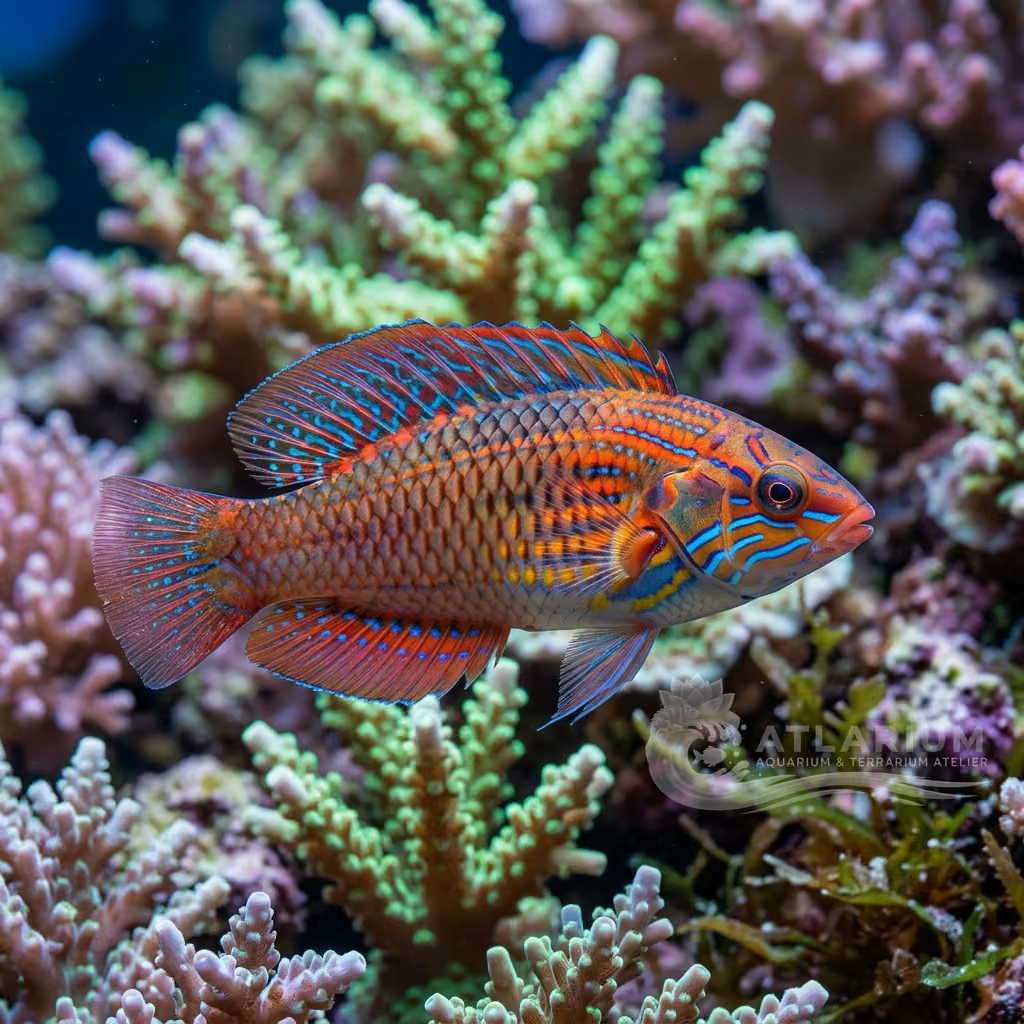
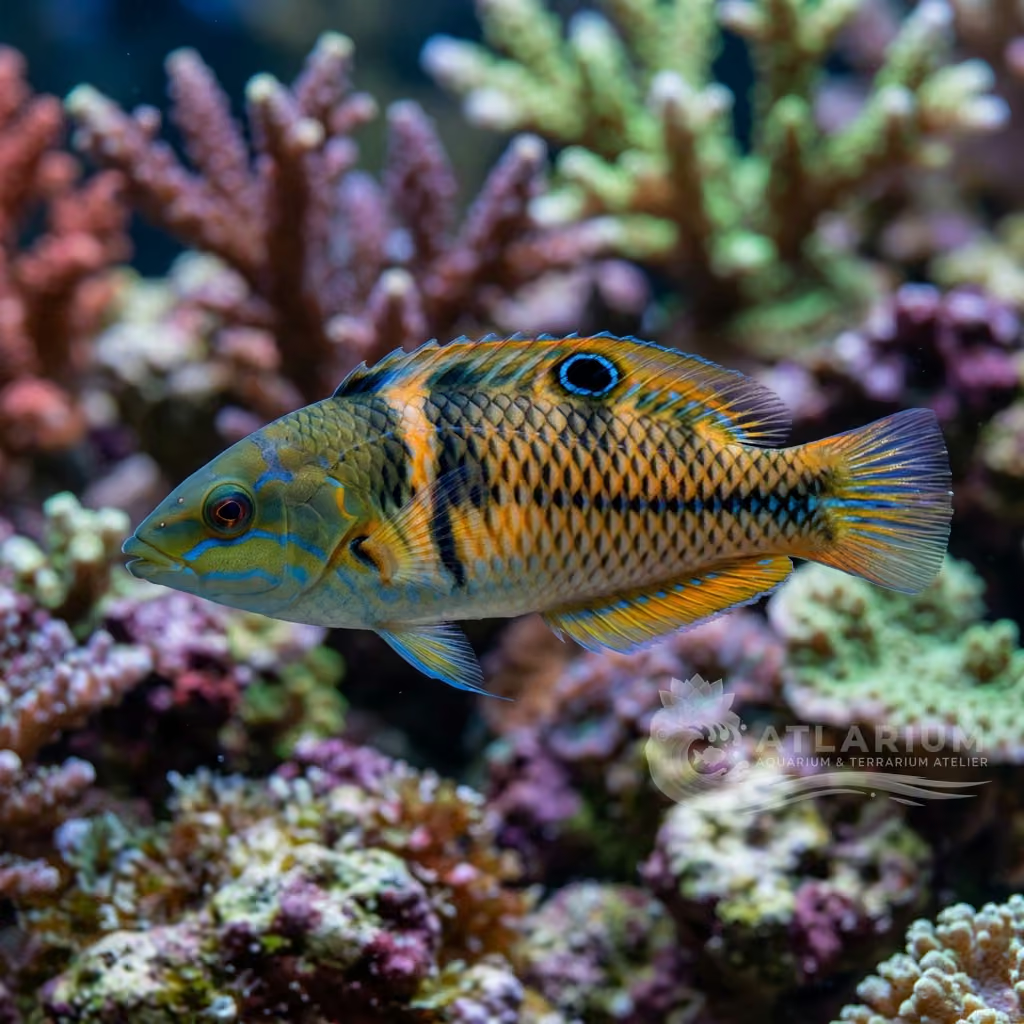
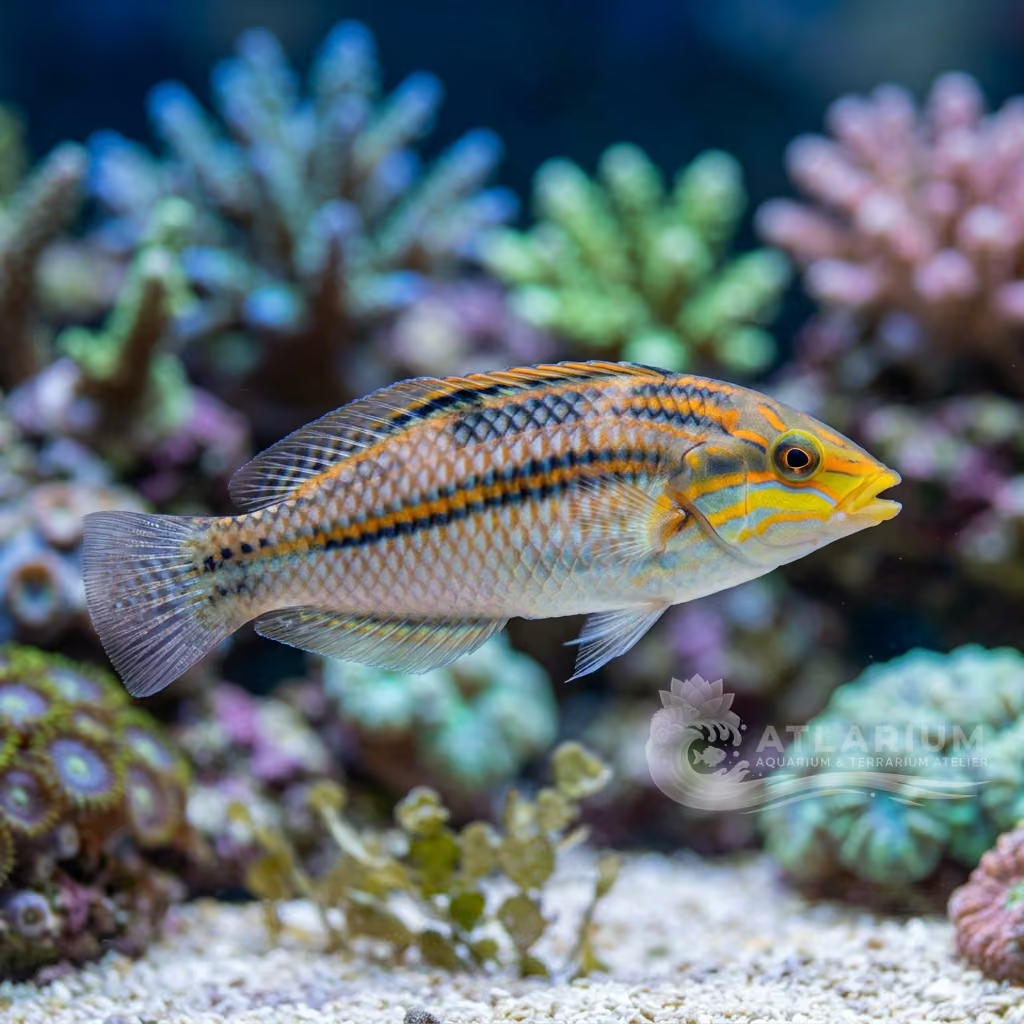
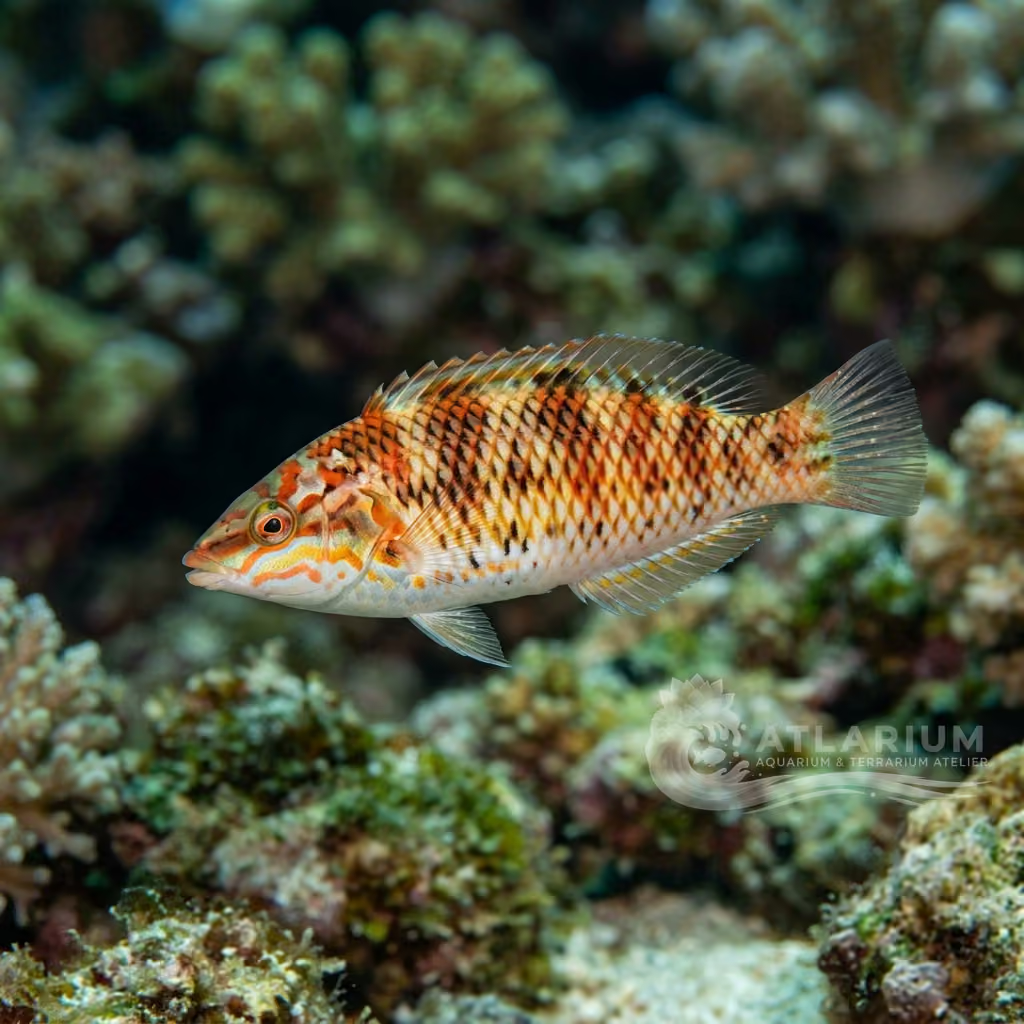
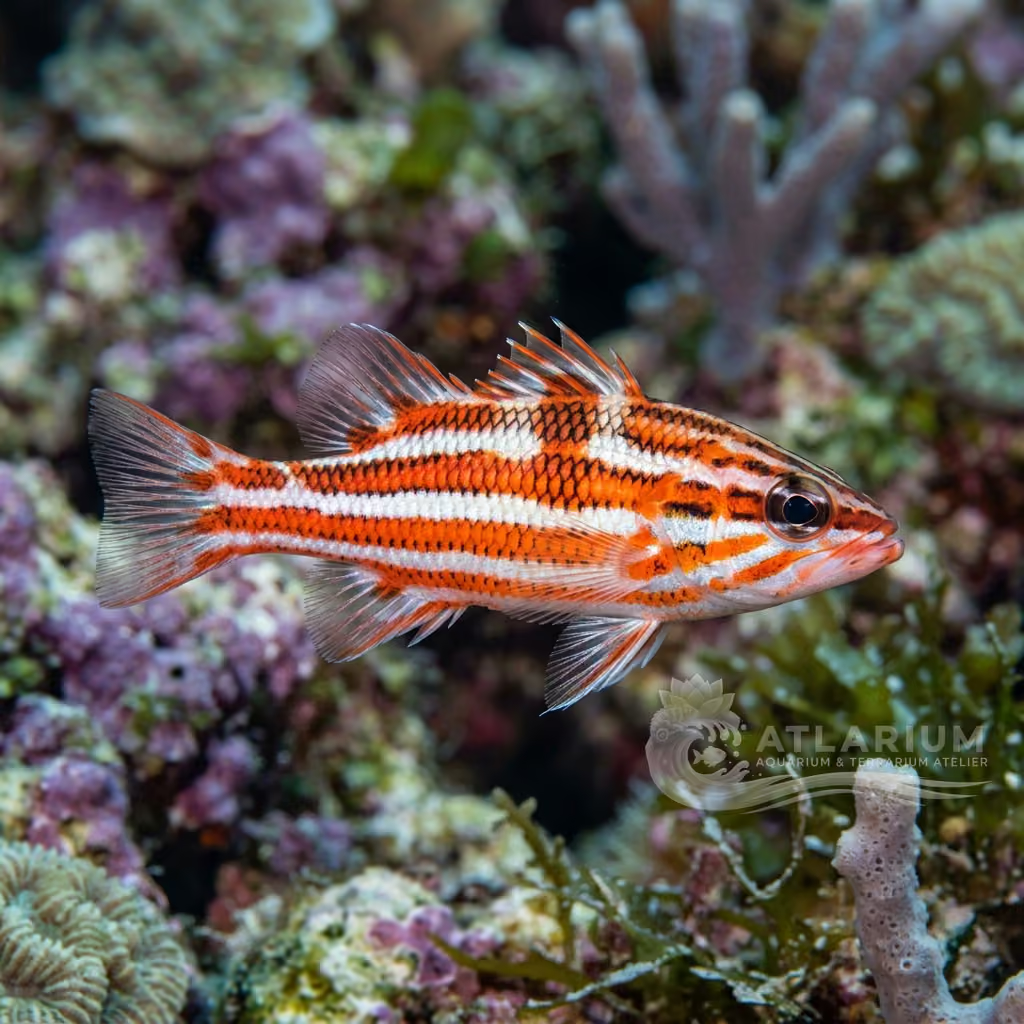
The orange-back fairy wrasse (Cirrhilabrus aurantidorsalis) is a vibrant and active marine fish, prized for the brilliant orange patch running along the dorsal side of adult males.
Wassertemperatur
22 - 27 °C
pH-Wert
8.1 - 8.4
Wassertyp
Meerwasser
Tankfüllstand
Oberfläche und Mitte
Erwachsenengröße
8 cm
Mindesttankvolumen
>= 150 L
Mindestgruppe
>= 1

Artbeschreibung
Geographical Origin and Habitat: Endemic to central-eastern Indonesia, particularly the Gulf of Tomini and the Togean Islands, Sulawesi. Inhabits shallow seaward coral reefs and steep reef slopes, typically at depths ranging from 5 to 25 meters.
Taxonomy and Morphology: Belongs to the family Labridae, genus *Cirrhilabrus*. Commonly known as the orange-back fairy wrasse. Males reach a maximum length of about 10 cm, while females are slightly smaller. Features a streamlined body and well-developed, soft fins.
Social Behavior: Active, social species that lives in harems consisting of one dominant male and several females. Males exhibit spectacular flashing displays, expanding their fins and intensifying colors to attract females or deter rivals. Peaceful toward most other reef species in captivity.
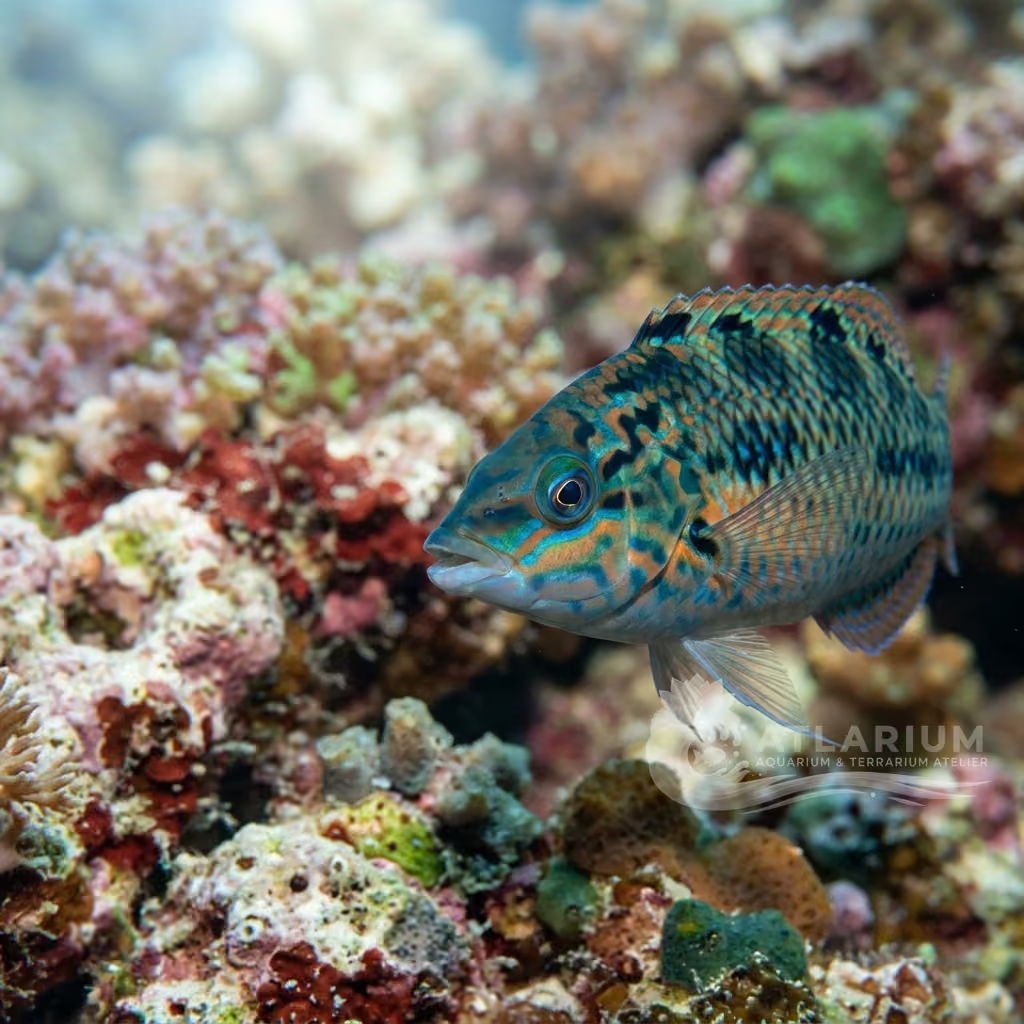
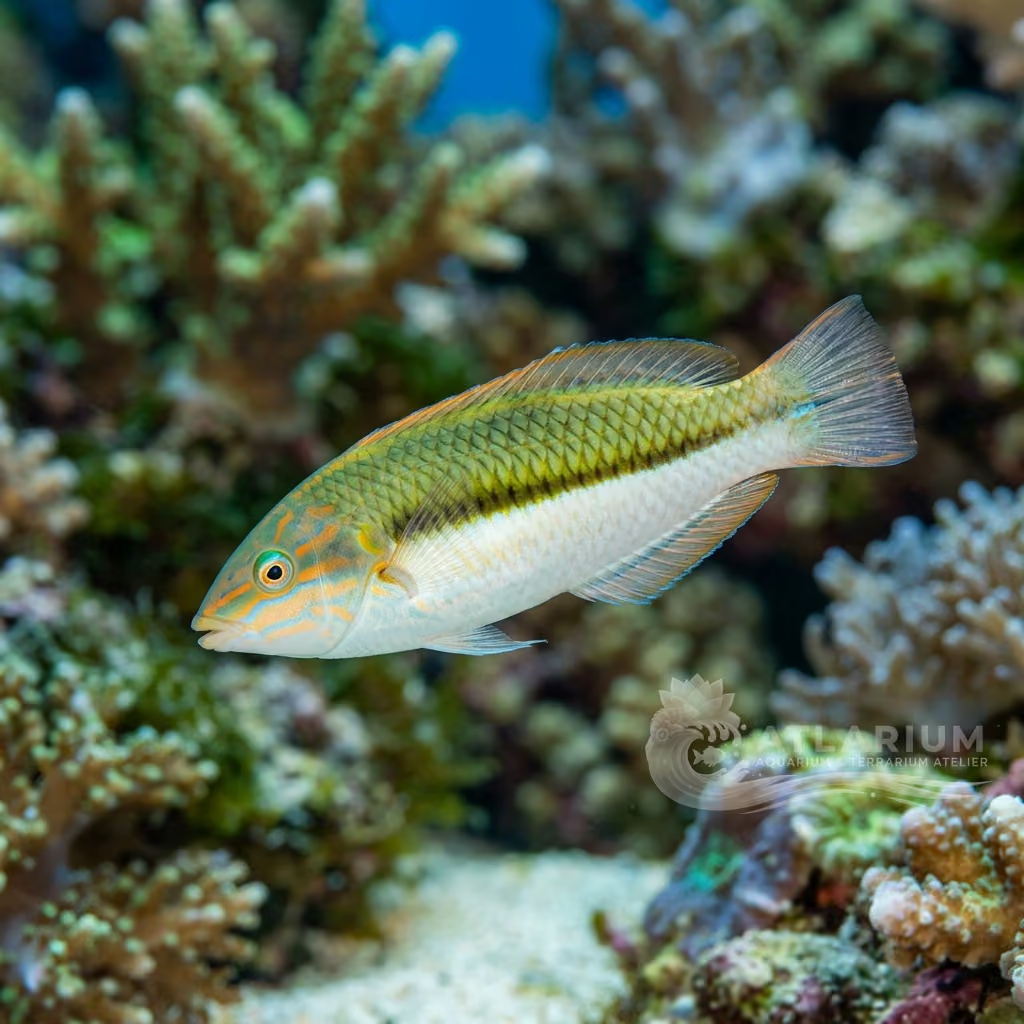
Coloration and Sexual Dimorphism: Adult males display brilliant coloration: an electric blue-violet body with a striking, vivid orange-yellow patch covering the entire back. Females are mostly pinkish-red with subtler markings. Like many wrasses, they are protogynous hermaphrodites.

Pflege, Zucht und Mitbewohner
Aquarium Setup: Requires an aquarium of at least 200 liters (50 gallons) with plenty of open swimming space and rockwork offering natural shelters. A tight-fitting lid or screen cover is mandatory, as this species is an exceptional jumper when startled.
Diet and Feeding: Carnivorous planktivore. In captivity, it readily accepts frozen foods such as mysis shrimp, brine shrimp, finely chopped krill, and high-quality dry pellets or flakes. Feed small amounts 2-3 times daily to sustain its high metabolism.
Water Quality: Standard and stable marine parameters: temperature 23-26°C (73-79°F), pH 8.1-8.4, salinity 1.020-1.025 SG. Good water movement and regular changes are essential to keep nutrient levels low.
Compatibility and Cohabitation: Excellent community fish and 100% reef-safe. Compatible with other wrasses, tangs, damselfishes, and clownfishes. If keeping multiple specimens, introduce females first or simultaneously, with only one male.
Aquarium Breeding: Breeding in home aquariums is highly challenging and undocumented. They release pelagic eggs into the water column, making larval collection and rearing extremely complex.
Risks and Diseases: The primary risk is jumping out of uncovered tanks. They can contract common marine parasites (marine ich and velvet) during initial acclimation. A preventive quarantine is recommended.

Geografische Herkunft und Verbreitung
Endemic to central-eastern Indonesia, particularly the Gulf of Tomini and the Togean Islands, Sulawesi. Inhabits shallow seaward coral reefs and steep reef slopes, typically at depths ranging from 5 to 25 meters.
Ursprung
Tropische Ozeane und RiffeSüd- und Südostasien

Fischprofil
- Temperament
- Peaceful
- They generally exhibit a peaceful, somewhat shy temperament when initially added to a new aquarium. Once fully acclimated and comfortable, they become bold, outgoing, and inquisitive community members. They rarely bother corals or invertebrates, solidifying their reputation as model reef tank inhabitants.
- Diät
- Carnivore
- In their natural habitat, Cirrhilabrus aurantidorsalis are primarily zooplanktivores that feed continuously in the water column. In captivity, they enthusiastically accept a varied diet of frozen mysis shrimp, enriched brine shrimp, and high-quality marine pellets. Providing a diverse nutritional profile helps maintain their spectacular coloration.
- Lebenserwartung
- 4-7 years
- Erwachsenengröße
- 8 cm
- Geschlechterverhältnis
- Harem
- It is widely recommended to keep Cirrhilabrus aurantidorsalis either singly or as a single male with multiple females to form a harem. Housing more than one male in the same aquarium typically results in severe, sometimes fatal aggression. Females should ideally be introduced to the tank before or simultaneously with the male.
- Fütterungsfrequenz
- Twice daily
- Because they are incredibly active swimmers with high energy demands, they should be fed small portions multiple times a day. Two to three feedings per day are generally recommended for optimal health. Underfeeding can quickly lead to weight loss, lethargy, and a faded appearance.
- Bioload
- Low to Medium
- The Cirrhilabrus aurantidorsalis has a moderate bioload impact on the aquarium. Due to their high activity levels and fast metabolism, they require frequent feedings. However, their small size means a standard, well-maintained filtration system can easily handle their waste output.
- Fluss
- Moderate
- Fairy wrasses naturally inhabit areas with dynamic water movement along reef slopes and drop-offs. In the aquarium, they appreciate moderate to strong, varied water flow. This strong current not only replicates their natural environment but also keeps their food properly suspended for easy hunting.
- Sprungrisiko
- Yes
- Like all fairy wrasses, Cirrhilabrus aurantidorsalis is highly prone to jumping when startled or threatened by tank mates. A tightly fitting lid, glass canopy, or a fine-mesh screen top is absolutely mandatory for their enclosure. Even tiny gaps around equipment or overflows can be an escape route.
- Reproduktion
- Oviparous
- They are protogynous hermaphrodites, meaning every individual begins life as a female and can transition into a male. In a captive environment, breeding is extremely rare due to the requirement for pelagic larval rearing. During courtship, dominant males will flash brilliant colors to attract females in their harem.
- Kompatibilität & Tankkameraden
- Community
- This species is considered highly peaceful and is generally an excellent candidate for reef aquariums. They do very well with other docile community fish and peaceful invertebrates. However, males of the same or similar species may exhibit territorial aggression towards one another.
- Tankfüllstand
- Top/Middle
- These vibrant fish are extremely active and will frequently utilize the middle and upper levels of the water column while foraging. They tend to hover above the rockwork, swimming dynamically throughout the day. At night or when frightened, they will quickly retreat into small crevices within the live rock to hide and sleep.

Wissenschaftliche Modelle & Parameter
FishBase
Zugang zu den offiziellen wissenschaftlichen Daten der Art
FishBase v25.04Daten synchronisiert am: 15.06.2026
- Trophäenniveau
- 3,4 ± 0,4 se
- Belastbarkeit
- Hoch (weniger als 15 Monate)
- Phylogenetische Einzigartigkeit (PD50)
- 0.5
- Bayessche Längen-Gewichts-Beziehung
- a = 0.01072, b = 3.03
- AnfälligkeitGeringe Anfälligkeit (10 / 100)

Verwandte Arten
Empfehlungen gruppiert nach nahen Verwandten, Auswahl von Begleitern und ähnlicher Betreuung.