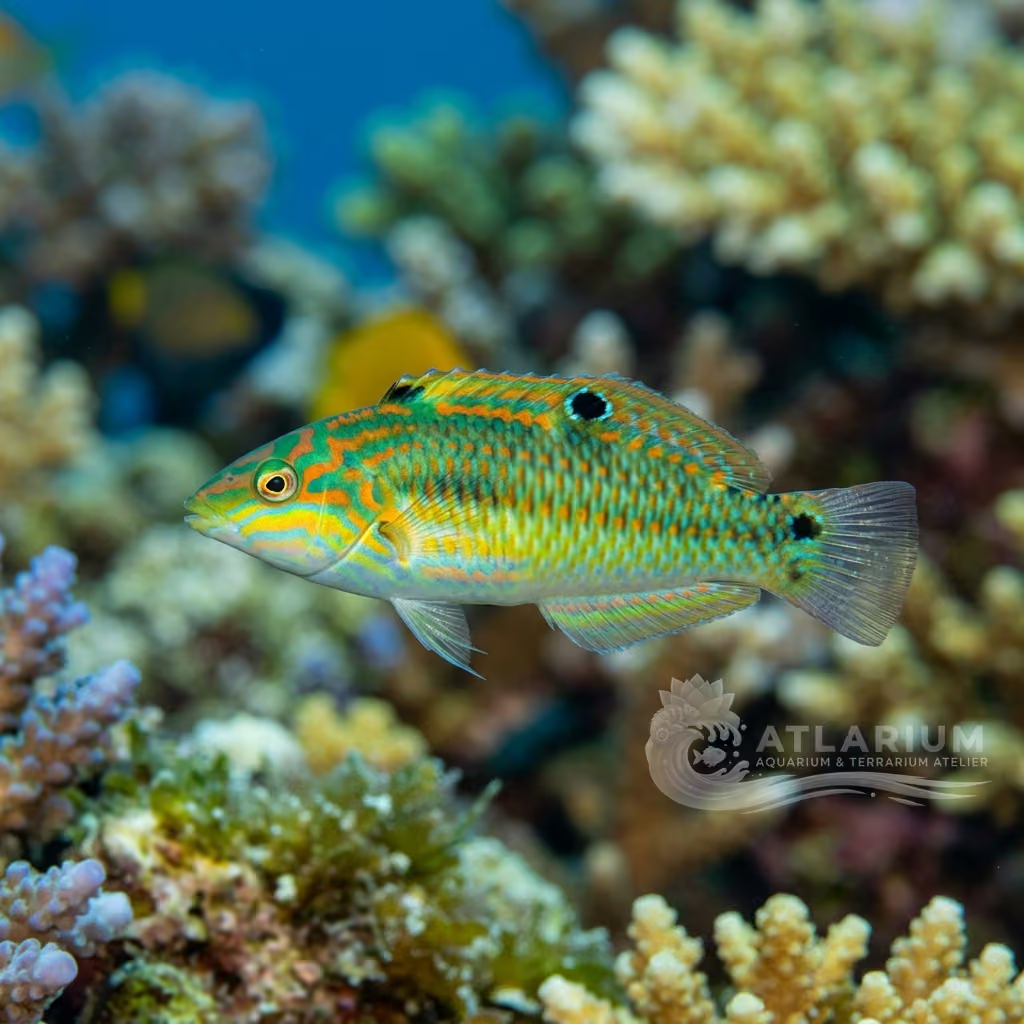
Socorro Wrasse
Halichoeres insularis
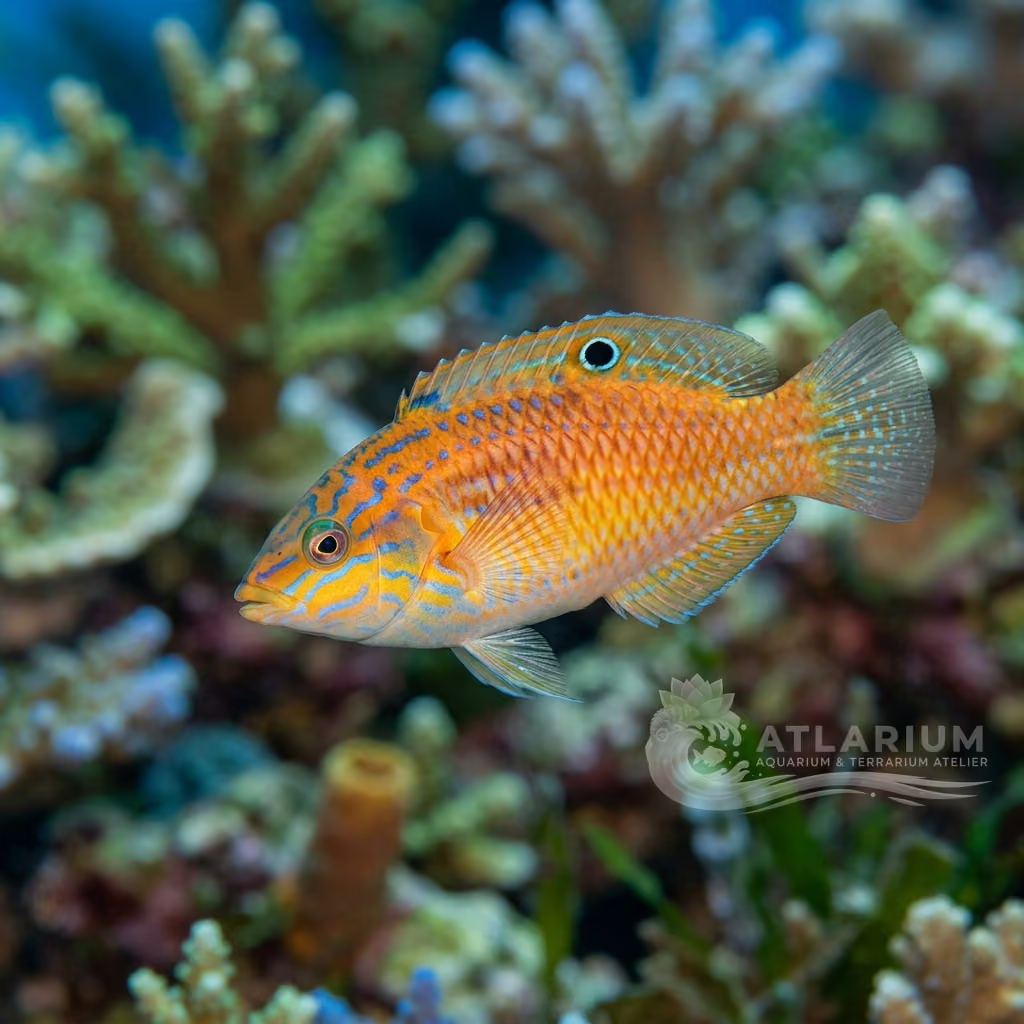
This rare, small subtropical wrasse is endemic to the Revillagigedo Islands. It shines in cooler waters with a golden-yellow body and requires a soft sand bed to sleep securely.
Wassertemperatur
20 - 24 °C
pH-Wert
8.1 - 8.4
Wassertyp
Meerwasser
Tankfüllstand
Unten und in der Mitte
Erwachsenengröße
7 cm
Mindesttankvolumen
>= 120 L
Mindestgruppe
>= 1

Artbeschreibung
Geographical Origin and Habitat: Halichoeres insularis is endemic to the Eastern Pacific Ocean, specifically restricted to the Revillagigedo Islands of Mexico, notably around Socorro Island. It inhabits subtropical rocky reefs and sand margins at depths of 5 to 20 meters.
Taxonomy and Morphology: A member of the family Labridae, genus Halichoeres. It features a slender, streamlined body shape, typical of small wrasses, with a pointed snout and terminal mouth housing teeth for grasping prey. It grows to a maximum length of 7 cm.
Social Behavior: Active, diurnal swimmer that continuously explores the tank during daylight. It exhibits a natural burrowing behavior, diving headfirst into the sand to sleep at night or to seek refuge from perceived predators.
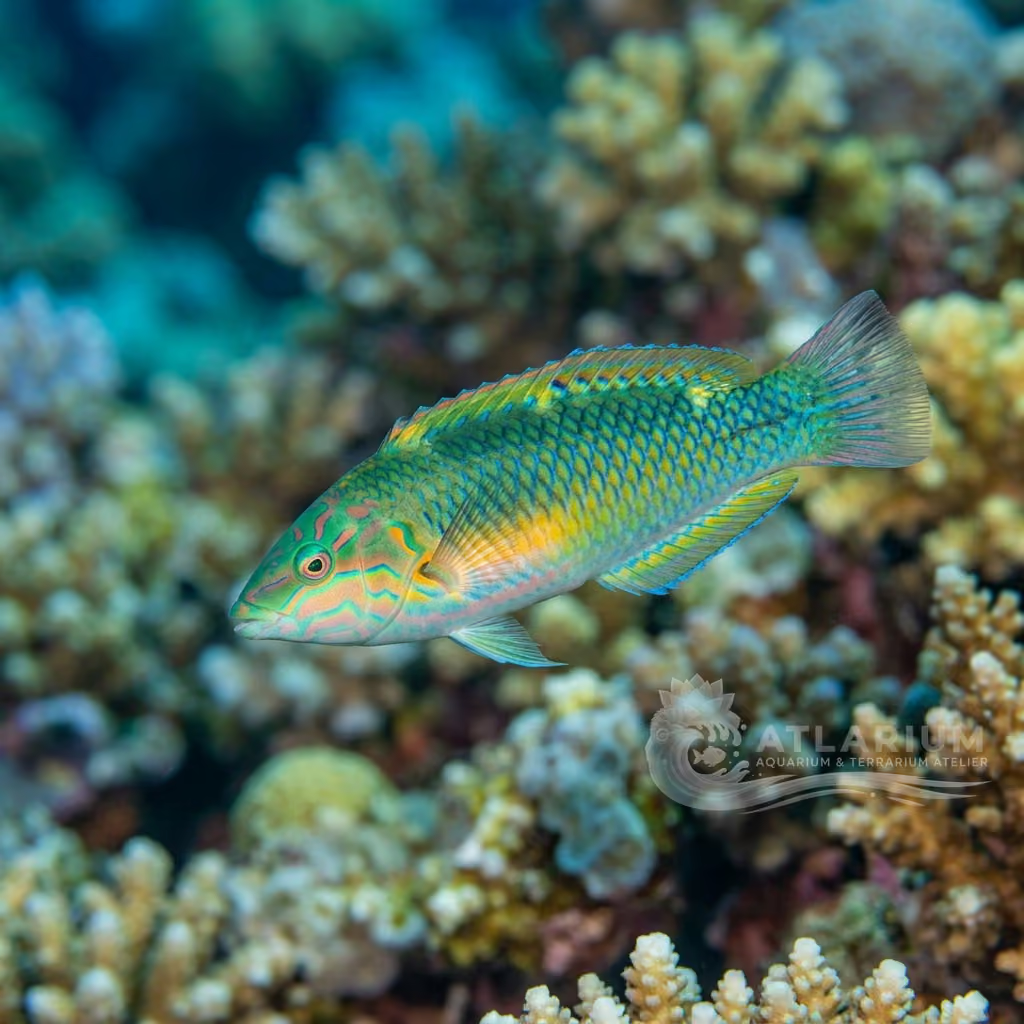
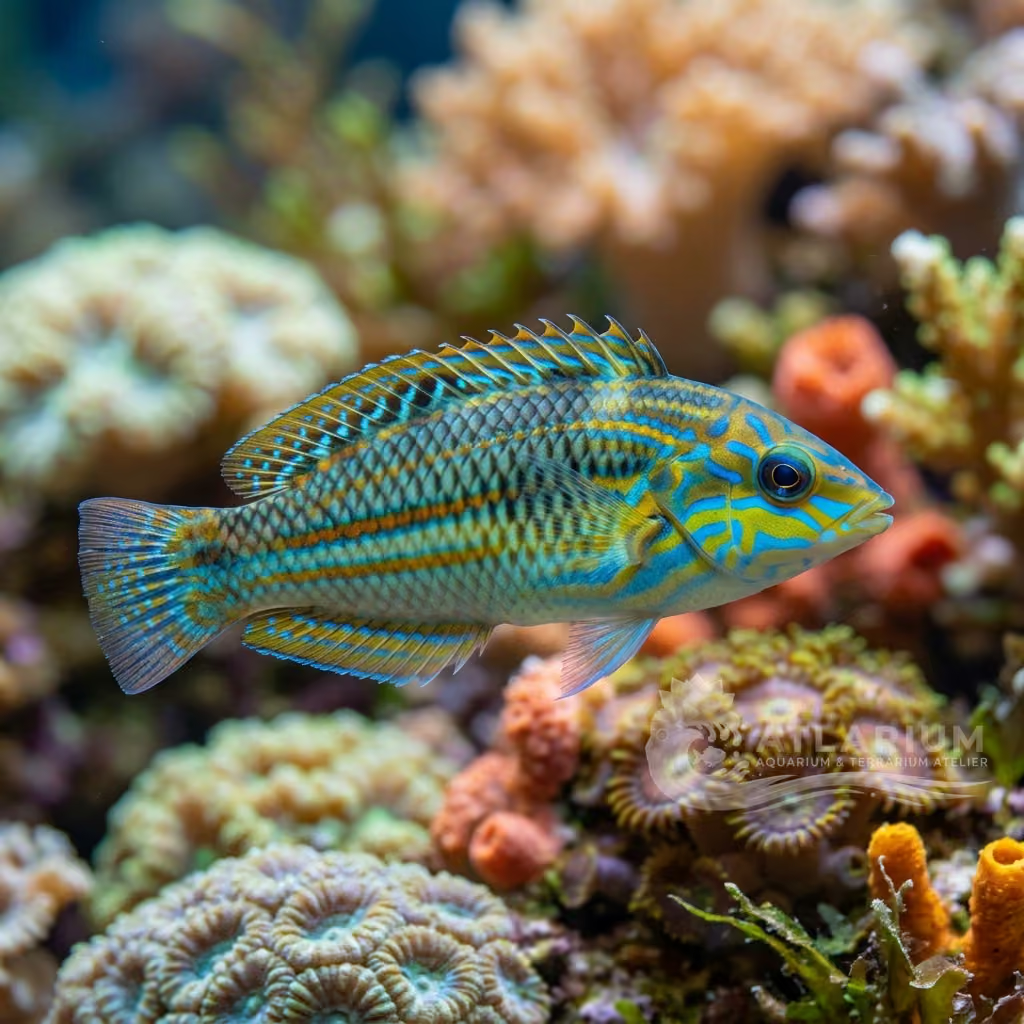
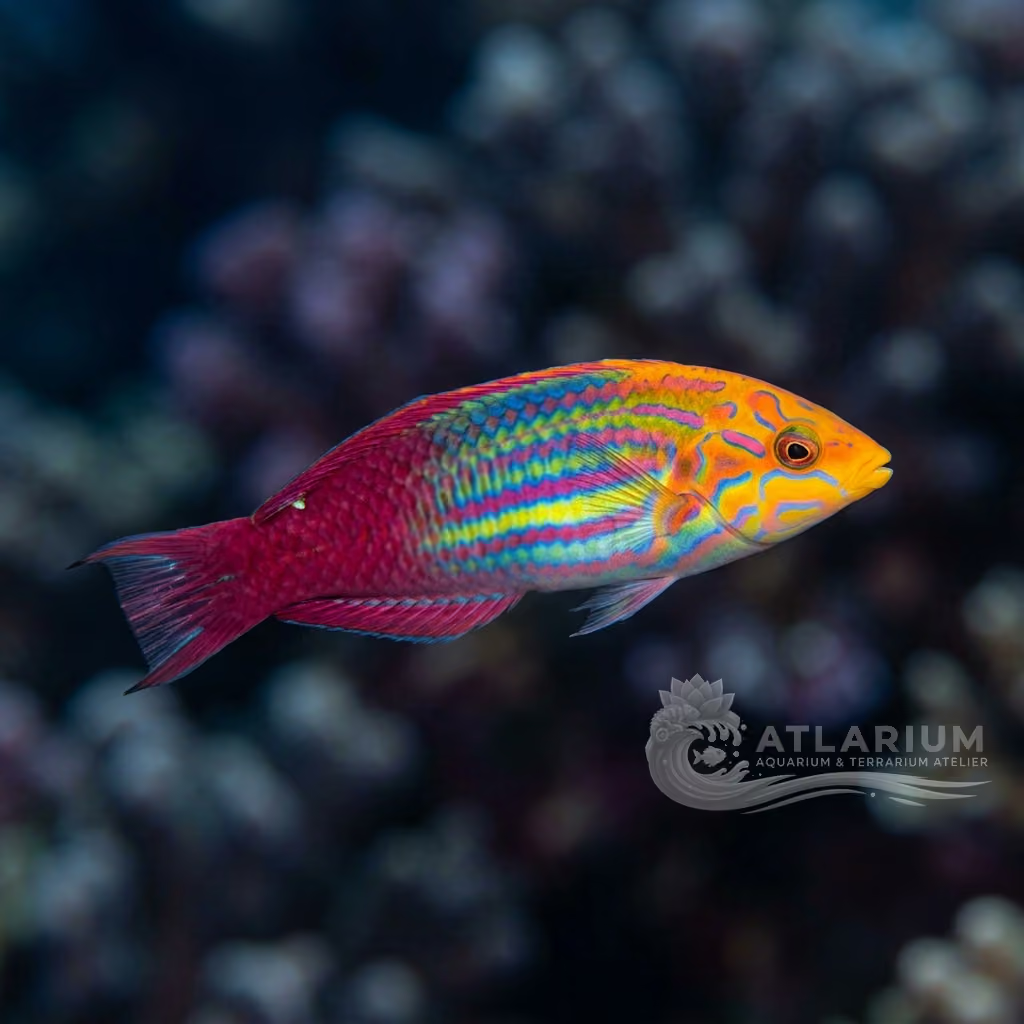
Coloration and Sexual Dimorphism: Body is predominantly golden-yellow, decorated with metallic blue-green horizontal lines on the head and a distinct dark spot on the dorsal fin. Dominant males develop more intricate and colorful facial patterns.

Pflege, Zucht und Mitbewohner
Aquarium Setup: Minimum tank size of 120 liters. A fine sand substrate of at least 5-7 cm depth is mandatory for the fish to sleep and hide. Live rock should be arranged to offer hiding places while leaving ample open space for active swimming.
Diet and Feeding: Carnivorous. Feeds on small benthic invertebrates. In captivity, offer a varied diet of fine frozen foods such as brine shrimp, mysis, and copepods twice daily. High-quality dry marine granules or flakes are also accepted.
Water Quality: Prefers slightly cooler subtropical temperatures between 20°C and 24°C. Maintain pH 8.1 to 8.4, and specific gravity 1.020 to 1.025. High oxygenation and effective biological filtration are important to sustain their metabolism.
Compatibility and Cohabitation: Extremely peaceful with most fish, but may compete with other small wrasses. Reef-safe with caution; they do not bother corals but will readily prey on small ornamental shrimp, feather dusters, and tiny snails.
Aquarium Breeding: Breeding in home aquariums has not been reported. They are pelagic spawners, and the raising of larvae is highly difficult due to their microscopic size and requirement for specialized live marine plancton.
Risks and Diseases: Keeping this wrasse in a tank without a soft sand bed will cause severe stress, physical injury to the snout, and eventual death. They are prone to jumping when startled, making a secure tight cover essential.

Geografische Herkunft und Verbreitung
Halichoeres insularis is endemic to the Eastern Pacific Ocean, specifically restricted to the Revillagigedo Islands of Mexico, notably around Socorro Island. It inhabits subtropical rocky reefs and sand margins at depths of 5 to 20 meters.
Ursprung
Tropische Ozeane und RiffeMittelamerika und Karibik

Fischprofil
- Temperament
- Peaceful
- They are constantly on the move during daylight hours. While usually peaceful, they are opportunistic predators. Their bold nature makes them a fascinating addition.
- Diät
- Carnivore
- They are carnivores feeding on benthic invertebrates. In the aquarium, offer meaty foods like mysis shrimp. Providing a varied diet maintains their vibrant colors.
- Lebenserwartung
- 5-8 years
- Erwachsenengröße
- 7 cm
- Geschlechterverhältnis
- Solitary
- It is best to keep them singly. Adding multiple males results in severe aggression. A group of females might establish a pecking order.
- Fütterungsfrequenz
- Twice daily
- They are highly active with a fast metabolism. Feeding them two to three times a day is ideal. Small frequent meals help reduce aggression.
- Bioload
- Low to Medium
- This species contributes a moderate bioload. They produce moderate waste due to their diet. A good skimmer and regular water changes are required.
- Fluss
- Moderate
- They originate from reef environments with strong water movement. Good water flow helps oxygenate the water. Varying flow patterns mimics their natural habitat well.
- Sprungrisiko
- Yes
- Wrasses are notorious for jumping out of aquariums. A tight-fitting lid or screen mesh is mandatory. Ensure all gaps are properly covered to prevent escape.
- Reproduktion
- Oviparous
- These fish are broadcast spawners in the water column. Breeding in captivity is extremely rare. Specialized setups with deep tanks and planktonic food are required.
- Kompatibilität & Tankkameraden
- Verify
- They are generally peaceful towards other fish. However, they may become territorial with other wrasses. Use caution as they might eat small ornamental crustaceans.
- Tankfüllstand
- Middle/Bottom
- They actively swim in the mid-water regions. They require a deep fine sand bed to sleep. Coarse substrate can damage their bodies and should be avoided.

Wissenschaftliche Modelle & Parameter
FishBase
Zugang zu den offiziellen wissenschaftlichen Daten der Art
FishBase v25.04Daten synchronisiert am: 15.06.2026
- Trophäenniveau
- 3,3 ± 0,5 se
- Belastbarkeit
- Hoch (weniger als 15 Monate)
- Phylogenetische Einzigartigkeit (PD50)
- 0.5
- Bayessche Längen-Gewichts-Beziehung
- a = 0.01, b = 3.09
- AnfälligkeitGeringe Anfälligkeit (10 / 100)

Verwandte Arten
Empfehlungen gruppiert nach nahen Verwandten, Auswahl von Begleitern und ähnlicher Betreuung.