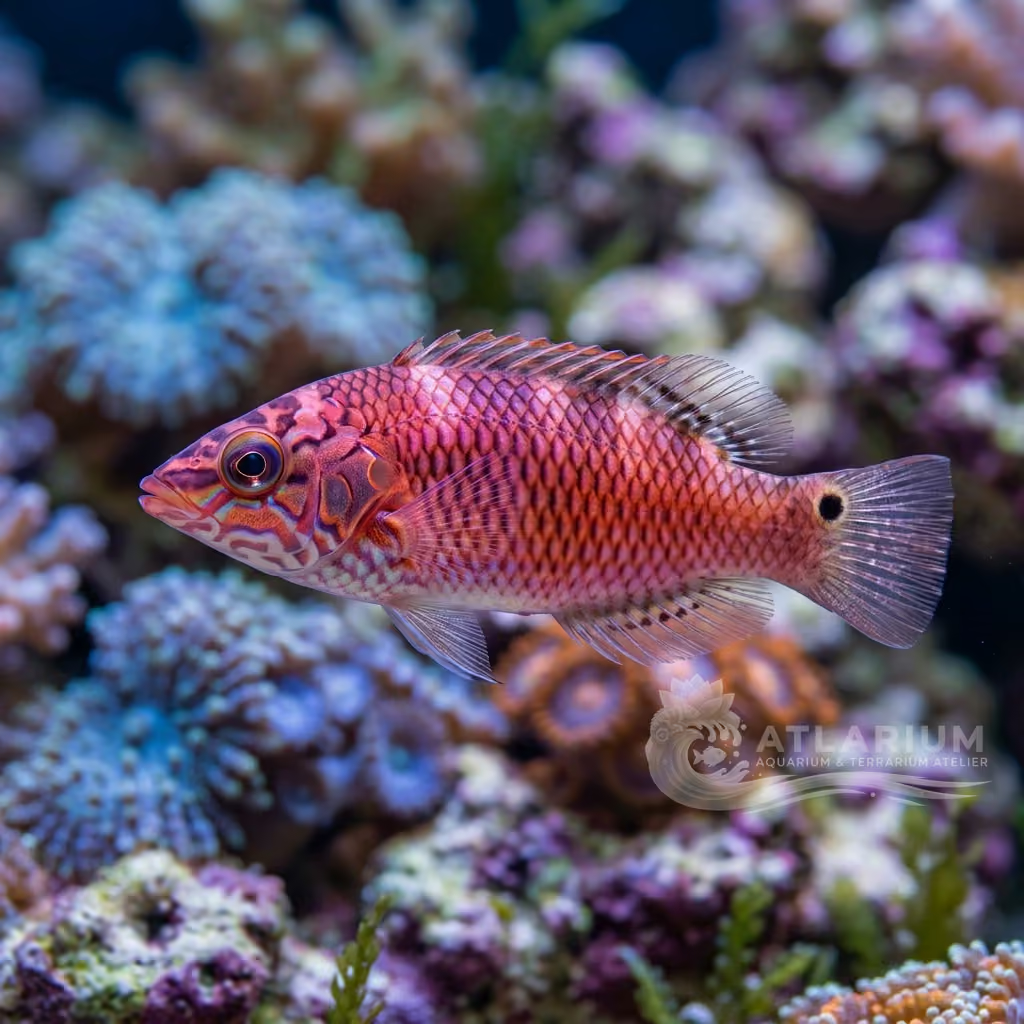
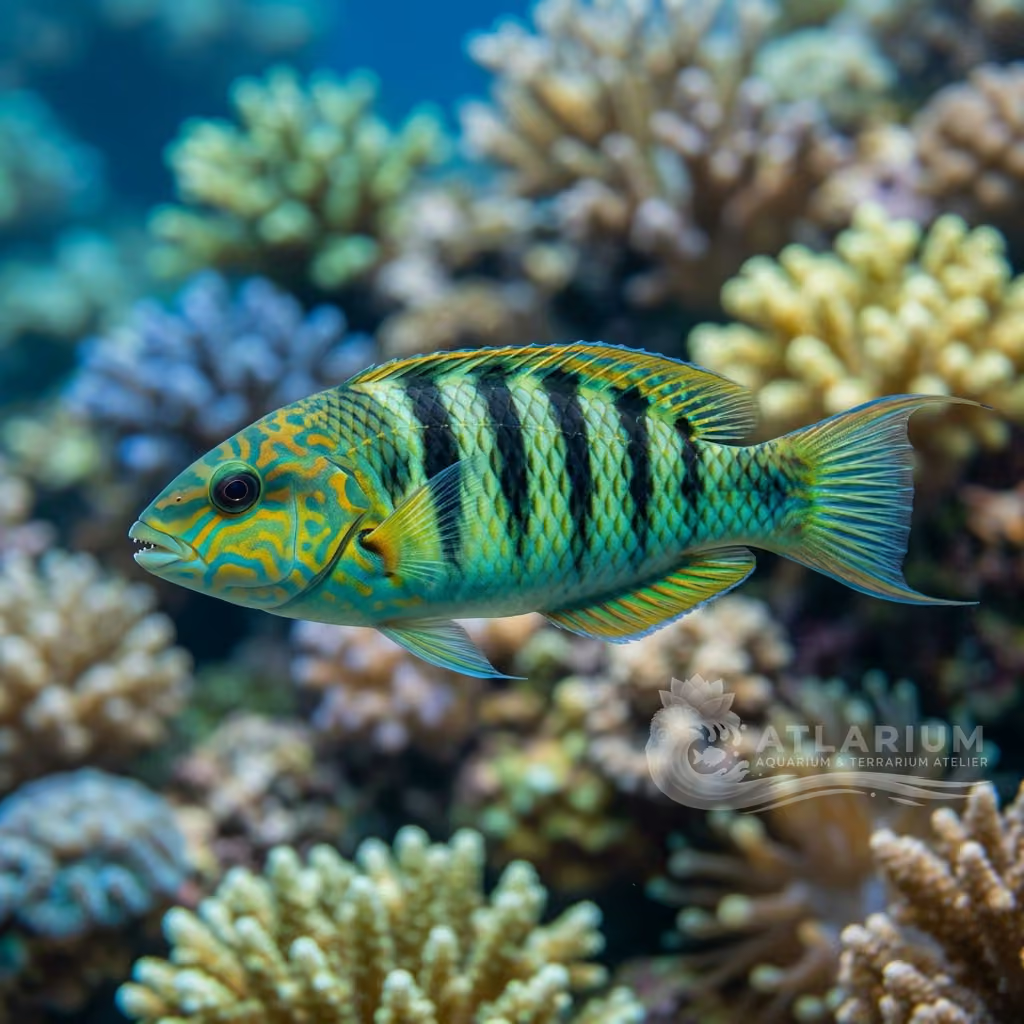
Richmond's wrasse
Halichoeres richmondi
Richmond's Wrasse is an energetic fish native to shallow coastal lagoons. It absolutely requires a large tank with a deep, non-abrasive sand bed to retreat into, ensuring its safety and health.
Wassertemperatur
22 - 26 °C
pH-Wert
8.1 - 8.4
Wassertyp
Meerwasser
Tankfüllstand
Unten und in der Mitte
Erwachsenengröße
19 cm
Mindesttankvolumen
>= 300 L
Mindestgruppe
>= 1
KH
8 - 12 dKH

Artbeschreibung
Geographical Origin and Habitat: Halichoeres richmondi is primarily distributed across the tropical waters of the Western Indo-Pacific, ranging from Indonesia and the Philippines to Micronesia and the northern reefs of Australia. This species favors shallow, sheltered coastal lagoons, rubble-rich reef flats, and transitional zones between coral reefs and open sandy plains, typically at depths of 2 to 20 meters. Access to fine sand is a vital environmental factor in these habitats.
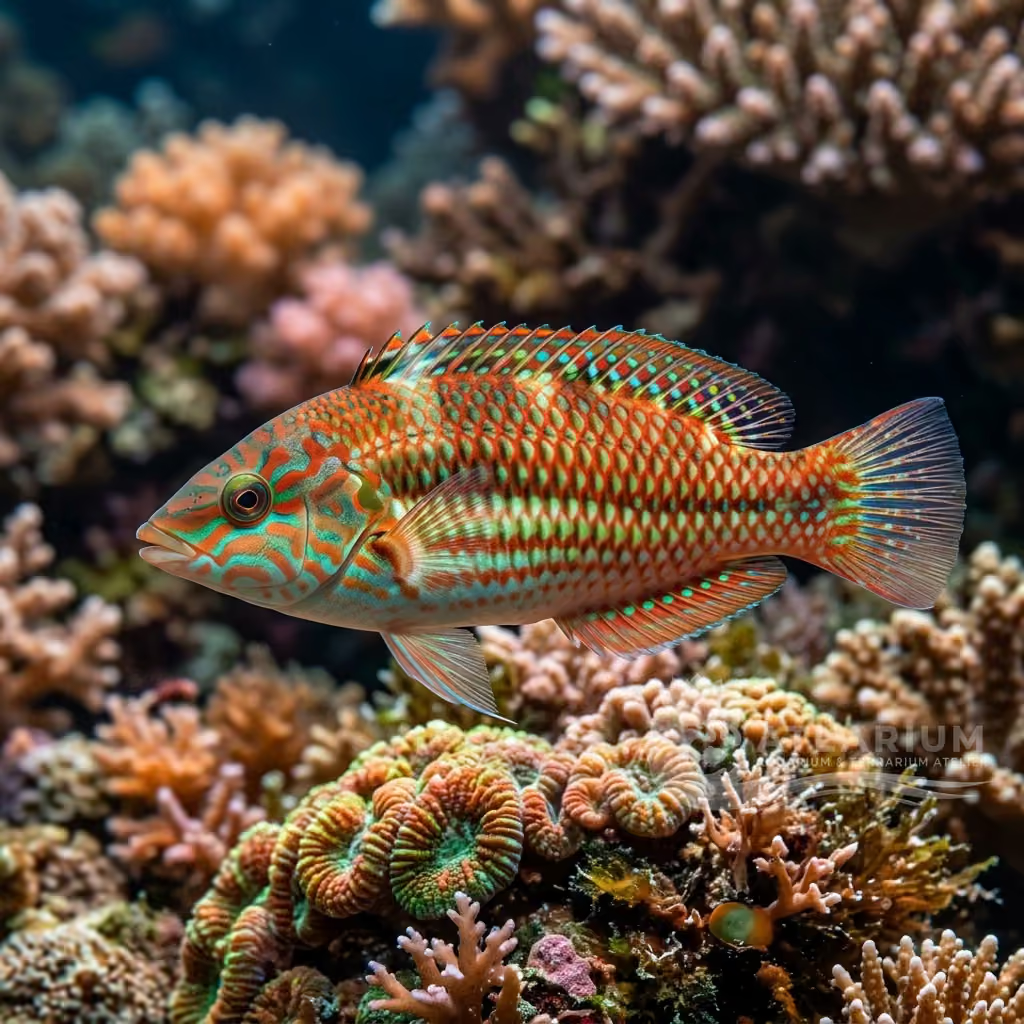
Taxonomy and Morphology: Belonging to the family Labridae and the genus Halichoeres. It features a slender, streamlined, and slightly laterally compressed body shape, built for fast swimming. The snout is moderately pointed with high-set, highly mobile eyes that scan the substrate. Adults reach a maximum length of about 18-20 centimeters. It is equipped with protruding canine teeth at the front of its jaws to seize benthic prey.
Social Behavior: This is an exceptionally active, diurnal fish that swims constantly during daylight hours. It exhibits a peaceful demeanor toward unrelated species but can display aggression toward other wrasses of similar shape, size, or coloration. At dusk or when threatened, it quickly dives headfirst into the sandy substrate to sleep or hide, remaining completely submerged until morning.
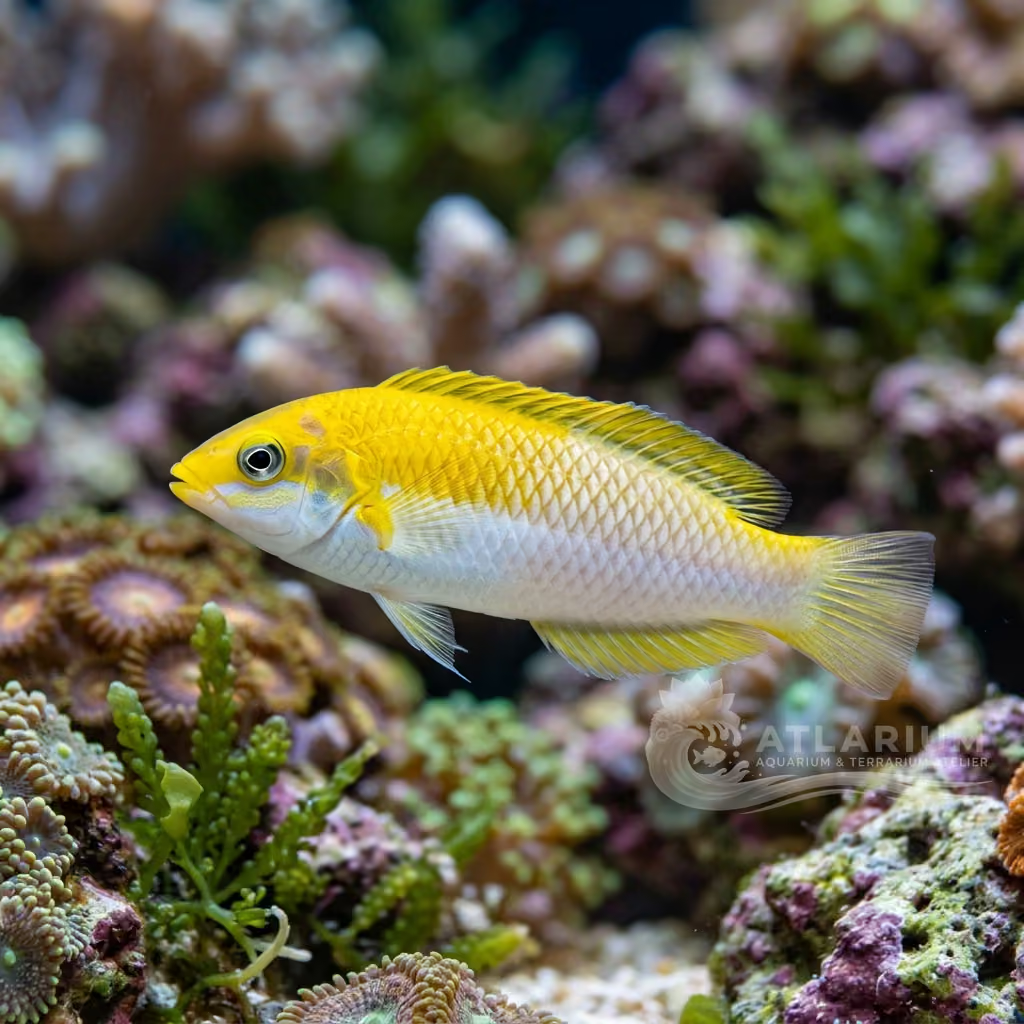
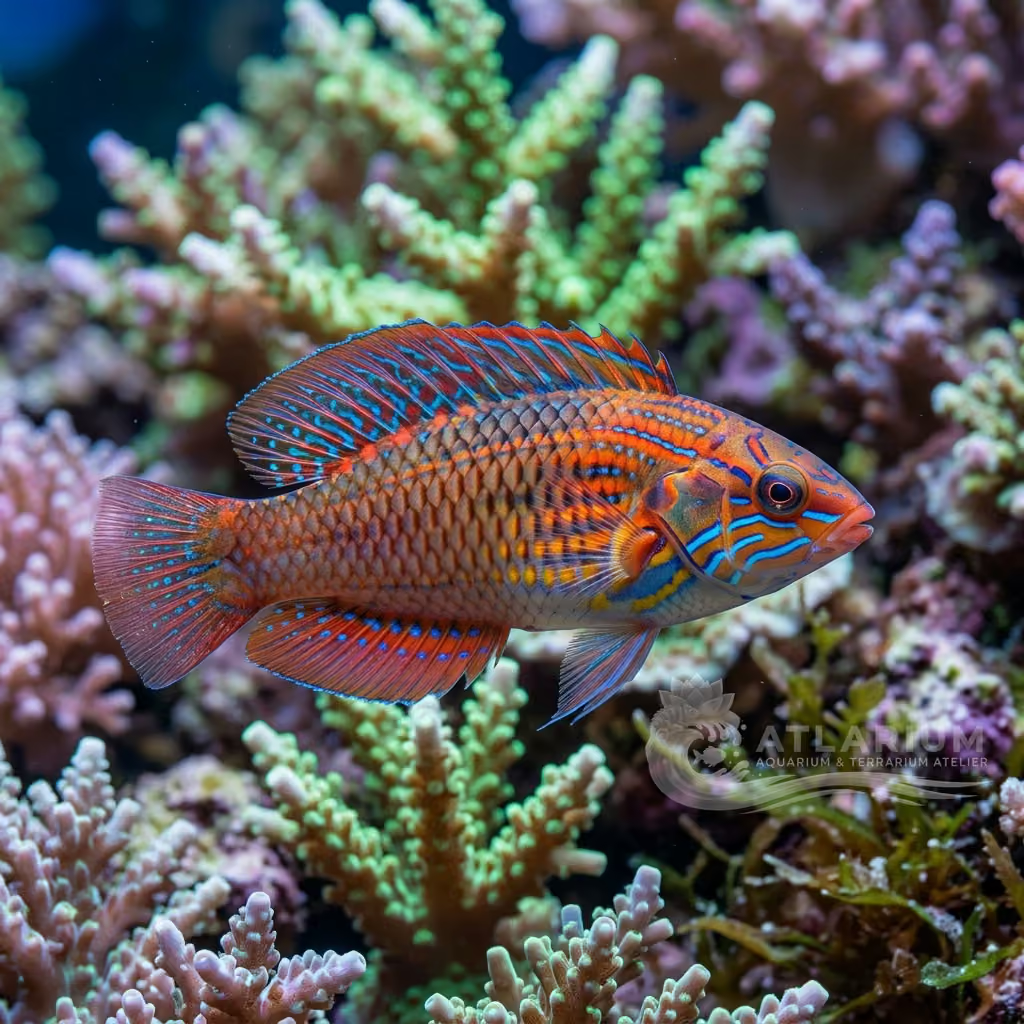
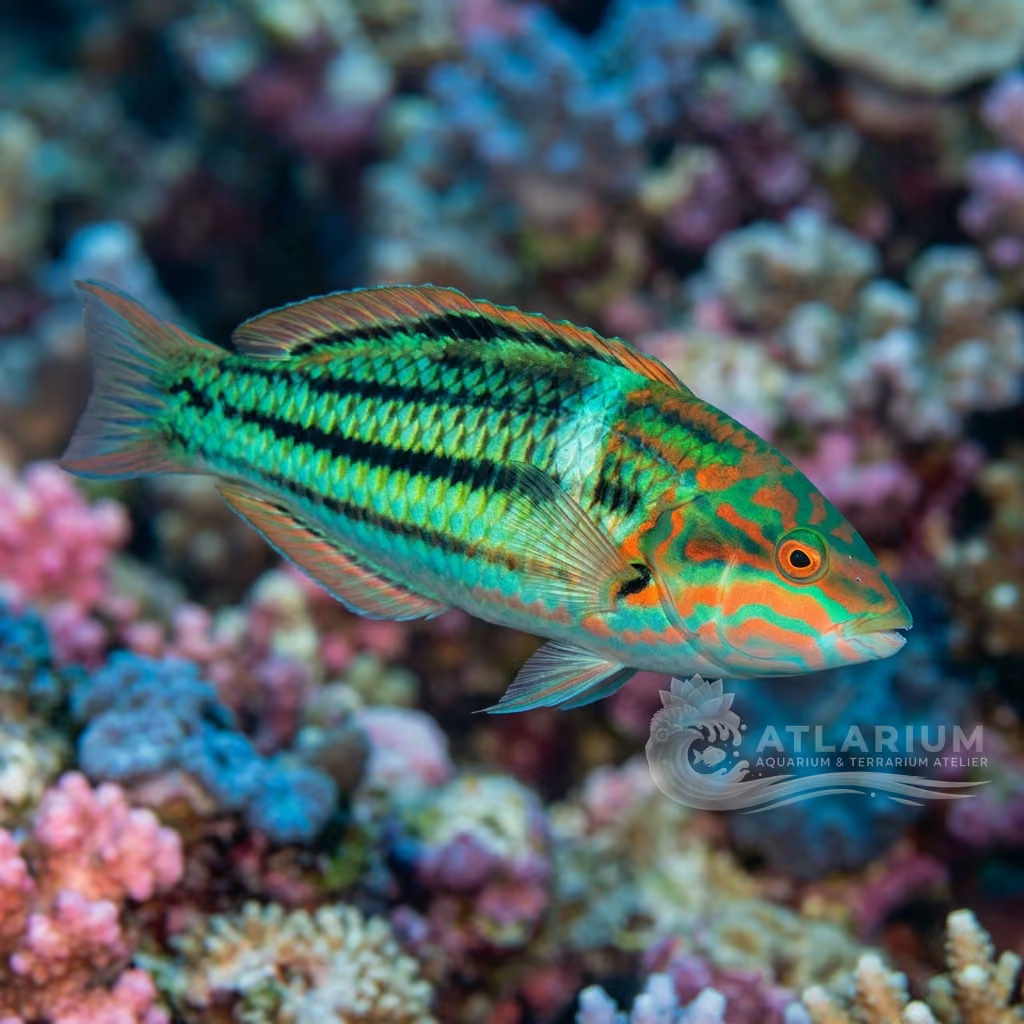
Coloration and Sexual Dimorphism: The color pattern is highly intricate. Juveniles have longitudinal green and yellow stripes with dark ocelli on the fins. Terminal phase adults (males) display a spectacular maze of green, electric blue, and pink or orange horizontal lines across the body and head, with a distinct dark spot behind the eye. Males are larger and significantly more colorful than females.

Pflege, Zucht und Mitbewohner
Aquarium Setup: Requires an established marine aquarium of at least 300 liters to accommodate its active swimming habits. The most critical component of the tank setup is a deep sand bed of at least 8-10 centimeters, using fine, non-abrasive substrate. Avoid coarse gravel or sharp sand, which can damage the fish's skin when burrowing. Rockwork must be securely anchored to the tank bottom.
Diet and Feeding: A carnivorous species that requires a high-protein diet fed in small amounts two to three times daily. Diet should consist of high-quality frozen foods like mysis shrimp, krill, brine shrimp, and chopped seafood. Over time, it will readily accept high-quality marine flakes and pellets. Keeping it well-fed reduces the likelihood of it preying on desired cleanup crew members.
Water Quality: Demands stable reef parameters: water temperature between 24°C and 27°C, pH between 8.1 and 8.4, specific gravity between 1.023 and 1.025, and alkalinity around 8-11 dKH. Because of its active feeding habits, robust filtration, an efficient protein skimmer, and weekly water changes are necessary to keep nitrates below 10 ppm and maintain high oxygenation.
Compatibility and Cohabitation: Excellent companion for community reef tanks containing moderately active fish such as tangs, damselfish, clownfish, and larger blennies. However, it is not safe with small ornamental shrimp, feather dusters, or small crabs, which are part of its natural diet. It is completely safe with sessile invertebrates, including all types of stony and soft corals.
Aquarium Breeding: Captive breeding is extremely difficult and rarely documented in home aquaria. Halichoeres richmondi is a protogynous hermaphrodite, with dominant females transitioning into males. In the wild, they perform spawning rises into the water column to release pelagic eggs. Culturing the resulting delicate planktonic larvae requires specialized live foods and is highly complex.
Risks and Diseases: While hardy, the absence of a proper sand bed causes severe chronic stress, leading to a compromised immune system and susceptibility to diseases like marine ich (Cryptocaryon). It is also a notorious jumper, especially when first introduced to a new tank, meaning a tight-fitting mesh lid or glass canopy is essential to prevent fatal escapes.

Geografische Herkunft und Verbreitung
Halichoeres richmondi is primarily distributed across the tropical waters of the Western Indo-Pacific, ranging from Indonesia and the Philippines to Micronesia and the northern reefs of Australia. This species favors shallow, sheltered coastal lagoons, rubble-rich reef flats, and transitional zones between coral reefs and open sandy plains, typically at depths of 2 to 20 meters. Access to fine sand is a vital environmental factor in these habitats.
Ursprung
Tropische Ozeane und RiffeSüd- und SüdostasienAustralien, Neuguinea und Ozeanien

Fischprofil
- Temperament
- Semi-aggressive
- This wrasse is generally peaceful, active, and a great addition to the community reef tank. It focuses its attention on hunting rather than interacting aggressively with other fish. It may only show territoriality towards species occupying the same ecological niche.
- Diät
- Carnivore
- It is a specialized benthic predator that feeds on parasitic flatworms and micro-invertebrates. Provide a varied diet of frozen mysis, brine shrimp, and chopped seafood. High-quality marine flakes or pellets can supplement its meaty diet.
- Lebenserwartung
- 8 years
- Erwachsenengröße
- 19 cm
- Geschlechterverhältnis
- Flexible
- All individuals begin life as females and can change into males based on social dynamics. It is best kept as a single specimen or one male with a few females. Multiple males will constantly fight, often to the death.
- Fütterungsfrequenz
- Twice daily
- To sustain its active swimming habits, feed this wrasse two to three times per day. Small, frequent portions mimic its natural foraging behavior on the reef. Regular feeding also minimizes the chance it will aggressively hunt desirable invertebrates.
- Bioload
- Medium to High
- Richmond's Wrasse contributes a moderate bioload to the marine environment. Its energetic lifestyle dictates frequent feedings, resulting in regular waste generation. Excellent filtration and routine water parameters checks are required.
- Fluss
- Moderate
- It prefers a tank with moderate to high water circulation. Strong currents promote its natural swimming behavior and help maintain excellent water quality. Ensure there are sheltered areas in the rockwork for the fish to rest.
- Sprungrisiko
- Yes
- Richmond's Wrasse is highly prone to jumping, especially when chased by tank mates. Even small gaps in the aquarium canopy can lead to a fatal escape. A properly fitted mesh screen or tight glass lid is essential for its safety.
- Reproduktion
- Protogynous hermaphrodite
- Captive reproduction of this species is effectively non-existent in the home aquarium. As pelagic spawners, they require vast amounts of water volume for their mating ascent. The microscopic planktonic larvae are incredibly difficult to rear successfully.
- Kompatibilität & Tankkameraden
- Reef safe with caution
- This species is reef-safe but will eagerly consume small ornamental crustaceans. It mixes well with most peaceful to semi-aggressive fish. It should not be kept with other male wrasses of the same genus to avoid clashes.
- Tankfüllstand
- Middle/Bottom
- It predominantly swims in the lower to middle regions of the aquarium. It constantly navigates the rockwork and sandbed hunting for its next meal. A two to three-inch sand bed is absolutely required for it to bury itself at night.

Wissenschaftliche Modelle & Parameter
FishBase
Zugang zu den offiziellen wissenschaftlichen Daten der Art
FishBase v25.04Daten synchronisiert am: 15.06.2026
- Trophäenniveau
- 3,5 ± 0,5 se
- Belastbarkeit
- Hoch (weniger als 15 Monate)
- Phylogenetische Einzigartigkeit (PD50)
- 0.5
- Bayessche Längen-Gewichts-Beziehung
- a = 0.01, b = 3.09
- AnfälligkeitGeringe Anfälligkeit (10 / 100)

Verwandte Arten
Empfehlungen gruppiert nach nahen Verwandten, Auswahl von Begleitern und ähnlicher Betreuung.