Candystripe Hogfish
Bodianus opercularis
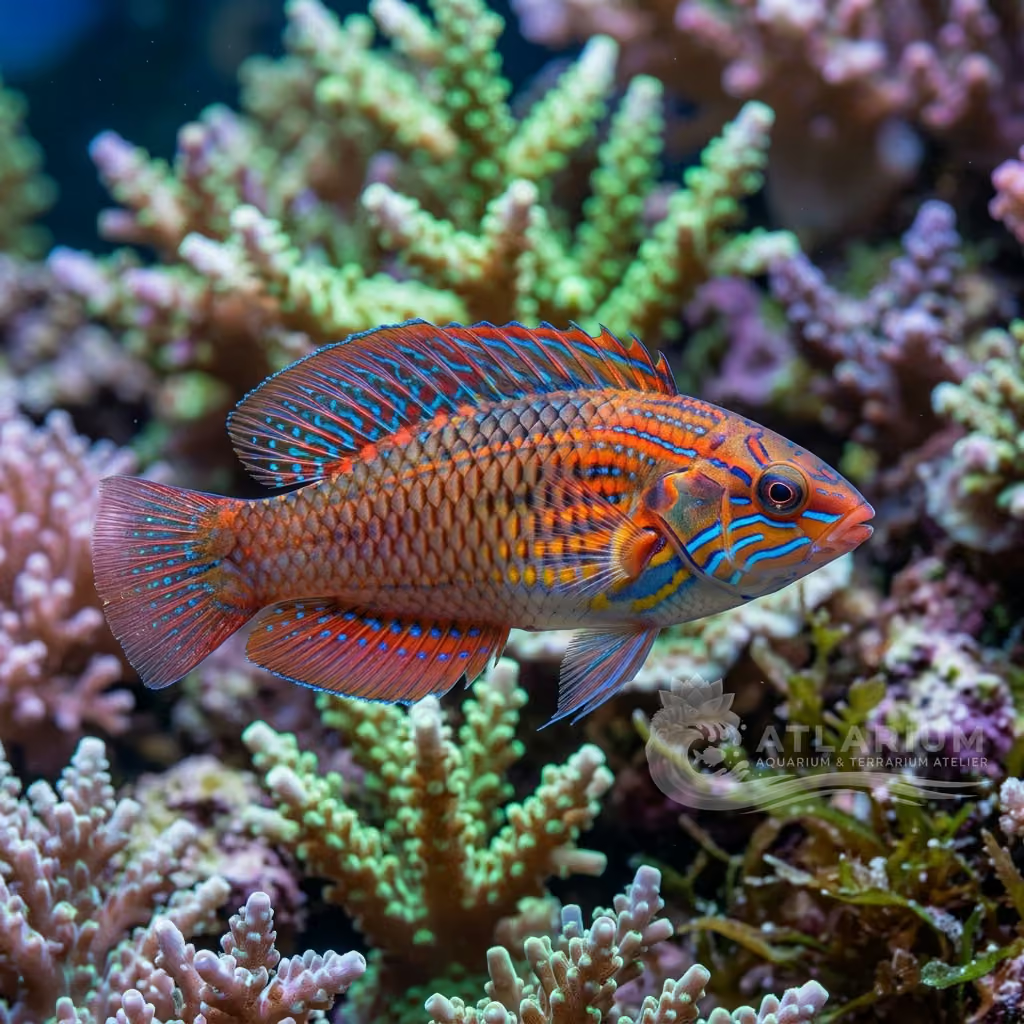
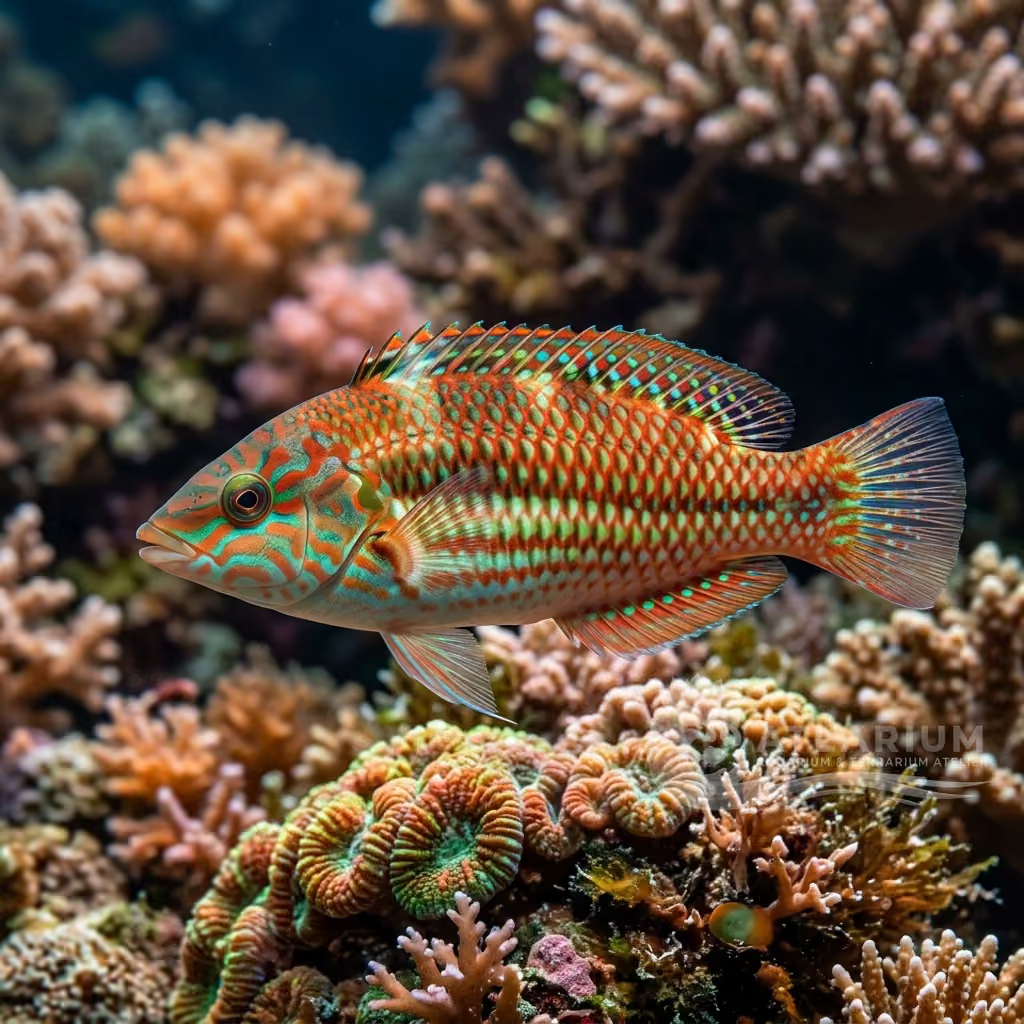
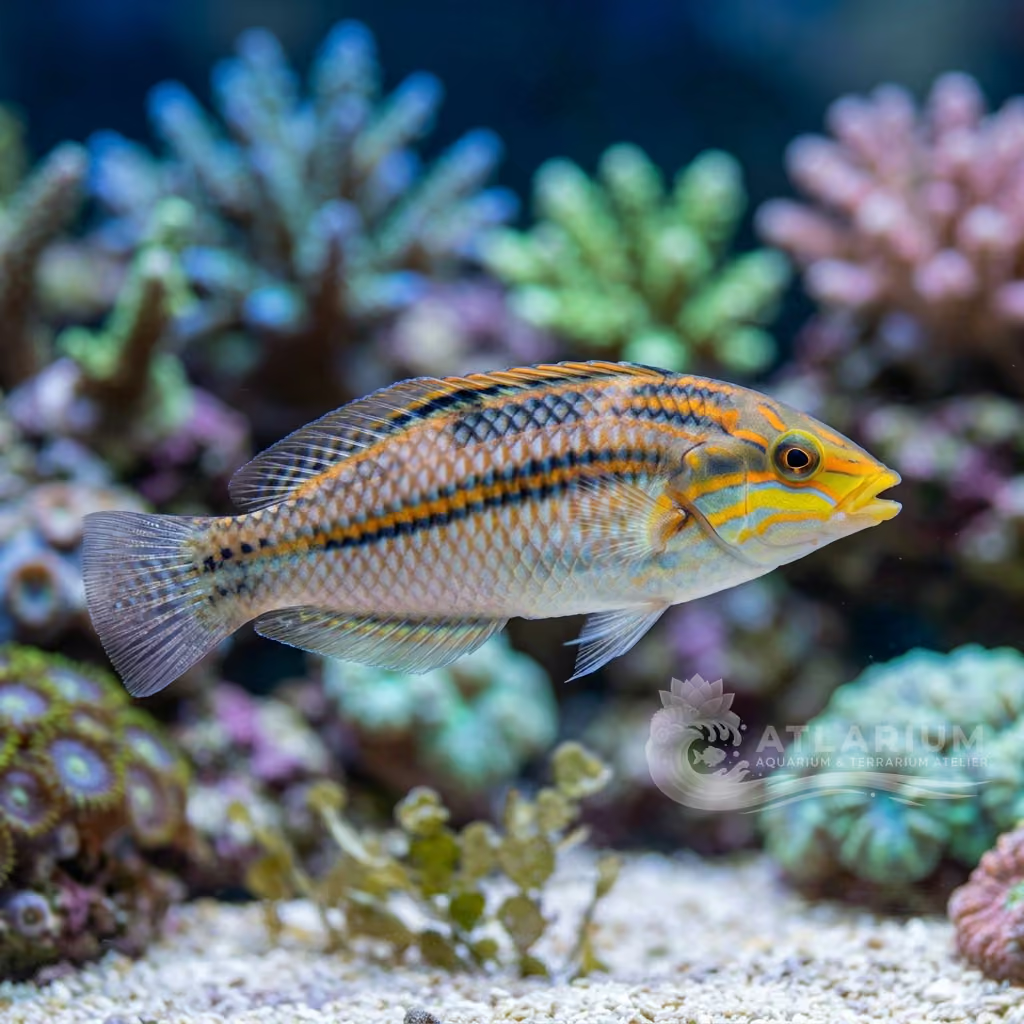
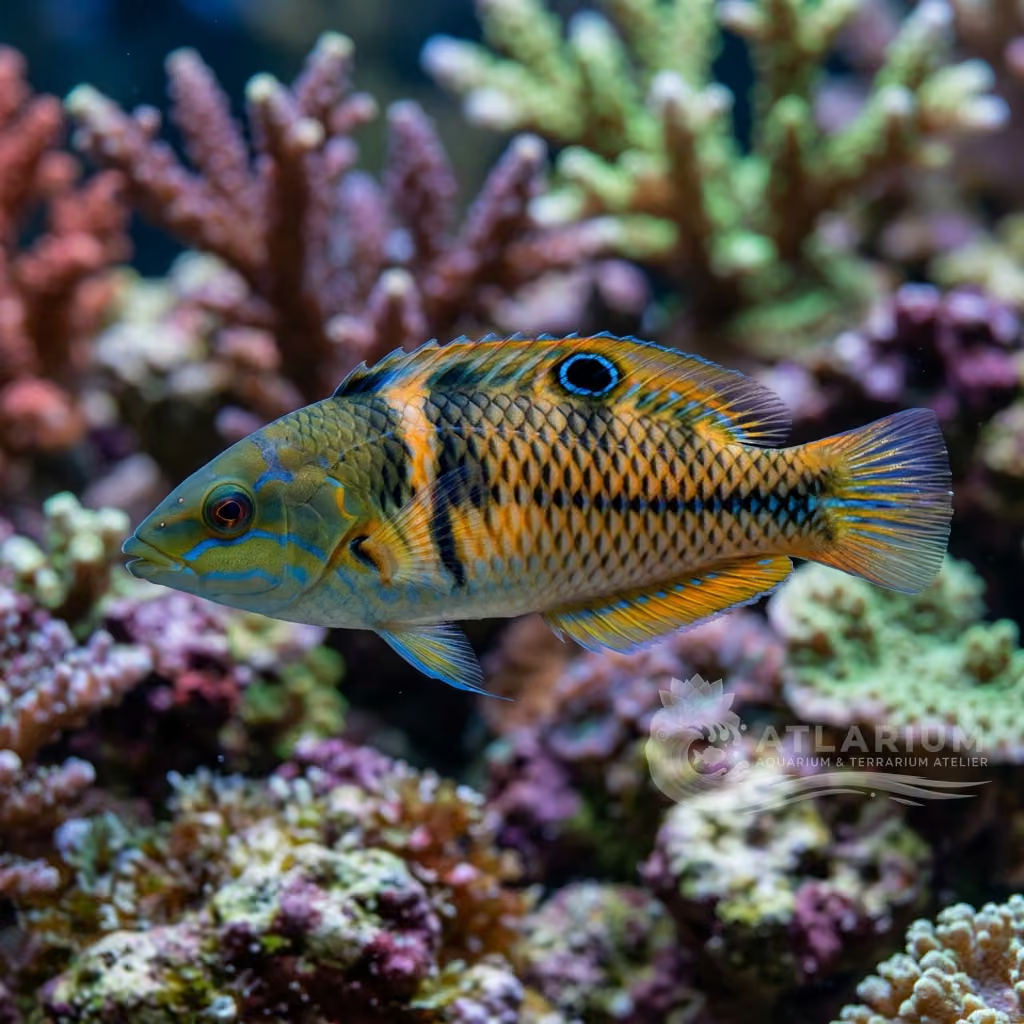
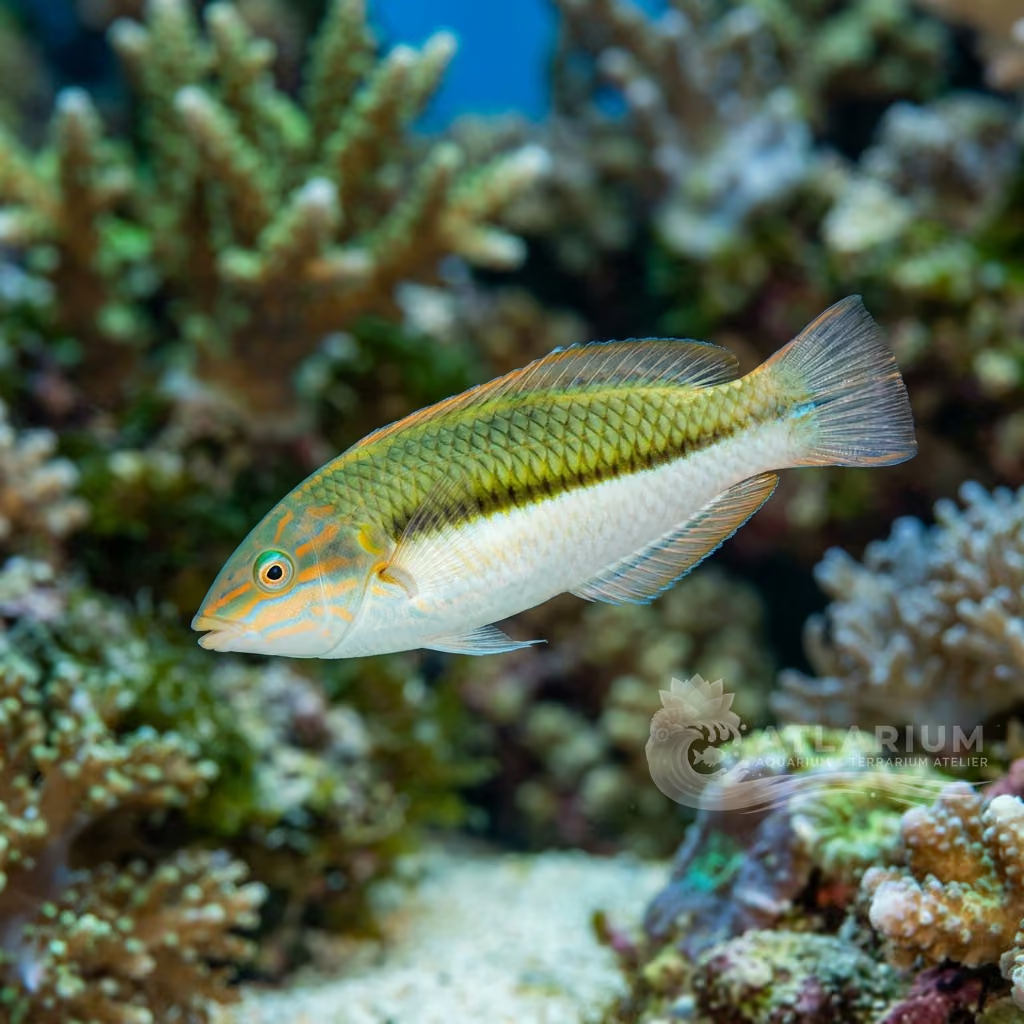
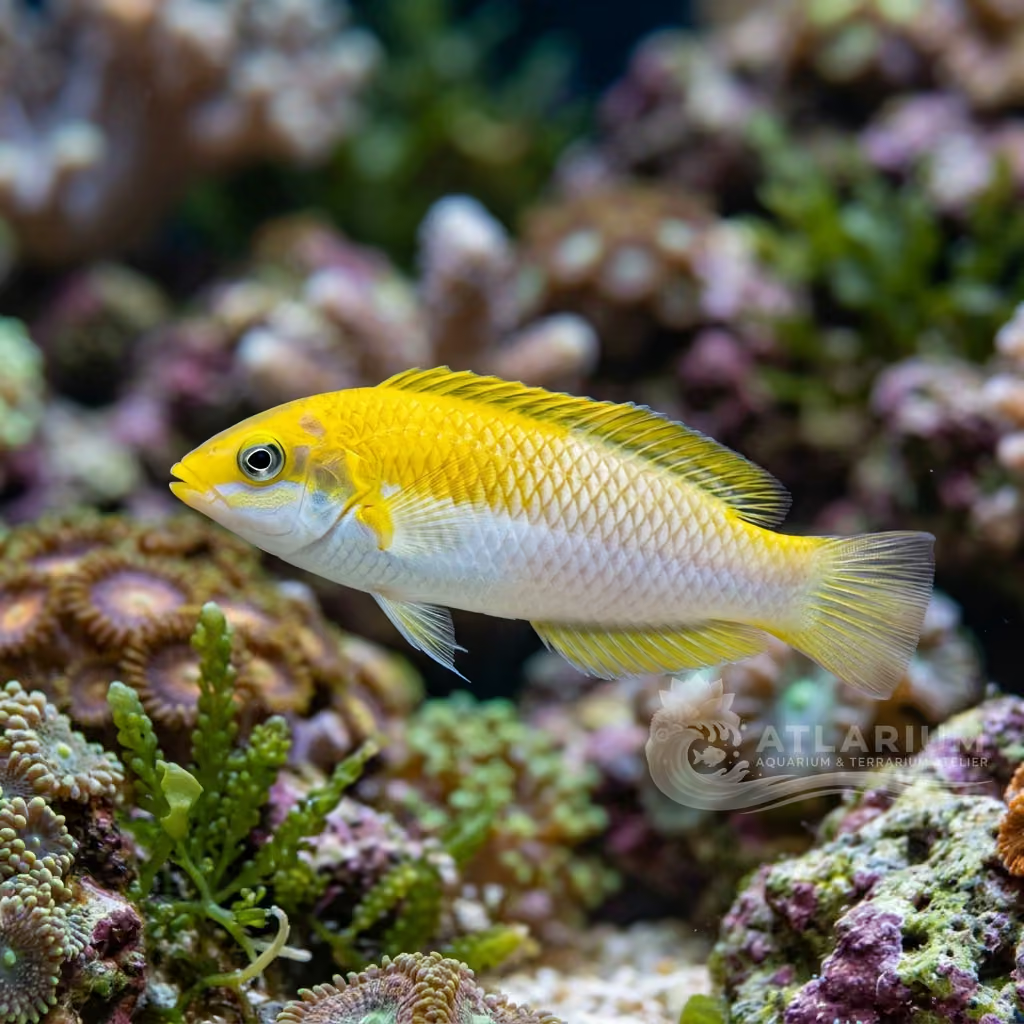
A striking deep-water hogfish showcasing bold red and white horizontal stripes. Solitary and carnivorous, it prefers dimly lit aquariums with extensive caves and a secure lid to prevent leaping.
Wassertemperatur
22 - 26 °C
pH-Wert
8.1 - 8.4
Wassertyp
Meerwasser
Tankfüllstand
Alle Ebenen
Erwachsenengröße
10 cm
Mindesttankvolumen
>= 150 L
Mindestgruppe
>= 1
KH
8 - 12 dKH

Artbeschreibung
Geographical Origin and Habitat:
The Bodianus opercularis is widely distributed in the Western Indo-Pacific, from the Red Sea to Mauritius, Christmas Island, and southern Japan. It is a deep-water reef species, typically found at depths of 35 to 75 meters along steep drop-offs.
Taxonomy and Morphology:
Member of the family Labridae. Features a slender body, a pointed snout, and large eyes adapted for low-light conditions. It grows to a maximum length of about 10 cm, making it suitable for mid-sized tanks.
Social Behavior:
This species has solitary and active habits. It spends most of its time searching for food among rock crevices. It may exhibit territorial aggression toward other hogfish or wrasses with similar colors.
Coloration and Sexual Dimorphism:
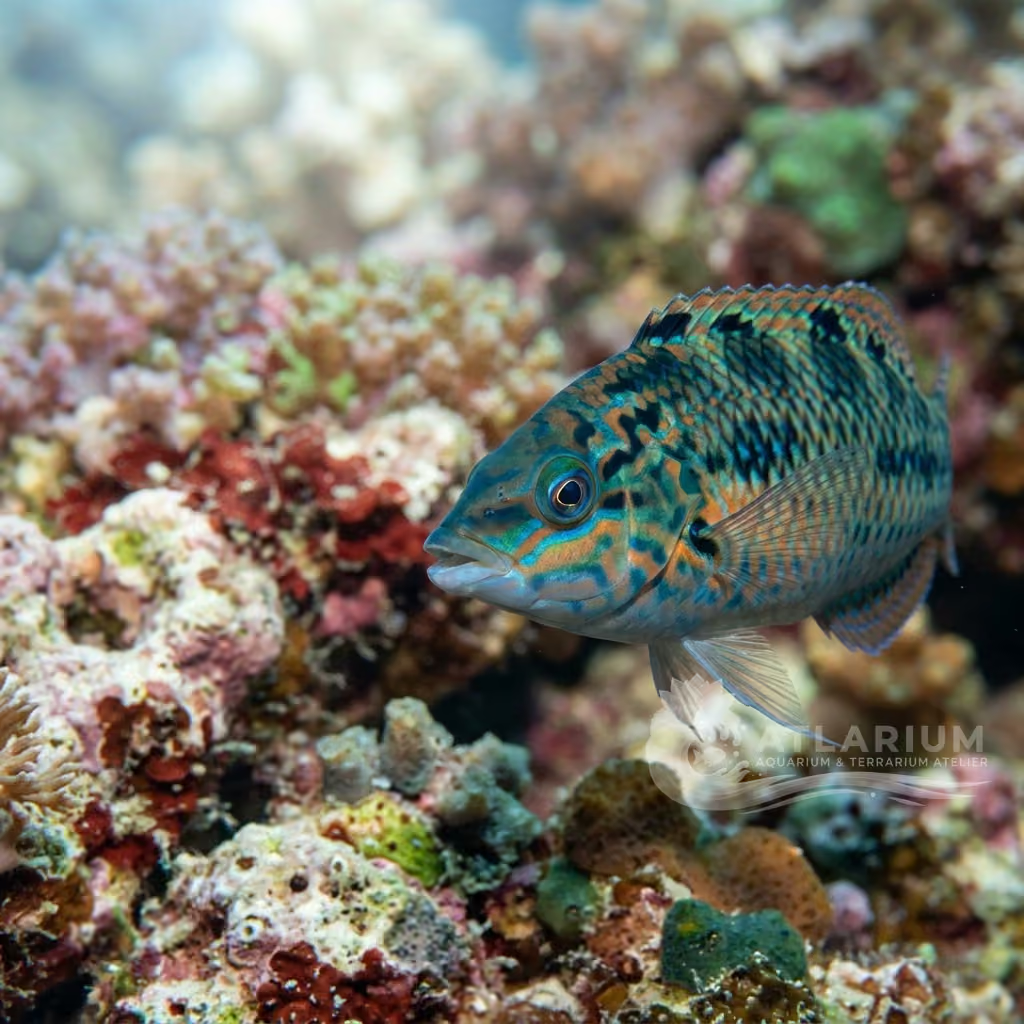
It displays bright red and white horizontal stripes. A prominent black spot is located on the operculum (gill cover), which is a key distinguishing feature. No sexual dimorphism is observed.

Pflege, Zucht und Mitbewohner
Aquarium Setup:
Requires a mature marine aquarium of at least 150 liters. Provide a rockwork setup with numerous caves and shaded areas. A tight-fitting lid is mandatory, as this fish is prone to jumping.
Diet and Feeding:
Strictly carnivore. Feeds on small benthic invertebrates. Provide a diet of high-quality frozen foods like mysis, krill, and artemia. Feed two to three times daily.
Water Quality:
Prefers slightly cooler temperatures, ideally between 22 and 26 °C. Maintain pH at 8.1-8.4 and salinity at SG 1.020-1.025. Good filtration and protein skimming are essential.
Compatibility and Cohabitation:
Reef safe with caution. It is safe with corals but will prey on small ornamental shrimp. Can be kept with larger or semi-aggressive fish like tangs and clownfish.
Aquarium Breeding:
Breeding in captivity is not documented in home aquariums. They are broadcast spawners in nature, releasing pelagic eggs into the water column.
Risks and Diseases:
High jump hazard. It can be sensitive to stress during acclimation. Susceptible to marine ich if water parameters fluctuate. A quarantine period is highly recommended.

Geografische Herkunft und Verbreitung
The Bodianus opercularis is widely distributed in the Western Indo-Pacific, from the Red Sea to Mauritius, Christmas Island, and southern Japan. It is a deep-water reef species, typically found at depths of 35 to 75 meters along steep drop-offs.
Ursprung
Tropische Ozeane und RiffeAfrika und MadagaskarOstasien

Fischprofil
- Temperament
- Aggressive
- Semi-aggressive as they mature. They may bully smaller or newly added fish. Keep with similarly sized robust companions.
- Diät
- Carnivore
- Predatory carnivores requiring meaty foods. Provide chopped squid, mysis shrimp, and krill. They will also accept sinking pellets.
- Lebenserwartung
- 10-12 years
- Erwachsenengröße
- 10 cm
- Geschlechterverhältnis
- Solitary
- Best kept singly in most aquariums. A male and female pair can be kept in very large tanks. Two males will be aggressively territorial.
- Fütterungsfrequenz
- Twice daily
- Two or three daily feedings are sufficient. They have a healthy appetite. Ensure variety to maintain their health.
- Bioload
- Medium
- Hogfish generate a moderate bioload. They are hearty eaters and active swimmers. Maintain good water quality with regular changes.
- Fluss
- Strong
- Moderate water movement is adequate. They do well in standard reef flow patterns. Ensure good surface agitation.
- Sprungrisiko
- Yes
- They can jump if threatened by tank mates. A secure cover is highly recommended. Keep water parameters stable to avoid stress.
- Reproduktion
- Oviparous
- Captive breeding is not commonly achieved. They are pelagic broadcast spawners. Larval stages are pelagic and hard to feed.
- Kompatibilität & Tankkameraden
- With caution
- Generally safe with larger fish. They will eat small crustaceans and shrimp. Not considered completely reef safe.
- Tankfüllstand
- All levels
- They frequent the lower to middle regions. They like to swim around caves and crevices. They sleep in the rockwork at night.

Wissenschaftliche Modelle & Parameter
FishBase
Zugang zu den offiziellen wissenschaftlichen Daten der Art
FishBase v25.04Daten synchronisiert am: 15.06.2026
- Trophäenniveau
- 3,5 ± 0,37 se
- Belastbarkeit
- Hoch (weniger als 15 Monate)
- Phylogenetische Einzigartigkeit (PD50)
- 0.5
- Bayessche Längen-Gewichts-Beziehung
- a = 0.01047, b = 3.08
- AnfälligkeitGeringe Anfälligkeit (10 / 100)

Verwandte Arten
Empfehlungen gruppiert nach nahen Verwandten, Auswahl von Begleitern und ähnlicher Betreuung.