Leopard Wrasse
Macropharyngodon bipartitus
The Fragile Sleeper (5 inches / 13 cm). Stunningly patterned, but possesses a dismal survival rate in home aquariums due to starvation and shipping stress.
Wassertemperatur
24 - 27 °C
pH-Wert
8.1 - 8.4
Wassertyp
Meerwasser
Tankfüllstand
Unten und in der Mitte
Erwachsenengröße
13 cm
Mindesttankvolumen
>= 180 L
Mindestgruppe
>= 1
KH
7 - 15 dKH

Artbeschreibung
Geographical Origin and Habitat: Western Indian Ocean (from the Red Sea to South Africa and the Maldives). Lives in coastal coral reefs rich in crevices and deep coral sand, where the current is moderate.
Taxonomy and Morphology: Leopard Wrasse (Macropharyngodon bipartitus). Wrasse fish (Labridae). Compressed and elongated body; possesses protruding teeth to crush the tiny carapaces of crustaceans.
Social Behavior: Perpetual motion swimmer, constantly patrols live rocks. Peaceful, almost shy. At night (or if frightened) it performs a spectacular headfirst dive, burying itself completely in the sand to sleep.
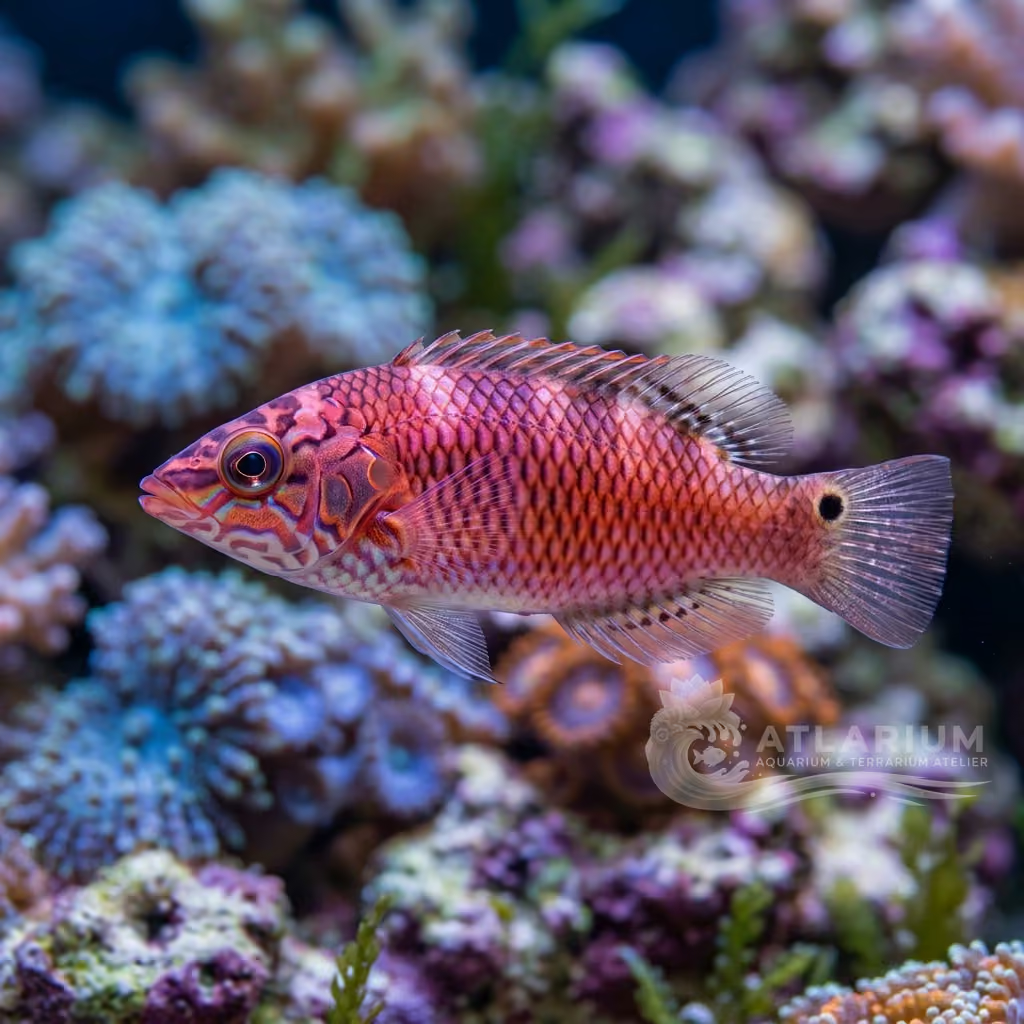
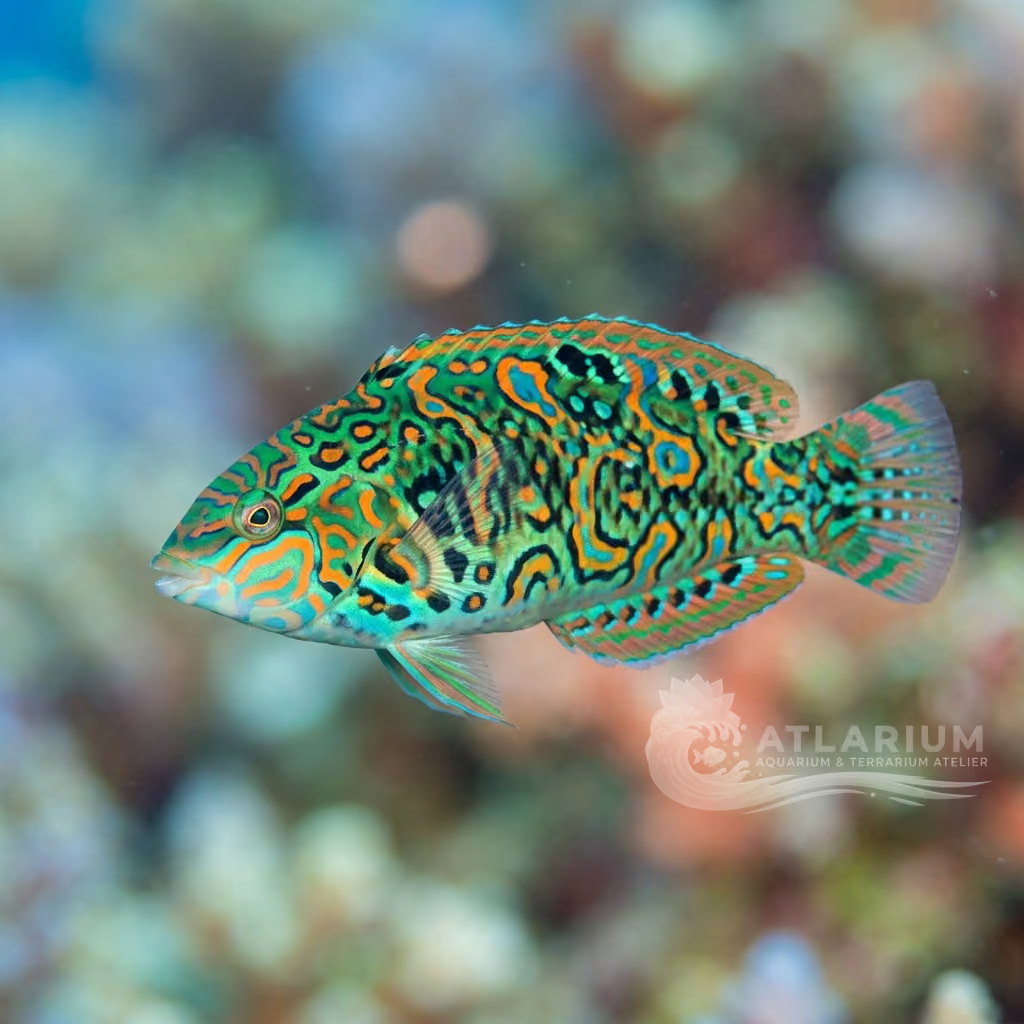
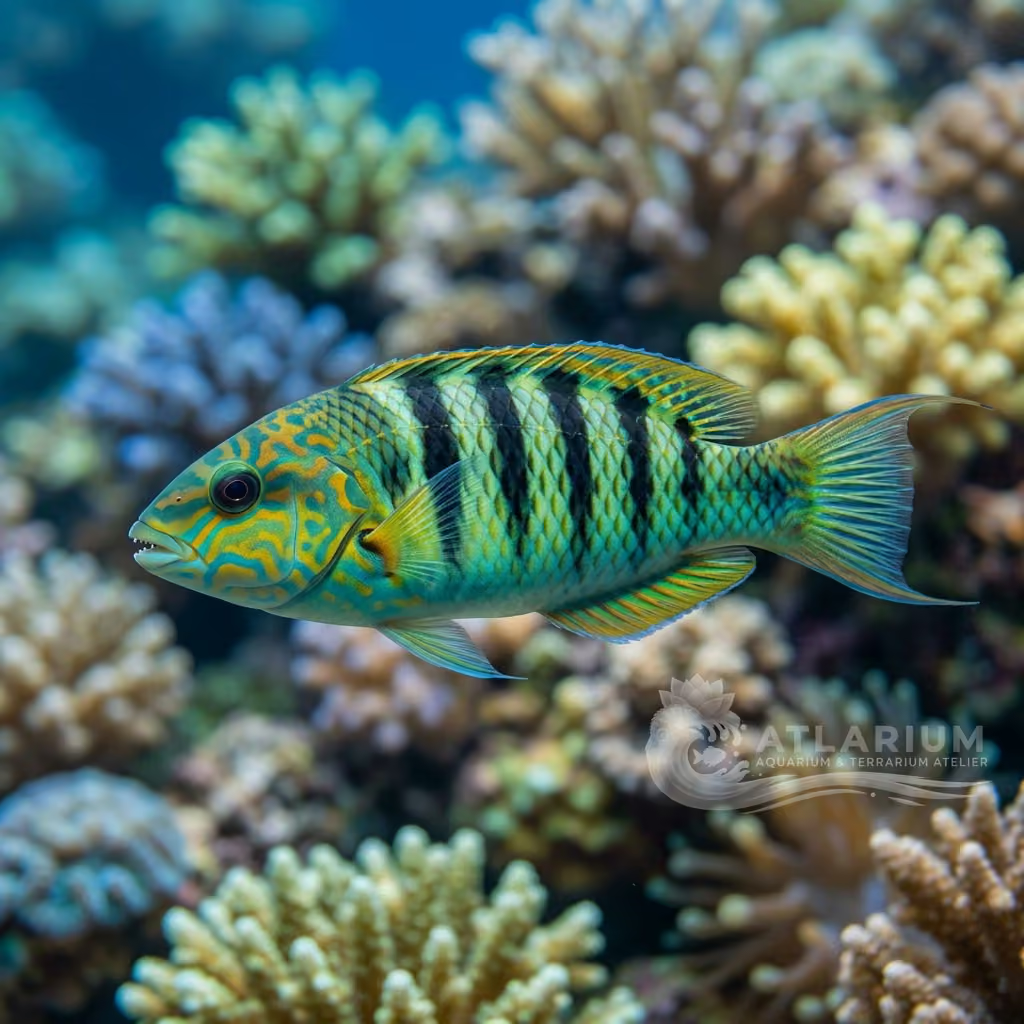
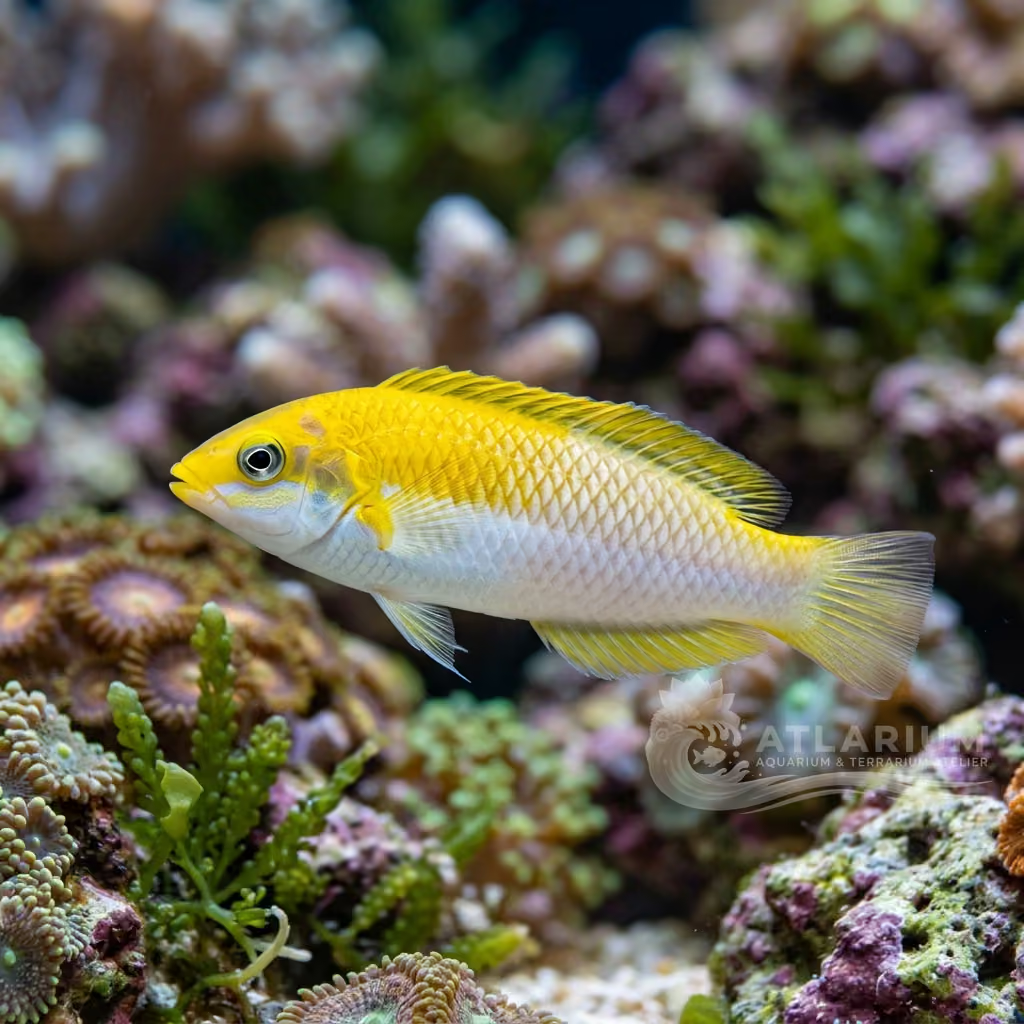
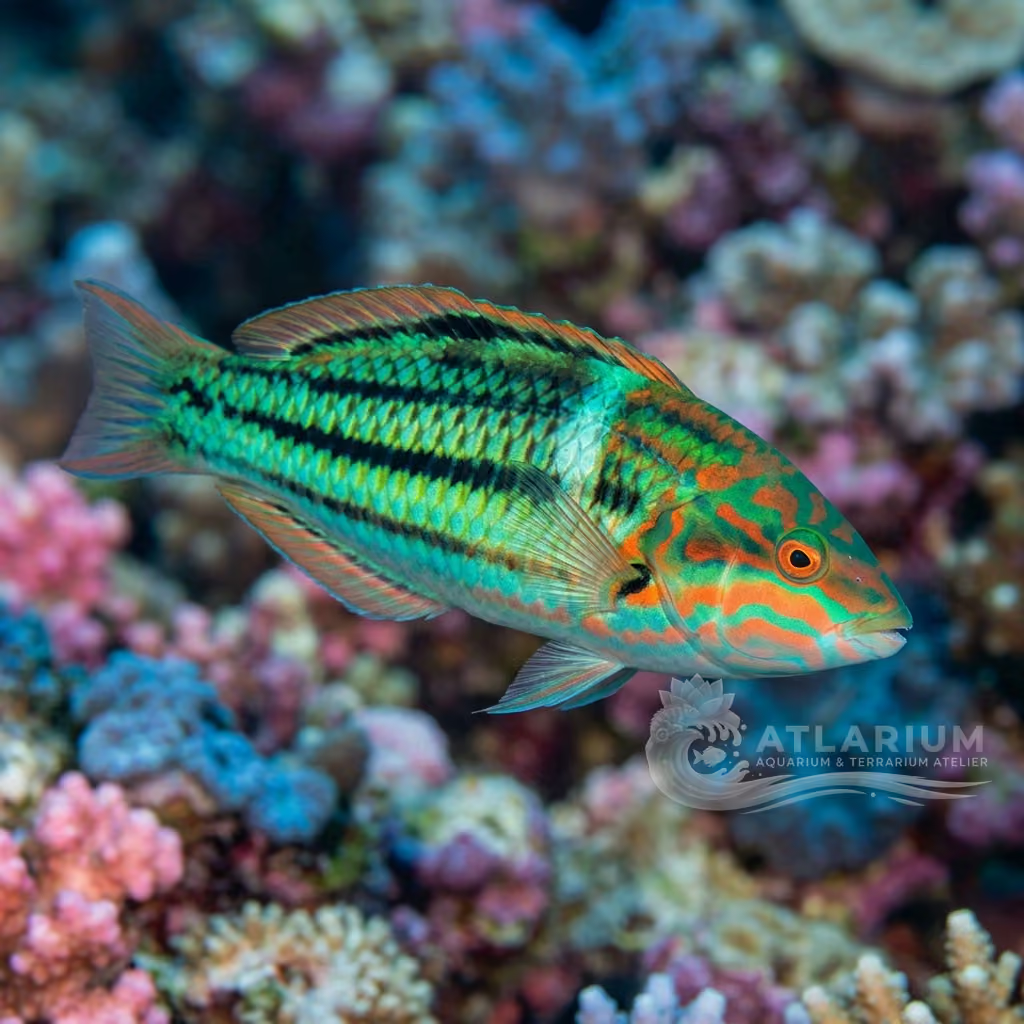
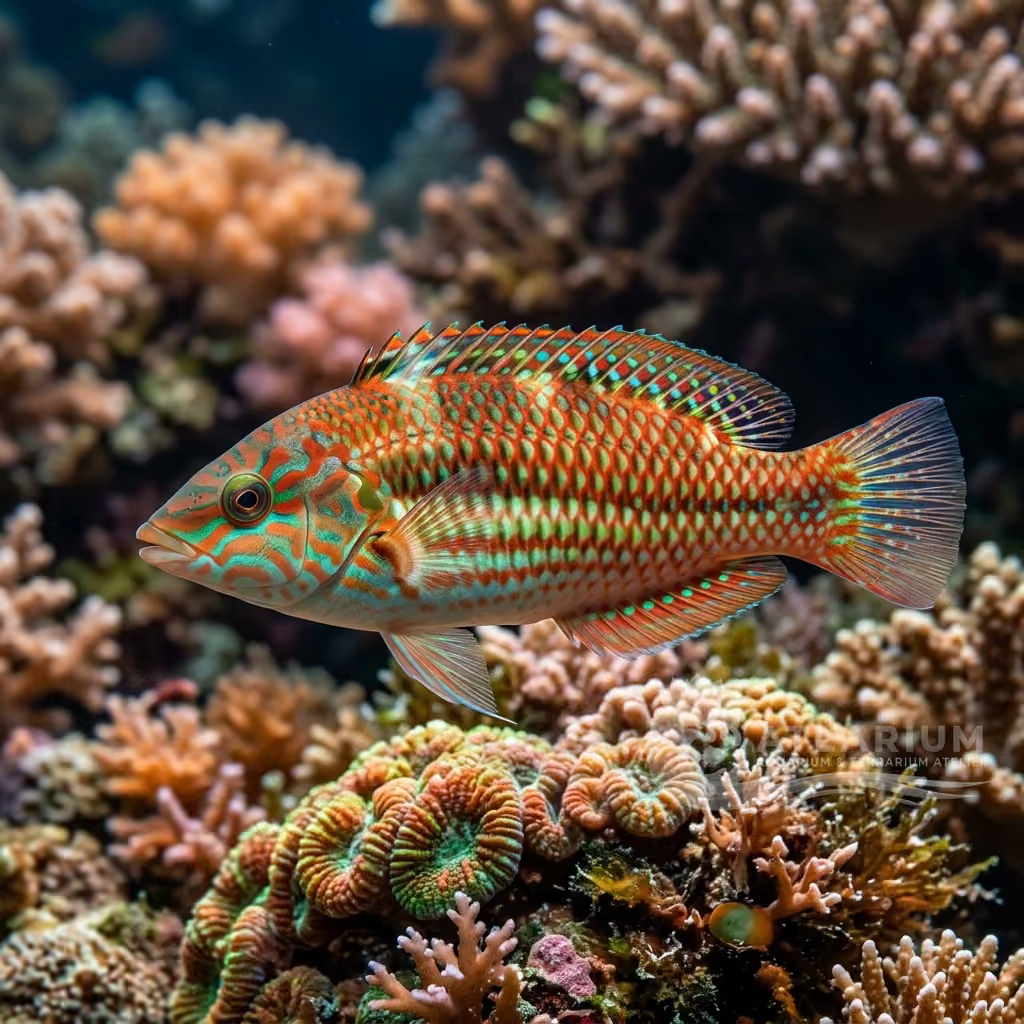
Coloration and Sexual Dimorphism: Protogynous hermaphrodite. Females are orange-red covered with a gorgeous white reticulated/spotted pattern (like a glowing leopard). Dominant males change sex and livery: they become red/green with geometric bands and a black spot on the fin.

Pflege, Zucht und Mitbewohner
Aquarium Setup: Marine Reef (minimum 120 cm / 48 inches / 75G). Absolute Requirement: a bed of sugar-sized coral sand, AT LEAST 6-8 cm (2.5-3 inches) thick in large open areas (without obstacles) to allow its life-saving night dive.
Diet and Feeding: Extreme carnivore (Micro-predator). Huge challenge: in nature it only eats tiny foraminifera, gastropods and copepods torn from live rocks. You need to provide mature tanks packed with copepods and train it (months of work) to eat mysis and frozen lobster eggs.
Water Quality: Excellent oxygenation and crystal clear reef water. Very sensitive to salinity variations. They tolerate copper compounds, typically used to cure ich, very poorly.
Compatibility and Cohabitation: 100% Reef Safe. Totally ignores corals. However, fast and voracious fish (like aggressive damselfish or large tangs) will steal its food in the water column starving it to death. Pair with quiet or slow fish.
Aquarium Breeding: Totally absent. Born all females, in the absence of a male the largest will undergo a sex and livery transition (in a few months) but they will never spawn in closed systems.
Risks and Diseases: Starvation (Fading) or Broken Snout. Risk 1: They starve in 70% of cases within a month if the tank is not boiling with live benthos. Risk 2: If the sand is too shallow or coarse, in an attempt to dive into it at 20 mph they will fatally shatter their jaw.

Geografische Herkunft und Verbreitung
Western Indian Ocean (from the Red Sea to South Africa and the Maldives). Lives in coastal coral reefs rich in crevices and deep coral sand, where the current is moderate.
Ursprung
Tropische Ozeane und RiffeAfrika und MadagaskarSüd- und Südostasien

Fischprofil
- Temperament
- Semi-aggressive
- They are exceptionally peaceful and inquisitive. They spend their days constantly hunting for food. They are delicate and easily stressed by aggression.
- Diät
- Omnivore
- Macropharyngodon bipartitus is a specialized micro-predator. They require a mature tank with live copepods. Supplement with high-quality frozen mysis shrimp.
- Lebenserwartung
- 5-8 years
- Erwachsenengröße
- 13 cm
- Geschlechterverhältnis
- Flexible
- Keep one male with several females. Multiple males will fight to the death. Single females can be kept successfully.
- Fütterungsfrequenz
- Twice daily
- Feed them at least three times daily. Their high metabolism demands constant nourishment. Automated feeders can be very helpful.
- Bioload
- Medium
- Macropharyngodon bipartitus contributes a moderate bioload. Their frequent feeding creates organic waste. A strong protein skimmer is necessary for water quality.
- Fluss
- Moderate
- Macropharyngodon bipartitus needs steady, moderate circulation distributed across the aquarium rather than a narrow, forceful jet. Marine Reef (minimum 120 cm / 48 inches / 75G). Absolute Requirement: a bed of sugar-sized coral sand, AT LEAST 6-8 cm (2. This preserves useful water exchange while retaining calmer shelter for rest and feeding.
- Sprungrisiko
- Yes
- The jump risk is incredibly high. They will readily leap out if frightened. A secure mesh lid is completely non-negotiable.
- Reproduktion
- Oviparous
- Breeding them in captivity is virtually impossible. They are pelagic spawners. Rearing the microscopic fry requires advanced aquaculture facilities.
- Kompatibilität & Tankkameraden
- Reef safe
- They are completely reef-safe and peaceful. Keep them with other docile reef fish. Do not keep them with aggressive species.
- Tankfüllstand
- Middle/Bottom
- Macropharyngodon bipartitus utilizes all levels during the day. They require a deep sand bed for sleeping. They dive into the sand when stressed.

Wissenschaftliche Modelle & Parameter
FishBase
Zugang zu den offiziellen wissenschaftlichen Daten der Art
FishBase v25.04Daten synchronisiert am: 15.06.2026
- Trophäenniveau
- 3,5 ± 0,37 se
- Belastbarkeit
- Hoch (weniger als 15 Monate)
- Phylogenetische Einzigartigkeit (PD50)
- 0.5002
- Bayessche Längen-Gewichts-Beziehung
- a = 0.00977, b = 3.07
- AnfälligkeitGeringe Anfälligkeit (10 / 100)

Verwandte Arten
Empfehlungen gruppiert nach nahen Verwandten, Auswahl von Begleitern und ähnlicher Betreuung.