Clown wrasse
Halichoeres maculipinna
The active Clown Wrasse undergoes dramatic color shifts as it matures, bringing dynamic beauty to any reef. It requires a deep sand bed to hide and provides natural pest control.
Wassertemperatur
22 - 27 °C
pH-Wert
8.1 - 8.4
Wassertyp
Meerwasser
Tankfüllstand
Unten
Erwachsenengröße
12 cm
Mindesttankvolumen
>= 150 L
Mindestgruppe
>= 1

Artbeschreibung
Geographical Origin and Habitat: Halichoeres maculipinna, commonly known as the clown wrasse, is widely distributed in the Western Atlantic Ocean, ranging from North Carolina down to southern Brazil, including the Gulf of Mexico and the Caribbean Sea. It typically inhabits shallow coral reefs, rocky areas, and seagrass beds at depths between 1 and 30 meters, actively hunting for food near the substrate.
Taxonomy and Morphology: A member of the family Labridae, this wrasse possesses a typical slender, elongated body shape adapted for fast and agile swimming among reef structures. It can grow to a maximum length of about 12 to 15 centimeters (approximately 5 to 6 inches). The mouth features small canine teeth designed to pluck prey from rocks and sand.
Social Behavior: The clown wrasse is an energetic, diurnal fish that spends its day constantly searching for food. It can be territorial and aggressive towards conspecifics or other closely related wrasses of similar shape and color, but is generally peaceful towards unrelated species. It exhibits a unique behavior of burrowing into the sand when threatened or at night.
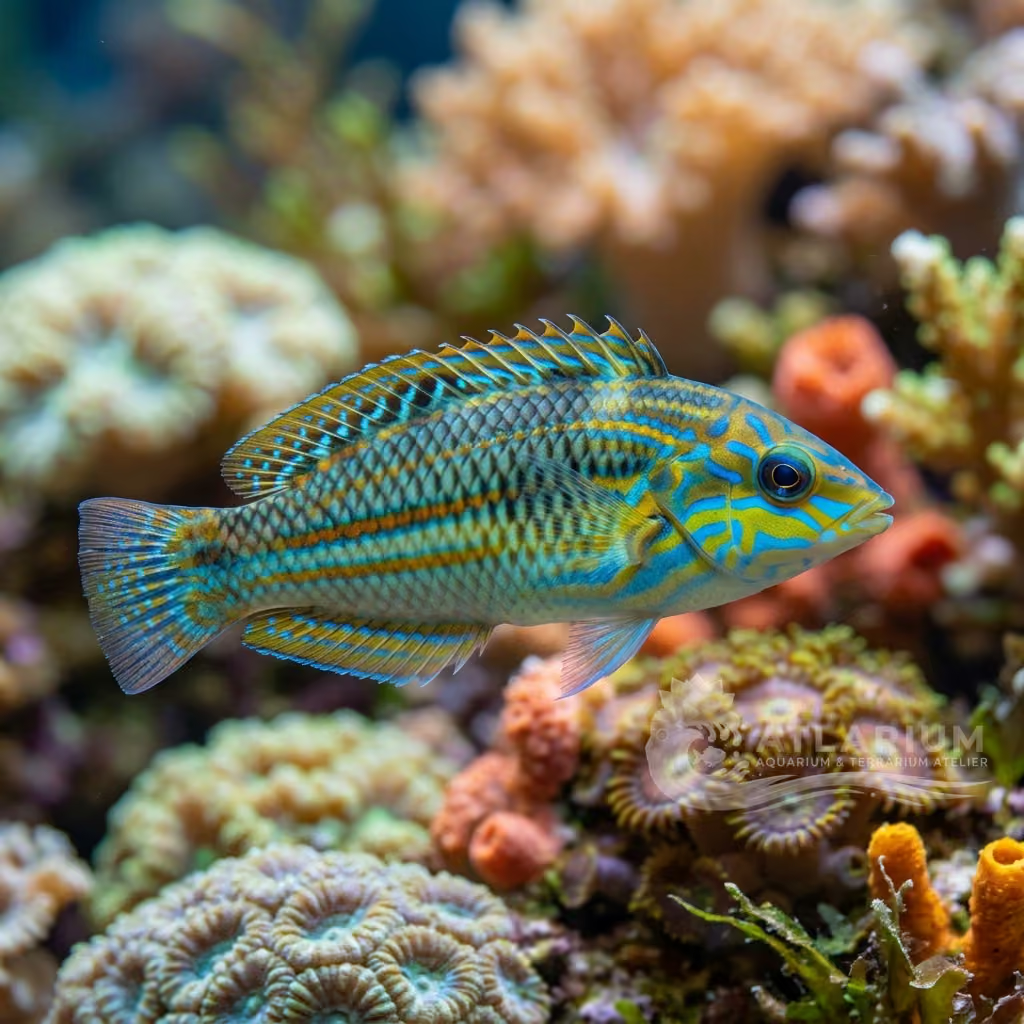
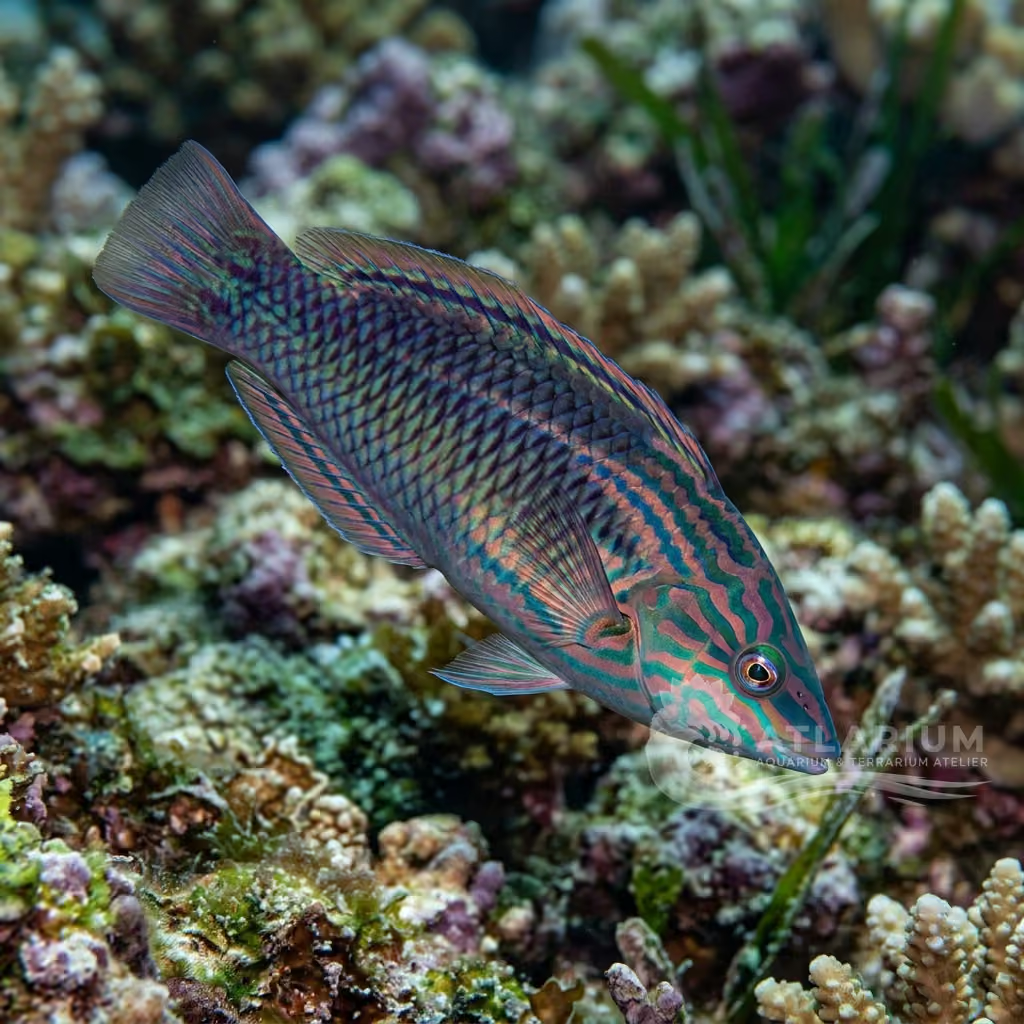
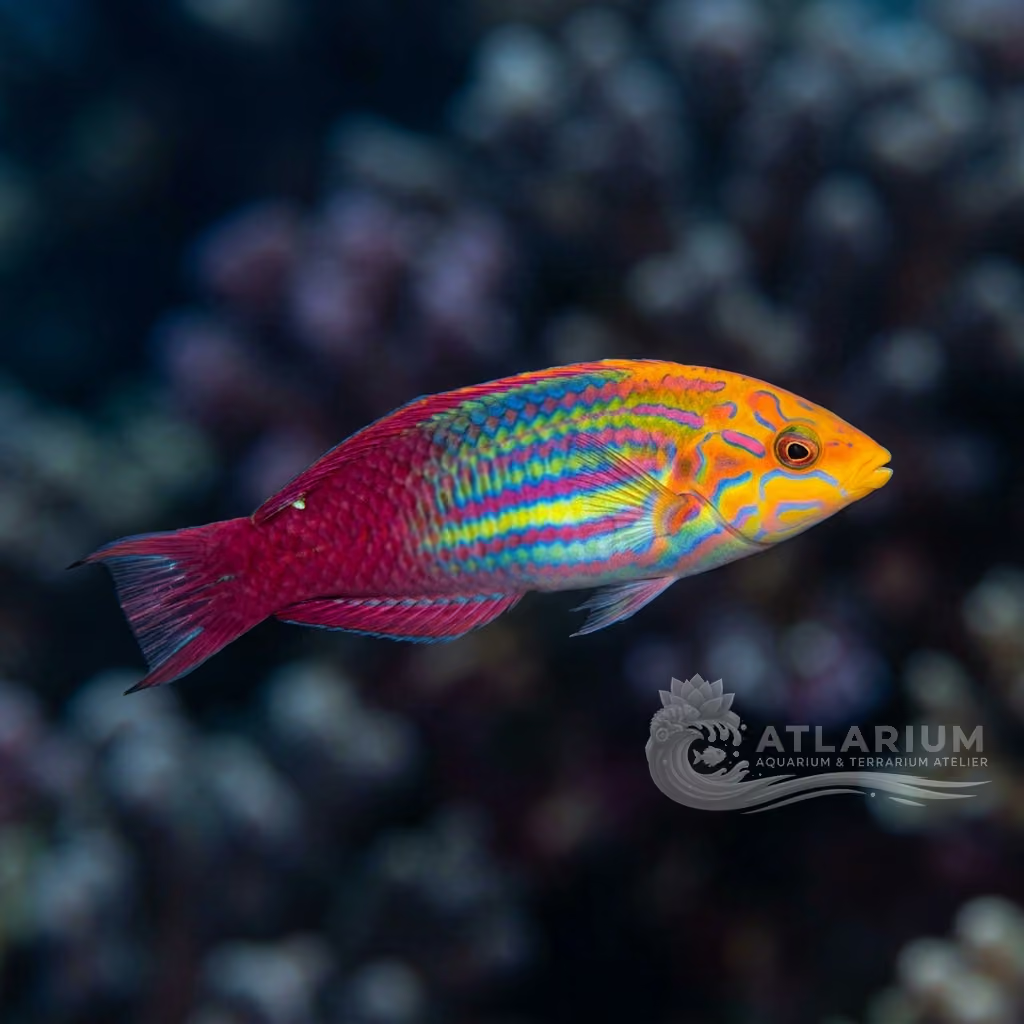
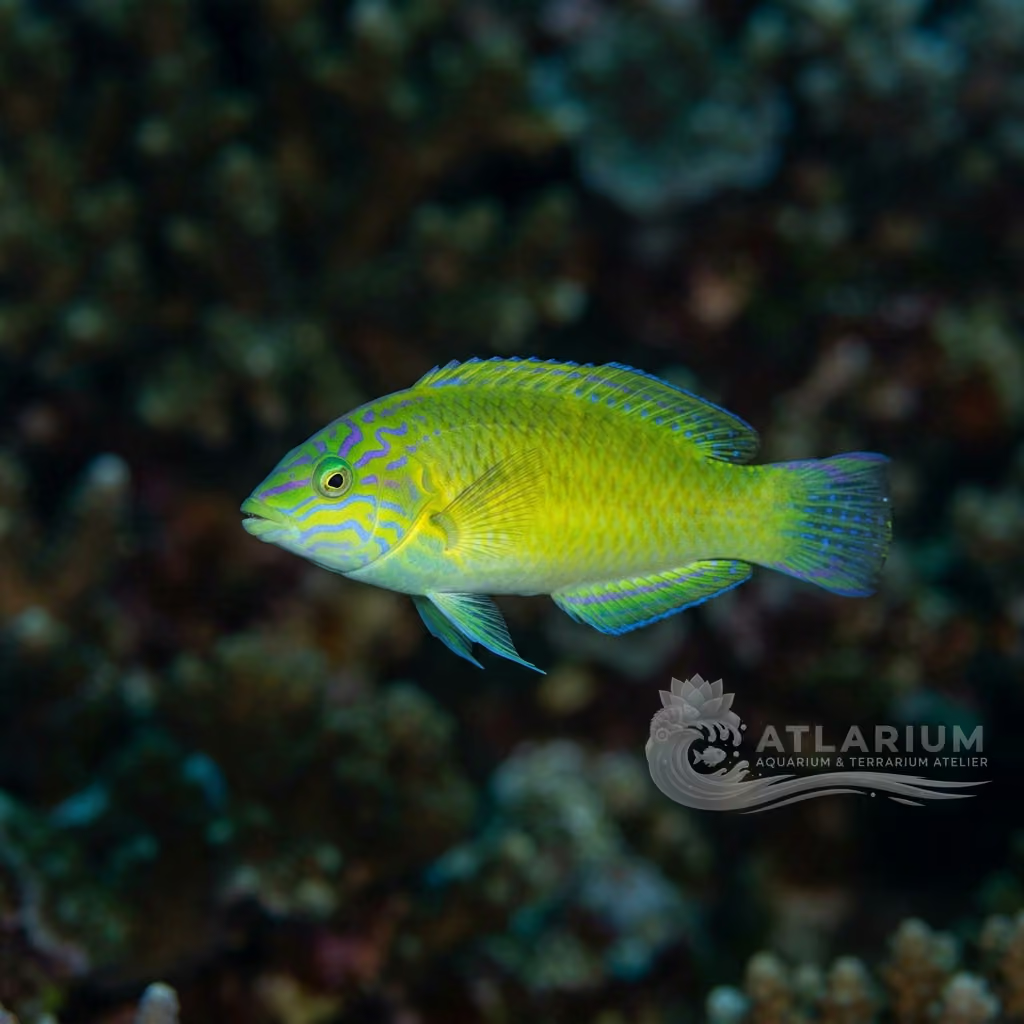
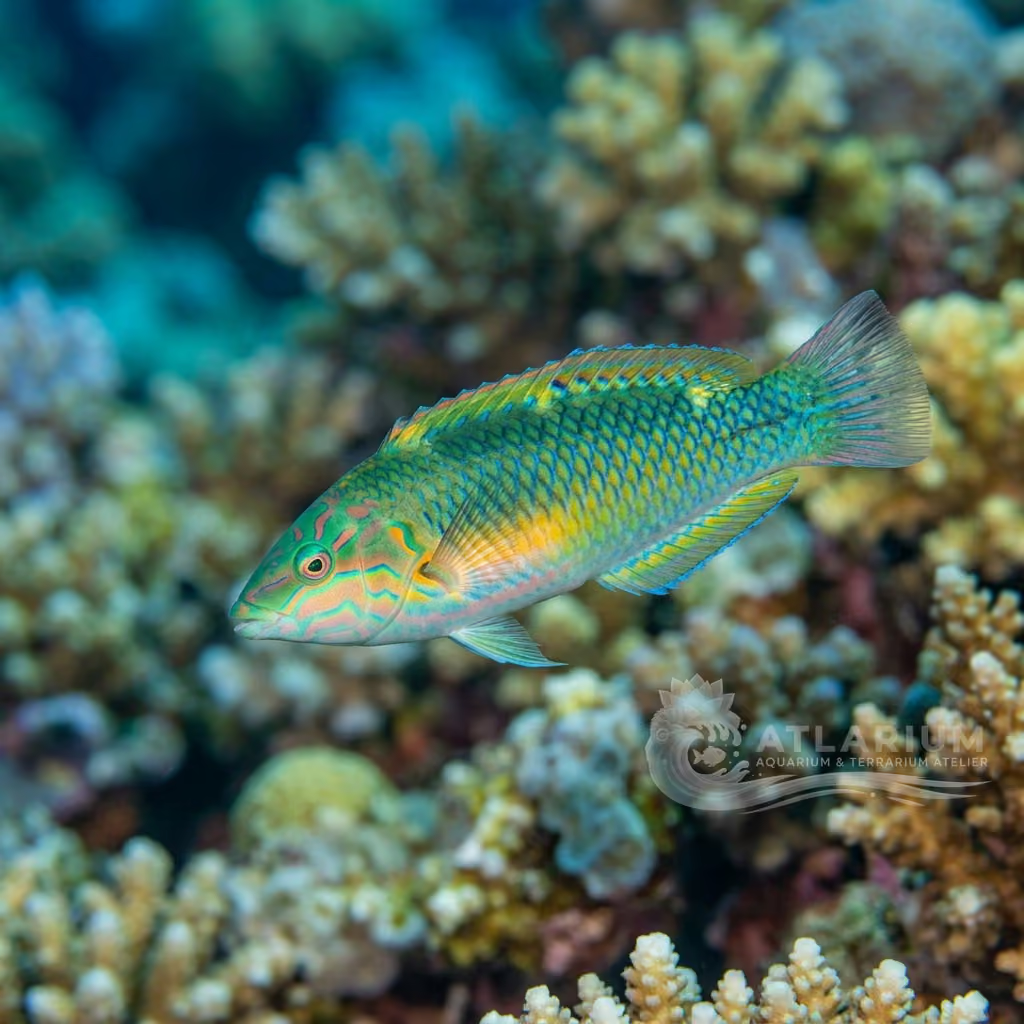
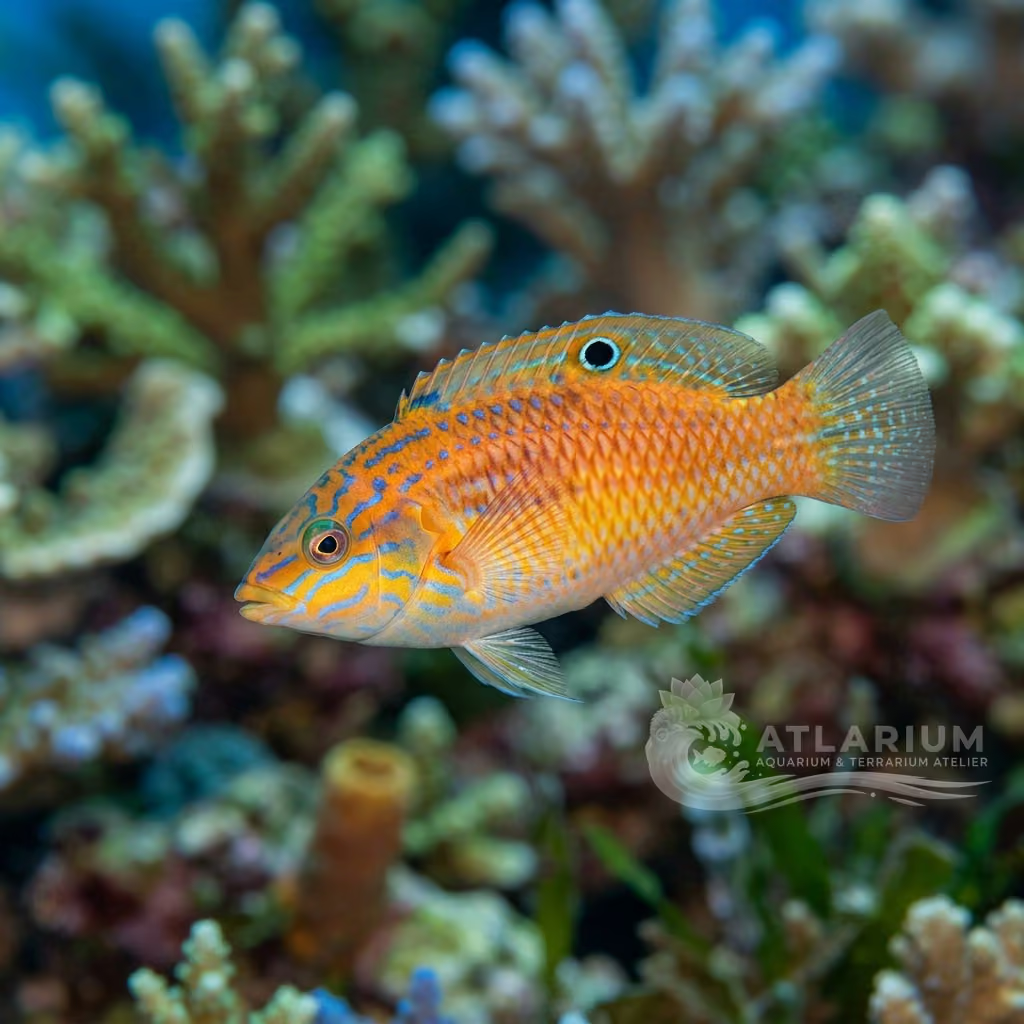
Coloration and Sexual Dimorphism: This species undergoes dramatic color changes as it matures. Juveniles and females (initial phase) display a yellowish-green body with a distinct dark longitudinal stripe and a black spot on the dorsal fin. Terminal phase males are highly colorful, featuring complex patterns of pink, green, and yellow on the body, with red facial stripes and a dark spot on the side.

Pflege, Zucht und Mitbewohner
Aquarium Setup: A minimum tank size of 50 gallons (200 liters) is required to accommodate its active swimming habits. Most importantly, the aquarium must have a deep bed of fine, soft sand (at least 2 to 3 inches or 5 to 8 cm) for burrowing. Do not use coarse gravel. A secure lid is mandatory, as this fish is prone to jumping.
Diet and Feeding: In the wild, it feeds on small benthic invertebrates. In the aquarium, it should be offered a varied carnivorous diet consisting of frozen mysis shrimp, brine shrimp, chopped krill, and high-quality pellets or flakes. They are beneficial for reef aquariums as they prey on pests like flatworms and pyramidellid snails.
Water Quality: Maintain stable marine conditions: temperature 22 to 26 °C (72 to 79 °F), pH 8.1 to 8.4, and specific gravity 1.020 to 1.025. Excellent water movement and filtration, along with a reliable protein skimmer, are highly recommended to keep oxygen levels elevated.
Compatibility and Cohabitation: Suitable for reef tanks with caution. While they do not harm corals, adults may consume small ornamental invertebrates like tiny shrimp, feather dusters, and small crabs. Keep only one male per tank and avoid housing with highly aggressive fish that might prevent them from feeding.
Aquarium Breeding: The clown wrasse is a protogynous hermaphrodite. Breeding in captive home environments has not been successfully achieved, primarily due to their pelagic spawning nature which makes collecting and rearing the floating eggs and larvae extremely difficult.
Risks and Diseases: The primary risk is physical injury or death from jumping out of an uncovered tank. If the substrate is too coarse, they can injure their mouth or skin while attempting to burrow, leading to secondary bacterial infections. They can contract standard marine parasites under stress.

Geografische Herkunft und Verbreitung
Halichoeres maculipinna, commonly known as the clown wrasse, is widely distributed in the Western Atlantic Ocean, ranging from North Carolina down to southern Brazil, including the Gulf of Mexico and the Caribbean Sea. It typically inhabits shallow coral reefs, rocky areas, and seagrass beds at depths between 1 and 30 meters, actively hunting for food near the substrate.
Ursprung
Tropische Ozeane und RiffeExtra-Amazonas-SüdamerikaMittelamerika und KaribikNordamerika

Fischprofil
- Temperament
- Semi-aggressive
- They are constantly on the move during daylight hours. While usually peaceful, they are opportunistic predators. Their bold nature makes them a fascinating addition.
- Diät
- Carnivore
- They are carnivores feeding on benthic invertebrates. In the aquarium, offer meaty foods like mysis shrimp. Providing a varied diet maintains their vibrant colors.
- Lebenserwartung
- 5-8 years
- Erwachsenengröße
- 12 cm
- Geschlechterverhältnis
- Solitary
- It is best to keep them singly. Adding multiple males results in severe aggression. A group of females might establish a pecking order.
- Fütterungsfrequenz
- Twice daily
- They are highly active with a fast metabolism. Feeding them two to three times a day is ideal. Small frequent meals help reduce aggression.
- Bioload
- Medium to High
- This species contributes a moderate bioload. They produce moderate waste due to their diet. A good skimmer and regular water changes are required.
- Fluss
- Moderate
- They originate from reef environments with strong water movement. Good water flow helps oxygenate the water. Varying flow patterns mimics their natural habitat well.
- Sprungrisiko
- Yes
- Wrasses are notorious for jumping out of aquariums. A tight-fitting lid or screen mesh is mandatory. Ensure all gaps are properly covered to prevent escape.
- Reproduktion
- Protogynous hermaphrodite
- These fish are broadcast spawners in the water column. Breeding in captivity is extremely rare. Specialized setups with deep tanks and planktonic food are required.
- Kompatibilität & Tankkameraden
- With caution
- They are generally peaceful towards other fish. However, they may become territorial with other wrasses. Use caution as they might eat small ornamental crustaceans.
- Tankfüllstand
- Bottom
- They actively swim in the mid-water regions. They require a deep fine sand bed to sleep. Coarse substrate can damage their bodies and should be avoided.

Wissenschaftliche Modelle & Parameter
FishBase
Zugang zu den offiziellen wissenschaftlichen Daten der Art
FishBase v25.04Daten synchronisiert am: 15.06.2026
- Trophäenniveau
- 3,3 ± 0,2 se
- Belastbarkeit
- Hoch (weniger als 15 Monate)
- Phylogenetische Einzigartigkeit (PD50)
- 0.5
- Bayessche Längen-Gewichts-Beziehung
- a = 0.01047, b = 3.21
- AnfälligkeitGeringe Anfälligkeit (10 / 100)

Verwandte Arten
Empfehlungen gruppiert nach nahen Verwandten, Auswahl von Begleitern und ähnlicher Betreuung.