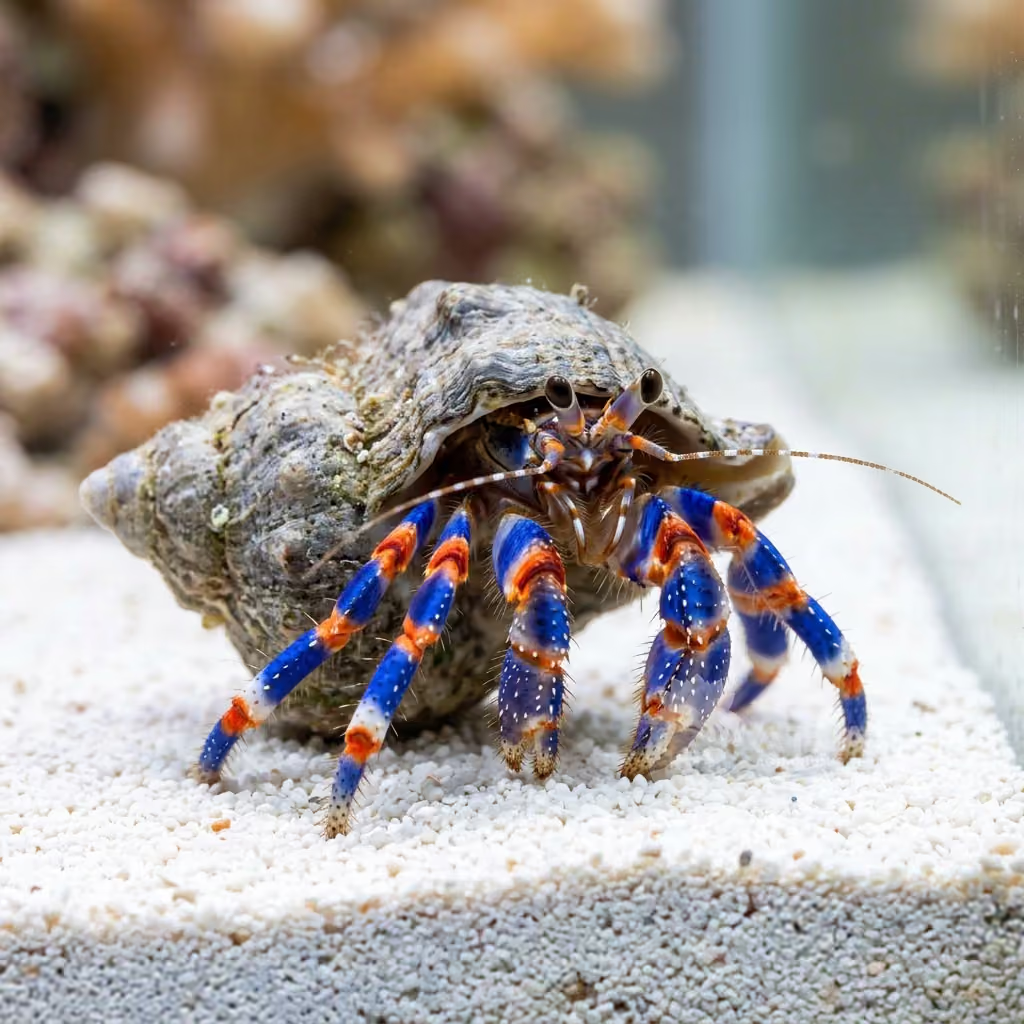
Mexican Hermit Crab
Clibanarius digueti
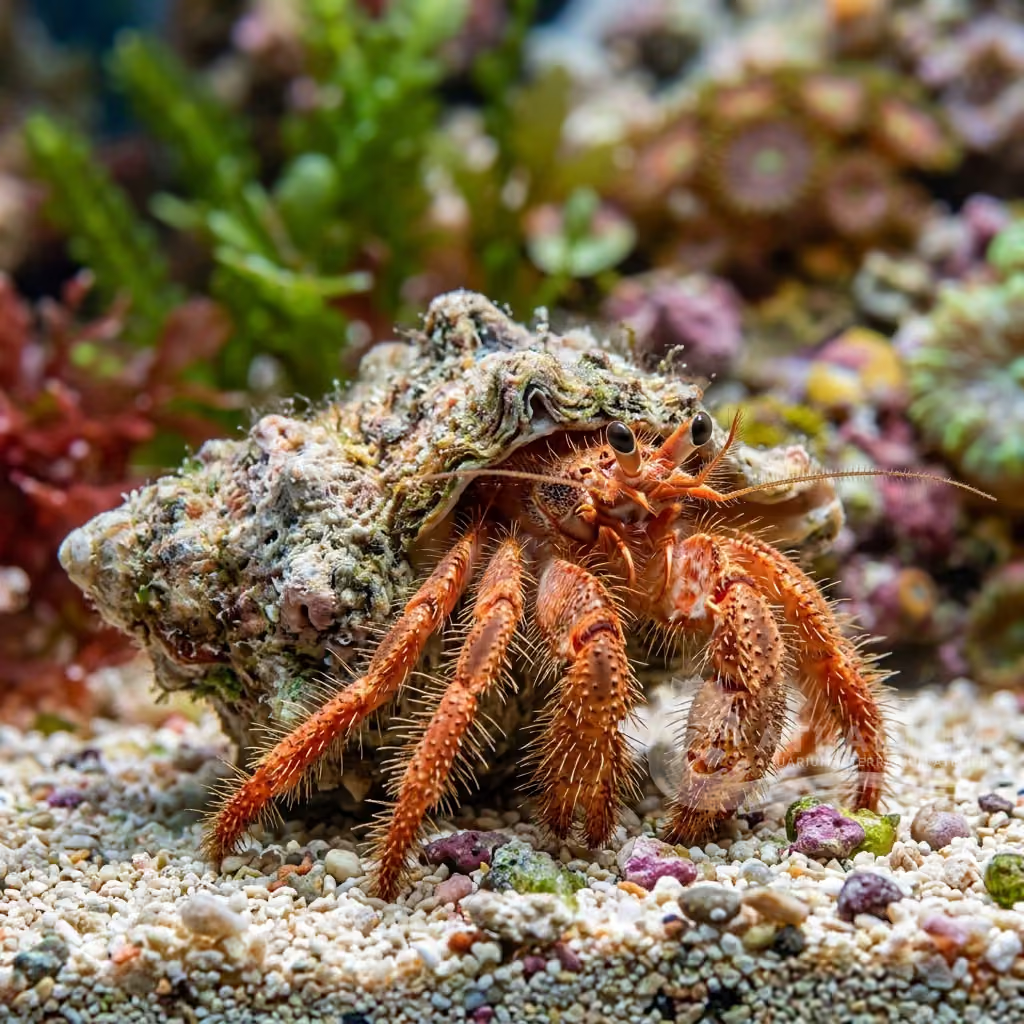
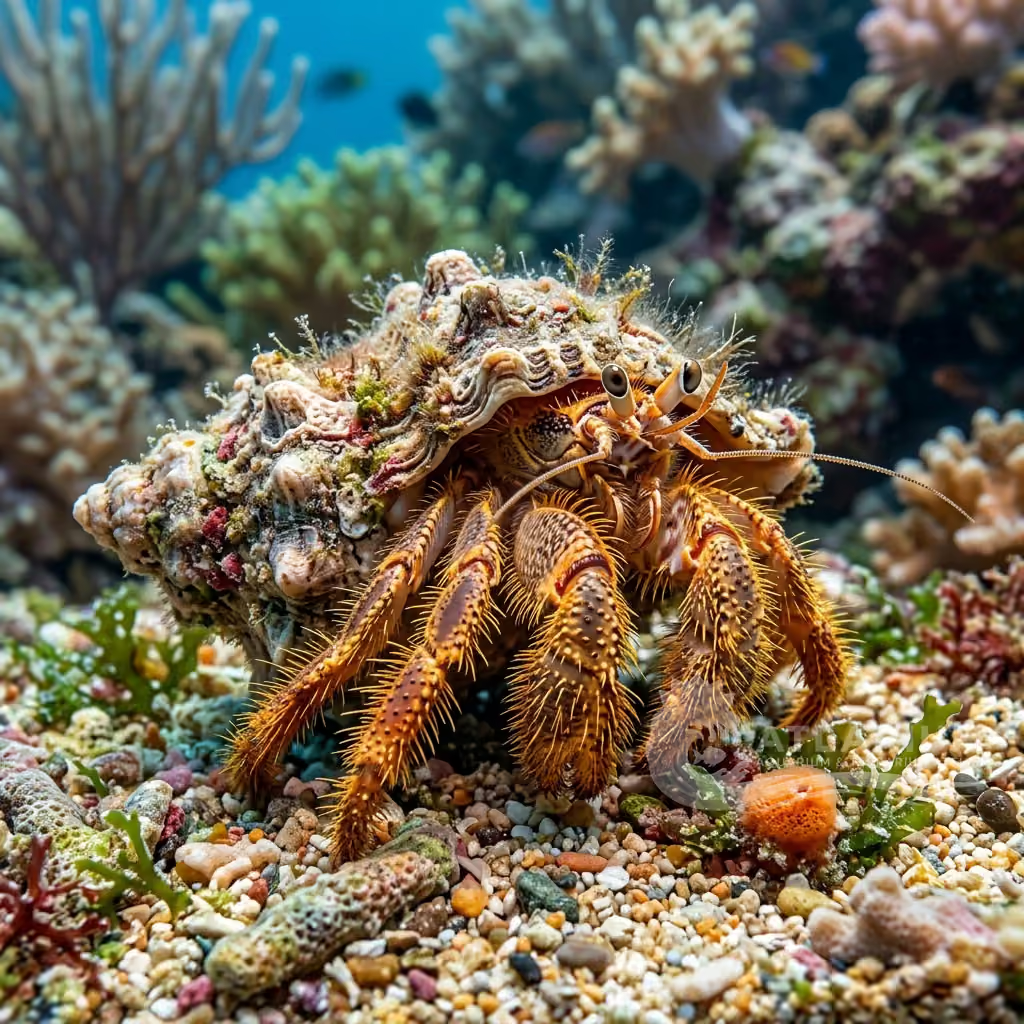
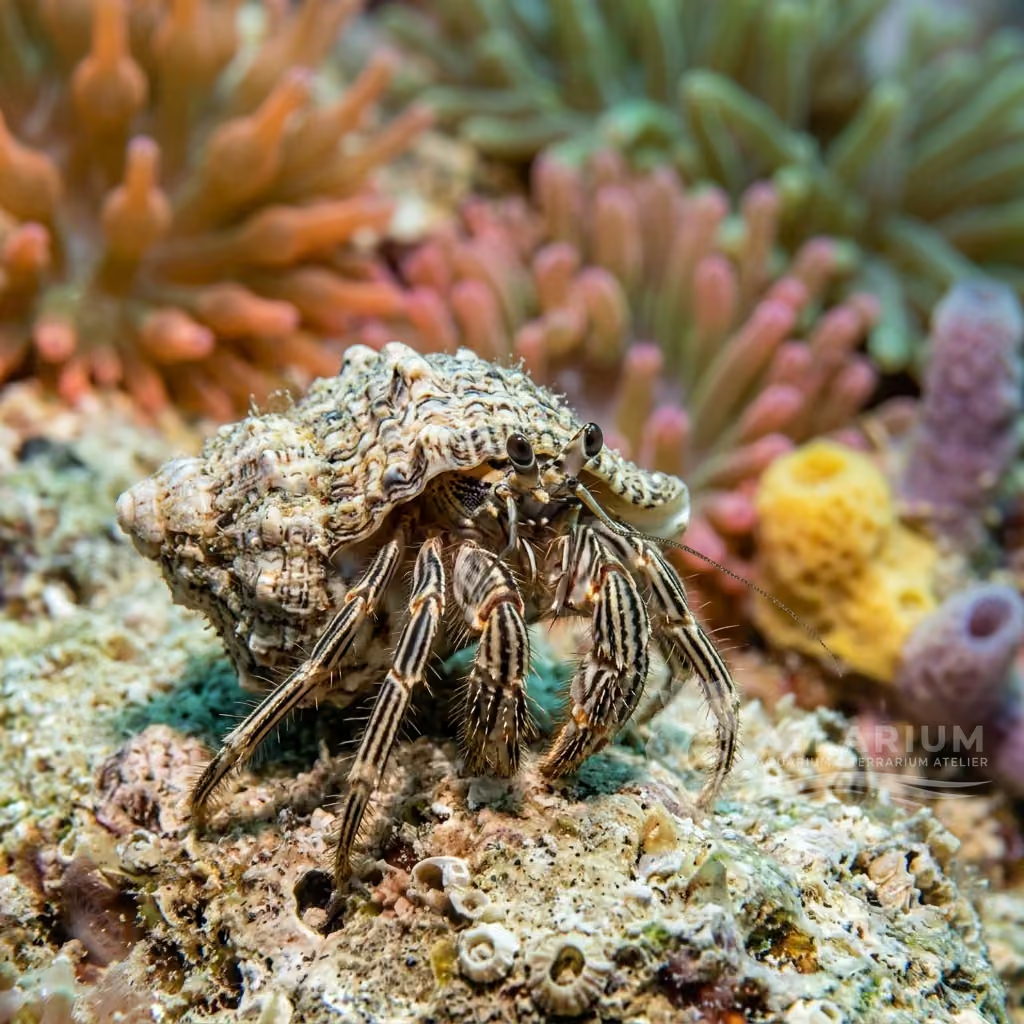
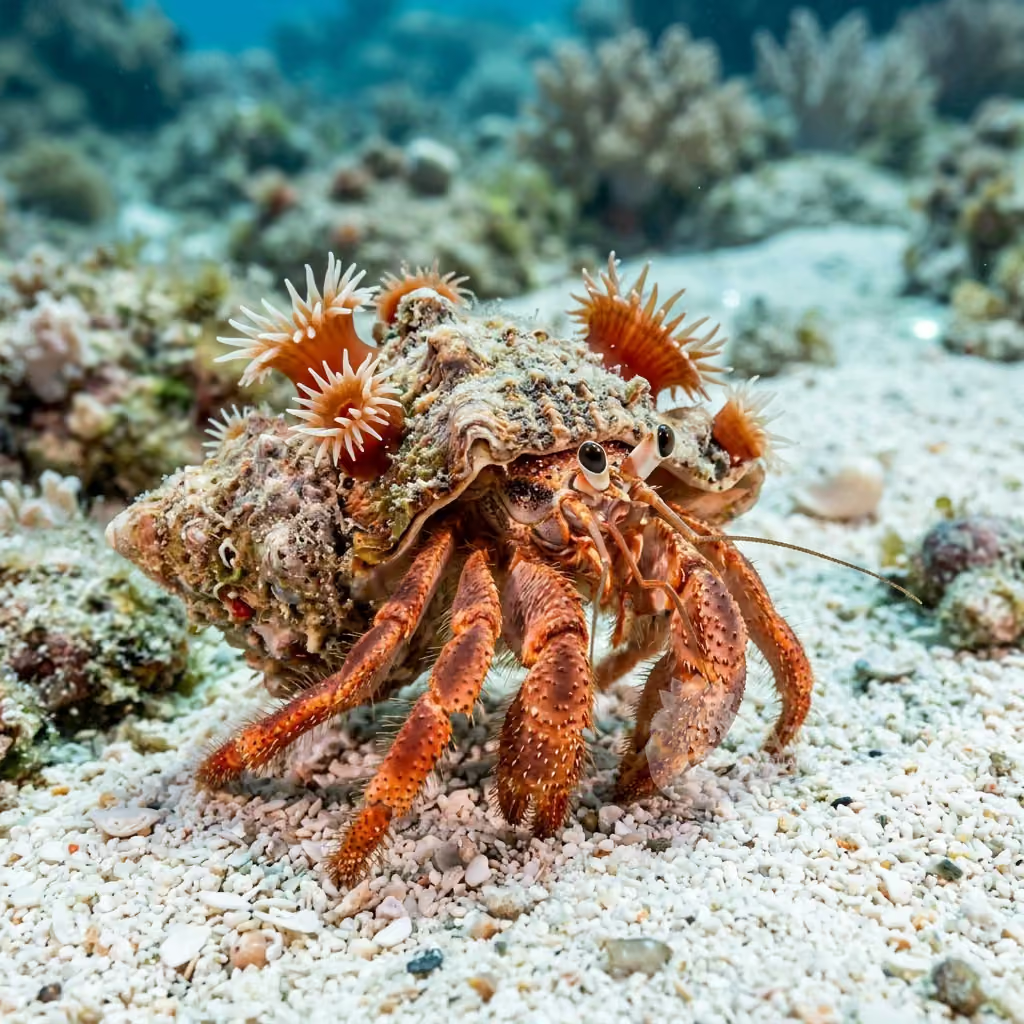
The Mexican hermit crab, or blue-eyed hermit crab, is a hardy scavenger from the Sea of Cortez, famous for its red legs, blue eyes, and algae-eating habits.
Wassertemperatur
18 - 26 °C
pH-Wert
8.1 - 8.4
Wassertyp
Meerwasser
Wirbelloser Typ
Hermit crab
Erwachsenengröße
2 cm
Mindestgruppe
>= 1
KH
8 - 12 dKH
Ökologische Rolle
Scavenger
Kupferempfindlichkeit
High

Artbeschreibung
Geographical Origin and Habitat: Clibanarius digueti is native to the warm tropical waters of the Gulf of California (Sea of Cortez) and the Pacific coast of Mexico. It predominantly occupies rocky intertidal zones, tide pools, and shallow shallow-water estuaries. In these habitats, they are frequently subjected to drastic tidal changes, high sun exposure, and variable salinity, making them highly adaptable to environmental changes.
Taxonomy: Taxononomically, it belongs to the family Diogenidae and the genus Clibanarius. It is a small species of marine hermit crab, with adults reaching a maximum body length of only 2 to 3 centimeters. Its robust physiology enables it to successfully populate coastal ecosystems that are challenging for other invertebrates.
Social Behavior: It is a peaceful, highly gregarious species that aggregates in large clusters on rocks during low tide. In the aquarium, they are active day and night, constantly foraging across rocks and sand. They show very low aggression, with territorial conflicts restricted to wrestling for better shells.
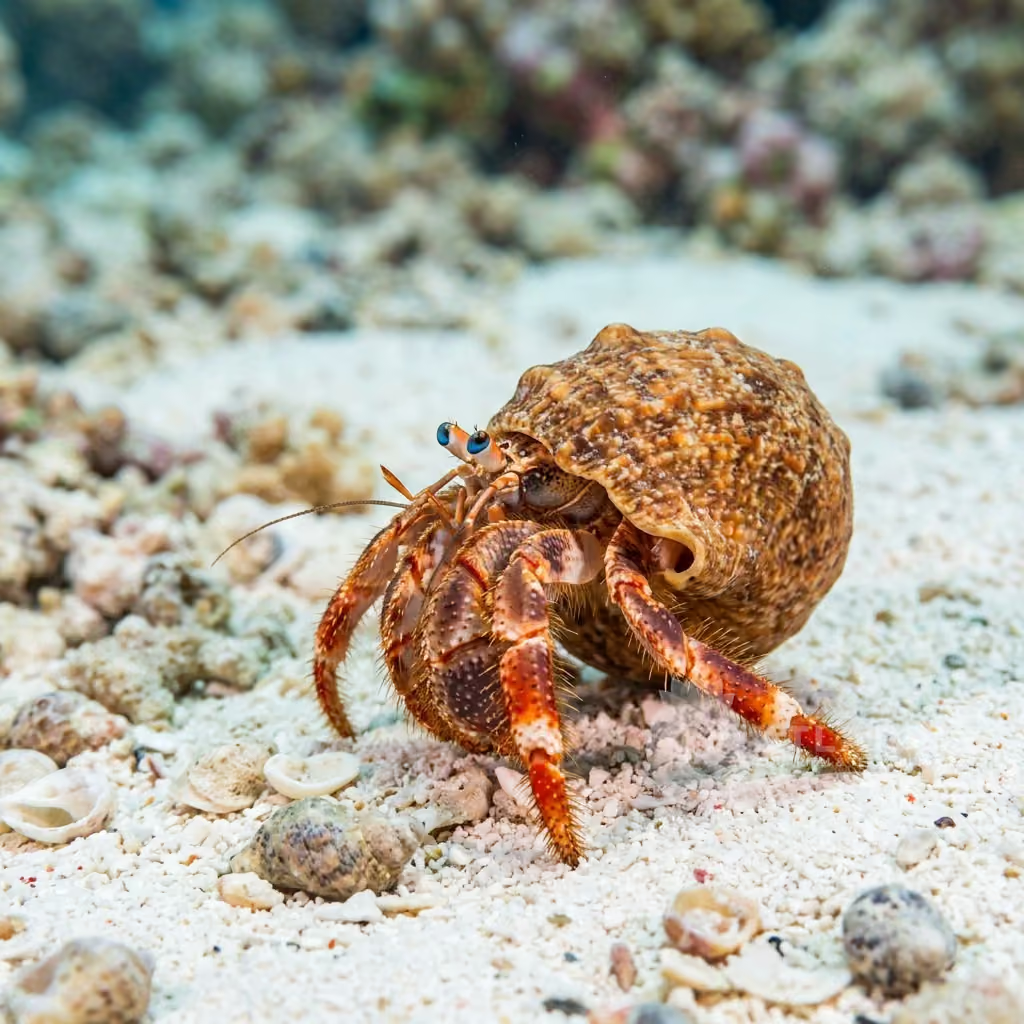
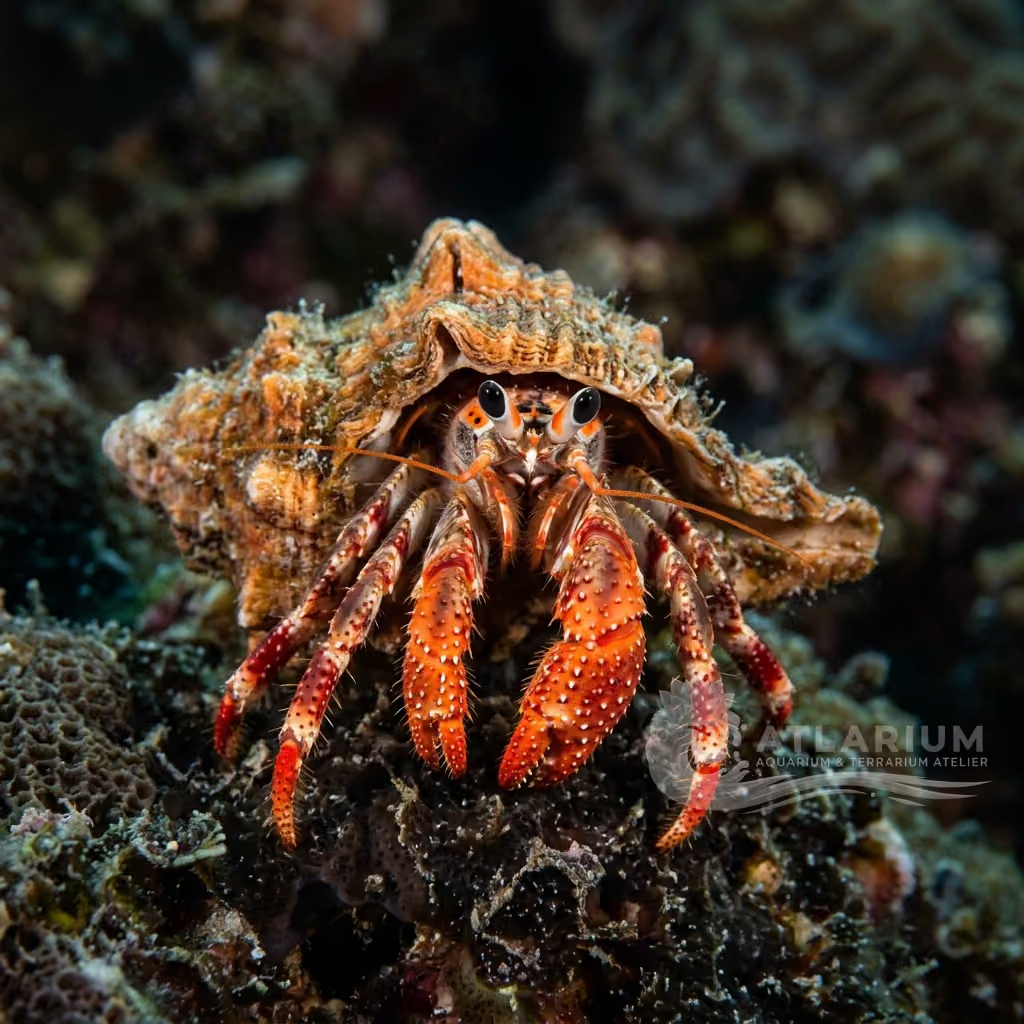
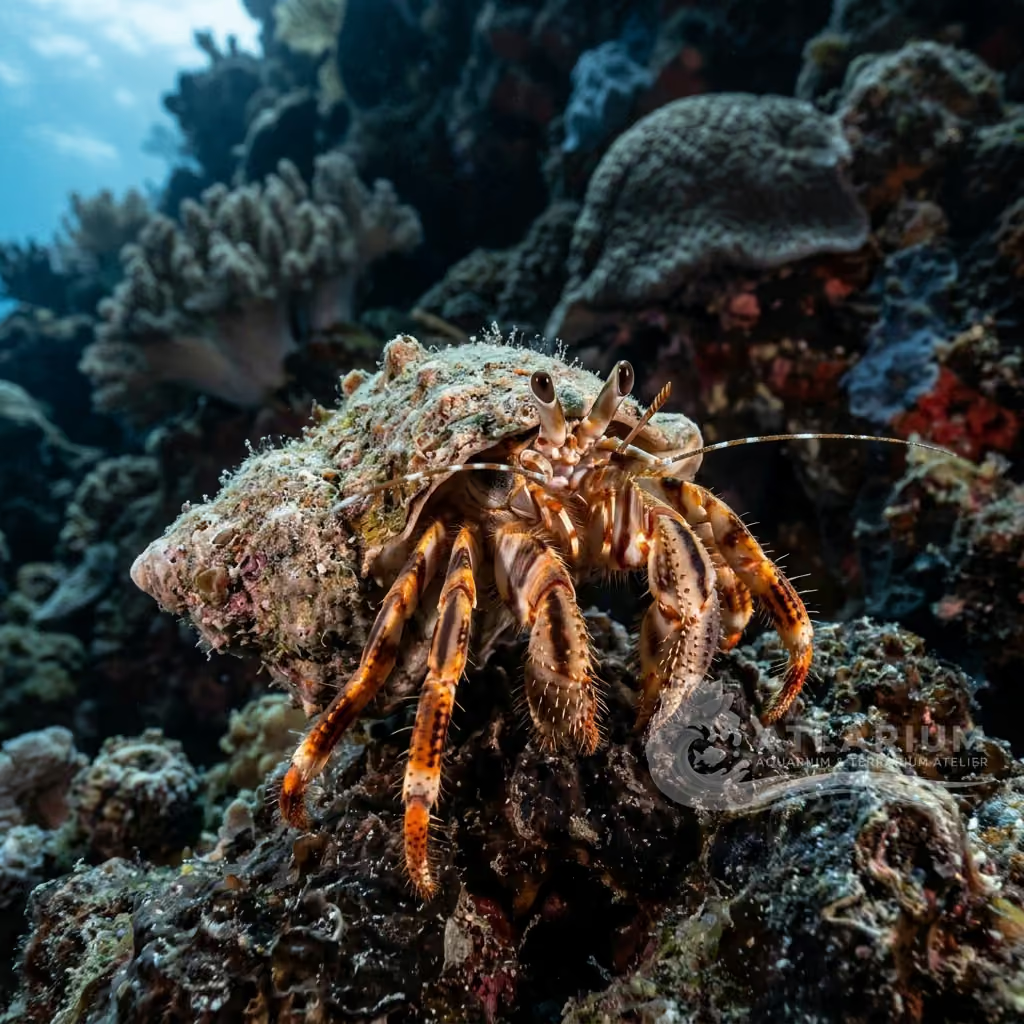
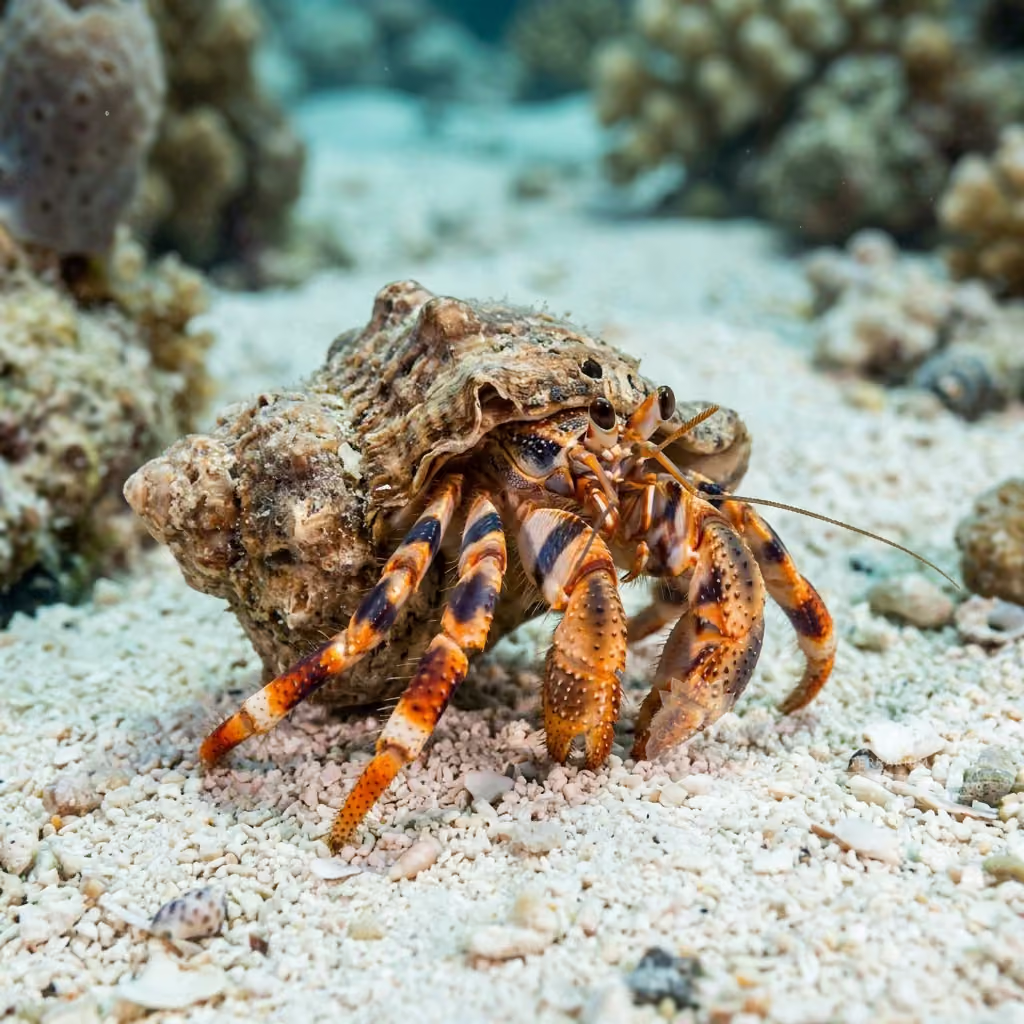
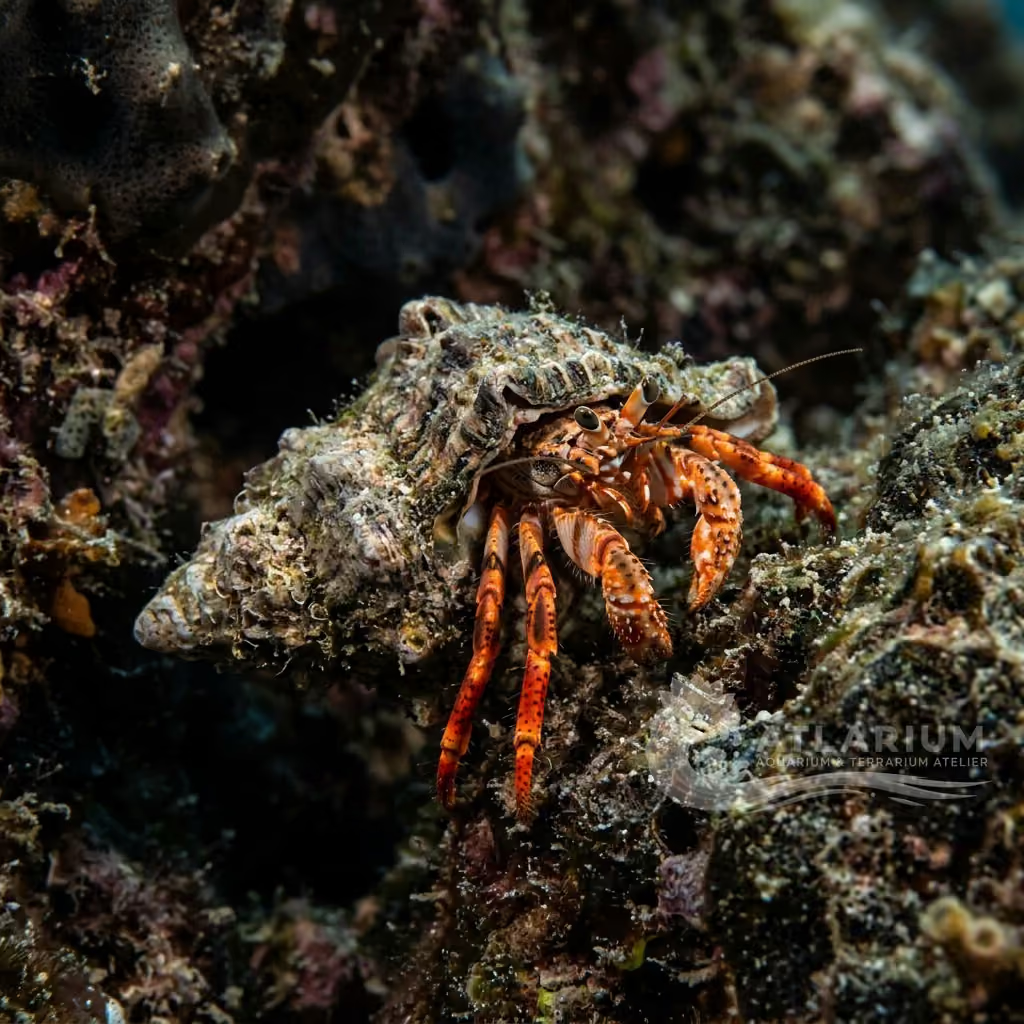
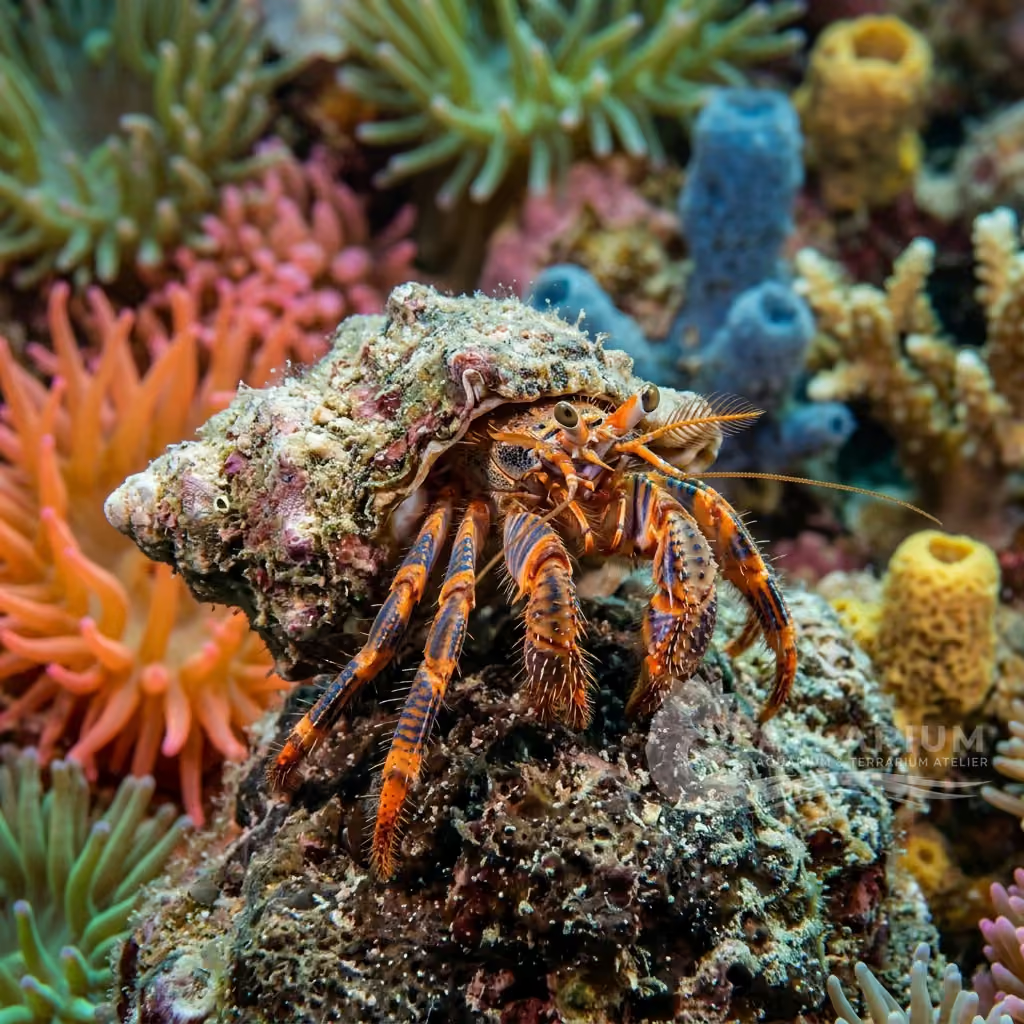
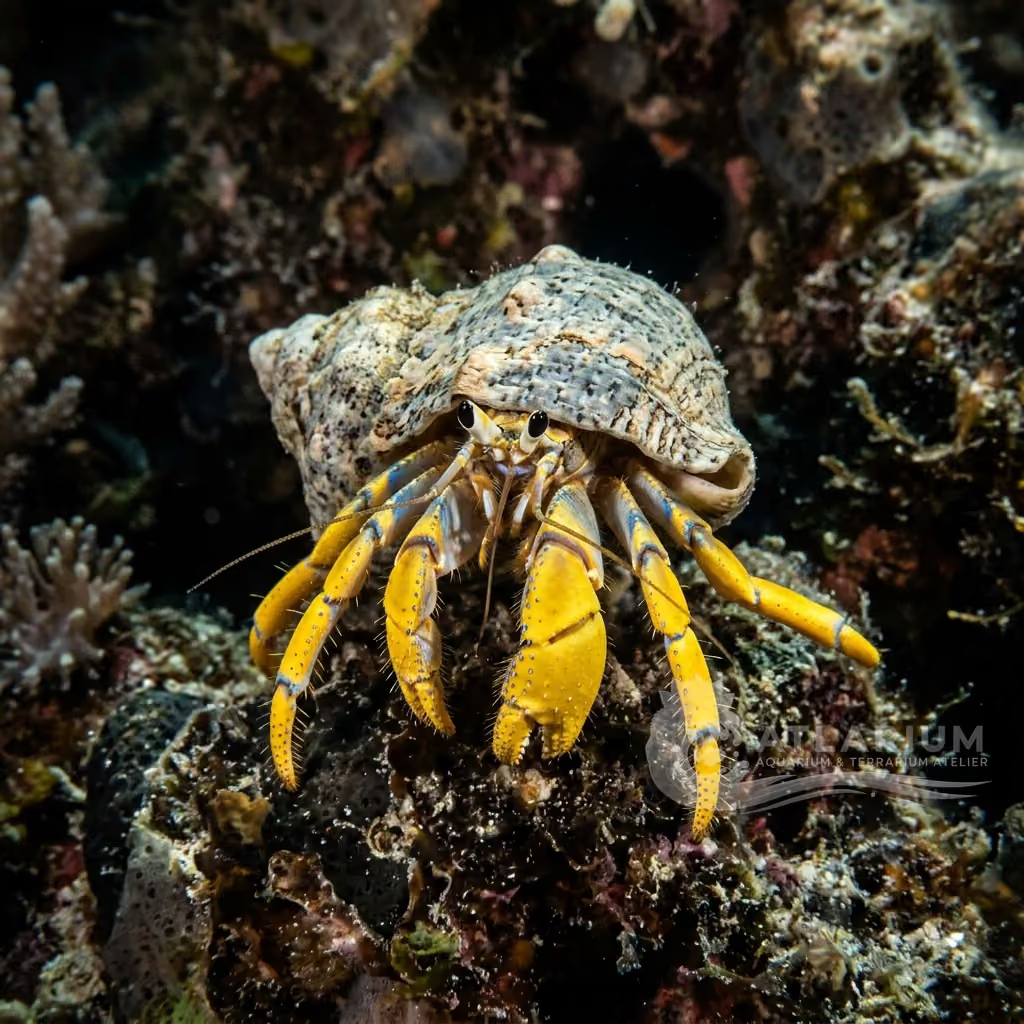
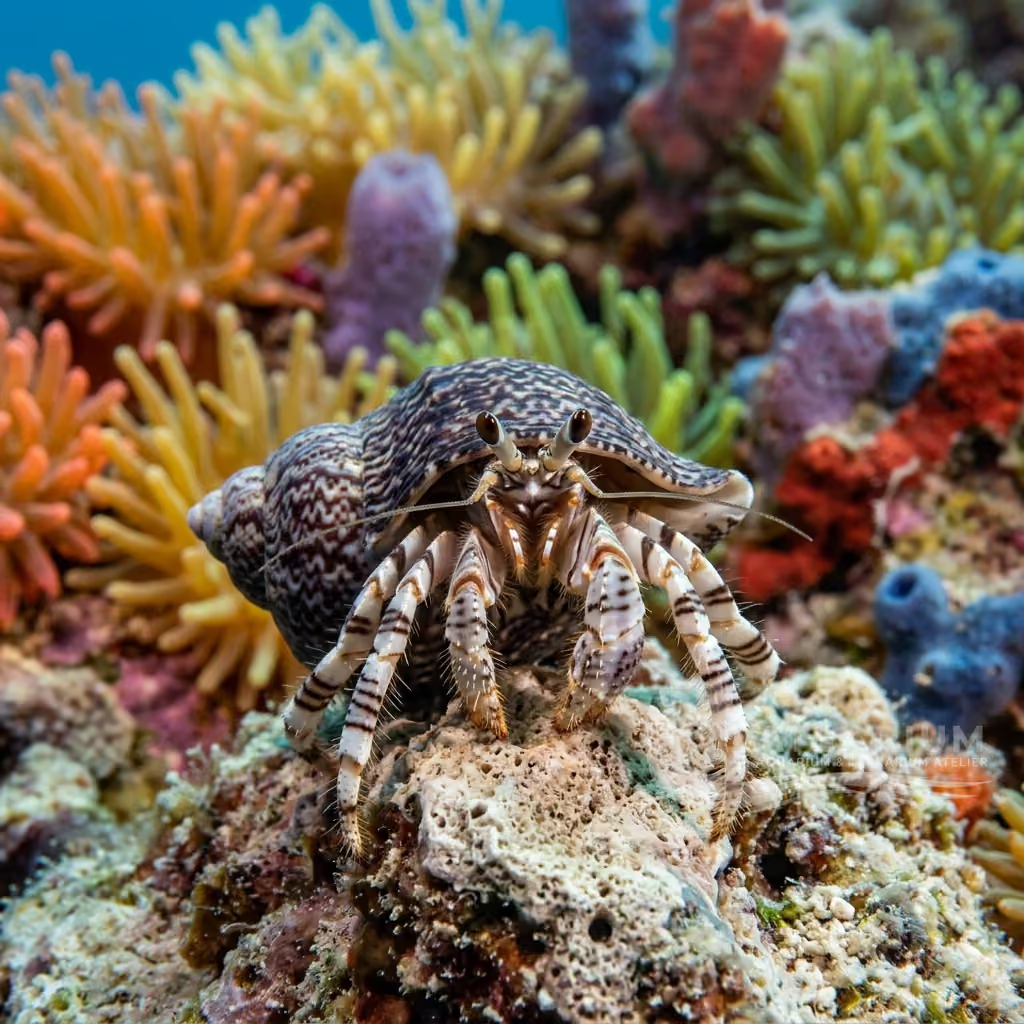
Coloration and Sexual Dimorphism: The diagnostic coloration of Clibanarius digueti features bright reddish-orange legs and claws, with small white markings near the joints. Its most striking feature is its eyes, which have bright orange stalks and brilliant blue corneas. There is no visible external sexual dimorphism; sexes are identical except for internal reproductive structures.

Pflege, Zucht und Mitbewohner
Tank Setup: Can be easily housed in small tanks of 30 liters or more. The aquarium should feature plenty of live rock for climbing and a fine sand substrate. It is critical to provide a variety of empty gastropod shells of slightly different sizes to facilitate safe molting and prevent the crabs from killing live snails for their shells.
Diet and Feeding: An excellent, non-selective detritivore and herbivorous scavenger. It actively consumes green hair algae, diatoms, organic detritus, uneaten fish food, and cyanobacteria (red slime algae). They do not require specialized feeding in established aquariums, but will accept pellets, nori seaweed, and frozen foods.
Water Quality: Very hardy due to its intertidal background, but thrives best under stable marine conditions: temperature between 22°C and 27°C, pH between 8.1 and 8.4, and specific gravity (salinity) between 1.021 and 1.025. Keep nitrate levels low and ensure the water is completely free of copper and other heavy metals.
Compatibility and Tankmates: Completely reef-safe and a highly recommended member of any aquarium cleanup crew. It coexists peacefully with small reef fish, corals, and other non-predatory invertebrates. Do not house them with crustacean-eating predators such as triggerfish, puffers, large wrasses, or octopuses.
Aquarium Breeding: Breeding in captivity is extremely difficult and has not been achieved in home aquariums. Females carry fertilized eggs beneath their abdomens, but the hatched larvae are planktonic and require specialized rearing conditions, otherwise they are quickly skimmed or eaten by tankmates.
Risks and Diseases: The primary survival risk is related to the molting process. The crab sheds its exoskeleton and becomes soft and vulnerable, hiding in rock crevices for a few days. Calcium and iodine deficiencies can lead to failed molts. Regularly dosing these minerals is recommended to ensure proper shell hardening.

Geografische Herkunft und Verbreitung
Clibanarius digueti is native to the warm tropical waters of the Gulf of California (Sea of Cortez) and the Pacific coast of Mexico. It predominantly occupies rocky intertidal zones, tide pools, and shallow shallow-water estuaries. In these habitats, they are frequently subjected to drastic tidal changes, high sun exposure, and variable salinity, making them highly adaptable to environmental changes.
Ursprung
Tropische Ozeane und RiffeMittelamerika und KaribikNordamerika

Wirbelloses Profil
- Diät
- Omnivore
- Excellent algae eater. Devours hair algae, cyanobacteria, and detritus. Should be supplemented with sinking pellets if the tank is very clean.
- Ökologische Rolle
- Scavenger
- A prime choice for reef clean-up crews due to its small size and immense appetite for microalgae.
- Erwachsenengröße
- 2 cm
- Sprungrisiko
- Yes
- No jump risk.
- Stoßempfindlichkeit
- Medium
- Drip acclimation is recommended to prevent osmotic shock.
- Kalzium und Mineralien
- Medium
- Standard reef calcium parameters are sufficient for health and molting.
- Häutung
- Shell growth
- Make sure to provide extra shells of slightly larger sizes so they do not kill Astraea or Cerith snails for their shells.
- Reproduktion
- Oviparous
- Breeding is not well documented in the home aquarium; larvae usually perish in filtration.
- Kompatibilität & Tankkameraden
- Peaceful
- Very peaceful and reef safe. Will not bother corals or healthy fish.

Verwandte Arten
Empfehlungen gruppiert nach nahen Verwandten, Auswahl von Begleitern und ähnlicher Betreuung.